Jewelry Embroidered Baseball Caps Unit Cost Review
Jewelry embroidered baseball caps Unit Cost Review sounds niche until you are trying to quote a retail-ready cap line without guessing at margin. The shiny finish is rarely what drives price. Stitch count, cap structure, placement count, and the amount of finishing work are usually the real cost drivers.
For buyers, this style makes sense when the cap has to feel premium on a shelf, in a gift box, or in a resale drop. It can work well for branded merch, team stores, pop-up collections, and gift programs where a plain logo cap would look ordinary. The key is getting repeatable decoration that still looks sharp on reorder.
Below is a practical look at what gets priced, what affects MOQ, where setup charges hide, and how to avoid paying for vague or polished-but-useless quotes. The safest quotes are the ones that break out digitizing, sample work, embellishment, and freight instead of stuffing everything into one number.
Jewelry embroidered baseball caps unit cost review: why jewelry embroidery can be a smarter cap buy
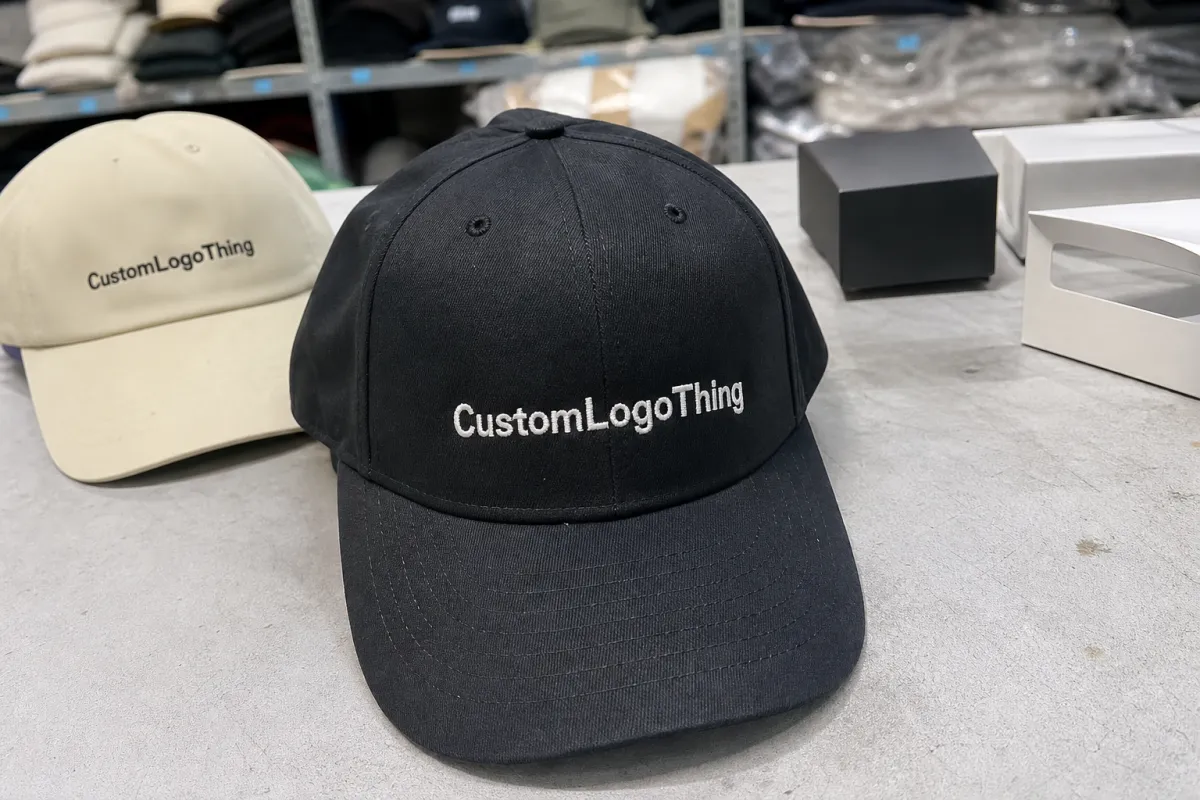
Jewelry-style embroidery can be a smart cap buy because it gives you a premium visual without requiring a fully custom body. A structured 6-panel cap with a strong front panel and clean stitchwork can sell at a higher perceived value than its raw make cost suggests. That is the practical upside of good decoration: the product feels worth more than the materials alone.
The jewelry look usually comes from dense embroidery, metallic thread accents, raised fill areas, or carefully placed jewel-inspired details. Those choices are not free, but they are often more manageable than an all-over embroidered build. For many buyers, the sweet spot is a front-panel statement piece with one or two controlled accents. That keeps the unit cost sane while still creating a cap that feels deliberate.
This style fits retail drops, premium team merch, branded gifts, and resale lines. It also fits repeat programs. If the cap will be reordered, the decoration has to be stable enough to run again without drifting in shape or thread balance. A clean spec sheet matters more than a flashy mockup.
- Front-only placement usually keeps unit cost lower than multi-location decoration.
- Structured crowns handle dense embroidery better than soft panels.
- Standard closures like snapback or strapback are easier to source than unusual fitted programs.
- Clean reorders are easier when the first run uses a proper stitch file and measurement chart.
That is why cheap quotes can be misleading. A low number that ignores stabilizer needs, sample corrections, or thread upgrades is not a bargain. It is a future invoice waiting to happen.
What defines the cap build and embroidered look
The cap build matters more than most buyers think. A structured crown, unstructured crown, 5-panel body, and 6-panel body all behave differently under embroidery. Low-profile caps sit differently on the head than mid-profile caps, and the closure choice changes how the cap is finished and packed. A snapback is straightforward. A strapback adds a little detail work. Fitted caps narrow the sourcing pool.
The decoration style matters just as much. Dense satin stitch, high-shine thread, raised fill areas, and metallic accents each carry their own cost and risk. Metallic thread can look excellent, but it is less forgiving if the digitizing is lazy. Small type can blur. Tight corners can bunch. That is why the same logo can look premium on one cap and clumsy on another.
Placement changes the quote fast. A single front-panel hit is one thing. Add a side mark, a back arch, or visor detail and machine time rises quickly. More placements also mean more chances for alignment problems. If you want a clean jewelry look, restraint is often the better design choice.
Strong builds usually need stronger support underneath the embroidery. That means tighter digitizing, better backing, and cleaner artwork. Thin caps can pucker if the stitch density is too high. Soft crowns can collapse under heavy thread. Cheap quotes often skip over these details because they are annoying to explain, then the sample arrives and everyone acts surprised.
For a proper review, ask what the cap body is made from, how the embroidery will be stabilized, and whether the design is being adapted for the panel shape or simply dropped onto it. That difference affects both appearance and unit cost.
Specs that change embroidery quality and pricing
Fabric choice is one of the first real cost levers. Cotton twill is common and usually easy to work with. Brushed cotton adds a softer hand feel. Polyester blends can hold shape well and behave predictably in production. Wool-look builds can support a premium style, but they are not always the cheapest route. The right call depends on the design weight and the finish you want on the shelf.
Stitch density is another major factor. More stitches mean more machine time, more thread consumption, and more risk of puckering on thinner caps. A dense design can look rich and expensive, but only if the crown can take it. If the embroidery area is too crowded for the panel size, the result looks compressed instead of premium.
- Curved bill piping or extra trim work
- Contrast underbrim or special lining color
- Metal eyelets instead of standard stitched vents
- Upgraded sweatband materials or moisture-control bands
- Woven labels, custom hang tags, or branded stickers
Artwork rules matter too. Vector files are the baseline. Minimum line thickness should be checked before anyone quotes the job. Color counts should be real, not optimistic. And the placement size has to fit the cap panel without distortion. A design that looks fine in a flat proof can fail once it curves over a crown.
If the goal is a fair jewelry embroidered baseball caps Unit Cost Review, ask for the spec sheet before you compare prices. Without it, you are comparing guesses.
For quality expectations on transit and packaging, the standards around shipping tests and package integrity matter too. If your order is going into retail distribution, it is worth checking references like ISTA for transport test methods and FSC if the box or insert materials need a certified paper source.
Unit cost, MOQ, and bulk pricing tradeoffs buyers should expect
Unit cost moves hard with quantity. A sample or low-run order always carries the highest cost per piece because the setup work has to be paid somewhere. Once digitizing, approvals, and machine setup are spread across more caps, the number drops. That is not a factory trick. That is math.
For a simple front-panel embroidered cap, rough pricing often falls into these bands:
| Quantity | Typical unit cost | What usually happens |
|---|---|---|
| 50 units | $7.50-$12.00 | Highest setup burden, least efficient bulk pricing |
| 100 units | $5.80-$9.00 | Better spread of tooling fees and setup charges |
| 300 units | $4.20-$6.80 | Usually where pricing starts to feel normal |
| 500 units | $3.40-$5.80 | Stronger bulk pricing, more room for packaging upgrades |
Those ranges are not universal, and they should not be treated like gospel. Metallic thread, multiple placements, jewel embellishments, custom trims, or special cap bodies can push the number up quickly. Still, they are useful because they show the shape of the pricing. The lowest run is rarely the cheapest route per unit, even if it feels easiest.
MOQ exists because embroidery setup takes time and the maker needs enough units to spread that work out. Lower MOQ is convenient, but it almost always means a higher unit cost. If you need flexibility for design testing or retail validation, that tradeoff may be fine. If margin matters more, ask for breaks at 100, 300, and 500 units and compare the cost per piece at each tier.
Real quotes usually contain more than cap blank plus embroidery. Look for digitizing, sample development or sew-out proof, embroidery labor, packaging, freight, and, if relevant, duties. A supplier who hides those pieces is not being helpful. They are just making the quote look prettier.
Process, timeline, and production steps from approval to ship
The normal workflow is simple enough, but each step matters. First comes art review. Then quote confirmation. Then digitizing. Then a sample or sew-out. Then approval. After that, bulk production, quality check, packing, and shipment. If someone skips one of those steps, they usually pay for it later.
Timing depends on complexity. A straightforward cap run can move in about 10 to 15 production days after approval. Add metallic thread, multiple placements, or embellishment work and the schedule stretches. A realistic window for more complex jewelry-style embroidery is often 12 to 20 business days after final signoff, before freight. If a supplier promises magic-speed production for a detailed build, ask what gets omitted.
Delays usually come from slow artwork approval, stock shortages, color matching issues, sample revisions, and mid-order design changes. The last one is especially expensive. A buyer changes a stitch line after production starts, and suddenly the whole order needs another round of setup. That is how setup charges grow teeth.
- Placement and actual artwork size
- Stitch density and backing choice
- Thread colors, including metallic accents
- Packaging format and retail labeling
- Shipping method and delivery target
That locked spec matters because a clean approval process protects both quality and margin. If the spec is vague, the factory has to make assumptions. Assumptions are expensive, and they are rarely the same assumptions the buyer had in mind. For intricate work, request a production sample or stitched reference before the full order runs.
How to compare suppliers without paying for polished nonsense
Buyers should compare proof, not adjectives. A good supplier can show close-up photos of similar work, a clear cap spec, a real quote breakdown, and examples of the same kind of decoration on the same kind of crown. That matters because embroidery behaves differently on a dad cap, a trucker cap, and a structured streetwear cap.
Red flags are easy to spot once you know where to look. Vague all-in pricing is one. No sample plan is another. If there is no measurement chart, no tolerance note, no mention of backing, and no stitch method explained, the quote is probably thin on details for a reason.
- What thread type are you using?
- How will the design be digitized for the cap panel?
- Do you offer a pre-production sew-out?
- Where are the QC checkpoints before packing?
- Will a reorder match the first run in scale and placement?
That last question matters more than most people think. Reorders are where weak programs fall apart. If the first run was managed loosely, the second run may not match. Then the buyer spends time arguing over why the logo shifted or why the thread sheen changed. Nobody needs that.
The real value is not the cheapest sticker price. It is fewer surprises, less rework, and a cleaner landed cost. If a quote is $0.40 lower but causes one failed sample, one change round, and one delayed ship date, it was not cheaper.
One more practical point: ask how the order is packed. A cap heading into retail or gifting can need shape support, individual polybags, size stickers, or custom insert cards. Packaging adds a little cost, but it can protect the product and improve shelf appeal.
What to send for a clean quote and the next order move
If you want a clean quote, send the right inputs the first time. That means artwork, cap style, quantity tiers, color choices, placement notes, packaging needs, and your target ship date. If the supplier has to chase half those details, the quote will drift.
Ask for a price ladder that shows the jump from sample quantity to mid-run to bulk. That is where the buying decision gets real. A quote at 50 units tells one story. The same design at 300 or 500 units tells a different one. If the supplier cannot show those steps, you do not really have a Unit Cost Review yet.
For intricate designs, metallic thread, or anything that needs jewel-style detail to land correctly, request a pre-production sample or stitch-out. That is the moment to catch proportion issues, thread behavior, and placement errors. Once the full order is running, small mistakes get expensive fast.
Compare landed cost instead of chasing the lowest factory number. Include freight, packaging, setup charges, and any likely tooling fees. Then approve the spec sheet and quote so the order moves cleanly. If you need a jewelry Embroidered Baseball Caps unit cost review against your margin, ask for the quote ladder first, then decide on quantity. The reverse usually costs more.
Practical rule: if the quote does not separate setup, sample, and bulk pricing, it is not detailed enough for a buying decision.
If you want one simple next step, start with a front-only design, a structured cap, and a 100-unit quote break. That gives you a useful baseline for unit cost, quality, and reorder risk without overcomplicating the order. From there, you can add embellishment or packaging with your eyes open.
FAQs
What drives jewelry embroidered baseball caps unit cost the most?
The biggest drivers are stitch count, cap structure, decoration size, and total quantity. Special thread, multi-location embroidery, and custom packaging raise the number fast. A simple front-panel design on a standard cap is usually the cheapest route.
What MOQ should I expect for jewelry embroidered caps?
Most custom runs start around 50 to 100 units, but the exact MOQ depends on decoration complexity. Lower MOQ is convenient, not cheap, because setup costs get spread over fewer caps. If you want better unit pricing, ask for breaks at 100, 300, and 500 units.
How long does production usually take for embroidered baseball caps?
A straightforward run may take about 10 to 15 production days after approval. Sampling usually adds several days, and intricate embroidery or embellishment adds more time. Rush orders are possible sometimes, but they usually cost extra and reduce flexibility.
What files are needed for an accurate cap quote?
Send vector artwork, preferred cap style, quantity tiers, embroidery placement, and color references. If you have Pantone targets or a reference sample, include that too. Clear specs reduce revision loops and stop the quote from drifting later.
Can I mix cap colors or embroidery placements in one order?
Yes, often you can mix colors if the base cap and embroidery program stay the same. Multiple placements or design versions usually increase setup and may affect MOQ. Ask for the price impact before you commit, because the first quote is not always the final one.
That is the practical version of the review: understand the build, lock the spec, compare real pricing tiers, and do not let a shiny mockup hide setup charges. If you quote the order that way, you are far more likely to hit margin without getting trapped by the wrong MOQ or a weak production plan.


