The first mistake in a skincare Sample Plastic Bags carton label review is treating the pouch as the hero and the carton label as a small accessory. In production, the label is the part people read, scan, stack, and touch most often, so the result depends on how well the bag and carton work as a single system.
The safest default is usually a clear resealable pouch, a matte carton label with dependable adhesive, and a carton size that keeps the sample from shifting in transit. That combination tends to be the best balance of cost, speed, legibility, and packing consistency for trial kits, retail handouts, and mailers where appearance still matters after handling.
That is the lens here: not just how a sample looks on a mockup, but how the entire pack behaves after filling, labeling, shipping, unpacking, and a few rounds of handling. A sample package succeeds only if it can move through those steps without creating rework.
Quick answer: the setup that avoids messy sample handoffs
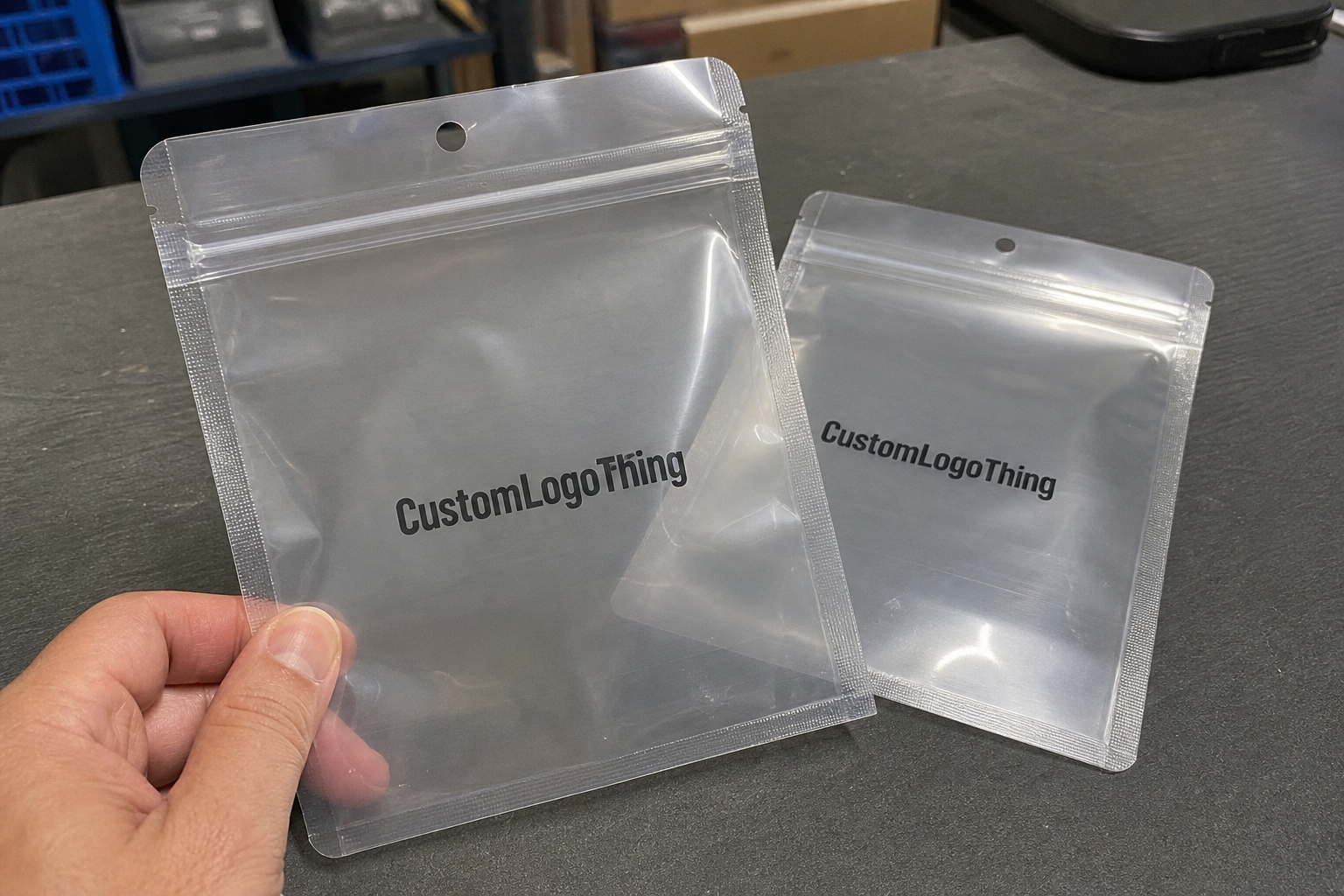
For most buyers, the lowest-risk build is a stock clear pouch with a zipper or tear seal, paired with a carton label that carries the brand name, formula name, batch details, and barcode in a layout that remains readable from a normal viewing distance. That setup avoids most of the common failure points: wrinkled labels, blocked codes, sloppy folds, and artwork changes that are too late to absorb without cost.
The label matters because the pouch can look fine in isolation and still fail once the carton label starts lifting, scuffing, or curling at the corners. A label is not decoration in this kind of packaging. It is the operational surface.
For oily formulas, fragrance-heavy samples, or any product that may sit on a shelf before use, it is worth looking at the seal, the film, and the carton substrate together. Gloss can make a small package feel brighter, but it also shows fingerprints and abrasion more readily than a matte or soft-touch finish. A thicker board can help the label stay flat, yet too much stiffness can cause cracking at folds if the carton is undersized or packed too tightly.
The practical rule is simple: add only the custom specs that the job actually needs. Every extra finish, material choice, or print feature creates one more place where the order can drift, and sample runs rarely have enough margin to absorb avoidable drift.
Top options compared: clear, frosted, and printed film
There are three common directions for sample packs, and each one shifts the balance between price, speed, and presentation. A serious skincare sample Plastic Bags Carton label review should judge them on production behavior, not just appearance in a presentation deck.
| Option | Typical unit cost at 5,000 pcs | Best use | Main tradeoff |
|---|---|---|---|
| Clear pouch | $0.08-$0.18 | Fast packing, easy product visibility, lower risk | Less premium presentation without strong carton branding |
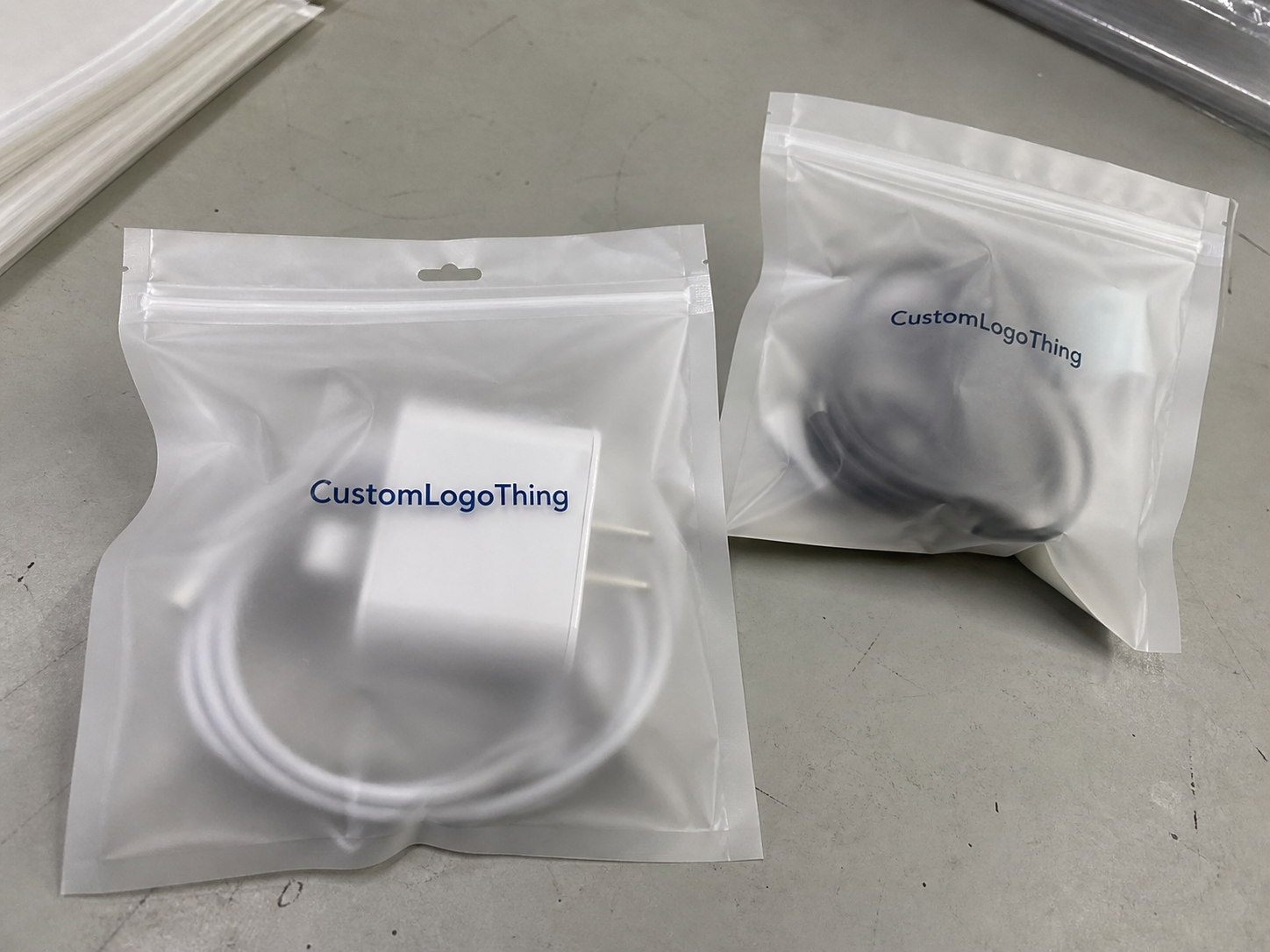
| Frosted pouch | $0.12-$0.24 | Higher perceived value, softer presentation, slight privacy for the formula | Can show scuffs more clearly under heavy handling |
| Printed film pouch | $0.18-$0.42 | Consistent branding and retail-ready appearance | Higher MOQ pressure and more proofing time |
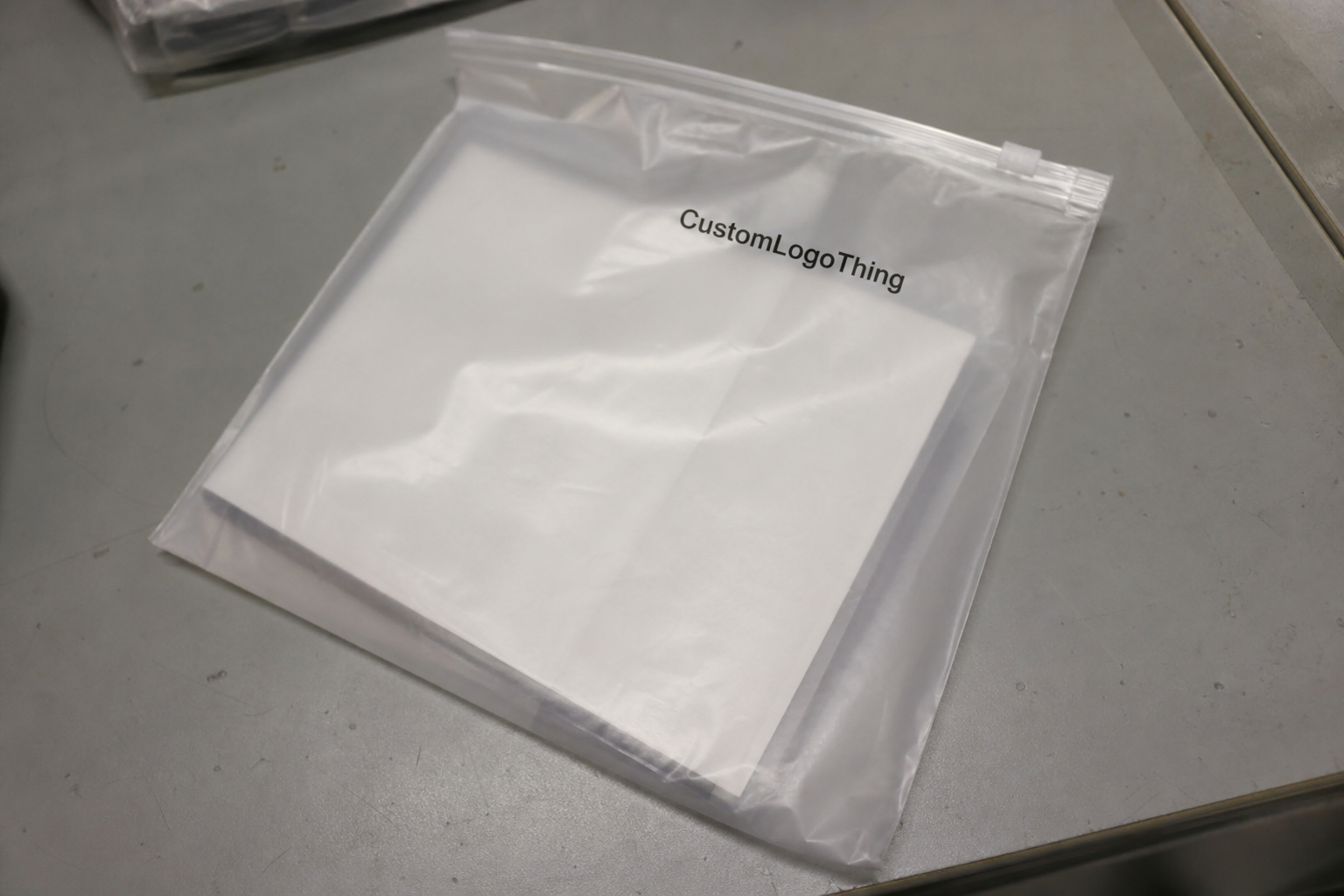
Clear bags are the easiest to approve and the easiest to inspect. You can see fill level, spot contamination early, and catch leaks before samples leave the line. If the carton label carries the brand identity, clear film is often the smartest buy because it lets you use stock pouch sizes and keep changeover simple. It is also a practical choice for fast pack-out lines, where speed and consistency matter more than a highly decorated pouch.
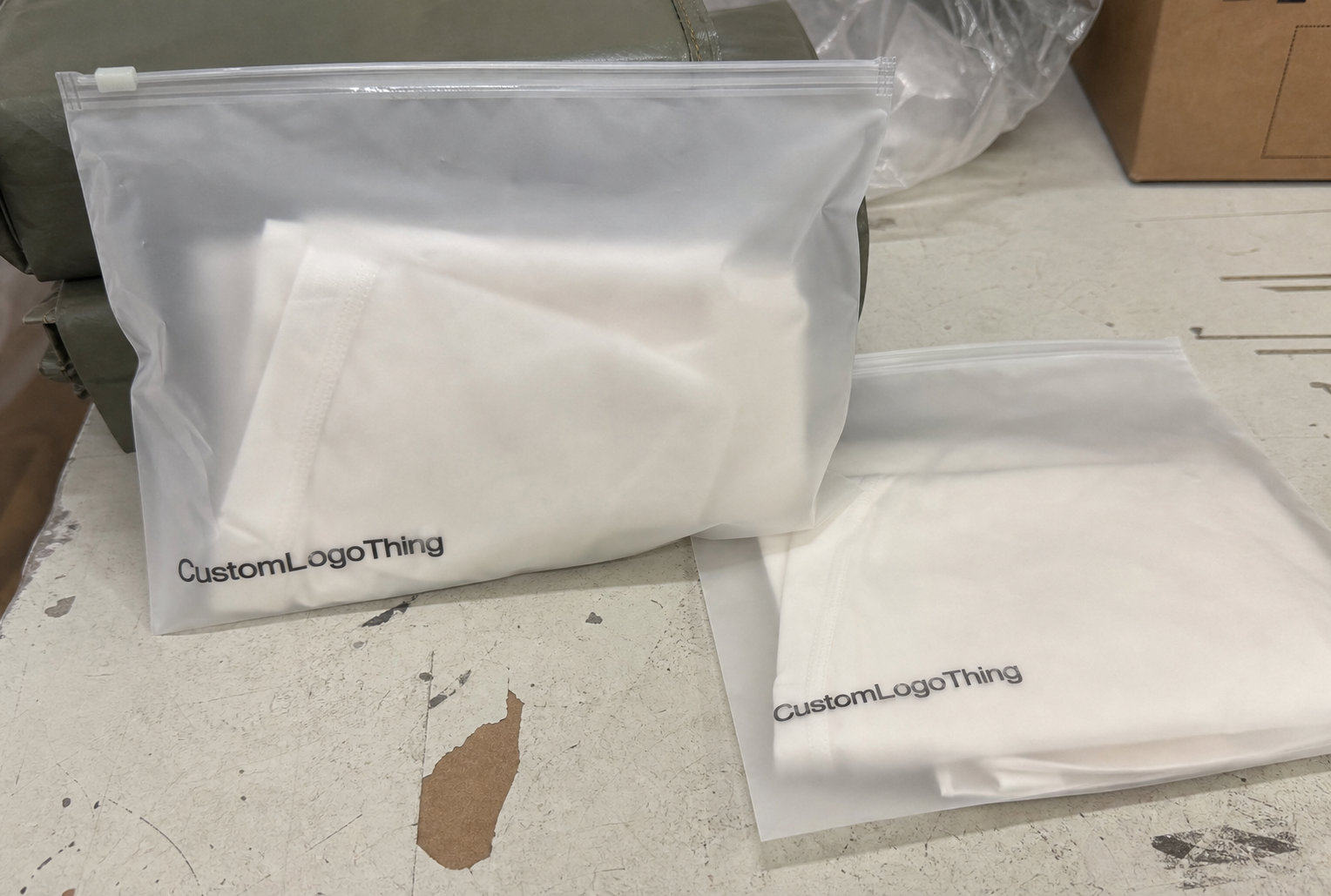
Frosted bags work when the brand wants a softer, more elevated feel without moving to full print. They hide the contents slightly, which can help when texture or color is not the main selling point. The drawback is that frosted film adds visual complexity. If the carton label is crowded, the finished pack can start to look busy instead of controlled.
Printed film is the strongest branding option, but only if the volume and artwork discipline justify it. Once the pouch itself is printed, the package becomes less forgiving. A late text change, a barcode shift, or a color correction can push the timeline and force a reproof. That is why printed film tends to fit stable SKUs better than test-and-learn sample programs that change claims or formula notes often.
For smaller runs, a label-led package is usually the cleaner commercial choice. You can use Custom Labels & Tags for the carton face and keep the pouch stock, which lowers risk and leaves room to adjust messaging between batches.
Detailed reviews of the most practical bag and carton builds
Clear pouch plus labeled carton: This is the most practical build for most buyers. It gives you visible fill, easy scanning, and a straightforward route to scale. The carton can carry the brand story, ingredients, directions, and compliance text while the pouch stays simple. That split is efficient because the variable information lives on the carton label instead of on the bag itself. It is also easier to reprint labels than to rework printed film when a claim changes.
Frosted pouch plus minimal print: This is a stronger choice for premium trial kits, especially if the sample is part of a gift set or a retail handout. The presentation feels more considered, but only if the carton label is restrained and spaced well. Dense layouts and frosted film do not always get along. A matte label stock with a clear type hierarchy often looks better than a glossy label trying to hold too much copy.
Fully printed pouch plus branded carton: This is the most polished option, but it demands the most discipline. You are proofing two decorated surfaces, not one, and that doubles the number of places where color, copy, and registration can drift. For larger launches, the finish can justify the extra setup. For smaller sample runs, it often creates more headaches than value.
The structure should be judged by feel as much as by appearance. If the zipper drags, the seal line is uneven, the fill level varies too much, or the carton is tight enough to bruise the pouch edges, the pack will start to look tired before it reaches a customer. A solid skincare sample plastic bags carton label review has to check those physical details, not just the artwork.
“The sample looked fine in the proof, but the corners lifted after packing and the barcode sat too close to the fold. That is the kind of issue that turns a simple run into a reprint.”
It also helps to test the package under rough handling, not just on a bench. Repeated picking, carton stacking, and shipping vibration expose weak adhesive, thin board, and poor fit quickly. Many teams run a small internal drop test or a basic parcel simulation before final approval. That is not overkill. It is standard discipline for sample packaging, especially when the packs will be mailed, shelved, or kit-packed by hand.
For buyers who want a cleaner presentation without moving to fully printed film, a sturdy label system and a well-sized carton often do the job better than additional decoration. If the label is designed well, the pack still feels deliberate, and the run is easier to keep on schedule.
Process and lead time for proofing, labels, and cartons
Most delays start with dieline confirmation. That sounds routine, but it is where label placement problems usually begin. If the carton dimensions are off by even a little, the label can drift into a fold, a seam, or an edge that does not hold adhesive well. After that comes artwork placement, label sizing, carton proofing, and pack-out testing. Each step looks minor until it is skipped.
The fastest projects are the ones with locked artwork, standard bag sizes, and standard label stock. Once you introduce custom die cuts, specialty adhesives, foil, or soft-touch lamination, the calendar stretches. A simple sample bag and carton label order can often move in roughly 12-15 business days after proof approval, while printed pouch programs may run closer to 20-30 business days depending on complexity and freight. Those numbers are not fixed rules, but they are a realistic starting point for planning.
Approval checkpoints matter more than many teams expect. A digital proof is the minimum. A physical sample is worth considering if the pack will go to retail buyers or a launch event. Color approval matters too, especially when the carton label needs to match broader brand assets or coordinated corrugated shipper packaging. If a barcode is involved, test readability before production, not after.
For shipping confidence, some teams reference ISTA testing methods or common distribution standards such as ASTM D4169. Those references are useful because they force the conversation away from aesthetics alone and toward compression, vibration, drop risk, and how a small carton behaves inside a mailer or bulk shipper.
If sustainability is part of the brief, the carton board choice matters as much as the print finish. FSC-certified board can support sourcing claims where chain of custody is relevant, and the EPA’s materials management resources at EPA are useful when teams are trying to align packaging choices with disposal realities. Local recycling rules still need to be checked, because coatings, adhesives, and multi-layer finishes do not behave the same way everywhere.
Adhesive behavior is another detail that gets overlooked. A carton label that holds in a conditioned sample room can still fail in humid storage, a hot mail truck, or a retail back room. If the order is headed to mixed climates, it is worth asking for adhesive notes, not just surface finish notes. That is a small request that can prevent a lot of rework later.
Cost, pricing, and MOQ realities
Pricing is usually driven by five variables: film gauge, closure style, print coverage, carton stock, and label finish. Assembly method matters too. A hand-applied carton label costs less to set up than a fully printed carton, but the labor can add up if the order needs collation, kitting, or serial packing. In a skincare sample plastic bags carton label review, it helps to separate product cost from assembly cost because they are not the same line item.
As a rough guide, plain stock pouches at modest volume often sit in the $0.08-$0.18 range, frosted variants around $0.12-$0.24, and printed film can rise into the $0.18-$0.42 range depending on color count and finish. Carton labels are usually more economical, often $0.03-$0.09 each for common sizes, but setup, slitting, and finish changes can shift that quickly. If foil, raised varnish, or special adhesive is added, the quote moves.
MOQ is where many buyers get surprised. Plain pouches and label-led cartons are more flexible because the base package stays stock. Printed bags raise the minimum because tooling, plate prep, and press time need to be recovered across the run. That does not make printed packaging wrong. It just means the economics only work when the volume and the shelf life justify the setup.
Hidden charges are common, and they are worth asking about early:
- Setup and plate costs for printed films or specialty carton graphics
- Proofing fees for custom label dimensions or complex finishes
- Freight for cartons shipped flat versus assembled
- Manual packing labor for kit assembly or variable inserts
- Rework charges if artwork changes after proof approval
To compare quotes fairly, keep the spec identical across vendors. Match the same pouch size, same zipper or tear seal, same carton board, same label finish, and same shipping terms. A lower unit price can hide a weaker total landed cost if one supplier charges more for freight or adds separate packing charges.
If you want to reduce quote noise, ask for one version with stock components and one with full customization. That gives a clear read on where the real cost jumps are. It also shows whether the branding improvement is worth the added lead time.
For smaller programs, label-led packaging usually gives the best balance of control and flexibility. It is easier to correct copy, easier to swap variants, and easier to keep the work moving if the launch schedule shifts.
How to choose the right sample pack for your product
Start with the formula. Thick creams, balms, and oil-based samples need stronger seal confidence than lightweight serums or dry powders. If the formula tends to migrate or stain, choose a pouch material and seal style that gives you more margin. If the sample is dry or low-viscosity, the carton label, finish, and readability usually matter more than heavy structure.
Then decide how the sample will be used. A resealable zipper is useful when the customer may open it more than once. A tear-seal format can be better for one-time promotional packets where speed and tamper evidence matter more than reclosure. That is a small decision, but it changes the user experience and the packing workflow.
Next, decide where the branding should live. For highly variable SKUs, the carton should carry the changing information and the pouch should stay as stable as possible. For stable product lines, more branding can move onto the pouch. The point is not to decorate every surface. If the carton label already has to handle barcode, ingredients, claims, and lot information, the pouch should not compete with it.
Handling conditions matter too. Mailers punish corners and label edges. Sample boxes create stacking pressure. Event handouts get touched more often than people admit. Retail trays can scuff cartons if the board is too soft. A label that looks perfect in a photo can still fail if the adhesive does not match the route the package actually takes.
That is why the best skincare sample plastic bags carton label review is really a use-case review. It asks where the pack will be stored, how it will be touched, how long it will sit before use, and whether the buyer needs quick scanning or a more premium shelf presence.
For brands with multiple shade or formula variants, a standardized carton label system is often cleaner than separate pouch art for each SKU. It keeps proofs manageable, reduces artwork mistakes, and makes reorders faster. That kind of practical decision saves money without making the package feel cheap.
If the samples are going into mixed channels, the packaging should also hold up to inconsistent handling. A pack that feels acceptable in a controlled office test may behave very differently in a fulfillment center, a retail drawer, or a postal route with wider temperature swings. That is another reason to test before scaling.
Our recommendation and next steps for a clean rollout
If the goal is a clean rollout, start with one pouch size, one carton format, and one label layout. Test durability, packing speed, barcode reading, and shelf appearance before widening the program. In most sample runs, the biggest savings come from reducing variation, not from chasing the lowest printed unit price.
Ask for a quote with exact dimensions, material thickness, closure type, label stock, finish, quantity, and target lead time. If any of those are vague, the quotes will look comparable but will not actually be interchangeable. A physical sample is worth requesting if the pack will be shipped, displayed, or handled by retail staff. Bench proofs are useful; real handling is better.
Check the pack for four things in particular: label adhesion, edge lift, carton scuffing, and barcode readability. Then look at it again after it has been handled a few times. If it still looks clean and the seams stay flat, the structure is probably right.
You can also keep the cartons flexible while the pouch stays stock by using a label program for the outer pack. That is where Custom Labels & Tags make sense for brands that need frequent variant changes or seasonal messaging. It is a practical middle ground between plain packaging and full decoration.
The version worth approving is the one that creates the fewest surprises in production. In most cases, that means a clear or frosted pouch, a matte carton label, board that stays flat, and a pack-out method operators can repeat without fuss. If those parts hold up in the same skincare sample plastic bags carton label review, the rollout is usually stable enough to scale.
What should I look for in a skincare sample plastic bag carton label?
Check adhesive strength, barcode readability, moisture resistance, and whether the label stays flat after handling and shipping. Make sure it fits the carton face cleanly without covering key product details or wrapping onto a weak fold line.
Are clear bags or frosted bags better for skincare samples?
Clear bags are usually better for visibility, fast packing, and lower cost. Frosted bags work better when you want a more premium look or a little privacy for the sample contents.
How do carton labels affect lead time on sample bag orders?
Custom labels can add proofing and approval steps, especially if the artwork, size, or adhesive is nonstandard. Lead time is usually fastest when the carton, label, and bag specs are already standardized before quoting.
What is the usual MOQ for printed sample bags versus labeled cartons?
Printed bags usually require a higher MOQ because of setup and print preparation. Labeled cartons are often the lower-risk option for smaller runs because the base bag can stay stock while the label carries the variable information.
How do I compare quotes for skincare sample plastic bags carton label orders?
Compare the same size, same material, same closure, same label finish, and same shipping terms. Look beyond unit price and check setup, freight, assembly, and any rework or proofing charges before deciding.