B2B Reorder Guide for Foam Trucker Hats: Specs, Pricing, and Lead Time
A Foam Trucker Hats reorder plan only saves money if the old spec is still usable. The phrase “same hat” sounds simple until the foam density shifts, the mesh comes from a different roll, or the closure changes from snapback to hook-and-loop. Then the reorder stops being a reorder and starts behaving like a new development job with old memories attached.
For retail programs, event kits, and promotional drops, the cleanest repeat order is the one built from the last approved sample, the final artwork file, and a spec sheet that actually matches what shipped. If you lose any one of those, the quote starts floating and the schedule follows. That is why a Foam Trucker Hats reorder plan is less about “ordering again” and more about preserving the exact conditions that made the first run work.
The buyer’s job is not only to ask for a lower price. It is to keep the product from drifting. Small changes matter here because foam-front caps are more sensitive than they look: the front panel can collapse differently in storage, mesh colors can read differently under store lighting, and a new closure can change both fit and carton count. Those are not cosmetic details. They change the finished hat.
Why a reorder only works when the original spec is still intact
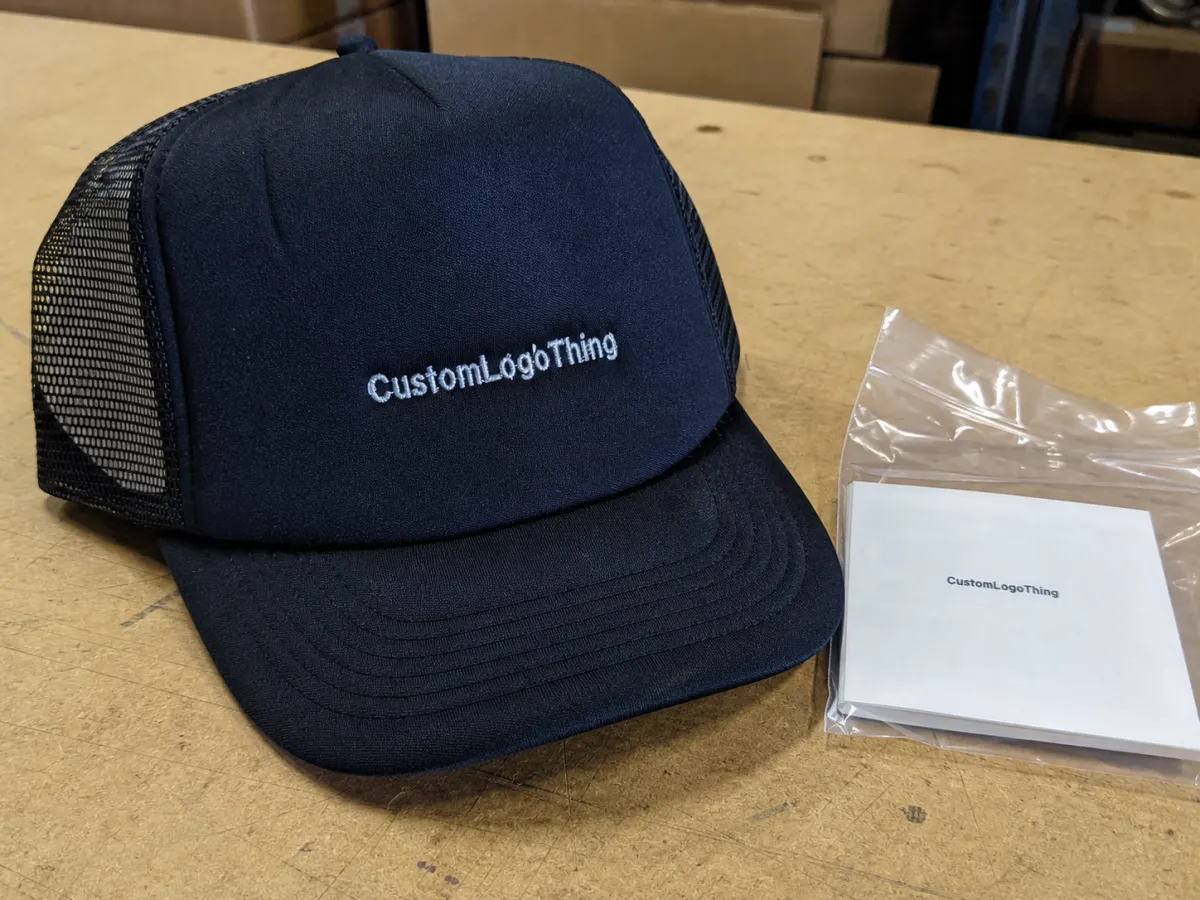
The fastest repeat order is the one where nobody has to interpret the old paper trail. If the original build sheet lists the crown height, foam thickness, mesh type, closure, decoration method, and pack count, the factory can usually match it without a new proof cycle. If those details are missing, someone guesses. Guessing is where lead times stretch and quote accuracy falls apart.
In practice, the slowest part of a reorder is rarely production. It is the cleanup work before production: matching a photo to a sample, checking whether the invoice reflects the real spec, and figuring out whether the item was made from stock components or a special batch. A buyer may remember the hat as “the same one from last season,” but the supplier may only have partial records. That gap creates avoidable friction.
If the sample is missing, you do not have a reorder. You have a rebuild.
That distinction matters because tiny drift adds up. A slightly firmer foam front changes the hand feel. A different mesh gauge changes breathability and how the back panel holds shape. A tighter bill curve changes how the hat presents on shelf. Even a closure swap can affect fit range, shipping volume, and carton configuration. None of that sounds dramatic until it hits the invoice and the receiving dock at the same time.
The safest move is straightforward: confirm what stays fixed before anyone talks price or timing. If the first run sold well, preserve the approved build and only touch the parts that truly need updating. That is the core of any dependable foam trucker hats reorder plan, because it protects margin without turning a repeat purchase into a custom project.
Foam front, mesh, and closure specs to lock down
Start with the front panel. Most foam trucker hats are built around a 5-panel structure with a foam-backed front, and the front panel itself usually varies more than buyers expect. Thickness alone is not enough to specify. Ask for foam type, density, and whether the panel is structured enough to stand cleanly or soft enough to collapse slightly in storage. A 3 mm to 5 mm foam front is common, but feel can differ sharply between PE foam and EVA-style constructions.
The front shape matters just as much. If the original cap had a tall, structured front, a softer replacement will change the silhouette. Logos may sit differently, the crown can flatten in transit, and the cap may look cheaper even if the decoration is identical. That is why a reorder should lock the panel profile, not just the color.
Then move to the mesh and closure. Mesh color sounds minor until it is off by one shade under retail lighting. Black, white, navy, red, and forest green are easy to name and hard to match when mills change or stock lots vary. Closure type matters for fit, cost, and packing. A standard plastic snapback is not interchangeable with hook-and-loop or strapback hardware, even if the hat looks nearly identical from the front.
Useful spec points to confirm on every repeat run:
- Crown height and panel shape, especially if the first run had a taller profile.
- Foam thickness, density, and foam type, not just a vague softness description.
- Mesh color and mesh construction, since finish and sheen affect the final look.
- Closure style and size range, because fit expectations change across audiences.
- Bill curve, since flat, semi-curved, and pre-curved bills sell differently.
Keep the rest of the build consistent too. If the first run used a structured front, switching to a softer panel can collapse the front crown in storage and change how the logo presents. If the first run shipped with a standard poly sweatband, replacing it with a thicker band may alter comfort and the way the hat sits. None of these changes are automatically wrong, but they are not neutral either.
For material control, ask what is stock and what is special order. A standard black foam front is easier to repeat than a custom-colored foam sheet. The same is true for mesh. When a supplier says they can match a color, the useful follow-up is whether they can match it from current stock or only by sourcing a new lot. That answer changes pricing and timing.
Decoration details that can turn a repeat order into a new job
A reorder goes off track quickly when the art is described as “basically the same” but the placement, stitch count, or decoration method changed. Foam fronts are less forgiving than they look. Dense embroidery can sink into the panel, oversized graphics can distort near the curve, and a patch that fit the first run may now sit too close to the seam. Decoration is not an accessory to the build. It is part of the build.
Specify logo placement in millimeters, not by eye. “Centered on the front” is not enough if the front panel dimensions changed even slightly. Give the factory the distance from the bill seam, the panel edge, and the top stitch line. If the earlier run used a woven patch, keep the patch size, border width, and attachment method on record. If it used screen print or heat transfer, note the print area and the ink or film type.
Common decoration methods for foam trucker hats include:
- Embroidery for simple logos and a classic retail look.
- Woven patch for sharper detail on foam fronts.
- PVC patch for bold branding and visible texture.
- Screen print for flatter graphics and lower setup on limited artwork.
- Heat transfer for faster production on small runs, if the art supports it.
If the color, copy, or placement changes, treat it as a new version until the supplier proves it is still the same job. That is not being difficult; it is how setup costs and production tolerances work. A 15 percent size increase may need a new stitch count or a new patch mold. A logo moved a few millimeters can fall outside the old template. Small edits are usually the edits that cost the most.
There is also a practical issue buyers often miss: decoration choices interact with foam recovery. Heavy embroidery can compress the panel if the foam is thin or the backing is too light. Patch work can hide some of that, but the wrong adhesive or stitch density can create puckering around the edges. If the cap needs to survive display, shipping, and repeated handling, decoration must be tested on the actual front panel, not on a generic mockup.
Pricing, MOQ, and landed cost
Repeat orders can save setup cost, but only if the factory can reuse the same materials, decoration method, and pack configuration. Once a rare foam color, specialty mesh, or custom patch has to be re-sourced, the advantage narrows. Many buyers compare only the unit price and miss the quiet extras: proofing, carton labeling, repacking, and freight. Those costs are not decorative. They shape the landed cost.
The cleanest way to compare quotes is by quantity break. Ask for the same spec at 100, 250, 500, and 1,000 units so the price curve is visible. If a quote gives only one number, it is not really a quote comparison. It is a guess about where the supplier expects you to focus.
| Qty | Typical unit price range | What usually changes | Best use |
|---|---|---|---|
| 100 | $4.80-$7.20 | Setup cost is spread across fewer units | Samples, tight launches, small promo tests |
| 250 | $3.60-$5.20 | Better balance of setup and material usage | Local events, limited retail drops |
| 500 | $2.90-$4.10 | Often the sweet spot for repeat buyers | Regional retail, ongoing promotion |
| 1,000 | $2.35-$3.40 | Lower unit cost, more cash tied up | National programs, steady replenishment |
Those ranges assume a straightforward foam front cap with one decoration location and standard packaging. Add a custom patch, multiple logo placements, or specialty trim and the price rises. Change closure type or foam color and the MOQ can rise as well, because the factory may need to hold extra material just to cover your order.
Do not stop at factory price. Compare landed cost, which includes freight, carton charges, and any labor for repacking or relabeling. A quote that looks lower by $0.20 per unit can become more expensive once the cartons are resized or the ship method changes. Buyers who work in wholesale know this already; the rest usually learn it on the second purchase.
One more caution: ask whether the quote includes the same packing density as the last run. If the caps are compressed too tightly, the foam front can crease. If they are packed too loosely, freight cost rises and cartons may shift more in transit. Packing is part of the spec, not an afterthought.
Process and lead time from PO to delivery
A clean repeat-order workflow is simple: confirm spec, approve proof, collect deposit, run production, inspect, then pack. The order gets messy when one of those steps is rushed or skipped. A reorder is usually faster than a fresh custom run, but only if the component list stays unchanged and the proof gets approved quickly.
Lead time depends on two things buyers control more than they admit: material availability and proof speed. If the mesh color is in stock and the logo file is already approved, production can move quickly. If the artwork needs edits or the factory has to source a replacement foam front, the calendar stretches. A good supplier will not promise magic. They will give a realistic range with checkpoints.
Use a simple timeline like this:
- Day 1-2: confirm spec, pricing, and ship-to details.
- Day 2-4: proof review and approval.
- Day 5-10: production, depending on quantity and decoration method.
- Day 10-15+: inspection, packing, carton labeling, and booking.
That window can shift fast during peak seasons or when a factory is working through a material shortage. If the reorder lands near a holiday shutdown or a busy promotional period, add buffer. The same applies if you need special packaging or multiple ship-to locations. The order may still be fine, but the promise should reflect the extra handling.
Ask for one approval window for artwork and another for preproduction photos. That sounds fussy until a cap sits in limbo because nobody signed off on the actual placement. A reorder is supposed to be faster. It is not supposed to be vague.
For transit planning, confirm whether the cartons were packed to a known standard and whether the outer case count matches the distribution plan. If the hats are going into retail stores or event fulfillment, the box has to survive handling as well as the cap survives sewing. Shipping references from ISTA are useful here, especially for repeat runs where the product is fine but the carton takes the abuse.
Quality-control checks that prevent drift
Repeat orders deserve the same inspection discipline as first runs. The most common failure is not dramatic damage; it is quiet drift. The hat arrives, but the foam is firmer than before, the logo is a few millimeters off center, or the mesh shade reads warmer than the approved sample. Each one is small. Together they make the run look inconsistent.
A practical QC check starts before sewing and continues after packing. Before production, verify the material swatches against the approved sample under the same light source you use for sign-off. After the first output comes off the line, inspect logo placement, stitch quality, and seam alignment. By the time the order reaches carton stage, the box count, label placement, and case compression should already be locked.
Buyers often get the best results by checking five things on a repeat cap:
- Front panel recovery, especially after handling and light compression.
- Logo placement, measured against the bill seam and panel edges.
- Color match on mesh, foam, and any patch material.
- Closure function, including snap tension or hook-and-loop grip.
- Carton condition, because crushed cases can flatten the foam front before arrival.
There is one more check that saves headaches: open random cartons from the middle of the shipment, not only the top of the pallet. The top boxes often look fine. The middle ones reveal the real packing pressure, and that is where a cap can show creasing or poor recovery. That habit catches problems early enough to correct future orders.
If the hats are meant for retail, inspect them under bright white light and under warm interior light. Mesh color and foam tone can shift in a way that is invisible on a screen and obvious on shelf. What looks close in a proof can feel off in a store. That is why physical reference matters more than a screenshot.
What a dependable supplier should verify before production starts
A reliable supplier checks the old PO, the approved sample, and the final artwork before quoting. That sounds obvious. It is not common enough. Too many quotes are built from a message thread and a memory, which is how you end up with a hat that is close enough to ship but wrong enough to create a complaint.
They should also flag mismatches early. If the original run used a patch that is no longer available, say so before deposit. If the requested foam color is special-order material, say so before the schedule slips. A supplier earns trust by naming the problem, not by hiding it until the buyer notices the difference in person.
Ask for these checks before production starts:
- Spec match against the last approved sample or PO.
- Artwork review against the final file, not a screenshot.
- Material availability for foam, mesh, closure, and patch stock.
- Pack count and carton labeling instructions.
- Ship window that includes packing and booking, not just sewing time.
Good suppliers also tell you when an exact match is not possible. That is useful news, not bad news. If the nearest workable option costs more or adds a week, you can make a real decision instead of discovering the change after the hats are already in motion. In repeat purchasing, transparency is worth more than a low number that cannot survive production.
For buyers comparing options, the real question is not “Can you make foam trucker hats?” It is “Can you repeat the same hat without creative interpretation?” That is the line between a vendor and a dependable production partner.
Next steps: build the reorder packet
Before requesting a quote, gather the last approved proof, final artwork, bill of materials, shipping address, and previous PO in one folder. That folder is the guardrail. It keeps the reorder from turning into a debate about what the cap “usually” looked like. If the documentation is clean, the quote will usually be cleaner too.
Set your reorder trigger now. Low stock, event date, campaign launch, or seasonal cutoff are all valid triggers. Panic is not a system. If you know your sell-through rate, you can order before the shelf is empty and avoid rushed freight, rushed proofs, and the kind of supplier conversations nobody enjoys.
Use one exact request for price, MOQ, and Lead Time on the same spec before asking about upgrades or alternates. That keeps the comparison honest. Once the core number is clear, you can decide whether a different foam color, a new patch type, or a tighter ship window is worth the extra spend. Sometimes it is. Often it is not.
A foam trucker hats reorder plan works best as a final check: if the sample, price, and ship window match, place the order; if they do not, revise the spec now and keep the next run from turning into a re-approval mess. That is how repeat business stays repeatable.
What do I need to confirm before a foam trucker hat reorder?
Confirm the approved sample or PO number, the foam front, mesh color, closure, and decoration method. Also lock the ship-to address and target quantity so pricing and freight are accurate. If any one of those is missing, the quote can drift fast.
Does a repeat order usually keep the same MOQ?
Often yes, if the spec stays unchanged and the factory already has the materials. MOQ can rise if you change color, closure, patch type, or decoration method. If you split the order by colorway or version, ask for MOQ by version, not a blended number.
How long is the turnaround on a repeat foam trucker hat order?
A clean repeat is usually faster than a first run because the setup is already approved. Artwork edits, new materials, or peak season can add days or weeks. The smarter ask is a date range with proof checkpoints, not one optimistic promise.
Can I change the logo on a foam trucker hats reorder?
Minor edits may be possible if the decoration method and placement stay the same. New artwork, new size, or new placement usually becomes a new setup with extra cost. Ask for timing and price differences before you approve the change.
What is the safest way to compare reorder quotes?
Compare landed cost, not only unit price, because freight and packing matter. Check whether the quote matches the exact old spec or swaps in a substitute. Verify what is included: proofing, samples, carton labels, and shipping terms.
If you keep the sample, spec sheet, and ship window aligned, the reorder stays predictable; if one piece slips, fix it before the run starts.


