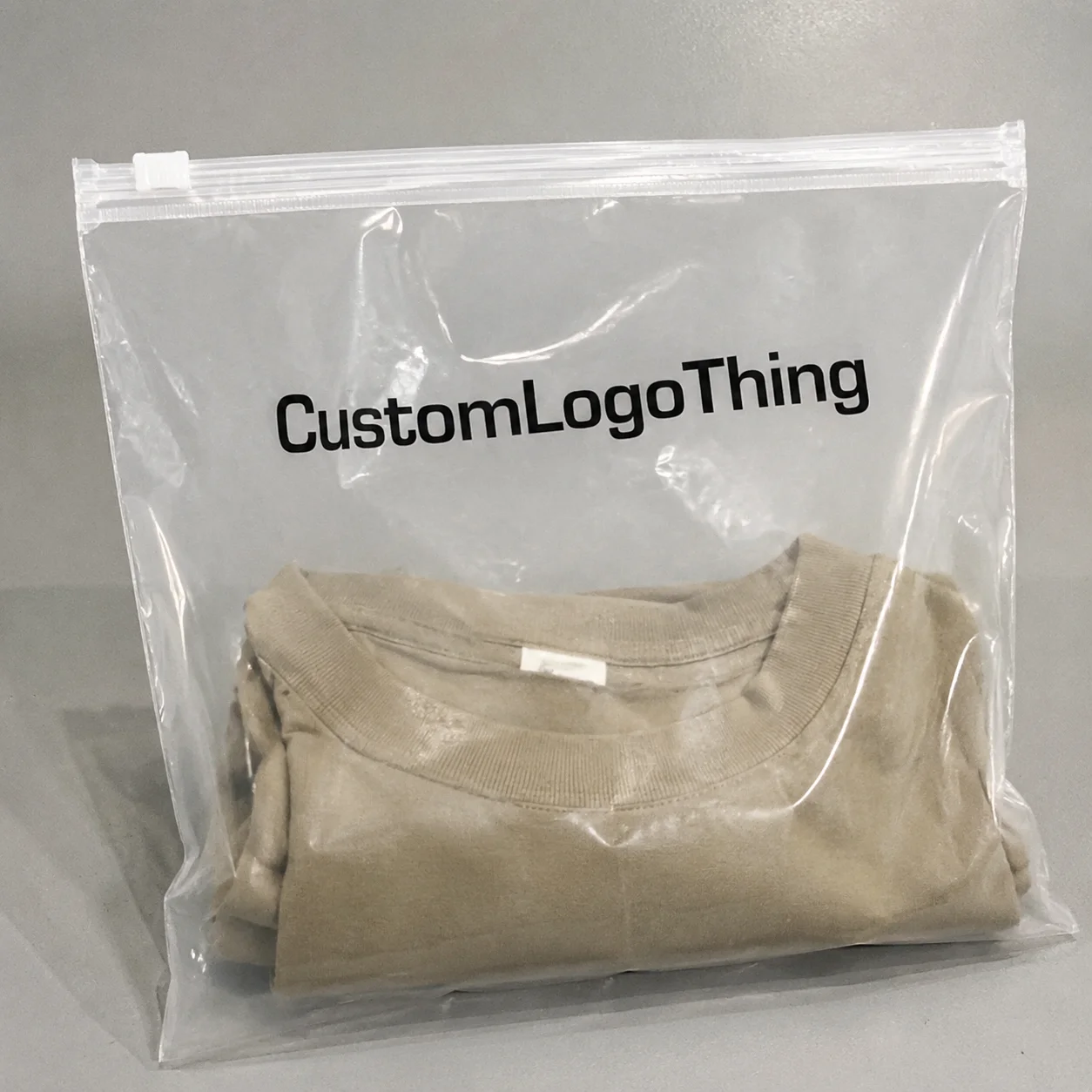
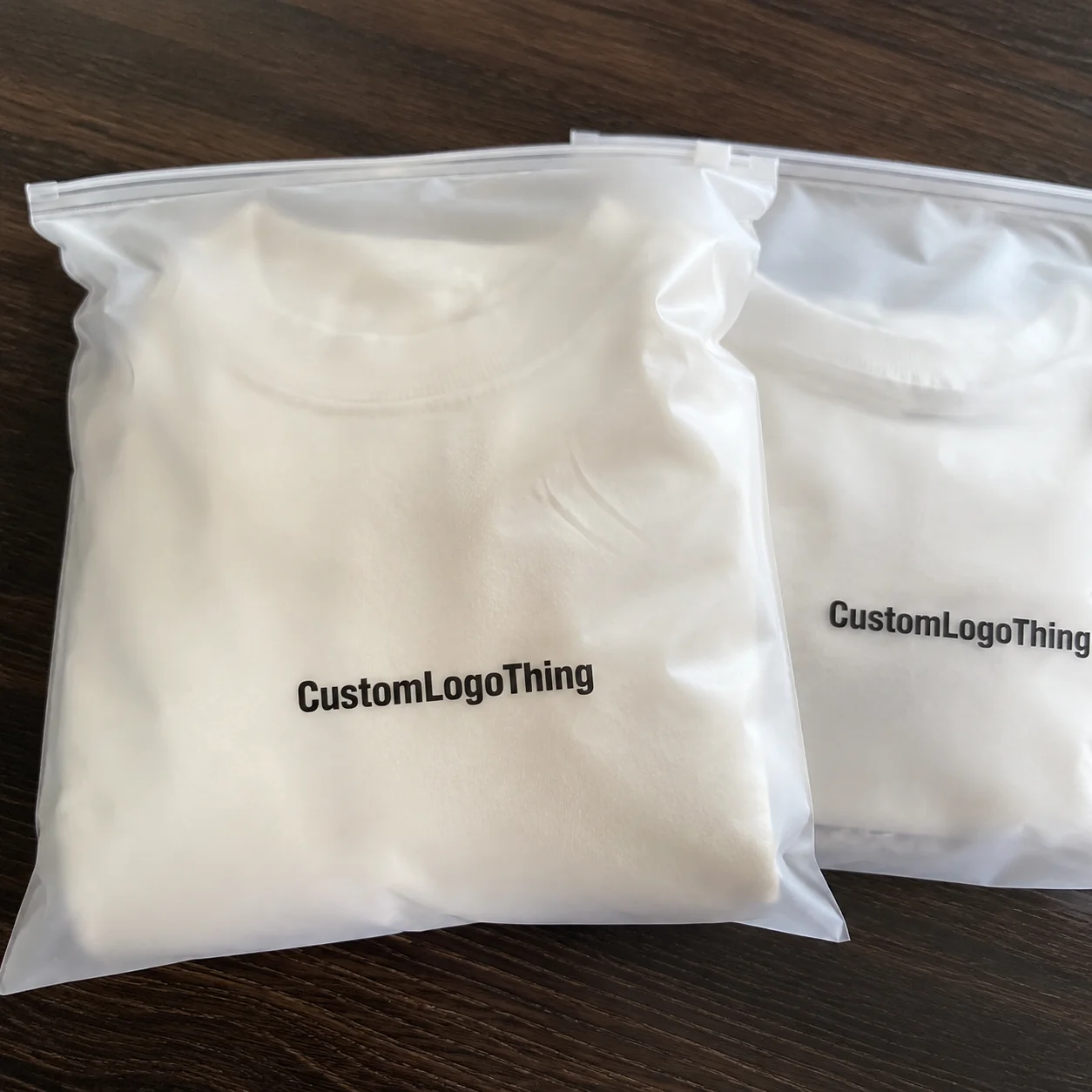
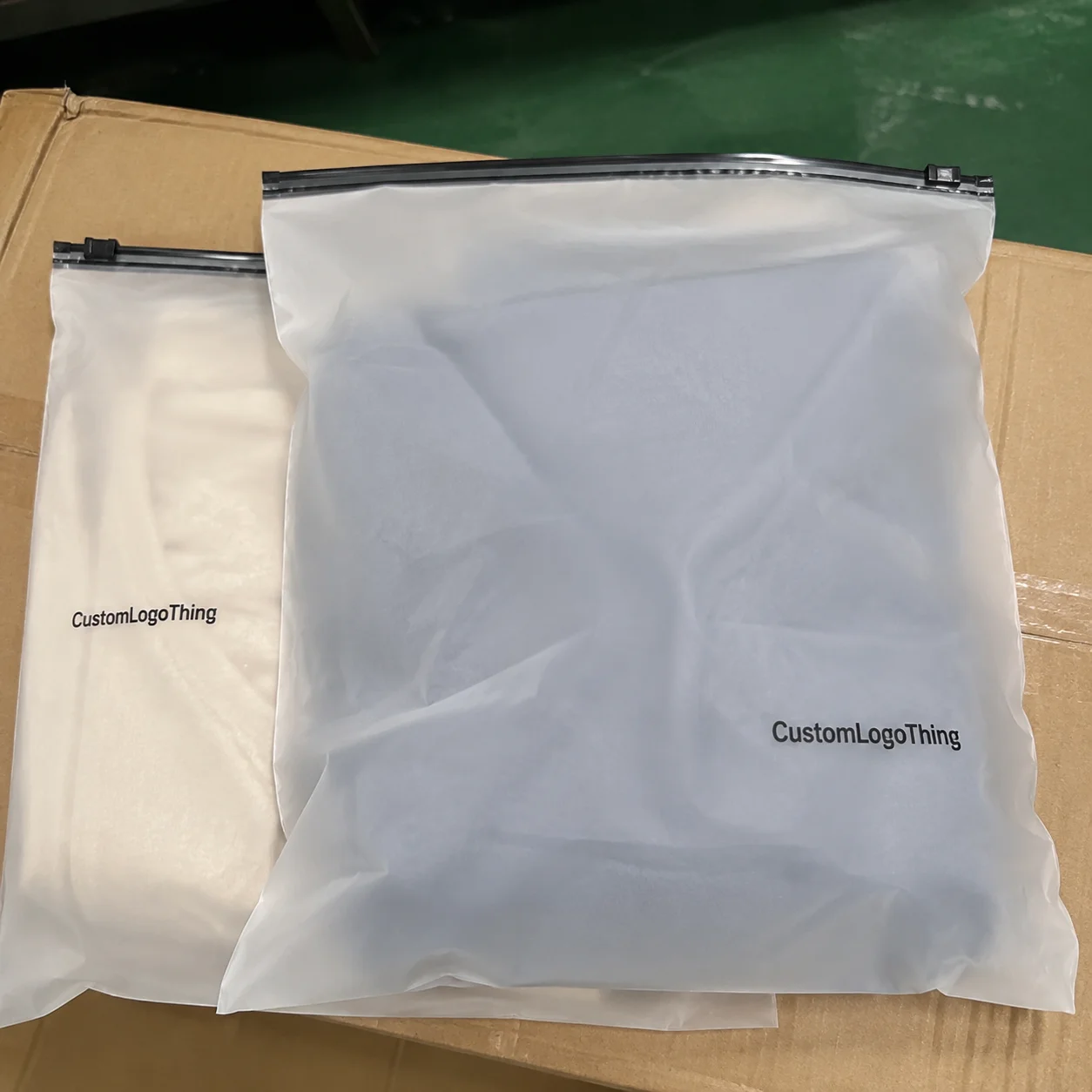
For a gift shop, packaging is not background noise. It gets picked up, examined, carried, stuffed into bags, and judged before the customer has fully decided on the item inside. That is why slider lock Bags for Gift Shops Supplier comparison deserves more care than a quick price check. A bag with clean clarity, a smooth closure, and a tidy silhouette can make a $12 souvenir feel chosen rather than random.
The usual mistake is easy to spot. Buyers compare product photos and unit prices, then discover the bag clouds under warm lighting, the slider catches halfway through the track, or the seal splits once staff starts packing real merchandise. A serious Slider Lock Bags for gift shops supplier comparison should test function, print, fit, and reorder practicality together. Those are the variables that decide whether packaging quietly supports sales or creates friction on the floor.
Slider Lock Bags for Gift Shops Supplier Comparison Basics
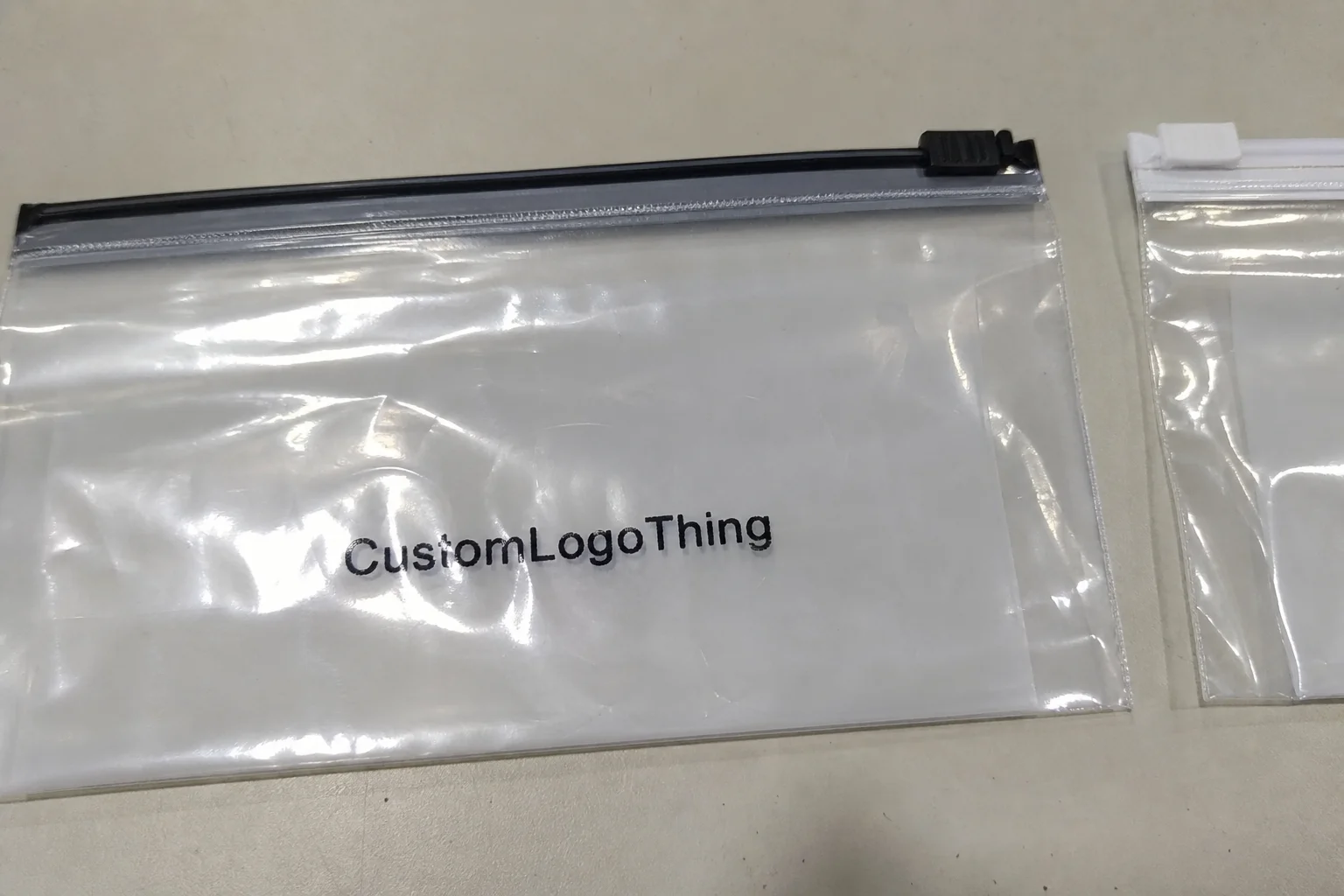
Gift shops sell by feel as much as by product. A customer holding a small candle, a jewelry set, or a stationery bundle is also handling the packaging. That changes the buying equation. A slider lock closure suggests repeat use, cleaner storage, and a more deliberate presentation than a plain open-top poly bag. The perception matters, especially near the register where purchasing decisions are fast and often visual.
In practice, the comparison should start with the bag’s basic behavior. Does the slider glide without snagging? Does the seal close evenly across the full width? Does the bag stay flat in a stack, or does it curl after a few hours under store lighting? Those details sound minor until you place 500 bags in a display tray and the weak points show up on day one.
Slider Lock Bags for gift shops supplier comparison also needs to account for the product mix. A bag that works for lightweight stickers may fail on a heavier soap bar, a boxed accessory, or a bundled set of small items. The best supplier is not always the cheapest one. It is the one that fits the shop’s merchandising rhythm, the product weight range, and the frequency of reorders without creating avoidable labor for staff.
- Display role: the bag should look orderly on hooks, shelves, or checkout counters.
- Protection role: it needs enough seal integrity to keep items from slipping or collecting dust.
- Resale role: it should make the product feel giftable, not disposable.
That is the lens that makes the comparison useful. If the supplier cannot show consistent closure performance, the rest of the pitch is secondary.
How Slider Locks Work On The Sales Floor
The real advantage of a slider lock is not novelty. It is usability. Customers can open and close the bag repeatedly without fighting a tight seal, which matters for items that get inspected, re-gifted, or stored after purchase. For small gift items, that ease translates into fewer complaints at checkout and fewer damaged bags after the sale.
There is also a subtle premium effect. A slider looks more engineered than a basic zipper bag, and that can lift perceived value for jewelry, soaps, stationery sets, confectionery, travel accessories, and holiday items. The mechanism signals that the contents are worth protecting. That matters for products that are inexpensive to make but should not look inexpensive on the shelf.
The best visual result usually comes from clear or lightly frosted film. Clear film keeps the merchandise visible. A restrained frost can soften glare and fingerprints. Both outperform a bag that looks hazy, wrinkled, or badly sealed. Under bright retail lighting, poor film quality becomes obvious quickly. The same is true of a stiff slider that catches midway through the track; customers notice that immediately.
From a merchandising standpoint, the closure helps the presentation stay orderly. A bag that reseals cleanly stacks better, hangs better, and survives handling better. That sounds small, but it affects store labor. Staff spend less time fixing packages that opened during display or transport.
A gift shop bag should do three jobs at once: protect the item, present it cleanly, and stay pleasant to use after the sale.
For quality control, the first failure points to inspect are weak tracks, inconsistent sealing, stubborn sliders, and film that wrinkles around the closure. Those are the defects that show up earliest in real retail use, and they are hard to ignore once stock starts moving.
There is one more practical point. If the product will be opened repeatedly by customers or staff, closure design matters more than most buyers expect. A slider that feels slightly loose in the sample can become annoying after a week of store use. A bag that closes tightly in a showroom but opens with too much force can split at the side seal when handled in a hurry. Those are not theoretical issues. They are the difference between packaging that disappears into the workflow and packaging that gets blamed for wasting time.
Material, Print, And Finish Factors That Change Perceived Value
Material thickness is one of the first things to compare, but not the only one. A thicker film can feel better in hand and resist punctures, yet an overly stiff bag may sit awkwardly around small items. For many gift shops, the useful range is usually around 2.5 to 4 mil, depending on bag size and product weight. The right answer depends on whether the bag is holding a delicate accessory or a heavier bundled set.
Clarity matters just as much. A crisp transparent film lets the product sell itself. A frosted finish can hide scuffs and fingerprints, but too much haze will dull the merchandise. If the shop sells color-driven items like stationery, soaps, or candies, clear film usually wins. If the assortment is visually busy or likely to be handled often, a matte or frosted effect can look more controlled.
Material choice also affects how the bag behaves during packing. Some films look good on a table sample but are too soft once the slider track is added. Others hold shape well but crease when folded into cartons. LDPE and LLDPE blends are common because they balance flexibility and toughness reasonably well, though the right film depends on the product and the closure hardware. A buyer who only asks for “clear plastic” is leaving too much undefined.
Print and finish options change the pricing conversation quickly. A simple one-color logo is usually the easiest path for smaller stores, while full-color decoration, spot white, or metallic accents push the bag into a more promotional lane. The question is not whether decoration is possible. It is whether the printed surface supports the product rather than overpowering it. In gift retail, restraint often looks more expensive than heavy branding.
Dimensions and structure are equally important. Gusset style, seal width, and header space affect how neatly the bag fits the product and how well it stacks near the register. A bag that is technically the right width can still look wrong if the item presses too tightly against the seal or leaves too much empty air above it. That is a common mismatch in custom packaging.
Look at practical handling issues too:
- Scent resistance: useful for soaps, candles, and aromatics.
- Scratch resistance: important if bags are rubbed in transit or during display.
- Fingerprint visibility: a matte or lightly frosted finish can hide handling marks better than glossy film.
- Dust control: a cleaner seal and better fit keep the display looking more intentional.
For buyers who want a more formal benchmark, it helps to compare testing and material expectations against recognized standards and supply-chain references. Packaging associations such as ISTA are useful for thinking about transit stress, while FSC matters if the program includes paper components or sustainability claims that need clean documentation.
There is also a documentation issue that gets overlooked. If a supplier says a film is recyclable, ask what resin it actually is and what claim the local market can support. If a printed bag includes mixed materials or unusual additives, a general “eco-friendly” label may not survive scrutiny. For gift shops, sustainability claims are useful only when they are specific enough to defend.
Cost, Pricing, And MOQ Tradeoffs
Supplier quotes often look similar until you break them apart. Unit price is only one piece. Setup charges, artwork revisions, print plates, freight, bag thickness, and packaging style can change the landed cost enough to alter the buying decision. A quote that looks 8 cents cheaper per unit can end up more expensive once shipping and add-ons are folded in.
For smaller gift shops, MOQ is usually the pressure point. A low minimum helps test demand without locking cash into surplus inventory, but those lower quantities often carry a higher unit cost. Chains and seasonal programs can tolerate larger runs because the per-unit cost improves, yet they also risk being stuck with an outdated print if the assortment changes before the stock clears.
| Supplier Type | Typical MOQ | Typical Unit Cost | Best For | Main Risk |
|---|---|---|---|---|
| Low-MOQ domestic converter | 1,000-3,000 pieces | $0.18-$0.34 | Testing, small shops, seasonal trials | Higher cost and fewer finish options |
| Mid-size custom packaging supplier | 3,000-10,000 pieces | $0.11-$0.24 | Repeat programs, moderate print needs | Artwork and approval cycles can stretch |
| High-volume overseas producer | 10,000+ pieces | $0.06-$0.15 | Chain rollouts, standardized sizes | Lead time, freight variability, larger cash commitment |
That table is not a universal price list. It is a practical way to compare options by economics, not just by headline quote. A supplier may quote a low unit price but hide the real cost in freight, setup, or rerun charges for artwork corrections. It is also common for quotes to omit minor but real costs such as carton labeling, palletization, or split shipments. Those items do not look large on paper, yet they change the final cost profile.
In a Slider Lock Bags for gift shops supplier comparison, ask about upgrade pricing for stronger sliders, clearer film, tighter print registration, and custom pack counts. Saving a few cents per bag is not helpful if the closure feels rough, the logo looks soft, or the customer opens the bag and tears it on the first use. Returns and reorders cost more than the original savings.
Unit economics should also be measured against the ticket value of the merchandise. A 20-cent bag looks expensive on a 4-dollar item and reasonable on a 28-dollar item. The same packaging can read as generous, neutral, or excessive depending on what it holds. That is why pricing has to be tied to assortment, not just to the packaging category.
Production Steps, Lead Time, And Approval Milestones
A clean production flow starts with a complete spec sheet. Size, film thickness, closure type, print coverage, target MOQ, artwork file format, and delivery window should be written down before a quote is finalized. If those details are vague, every supplier will make a slightly different assumption, and the quotes will not be comparable.
The usual path is straightforward: product dimensions, material selection, proofing, sample approval, production, quality checks, and transit. The part that stretches lead time is not always the manufacturing step itself. More often it is the pause between steps. Artwork changes, color matching, sample revisions, or waiting on a decision from the buyer can add days or weeks.
For seasonal gift shop programs, that delay matters. A bag ordered for a holiday launch can arrive after the window has already narrowed if proof approval drifts. Buyers should work backward from the selling season and leave time for two things: sample inspection and correction. A production schedule without slack is not a plan; it is a gamble.
Sampling can be quick, but “quick” is relative. A plain unprinted sample may arrive fast, while custom print and custom sizing add time. Freight also changes the availability date. A factory may finish on schedule, yet the goods still miss the shelf if transit or customs moves slowly. That is why lead time should be discussed as a range, not a promise.
Typical planning ranges often look like this:
- Sample approval: a few days to two weeks, depending on complexity.
- Production: often 12-20 business days after proof approval for custom jobs, sometimes longer with large orders.
- Transit: a few days domestically, or several weeks for ocean freight.
The best suppliers will explain where the time goes. If a vendor cannot tell you which milestone is likely to slip, you are buying blind.
Quality-control checkpoints should be explicit, not assumed. Confirm seal alignment, closure tension, print registration, and carton count before shipment. If the order includes multiple sizes, verify each size separately. Mixed packs and split runs introduce more risk than buyers expect, especially when the only approval was based on a single sample.
Common Buying Mistakes That Create Returns Or Reorders
The first mistake is sizing by exterior dimensions alone. That is too simplistic. Product thickness, header space, seal location, and whether the item needs a gusset all affect fit. A bag can measure correctly on paper and still look cramped or sloppy with the actual merchandise inside.
The second mistake is treating print as decoration instead of function. A dull logo, fuzzy linework, or color drift can make a gift shop product feel less trustworthy, even if the bag technically closes well. For branded packaging, print consistency matters because the bag is part of the retail signal. If the logo looks cheap, the whole display feels cheaper.
Third, many buyers skip real-world testing. A clean sample photo tells you almost nothing about how the slider behaves after repeated use or whether the closure holds under load. Fill tests, drop tests, and open-close cycles expose problems much earlier. ISTA testing guidance is useful here because it frames packaging performance around stress, not just appearance.
Fourth, seasonal timing gets ignored. Gift shops change assortment quickly. Ordering too many decorative bags too early can leave a store holding the wrong design after the product mix shifts. That is especially true for holiday prints, event-driven souvenirs, and trend-based accessories. A moderate first order often beats a large speculative buy.
Finally, some buyers assume every supplier will understand the same finish language. “Clear,” “frosted,” “matte,” and “soft-touch” are not interchangeable. A sample request should define the desired appearance and handling feel, not just the bag size. The more precise the brief, the fewer surprises later.
Another common error is ignoring how the packaging will be packed at the source. If the bags are flat-packed too tightly, the slider tracks can deform. If they are packed loosely, freight volume rises and the landed cost follows. Even the carton count matters, because overfilled cartons can crush the closure edge. None of this is dramatic, but it all shows up later as waste, labor, or customer complaints.
A good sample is not the one that looks perfect under a desk lamp. It is the one that still behaves properly after handling, stacking, and a few open-close cycles.
Next Steps For Building A Shortlist
Start with a one-page spec sheet. Include size, product weight, material target, closure type, print needs, target MOQ, and delivery window. Then send that same sheet to every supplier on your list. That alone improves comparison quality because the quotes become more directly comparable.
Next, request samples from at least three suppliers and inspect them in the same conditions you use in the store. Not on a clean desk in ideal light. Under the lighting where your merchandise will actually sit. Check clarity, seal strength, slider feel, and the way the bag looks when it is hung, stacked, and handled by staff.
A simple scorecard works well. Rate each sample on closure performance, print clarity, unit cost, turnaround, and the supplier’s responsiveness to questions. The best partner is usually the one that can explain tradeoffs plainly, not the one that only quotes the lowest number.
- Closure performance: smooth, repeatable, and fully consistent.
- Print clarity: readable logo, accurate color, clean edges.
- Unit economics: price plus setup, freight, and add-ons.
- Turnaround: realistic production and shipping window.
Before approving a full order, run a small pilot with your best-selling item or the most fragile item in the assortment. That is the fastest way to discover whether the bag supports the retail experience or creates friction. A slider lock bags for gift shops supplier comparison should end with evidence, not instinct. If the sample survives the test, the supplier clears the bar. If not, keep looking.
Shortlist decisions also benefit from a simple fallback plan. Keep one alternate size or finish in reserve in case the preferred spec is delayed or priced out by freight. Gift retail moves in seasons, and a rigid packaging plan can become expensive when timelines slip. A practical sourcing process leaves room for that without turning the order into a compromise.
What should I compare first in slider lock bag supplier quotes?
Start with closure quality, actual bag dimensions, MOQ, and full landed cost. Do not compare headline unit prices until you know whether setup, artwork, and freight are included. If those are missing, the quote is incomplete.
Are slider lock bags for gift shops worth higher pricing?
Often yes, because the closure improves presentation and helps customers reuse the bag after purchase. That value is easier to justify for fragile, premium, or giftable items where the packaging is part of the buying experience.
What MOQ should I expect for gift shop slider lock bags?
MOQ depends on size, print method, and film specification. Smaller shops should ask for tiered pricing so they can see the cost difference between a test order and a larger run. That prevents oversized inventory commitments.
How long does a slider lock bag order usually take?
Sampling can move quickly, but production only begins after artwork and specs are approved. Add time for freight and any revisions. For custom print jobs, lead time is often measured in weeks, not days.
What sample tests matter most before choosing a supplier?
Test the bag with the real product, then repeat open-close cycles, drop tests, and shelf checks under store lighting. Watch for smooth slider movement, strong seals, clean print, and a finished look that matches the shop’s merchandising standard.
Should I ask for recycled or recyclable material documentation?
Yes, if sustainability claims are part of the buying decision. Ask what resin is used, whether the film is mono-material, and what the local disposal reality looks like. A vague eco claim is not enough for packaging that will be sold under a sustainability label.
The strongest buying decision is the one that survives contact with the store floor. If you compare the closure, the print, the material, the MOQ, and the lead time as one system, slider lock bags for gift shops supplier comparison becomes a practical sourcing tool instead of a box-checking exercise. That usually leads to fewer surprises after the order lands.