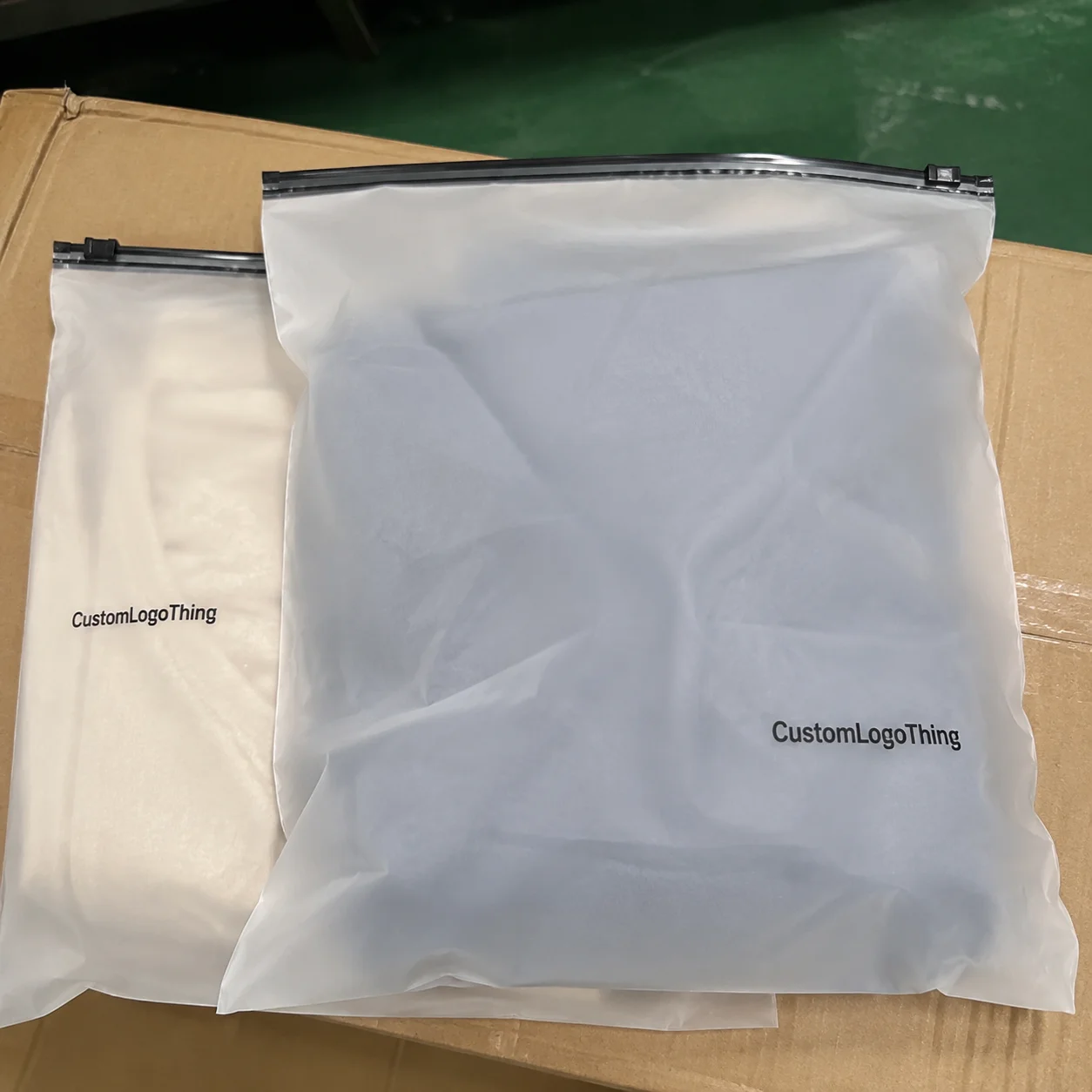
Bakery packaging has a short shelf life problem: if it does not close properly, cookies lose snap, pastries lose aroma, and dry mixes start absorbing moisture or stray odors faster than most teams expect. That is why Slider Lock Bags for bakeries wholesale pricing comes up so often in purchasing conversations. The bag has to protect product quality and still make sense in bulk order math. Cute packaging is great. Packaging that fails by Tuesday is not.
From a buyer’s point of view, the cheapest bag on the quote sheet is rarely the cheapest bag in practice. The better option is the one that holds up on the prep table, looks clean in a display bin, reseals without irritating staff, and arrives in carton counts that fit actual inventory flow.
That is why experienced bakery buyers tend to compare performance and unit cost together. A bag that saves a fraction of a cent but tears at the seal line, fogs on the shelf, or slows packing can cost more in waste, repack labor, and markdowns than the packaging itself.
Why bakeries switch to slider lock bags for freshness and display
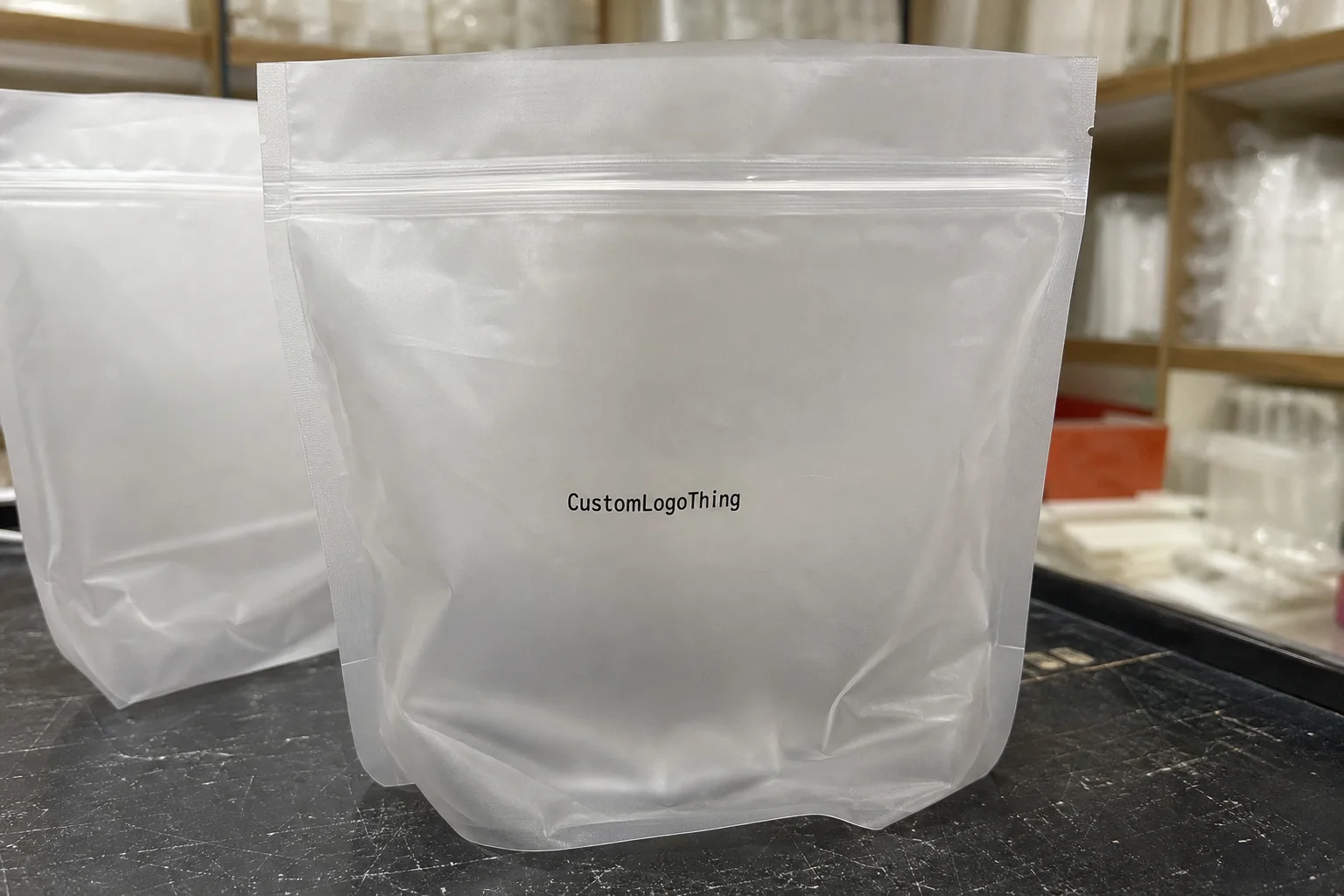
Bakeries do not change packaging formats just because a bag looks tidy on a counter. They switch because product quality starts slipping as soon as the package opens and does not close cleanly again. A good slider bag gives staff a repeatable closure, which helps protect texture, aroma, and presentation during prep, storage, and take-home sales.
That matters for cookies, bars, biscotti, confections, granola, snack mixes, and dry baking blends. These products are often opened and closed more than once. The slider helps keep crumbs inside the bag, reduces accidental spills, and gives customers a package that feels easy to use instead of fiddly.
There is also a back-of-house benefit that gets overlooked. One bag format can work for bulk prep, shelf display, and customer takeaway, which reduces the number of SKUs a bakery has to manage. Fewer SKUs usually means fewer ordering mistakes, less staff training, and less dead stock sitting on shelves because somebody guessed wrong on the size.
“The real cost of bakery packaging is not just the unit price. It is every failed bag, every repack, and every item that gets discounted because the presentation slipped.”
That is also why Slider Lock Bags for bakeries wholesale pricing keeps showing up in buying discussions. The first question is price per bag. The better question is how the bag performs after it has been filled, handled, stocked, and opened more than once.
Product details that matter in bakery slider closure packaging
Most bakery slider bags are made from clear polyethylene constructions. That is common for a reason: the material is food-contact friendly in many applications, flexible enough to handle different fill shapes, and clear enough for retail visibility. A soft film also gives the bag some forgiveness around irregular items. Stiff films are less patient. They crack the moment the product gets interesting.
The closure mechanism matters just as much as the film. The slider track should move smoothly, align properly, and stay locked after repeated opening. If the slider catches, pops loose, or wanders out of alignment, the bag stops being convenient and starts becoming a problem nobody asked for.
For presentation, buyers usually care about three things: clarity, surface finish, and label space. High clarity works well for decorated cookies and colorful confections. A writable panel or applied label helps with SKUs, allergen notes, batch dates, or flavor identification. Matte film can reduce glare under strong retail lighting, while gloss usually shows off product detail more aggressively.
These bags are a good fit for dry or low-moisture bakery items, especially products that need resealability rather than rigid crush protection. Common uses include:
- Cookies and biscotti
- Granola clusters and snack mixes
- Confections and candies
- Dry baking mixes
- Lightweight pastries with limited moisture concerns
Custom options change both price and production complexity. Printing, hang holes, gussets, size changes, and thickness adjustments all affect material usage and setup time. If a bakery wants a branded front panel for retail display, that requires more planning, especially if the order also needs food-safe inks or a multi-color layout. Fancy is fine. Fancy plus unclear specs is where jobs go to become expensive.
Packaging industry tip: ask whether the bag is intended for food storage, retail merchandising, or both. That one answer often changes the best film choice, bag structure, and closure preference.
Size, gauge, and closure specifications to compare before you order
One of the most common mistakes is comparing bags by nominal size alone. A 6 x 8 bag and a 7 x 10 bag may sound straightforward, but the real buying decision depends on width, height, bottom style, closure type, and usable fill capacity. In bakeries, product shape can vary a lot from one recipe to the next, so the actual fit matters more than the label on the carton.
Gauge matters because film thickness changes both performance and cost. A lighter gauge can lower the unit price, but a thicker film is usually better for heavier fills, sharper corners from inserts, or repeated handling at the counter. For products with hard edges or crunchy clusters, a slightly heavier film can prevent pinholes and stress tears that show up after a few open-close cycles.
Buyers also need to think about the use case. Single-item retail packs usually need a different profile than multi-pack assortment bags or back-of-house ingredient storage. A bag that looks right for a six-cookie pack may be too small for bulk dry mix or too large to keep a premium presentation for a two-piece pastry set.
Before approval, these checks save headaches later:
- Food-safe material confirmation
- Consistent closure alignment
- Uniform clarity across the run
- Lot-to-lot repeatability for replenishment orders
- Sample testing with the real product weight and crumb volume
The last point is the one that catches teams off guard. A sample that looks fine empty can behave very differently once loaded with a dense baked item, especially if the fill has jagged edges or a lot of loose crumb. Test the actual bakery item. Not a generic filler. Not “close enough.” The actual product.
For quality-control context, many packaging buyers reference material and transport expectations through organizations like the Packaging Machinery Manufacturers Institute and shipment testing standards through ISTA, because the bag has to survive handling, storage, and distribution as a real package, not just sit pretty on a desk.
Slider lock bags for bakeries wholesale pricing: what drives cost and MOQ
Slider lock Bags for Bakeries Wholesale Pricing depends on a handful of variables, and most of them are mechanical rather than mysterious. Size, film thickness, print coverage, carton pack-out, and whether the order is stock, custom, or semi-custom all influence the unit price. If one quote is for a plain clear stock bag and another includes custom sizing plus printed branding, those are not comparable. They are different jobs dressed in the same vocabulary.
Material usage is usually the biggest cost driver. Larger bags and heavier gauges use more resin, so the unit price climbs as size and thickness increase. Higher quantities often bring the per-bag cost down because setup and production costs get spread across more units. That only helps if the spec is actually right for the product.
MOQ expectations vary by customization level. Plain clear bakery bags can often be ordered at lower minimums, while custom artwork, special sizing, or unusual film structures usually require a larger commitment. If tooling or specialized setup is involved, the supplier needs enough volume to justify the run efficiently. Nobody loves saying that, but it is how the math works.
Here is a practical way to compare common options:
| Option | Typical MOQ | Typical Unit Cost Range | Best Use |
|---|---|---|---|
| Plain stock clear bag | Lower | $0.10–$0.22 | Standard bakery items, quick replenishment |
| Semi-custom size or thickness | Moderate | $0.14–$0.28 | Products with specific fill needs or branding support |
| Custom printed slider bag | Higher | $0.20–$0.45+ | Retail display, branded takeaway, multi-location programs |
Those ranges are directional, not universal. Freight, carton count, and order volume can move the final landed cost quite a bit. A quote that looks cheapest on paper may be weaker value if freight is high, cartons are awkward to store, or there is too little overage to absorb production variation.
That is why smart buyers compare landed cost, not just sticker price. If a bag is a penny cheaper but fails in storage, fogs under display lights, or slows down the packing line, the hidden cost can erase the savings quickly.
Price reality: for Slider Lock Bags for bakeries wholesale pricing, the lowest quote is not automatically the best quote. The right question is whether the bag protects the product, matches the fill method, and arrives with enough consistency to keep the operation moving.
Process and timeline from quote approval to shipment
The cleanest buying process starts with clear specs. A supplier needs product type, bag size, film preference, print requirements, and expected order volume before the quote can be meaningful. If a bakery sends incomplete dimensions or changes the print layout halfway through, the job gets slower and more expensive. Predictable? Sadly, yes.
Once the quote is approved, the workflow usually moves through sample review or proof confirmation, production scheduling, manufacturing, and final carton verification. In a custom packaging run, the supplier may also check film conversion, closure assembly, print registration, and bag count accuracy before release. Those checkpoints are not paperwork for the sake of paperwork. They are what keep the order consistent.
Lead time depends on whether the bag is stock or custom. Stock configurations often move faster because the structure already exists, while custom sizes, printed graphics, or special closures need additional setup and quality checks. If a bakery is planning for holiday assortments, catering season, or a product launch, ordering early is the safe path.
For businesses managing broader packaging programs, it can help to review eco and material topics with references like the EPA recycling and materials guidance and sustainability sourcing references from FSC when paper components or mixed packaging systems are involved. Not every bakery bag uses those materials, but the wider packaging program often does.
Why bakeries buy from a packaging partner that understands bakery operations
A bakery packaging supplier should do more than read dimensions from a spreadsheet. The better partner asks how the product behaves, how staff fills it, and where the bag will be used, because those details often matter more than the catalog description. A bag that works for a dry granola blend may not be the best choice for a soft cookie assortment with loose crumbs and fragile toppings.
Responsive quoting matters too. Bakers and purchasing teams often need quick answers on whether a bag can be printed, whether a size already exists, and how changes affect MOQ. Clear communication on what is standard and what is custom keeps the order from drifting into expensive revisions later.
Consistency is another big issue. If the closure feel changes from one lot to the next, staff notice immediately. If the dimensions wander, filling lines slow down. If clarity drops, retail presentation takes the hit. Buyers may not always describe those problems in technical language, but they feel them every day in production and sales.
A bakery-focused supplier should also be able to help with carton counts, storage conditions, artwork placement, and waste reduction during filling. That is not extra fluff. It is what helps a bakery protect margin while keeping product fresh and sellable.
If you are managing multiple stores or co-packing runs, a structured Wholesale Programs setup can make reordering easier, especially when the same slider bag spec needs to be repeated across several months without redesigning the package every time.
From a buyer’s standpoint, the right supplier is a partner in protecting product quality and brand presentation, not just a box mover. That difference shows up in fewer surprises and fewer last-minute fixes.
Next steps to request a quote and lock in the right spec
Before you request pricing, gather three things: the product type and weight, the target bag dimensions, and whether the order needs printing or will stay clear. That small prep step usually shortens the quoting cycle and helps the supplier give a more accurate number.
Ask for a sample or a spec sheet and test it with the actual bakery item. Check the closure feel, how the bag handles crumbs, whether the product fits without stressing the seams, and how it looks under your store lighting. A bag that passes those real-world checks is a much better candidate than one that just looks good in a catalog image.
Then confirm MOQ, freight terms, and production timing together. If those three items are separated, surprises tend to show up later, after the order is already approved. Share annual usage or a realistic monthly forecast too. That helps with wholesale pricing and carton planning, and it keeps everyone from guessing.
For buyers comparing Slider Lock Bags for bakeries wholesale pricing, the real decision is simple: choose the spec that protects the product, supports the workflow, and fits the budget without creating hidden waste. Compare by material, closure performance, sample fit, and lead time first, then place the order once the bag proves it can do the job.
Frequently asked questions
Are slider lock bags for bakeries wholesale pricing based on size or quantity first?
Quantity usually lowers the unit cost, but size and film thickness still have a major impact on final pricing. Larger bags and heavier gauges use more material, so the best comparison is always per bag using the same exact spec.
What bakery items work best in slider lock resealable bags?
Dry or low-moisture products like cookies, biscotti, granola, candies, and dry mixes are common fits. Items with sharp edges or heavier fills may need a thicker film or a different bag structure for better durability.
Do custom printed slider lock bakery bags have a higher MOQ?
Yes, custom printing and special sizing often require higher minimums than plain stock bags. MOQ depends on the level of customization, setup needs, and how efficiently the specific bag structure can be produced.
How do I compare quotes for bakery slider closure bags accurately?
Compare unit price, freight, carton count, material thickness, and any setup or tooling charges together. Make sure each quote uses the same dimensions and closure style so you are not comparing different products.
What should I check before placing a wholesale bakery bag order?
Confirm dimensions, product weight, material spec, closure performance, MOQ, and production timeline. Request a sample or proof and test it with your actual bakery product before approving the full order.