Slider lock Bags for Subscription brands have a practical job: protect the contents, keep kits organized, and open and close cleanly after the customer has handled them several times. That matters when the package holds refills, sample assortments, accessories, or multi-item sets that need to arrive in good shape and stay usable afterward.
Buyers usually compare this format against standard press-to-close pouches, mailer inserts, or loose inner wraps. The right answer depends less on appearance than on workflow, product size, and how often the customer will reopen the package. In many programs, the bag that speeds packing and reduces rework is the better purchase.
What slider lock bags for subscription brands actually solve
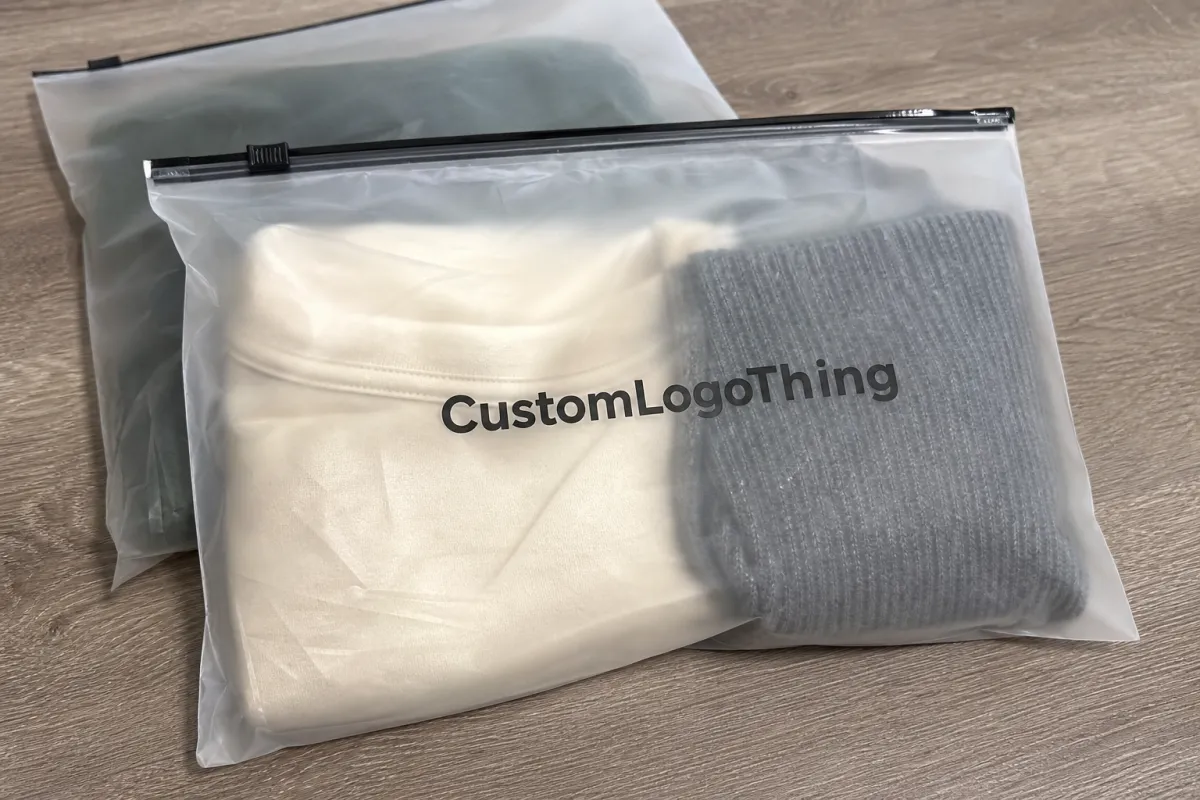
Subscription fulfillment depends on repeatability. Each cycle needs to look close to the last one, even when the contents shift slightly or the warehouse is busy. A slider bag keeps the packed components together as one unit, which makes the pack-out cleaner and reduces the chance of loose items inside the box.
The closure solves a specific friction point. A slider gives a visible open-and-close motion that is easier to confirm than a partially sealed press track. On a fast line, that can reduce missed closures and rework. For customers, it makes the package easier to reopen without damaging the top edge.
That matters beyond the unboxing moment. Many subscription items are stored and reused later, not consumed immediately. A bag that closes neatly is better suited to that reality than a package that tears open at the top or loses shape after the first use.
These bags are not the right answer for every program. They add cost and take more space than a plain film sleeve, so they make the most sense when the contents are small, reusable, easy to lose, or likely to be handled more than once. The key is to define the packaging job first: organize a kit, protect a refill, show the contents, or support repeated access.
How the slider closure works in daily packing
A slider closure is simple in concept and fussy in execution. The slider travels along the track and opens or seals the mouth of the bag with one guided motion. That is easier to teach on a packing line than a closure that depends on even finger pressure across the full top edge.
The value shows up when the line is moving quickly. Operators may be loading inserts, checking counts, and sealing multiple units at once. A slider gives a clear tactile cue: if it reaches the end of the track, the bag is closed. If it does not, the problem is visible.
Gloves, powders, fine particles, and awkwardly shaped items can make closure quality more important. A little debris in the track can affect movement. Overfilling can create drag. Uneven product placement can twist the mouth of the bag. These are small issues, but they are common and they slow fulfillment when the spec is off.
Slider bags also work well when the customer is likely to reopen the package multiple times. That includes sample subscriptions, refill cycles, pet treats, craft components, and modular accessories. The smoother opening action is part of the product experience after the box is already opened.
Film, size, and barrier specs that affect performance
Material selection affects more than appearance. It changes how the bag feels in the hand, how well it resists puncture, how much shape it holds, and how much protection the contents actually get in transit. A thin film may lower cost, but it can wrinkle, scuff, or puncture too easily. A heavier structure may protect better, but it can look bulky inside a subscription box.
Most teams do best with the lightest structure that still survives shipping and handling. For many non-food subscription items, that means a flexible polyethylene-based film with enough thickness to support the slider track. Common gauges often fall in the 2.5 to 6 mil range, depending on product weight and required stiffness. Above that, the bag can start to feel overbuilt unless the contents are sharp, heavy, or fragile.
Size deserves the same discipline. The bag should fit the finished packed unit, not just the product itself. Inserts, instruction cards, labels, padding, and awkward corners all need room. If the bag is too tight, the slider can catch or require too much force to close. If it is too loose, the contents shift during transit and the package looks sloppy inside the box.
Barrier requirements depend on the contents. Dry goods, supplements, fragrance samples, and moisture-sensitive items need more protection than a simple accessory pack. That may mean a higher barrier film, a co-extruded structure, or a laminate that better resists moisture or odor transfer. The tradeoff is usually cost and clarity, since stronger barrier often means less transparency or a more specialized supply chain.
Branding affects performance too. Large blocks of ink can hide surface defects, but they can also make the bag feel heavier. Clear panels help customers see the contents and reduce confusion in a kit. Matte finishes photograph well, though they can soften contrast if the copy is too small. A restrained layout usually ages better than a busy one.
Testing is worth the time. ISTA methods are commonly used to check vibration, drop events, and compression in distribution. A slider bag inside a larger mailer or carton still needs to keep its closure intact. If the inner package fails, the outer box cannot compensate for that.
Slider lock bag cost, MOQ, and quote factors
Price is usually shaped by five variables: bag size, film thickness, print coverage, slider style, and order quantity. Add barrier requirements and the range widens further. A simple clear stock option can be economical, while a printed custom structure with special film or a custom closure profile moves up quickly.
For planning purposes, many brands see stock-style pieces around $0.18 to $0.32 each, semi-custom runs around $0.22 to $0.42, and fully custom printed options landing roughly between $0.28 and $0.60 or more, depending on specification and volume. Those are planning ranges, not guarantees, but they are useful when comparing early quotes.
MOQ matters because setup costs do not disappear just because the order is small. A launch run of 500 to 2,000 units may be possible on stock or near-stock formats, but the unit price is usually higher because tooling, line time, and waste are spread over fewer bags. Larger recurring programs often improve once the size and artwork are locked.
When comparing quotes, headline unit price only tells part of the story. Freight, palletizing, tooling, sample fees, and special finishing can change landed cost in ways that matter more than a few cents per unit. A quote that looks cheaper on paper can become more expensive once damage, replacement orders, or extra handling are added in.
| Option | Typical MOQ | Typical Unit Cost | Best Fit | Lead Time |
|---|---|---|---|---|
| Stock slider bag | 500-2,000 | $0.18-$0.32 | Fast launches, basic protection | 5-10 business days |
| Semi-custom with printed label or panel | 2,000-5,000 | $0.22-$0.42 | Branded subscription kits | 10-15 business days |
| Fully custom printed slider bag | 5,000+ | $0.28-$0.60+ | Repeat programs, stronger box presence | 15-25 business days |
Specification details can move the quote quickly. A slightly thicker film, a tighter print match, or a small custom feature may require a different production setup. If the brand is making sustainability claims, those claims need to match the actual material structure. Recycled-content language should be documented carefully, and paper certifications such as FSC only apply where paper is involved.
Production steps and lead time from spec to ship
Good production starts with a complete spec. That means packed dimensions, not just product dimensions. It also means the intended fill method, the closure style, the print area, and any special handling requirements such as dust protection, batch coding, or clear identification of the contents.
A typical sequence is straightforward: confirm the finished unit size, choose the film structure, decide on the slider style, review the artwork on a dieline, approve a sample, then move to production and freight. The most common delays happen during the sample stage, not in the bag-making itself. Artwork revisions, color correction, and structure changes can add days.
The warehouse should confirm how the bags will be filled, whether by hand or with semi-automated equipment, and how often the pack-out changes during the subscription cycle. If the product mix shifts monthly, the bag spec should account for the largest likely combination, not the smallest. A bag that only fits the best-case kit is a weak purchase.
Quality control should focus on the checks that affect usability: film thickness consistency, print registration, slider engagement, seal integrity, and carton count. For higher-volume programs, some teams also run a simple drop or compression test on filled samples before full production. That catches defects that are easy to miss in a clean sample.
Repeat orders move faster because the setup already exists. That speed is one of the strongest arguments for locking the spec early and keeping it stable. Once the bag size and print layout are fixed, reordering becomes easier to forecast and the warehouse can plan around known arrival windows instead of reacting to last-minute changes.
Common sizing, sealing, and branding mistakes
The most common sizing mistake is buying for the product and forgetting the pack-out. Inserts, labels, folded cards, and light padding all change the footprint. Even a few millimeters can matter when the slider track is expected to close cleanly around the contents.
Another recurring issue is ignoring how the line actually behaves. A bag can pass a visual inspection on a desk and still fail in production because of dust, gloves, rushed loading, or product debris. If the contents shed powder or fine particles, the closure track needs to tolerate that environment.
Branding can create problems when the design treats the bag like a billboard. Too much copy on a small face makes the package harder to read once it is filled. Low contrast disappears in ordinary warehouse lighting and can look dull under customer photography. A cleaner layout usually performs better.
Opaque or heavily printed bags can also hide issues that matter operationally. If teams need to verify contents by sight, a clear panel or a thoughtful window may be more useful than full coverage artwork. If the contents should not be visible, choose that structure for a process reason, not as a late-stage design compromise.
Expert tips for cleaner fulfillment and better unboxing
Build around the packing flow. If the bag forces extra folding, awkward hand motions, or repeated checking, it will slow the line and create fatigue. The better format is the one that disappears into the process because it is easy to fill, easy to close, and easy to confirm.
Small cues can improve both fulfillment and customer experience. Printed orientation marks, simple fill indicators, or a clear window help the packer place items correctly and help the customer understand what they are looking at once the box is opened. In multi-item kits, that clarity can prevent confusion and support tickets.
Durability and presentation should not fight each other. A strong bag with a poor layout feels clumsy. A beautiful bag that fails in transit is worse. The most reliable programs keep the design restrained, use materials that hold shape, and make the closure easy enough that it does not need explanation.
Next steps for sourcing and testing samples
Start with the finished packed unit. Measure the product with inserts, labels, padding, and any part that changes the final footprint. Then decide how much room is needed for loading and closure. This prevents the classic mistake of choosing a bag that fits the bare item but fails once the kit is assembled.
Ask for samples that match the exact size, film, and slider style you plan to order. Then test them on the actual packing line. The people filling the bags will notice things a mockup cannot reveal: a stiff track, a tight mouth, a closure that catches on a folded card, or a bag that sits awkwardly in the shipper.
Compare options by landed Cost, Lead Time, MOQ, freight method, and the cost of any added features. A cheaper unit price is not always the better outcome if the bag creates rework, damages the contents, or forces a second order sooner than planned. Once a sample passes, lock the spec and keep it steady for the next run.
Are slider lock bags better than zip bags for subscription brands?
They can be, especially when customers need repeated access or when the packer wants a more obvious closure. Zip bags are still useful, but slider bags are often easier to verify on the line and easier to reopen without damaging the top edge.
What size should I choose for slider lock bags in a subscription kit?
Measure the packed kit, not the bare product. Include inserts, labels, padding, and any folded components, then leave enough room for a smooth close. A bag that is slightly too large usually performs better than one that is stretched tight.
What affects the price of custom slider lock bags the most?
Size, film thickness, print coverage, closure style, and order quantity drive most of the cost. Freight, tooling, samples, and finishing details also matter, so use landed cost rather than unit price alone when comparing quotes.
How long does production usually take for custom slider lock bags?
Stock options can move quickly, while fully custom programs take longer because of proofing, sample approval, and setup. A realistic range is often 5 to 25 business days depending on structure, volume, and whether the design is already approved.
What products work best in slider lock bags for subscription brands?
Small parts, refills, samples, accessories, dry goods, and organized kit components all fit this format well. The best candidates are items that need clean handling, repeated access, or a package that stays neat after opening.

