Custom Poly Mailer Bags for subscription apparel boxes usually cost less to ship than small cartons, and that difference adds up fast when the same parcel leaves your warehouse every month. For folded tees, leggings, socks, and light outerwear, the real need is clean protection from dirt, scuffs, and moisture. A rigid box can still make sense for gift sets or premium bundles, but for most soft goods it adds weight, labor, and void space without doing much useful work.
Why apparel brands switch to poly mailers
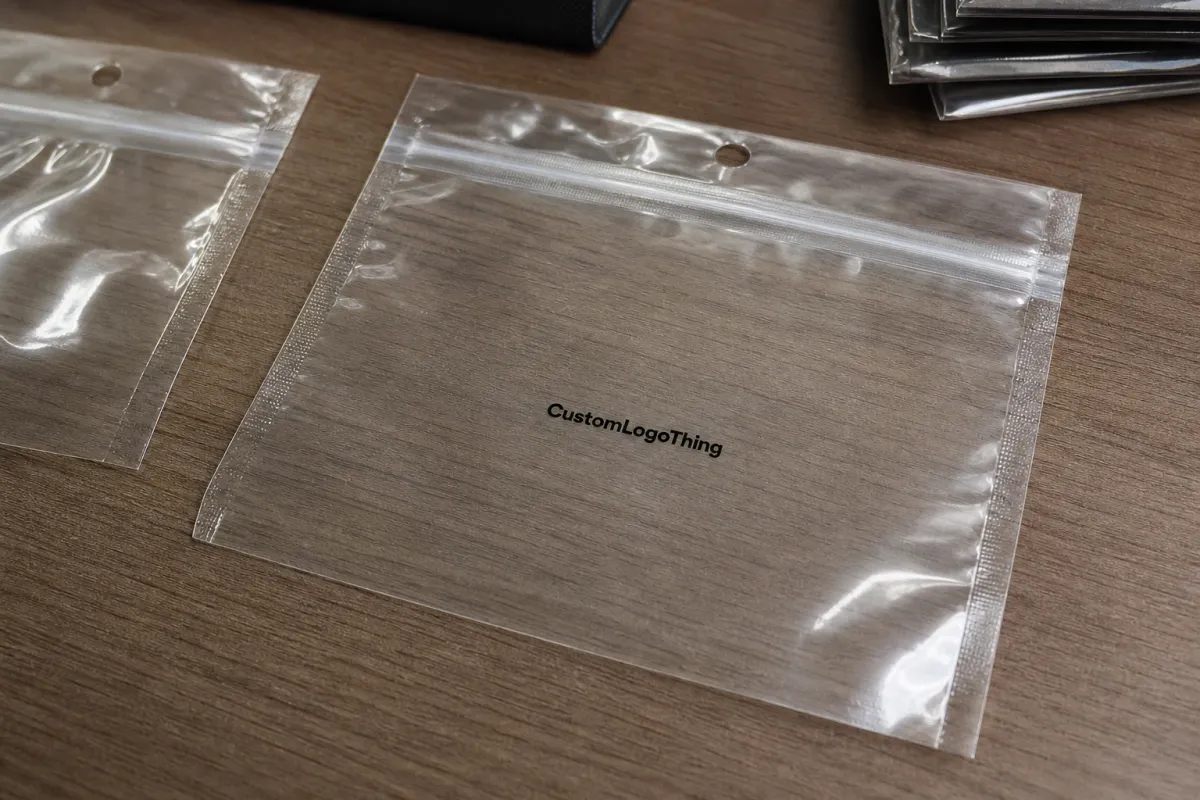
Most subscription apparel programs do not need corrugated boxes for every shipment. That sounds obvious, yet many teams still default to boxes because they feel more premium in a presentation deck than they do on the packing bench. For soft goods, a Custom Poly Mailer bag often solves the practical problems more efficiently: lower dimensional weight, faster packing, less storage space, and fewer material touches per order.
The product mix matters. A folded T-shirt, a pair of leggings, or a stack of socks needs a clean seal and basic weather protection, not a rigid shell pretending to be a luxury package. Boxes earn their keep with fragile add-ons, gift sets, or thick bundles that need structure. Outside those cases, the extra board, tape, and fill can become expensive theater.
Fulfillment speed is another quiet advantage. Mailers are faster to store, easier to stage at a pack table, and less likely to trigger oversize charges on parcels that would otherwise ship awkwardly in a carton. That difference is small at first and very visible once monthly subscription volume grows. A hundred orders can hide a lot; ten thousand orders expose every unnecessary fold, tape pass, and cubic inch.
There is also a consistency benefit. Subscription boxes depend on repeatability, and poly mailers are easier to standardize across seasonal drops than many carton styles. If the garment set changes but the shipping footprint stays close, the packaging system stays stable too. That stability is often worth more than a fancier outside structure that only looks right in the first week.
How custom poly mailer bags for subscription apparel boxes work
The pack-out flow is simple. Fold the garment, add tissue or an insert if the brand wants a cleaner reveal, seal the mailer, and apply the shipping label or use a built-in label pocket. The appeal is not novelty; it is repeatability. A good mailer reduces handling steps without making the parcel feel rushed or flimsy.
Structure changes the experience more than many buyers expect. Single-layer film can work for lightweight pieces, but co-extruded construction usually handles puncture risk and print quality better. Tear strips help the customer open the bag without fighting it. Tamper-evident closures provide a clear visual cue that the parcel has not been opened in transit. Gusseted styles give you a little breathing room when the assortment includes hoodies, denim, or two-piece bundles.
The customer should receive something that feels neat, dry, and deliberate. A mailer that closes cleanly and arrives intact often feels more considered than an oversized box full of air. The unboxing does not need to be theatrical to feel premium. For apparel subscriptions, the better experience is usually the one that opens easily, protects the product, and does not make the customer wonder why the package took a complicated route to get there.
That is why the outside of the parcel matters. Even though the item inside is soft goods, the shipping skin still shapes the brand impression. Custom Poly Mailer Bags for subscription apparel boxes are part of the packaging system, not an afterthought glued on at the end. When the mailer, insert, label, and product presentation all follow the same visual logic, the shipment feels intentional instead of assembled from leftovers.
Material, thickness, and print specs that hold up
Film thickness affects more than durability. It changes puncture resistance, seam strength, and how well the mailer tolerates rough handling in bins, trucks, and sorting equipment. For light apparel, a mid-range film is often enough, but heavier garments or rough shipping lanes usually call for more wall thickness and a stronger seal. Many apparel mailers land around 2.0 to 3.0 mil, while heavier-duty or higher-risk programs may move up to 3.0 to 4.0 mil. Thinner material lowers cost; thicker material buys protection. The right answer depends on what is inside the bag and where it is going.
LDPE remains common because it is flexible, durable, and easy to seal cleanly. Co-extruded structures are useful when one layer needs to carry print well while another contributes strength or opacity. Recycled-content blends can help a sustainability target, but they should be tested for consistency rather than treated like a free pass. Some recycled films print beautifully. Others vary enough that color matching becomes more work than the savings are worth. Ask for samples from the actual production type, not just a polished sales swatch.
Finish matters too. Matte surfaces generally read calmer and more premium, while gloss can make strong colors pop in bright shipping conditions. Soft-touch effects can feel elevated, but they are not required for every apparel subscription. In many cases, a restrained layout with disciplined logo placement does more for perceived quality than a busy design with too many ink hits and too much confidence. Good packaging rarely needs to shout.
Print specs deserve the same attention as material choice. One-color branding is usually the cheapest route and often the cleanest visually. Multi-color art, gradients, and edge-to-edge layouts need tighter file prep, better registration control, and more proofing time. If the artwork includes tiny type or fine rules, ask for the printer’s minimum line weight and safe text size before approving anything. Bad file prep is one of the fastest ways to turn a usable mailer into a reprint.
Do not skip performance checks. Ask about seal strength, tear resistance, and closure behavior in cold or humid warehouses. If the run is meant to ship nationally, a local hand-squeeze test is not enough. Alignment with recognized transit-test thinking, such as ISTA methods, is a much better way to judge whether the mailer can survive actual handling. For material claims, verify the details against a real recycling pathway, not a vague environmental slogan. The EPA recycling guidance is a better starting point than guesswork.
Cost, pricing, and MOQ tradeoffs
Price depends on size, film thickness, print count, finish, and whether the order uses a stock-style format or a fully custom spec. Minimum order quantity changes the economics quickly. Lower MOQs are useful for testing, but unit pricing usually stays higher because setup is spread across fewer bags. That is not a supplier trick; it is just how the tooling and press time get divided.
At a typical 5,000-piece run, a simple one-color mailer might land around $0.18-$0.30 per unit, depending on size and gauge. A heavier-duty, fully printed version may move into the $0.26-$0.45 range. Recycled-content sourcing can add some variance because supply and resin pricing shift. A small custom carton, by comparison, may sit closer to $0.55-$1.10 before inserts, tape, or void fill. Boxes still make sense for specific products, but they are rarely the cheapest choice for routine apparel shipments.
| Option | Typical unit cost at 5,000 pcs | Best use case | Watch-outs |
|---|---|---|---|
| Plain stock poly mailer | $0.10-$0.18 | Fast testing, low-brand-visibility shipments | Limited brand presence, little differentiation |
| Custom printed poly mailer | $0.18-$0.45 | Recurring apparel subscriptions, light bundles | Needs accurate artwork, fit, and color control |
| Custom printed box | $0.55-$1.10+ | Premium sets, gifts, fragile add-ons | Higher freight, more labor, more wasted void space |
Do not stop at unit price. Freight, proofing, setup, and overrun allowance all belong in the comparison. A quote that looks cheap can become expensive once you add the real shipping lane, heavier parcels, or rework from a bad file. For a subscription apparel program, landed cost matters more than sticker price.
Damage reduction belongs in the math too. If a better mailer lowers returns, repacks, or customer complaints, that savings should sit beside the purchase price. The lowest-cost bag is not always the lowest-cost packaging decision. Sometimes the slightly better spec is the one that keeps the whole operation calmer.
Process, timeline, and production steps from quote to delivery
The cleanest projects follow the same path: spec request, artwork review, proof approval, production, quality control, then freight booking. A supplier should be able to explain that sequence in plain language and identify where a job can slip. If the timeline sounds vague at the quote stage, it usually gets worse after approval.
Simple custom runs often take about 12-15 business days after proof approval. New sizes, recycled-film sourcing, specialty finishes, or a fresh closure style can extend that to 18-25 business days. Freight sits on top of production, not inside it, so the final delivery date depends on both. In practice, the slowest part is often not the press. It is the waiting room created by missing measurements, incomplete artwork, or a last-minute logo change that sends the proof back for another round.
Lead time becomes more important in subscription work because the packing schedule is predictable until it is not. A refill order placed too late can force a compromise on size, material, or print. That is how one month’s packaging starts looking different from the last month’s packaging, which is exactly the kind of inconsistency subscribers notice even if they cannot explain it.
If you are ordering custom poly mailer bags for subscription apparel boxes for the first time, ask the supplier to separate proofing, production, and transit time in the quote. That makes comparisons much cleaner. One manufacturer may show a faster press schedule, while another may ship through a better lane and arrive earlier in the warehouse. The lowest number on paper is not always the best number in practice.
Branding and unboxing details that actually keep subscribers
The outer surface of the mailer acts like a small billboard. It reaches the customer before the garment is touched, so color, placement, and type all matter. The point is not to fill every inch with graphics. It is to make the parcel feel edited and tied to the brand’s promise. That kind of restraint tends to age better than a noisy print system that tries to solve identity with volume.
Matte finishes usually feel calmer and more premium than glossy film, though gloss can work well if the brand depends on bright color and high contrast. A soft-touch effect can add interest, but it should be used with a reason, not as decoration for its own sake. In many subscription apparel programs, a clean seam, a controlled logo size, and a consistent color system do more than a crowded layout with too many fonts and too many ideas.
"A good mailer does not try to become a gift box. It just makes the shipment feel deliberate."
There is a practical side to branding restraint. Heavy coverage can increase print complexity, complicate disposal messaging, and create more room for mismatched color between runs. A simpler system is easier to hold steady over time. If the mailer, insert, and label language all work together, the package feels branded without feeling overdesigned.
Subscribers notice consistency even when they do not call it out directly. If the bag feels off, the rest of the experience starts to feel less certain too. The packaging may not drive retention on its own, but it can undermine trust when it looks random, undersized, or cheaply thrown together.
Common mistakes that cause damage, waste, or reprints
The most common sizing mistake is choosing a mailer that is too tight. That creates strained seams, awkward sealing, and scuffed corners. Too large is nearly as bad because the parcel looks sloppy and wastes material. A good fit should leave enough room for a clean seal while still holding the product snugly enough to travel well.
Artwork errors are another steady source of pain. Low-resolution logos, missing bleed, incorrect color builds, and ignored safe zones can all trigger a reprint. If a file looks fine on a screen but fails on press, the press is going to trust the file, not the intention behind it. Clear production files and a careful proof review prevent a lot of expensive surprises.
Shipping conditions matter more than many teams expect. A mailer that performs well in a dry local lane may behave differently in humidity, cold storage, or rougher national routes. Adhesive performance can shift with temperature. Film can feel less forgiving after a long ride in a conveyor system. If the shipping profile changes, the material spec should change with it.
Operations can also undermine a good design. If the fulfillment team dislikes the format, they may overstuff it, underseal it, or slow down trying to make it work. Then the brand pays for labor waste and return risk. A packaging format has to work for the people touching it every day, not just for the person approving the mockup.
Next steps: build a spec sheet before you request quotes
Before asking for pricing, put together a simple spec sheet. Include product dimensions, garment weight, expected order volume, print colors, closure style, and any recycled-content or recyclability requirements. Add a packed-product photo if you can. One image of the actual bundle often answers more questions than a page of assumptions.
Then compare quotes on the same basis. Unit price, tooling, freight, lead time, and proof stage should all be visible. One-line pricing is how projects drift into trouble. A supplier can look cheaper until the shipping, setup, or rework costs arrive later.
Start with a small test if the format is new. Run one mailer size with the real product, watch how it packs, and track whether the adhesive and seams hold up after a short shipping sample. A short test run reveals fit problems and handling issues early, while the brand can still adjust without wasting a large order.
Once the size and spec are locked, keep them locked for replenishment. Subscription packaging works best when the format stops changing every few cycles. That predictability makes it easier to buy, pack, ship, and forecast the next round of inventory. It also keeps custom Poly Mailer Bags for subscription apparel boxes doing what they are supposed to do: protect the product, reduce waste, and keep recurring shipments efficient.
What thickness works best for custom poly mailer bags for apparel subscriptions?
Most lightweight apparel shipments do well with a mid-range film, while heavier bundles or rougher shipping lanes usually need thicker material. Choose the thinnest option that still resists punctures and seal failure, because overbuilding raises cost quickly.
Can poly mailer bags replace boxes for subscription clothing?
Yes, for folded tees, leggings, basics, and other soft goods that do not need crush protection. Keep boxes for premium launches, gift sets, or fragile add-ons that need more structure and presentation.
How do MOQ and unit cost usually change for custom apparel mailers?
Lower MOQs are helpful for testing, but the unit cost is usually higher because setup gets spread across fewer bags. Larger runs improve pricing, so it helps to forecast repeat volume before placing the first order.
What should I send with a quote request for custom poly mailers?
Send bag size, garment type, thickness target, print colors, quantity, and any special features like tear strips or label pockets. A packed-product photo or dimension sheet helps the supplier quote fit and material more accurately.
How long does production usually take for printed poly mailer bags?
Simple runs can move quickly after proof approval, while new sizes, specialty film, or complex print often add more lead time. Ask for a schedule that separates proofing, production, and freight so you can see where delays might happen.

