If you are comparing Slider Zipper Bags Manufacturer b2b sourcing options for retail, food, household, or industrial packaging, the real question is not “who can make a bag?” It is whether the bag opens easily, closes cleanly, and survives shipping, shelf display, and repeated consumer use without turning into a complaint magnet.
That distinction matters more than many buyers expect. A slider changes the whole user experience versus a standard press-to-close zipper. It adds convenience, but it also adds another moving part, another quality variable, and another place where a weak process shows up fast.
For buyers, the smartest sourcing decisions usually come from matching the bag structure, film thickness, and closure hardware to the product itself, not from chasing the lowest line item. A good slider bag looks straightforward. A good slider bag performs consistently, and that consistency is harder to manufacture than it appears.
Why slider zipper bags are more than just a simple seal
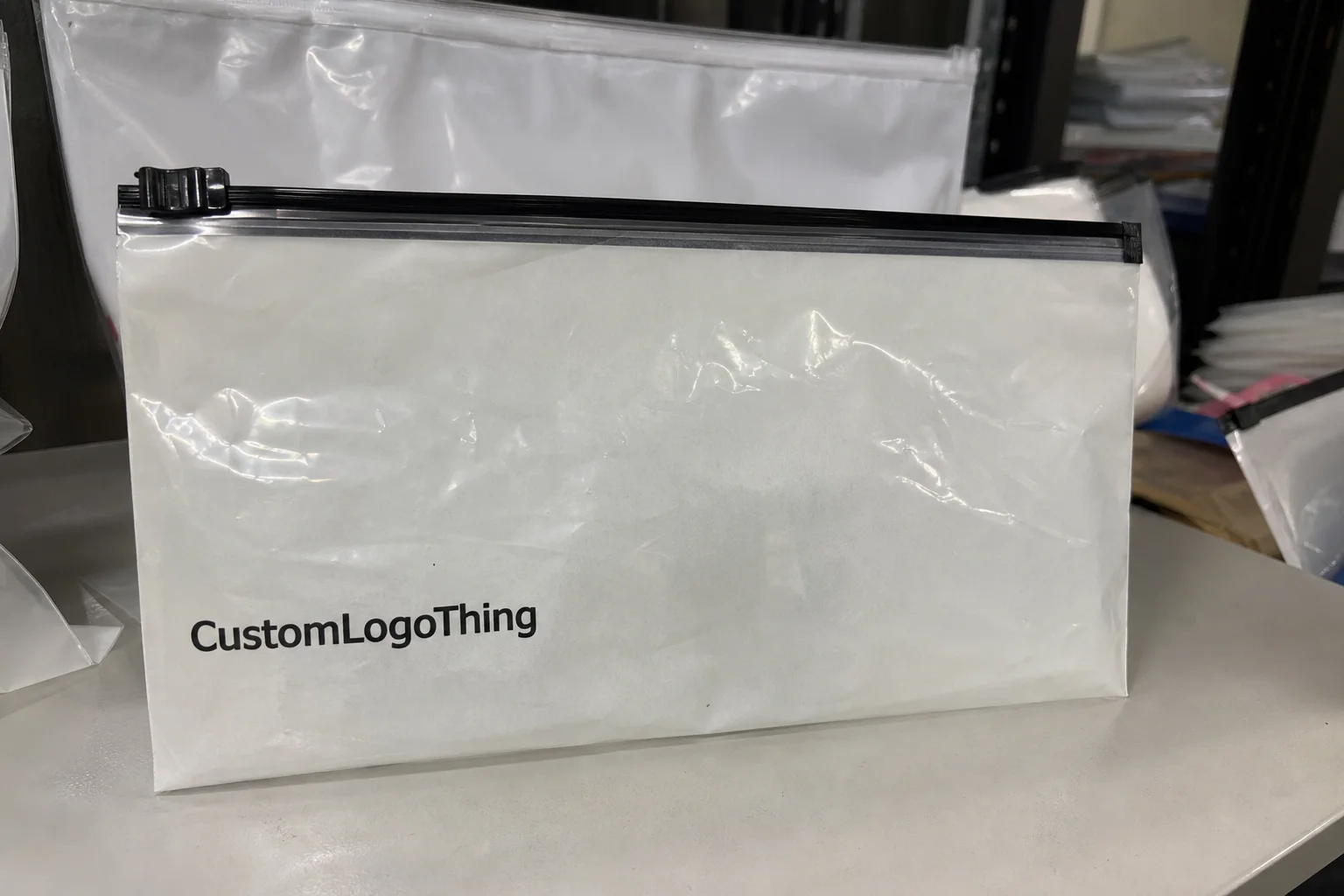
Slider zipper bags combine a flexible pouch body with a closure track and a movable slider that locks and unlocks the seal as it moves along the top edge. The slider does more than make the bag easier to open. It gives the end user a repeatable motion, which matters when a package is opened and closed dozens of times.
That is why a Slider Zipper Bags Manufacturer b2b sourcing discussion quickly moves beyond dimensions and price. Buyers often care about how the bag feels in hand, whether the slider glides without snagging, whether the track mates evenly, and whether the finished pack still looks tidy on a retail shelf. Those details shape product perception just as much as print quality.
Most slider bags use polyethylene film structures, often LDPE or blends chosen for clarity, softness, and sealability. For many consumer applications, thickness commonly sits around 2 mil to 4 mil, though heavier industrial packs can go thicker. Clear bags improve product visibility. Frosted finishes soften the appearance. Printed bags carry branding. Hang-hole styles support peg display.
“A bag can look right and still fail in use. In packaging, closure performance is often what decides whether the buyer stays loyal or walks away.”
Not all slider zipper bags behave the same way. Film quality affects puncture resistance and clarity. Zipper integrity affects reclosure. Sealing accuracy affects leak resistance. Pack-out affects how the finished bag handles carton compression, warehouse handling, and transit vibration. For B2B buyers, consistency matters just as much as the first sample.
How slider zipper bags work in production and use
The mechanism looks simple. The slider engages the interlocking tracks, compresses them into a closed position, then separates them when moved back. That simplicity is the reason slider bags remain popular for repeat-use packaging. People do not need to line up two sides with their fingers every time, and that reduces frustration at the point of use.
From a production standpoint, performance depends on more than the slider itself. Film gauge needs to support the package without turning stiff or brittle. Seal strength around the sides and bottom must hold under load. The zipper track has to align properly. If the slider fit is loose, the bag may not close fully; if it is too tight, consumers will struggle to use it.
Typical production steps include film sourcing or extrusion, forming the bag body, inserting the zipper track, attaching the slider, sealing, cutting, and final inspection. Printed jobs usually add decoration earlier in the process, often through flexographic or gravure printing depending on order size and artwork complexity. Buyers do not need to manage every machine setting, but they should know where defects usually begin: poor alignment, inconsistent sealing temperature, or slider assembly variation.
For B2B buyers, this closure style has a few practical advantages:
- Better consumer convenience for repeated access.
- Lower spill risk for dry goods, hardware, craft items, or household products.
- Stronger shelf appeal when the bag is clear, well-printed, and easy to reopen.
- Better fit for hand-pack operations when workers need a closure that is fast and predictable.
The best sample review is not a glance and a yes. Open and close the bag several times. Fill it with the real product weight. Check whether the slider stays attached during handling. If the bag will be packed into cartons, test whether the closures remain intact after compression. Standards and test methods from organizations like ISTA help buyers think about transport abuse in a more structured way.
Key specs that affect cost, MOQ, and performance
If you are sourcing from a slider zipper bags manufacturer b2b sourcing partner, the spec sheet is where cost and performance begin to diverge. Two bags can look nearly identical, yet one may quote 20% lower because it uses thinner film, a simpler zipper, fewer print colors, or a standard size that fits existing tooling.
Material choice is usually the first cost driver. Virgin polyethylene tends to deliver better clarity and more consistent handling, while recycled content may suit certain non-food applications where sustainability targets or cost control matter more than premium appearance. Film softness, haze, and puncture resistance all affect how the bag feels and how it survives shipping.
Size and thickness shape the quote quickly. A standard size that matches existing production setup often costs less than a custom dimension that requires new cutting parameters or packaging adjustments. Thickness matters too. A 2 mil bag will not behave like a 4 mil bag, and buyers should not expect the same puncture resistance or stiffness. For heavier products or longer storage, that difference can be decisive.
Closure features also influence price and MOQ. Slider color, zipper profile, tamper-evident details, child-resistance requirements where relevant, and extra lock strength all add complexity. If the bag must support repeated use, zipper profile and slider assembly quality become central, not optional.
Printing and branding can be simple or elaborate. One-color logos are easier to run. Full-color graphics, matte or gloss finishes, and spot varnish increase setup time and can affect lead time. For buyers managing multiple SKUs, the practical approach is usually to keep artwork efficient unless premium presentation is part of the product strategy.
Pack-out and logistics are often overlooked. Retail-ready folding, inner bag counts, carton configuration, and pallet pattern all affect handling, warehouse space, and freight efficiency. A supplier that can pack in a way that fits your receiving system may be worth more than a small unit-price gap.
| Spec choice | Typical impact on cost | Typical impact on performance |
|---|---|---|
| Standard size, clear film | Lower setup and production cost | Good visibility, easier sourcing |
| Custom size, printed front panel | Higher setup and decoration cost | Stronger branding, more quote variables |
| Thicker film, heavy-duty slider | Higher material cost | Better puncture resistance and closure feel |
| Retail-ready pack-out | Higher labor and packing cost | Better shelf and warehouse handling |
B2B sourcing process and timeline from quote to shipment
The best sourcing projects start with clean information. Before asking for pricing, prepare the bag dimensions, material preference, closure type, print artwork, expected use environment, target quantity, and delivery destination. A good slider zipper bags manufacturer b2b sourcing process moves faster when the buyer is specific from the beginning.
The normal sequence is familiar: inquiry, spec review, sample development, quotation, approval, production, quality inspection, and shipping. What slows it down is usually missing information or late approvals. Artwork revisions alone can stretch the schedule if the supplier is waiting on final files or the print area is not clearly defined.
Sampling matters because the bag needs to be evaluated in real use, not just on a desk. Check seal strength by filling the bag. Test slider smoothness by opening and closing it multiple times. Look at how the tracks align. If the bag will be used with filling equipment, confirm that the closure profile and bag opening work with the production line, not against it.
Lead time depends on whether the order is stock-based or fully custom. A stock style with light branding may move faster. A new size, special print, or custom feature set usually needs more time for setup and approval. In many cases, buyers should expect about 12 to 20 business days from final proof approval to production completion, then add freight time based on the shipping method and destination. That range can shift during peak seasons or when the order requires special inspection.
Here is a practical way to think about the timeline:
- Brief and quote: 1 to 3 business days if the spec sheet is clear.
- Sampling: often 5 to 10 business days for custom work.
- Artwork and proof approval: depends on how many revisions are needed.
- Production: commonly 12 to 20 business days after approval.
- Shipping: depends on air, sea, or truck transit and customs handling.
Pricing, MOQ, and unit cost drivers buyers should compare
Pricing for slider bags is usually built from material cost, bag size, zipper and slider components, printing, labor, and freight. On paper, two quotes may look close. Under the hood, they may use different film gauges, different slider grades, or different pack counts. That is why comparing raw numbers without a matching spec sheet is risky.
If one supplier quotes a lower unit price, ask what changed. Is the film thinner? Is the print area reduced? Is the zipper simpler? Sometimes the lower number reflects real savings; sometimes it signals weaker performance in use. In practice, the lowest-priced option often becomes expensive later if bags wrinkle, split, or fail during reclosure.
MOQ usually rises when the order becomes more custom. Nonstandard dimensions, special colors, custom printing, and extra features can all increase the minimum order requirement. Buyers should plan inventory around that reality rather than assuming every supplier can make small runs at large-run economics.
A practical quote comparison should use the same variables every time. Film thickness, slider type, print coverage, package count, and carton configuration must match. If one supplier quotes 3 mil and another quotes 2.5 mil, you are not comparing the same product.
Watch for hidden cost areas too:
- Artwork setup or plate charges
- Sampling fees
- Packaging customization
- Special inspection or testing
- Freight, duties, and destination handling
For buyers focused on sustainability or compliance claims, references from organizations such as FSC can matter when paper inserts, cartons, or mixed packaging components are involved. The bag itself is usually a plastic film item, but the wider packaging system may still carry sustainability requirements.
Common sourcing mistakes that create packaging problems later
The most common mistake is approving a bag because it looks clean and attractive without checking how it behaves. A good sample should be tested, not admired. Does the slider travel smoothly? Does the seal hold after repeated use? Does the bag tear near the top after handling? Those are the questions That Save Money later.
Another mistake is writing vague specs. “Heavy-duty” does not tell a factory much. Neither does “good clarity” or “strong zipper.” A supplier needs film thickness, intended product weight, storage conditions, and any special resistance requirements, such as puncture or moisture handling. If the product is sharp-edged, that changes the recommended construction immediately.
Buyers also run into trouble when they assume every supplier defines MOQ and lead time the same way. One factory may define MOQ by printed bags only. Another may group it by bag size and color. Lead time may start from deposit receipt, proof approval, or artwork finalization depending on the factory’s process. If that is not spelled out, schedules slip.
Skipping pre-production samples is expensive. A sample may feel like a delay, but it often prevents a larger problem after full production begins. Once 50,000 units are printed, sealed, and packed, rework is slow and costly. That is why a disciplined approval process matters as much as the quote itself.
Compliance and retail rules also vary by market and product category. Some applications need material declarations, labeling, food-contact considerations, or transport testing. Buyers should verify requirements before signing off. A packaging supplier can support the process, but the buyer still owns final approval.
Expert sourcing tips for better supplier decisions and stronger orders
Ask for a written spec sheet before you approve anything. That sheet should confirm bag dimensions, film thickness, slider color, zipper style, print method, carton counts, and any special packing instructions. It sounds basic, but clear paperwork prevents most of the confusion that shows up later.
A strong supplier should also explain the material choice and sealing method in plain language. You do not need a chemistry lecture. You do need to know whether the bag uses virgin or recycled content, how the seal is formed, and where quality control checks happen during production. If the supplier cannot answer those questions clearly, that is a warning sign.
I also recommend asking for test samples that match actual use. Fill the bag with the real product, then repeat the open-close cycle many times. Check whether the slider still feels smooth after handling. Put the packed bag in a carton and compress it lightly to simulate shipping stress. If the package will move through distribution channels, test it like it will be used.
To reduce reorder headaches, lock in the approved sample, the final artwork files, and the packaging configuration. Keep those records together. That makes it easier to reproduce the same result later, especially if the product line expands or the same bag is reordered with a new fill weight.
Good suppliers do more than quote a number. They help you understand tradeoffs between customization and production efficiency, and they give realistic guidance on lead time and unit cost. That kind of honesty matters more than polished sales language.
For buyers comparing options under About Custom Logo Things or Wholesale Programs, the right partner is usually the one that keeps the specs tight, the communication direct, and the Sample Approval Process disciplined.
Next steps to build a reliable sourcing plan
The easiest way to keep a sourcing project under control is to build a one-page brief before contacting suppliers. Include bag size, film thickness, slider type, color, print needs, order volume, and target delivery date. With that in hand, quotes become easier to compare and the supplier can respond with fewer assumptions.
From there, shortlist suppliers who can quote the same spec and provide samples. Price alone should not decide the winner. Review the sample with a simple checklist for seal strength, slider smoothness, clarity, and pack fit. If any of those fail, do not treat the bag as approved just because the artwork looks good.
Confirm your timeline milestones in writing: artwork approval, sample approval, production start, inspection, and shipment. That keeps everyone aligned and reduces last-minute surprises. Then, when the order is approved, use the sample and spec sheet as the master reference for every reorder.
That is the practical side of slider zipper bags manufacturer b2b sourcing. Tight specs, honest testing, and clear communication usually beat guesswork every time. If the buyer gets those basics right, the rest of the project tends to move more smoothly.
FAQ
What should I ask a slider zipper bags manufacturer for B2B sourcing?
Ask for the exact material, thickness, dimensions, closure style, printing method, MOQ, lead time, and sample availability. Also request confirmation on carton counts, packaging format, and whether pricing includes freight or only factory costs. The more specific the first inquiry, the easier it is to compare suppliers fairly.
How do I compare quotes from different slider bag suppliers?
Compare only when the specifications match exactly, including film gauge, slider type, print coverage, and pack configuration. Check whether extra costs like plates, sampling, and packaging changes are included in the quote. If one offer is cheaper, verify that it is truly the same construction and not a lower-spec version.
What affects lead time for custom slider zipper bags?
Lead time depends on artwork approval, sample approval, production scheduling, order complexity, and shipping method. Custom printing, special sizes, and larger volume orders usually require more time than stock items. Delay usually comes from revisions and approvals, not just factory capacity.
How can I tell if the bag quality is good before placing a large order?
Review samples for smooth slider action, strong seals, good film clarity, and consistent dimensions. Test the bag with your actual product, because fill weight and product shape can change performance. If the bag will be stacked, shipped, or packed into cartons, test those conditions too.
What is the best way to reduce unit cost without hurting performance?
Standardize dimensions, simplify print coverage, and avoid unnecessary custom features where possible. Balance cost against durability so the bag still performs well in packing, shipping, and end-user use. The cheapest version is not always the best value if it creates rejects or complaints later.


