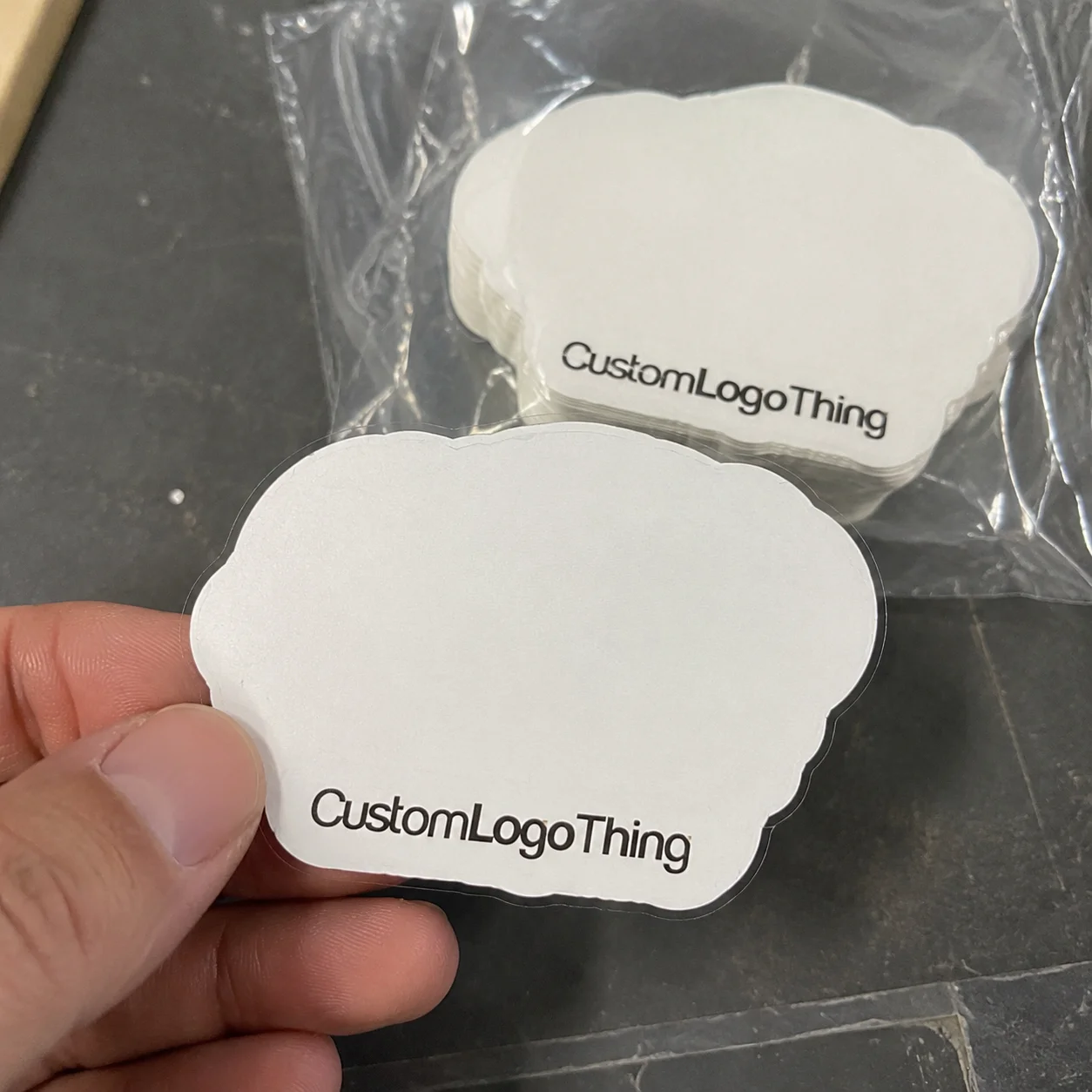
A knit beanies low moq order is often the smarter buy when demand is still unproven. Beanies are easy to like in a mockup and surprisingly easy to overbuy. The leftover inventory usually does not become “brand visibility.” It becomes cartons under a desk, next to last year’s trade show banners and the extra medium T-shirts nobody claimed.
Low minimums are not a downgrade. They are a way to control risk while you learn what people will actually wear. That matters for startup merch drops, brewery releases, resort shops, school fundraisers, construction crew gifts, corporate holiday programs, event tables, and small retail batches. A smaller order gives you real feedback on fit, color, decoration, and sell-through before you commit more money to the same design.
Small Beanie Runs Beat Guessing Demand and Eating Inventory
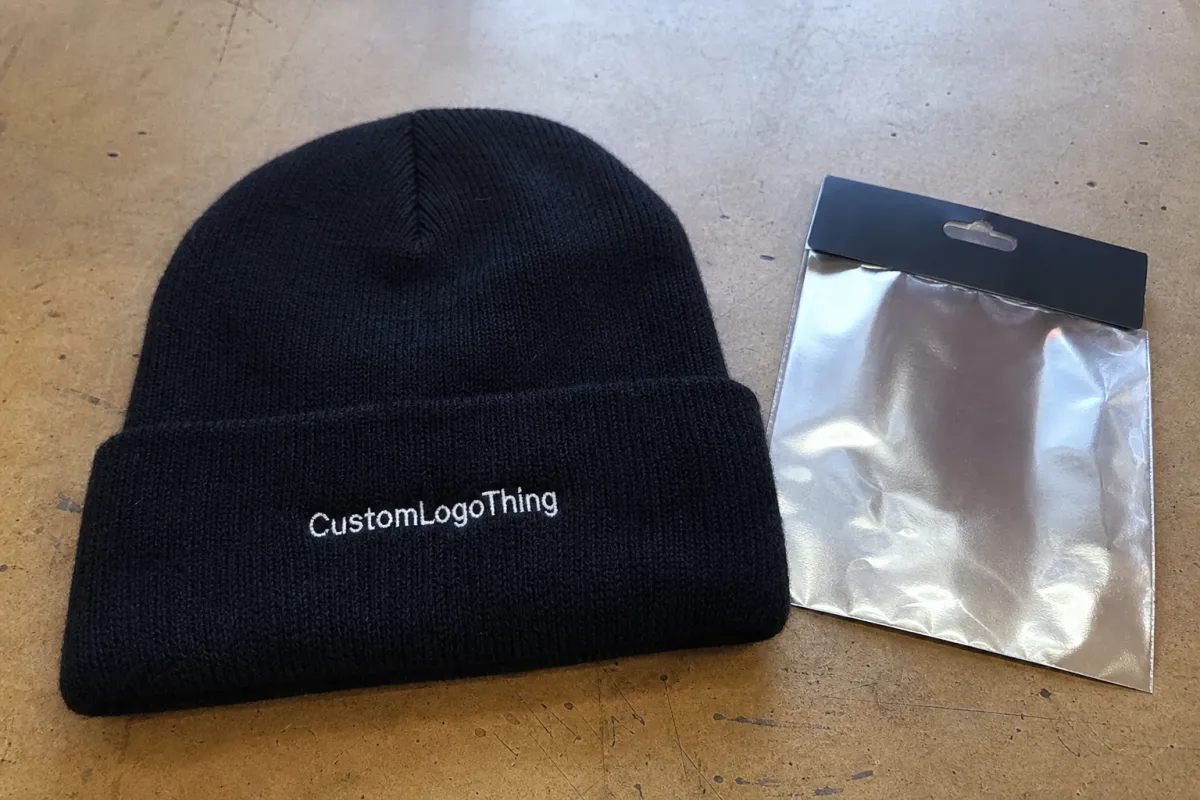
A low minimum beanie order works best when the product is based on available blanks or standard production components. Embroidered cuff beanies, woven patch beanies, faux leather patch beanies, simple rib knits, and common acrylic yarn colors are the easiest to quote and produce. They have fewer variables, decoration areas are predictable, and adult sizing is forgiving across a mixed audience.
That does not mean every small run is simple. Fully custom jacquard artwork, special yarn dyeing, complex multi-color knit patterns, oversized patches, custom inside labels, and private retail packaging all add friction. None of those details are impossible, but they change the minimums, lead time, and price. A yarn mill is not set up to dye three pounds of custom Pantone-adjacent blue because someone wants to “just test it.”
Practical rule: use low MOQ for market testing and clean branded basics. Use larger bulk production once the design has proven demand.
Buyers should expect real choices and real limits. A 50-piece decorated beanie order and a 500-piece program are different production problems. Setup, digitizing, machine time, patch making, packing labor, and freight all land differently when those costs are spread across fewer units. That is why small runs are excellent for learning, but rarely deliver the lowest possible unit price.
The strongest low MOQ projects usually start with one clear purpose. Are these beanies meant to sell at retail, reward employees, support an event, or test a new brand color? The answer affects the product. A retail drop may justify a woven patch, hang tag, and cleaner presentation. A jobsite gift may need warmth, durability, and a logo that stays readable after weeks of wear.
Beanie Styles That Actually Work for Low Minimums
The easiest styles for a knit beanies low moq order are cuffed acrylic beanies with embroidery or patches. Blanks are widely available, the cuff gives the logo a stable placement area, and the fit works for most adults. That is why cuffed beanies show up at job sites, brewery counters, campus stores, ski weekends, and employee gift tables. They are not exotic. They get worn.
Core options include Cuffed Knit Beanies, slouchy beanies, fisherman beanies, pom beanies, rib knit beanies, waffle knit beanies, and double-layer winter beanies. A standard cuffed beanie gives the cleanest logo placement. A fisherman beanie has a shorter, more retail-forward profile, though not everyone likes the higher fit. Pom beanies suit schools, resorts, winter events, and youth programs, but they are more taste-specific. Double-layer beanies add warmth and structure, usually with a higher unit cost.
| Beanie Style | Best Low MOQ Decoration | Typical Buyer Fit | Buying Note |
|---|---|---|---|
| Cuffed acrylic beanie | Embroidery or woven patch | Corporate gifts, crews, merch drops | Best balance of price, availability, and wearability |
| Fisherman beanie | Small woven or faux leather patch | Retail brands, coffee shops, breweries | Trendier fit; shorter profile can divide opinion |
| Pom beanie | Embroidery or patch on cuff | Schools, resorts, winter events | More personality, narrower audience |
| Double-layer winter beanie | Patch or larger embroidery | Outdoor crews, cold-weather staff | Warmer and heavier, usually higher cost per piece |
Decoration has a bigger effect than many buyers expect. Direct embroidery is clean for simple logos, names, initials, and bold marks. Woven patches can hold more detail and smaller text. Faux leather patches give a more premium retail look, especially with debossed or laser-etched artwork. Silicone or rubber patches fit outdoor, fitness, utility, and technical brands. Printed labels can work for lighter branding, but they rarely carry the same perceived value as a proper patch.
Logo complexity is where hope gets humbled. Simple block logos stitch better. Tiny tagline text fails quickly. Gradients need to be rebuilt as solid colors. Thin outlines often disappear into the knit texture. For embroidery, letters under roughly 0.20 inches tall can turn soft or unreadable depending on the font, thread, and fabric stretch.
Stock yarn colors help control both cost and timing. Black, charcoal, navy, heather gray, forest green, cream, and burgundy tend to perform well because people can wear them with normal clothes. Custom colors may be worth it for an established retail line, but they are rarely the best starting point for a first test. Order the color people will wear twice, not the one that looks dramatic in a flat mockup and strange on a human head.
Specs to Lock Before You Ask for a Quote
A fast quote needs real inputs. “Send me pricing for beanies” is not a spec. It is a shrug with punctuation. Before requesting a quote, gather the quantity, beanie style, material preference, color, decoration method, logo file, patch size if known, placement, packaging needs, shipping destination, and deadline.
Acrylic is the reliable budget material for most promotional and merch beanies. It is common, warm enough for general winter use, and stable across repeat orders. Wool blends feel warmer and more premium, but they cost more and may need more careful handling. Recycled yarns can support sustainability goals, though available colors, documentation, and lead times may be tighter.
If sustainability claims matter to a retail buyer or internal procurement team, ask for documentation instead of assuming the hang tag can say whatever marketing wants. Fiber content, recycled content, and packaging claims should be supportable. For paper hang tags, belly bands, or cartons, the Forest Stewardship Council is a useful reference if responsible sourcing is part of the product story.
Construction specs affect comfort, warmth, and logo appearance. Single-layer beanies are lighter and often cheaper. Double-layer beanies feel warmer and more substantial. Cuff height commonly lands around 2.5 to 3.5 inches, though it varies by style. Knit gauge changes texture and stretch. Pom attachment, seam placement, youth sizing, and adult sizing should be confirmed before proof approval, not after production is already moving.
Artwork files matter. Vector files such as AI, EPS, or clean PDF formats are ideal. High-resolution PNGs may work for review, but they are not always production-ready. A screenshot from a website is not production art, no matter how confidently it arrives. If the logo needs embroidery digitizing or redrawing for a woven patch, that can add setup charges and a little time.
Label and packaging add-ons should be decided early. Inside woven labels, hang tags, belly bands, poly bags, retail cartons, UPC stickers, and size stickers all affect pricing and production flow. A simple employee gift may only need bulk-packed cartons. A retail beanie might need a hang tag, barcode sticker, folded presentation, and carton-count planning.
Spec discipline saves money. Changing patch material, thread colors, logo size, or packaging after approval can restart pricing and delay production. Production teams do not enjoy rebuilding a quote because the fourth reviewer suddenly discovered beige.
Knit Beanies Low MOQ Order: Pricing, MOQ, and Unit Cost
For a knit beanies low moq order, typical minimums start around 50 to 100 pieces for decorated stock beanies. More involved patch programs often begin around 100 to 300 pieces. Fully custom knit patterns, custom-dyed yarn, specialty labels, and private packaging can push minimums higher because the setup work is no longer limited to decoration.
Basic embroidered stock beanies often land in the mid-single digits to low teens per unit, depending on quantity, beanie weight, stitch count, and shipping. Premium patch beanies with faux leather, woven labels, hang tags, or retail packing can move into the low to mid teens, sometimes higher at small quantities. Those ranges are practical planning numbers, not promises carved into stone. Freight, rush timing, sample requirements, and artwork complexity can move the final price.
Price is affected by quantity, base beanie quality, decoration method, logo size, number of thread colors, patch material, artwork setup, sampling, packaging, freight, and rush timing. A 50-piece order carries setup labor across fewer units. A 250-piece order spreads those same fixed costs more efficiently, so the cost per piece usually improves.
| Quantity Range | Common Product Type | Typical Unit Cost Range | Best Use |
|---|---|---|---|
| 50-99 pieces | Stock cuff beanie with embroidery | Mid-single digits to low teens | Testing, team gifts, limited merch |
| 100-249 pieces | Stock beanie with woven or faux leather patch | Low teens, often better with simple specs | Retail drops, breweries, schools, small stores |
| 250+ pieces | Patch programs, labels, packaging add-ons | Better bulk pricing if specs stay consistent | Proven sellers, employee programs, seasonal campaigns |
| Higher minimums | Custom knit pattern or custom-dyed yarn | Varies widely by yarn, artwork, and tooling fees | Private-label retail or established merch lines |
Do not compare quotes unless the specs match. A cheap quote may be cheaper because the beanie is thinner, the patch is smaller, the artwork has been simplified, setup charges are hidden, or shipping is missing. That is not a deal. That is a surprise with an invoice attached.
Quote breaks at 50, 100, and 250 pieces are useful because they show where the real savings begin. Sometimes moving from 50 to 100 pieces noticeably lowers the unit cost. Sometimes the savings are modest, and the extra inventory is not worth it. The right answer depends on whether the order is a test, a gift, a retail launch, or a known reorder.
Custom Logo Things can help compare those tradeoffs before production starts. For broader quantity planning and repeat purchasing, the Wholesale Programs page is a useful next stop. The point is not to chase the lowest suspicious number. The point is to build a quote around real materials, real decoration, and a realistic delivery plan.
Process and Timeline From Artwork to Delivered Beanies
A normal low MOQ beanie project follows a straightforward path: submit specs and artwork, receive a quote, confirm the decoration method, review a digital proof, approve a physical sample if needed, move into production, complete quality checks, pack, ship, and deliver.
Quoting can take 1 to 2 business days when specs are clear. Digital proofing often takes 1 to 3 business days. Production commonly runs 2 to 4 weeks after proof approval, depending on decoration, quantity, material availability, and packaging. Transit time comes after that. If the beanies are needed for an event, leave room for receiving, sorting, kit packing, or internal distribution.
Sampling is a choice, not a moral test. Digital proofs are faster and less expensive, and they work well for simple embroidery or standard patch layouts. Physical samples add confidence for retail orders, premium patches, custom labels, unfamiliar color combinations, or logos with fine detail. They can also add 1 to 2 weeks and extra cost. That tradeoff is normal.
Rush orders are most realistic when the beanie is a stock color and the decoration is simple. They are harder with custom yarn, imported components, private labels, or complicated retail packaging. Rush fees exist because production capacity, freight networks, and approval queues do not become faster just because an event date was forgotten.
Production starts after quote approval, payment, and proof sign-off. Delayed feedback from a committee of twelve people will not preserve the ship date. Choose one decision-maker before proofing starts. If legal, marketing, procurement, and the founder’s cousin all need to approve the logo, handle that before the production clock starts.
Shipping planning should include freight method, destination, customs if applicable, in-hand date, and the receiving address. For distribution to multiple offices, stores, or event sites, ask early. Split shipments can be arranged, but they add cost, carton planning, and more places for timing to go sideways.
Quality Checks That Protect Your Logo and Your Deadline
Quality control should cover beanie construction, yarn consistency, decoration placement, thread color, patch attachment, label placement, packaging accuracy, and carton counts. This sounds boring because it is. Boring is good. Boring means the order arrives correctly.
Embroidery should be checked for puckering, thread breaks, loose trims, and distorted logo shapes. Rib knit fabric stretches, so stitch density and backing matter. A logo that looks clean on a flat proof can behave differently on a cuff that expands when worn. Pre-production review is not paperwork theatre; it is where many avoidable problems get caught.
Patches should sit straight and secure. Woven artwork should stay legible at the chosen size. Faux leather patches need clean edge finishing and consistent debossing or laser detail. Silicone and rubber patches need reliable attachment, whether stitched or applied through another approved method. A patch that peels, curls, or tilts after a few wears is not premium. It is landfill with branding.
Fit and feel deserve attention too. Stretch, cuff tension, warmth, and overall shape matter because beanies are worn on heads, not photographed on perfectly flat desks. A stiff cuff can feel tight. A thin crown can look cheap. A sloppy seam can make the logo sit slightly off-center, which buyers tend to notice after delivery, naturally.
Common mistakes include tiny tagline text, low-contrast thread, oversized patches on narrow cuffs, custom colors chosen from screens, and no buffer before an event date. Screen color is not yarn color. If exact matching matters, ask about thread charts, yarn references, or a physical sample.
Packaging checks matter for retail and distribution orders. Carton counts, poly bags, hang tags, UPC stickers, folded presentation, and retail pack orientation should match the approved spec. For transit testing and package handling expectations, standards from groups like the International Safe Transit Association are useful references, especially for larger distribution programs.
Quality control is cost control. Fixing issues before production is dull. Fixing them after delivery is expensive and deeply unpleasant.
When Low MOQ Makes Sense and When It Does Not
A knit beanies low moq order makes sense for product testing, first-time merch launches, employee gifts, seasonal promos, limited editions, influencer drops, team gear, sponsor kits, and small retail batches. It also works well when the buyer needs one narrow color run, such as 75 black beanies with a woven patch.
Low MOQ is a poor fit if the only goal is the lowest possible unit cost. Larger bulk pricing will almost always beat a small run on cost per piece. Small minimums are also not ideal for fully custom knit patterns at tiny quantities, complex retail packaging on a tight budget, or Buyers Who Need thousands of pieces but want sample-run pricing. Nice try, though.
The tradeoff is simple. Low MOQ reduces cash tied up in inventory. Larger runs reduce unit cost and improve consistency across repeat programs. If you already know you need 1,000 beanies for a national employee campaign, a low-minimum structure is probably not the smartest buy. If you are testing whether the cream fisherman beanie outsells the charcoal cuffed beanie, start smaller.
A practical reorder strategy is to begin with 50 to 100 pieces, track which colors and styles move fastest, then reorder the winners in larger quantities. Keep decoration consistent if you expect repeat orders. Changing patch material, logo scale, or thread colors every round makes inventory harder to manage and brand consistency harder to protect.
Choose one or two core colors first. Avoid five-color assortments unless you have real demand data. Assortments feel safe because everyone gets a choice, but they can leave you with 14 mustard beanies and a lesson in humility. Neutral colors usually sell through better across mixed audiences.
If this is your first beanie project, do not overbuild it. Prove the style, then scale. Revolutionary concept, apparently.
How to Prepare the Order Without Slowing Production
To move quickly, pick the beanie style, choose the color, select the decoration method, set a quantity range, confirm the deadline, gather artwork files, and decide whether packaging is needed. That list saves days. It also prevents the classic email chain where nobody knows whether the order is 50 pieces or 500 pieces.
For a fast quote, send a vector logo, desired quantity, delivery ZIP or country, in-hand date, decoration preference, and any retail or event packaging requirements. If you are not sure which decoration fits the logo, send the file anyway. A clean block mark may be best embroidered. A detailed badge may need a woven patch. A premium outdoor brand may look better with silicone or faux leather.
Ask for decision ranges instead of vague pricing. Quantity breaks at 50, 100, and 250 pieces show where the unit cost changes and whether the next break makes sense. Sometimes the added quantity pays for itself through better pricing. Sometimes it only creates extra inventory. Both answers are useful.
Approve one decision-maker before proofing starts. Design by committee is how simple beanies become a three-week email archaeology project. If the logo, color, patch shape, and deadline need internal approval, get that sorted before the proof lands in the inbox.
If the order is deadline-driven, prioritize stock beanies and standard decoration. If the order is retail-driven, spend more attention on patch quality, label details, hang tags, and packaging. For common ordering questions, the FAQ can help clarify quote details before production starts.
To start a low MOQ beanie order with fewer delays, send the logo, quantity range, target date, preferred style, and shipping destination. A quote built from real production details will always be more useful than one built from guesswork.
FAQ
What is the minimum quantity for a low MOQ knit beanie order?
Most low MOQ decorated beanie orders start around 50 to 100 pieces for stock styles with embroidery or patches. Custom knit patterns, custom yarn colors, and complex private-label details usually require higher minimums. Ask for quote breaks at 50, 100, and 250 pieces to see whether increasing quantity saves enough to be worth it.
How much does a custom knit beanie low minimum order cost?
Cost depends on quantity, beanie quality, decoration type, logo size, packaging, and shipping. Basic embroidered stock beanies often price lower than premium patch Beanies With Custom labels and retail packaging. A complete quote should separate product, decoration, setup charges, sampling, packaging, freight, and rush charges if they apply.
Can I order knit beanies with my logo if I only need 50 pieces?
Yes, 50 pieces is usually realistic for simple stock beanies with embroidery or certain patch options. The logo may need small adjustments for stitch quality, patch sizing, or thread contrast. If you need custom knit artwork built into the beanie itself, expect a higher MOQ.
What is the lead time for low MOQ custom beanies?
A typical low MOQ order may take 2 to 4 weeks after proof approval, depending on decoration and quantity. Digital proofs are faster than physical samples; physical samples add time but reduce risk on premium or retail orders. Rush timelines work best with stock beanie colors, simple logos, and fast proof approval.
Which decoration is best for a small custom beanie order?
Direct embroidery works well for simple logos, names, and clean brand marks. Woven patches are better for detailed artwork or small text that embroidery cannot hold cleanly. Faux leather, silicone, and rubber patches create a more retail-style look but usually cost more per unit.