Smart Buying Guide for Snapbacks in Retail Resale
For buyers, Snapbacks for Retail resale are a margin decision first and a style decision second. The cap has to look good, land at a workable cost, and move fast enough to justify shelf space. A product that photographs well but carries weak structure, high freight, or a slow approval cycle can quickly turn into dead inventory.
The category works because it is compact and easy to merchandise. One cap can carry a clear logo story without taking much space, and a small color run can still create a strong display. Buyers who focus on structure, decoration, packaging, and freight usually make better decisions than buyers who only judge the sample by appearance.
What Buyers Need to Know First
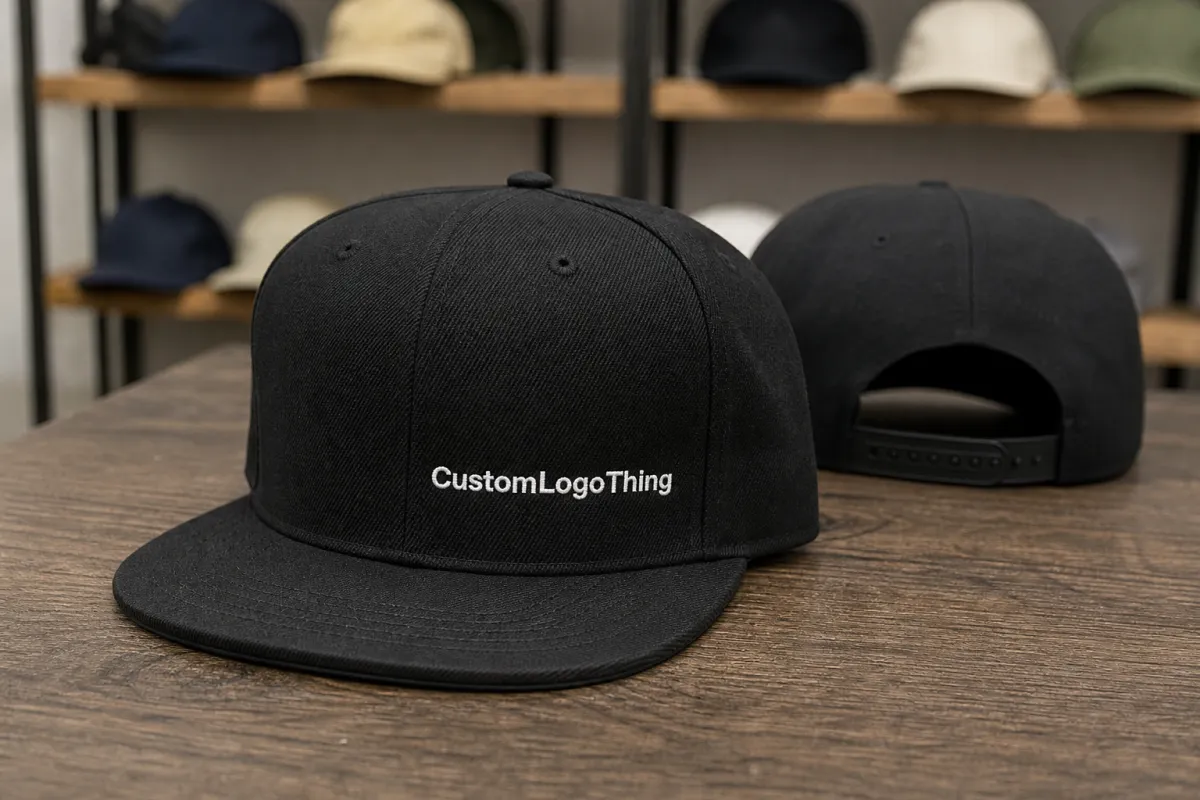
A snapback is typically a structured six-panel cap with a firm front panel, a flat or slightly curved brim, and an adjustable plastic closure. Those details matter because they affect fit, appearance, and retail durability. A blank stock cap behaves differently from a decorated run once minimums, proofing, and production time are added. Treating those options as interchangeable often leads to bad inventory timing.
The category performs well in boutiques, gift shops, sports stores, and streetwear accounts because it is visually efficient. A cap can communicate brand identity quickly, and it does not require a size curve. That makes it useful for retail teams that need a product with low space demand and simple replenishment.
The strongest buyers inspect the product as a retail unit, not just as a logo carrier. They check crown height, brim shape, front-panel support, stitch density, and how the closure sits when worn or displayed. A cap can look clean in a render and still feel weak in hand if the buckram support is thin or the stitching is sparse.
A cap that looks good in a sample photo but loses structure on a shelf is usually the wrong buy, even if the unit price is attractive.
That is the main tradeoff. Style matters, but repeatability matters more. Buyers are not paid to own the most dramatic cap on the floor; they are paid to stock the cap that can keep selling at the target price point.
How Sourcing and Ordering Usually Work
The workflow usually starts with style selection, then artwork confirmation, sample approval, production, and freight booking. Delays usually happen early. If logo size, thread color, patch backing, label placement, or carton details are still changing after the order is placed, the schedule can slip before sewing begins. Even a short approval delay can push a launch into the wrong selling window.
A good spec sheet keeps the process tighter. Lock in crown profile, panel structure, brim curve, closure type, decoration method, sweatband material, and packaging requirements before sampling starts. For snapbacks for retail resale, the spec should read like a production instruction, not a mood board. “Six-panel structured crown, flat brim, matching snap closure, front decoration measured in inches” is more useful than “classic look” or “premium feel.”
A simple custom run often moves on this kind of timeline once artwork is settled:
- Days 1-3: Spec confirmation, decoration placement, and artwork approval.
- Days 4-7: Digital proof or pre-production mockup review.
- Days 8-12: Sample sign-off or photo confirmation for a simple run.
- Days 13-25: Production for basic embroidery or patch work.
- Days 26-35: Cartonization, freight booking, and transit.
That window can stretch. Mixed-media decoration, special washes, unusual color matching, and custom seam details all add time. Sea freight adds more. Buyers should plan from shelf date backward, not from purchase order date forward.
Packaging also deserves a check. Insert cards, hang tags, and custom polybags can change both cost and presentation. Carton strength matters because caps are easy to crush, and a dented brim or collapsed crown can downgrade the product before it reaches the store. A practical reference such as ISTA is useful when thinking about handling and transit risk.
Pricing, MOQ, and Landed Cost
Three numbers matter most: unit price, Minimum Order Quantity, and landed cost. Unit price is the factory quote. MOQ is the amount of cash and inventory the buyer must commit. Landed cost is the real number after freight, duties, packaging, sample charges, and any last-mile adjustments. If the buying team only watches ex-factory price, the margin can look healthy until shipping and import costs are added.
Decoration method, material choice, and order volume move pricing more than many buyers expect. A blank stock cap might sit in one range, a one-color embroidered cap in another, and a woven-patch run in a higher one. Higher volume usually improves the unit rate, but only if the assortment stays controlled. Three styles at 300 units each often make more sense than nine styles at 100 units each because too much variety creates slow stock even when the quote looks reasonable.
| Buying Path | Typical MOQ | Ex-Factory Unit Cost | Best Use | Main Watch-Out |
|---|---|---|---|---|
| Blank stock | 50-200 | $2.10-$3.25 | Fast test buys, generic programs | Limited differentiation at retail |
| 1-color embroidery | 100-300 | $2.80-$4.50 | Core logo items, repeat orders | Dense stitching can stiffen the panel |
| Woven patch with sew-on finish | 300-500 | $3.25-$5.10 | Cleaner premium look, streetwear sets | Patch approval can add time |
| Heavy custom run | 500+ | $4.75-$7.50 | Established programs, fashion drops | Higher inventory risk if demand is soft |
Landed cost has layers. A cap that costs $3.40 at the factory does not stay at $3.40 once freight, duty, inner packaging, and carton setup are included. Sample charges can also distort the picture if they are not spread across the order. A small run may still work at retail if the ticket is strong enough, but inefficient freight can push the effective landed cost much higher than expected. The difference between a $4.29 landed cap and a $5.80 landed cap can decide whether the style deserves shelf space at all.
Packaging materials can support the sale, but they should be chosen with discipline. FSC-certified paper insert cards or hang tags can improve presentation without becoming a marketing gimmick. The FSC framework gives buyers a recognizable standard instead of a vague sustainability claim.
Materials, Fit, and Decoration That Affect Sell-Through
Retail buyers usually notice shape before anything else. A cap with a solid crown, a clean brim, and a front panel that holds the logo well feels more expensive than it may be. Material changes that impression. Cotton twill reads differently than polyester or acrylic blends, and a tighter, firmer weave usually holds structure better on the wall.
Fit matters even though snapbacks are adjustable. Crown depth, panel spacing, and the stiffness of the inner band affect comfort and appearance. High-profile caps tend to work well for sports and streetwear accounts because they look bold and hold shape. Mid-profile caps usually feel easier for gift shops and general retail because they read less aggressive and fit a wider audience. For snapbacks for retail resale, that means testing samples on real heads, not just in renders.
Decoration method changes the retail result as much as shape does. Embroidery gives a durable, familiar look, but dense stitching can create a stiff hand-feel. Woven patches can look cleaner and carry finer detail. Printed patches or direct print handle more complex graphics, though they need better color control so they do not look dull or washed out.
- Embroidery: good for core logos, tighter budgets, and repeat programs.
- Woven patch: useful when fine line detail or sharper branding is needed.
- Print: works for detailed art, but color drift is more noticeable.
- Mixed media: creates stronger shelf presence, though it usually costs more and takes longer to approve.
Buyers should also think about handling. Retail shelves are not display photos. A cap might be stacked, hooked, folded, or touched by multiple shoppers in a day. If the brim caves in, the crown collapses, or the decoration scuffs easily, the product loses value quickly. Sampling should include a basic handling check under store lighting and on the same fixtures the product will use in sales.
Assortment Planning for a Smarter First Buy
A first buy should start with the channel, not with a wish list of styles. A tourist shop, a local sports store, and a streetwear boutique will not all want the same assortment. For snapbacks for retail resale, the right mix depends on who shops there, how often they buy caps, and whether the account is driven by logo recognition or by fashion cues.
The safest first order keeps the assortment narrow. One core colorway, one trend colorway, and one display-friendly option is often enough to test the market without adding too much complexity. A simple split is 60 percent neutral core, 25 percent audience-specific graphic, and 15 percent attention color for visual merchandising. That gives the rack enough variety to feel intentional without creating a handling problem.
Simple also helps with reorder planning. The buyer needs to see which style gets picked up, which one gets tried on, and which one stays folded in place. A cap that photographs well for ecommerce may still underperform in store if the logo is too small or the shape is too flat. A style that stacks neatly may not look interesting enough on a hook.
A practical first batch for an independent account often falls around 60-180 units across three styles, assuming the channel does not already have proven cap velocity. That is enough to read demand without overcommitting to slow-moving inventory. If one style moves quickly, there should still be room to repeat it. If one style stalls, the buyer can clear it before it starts occupying display space that could work harder.
Replenishment planning should happen before the goods land. Decide what qualifies as a winner, what margin threshold still works, and how long the store can wait for more stock. If lead time is four weeks and a style is moving two units a day, the reorder point has to arrive early. Waiting until the last carton is gone is usually too late.
Buying Mistakes That Hurt Margin
The first mistake is buying for personal taste instead of retail behavior. A buyer may prefer the louder graphic, the sharper color, or the higher crown, then assume the customer will feel the same way. Sometimes that works. Often it does not. A cleaner logo or a more familiar color can outsell the more dramatic option because it is easier to wear and easier to place on a display.
Hidden costs are another common trap. Freight is the obvious one, but it is not the only one. Sample charges, packaging changes, patch upcharges, and artwork revisions can all chip away at margin. A cap that costs a little more because the patch size changed may still be fine. The problem is discovering that change after the retail price has already been set.
Loose approval discipline creates its own problems. If the artwork file is low resolution, the decoration placement is vague, or the buyer keeps changing thread colors after each proof, the sample process stretches out and the production schedule becomes harder to trust. That often leads to rushed sign-off and avoidable defects. It is better to approve one clear version than to keep revising a nearly finished one.
Chasing the cheapest quote can also be expensive in the long run. A low-cost cap with weak stitching, a soft front panel, or a flimsy snap closure may sell slowly because it looks and feels cheap on the wall. One slow sell-through month can erase the savings from a lower factory price. A style that lands forty cents cheaper but turns noticeably slower is not really cheaper.
Over-ordering colors before demand is proven is another easy way to tie up cash. Buyers often want more options than the market needs. It is usually better to test the strongest colors first, then widen the line once the winners are clear.
Reorder Triggers and Inventory Discipline
After the first shipment lands, the best buyers work from a scorecard instead of a hunch. Fit, finish, packaging, price, and sell-through should all be reviewed together. A style that looks strong but moves slowly may still have a place as a one-time item. A style that sells well and keeps its shape is the one worth repeating. With snapbacks for retail resale, repeatability usually beats novelty.
If a style has repeat potential, ask for a production proof or stitched sample before the next order. That gives a stable point of reference for color, panel shape, logo placement, and overall hand-feel. It also reduces the chance of drift between the first and second run.
Reorder timing should be tied to velocity, not emotion. If a style is moving fast enough that a stockout is likely before the next shipment arrives, reorder early. If a style is slow, do not keep feeding it. Pull it from the repeat list and focus budget on the pieces with clear demand.
For many accounts, the safest trigger lands around 60 to 70 percent sell-through, assuming the item has proven demand and the lead time is not short. Waiting until the final carton is empty can be too late if replenishment takes a month. A controlled reorder window is often the difference between steady profit and a missed sales run.
The cleanest next move is practical: shortlist a few styles, request samples, calculate landed cost, and compare those numbers against the store’s actual turn rate. That keeps the decision anchored to inventory reality rather than to a nice-looking cap photo.
How many snapbacks should I order for retail resale?
Start with a test buy that fits your shelf space and current sales, not just the supplier’s MOQ. If your channel can absorb the order within a normal sell-through window, size up next round; if not, keep the first buy tight and define the reorder point before the cartons arrive.
What snapback styles resell best in small retail shops?
Core colors, structured crowns, and clean embroidery usually perform well because they are easy to merchandise and easy to wear. Local pride graphics, team-inspired looks, and limited runs can also move quickly, especially when the cap photographs clearly and stacks without crushing the front panel.
What drives pricing on snapbacks for retail resale?
Decoration method, material quality, and order quantity usually drive the largest swings in price. Freight, duties, packaging, and sample charges often change the real landed cost more than the factory quote itself, so total cost should always come before retail margin assumptions.
How long does production usually take for custom snapbacks?
Simple custom orders can often move in about 12-15 business days after proof approval, while more complex decorated styles usually take longer. Transit time, artwork revisions, and carton booking should all be built into the calendar so the launch date does not slip.
How can I protect margin when buying snapbacks for retail resale?
Work from landed cost instead of just the factory price, keep the first order focused on a few proven styles and colors, and track sell-through by style. Reorder only the pieces that turn quickly, and keep the buying decision tied to real inventory velocity rather than to the most attractive sample.

