Snapback Caps Reorder Plan for Faster Bulk Restocks matters because a reorder is not a clean slate. Buyers usually want the same fit, the same decoration, the same carton count, and the same ship date behavior without reopening a design project that was already approved once. A strong snapback caps reorder plan starts with the last approved sample, because that sample protects crown shape, closure tension, visor curve, and logo placement better than an old email thread ever will. Done well, it keeps pricing more predictable, shortens approvals, and reduces the small shifts that turn a routine restock into a new production problem.
Snapback Caps Reorder Plan: What Changes Most Often
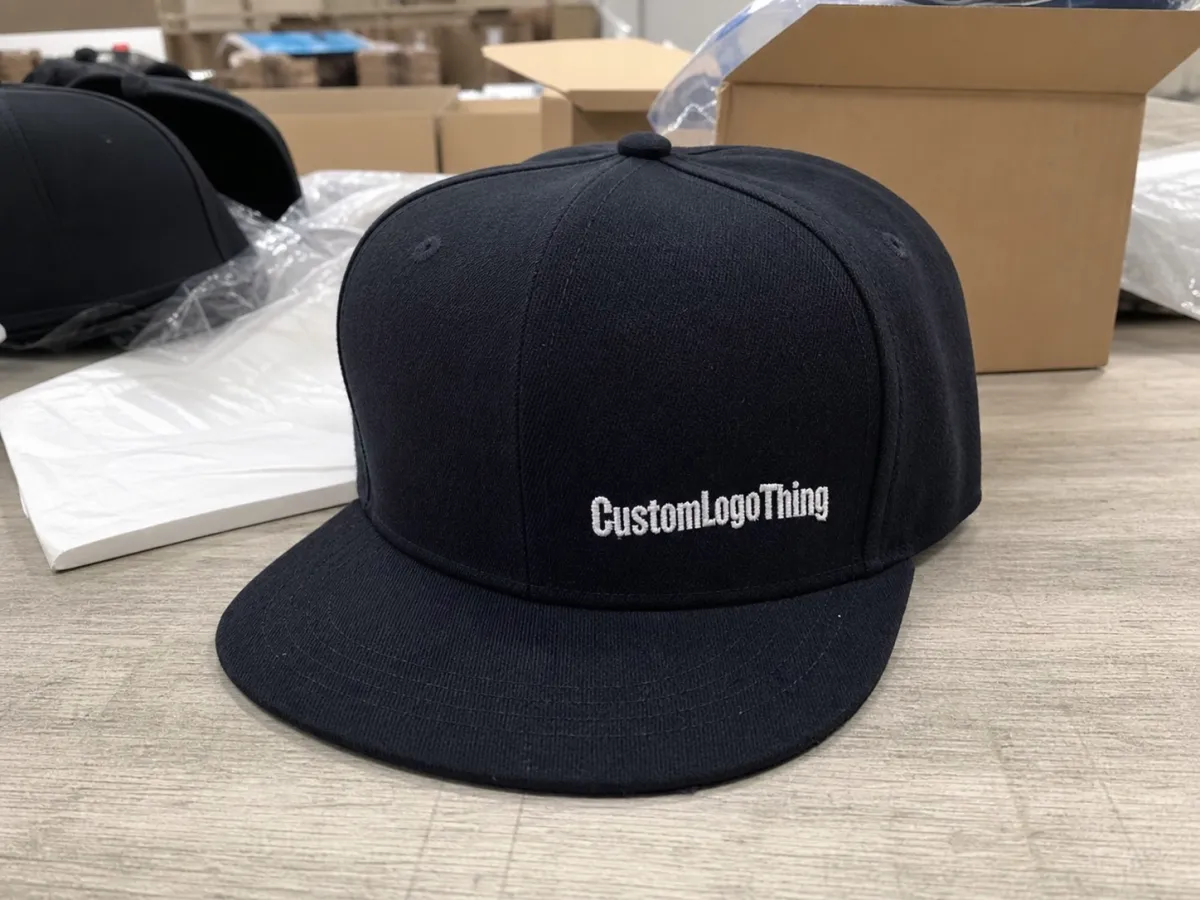
A reorder looks simple until the details start moving. Two caps can share the same logo and still feel different on head because the blank changed, the front panel stiffener shifted, or the snap closure came from another source lot. That is why a snapback caps reorder plan should be built around repeatability, not redesign. The goal is to recreate the approved cap as closely as the supply chain allows, then lock the parts that matter most before production starts.
The fastest restocks begin with the last approved sample, not the last email thread. A photo helps, but the sample tells the truth about crown height, visor curve, panel stiffness, and how tightly the snapback closes at the smallest setting. For a buyer managing retail replenishment or uniform inventory, that means fewer sample rounds, less re-digitizing, and a cleaner path from quote to shipment.
Most reorder delays come from one of four drifts: changed fabric, changed closure, changed artwork file, or changed decoration method. If the buyer treats the reorder like a fresh build, the factory has to ask the same questions again, and the schedule stretches. If the buyer treats it like a controlled repeat, the order stays centered on the original standard and the production team can move with confidence.
A good reorder does not feel inventive. It feels calm, documented, and boring in the best possible way.
That calm usually comes from paperwork that is specific enough to survive a new production run. The wrong shorthand creates risk. “Same as before” sounds efficient, but it leaves too much open to interpretation when the original order may have gone through multiple revisions, approvals, or substitutions before launch.
Match the Build: Crown, Visor, Closure, and Decoration
Start with the cap structure, because that determines how the rest of the order behaves. A 6-panel structured snapback with a mid-profile crown will not sit the same way as a 5-panel unstructured cap with a flatter front. The visor matters too: flat, lightly curved, or pre-curved all change the silhouette, and the buyer should specify which shape was approved. Standard plastic snap closure is common, but even snap color and tooth count can affect the finished look and fit.
Decoration needs the same precision. Embroidery, woven patches, printed patches, and heat-applied graphics each bring different stitch counts, machine setup times, and minimum order expectations. A dense front logo might need re-digitizing if the cap profile changed, while a patch program may only need artwork confirmation and border-width control. If the original cap used a woven label, taping, contrast undervisor print, or custom interior seam tape, those details belong in the reorder packet too.
| Decoration method | Typical setup | Common MOQ | Typical unit impact | Production note |
|---|---|---|---|---|
| Flat embroidery | Digitizing $35-$75 | 100-150 pcs | $0.60-$1.40 | Fastest path if artwork is already approved |
| Woven patch | Patch setup $60-$120 | 144-250 pcs | $0.90-$1.80 | Good for fine detail and repeat runs |
| Printed patch / heat transfer | $40-$90 | 100-200 pcs | $0.50-$1.20 | Useful for lighter artwork and faster proofing |
| Mixed decoration | Higher setup | 250+ pcs | Varies by components | More moving parts, more chance for delay |
That table is only a starting point. Pricing can move with stitch density, patch shape, color count, and whether the factory already has the prior tooling on hand. Reorders are cheaper when the original process can be repeated without rebuilding each component from scratch.
For buyers who need a broader volume program, our Wholesale Programs page is a useful place to compare repeat ordering needs against target volumes and pack-out expectations.
Specifications to Lock Before You Reorder
The most reliable snapback caps reorder plan freezes the spec sheet before the PO goes out. That means crown height, brim length, panel count, fabric type, fabric weight, stitch density, closure color, and any contrast trim or undervisor detail are all written down in one place. If a buyer only says “same as last time,” the factory still has to interpret what “same” means, and interpretation is where drift starts.
Color control deserves special attention. Thread, patch backgrounds, label artwork, and even the plastic snap can shift if the supplier swaps a component lot. Whenever possible, use PMS references for critical color areas, and pair those references with the approved sample. Generic color names like red, navy, or khaki may sound clear, but they are not precise enough for a production floor trying to match a previous run.
It also helps to state what can flex and what cannot. A buyer might allow a one-notch closure variation or a minor inside-label update, but not a change in front-panel build or embroidery location. That kind of tolerance language keeps the quote honest and reduces the chance of a late-stage reset. The safest reorder packet ties together the physical sample, the final artwork file, and the digitized embroidery file so the artwork is not treated as separate from the cap itself.
If packaging or retail presentation matters, approval should extend beyond the cap. Hangtags, insert cards, polybags, and carton marks should be specified before production starts. If a program requires FSC-certified paper components, that requirement should be called out early and supported with the proper paperwork from a source such as FSC.
One practical habit helps more than most buyers expect: keep a single spec record with version control. When artwork, closure color, or carton packing changes over time, the current approval should be obvious at a glance. That prevents the common problem where one team member is quoting from an old proof while another is approving the latest sample.
Pricing, MOQ, and Quote Inputs That Affect Cost
Quote price on a reorder usually comes down to quantity, decoration method, and how many open questions remain. Setup cost is spread across the order, so the unit price often drops as volume rises. A 300-piece reorder may carry a noticeably higher per-unit cost than a 1,000-piece restock, even when the cap looks identical, because digitizing, patch setup, and machine time do not disappear.
Minimum Order Quantity is tied to both the blank and the decoration. A straightforward embroidered cap may support a lower MOQ than a woven patch build, a special fabric, or a mixed-color run. Buyers should send the quantity by color, final artwork file, target ship date, destination, and pack-out requirements in the first request. If the order must ship in one lot, or if it needs split delivery for multiple stores, that should be stated up front because it affects scheduling and freight planning.
There are also cost adders that should never appear as surprises. Rush production, premium freight, custom inside labels, revised art, special folding or bagging, and split shipments can all move the number. A disciplined reorder process asks for the unit price ladder and the lead time at the same time, so the buyer can compare volume tiers before approval rather than after the quote is already locked.
For buyer planning, these ranges are typical rather than absolute. A simple reorder with existing artwork and no material changes can often move faster and cost less than a first run. A cap with custom panel fabric, embroidered side hits, and retail-ready packaging will land higher in both price and time, even if the quantity is modest.
Typical lead time is often 2-4 weeks for a straightforward repeat order after approval, then longer if the blank must be sourced, the decoration changes, or the shipment needs international freight coordination. Add more time if the order includes multiple colorways, custom labels, or packaging insert approval.
For teams that manage broader supply chains, the Packaging and Shipping community at ISTA is a good reference point for transport and distribution testing when cartons, case pack, or route risk needs to be considered.
Process, Lead Time, and Production Steps for Reorders
A clean reorder process usually follows the same order every time: intake review, spec confirmation, artwork or embroidery proof, production scheduling, in-line quality checks, final packing, and shipment booking. That sequence sounds basic, but it keeps the order moving because each step has an owner and a checkpoint. If any one of those steps is unclear, the order stops while someone asks for a missing approval.
Lead time depends on the current queue, the decoration method, the availability of the blank, and the freight method selected. A reorder with a pre-approved sample and archived spec sheet can move much faster than a first-time build because the team does not need to rebuild the whole approval file. In real terms, that often means fewer proof loops and fewer pauses for clarification.
Here is the buyer checklist that keeps a restock moving:
- Approve the proof against the physical sample, not just the artwork mockup.
- Confirm quantity split by color and carton pack.
- Verify the ship-to address, contact name, and receiving hours.
- Release the order only after the spec sheet matches the approved cap.
If a reorder is tied to a launch window or a retail reset, the approval sequence should be compressed, not rushed. There is a difference. Compression means the right people review fewer documents that are already organized. Rushing means skipping checks and hoping the factory fills in the gaps correctly. The second approach usually costs more later.
Production control also benefits from simple checkpoints. A pre-production sample is worth reviewing if any material, fit, or decoration item changed. In-line checks should confirm stitch count, patch placement, closure consistency, and major color match before the run is packed. Final inspection should verify carton labels, counts, and the approved packing method, especially if the order will be shipped to more than one destination.
Common Reorder Mistakes That Slow Snapback Restocks
The biggest mistake is pulling artwork from an old inbox thread. Files get renamed, resized, or exported again, and that tiny change can alter stitch counts, patch dimensions, or print placement. A second mistake is assuming the same blank is still available. Suppliers change, dye lots move, and a cap that looked exact on paper can arrive with a different hand feel or color depth.
Pack-out details also cause avoidable delays. Some buyers need individual polybags, retail hangtags, carton labels, or insert cards, while others want bulk-packed caps for warehouse distribution. If those instructions are not included in the reorder packet, the factory may build the right cap and still ship it the wrong way. That kind of miss wastes time after the product is already finished.
Late discovery of discontinued thread colors, revised label material, or updated compliance markings is another common problem. The earlier those items surface, the more likely the reorder can stay on schedule. A buyer who works from a controlled file set gives the factory a much better chance of keeping production stable from the first cap to the last carton.
There is also a practical risk that buyers underestimate: the reorder can look close enough on screen and still be wrong in hand. Cap height, visor stiffness, and snap tension are hard to judge from a flat mockup. That is why the sample, the measured spec, and the approved artwork should be treated as one package, not three separate approvals.
Another weak point is assuming a small change will not affect the run. A revised logo border, a different patch backing, or a switch from flat embroidery to a patch can change setup, cost, and timing. The earlier that change is acknowledged, the better the chance of protecting the restock date.
Why Buyers Stick With a Controlled Reorder Partner
A controlled reorder partner keeps specs, approvals, and production notes in one place, which means the second or third run does not have to start from zero. That matters for corporate uniforms, retail replenishment, team merchandise, and event inventory, where consistency usually matters more than reinvention. Buyers want the cap they approved last quarter to come back looking like the same cap, not an updated interpretation of it.
Good partners also call out risk before production starts. Maybe the thread color is no longer stocked. Maybe the exact blank is unavailable in the same finish. Maybe a chosen decoration method pushes the order above the budget. Honest communication at that stage is valuable because it gives the buyer a chance to decide whether to hold the spec, adjust the design, or accept a documented substitution.
That discipline matters most when inventory is already committed. If a retailer is replenishing seasonal product, or a company is refilling uniforms for a scheduled rollout, the reorder cannot wander. A strong partner protects the spec, confirms the approval trail, and does not treat a repeat order like a blank canvas.
The difference shows up in the details: fewer corrections, fewer late art revisions, fewer packing surprises, and fewer delivery problems. Those are not glamorous metrics, but they are the ones that keep reorder programs profitable.
The best reorder partner does not just take the order; it protects the spec.
What to Send for the Next Snapback Reorder
To move a reorder forward, send the last purchase order, approved sample photos, final artwork file, quantity by color, and the delivery address. That gives the production team enough information to check the request against the original build without guessing. If the order has changed in any way, note the change clearly rather than hiding it in a long thread where it can get missed.
Pack-out instructions, labeling needs, and split-shipment requirements should travel with the same request. Those details affect both pricing and scheduling, and they are much easier to manage before the order is entered than after it is already in motion. Ask for a unit price ladder and an estimated lead time at the same time so the team can compare order sizes and lock a realistic ship window.
A strong reorder packet usually includes the cap spec, the approved sample reference, the decoration file, and the shipping instructions in one place. That is enough to move the order from “we think this is the same” to “we know exactly what is being repeated.”
From a buyer’s point of view, the best reorder files are short but complete. They do not ask the factory to interpret intent. They hand over the approved facts and let production repeat the right build. That is the simplest way to keep bulk restocks predictable, and it is exactly what a disciplined snapback caps reorder plan is supposed to do.
FAQ
How do I build a snapback caps reorder plan if I only have the old sample?
Measure the sample carefully, photograph every view, and compare it against the last PO and logo file. If anything is missing, flag it before asking for the quote so the factory can confirm what must be recreated. The more complete the sample record, the less room there is for guesswork.
What information speeds up a snapback cap reorder quote?
Quantity by color, final artwork, and target delivery date save the most time. Add closure type, decoration method, and pack-out requirements so follow-up questions stay to a minimum. If you have the approved sample, include reference photos or the sample ID as well.
Can I change the logo or color in a reorder without resetting MOQ?
Sometimes, but not always. Small changes may be possible, yet they can trigger a new proof and, in some cases, a new minimum because thread, patch, or blank sourcing may change. Confirm the revision before the PO is released if schedule matters.
How long does a snapback cap reorder usually take after approval?
Lead time depends on the decoration method, material availability, and the factory queue. A pre-approved spec and final artwork often shorten the process by removing extra proof steps, while rush freight only changes delivery timing, not always production timing. The fastest orders are the ones with the fewest unknowns.
What should I check before approving a snapback caps restock?
Confirm crown style, visor shape, closure color, decoration placement, unit price, MOQ, pack-out, and ship-to details. Then compare the final proof to the approved sample so the repeat run matches the cap the buyer already signed off on. That last check is where most expensive surprises can still be stopped.
What is the best way to reduce errors on repeat cap orders?
Keep one current spec sheet, one approved artwork file, and one sample reference. When those three items match, the reorder process becomes much easier to control. If any one of them drifts, the next run needs a fresh review before production starts.


