Snapback Caps Sample Approval Checklist for Barbershop Retail Shelves
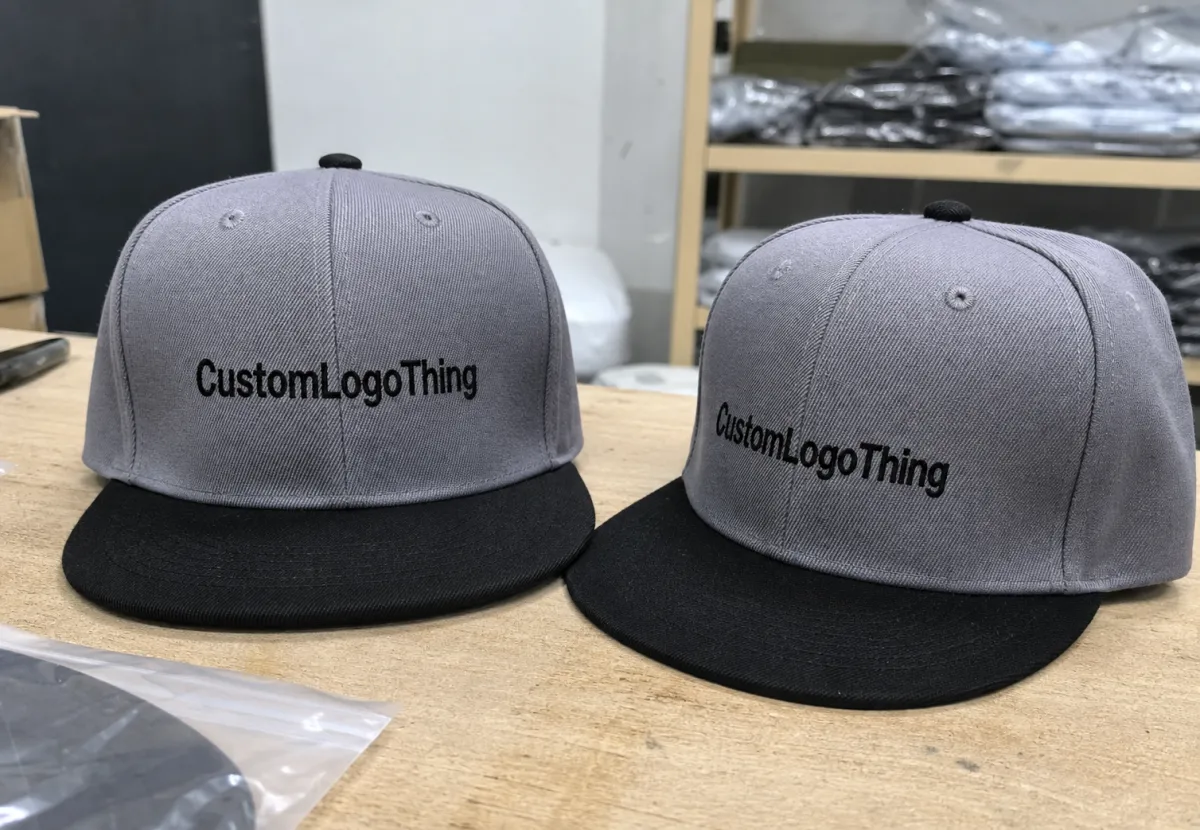
A snapback Caps Sample Approval Checklist for barbershop retail shelves should answer one question: will this product actually sell in the shop, not just look good in a mockup? That means reviewing the cap as a retail item, a wearable item, and a display item at the same time. If any of those three fail, the sample is not ready.
Barbershop retail is a fast decision environment. The cap has to compete with grooming products, tools, and small countertop displays. Customers see it briefly, often in warm lighting, and decide quickly whether it feels premium, wearable, or forgettable. A sample that reads clearly from a few feet away has a much better chance of turning into sell-through.
Approval should also be practical. The owner usually cares about margin and brand fit. A barber or shop lead notices comfort and daily wear. Whoever handles merchandising sees whether the product holds attention on a shelf or peg. Those views matter, but only if they are collected in one place and turned into a single decision.
The goal is not to overcomplicate the process. It is to make sure the cap, decoration, packaging, and shelf presentation all support the same buying decision.
How the Sample Approval Process Works from Mockup to Sign-Off
Approval works best when each stage has a distinct purpose. A digital mockup checks placement and proportion. A decorated sample shows how the artwork behaves on the real cap. A pre-production sample is the closest version to bulk production, so it should be treated as the final checkpoint before the order moves forward.
Mockups help, but they do not prove fit, stitch density, patch edge quality, or brim stiffness. Those details only show up in hand. A logo can look centered on screen and still sit too high once the crown shape is real. That is why physical review matters more than email feedback alone.
Start with a written spec sheet. Include cap style, panel count, closure type, material, color codes, logo size, logo placement, and packaging requirements. Then inspect the sample in the lighting conditions it will face in the shop. After that, send one consolidated response with clear measurements or marked revisions. Scattered notes create rework.
For barbershop retail, shelf visibility should be part of the test. Place the sample next to the products it will compete with and see whether it still stands out. A cap can look balanced on a table and disappear once it sits beside dark bottles, metallic tools, or a busy mirror wall.
Packaging is part of the approval too. If the product ships in polybags, cartons, or shelf-ready boxes, check whether it arrives with enough shape to display cleanly. Organizations such as ISTA publish packaging and transit-testing guidance that is useful when crush damage is a risk.
"If the logo only works in the mockup, the sample is not ready."
That is the simplest way to keep the process honest. Buyers should approve items that can actually be sold, handled, and displayed well.
Fit, Construction, and Branding Checks That Affect Shelf Appeal
Fit comes first because a cap can look great and still fail in wear. The main checks are crown depth, front panel stiffness, visor shape, and the snapback range. A mid-profile six-panel build is often a safe retail choice for barbershops because it looks structured without appearing oversized. In practice, the crown often lands around 4.5 to 5.25 inches from brim to peak, which is a useful comparison point when reviewing samples from different suppliers.
The closure should cover a real range of head sizes. For retail, a snapback that comfortably adjusts across roughly 55 to 62 cm is usually more useful than one that only fits a narrow band. If the strap feels strained at the outer snaps, the hat will not wear well for enough customers.
Construction quality is easy to miss until the sample is handled. Check stitch evenness, panel symmetry, sweatband finish, and the edge of the visor. Eight-row stitching on the brim is common because it helps the cap keep its shape through handling and display. If the brim bends unevenly or the panels do not line up cleanly, the problem will show up quickly on the shelf.
Branding should be judged as a retail object, not only as artwork. A logo that looks strong on a digital file can disappear at three feet. In a barbershop, that distance matters. The decoration should be readable fast, fit the brand tone, and avoid looking either too subtle or too loud for the setting.
Color accuracy needs the same discipline. Warm lighting can flatten black, shift navy toward charcoal, or give cream a yellow cast. Review the sample where it will actually be sold, or under similar light. Screen images are not enough.
Decoration method also affects shelf appeal. Embroidery usually looks premium but can pucker lighter fabrics if the backing is wrong. Patches can improve visibility, but the edge finish must be clean. Tonal embroidery works for understated brands only if it still reads from a short distance. The best method depends on the price point, the display, and the customer the shop serves.
If tags or packaging boards are part of the presentation, FSC-certified material can support a cleaner sustainability story. It will not fix a weak cap, but it can help a premium retail line feel more complete.
Step-by-Step Approval Workflow for Barbershop Orders
The best workflow starts before the sample is made. Write the spec sheet first and make it specific enough that nobody has to guess later. Include the cap style, panel count, fabric weight if known, closure type, logo method, color codes, measurements, and packaging expectations.
When the sample arrives, review it like a retail buyer. A simple pass-fail sheet works better than open-ended comments because it forces specific observations. Check whether the crown matches the target profile, the logo sits within tolerance, the cap fits different head sizes, and the brim keeps its shape after handling.
A clean approval sequence usually looks like this:
- Confirm the written spec sheet before sampling starts.
- Review the sample under realistic shop lighting and display conditions.
- Check fit, shape, decoration placement, and brand readability from several distances.
- Collect one final response from the people with approval authority.
- Approve only when the sample matches the intended retail presentation.
The last step matters because approvals often go wrong when multiple people send scattered notes. One wants a flatter brim. Another wants a deeper crown. A third changes the logo color from a phone photo. That kind of feedback creates delay without solving the main issue. One clear decision is better than several partial ones.
For barbershop programs, shelf fit should be tested before sign-off. Place the cap beside the products it will compete with, including clippers, beard oil, shaving cream, styling products, or bundled merch. If it disappears visually, the design may need more contrast, a larger mark, or a different color choice. That is useful feedback, not criticism.
Cost, MOQ, and Unit Price Tradeoffs for Sample Approval
Sample pricing is usually easier to understand if you separate the kinds of samples. A blank fit sample checks shape and comfort. A decorated sample checks the real artwork. A pre-production sample is the closest to the bulk order and is the best final approval step when the order will sit on retail shelves.
Typical pricing varies by decoration and complexity. A blank sample may run around $15 to $30. A decorated sample often falls in the $35 to $90 range. A pre-production sample can reach $60 to $150 if custom patches, labels, or packaging are included. These are general ranges, not fixed quotes.
| Sample or Order Type | Typical Cost | Best Use | Main Tradeoff |
|---|---|---|---|
| Blank fit sample | $15-$30 | Checking crown, brim, and closure comfort | Does not verify decoration or shelf presentation |
| Decorated sample | $35-$90 | Reviewing embroidery, patch size, and visual balance | May still differ slightly from production materials |
| Pre-production sample | $60-$150 | Final approval before bulk order | Takes longer, but reflects the real order best |
| Retail run at 100-199 units | $7.50-$11.00 per unit | Small launch or limited test | Higher unit cost and thinner margin |
| Retail run at 500-999 units | $4.00-$6.50 per unit | Core shop program | Better pricing, but more inventory risk |
| Retail run at 1,000+ units | $3.20-$5.20 per unit | Multi-location or proven demand | Best margin only if sell-through is real |
MOQ changes the math. Lower minimums usually mean higher unit cost because setup is spread across fewer caps. Larger orders can improve margin, but only if the sample proves the design belongs in the shop. It is easy to order more inventory because the per-unit price looks better. It is harder to explain why unsold caps are sitting in boxes.
There are also hidden costs: woven labels, hang tags, barcode stickers, inserts, polybags, and retail-ready packaging. If the goal is a premium shelf presentation, those items need to be costed early. Leaving packaging until the end is a common reason the landed price rises after approval.
In most cases, the safest path is to sample as close as possible to the final build. A cheaper sample that misses the real fabric feel, logo scale, or brim shape can lead to a larger mistake later. Spending more on the right sample is usually cheaper than correcting a bad bulk run.
Lead Time, Turnaround, and Production Steps to Plan Around
Sample timing and production timing are different, so they should be planned separately. A sample may be ready in 7 to 14 business days if the artwork is simple and the materials are available. Bulk production often takes 12 to 25 business days after sign-off, with longer lead times for custom patches, special trims, or branded packaging.
Build the schedule around the full sequence: art prep, sampling, review, revisions if needed, final approval, production, inspection, and freight. Delays usually come from late artwork changes or slow decision-making, not from the factory alone. If the logo is still changing after the sample is made, the timeline resets.
Retail dates matter. If the caps are meant for a store refresh, a grand opening, or a seasonal display, leave enough time for at least one revision round and shipping buffer. A cap that arrives after the display setup does not help the launch, even if the product quality is good.
Packing should also be part of the timing discussion. Caps stacked too tightly can lose brim shape. Caps packed without support may arrive with crushed front panels. Ask how the goods are cartonized and whether the packout protects the structure during transit.
The most dependable launch plan is simple: lock the spec, approve the sample in writing, confirm the packing method, and leave room for production plus freight. That is usually what keeps inventory aligned with the shelf date.
Common Approval Mistakes and Next Steps After Sign-Off
The biggest approval mistake is relying on photos alone. A photo can hide crown depth, brim stiffness, panel balance, and several color issues. It can also make a hat look sharper than it really is, which is risky because the real problem shows up only after the order is moving.
Another common miss is skipping fit testing on real heads. A cap may seem fine on a display form but feel awkward on someone with a larger head, more hair volume, or a different fit preference. That matters in a barbershop, where the item is often tried on during the same visit.
Feedback should be specific enough to act on. “Make it better” is not useful. “Reduce the front logo by about 10 percent, lower the crown slightly, and shift the patch upward by 3 to 5 mm” gives the supplier something concrete to work from. Clear notes save time and reduce revision loops.
Once the sample is approved, archive it carefully. Keep the spec sheet, approved photos, color references, packaging notes, and final order details together. That file becomes the baseline for future reorders. A clear record prevents confusion when the next batch is placed months later.
If the order includes inserts, tags, or box materials, keep those files with the cap spec. Small packaging changes can affect how the product reads on the shelf, especially in a compact retail environment. A barbershop customer notices when the line looks tidy, and notices just as quickly when it feels patched together.
That is the real purpose of a snapback caps Sample Approval Checklist for barbershop retail shelves: it keeps the order aligned with spec, cost, lead time, and display reality before inventory money is committed.
How do I use a snapback caps sample approval checklist for barbershop retail shelves?
Review the sample under the same lighting and display setup it will face in the shop. Check fit, logo placement, construction quality, and how quickly the cap reads from customer eye level. Approve only after it matches the retail display goal, not just the spec sheet.
What should I check first in a snapback cap sample?
Start with the front panel, brim shape, and logo size because those are the first details customers notice. Then confirm color accuracy, stitching consistency, and the snapback closure range. If the first visual scan fails, move on to the other details only after that is fixed.
How much do snapback cap samples usually cost before approval?
Expect to pay for the blank cap, decoration setup, and shipping, with higher costs for revisions or premium decoration. Custom embroidery, patches, labels, and retail packaging can push the sample price higher. The cheapest sample is not always the best value if it does not reflect production quality.
How long does the sample approval process take for barbershop retail orders?
Allow time for sample production, review, possible revisions, and final sign-off before bulk production starts. The most common delays come from late artwork changes, color matching, and slow decision-making. Leave extra buffer if the hats need to arrive before a store reset or launch date.
What mistakes cause snapback sample approval to fail retail shelf review?
Photo-only approvals, vague feedback, and skipping shelf testing are the most common problems. A cap can look good on a sample table and still fail if the color, scale, or shape does not fit the barbershop display. Always judge the sample in the actual retail environment.