If you are sourcing promotional headwear for an outdoor launch, the trucker caps Sample Approval Checklist for Outdoor Brand Promotions does more than protect the artwork. It keeps a small ordering problem from turning into a full production headache. A trucker cap seems simple from a distance, but once the sample arrives, every detail starts to matter: the depth of the crown, the feel of the mesh, the snap closure, the way the logo sits on the front panel, and whether the brim still holds its shape after a day in the sun.
That is why buyers who work with event teams, merch programs, and seasonal campaigns tend to review trucker cap samples differently than they review a basic tee or tote. A cap has to look right, fit different heads, survive heat and handling, and still communicate the brand from a few steps away. If one of those pieces is weak, the whole promotion feels less considered. A good sample approval process catches those issues while there is still time to correct them.
The biggest mistake is assuming the cap that looks clean on a mockup will behave the same in hand. It usually does not. Foam fronts can feel stiffer than expected, mesh can read too thin, and decoration that appears centered on screen can shift once it is stitched or patched onto a curved panel. The checklist is there to separate visual promise from physical reality.
Why trucker cap samples fail before the logo even matters
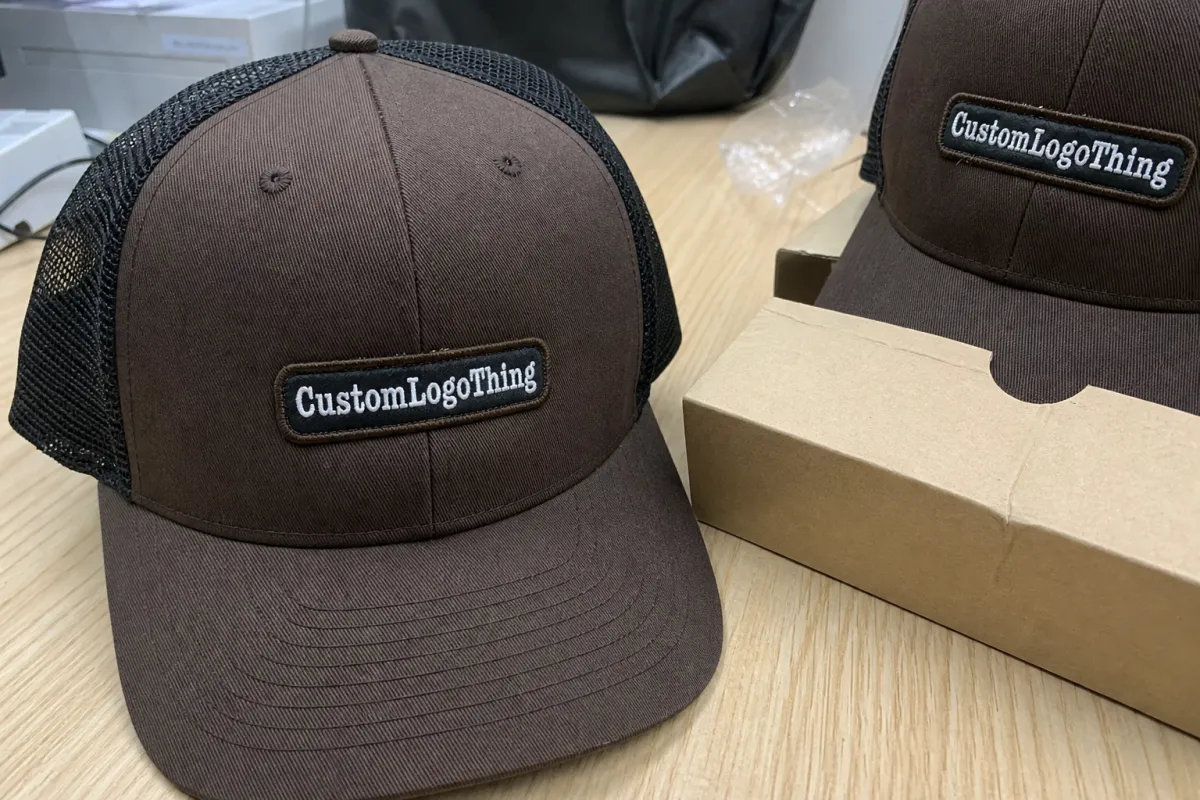
Most sample rejections start with structure and comfort, not branding. If the crown feels awkward, the front panel collapses too easily, or the closure pinches, the sample is already on thin ice. That is especially true for outdoor promotions, where the cap may be worn for hours in warm weather, packed in a bag, or handed from person to person during an event. A promotional cap that is uncomfortable or fragile loses value fast, even if the logo is flawless.
Trucker construction has a few common weak points. Foam fronts can crease or dent during packing. Mesh backs may scratch if the yarn quality is low. Snapbacks are convenient, but cheap plastic can feel sharp or flimsy after a few adjustments. Those are not cosmetic concerns; they affect whether people actually wear the cap. If the buyer only reviews the artwork, the approval process misses the part the end user will notice first.
That is why the trucker Caps Sample Approval Checklist for outdoor brand promotions should work as a practical gate, not a formality. It protects the launch schedule as much as the brand identity. One weak sample can lead to another revision cycle, then another shipment, then a delayed event delivery that costs more than the sample itself. The cap may be inexpensive compared with other marketing items, but the damage from a late or disappointing order is rarely small.
“A cap can pass the logo review and still fail the field test. If the fit is wrong, the promotion loses part of its value before it starts.”
There is also a perception issue that buyers learn the hard way. A cap with a slightly uneven crown, weak mesh, or a rough sweatband can make the whole program feel cheaper than it is. Outdoor audiences handle branded headwear differently than they handle print collateral. They wear it, sweat in it, and compare it with the rest of their event experience. That makes construction quality a marketing issue, not just a sourcing issue.
Sample approval process and timeline for outdoor brand promotions
A clean approval process starts before the sample is cut. The brief should define the cap style, panel count, crown height, mesh color, closure type, logo size, decoration method, target wearer, and use case. If the cap is meant for staff at a trail race, the standard is different from a retail-style giveaway or a sponsor handout. A detailed brief reduces guesswork, which matters because every round of guesswork adds time.
For most programs, the timeline has four stages: spec review, sample production, transit, and internal approval. If the decoration is simple and the materials are in stock, a blank sample can move quickly. Once embroidery, patches, woven labels, or custom color matching enter the picture, the clock stretches. Shipping often takes as long as the actual sample build, especially on international orders. A cap that is finished in a few days can still miss a deadline if transit is not planned carefully.
Revision cycles are the real schedule risk. A sample that needs a logo moved up 8 mm, a deeper crown, or a different closure style may require new files or even pattern adjustments. Sometimes the change is small. Sometimes it is enough to reset the timeline by a week or more. Buyers working to a fixed event date should plan backward from the delivery deadline, not from the date the order was placed.
As a rough planning guide:
- Blank sample: often 3-7 business days if the base style and fabric are already available.
- Decorated sample: often 7-15 business days, depending on stitch count, patch style, and color work.
- International shipping: commonly adds 4-10 business days, sometimes longer during peak freight periods.
- Revision round: usually another 5-12 business days if the sample needs physical changes.
Those numbers are not promises, but they are realistic enough to keep a launch team from underestimating lead time. For outdoor promotions, the approval window often shrinks because the event date does not move. If the sample arrives late, the entire project feels compressed. That is the point where teams start approving too quickly, and that usually leads to avoidable mistakes.
Construction, fit, and decoration checkpoints that decide approval
Once the sample lands, the review has to be physical. Start with the crown shape, panel structure, mesh density, visor curve, sweatband feel, and closure security. A trucker cap should sit naturally on the head without standing too tall or collapsing too easily. It should open and close cleanly at the back. It should not feel unfinished around the inner seams or band. These details sound small until the cap is worn outdoors for a full shift or a long event day.
Fit is rarely one-size-fits-all in the way a spec sheet implies. A cap can fit one reviewer nicely and still sit awkwardly on another head shape. That is why a sample review should include more than one wearer if possible. If a team only asks the marketing lead to try it on, the approval may miss the very problem that will show up in the field. A promotion cap that rides high, pinches, or sits too loose will get less wear, even if the artwork is strong.
Decoration needs the same level of scrutiny. Embroidery gives texture and durability, but dense stitching can pull on a foam front or flatten the shape of the panel. Woven patches can hold fine detail well and give the front a cleaner look. PVC patches create a more dimensional finish and can feel appropriate for outdoor brands that want a rugged visual language. Direct print is often the most cost-friendly route, though it may be less forgiving if the cap is crushed in packaging or exposed to repeated handling. None of those methods is automatically better. The right choice depends on the brand, the target price point, and how the cap will be used.
PMS color matching should be checked in daylight, not only under office light. Greens, blues, and dark neutrals often shift more than expected once they are outside. Logo placement also deserves a measurement, not a glance. On a curved cap panel, even a small shift in the print or stitch location is easy to see. Loose threads, frayed patch edges, uneven topstitching, and crooked seams are the kinds of flaws that lower the perceived quality of the whole order.
| Sample type | Typical use | Price impact | Approval risk |
|---|---|---|---|
| Blank sample | Fit, shape, closure, and material check | Lowest | Low on decoration, but construction flaws can still slip through |
| Decorated sample | Logo, color, and finish approval | Moderate | Medium; branding can distract from fit issues if reviewers do not wear it |
| Pre-production sample | Final approval before bulk run | Highest | Lowest if the spec sheet, materials, and decoration are already locked |
Outdoor performance checks are easy to overlook because they are not visible in a still photo. Heat affects foam fronts. Wind exposes weak closures. Sweat can darken light bands or make low-grade mesh feel heavier after a few hours. If the cap is meant for active outdoor use, the sample should still feel acceptable near the end of the day, not only when it is first unpacked.
For buyers who care about shipment and handling quality, standards used in packaging and transit testing are a useful reminder. A product that looks fine on the table can still arrive bent, crushed, or dirty if the packaging is weak. The same logic applies to promotional caps: the product has to survive shipping, storage, and the real use environment, not only the approval moment.
Step-by-step review workflow for buyers and merch teams
The strongest review process is simple enough to repeat. First, compare the sample against the tech pack line by line. Then check the physical build against the mockup and any earlier reference samples. If the sample matches the render but not the spec sheet, the spec sheet should win. That sounds obvious, but visual approval tends to pull people toward whatever looks cleanest on the table.
Next, wear the cap. Not once, and not for ten seconds. Put it on, adjust the closure, remove it, and put it on again. If possible, have two or three people with different head sizes try it. Check how it feels after a few minutes, not only at first contact. A cap that seems fine at the desk can feel very different after movement, heat, or repeated adjustment. For outdoor brand promotions, that gap matters.
Look at the cap in daylight and take a few photos from a normal viewing distance. The front view should show the logo clearly. The side view should show whether the brim curve feels balanced. The rear view should confirm the closure style and mesh quality. Buyers often focus on a tight crop of the decoration, but the cap has to work as a whole object. A great logo on a weak silhouette still reads as a weak product.
Then consolidate all comments into one note. Scattered emails from marketing, operations, and procurement create confusion quickly. A supplier should not have to guess whether a logo adjustment was approved or rejected because three people replied in three different threads. One owner should collect the feedback, resolve conflicts, and send a single decision list. That keeps the sample approval process controlled and reduces the chance of contradictory revisions.
- Confirm the intended wearer and event use.
- Measure fit, crown height, and closure range on-head.
- Review logo placement, scale, and color in daylight.
- Check comfort after several minutes of wear and adjustment.
- Capture one agreed revision list instead of fragmented comments.
- Approve only after the sample matches both spec and use case.
If packaging or inner labeling is part of the order, review it at the same time. A cap can be technically perfect and still create problems if the cartons are mislabeled, the counts are off, or the distribution notes are missing. For bulk promotions that go to multiple event sites, those small mistakes can be just as disruptive as a weak brim or a poor stitch line.
Sample pricing and what changes the quote
Sample pricing is easy to misread because the word sample sounds small. In reality, the price reflects labor, setup, material availability, and how much custom work the supplier has to complete before production. A blank sample and a decorated approval sample are not the same product, so they should not carry the same cost. That is one reason the trucker Caps Sample Approval Checklist for outdoor brand promotions should be paired with a clear quote review, not treated as an isolated task.
Decoration is the biggest price swing. Dense embroidery takes more machine time. Multiple thread colors require additional changes and more setup. Woven patches and PVC patches may involve extra tooling or separate production steps. Custom labels, inner tags, and special carton marks add more labor on top of that. If the sample has to match a precise PMS color, the supplier may also need to adjust materials or test thread options before approval.
Quantity matters too. When a buyer asks for one or two samples, the setup cost is spread across very few pieces. That makes the unit price feel high, but it is not a fair comparison to bulk production. The sample is buying certainty. The bulk order is buying volume. Mixing those two numbers leads to bad budget conversations.
It also helps to think about the hidden costs. Rush freight can exceed the value of the sample itself. Rework after a failed review adds another round of labor and transit. If a sample is wrong in a major way, the replacement order can be more expensive than the original plan. Teams that define their approval criteria early usually spend less over the life of the project because they avoid extra rounds that never should have happened.
| Cost driver | Blank sample | Decorated sample | Pre-production sample |
|---|---|---|---|
| Base unit cost | Lowest | Moderate | Highest |
| Setup fees | Minimal | Often includes embroidery or patch setup | May include final tooling and labeling |
| Revision exposure | Low | Medium | Low if the spec is stable |
| Best use | Fit and build check | Branding review | Final sign-off before bulk run |
Common mistakes that delay outdoor promo cap approvals
The first mistake is approving from a render alone. Digital artwork can hide a lot: a weak crown, a low-contrast logo, a crooked seam, or a closure that photographs well but feels cheap in hand. Mockups are useful for early alignment, but they are not a replacement for a physical sample. Teams that skip the sample stage usually find the problem later, when there is less time to fix it.
The second mistake is testing only one head size. That gives a false sense of security. A cap that fits one reviewer may sit too high or too loose on others, and outdoor promotions usually reach a broad group of wearers. Volunteers, staff, and giveaway recipients do not all share the same fit profile. If the cap is uncomfortable for a meaningful share of them, it will be worn less often.
The third mistake is focusing only on the decoration. A polished logo cannot hide thin mesh, a weak sweatband, or a brim that loses shape too quickly. Buyers sometimes fall in love with the front panel and overlook the rest of the build. That is risky for outdoor use, where heat, movement, and repeated handling expose weak construction faster than indoor wear ever would.
The fourth mistake is forgetting the order outside the cap itself. Cartons, labels, counts, and distribution notes are part of the approval process if the order is going to a live event or a multi-site rollout. A missing label or a miscount can cause more delay than a minor stitch issue. The cap is only one part of the shipment.
In short, the checklist breaks down when the team reviews only the visible brand layer and ignores the system around it. Fit, decoration, packaging, timing, and use conditions all need to line up before the final sign-off.
Expert tips to make trucker caps perform in the field
Use a scorecard instead of a general opinion. Separate fit, appearance, branding accuracy, and outdoor durability into different categories. Even a simple 1-to-5 scale makes the discussion more honest, because it forces reviewers to say what is good and what is not. A cap that scores high on decoration but low on comfort should not be treated like a pass.
Ask for photos in natural light from multiple angles. The front view should show the logo scale. The side view should show the proportion of the brim and crown. The rear view should show the closure quality and mesh finish. If the supplier sends only a cropped shot of the decoration, ask for more. A narrow crop can hide the issues that matter most once the cap is on a head.
If multiple departments need input, request duplicate samples. That prevents one physical sample from becoming a bottleneck and gives each reviewer a real chance to inspect the product. Marketing may care about visual impact, operations may care about comfort and handling, and finance may care about the sample spend. Those concerns are different, and a single quick handoff often creates confusion. Duplicate samples usually cost less than a delayed decision.
Try the cap in conditions close to the real event. Heat, humidity, movement, and long wear all change how a cap feels. A trucker style that looks crisp on a desk may feel less convincing after a few hours in sun or wind. Outdoor brand promotions are unforgiving in that way. The audience may not analyze the cap part by part, but they do notice when it stops feeling worth wearing.
Keep the approved sample, the measurements, and the final comments together after sign-off. That file becomes the reference for reorder decisions and for any later production questions. Buyers who do this well usually shorten future lead times because they are not rebuilding the brief from memory. The approved sample becomes the standard, not just the end of the review.
Next steps before you approve the final cap sample
Before you sign off, gather the brand assets, final measurements, budget ceiling, and delivery deadline in one place. The fewer loose instructions floating around, the fewer chances there are for the supplier to guess wrong. If the feedback is vague, the sample will stay vague. If the feedback is specific, the revision is easier to manage.
Set a real decision date. Approve, revise, or reject. Delaying the call usually costs more later, because the order starts to compete with freight, event setup, and inventory planning. A sample that sits in limbo is not harmless; it quietly compresses the rest of the schedule.
If the sample clears every check, archive the photos, notes, and measurements with the order record. That gives future production runs a stable reference and keeps the approval standard from drifting. For repeat programs, that habit is often the difference between a clean reorder and a second round of avoidable sampling. A disciplined trucker caps Sample Approval Checklist for outdoor brand promotions does not just protect one order. It improves the next one too.
The best outcome is a cap that wears well, holds its shape, carries the branding clearly, and arrives on time without surprises. That does not happen by luck. It happens because the sample review was detailed enough to catch the problems while they were still cheap to fix.
What should be on a trucker caps sample approval checklist for outdoor events?
Include fit, crown height, mesh comfort, closure range, logo placement, and color accuracy. Add outdoor checks for heat, sweat, and all-day wear so the cap performs in real conditions. If the order includes packaging or labels, review those items in the same pass.
How long does trucker cap sample approval usually take?
A simple blank sample can move in a few days if the style and materials are already available. Decorated samples usually take longer because embroidery, patch production, and color matching add setup time. Shipping and revisions can push the process into one to three weeks or more.
Why does sample pricing vary so much for trucker caps?
Price changes with decoration method, stitch count, patch type, and whether the sample is blank or fully finished. Small quantities usually carry a higher unit cost because setup is not spread across a bulk run. Rush freight and rework can also raise the total quickly.
What are the most common mistakes in outdoor brand cap approvals?
Teams often approve from a render, test only one head size, or focus too heavily on the logo while ignoring fit and build quality. Packaging and labeling are also easy to miss. Those gaps usually show up after the order is already in motion.
Should I approve a trucker cap sample if the logo is perfect but the fit is off?
Usually no. Outdoor promo caps need to be wearable as well as branded, and a poor fit reduces actual use. Ask for a revised sample or a spec adjustment before final approval if the cap does not sit properly on the head.