Most hat problems do not show up in the logo art. They show up when the sample is on a real head: a crown that sits too high, a brim curve that feels off, stitching that crowds the front panel, or a closure that lands awkwardly at the back. That is why the dad hats sample approval checklist for Coffee Shop Merchandise matters; it helps you catch the things a flat mockup cannot show before you place a bulk order.
Coffee shop merch has a different job than a trade show giveaway. It has to look good on the counter, feel comfortable on staff, and still make sense as a retail item a regular would wear on the weekend. A good sample review is not just about approving art. It is about approving wearability, finish, and resale appeal in one pass.
Why the dad hats sample approval checklist for coffee shop merchandise matters
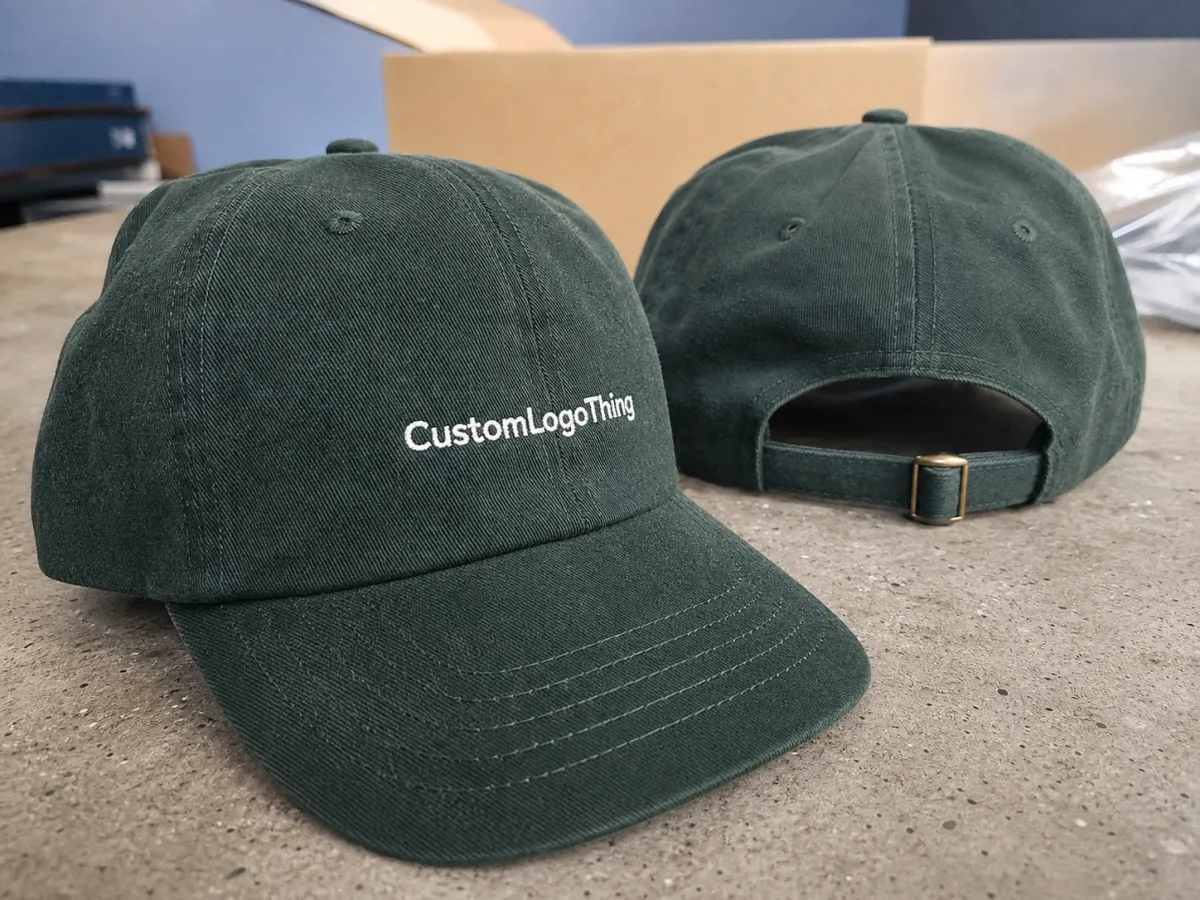
A dad hat is a simple product only if you ignore how much is happening in the details. Most are unstructured, low-profile, and built with a curved visor, but that does not mean all versions feel the same. Crown depth, front panel softness, brim stiffness, stitch density, and back closure placement can change the whole experience once the hat is worn for a full shift behind the bar.
For coffee shop merch, that matters more than people expect. Staff usually wear the hats for long stretches, customers try them on quickly at retail, and both groups react to feel before they react to decoration. A Sample Approval Checklist gives you a clear way to compare the physical piece against the intended fit, logo placement, and shelf presentation instead of relying on a screen image.
Sample approval, in plain terms: it is the point where the buyer and supplier agree, in writing and by example, that the physical hat matches the intended production standard. Once that happens, the factory can lock in the artwork position, thread colors, closure type, and finishing steps with far less guesswork.
Approve the hat you can sell, not just the file you can print. If the sample feels stiff, rides high, or looks crowded under store lighting, that is useful information, not a nuisance.
Honestly, I think this is where many buyers save themselves money. A remade hat run costs more than a careful review, and the cost is not just financial. It can also mean a delayed store launch, a shelf full of unsold merch, or staff who quietly stop wearing the hat because it does not fit right.
How the Sample Approval Process Works From Mockup to Sign-Off
The usual flow starts with the quote and artwork review. The supplier checks your logo file, confirms decoration method, and clarifies anything that might affect production: one-color embroidery, patch application, woven label placement, inside taping, or special closure hardware. After that, a mockup or virtual proof is prepared so both sides can align on the basic layout.
That mockup is not the same thing as a physical sample. A mockup is a visual estimate. A factory sample is a real hat made with the intended blank, or as close as possible to it. A pre-production sample goes one step further and should reflect the final decoration method, trims, and packing format that bulk production will use.
- Quote and art review. Confirm hat style, decoration method, approximate price, and minimum order quantity before anything is sampled.
- Mockup check. Review logo size, placement, and color direction on a digital proof.
- Sample build. The supplier makes a physical hat using the approved blank and decoration plan.
- Physical inspection. Fit, hand feel, and logo execution are checked under real lighting.
- Revision notes. You send one clear round of feedback, ideally consolidated by one decision-maker.
- Final sign-off. The approved sample becomes the reference for bulk production.
The most useful feedback is specific. Instead of saying the hat feels off, say the crown is too shallow by a half inch, the thread color is too warm, or the patch sits too low on the front panel. That level of detail helps the production team adjust machine settings and trim placement without having to guess what you meant.
Before you send approval, ask for a written recap of what changed and what stayed fixed. That one step cuts down on production drift, especially when multiple people are reviewing the same sample on different days.
What Affects Cost, MOQ, and Unit Pricing
Hat pricing is driven by more than the blank cap itself. Embroidery stitch count, patch type, wash treatment, custom labeling, closure hardware, and whether the order uses stock colors or a custom-dyed run all affect the quote. A simple embroidered logo on a stock dad hat can land in a very different price band than a washed cap with a leather patch, woven label, and custom interior tape.
For many coffee shop orders, a realistic range for a stock blank dad hat is about $3.20-$7.50 per unit at larger quantities, while smaller runs often sit higher, especially when setup is spread across fewer pieces. Add a front patch, and the per-hat price can climb by $0.60-$2.25 depending on material and application method. A woven label or custom hang tag usually adds less per unit, but it still affects the final landed cost.
MOQ matters because the fixed work does not shrink as the order gets smaller. Digitizing, sample prep, thread matching, and machine setup all take time whether you order 50 hats or 500. That is why a small batch can look expensive on paper even if the blank itself is basic.
| Sample or Order Type | What It Shows | Typical Cost | Typical Timing | Best Use |
|---|---|---|---|---|
| Digital mockup | Artwork placement and color direction | Usually included | Same day to 2 days | Early visual approval |
| Physical sales sample | Fit, shape, and decoration on a real hat | $35-$125 plus shipping | 7-12 business days | Retail review and staff wear test |
| Pre-production sample | Final materials, decoration, and packing style | $50-$150, sometimes credited | 10-15 business days | Final sign-off before bulk run |
If you are also adding tags, carton sleeves, or insert cards, ask about paper sourcing. FSC-certified paper stock can be a good fit for retail packaging and swing tags, and the organization explains chain-of-custody claims clearly at FSC. For shipments that need stronger carton performance, suppliers may test against ISTA methods so the packs hold up in transit.
One more pricing point: ask whether the quote includes decoration, labeling, polybagging, carton labeling, and final inspection. A quote that looks low because it excludes those items is not really cheaper. It is just less complete.
Process, Timeline, and Lead Time Expectations
A realistic timeline usually runs in stages. First comes artwork and mockup approval, then sample creation, then shipping the sample to you, then a review window, then any revisions, and only after that do you move to mass production. If the piece is already close on the first round, the process can feel quick. If you are still deciding between patch, embroidery, or a different cap color, the calendar stretches fast.
Sample delays often come from the same few places. Artwork is not final. Thread colors need to be matched. The logo is too large for the front panel. Or the buyer wants to see the hat on a second person before signing off. None of that is unusual, but it does mean lead time is not just a factory issue; it is also a decision-speed issue.
For coffee shops planning a product launch, the safest move is to work backward from the retail date. If hats need to arrive before a seasonal beverage drop, a store opening, or a staff rollout, add shipping time for the sample and another cushion for revisions. A one-week delay on approval can become a three-week delay on delivery very easily once production slots fill up.
From a packaging buyer's point of view, the cleanest timeline is the one that gives each stage one job. The sample should confirm fit and decoration. The final approval should lock the standard. Bulk production should then follow without last-minute art changes that trigger new setups or rework.
Typical planning window: many small to mid-size custom dad hat orders land in the 3-6 week range from first proof to delivery, but that can move shorter or longer depending on quantity, revisions, and shipping method. If you are ordering for a launch, do not plan on the shortest possible case. Plan on the middle of the range and keep a buffer.
Step-by-Step Checklist Before You Approve the Sample
Here is the part that saves money. Review the sample the same way a customer will experience it, not just the way a supplier will describe it. Put it on a head. Tilt it. Wear it for a few minutes. Check it under daylight and under the lighting in your shop. A hat that passes only one of those tests is not ready.
- Check the fit first. Look at crown depth, side profile, visor curve, and closure range. A good dad hat should feel easy on a range of adult head sizes, not just one narrow fit.
- Inspect the logo placement. Centering matters, but so does height. A logo that sits too low can disappear under the brim; too high can look awkward on a low-profile cap.
- Judge the stitch quality or patch edges. Look for clean thread tension, no loose tails, no puckering, and no rough patch border that could lift over time.
- Compare color in real light. Thread and blank hat color can shift under warm indoor lighting. If possible, check the sample near a window and again near your sales counter.
- Review inside construction. Check seams, sweatband feel, tape, backing, and closure comfort. Scratchy backing or stiff seams can turn into returns later.
- Confirm brand details. Verify label location, hang tag placement, interior print or woven tape, and any packaging items that affect retail presentation.
- Document everything in writing. Send one approval note with exact color names, artwork file names, placement measurements, and any exceptions.
A smart review also includes a practical wear test. If your staff will wear the hat during service, ask someone to wear it for a full shift or at least a few hours. That gives you a better read on sweatband comfort, pressure points, and how the closure sits after real movement.
Keep the approved sample beside the final artwork file and any thread card or color reference. Future reorders move faster when everyone can point to the same standard instead of trying to recreate it from memory.
Common Mistakes Coffee Shop Buyers Make on Hat Samples
The biggest mistake is approving from photos alone. A picture can hide the thing that matters most: texture, thickness, shape, and how the hat actually sits on a head. Photos are useful for spotting obvious problems, but they are a weak substitute for a hands-on review.
Another common issue is changing the artwork after the sample is made. Even a tiny logo adjustment can trigger new digitizing work, a fresh setup, and another approval cycle. If the goal is to hit a retail date, locking the logo before sampling usually saves both time and budget.
- Skipping the inside construction check. Buyers focus on the front logo and miss scratchy seams, weak closures, or stiff backing that affects comfort.
- Ignoring retail use. A hat can look polished in a box and still feel too shallow or too stiff to sell well.
- Reviewing with too many voices. Conflicting feedback slows the process and makes revisions messy.
- Assuming all blank dads hats are the same. Two similar-looking hats can wear very differently because of panel shape, crown depth, and brim structure.
- Forgetting the packaging angle. If the hat is going into folded retail bags, mailers, or shelf-ready cartons, that presentation should be checked too.
Here is the practical truth: the sample is not just a yes-or-no gate. It is a chance to verify whether the product matches the use case. If you are selling to baristas, regulars, and local gift buyers, the hat needs to be comfortable enough for daily wear and clean enough to feel worth the price tag.
Expert Tips for Cleaner Approvals and Fewer Delays
Pick one final decision-maker. That sounds simple, but it is one of the best ways to avoid messy revision chains. When five people send comments separately, the factory gets mixed signals. When one person consolidates the notes, the next sample usually gets much closer.
A short scorecard helps too. Rate the sample on fit, color, decoration, packaging, and retail appeal. You do not need a fancy spreadsheet. A one-page form with a 1-5 score in each category is enough to make the conversation more objective and easier to repeat on future orders.
Ask for a revision summary any time the sample changes. The summary should say what was adjusted, what stayed the same, and what the next review should focus on. That keeps the next round from drifting into new territory when you only meant to fix one detail.
Good buyers keep three things together: the approved sample, the final logo file, and the thread or color reference. That habit pays off on reorders, especially if the merchandise line grows and you need the next batch to match the first one closely.
You can also reduce delays by sending clear production instructions up front. If your order needs individual polybags, barcodes, fold cards, or carton labels, say so before approval instead of after. Last-minute packaging changes are one of the easiest ways to add time.
What to Do After Approval: Production, Reorder, and Launch Steps
Once the sample is approved, send the approval in writing and lock the final artwork file. Confirm quantities, sizes if relevant, ship-to details, and any packaging specs before production begins. If anything is still open, close it now. The moment bulk production starts, changes become more expensive.
Set the launch plan at the same time. If the hats are tied to a new drink, a store opening, a holiday display, or a staff rollout, give the merch enough runway to arrive, be checked in, and be merchandised properly. A good product can still underperform if it arrives after the promotion window.
Keep the approved sample in-house. Treat it as the standard for future orders, future color matching, and any quality conversations. When a reorder comes up six months later, that sample becomes more useful than any old email thread.
The best merch programs stay consistent because the buyer treats every batch like a repeatable process, not a fresh guess. That is why the dad hats Sample Approval Checklist for Coffee Shop Merchandise should come out on every new run, even if the design feels familiar. Small drift in crown shape, closure style, or logo placement can add up faster than people expect.
What should I check first on a dad hat sample for coffee shop merch?
Start with fit and shape, because a hat that looks right on a table can still feel too shallow, too stiff, or too loose on an actual head. Then inspect logo placement and stitch quality so the design sits centered and clean from a normal customer viewing distance.
How many sample revisions are normal before approval?
One to two rounds is common when the artwork is already final and the feedback is specific. More rounds usually mean the buyer is still deciding on colors, decoration method, or overall hat style, which adds time and cost.
What drives the unit cost on coffee shop dad hats?
Decoration method, stitch count, blank hat quality, closure type, and order size are the biggest pricing factors. Smaller quantities usually cost more per hat because setup and sampling work are spread across fewer units.
How long does sample approval usually add to the timeline?
It often adds a few extra days to a couple of weeks depending on sample creation, shipping, and revision speed. The biggest delays happen when artwork is not final or when multiple people need to sign off on the same sample.
What files should I send before approving the sample?
Send the final vector logo, exact Pantone or color references if available, placement notes, and any packaging instructions. If possible, include a short approval note listing the non-negotiables so the factory can match the intended result on the first pass. On repeat orders, that same discipline keeps the dad hats sample approval Checklist for Coffee Shop Merchandise useful instead of ceremonial.