A snapback caps Wholesale Supplier for Ecommerce apparel buyers is not being judged on a polished mockup. It is judged on whether the cap that arrives in box 1 looks and feels like the cap that arrives in box 500. That difference sounds small until you attach numbers to it: a 2% defect rate on a 1,000-piece order means 20 units that can trigger returns, replacement costs, or a comment that follows the product for months. For headwear brands, consistency is not a nice extra. It is the business model.
That is why the best buying decisions start before decoration, before packaging, and before a quote ever lands in your inbox. Fit, crown shape, brim structure, closure quality, and shipping resilience matter because ecommerce customers make decisions in seconds and evaluate product quality in the first hand-feel. A cap that looks strong on a screen but collapses in transit is expensive in a way a spreadsheet rarely captures.
Custom Logo Things' Wholesale Programs are built around that reality.
Why one bad snapback sample can wreck a launch
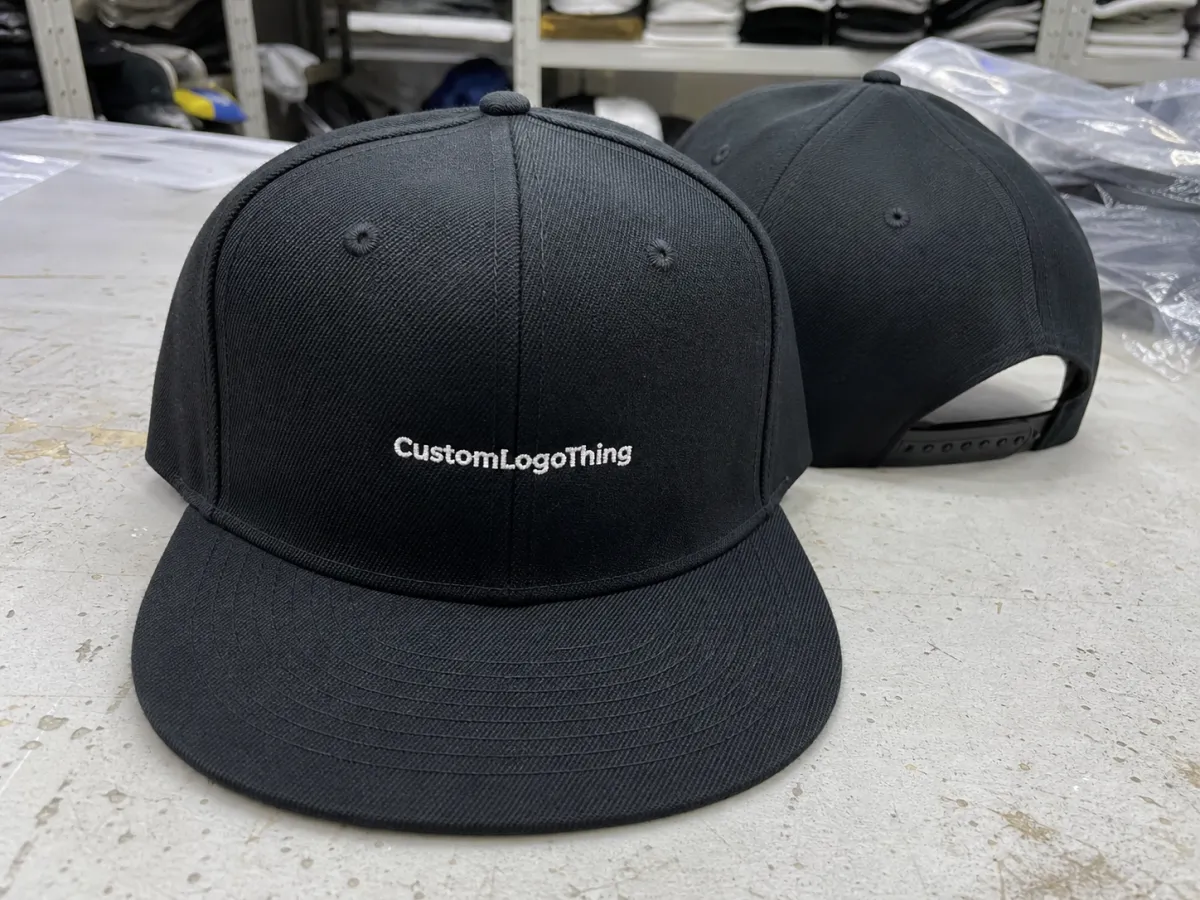
One sample can mislead in both directions. A cap may photograph beautifully, pass a quick approval, and still fail once it meets packing pressure, warehouse stacking, and customer handling. A weak front panel can crease, a brittle snap closure can crack, and a brim that looks even on a table may feel uneven on the head. Ecommerce buyers do not get the benefit of an in-person sales floor. The first physical impression is often the only impression.
The most expensive mistakes are usually not dramatic failures. They are small misses that compound. A front panel is 3 mm softer than approved. The logo sits a little high on the second run. The sweatband feels rougher after bulk production. The closure tabs vary enough that one size feels noticeably tighter than the next. None of those issues alone sounds catastrophic. Together, they turn a launch into customer service work.
"It looked fine on the desk. It was tired by the time it reached the customer."
That complaint is common because packaging is part of the product, not a separate layer. If the sample was hand-finished or packed loosely for presentation, it may hide problems that become visible after compression, carton movement, and transit vibration. Good buyers test for the conditions the warehouse will create, not just the conditions the photo shoot created.
There is another trap: over-judging a sample that was not built to the final spec. A sample can be better than the run because it was stitched by an experienced operator, or worse because the factory used substitute materials while waiting for bulk stock. That is why the sample should be checked against a written spec sheet, not against memory or wishful thinking. A clean first order depends on repeatability, not on luck.
Core build options for ecommerce snapback programs
The easiest way to buy caps badly is to treat them as one object. They are not. A snapback is a stack of decisions: crown profile, panel count, front structure, brim length, fabric weight, closure type, stitching density, and decoration method. Change one piece and the whole feel changes with it.
For most ecommerce apparel programs, a structured 6-panel mid-profile snapback is the safest starting point. It photographs cleanly, holds shape better than soft unstructured builds, and is less likely to arrive crushed after stacking. A lower-profile cap can feel more fashion-forward, but it also asks more from the pattern and the fit. If your audience is broad and your return policy is tight, a predictable silhouette is usually the smarter bet.
Fabric choice is not just about appearance. Cotton twill around the 260-300 gsm range gives a familiar retail feel and takes embroidery well. Polyester often holds color better across reorders and can be more forgiving in humid storage. Acrylic and acrylic blends can sharpen the streetwear look, especially in brighter colors, though they do not always feel as soft at first touch. Recycled fabrics can work, but only if the supplier can document the content clearly and keep the story honest. Buyers can spot a sustainability label that exists only to improve margins.
Decoration method changes the way value is perceived. In practice, embroidery and stitched patches carry more weight than printed decoration because they read as part of the cap, not as something applied to it. That matters at higher retail targets. A cap selling in the $28 to $40 range can tolerate more material presence and more detail in the front treatment. Lower-priced programs may still use prints, but the rest of the build has to work harder to support the price.
| Decoration method | Look and feel | Typical cost impact | Best use case |
|---|---|---|---|
| Flat embroidery | Clean, durable, classic retail look | Usually adds about $0.35-$0.90 per unit at moderate volumes | Simple logos, repeat orders, dependable resale value |
| Woven patch | Sharp detail, good for fine text and layered artwork | Often adds about $0.45-$1.10 per unit | Complex logos, premium presentation, small lettering |
| PVC patch | Bold, dimensional, less traditional | Usually adds about $0.60-$1.40 per unit | Outdoor themes, high-contrast graphics, fashion-led brands |
| Printed patch | Fast and cost-friendly, but softer perceived value | Often adds about $0.20-$0.60 per unit | Promo runs, artwork tests, tighter budgets |
For ecommerce, the decoration should survive photography, packing, and repeated handling. Embroidery usually reads best in product images because thread texture catches light in a way print does not. Woven patches help when the design has tiny lettering or layered detail. PVC patches can sell the right brand story, but they should be used deliberately. A thick, glossy patch on a minimal cap can feel out of place if the rest of the build is too soft or too casual.
Transit also matters. A structured cap with a front panel insert or a firmer interfacing package tends to hold shape better through carton compression than a flimsy build. If a supplier cannot explain how the cap is packed before shipping, that is a warning sign. Cartons are not just boxes; they are the last quality-control stage before the product reaches a customer.
Specs that control fit, decoration, and reorder consistency
Before production starts, lock the spec sheet completely. Not approximately. Completely. The items that matter most are crown height, panel count, brim length, brim curve, sweatband width, closure range, stitch count, and decoration placement. Small shifts change the way the cap fits different head shapes and how it sits in photos. A half-inch difference in structure can alter the entire profile on the wearer.
Mid-profile snapbacks commonly sit around 4.75 to 5.25 inches in crown height, while brim length often lands near 2.75 inches. Those numbers are not sacred, but they are useful reference points. A slightly taller crown can feel more classic and less fashion-forward. A lower crown can feel modern, but it may be less forgiving if your audience spans several age groups or head sizes. Fit is partly subjective, which is exactly why the objective measurements need to be stable.
Decoration also needs exactness. For embroidery, ask for stitch density and backing details. Dense stitching can compress fine lettering, distort narrow shapes, or create puckering on lighter fabrics. Puff embroidery requires even more discipline because the foam changes how the thread sits. If the logo is too detailed, puff will expose the weakness immediately. Keep some breathing room around edges and smaller elements.
Patches need their own rules. Confirm border width, edge finish, artwork scale, and whether the final piece will be merrowed, laser-cut, die-cut, or stitched flush to the cap. Each option changes both the visual language and the failure points. A patch with thin outlines may look crisp in art files and muddy in production if the file is not simplified. This is one of the places where the right supplier saves time by telling you what will not work, instead of simply agreeing to everything.
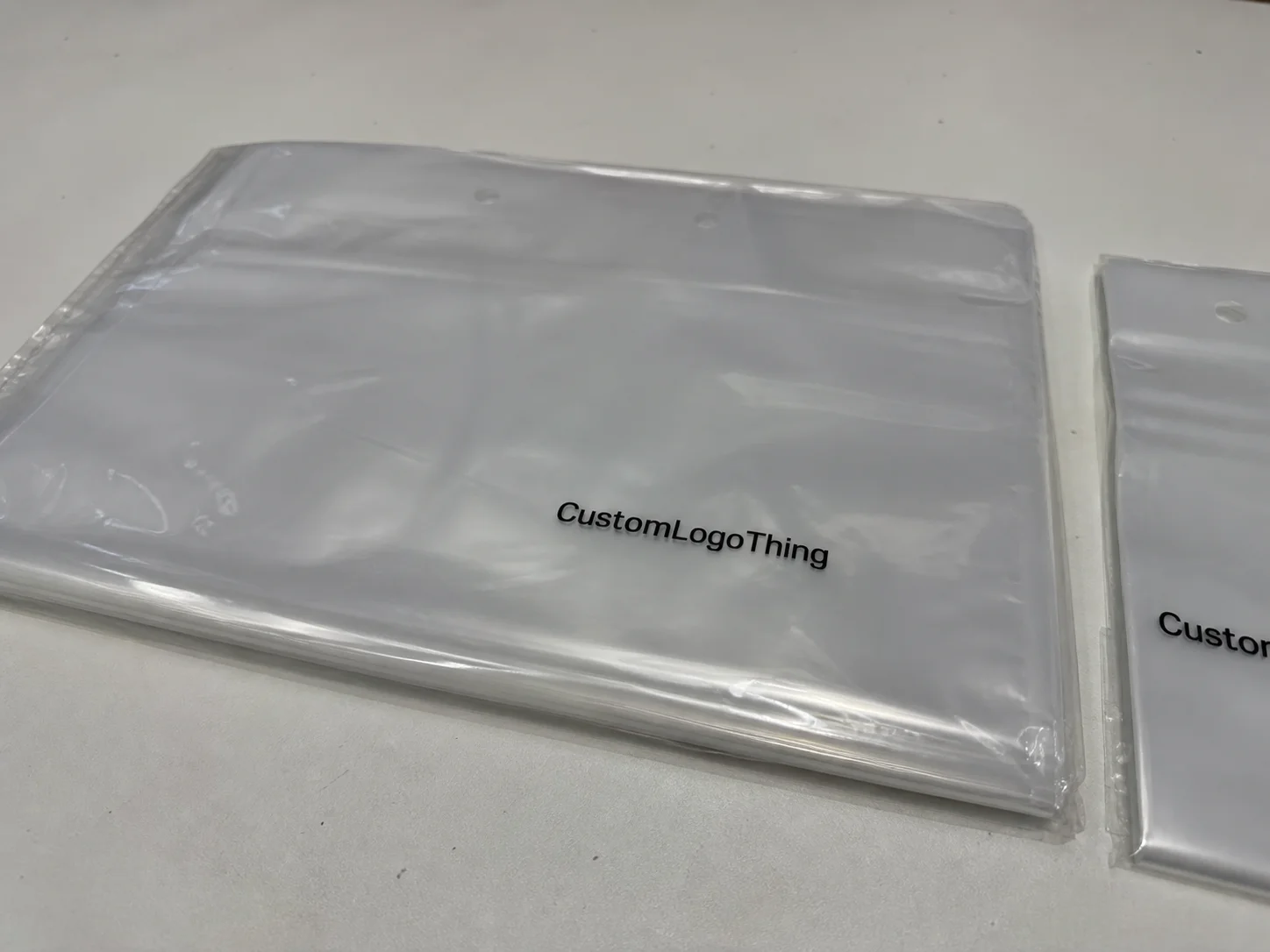
Packaging is not a side conversation. It protects the shape, influences freight cost, and determines how quickly a warehouse can receive the goods. Individual polybags preserve finish and reduce scuffing. Barcode stickers make intake faster. Carton counts affect both shipping cost and damage risk. A common packing count might be 24, 36, or 48 caps per carton, but the right number depends on the structure, the closure, and whether the caps are flattened or pre-shaped. Tight packing saves space until the front panel starts showing pressure marks.
For buyers who want more than a visual approval, ask whether the packing approach is designed around an ISTA-style stress profile: vibration resistance, compression control, and drop protection. Not every order needs formal lab testing, but the logic should still be there. If cartons are weak, the best cap in the run still reaches the customer looking older than it is.
Use a simple approval checklist to prevent memory from becoming the weak link:
- Measure crown height, brim length, and closure range on sample and bulk units.
- Check logo placement from seam to center point, not by eye alone.
- Review fabric color under daylight and indoor light before approving.
- Open random bulk cartons and compare structure, stitch quality, and closure feel.
- Confirm labels, barcode position, and packaging against the approved proof.
Pricing, MOQ, and landed-cost math for ecommerce buyers
Unit price is only one part of the equation. Fabric type, decoration complexity, packaging, labeling, and shipping all move the final number. A simple embroidered snapback in a standard fabric may price in one band, while a fully custom cap with a woven patch, custom tape, inside labeling, and retail packaging will sit higher. The difference is not just margin. It is tooling, labor, and handling.
MOQ should vary by build type, and a serious supplier should say that plainly. Stock-based or lightly customized runs can start lower because the factory is not rebuilding every element from scratch. Fully custom programs usually need a few hundred pieces per color or style before pricing becomes sensible. In many decorated programs, 300 to 500 pieces is a practical starting point. For heavier customization, 500 to 1,000 pieces may be where the cost structure starts to make sense. A snapback Caps Wholesale Supplier for ecommerce apparel buyers should be able to break down the MOQ by decoration method, not hide behind one vague minimum for everything.
Landed cost is the number that matters. Factory price can be misleading because it leaves out sampling, digitizing, mold or patch setup, freight, duty, customs handling, and repacking. A quote that looks $0.40 cheaper at the factory can land higher once the cartons are in your warehouse. Comparing only the headline unit price is how buyers end up with the wrong supplier for the right-looking quote.
A practical way to compare offers is to look at three price tiers: test order, core launch, and reorder volume. That shows whether scale is real or just promised. If the second run is the same price as the first, or worse, the supplier may not have built the quote structure carefully enough to support growth. Reorders should usually improve the economics somewhere.
| Order tier | Typical MOQ | What usually changes | What to ask for |
|---|---|---|---|
| Test order | 100-300 pcs | Higher unit cost, fewer customization options | Sample cost, carton pack, exact decoration limits |
| Core launch | 300-500 pcs | Better pricing, stable production setup | Bulk quote, pre-production sample, milestone schedule |
| Reorder volume | 500-1,000+ pcs | Lower unit cost, easier consistency planning | Reorder pricing, color match controls, packaging lock |
Ask whether the quote includes bags, labels, hangtags, and carton marks or whether those are add-ons. Some suppliers keep the headline price low and make up the margin later through little extras that add up quickly. That practice is common enough to deserve suspicion. If the quote is hard to read, it will usually be hard to control later.
Process, timeline, and lead time from quote to ship
The clean process is straightforward: brief, quote, sample, pre-production approval, bulk production, inspection, and shipment. If a supplier cannot explain those steps in order, the order may be running on guesswork. A reliable snapback caps wholesale supplier for ecommerce apparel buyers keeps every approval visible so no one is left wondering which version was signed off.
Timing is practical rather than magical. Sampling often takes 1 to 2 weeks if artwork is ready and material stock is available. Bulk production usually runs about 3 to 6 weeks after approval, depending on decoration method, order size, and fabric availability. Freight adds its own timeline. Air moves quickly but eats margin. Ocean protects margin but forces earlier planning. Buyers who need a launch date should confirm shipping method before paying the deposit, not after production begins.
Delays are usually predictable. Color matching slows down when the artwork uses several shades or when the factory needs to source a closer fabric lot. Patch approval can stall if the edge finish or stitch file is still changing. Packaging revisions are another frequent delay because marketing teams often adjust barcode placement or insert copy late in the process. Embroidery files and patch tooling are not guesswork; each revision has a cost in time.
Communication matters because inventory planning is arithmetic, not intuition. Ask for dated approvals, progress photos, and a clear handoff before freight booking. The strongest suppliers send images of the first sewn pieces, the packing stage, and the final cartons without being chased. That habit is not just polite. It catches errors while correction is still possible.
There is also a sequencing issue many buyers underestimate. If the cap body is approved but the label proof is not, production may stall even though the physical cap could move forward. If carton marks are changed after packing starts, the warehouse may receive boxes that are technically correct but operationally awkward. On paper these are minor details. In practice they can hold up receiving, create relabeling labor, or delay the product launch by a week.
What separates a reliable cap factory from a middleman
A factory owns the production flow. That means it controls decoration, inspection, packing, and the people who answer for those steps. A middleman may still deliver a decent cap, but they often forward questions between the buyer and an unseen manufacturer. That extra layer can blur responsibility right when clarity matters most.
The warning signs are usually easy to spot. Vague specs. No sample approval step. Delivery dates written like a hope rather than a schedule. Quotes that omit labeling or packing. No named contact for production updates. Any one of those is annoying. Several together mean the supply chain is probably being managed with too little visibility.
Ask for proof of finished work, not just catalog images. Ask how defect tolerance is handled. Ask what happens if 20 caps in a carton have loose stitching, patch misalignment, or closure problems. Ask whether the reorder will match the first run or whether “slight variation” is the default excuse. Good suppliers can answer directly because they already know where variation enters the process and how they control it.
From a buyer’s point of view, trust is operational. Fewer surprises. Better carton integrity. More predictable reorders. Less time spent chasing status updates. If your ecommerce business depends on healthy margins, that matters more than saving a few cents on a headline quote. Cheap and vague often becomes expensive after the order is already in motion.
There is one more detail worth checking: sustainability paperwork. If your brand uses paper hangtags, inserts, or carton labels, ask for FSC-certified paper stock where possible. The FSC certification system offers a straightforward way to document paper sourcing without turning the order into a marketing performance. It does not solve product quality, but it removes one more thing for the buyer to chase.
Strong factories also tend to show their work. They can describe who checks stitch count, who confirms color, who signs off on packaging, and where the final inspection happens. Middlemen often speak in broad promises. A factory usually speaks in stages. That difference is subtle until the first problem appears.
Next steps to place a clean first order
Start with a tight brief. Send vector artwork, target colors, preferred decoration method, expected quantity by style and color, and any packaging or barcode requirements. That is enough for a supplier to quote something real instead of estimating from a screenshot. A solid factory will return a spec sheet, a sample cost, a landed-cost quote, and a timeline that shows approval milestones clearly.
Ask for three numbers at once: sample price, landed cost, and production schedule. Then confirm packaging, barcode placement, and reorder logic before paying a deposit. If the first run is meant to sell online, the back end should already be set up for repeat orders, not one-time improvisation.
Compare quotes only after you normalize them to the same spec sheet. The same decoration method, the same fabric, the same packing assumptions, the same label count. Otherwise the numbers are not comparable; they are just dressed differently. One supplier may be quoting a simpler build and another a more complete package, which makes the cheaper line item look better than it really is.
Start with the spec sheet, a blank sample, and a clear first-run quote. That is the path a snapback caps wholesale supplier for ecommerce apparel buyers should support if the goal is a launch that can be reordered without drama.
What should a snapback caps wholesale supplier provide before I place a first order?
A proper supplier should provide a spec sheet with measurements, materials, decoration method, and packaging details; a sample or pre-production sample that matches the intended bulk build; and a written quote that shows MOQ, unit price, sampling cost, and lead time. If those pieces are missing, the order is not fully defined yet.
What is a realistic MOQ for custom snapbacks in ecommerce?
Stock-based styles can start lower, while fully custom builds usually need a higher MOQ. In many decorated runs, a few hundred units per style or color is a practical floor. Ask for MOQ by decoration method because embroidery, patches, labels, and special packaging can each change the minimum.
How long do sampling and production usually take for wholesale snapback caps?
Sampling often takes about 1 to 2 weeks, depending on artwork and material availability. Bulk production usually runs several weeks after sample approval. Freight can add a few days to several weeks, so buyers should plan around the shipping method and not only the factory schedule.
Which decoration method works best for wholesale snapback caps?
Embroidery is usually the safest choice for a clean, durable look with strong perceived value. Patches work well when the design has detail or multiple colors. Printed methods can be cheaper, but they usually feel less substantial and may not age as well as embroidery or stitched patches.
How do I compare quotes from different snapback cap suppliers?
Compare the same spec sheet, not just the headline unit price. Add sample cost, packaging, freight, and duties to get landed cost. Check whether each quote includes decoration, labeling, carton packing, and approval rounds. If one quote is missing a major line item, it is not really cheaper.
What quality checks matter most before bulk shipment?
Check crown height, brim length, logo placement, stitch quality, closure function, and carton packing. It also helps to inspect a random carton from the run and compare it with the approved sample under the same lighting. Small variation is normal; visible inconsistency across cartons is not.