A fleece lined Beanies Wholesale Supplier for Ecommerce Apparel Buyers matters because the lining does most of the selling. Shoppers notice warmth, softness, and a more substantial hand feel before they ever inspect yarn content or stitch density. That subtle difference affects conversion, especially in cold-weather assortments where buyers are comparing one simple hat against another simple hat. In practical terms, a lined beanie can support a higher perceived value on product pages without adding much complexity to the style.
Fleece Lined Beanies also sit in a useful commercial lane. They are easy to bundle with scarves or gloves, fit most heads without a complicated size curve, and photograph clearly without elaborate styling. For ecommerce operators, that means fewer size complaints, cleaner product pages, and less inventory strain than categories with more fit variables. The hat is small, but the economics are not trivial. A well-made style can move through wholesale, DTC, gifting, and promo channels with the same core spec if the supplier is organized.
There is another reason they sell: the customer can feel the upgrade in a second. A plain knit hat competes mostly on price. A lined hat competes on comfort and perceived value, which gives the brand more room to work with margin. That is often the difference between a product that merely moves and a product that keeps moving after the first order lands. Buyers usually see the return in fewer complaints about scratchiness, better repeat order rates, and less markdown pressure after the first cold snap.
Cheap beanies are rarely cheap once returns, relabeling, and rework show up. A better lining and a cleaner fit usually cost less than one round of customer complaints.
Why fleece lined beanies sell faster than plain winter hats
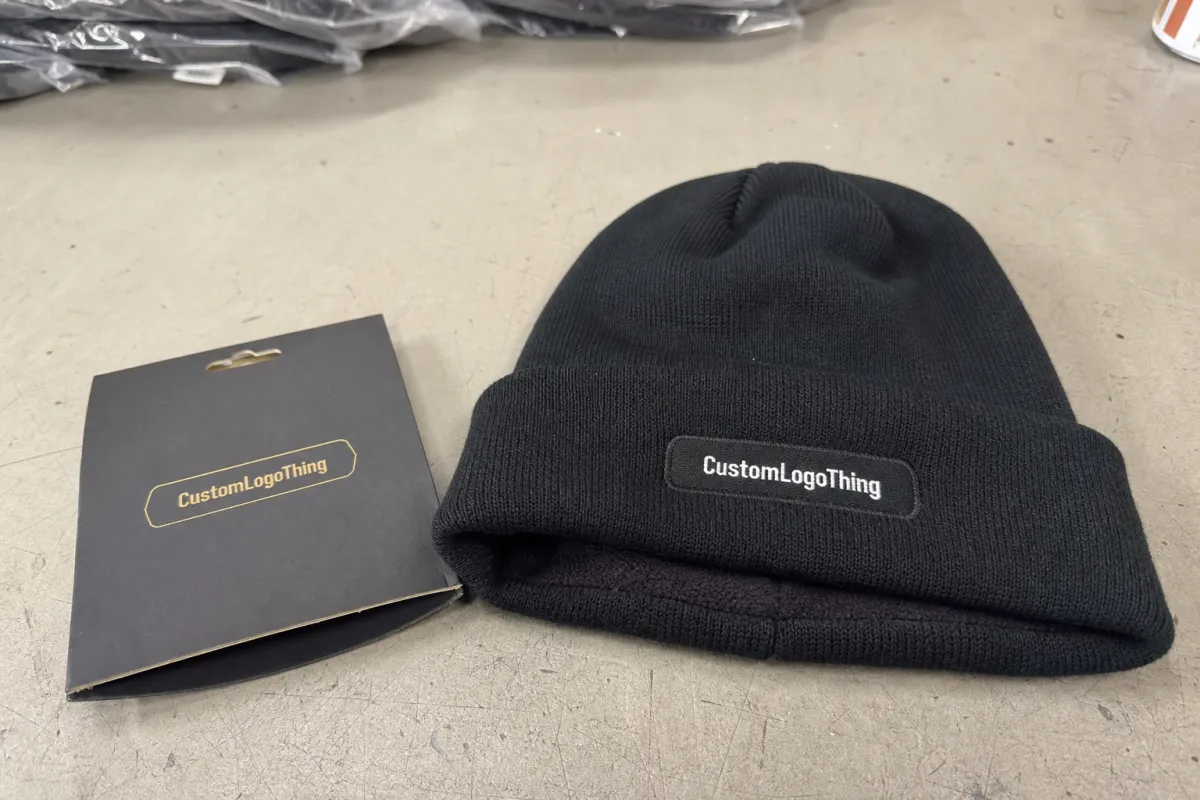
Cold-weather accessories behave differently from fashion-first products. Buyers do not usually want a story. They want something warm, comfortable, and easy to trust. That is why fleece lined styles often perform well in holiday drops, team stores, ski shop add-ons, outdoor brands, and promotional assortments where utility matters more than novelty. If the product page says "soft brushed interior" and the sample feels that way, the conversion path gets much shorter.
The best case for a fleece lined beanie is simple: it adds obvious value without adding much complexity. The outer knit still gives you print and embroidery compatibility, while the lining creates a feel premium enough to support a higher ticket than a bare-bones acrylic cap. It is the rare apparel item that can move through ecommerce, wholesale, and gifting channels without changing its identity. A good style can be sold as a gift item at one moment and a practical winter essential the next.
That same simplicity helps operations. A beanie does not need multiple sizes if the pattern is well made. It does not need special care in photography beyond a close-up of the lining and a fit shot. It does not force a buyer to manage a large size curve or seasonally fragile color run. In other words, it behaves like a low-drama SKU, which is exactly why many apparel buyers keep coming back to it every winter. When the supplier can repeat the same body, color, and trim package, replenishment becomes far easier to manage.
Returns are often tied to feel, not style. Scratchy interiors, tight cuffs, and linings that bunch up after a few stretches create more dissatisfaction than a muted color ever will. When the spec is right, the beanie earns trust fast. When it is wrong, the problem tends to surface immediately, which makes the margin leak visible sooner than in many other apparel categories. That is why fit approval, lining confirmation, and wash testing matter as much as the decoration art.
Product details ecommerce buyers should verify before ordering
Start with the build. A fleece lined beanie usually has three components that determine the end product: the outer shell, the lining, and the cuff or edge finish. Acrylic shells are common because they balance cost, warmth, stretch, and color consistency. Wool blends feel more natural to some buyers and can improve hand feel, but they usually raise cost and can introduce more variation from one production lot to the next. Organic cotton shells are less common for winter warmth, but if they are used, GOTS certification can matter for buyers who want an organic claim backed by documentation.
The lining deserves just as much scrutiny as the shell. Polar fleece, brushed tricot, and microfleece all show up in the market, but they do not behave the same way. A supplier may describe a lining as soft and premium while still delivering a bulky interior that changes the fit by a noticeable amount. Ask where the lining begins and ends, whether the ear area is fully covered, and whether the lining is sewn as a full cap or as a partial insert. Full coverage costs more, but buyers generally expect that when they are paying for warmth. If the lining uses recycled polyester, ask for GRS paperwork and a clear recycled content percentage.
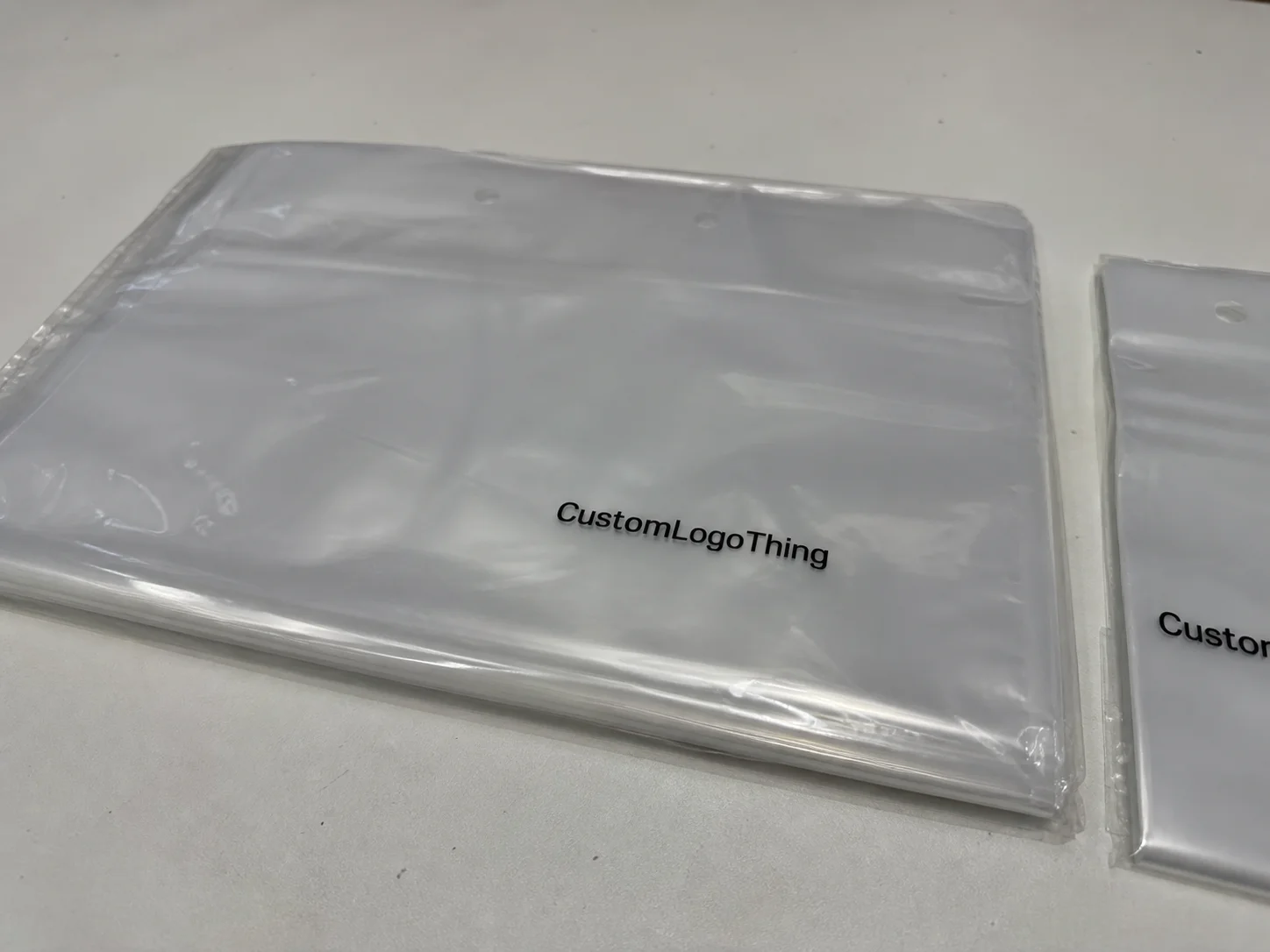
Decoration is the next checkpoint. Embroidery works well on the cuff, but dense stitching across the crown can distort the knit and pull the hat out of shape. Woven labels offer a cleaner retail look. Hem tags and side-seam labels are useful when the brand mark needs visibility without much bulk. If the beanie is meant for ecommerce, keep the packaging tidy too: a polybag, size sticker, barcode label, and a simple insert can make warehouse receiving much easier. For general textile compliance, OEKO-TEX Standard 100 is relevant when you want yarns, linings, or trim components tested for harmful substances.
The sample should answer practical questions, not just aesthetic ones. Measure the opening width, crown height, and cuff depth. Check how the lining behaves after the hat is stretched and released several times. Rub the inside against bare skin. Fold the beanie, flatten it, and let it recover. These are the boring checks that prevent noisy problems later. A fit sample, a decorated pre-production sample, and a top-of-production sample will usually tell you more than one beautiful photo ever could.
- Confirm lining coverage at the ears and forehead.
- Check embroidery from both the outside and inside.
- Stretch the cuff to see whether it recovers evenly.
- Inspect the seam where shell and lining meet for twisting or gaps.
- Look for rough yarn ends, loose threads, and puckering after handling.
- Verify color consistency across shell, lining, and label trims before bulk approval.
Packaging terminology can be useful here, especially if the supplier is also handling retail-ready packout. Reference material from packaging.org helps buyers speak the same language about labels, cartons, and basic shipping formats without guessing what a vendor meant. A simple pack spec can also reduce receiving errors if each unit is labeled with size, color code, barcode, and carton count.
Specs that affect comfort, fit, and decoration quality
Knit gauge changes the product more than many buyers expect. A tighter knit usually looks cleaner, holds shape better, and gives embroidery a more stable surface. A looser knit can feel softer out of the box, but it may stretch out faster and show more of the underlying structure. Yarn blend matters too. Acrylic is common because it keeps cost under control and gives predictable color results. Add some polyester or nylon and recovery may improve. Add too much, and the hand can start to feel artificial. A typical winter beanie shell may use 100% acrylic, 70/30 acrylic-wool, or a recycled polyester blend when the buyer is prioritizing sustainability claims.
The lining can shift the fit almost as much as the shell. Lightweight fleece keeps bulk down and works better under hoods or helmets. Heavier fleece warms the ear area more effectively, but it can make the opening feel smaller once the beanie is on. That is one reason two samples with the same measurements can feel completely different in wear. One is a hat. The other is a hat plus insulation. If the customer will wear it for commuting or outdoor work, the lining thickness should be checked on-head, not only on a flat measurement sheet.
Material weight matters, even when the spec sheet looks clean. A standard knit beanie may sit in the 70-120 gram range depending on yarn and structure, while the fleece adds another layer of thickness and warmth. Buyers do not need to obsess over every decimal point, but they do need enough detail to compare samples accurately. The same is true for fleece type: brushed microfleece feels different from standard polar fleece, and bonded lining behaves differently from a loosely sewn insert. Small changes in GSM can affect how the cuff sits and whether the beanie slouches or stands up.
Decoration should fit the structure of the hat. Small embroidery on the cuff usually looks stronger than oversized artwork spread across the front. Patch decoration works if the patch size respects the knit and does not curl at the edges. Woven labels are best when the brand wants a clean retail look with minimal distortion. Once too many elements are added, the beanie stops looking like winter essentials and starts looking like a crowded sample board. For most ecommerce programs, one primary decoration method plus one small trim element is enough.
Care instructions matter more than many ecommerce teams admit. Customers wash hats. They also throw them into drawers, backpacks, and coat pockets. A fleece lined beanie should survive gentle washing or repeated spot cleaning without the lining shrinking away from the shell or the embroidery puckering. A simple wash test is usually enough to reveal whether the construction can handle ordinary use. Ask for a 24-hour air-dry check and a post-wash measurement review Before Approving Bulk.
For buyers trying to hit a specific retail price, the product sheet should call out the exact shell fiber, lining type, logo method, and packaging format. That combination determines whether the style belongs in a $14.99 impulse-buy program or a $24.99 premium winter accessory tier. Small choices, such as a woven label versus a silicone patch, can move the landed cost more than buyers expect.
Cost, pricing, MOQ, and what changes your unit cost
Unit cost usually depends on four variables: yarn composition, lining type, decoration method, and packout. At 500 MOQ, a basic fleece lined beanie with an acrylic shell, standard polar fleece lining, and one-color embroidery often lands around $2.50-4.00 per unit before freight. Add a woven label, barcode sticker, and retail polybag, and the same style may move into the $2.90-4.80 range. If the program uses recycled polyester fleece or more complex trim, expect an extra $0.40-1.20 per unit depending on material and labor content.
MOQ can vary by style complexity. Stock bodies with simple decoration may start around 200-300 pieces per color, while fully custom shapes, special yarn blends, or private-label packout often begin at 500-1,000 pieces per color. If the order includes multiple colorways, the supplier may keep the total MOQ flexible but still require a minimum per color, commonly 100-300 units. Buyers trying to test demand should ask for the smallest viable run that still preserves a consistent production setup.
Lead-time pricing matters too. Rush orders may cost 10-20 percent more because the factory has to interrupt standard knitting and finishing flow. Dark colors can also be slightly more expensive if the yarn dye lot has to be matched tightly across shell and lining. Metallic threads, dense all-over embroidery, and custom hang tags are all small adds that become visible once multiplied across 500 or 1,000 units. Freight, duties, and last-mile prep can easily add another $0.35-1.25 per unit depending on destination and service level.
If you want a realistic quote, ask for a landed-cost breakdown rather than a single unit number. The best quotes show the base hat, the decoration, the individual polybag, the master carton configuration, and any test or setup charges. That makes it easier to compare suppliers without guessing what is hidden inside the final price. It also makes it easier to see whether a lower quote is actually a better quote, or just a thinner one.
- Basic acrylic shell, standard fleece, one-color embroidery: $2.50-4.00 at 500 MOQ.
- Recycled polyester fleece or upgraded label packout: often $0.40-1.20 more per unit.
- Custom knit structure or multi-color decoration: often adds 10-20 percent.
- Sampling: proto samples commonly cost $15-35 each, with decorated samples often $20-50 depending on artwork setup.
- Typical minimums: 200-300 pcs for stock styles, 500-1,000 pcs for custom builds.
Production process, lead time, and turnaround checkpoints
The process is usually more mechanical than buyers think. Yarn is selected, knitted, linked or sewn, lined, decorated, finished, inspected, packed, and cartonized. Outer shells are often formed on computerized flat knitting machines or circular knitting machines, depending on the body shape and factory setup. Linings are frequently cut on spreading tables and sewn with overlock or lockstitch machines, then inserted and secured around the crown and cuff. Embroidery is typically applied on multi-needle embroidery machines before final packing, because that keeps the decoration surface flat and easier to control.
For a standard order, the sample path should be clear. A proto sample usually takes 5-10 business days. A decorated pre-production sample often takes 7-12 business days after artwork approval and final color confirmation. Bulk production often runs 18-22 business days after sample sign-off and deposit, though simple stock-body programs can be faster if the yarn and trim are already on hand. If the order needs special packaging or custom testing, build in another few days before final dispatch.
Inspection checkpoints should be specific. At incoming material stage, confirm yarn count, color code, and fleece GSM. During knitting, check stitch density, panel symmetry, and body length consistency. After lining and assembly, check seam alignment, ear coverage, and whether the shell twists relative to the lining. Before packing, check embroidery thread tension, label placement, and measurement tolerance. Many buyers use AQL 2.5 for major defects and 4.0 for minor defects, with critical issues rejected outright.
A solid production schedule also includes wash and recovery checks. One simple test is to steam or lightly wash the sample, then measure the opening width, cuff depth, and crown height again after drying. If the hat shrinks more than about 5 percent or the lining peels away from the seam, it should not move to bulk. The same goes for decoration: if the embroidery puckers after washing, the stitch density or backing needs revision.
Carton controls matter at the end of the line. Count units per inner bag, units per carton, and carton labeling against the PO before shipment. For ecommerce buyers, this is where a small mistake turns into a warehouse problem. If each carton is supposed to hold 100 units and the factory loads 96 or 104 without telling anyone, the receiving team pays for the confusion later.
What makes a supplier easier for ecommerce ops teams
The easiest supplier to work with is the one that can translate design intent into repeatable paperwork. That means clear spec sheets, artwork proofs, color references, carton dimensions, and production milestones. It also means the factory can explain what is possible before the order is placed, instead of discovering surprises after deposit. If a supplier can confirm shell yarn, fleece GSM, decoration method, and pack format in writing, ecommerce teams save time at every handoff.
Certification support can also simplify approvals. WRAP or BSCI documentation may matter for social compliance programs, while OEKO-TEX Standard 100 is useful when the buyer wants evidence that textiles and trim have been tested for restricted substances. GRS matters if the product uses recycled content and the brand wants to make a recycling claim. GOTS matters when the outer shell or label program uses certified organic cotton. The key is not collecting logos for their own sake; it is matching the certificate to the material and the claim.
Response time is another useful indicator. A supplier that can turn around a quote within 24-48 hours, send a sample photo set with front, back, inside, and label views, and confirm a production calendar before invoicing is usually easier to manage. For ecommerce operations, that reduces the risk of last-minute launch slips. If a vendor also provides carton counts, barcode application, and final QC photos, that is even better.
The best factories also know how to reduce friction in the sample phase. They should be able to provide a proto, a decorated sample, a size-checked sample, and a shipment reference sample if needed. They should also flag where the build could fail: too much embroidery on a stretchy knit, a lining that adds bulk, or a cuff that collapses under decoration weight. Honest feedback is more valuable than optimistic yeses.
Finally, the supplier should be comfortable with normal ecommerce documentation. That includes commercial invoice fields, packing list detail, carton dimensions, unit weight, and if needed, an HTS or product description that clearly says what the item is. When all of that is available before bulk ships, the operations team spends less time unblocking the order and more time selling it.
Common buying mistakes that create returns or margin leaks
One common mistake is approving a sample that looks right but feels wrong. A beanie can photograph beautifully and still irritate the wearer if the fleece is bulky, the cuff is tight, or the seam is rough. Buyers should always wear the sample for several minutes, not just hold it. If it pinches the forehead, bunches near the ear, or feels hot in a bad way, that problem will show up in reviews.
Another mistake is skipping measurement discipline. A hat that is one centimeter shorter in crown height or one centimeter narrower at the opening may still pass a quick visual check, but it can change the entire fit. Buyers should define acceptable tolerance before production starts. A common standard is plus or minus 0.5 cm on critical dimensions and plus or minus 1.0 cm on non-critical measurements, though the exact tolerance should be written into the spec sheet.
Decoration errors also create avoidable waste. Overly dense embroidery can pucker the knit, while a patch that is too large can cause the front panel to buckle. If the beanie uses a recycled fleece lining, the wrong thread type or backing can undermine the softness buyers expected. A simple strike-off or stitched sample on the actual shell material is worth doing before bulk approval.
Color mismatch is another margin leak. Shell, lining, labels, and hang tags should all be checked under standard light before the order is cleared. A dark navy shell with a slightly different navy fleece may not sound serious, but it can look like a quality issue on arrival. The same is true for white or heathered styles, where small shade differences are easy to spot in ecommerce photos and customer returns.
Finally, buyers sometimes underestimate packout. A style intended for ecommerce should usually arrive with a clean polybag, correct barcode, and carton packing that matches the warehouse plan. If the receiving team has to relabel hundreds of hats by hand, the cheap product is no longer cheap. Good packout is part of the product, not an afterthought.
Next steps to quote your fleece lined beanie order
For buyers trying to hit a specific retail price, the quickest path is to send a concise tech pack. Include the shell material, lining type, decoration method, target dimensions, color references, packout requirements, and expected order quantity. If you already know your target landing cost, share that too. A supplier can work backward from the number more efficiently than from a vague style idea.
Also send the sample path you want. State whether you need a proto first, then a decorated pre-production sample, or whether you want one sample that combines fit and logo approval. If the beanie needs testing, ask for wash recovery, embroidery durability, and seam inspection before bulk release. Clear instructions here reduce back-and-forth and shorten the quote cycle.
For the best quote comparison, ask every supplier for the same set of details: price at 200, 500, and 1,000 pieces; sample cost; sample lead time; bulk lead time; carton count; unit weight; and which certifications they can document for the specific materials used. That makes it much easier to compare apples to apples. It also makes any hidden cost much easier to spot before the order is placed.
- Define the shell fiber and lining type before requesting price.
- State the target MOQ and the acceptable color range.
- Ask for a decorated sample, not only a blank body.
- Request inspection photos of stitching, lining, labels, and carton packing.
- Confirm whether the materials support OEKO-TEX Standard 100, GRS, GOTS, WRAP, or BSCI documentation if those claims matter to your program.
FAQ
What is a realistic MOQ for Fleece Lined Beanies? Many suppliers can start around 200-300 pieces for stock bodies, while custom shells, custom lining, or private-label packout often begin at 500-1,000 pieces.
How much should I expect to pay at 500 MOQ? A basic acrylic style with standard fleece and one-color embroidery often lands around $2.50-4.00 per unit before freight. More complex decoration or recycled content usually raises the price.
How long does production take? Proto samples often take 5-10 business days, decorated pre-production samples 7-12 business days, and bulk production usually 18-22 business days after sample approval and deposit.
Which certifications matter most? OEKO-TEX Standard 100 is useful for textile safety testing, GRS for recycled polyester content, GOTS for organic cotton components, and WRAP or BSCI for social compliance documentation.
What should I inspect before approving bulk? Check lining coverage, stitch density, seam alignment, embroidery quality, measurement tolerance, wash recovery, label placement, and carton count before shipment is released.