If you are sourcing a cotton twill caps Wholesale Supplier for Hotel Retail buyers, start with the store floor, not the spec sheet. Guests do not buy headwear because the product description is clever. They buy it because it looks wearable, feels dependable, and carries enough of the property’s identity to justify the shelf price. A clean cotton twill cap does that better than most promotional items because it sits in the middle ground: practical, modest, and easy to recognize as something worth taking home.
That matters in hotel retail. The cap is rarely the hero SKU in a gift shop, yet it often becomes one of the easiest add-on purchases. It works in airports, on beach walks, at golf courses, and in daily use after checkout. A buyer who understands that behavior usually makes different choices: less decoration, better fit, more attention to brim shape, and a tighter grip on landed cost. The result is not just a nicer item. It is a product that can move at retail speed instead of promotional speed.
Hotels and resorts also have a specific advantage. They are not introducing a brand from zero. The cap borrows trust from the property itself. A strong logo, a restrained colorway, and clean construction can turn a simple cap into an item that feels tied to place rather than printed for a trade show. That is why the best hotel retail programs tend to look understated rather than loud.
Why hotel retail caps sell when the design stays simple
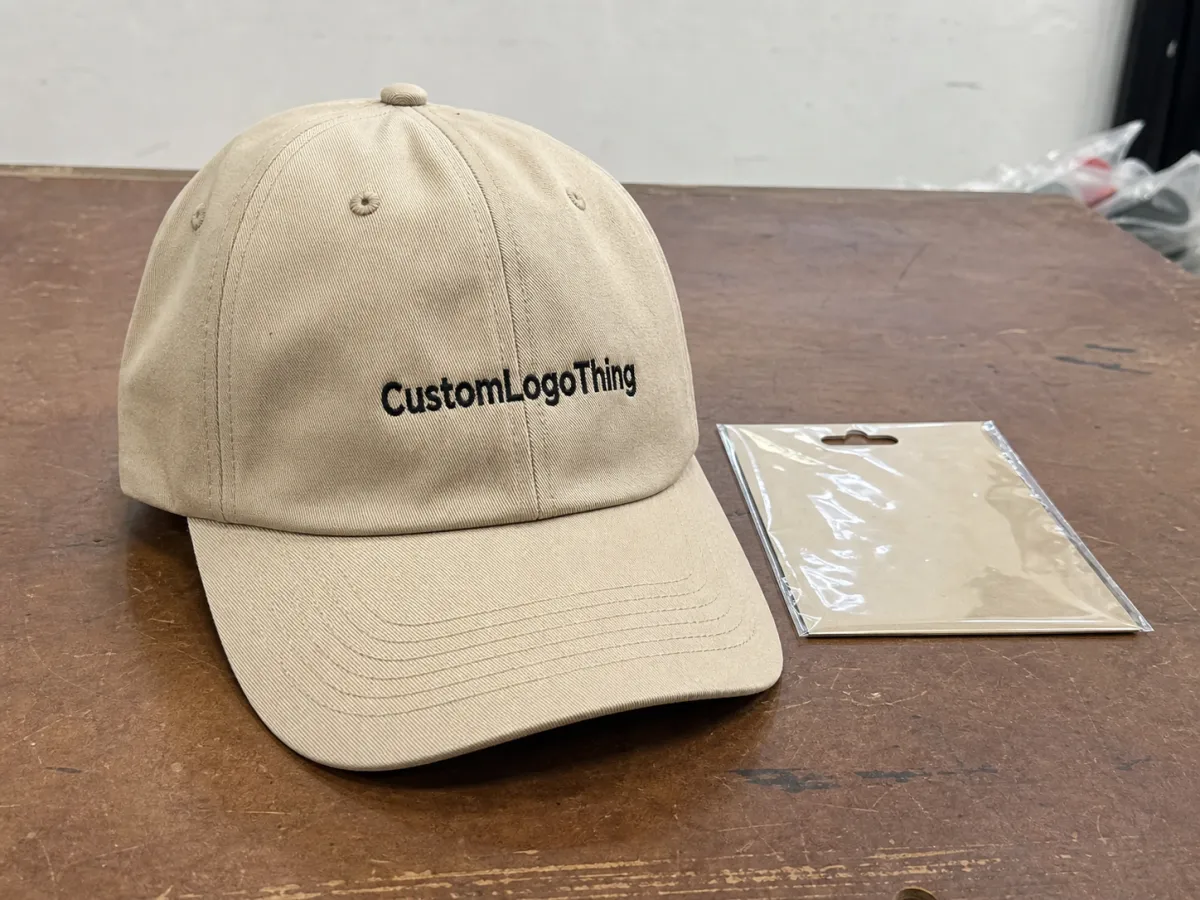
Simple design wins more often than not. A guest walking out with luggage is not shopping for novelty. They want something they can wear immediately without worrying about the fit or whether the logo will age badly in photos. A structured cotton twill cap with a neat front mark usually has more staying power than a cap packed with contrast stitching, oversized graphics, and extra trims.
Retail buyers often ask for variety too early. They want three crown shapes, two brim options, and multiple patch styles before the first sample. That sounds flexible, but it usually muddies the line. The stronger approach is to define a single core cap and let the brand speak through color and placement. Hotels with a beach identity often do well with lighter neutrals, washed khaki, sand, navy, or white. Urban properties tend to lean toward darker shades and cleaner graphics. In both cases, the cap should read as part of the property story, not as a generic souvenir waiting for a discount sticker.
From a selling standpoint, the cap performs best when it solves a visible need. Sun protection is obvious. Travel convenience is obvious. Brand memory is obvious. Those three reasons are enough. A supplier who understands hotel retail should be able to discuss sell-through, not just decoration methods. If a product needs too much explanation, it usually does not belong in a hotel shop.
A cap that looks like free giveaway stock gets treated like one. A cap that looks intentionally designed for the property can support a higher shelf price and a cleaner display.
That difference is why the role of the supplier matters. The right factory partner should be able to translate a brand into a retail-ready item without overcomplicating the build. That means knowing when to stop adding features.
Product details that make cotton twill caps feel retail-ready
Cotton twill is a practical base fabric because it balances structure and comfort. The weave gives the cap enough body to hold shape on the shelf, while the cotton content keeps it familiar on the head. For hotel retail, that balance matters more than a flashy fabric spec. Shoppers touch caps. They feel the crown, flex the brim, and judge quality in a few seconds.
The most common retail-ready build is a six-panel structured cap with a mid crown and a pre-curved visor. That profile tends to flatter more head shapes and photographs cleanly in merchandising displays. A five-panel cap can work for a more casual or streetwear look, but many hotels find that six-panel construction feels more universal. Unstructured caps have a softer appearance, though they can collapse in display and sometimes read less premium unless the brand is intentionally relaxed.
Fabric weight is part of the decision. Lighter twill usually feels better in warm climates and reduces the chance that the cap becomes too stiff in a resort setting. Heavier twill can make the product look more substantial and help the crown keep shape after shipping. A common wholesale range for Cotton Twill Caps sits around 180 to 260 gsm, with the sweet spot depending on climate, decoration, and price point. If the cap is being sold in a premium store, slightly heavier fabric often supports the perceived value. If the destination is hot and humid, a lighter option may be the smarter buy.
Closure style also affects shelf appeal. Metal buckle straps can feel more refined. Fabric or self-fabric straps support a softer, more boutique look. Hook-and-loop closures are efficient and inexpensive, though they can feel less premium in higher-end retail environments. Snapbacks may suit younger or sport-oriented properties, but they are not the default choice for every hotel. The closure should match the property, not the trend cycle.
Inside finishing matters more than many buyers expect. Sweatband comfort, thread trimming, seam consistency, and embroidery backing all affect the guest’s impression during wear. Small flaws show up quickly in retail because customers handle the product directly. Loose threads, crooked panels, and visible puckering around the logo are not minor issues; they are return risks.
For buyers building a broader assortment, the [Wholesale Programs](/wholesale.php) page can be a useful reference point for custom retail items that need repeatable specs and controlled decoration.
Specifications buyers should lock before quoting
Quoting gets messy when the spec is loose. A supplier can only price accurately if the buyer has already decided what the cap is supposed to be. Otherwise the quote turns into a moving target, and every revision creates more time, more samples, and more uncertainty around margin.
The core items to lock first are straightforward:
- Fabric: cotton twill weight, weave feel, and color target
- Structure: structured or unstructured, five-panel or six-panel
- Crown profile: mid crown, low profile, or taller retail shape
- Brim: pre-curved, flat, or lightly shaped
- Closure: buckle strap, hook-and-loop, snapback, or fitted size
- Decoration: embroidery, patch, print, or a combination
- Packaging: loose bulk, retail polybag, hang tag, sticker, or boxed
For hotel retail programs, the most useful decision is often the simplest one: define the cap for the end user, not the factory. A beach resort needs different performance from a city hotel gift shop. Warm climates benefit from lighter fabric and better breathability. High-end properties often need cleaner lines and better shape retention. If the cap is intended as a welcome amenity that later lands in the store, the specification should still support retail presentation, because guests remember the first version they see.
The artwork file matters too. Vector files reduce production friction. Pantone references help, though exact color matching on cotton twill is never perfect because fabric, thread, and print all behave differently. Buyers should ask for a sample approval step that confirms logo size, placement, and thread color before bulk production starts. That is where most avoidable mistakes are caught.
Helpful quote inputs include target quantity, destination country, requested delivery date, packaging needs, and whether the program must hit a specific shelf price. The more concrete the brief, the more useful the quote. If the launch date is fixed, say so. If the artwork is still provisional, say that too. Honest input saves time on both sides.
For transport-sensitive packouts, request carton dimensions and basic test expectations early. Retail caps do not need luxury packaging to survive transit, but they do need structure, especially if they will move through multiple properties before reaching the shelf. Standards from ISTA test protocols are useful references for packaging conversations.
Pricing, MOQ, and unit cost for hotel retail orders
Price should be broken into parts. The blank cap has one cost. Decoration adds another. Packaging adds another. Freight sits on top, and that is often where buyers discover they were budgeting only half the total cost. A good quote separates those pieces clearly.
For cotton twill retail caps, a blank unit often lands around $2.10 to $3.40 at 300 to 500 pieces, depending on fabric weight, structure, closure, and color. Simple embroidery usually adds $0.35 to $0.90 per cap. Retail packaging can add $0.20 to $0.55, with hang tags, stickers, and polybags all pushing the total upward in different ways. Heavier customization, such as woven patches or special closures, can lift the cost further.
MOQ changes the math quickly. Smaller hotel groups may face a higher unit price because setup costs are spread across fewer caps. Larger resort groups, chain programs, and multi-property orders usually get better pricing because the factory can run a longer, more efficient production batch. The math is not glamorous, but it is dependable. A run of 100 pieces will almost never carry the same economics as a run of 1,000.
| Order Type | Typical MOQ | Indicative Unit Cost | Best Fit |
|---|---|---|---|
| Blank cotton twill cap | 100-300 pcs | $2.10-$3.40 | Fast stocking, minimal branding |
| Embroidered logo cap | 100-500 pcs | $2.70-$4.60 | Most hotel gift shop programs |
| Embroidery + retail packout | 300-1,000 pcs | $3.10-$5.25 | Higher shelf price, display-ready retail |
Requesting pricing at 100, 300, and 500 units is a sensible way to expose breakpoints. Often the jump in unit cost is not linear. A small order may absorb the same setup time as a much larger one. That is why a supplier who quotes only one quantity may not be giving enough information to support a buying decision.
Freight deserves a clean line item. EXW, FOB, and delivered pricing are not interchangeable. If the quote includes freight, ask what mode is assumed and where the handoff occurs. Landed cost is the number that matters to retail margin, not the number on the first line of the quote. A cotton twill Caps Wholesale Supplier for hotel retail buyers should be able to explain that without obscuring the math.
Process and timeline from sample approval to delivery
A disciplined production flow reduces mistakes. The sequence should be simple: inquiry, spec confirmation, artwork check, sample, approval, bulk production, inspection, and shipment. If a supplier cannot explain that flow clearly, that is a warning sign.
Sample timing depends on how settled the order is. A stock-style sample can often be turned in 5 to 10 business days. A fully custom sample with embroidery, color matching, or special packaging may need 7 to 15 business days. Bulk production commonly runs 12 to 20 business days after approval for standard custom orders, while more detailed programs may take 25 to 35 business days. Shipping adds its own clock, and international freight can shift quickly during peak season.
Hotel retail deadlines rarely allow much slack. Seasonal openings, renovation launches, and holiday resets move on fixed dates. A slight delay in logo approval can become a missed shelf window. That is why the best buyers build in buffer time and keep the approval loop short. One round of revision is manageable. Three rounds usually signal that the spec was not settled early enough.
Common causes of delay are easy to spot:
- Artwork that is not ready for embroidery or print setup
- Late changes to cap color, thread color, or closure style
- Unclear packaging instructions for retail display
- Slow approval on pre-production photos or samples
Inspection matters at the end of the process, especially for retail programs that depend on consistent shelf presentation. Check stitch tension, logo alignment, panel symmetry, cap curve, thread trimming, and carton marking. If the order is being shipped to multiple properties, location labeling should be confirmed before goods leave the factory. Small errors at the carton level become large headaches once product reaches the store.
Branding options that work at the desk, gift shop, and resort store
Embroidery remains the default for good reason. It feels more substantial than print, holds up under wear, and is easy to read from a display rack. A front-panel embroidered logo is usually the most effective option for hotel retail because it balances visibility with restraint. Flat embroidery tends to look more refined than 3D puff for most hospitality brands, especially where the goal is quiet premium rather than sporty attitude.
Patches can be a strong alternative. Woven patches and embroidered patches add texture and can make the cap feel closer to a boutique retail item. That said, patches also add cost and can create a bulkier finish. Buyers should use them only when the extra dimension supports the brand language. A property with a vintage identity may benefit from a patch. A minimalist urban hotel may not.
Printed logos have a narrower use case. They can work on simple designs and tighter budgets, but they do not always deliver the same perceived value as embroidery. If print is chosen, the design should stay clean and not rely on fine details that might break up on fabric. Dark-on-dark combinations are also harder for guests to read from a distance.
Placement is half the decision. A large front logo sells the brand. A smaller side mark feels more subtle. A back tab or interior label can support a cleaner exterior for premium stores. The wrong placement makes even a good cap look like a promotional item. The right placement can lift an otherwise plain cap into a product worth displaying near the register.
Packaging deserves the same discipline. Hang tags, barcode stickers, and tidy polybags help store staff move product quickly. If the caps are meant for direct retail, packaging should make receiving easier, not harder. The aim is to reduce handling, protect the shape, and keep product ready for the shelf.
What to expect from a reliable cap factory partner
The best factory partners do not just confirm the order. They challenge weak assumptions. If the logo file is not suitable for embroidery, they should say so before sampling. If the cap color will not match the Pantone reference perfectly because of fabric limitations, they should explain the likely result instead of promising exactness. That honesty saves money.
Reliable communication shows up in small details. The supplier replies with a clear spec sheet. Sample comments are specific, not vague. Reorders are repeatable. Packing is consistent. Stitch quality does not drift from one batch to the next. Those are the signs that matter in hotel retail, where a slight change in cap shape can make a re-stock look different on the shelf.
Consistency has direct value. A hotel guest who buys a cap this season may buy the same one again next season for a family member or a different property. If the profile changes, the reorder loses some of its advantage. Repeatable production reduces merchandising labor, protects brand presentation, and keeps the retail line from turning into a moving target.
A good supplier also understands when to say no. Some decoration choices add cost without improving sell-through. Some delivery timelines are too tight for a reliable bulk run. Some artwork needs more work before production. Those answers are not barriers; they are part of keeping the order usable. A supplier who never pushes back is often a supplier who has not yet learned where the problems appear.
For buyers comparing options, the [Wholesale Programs overview](/wholesale.php) is a useful baseline. The real test is how clearly a partner explains MOQ, sample lead time, and packaging without drifting into vague sales language. Clarity usually predicts smoother production better than an attractive quote does.
Next steps for samples, artwork, and purchase order timing
Move in a straight line. Pick the cap style. Confirm quantity. Send the artwork. Ask for pricing at a few volume points. That simple sequence quickly shows whether the product can support the target margin and timeline.
Before bulk production starts, approve a physical sample or a pre-production proof set. For hotel retail, that step is rarely optional. It catches logo placement issues, cap shape problems, thread color surprises, and packaging mismatches before the full run is underway. Skipping it may save a week and cost a season.
Then close the loop on packaging and delivery. Confirm whether the caps need hang tags, stickers, cartons by property, or special retail packout. If the order is moving to multiple locations, ask for clear carton markings. If the receiving team is small, keep the packing simple enough to stock quickly. Retail programs lose momentum when every box requires extra sorting.
A strong cotton twill caps wholesale supplier for hotel retail buyers should be able to quote spec, sample, production, and landed cost without hiding the practical details. That is the standard to aim for. Not flashy, just workable. A retail cap program succeeds when the design is restrained, the build is consistent, and the numbers still make sense after freight and packaging are included.
Use the numbers, check the build, and keep the product honest. That is how cotton twill caps move from shelf filler to repeatable retail. In hotel merchandise, the quiet items often do the most work.
FAQ
What MOQ should a hotel retail buyer expect for cotton twill caps?
Most custom programs begin around 100 to 300 pieces, with the exact minimum depending on decoration and packaging. Lower MOQs usually raise the unit cost because setup time is spread across fewer caps. Larger chain or multi-property orders often receive better pricing because the run is more efficient to produce.
How long does it take to produce custom cotton twill caps for hotel shops?
Sample approval typically takes 5 to 15 business days, depending on artwork readiness and the number of revisions. Bulk production usually runs 12 to 35 business days after approval. Freight can add more time, especially during seasonal peak periods or when shipping to multiple destinations.
Which decoration method looks best for hotel retail caps?
Embroidery is still the most reliable choice because it reads well, wears well, and usually supports a stronger shelf presentation. Woven or embroidered patches can work for boutique positioning. Printing is more budget-friendly, but it generally looks less premium unless the design is very simple.
Can cotton twill caps be packed for direct retail display?
Yes. Caps can be packed with hang tags, barcode stickers, tissue, or polybags depending on the store format. Retail-ready packing reduces handling time and helps protect shape during transit. If the product will be stocked through a point-of-sale system, confirm carton labels and barcodes during the quoting stage.
What should a hotel buyer send to get an accurate quote?
Send the logo artwork, target quantity, cap color, decoration method, packaging needs, and requested delivery date. If possible, include a target landed cost. That gives the supplier a clearer path to recommending the right fabric weight, structure, and closure without unnecessary revisions.