The Soap Brand Kraft Paper Bags material guide starts with a practical point: a bag can look right in a mockup and still fail once it is filled, stacked, or shipped. The most common problems are creasing, seam stress, odor transfer, and scuffing. Those issues usually come from material choice, not artwork.
Soap packaging sits between retail display and product protection. The bag needs to feel natural, print cleanly, hold its shape, and tolerate a product that may carry a little moisture, oil, or scent. That is why paper weight, fiber content, finish, and construction matter more than a polished rendering.
Soap Brand Kraft Paper Bags Material Guide: What Matters First
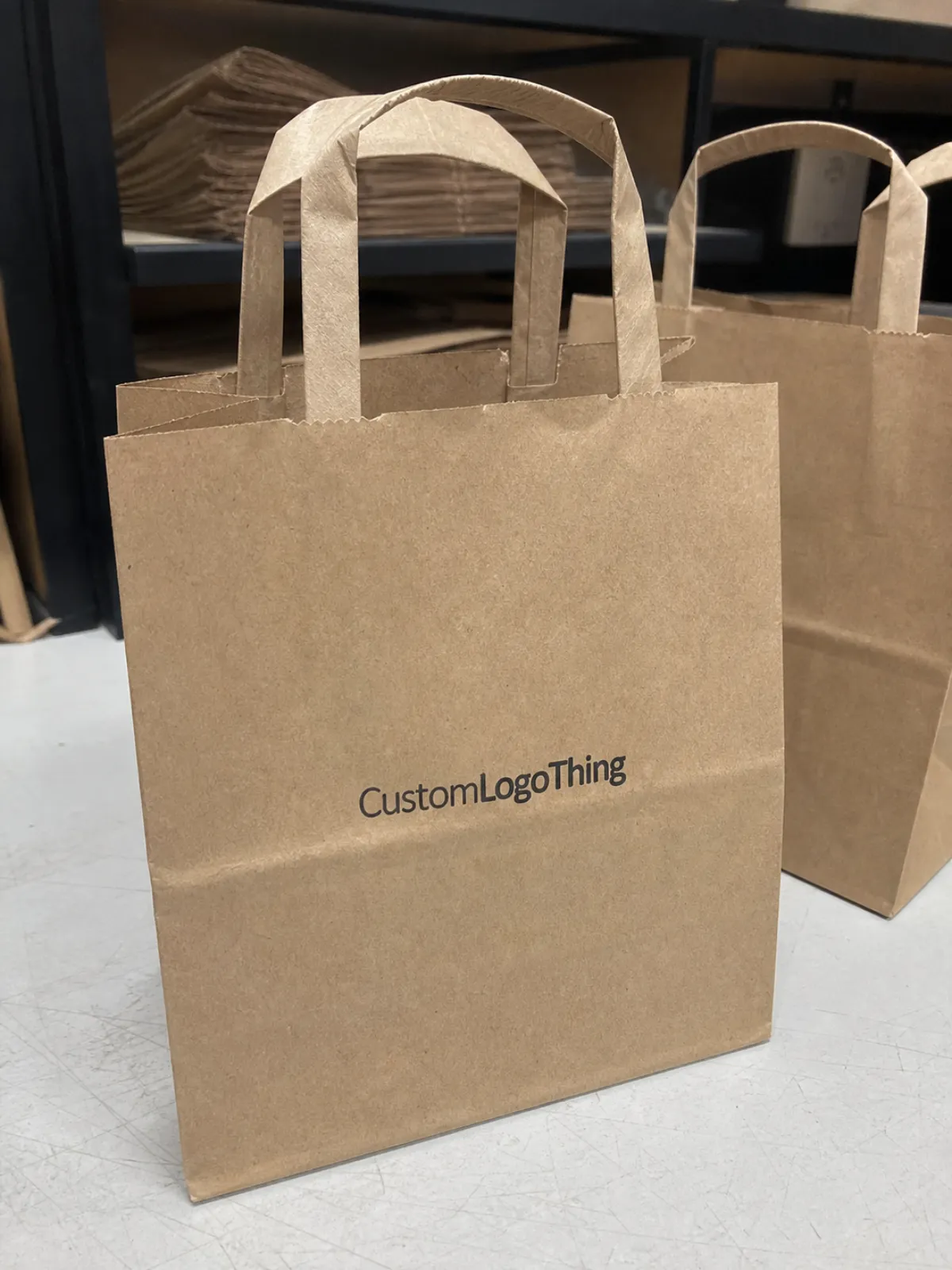
Before comparing samples, define what the bag must do. A wrapped 4 oz bar, a hand-cut artisan bar, and a gift set with inserts each put different stress on the package. The best spec is not always the thickest one; it is the one that matches product weight, handling, and shipping path.
Four material variables should be set early:
- Paper weight - usually measured in gsm or basis weight; it affects stiffness, crease recovery, and bottom support.
- Fiber content - virgin kraft, recycled content, or a blend changes fold strength, print sharpness, and surface texture.
- Surface finish - smoother kraft carries fine type better, while rougher stock keeps a more handmade look.
- Barrier treatment - a light coating or liner can improve oil resistance, scuff protection, and humidity control.
For many retail soap applications, 120-170 gsm is a useful starting range. It covers single bars without making the bag feel overly bulky. Heavier bars, multi-item sets, or packages that need a more rigid silhouette often work better at 170-220 gsm. The right choice depends on how often the bag will be touched, stacked, or shipped.
Geometry matters too. A narrow bag may need more stiffness than a wider one with the same paper weight because load concentrates differently on the side panels. Flat-bottom bags usually stand better for shelf display. Gusseted bags save space in carton packing. Handle patches and reinforced bottoms become more important as product weight rises.
A bag that looks good empty is only part of the test. Fill it, close it, stack it, and handle it the way the customer or warehouse team will.
Use the product itself to set the spec. Lightweight wrapped bars can often use lighter kraft. Unwrapped soap, denser bars, or higher-touch retail settings usually need stronger stock and better seam control. More paper can help, but extra thickness also raises cost and can slow folding without fixing the real problem.
How Kraft Bag Materials Work With Bar Soap
Kraft paper fits soap because it breathes slightly and keeps the package from feeling sealed off. That natural look supports handcrafted branding, but it also brings risk. Soap can release fragrance, carry surface oils, and hold traces of curing moisture. Kraft absorbs those signals more readily than coated paper.
Finish selection matters. A light aqueous coating can reduce fingerprint marks and improve rub resistance. Protective varnish can help darker graphics stay sharp. Heavy lamination often works against the natural kraft appearance and can complicate recycling claims. In most cases, the best finish is the least intrusive one that still survives real handling.
Paper behavior changes with soap condition. A fully cured wrapped bar is relatively easy. A fresh bar with higher free-oil content can leave faint marks on absorbent stock. If soap is packaged warm or stored near a curing area, the bag may pick up scent before it reaches a customer. These are small failures, but they still affect quality perception.
Construction is just as important as sheet choice. Bags often fail at seams, folds, glue lines, or handle attachments before the paper itself tears. Bottom design matters for heavier bars, and reinforcement matters when repeated pickup or carton pressure is part of the journey. A visually good bag with weak bonding will still collapse in use.
If sustainability claims matter, review the full structure rather than the word “kraft” alone. FSC-certified paper, recycled-content stock, and water-based inks can support the story, but coatings, adhesives, and added films affect whether the package remains recyclable in a specific market. For forestry certification reference, see fsc.org.
Transit testing is worth doing. Soap bags are usually packed into corrugated cartons, where stacking pressure, vibration, and repeated touch points expose weak specs. A bag that looks perfect on a table but dents after carton packing needs a different material or structure. The test does not have to be elaborate; it just needs to match the way the product will actually move.
Teams that use transport protocols often compare against standards such as ISTA to separate display performance from transit performance. The point is practical: check whether the package survives warehouse and retail stress, not just the sample stage. More on that at ista.org.
Cost, MOQ, and Unit Pricing Drivers
Pricing is shaped by a few repeatable inputs: paper grade, thickness, print count, size complexity, coating, and special finishes. Add a window, foil accent, embossing, or reinforced handle and the quote changes again. Most of the cost increase comes from setup and converting, not only raw paper.
MOQ affects the math. A short run spreads plate, die, and setup costs across fewer bags, so the unit price rises. A longer run usually lowers unit cost because those same fixed expenses are divided over more pieces. That does not mean the largest order is the best order; it means buyers should understand how quantity changes the quote.
For planning, simple kraft soap bags at around 5,000 units often fall near $0.18-$0.28 each when the build is plain: midweight kraft, limited print, and no extra finish. Mid-range branded bags with two-color printing or light protective coating often sit closer to $0.26-$0.42. Premium gift bags with heavier stock, reinforced handles, or decorative finishing can move into $0.38-$0.60 or higher.
| Spec level | Typical build | Best for | Typical unit cost at 5,000 |
|---|---|---|---|
| Basic retail kraft | 120-140 gsm natural kraft, one-color print, no coating | Wrapped single bars, simple shelf displays | $0.18-$0.28 |
| Mid-range branded bag | 150-170 gsm kraft, light protective coating, two-color print | Artisan bars with stronger fragrance or more handling | $0.26-$0.42 |
| Premium gift bag | 170-220 gsm kraft, reinforced handle, specialty finish or embossing | Sets, gift bundles, boutique launches | $0.38-$0.60+ |
Quotes often drift because visible design hides structural complexity. A deeper gusset, tighter tolerance, handle patch, or added insert can raise labor or material use without changing the mockup much. Two bags may look nearly identical in a rendering and still be priced very differently in production.
Very low pricing deserves caution. If a bag is priced below market, something is usually being reduced: paper weight, coating quality, glue strength, print control, or inspection. A bag that dents, scuffs, or arrives with alignment issues costs more in rejects than the original discount saved.
Production Steps and Lead Time From Art to Cartons
Production usually follows a predictable path: final dimensions, dieline approval, artwork proofing, sample confirmation, printing, converting, finishing, packing, and shipment planning. Delays usually come from incomplete specs or late changes, not from the machine line itself.
Artwork revisions are the biggest time sink. So is changing the bag size after print placement has been approved. A logo that fits one panel width may not sit the same way on another. The same issue applies to barcode placement, ingredient panels, and legal text. Once those elements move, the layout needs to be checked again.
For straightforward custom orders, 12-15 business days after proof approval is a practical estimate. Add a physical sample, specialty coating, custom paper sourcing, or more involved finishing and the schedule often extends to 18-25 business days. That is normal for custom converting when multiple steps have to stay aligned.
Physical samples matter more than digital proofs for soap packaging. Put the real bar in the real bag. Check corner fit, bottom shape, and whether the paper shows oil marks after a few hours. A screen proof can confirm color and placement; it cannot show how the material behaves under weight, scent, or temperature.
A simple fit test catches many issues. Measure the bar, weigh it, pack it, and place the filled bags into the carton size planned for shipment. Watch for corner crush, stack instability, and friction between bags. If the product will sell through retail rather than only direct shipment, test repeated pickup and shelf loading too.
Common Material Mistakes That Hurt Soap Packaging
The most common mistake is choosing paper that looks premium but is too light for the product. The bag may stand up during approval, then dent at the base, bow along the side seam, or open slightly at the top after handling. That is usually a paper-weight mismatch rather than a print problem.
Ignoring oil and fragrance transfer is another frequent issue. Soap is not inert filler. It can leave scent and residue, and kraft responds to both. If bags are stored near curing bars or packed in humid conditions, absorbent stock can stain or soften sooner than expected. Storage conditions belong in the spec because they affect the bag before it reaches the customer.
Overprinting can work against the product. A heavy ink field may erase the natural texture that makes kraft attractive in the first place. Strong branding is fine, but the bag should support the soap instead of competing with it. The best graphics usually leave some of the material visible.
Testing only the empty bag is a weak control. Real pack-out includes tissue wrap, labels, inserts, and the way the soap settles after a few days. Those components change the shape, pressure points, and perceived quality of the finished pack. A bag spec that ignores the full assembly is only half a spec.
- Test the filled bag instead of approving the empty sample alone.
- Check fresh and stabilized bars if the soap comes off the cure rack warm.
- Look for seam stress and rub marks after stacking and carton packing.
- Review odor transfer if the fragrance load is high.
Expert Tips for Selecting the Right Spec
Start with the soap, not the artwork. A wrapped bar, a soft artisan bar, and a heavy gift set each ask for different paper behavior. Wrapped bars can often use lighter kraft with a cleaner print surface. Softer bars with more oil usually benefit from thicker stock and a finish that resists scuffing without making the bag look plastic.
Ask for three sample layers: paper, print, and finish. Paper samples tell you about hand feel and stiffness. Print samples show color density, type sharpness, and how much ink the kraft can hold before detail gets muddy. Finish samples show whether the bag can tolerate real handling. None of those tells the full story alone.
Recycled content should be evaluated with care. Higher recycled percentages can support the sustainability message, but they sometimes reduce fold sharpness or make the surface rougher. That is not automatically a problem. It becomes a problem if the brand needs crisp graphics or if the bag must stand up in a premium retail setting.
Temperature is easy to miss. Bars that are still slightly warm from curing can behave differently in kraft paper than fully stabilized soap. A warm bar may create a tighter pack, more scent transfer, or a slightly damp feel in the first hours after packing. A bag that passes with a cool sample should still be tested with the freshest realistic version of the product.
A practical spec usually balances three requirements:
- Recycled content that supports the brand story without weakening the folds.
- Visual clarity that keeps the logo readable from a short retail distance.
- Retail durability that survives packing, display, and the trip home.
Claims deserve restraint. If a package is described as biodegradable or recyclable, the statement should reflect the whole structure, not only the paper fiber. Inks, adhesives, liners, and coatings all affect the outcome. Honest material selection is more useful than a sustainability label that cannot withstand scrutiny.
Next Steps for a Cleaner Quote and Better Fit
If you want comparable quotes, send the core details before asking for pricing:
- Bar dimensions, weight, and whether the soap is wrapped or unwrapped.
- Target quantity plus any likely reorder volume.
- Print colors, finish preference, and whether the bag needs a window or texture treatment.
- Whether the bag is meant for shelf display, gifting, or shipping support.
Keep the spec consistent across vendors. A quote based on 140 gsm natural kraft does not compare cleanly with a quote based on 180 gsm coated stock, even if the mockups look similar. Handles, inserts, and size tolerances all change the actual build, so precise specs make price differences easier to trust.
After the quote stage, order a sample pack and run a small fill test. Check fit, scuffing, bag stability, odor transfer, and stackability inside the carton. If the first round works, refine the artwork and material choice before scaling. That is usually cheaper than fixing a full production run later.
The best custom order is not the flashiest one. It is the one that fits the soap, holds its shape in retail, and stays consistent from sample to shipment. Kept on that track, the Soap Brand Kraft Paper Bags material guide becomes a practical decision tool rather than a design exercise.
Frequently Asked Questions
What kraft paper weight works best for soap brand kraft paper bags?
Most single-bar retail bags perform well in the 120-170 gsm range. Heavier bars, gift sets, or unwrapped soaps often need thicker stock or reinforcement at the bottom and handles so the bag keeps its shape after packing and display.
Do soap packaging kraft paper bags need a coating or liner?
A light coating can help with scuff resistance, fingerprint marks, and minor moisture exposure. Brands that want a more natural look often skip heavier coatings and instead choose the right paper grade, then test the bag under real handling conditions.
How do I estimate MOQ and unit cost for custom soap bags?
Start with the size, print count, coating, and any structural extras such as handles or inserts. Those details drive setup and material cost. Ask for pricing at several quantities so you can see how setup charges spread across the run.
What affects lead time for custom kraft soap bags the most?
Artwork changes, sample approval, paper sourcing, and extra finishing steps usually add the most time. Approving the dieline and print layout early keeps production moving and reduces the risk of schedule slips.
Can recycled kraft still look premium for soap brands?
Yes. Recycled kraft can look premium when the print is crisp, the bag structure is clean, and the paper has enough strength to hold folds well. The key is choosing a recycled stock that still matches the brand's visual and handling needs.
For fewer surprises, match paper to the soap, test the filled bag, and compare quotes only when the construction is identical.


