Soap Brand Kraft Paper Bags Sample Approval Checklist
The phrase soap brand Kraft Paper Bags sample approval sounds procedural until the first filled bag fails in hand. On screen, the logo may look centered and the kraft texture may feel right, but the physical sample is where seam strength, fold behavior, print alignment, and surface resistance are actually tested.
That is why the sample matters. It is the last chance to confirm the bag as a package, not just as artwork. For soap packaging, the real questions are simple: does the bag fit the product, carry the weight, protect the finish, and present well after handling?
What soap brand kraft paper bags sample approval actually proves
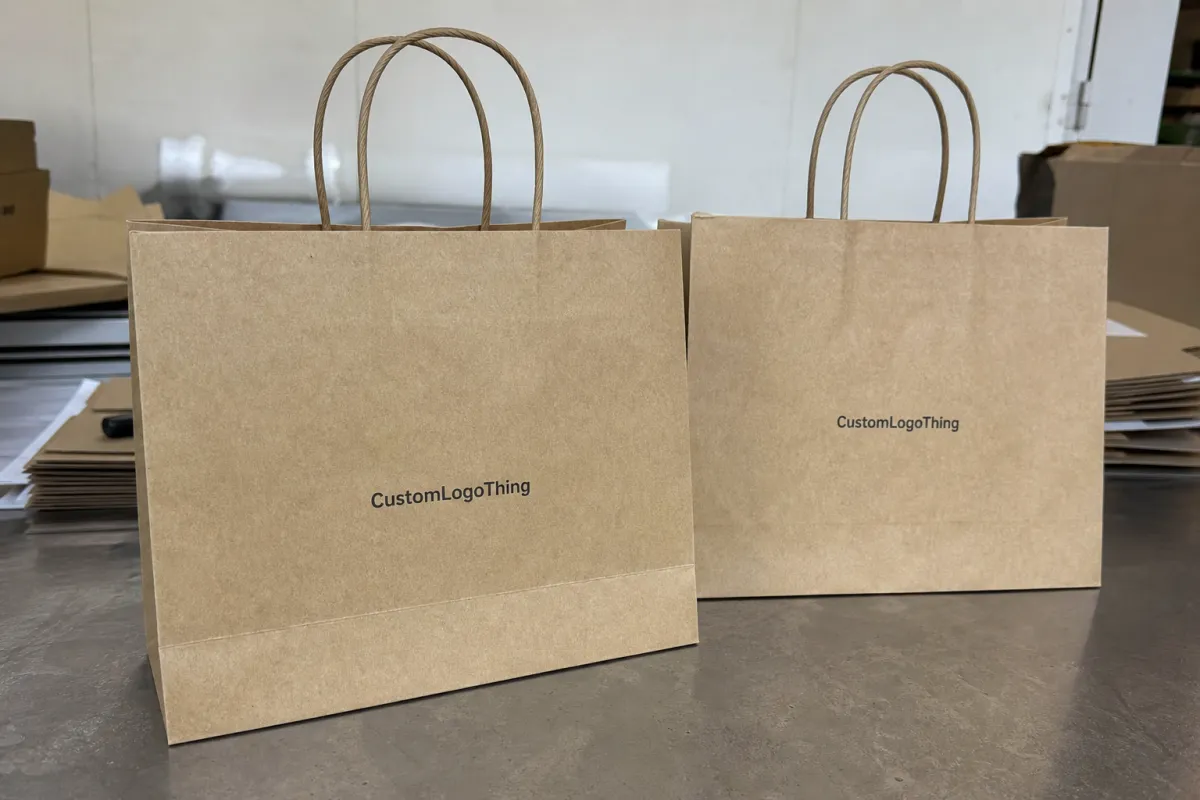
A sample proves whether the bag can survive the real use case. A single wrapped bar, a two-bar bundle, or a gift set with tissue and a card all stress the structure differently. Empty bags are tidy; filled bags tell the truth.
In practice, Soap Brand Kraft Paper Bags sample approval catches problems that create rework later:
- Weak handles that twist, fray, or tear after repeated lifting.
- Off-center artwork that shifts during folding or gluing.
- Seam splits caused by paper that is too light for the load.
- Fragrance staining from oils or finish migration on uncoated kraft.
- Gusset collapse that makes the bag lean on shelf.
The sample also defines the production standard. Once approval is given, the team needs one reference for size, gsm, print placement, finish, and closure. Without that, later discussions become memory contests, which are expensive.
Approve the filled bag, not the mockup.
For soap brands, packaging is part of the product. If the kraft feels limp, the print looks muddy, or the bag opens awkwardly, customers notice before they ever use the soap. A clean label cannot rescue a bag that behaves badly.
How the sample approval process and timeline work
The process starts with the spec check: dimensions, paper type, print method, coating, handle style, inserts, windows, and closure method. Then comes the dieline review, because artwork can be correct and still miss a fold or seam.
Digital proofs usually take 1-2 business days once artwork is complete. Physical samples take longer because they must be made, inspected, and shipped. A typical sample cycle runs 5-10 business days, plus 3-7 days in transit. If revisions are needed, add another round. Packaging rarely rewards optimistic scheduling.
The most common delays are practical, not exotic:
- Artwork arrives without bleed, trim, or font notes.
- Copy changes after proofing starts.
- Too many reviewers send conflicting comments.
- The size is described as “close to the last one,” which is not a spec.
A proof is enough for some simple bags, but not when paper weight changes, a coating is added, or the structure is new. Those are material decisions, not cosmetic ones.
If the bag will ship inside corrugated cartons, transit should be part of the sample discussion. A package can look crisp on a table and still arrive crushed or warped. For that reason, the ISTA test family is a useful reference, even when you are not running a formal lab program.
Size, paper, coating, and print choices that change the sample
Most approval surprises come from structure and material choices, not from one logo being a few millimeters off. A bag fails because the build does not match the load, or because the chosen paper changes the print behavior.
For small soap packs, kraft paper in the 120-200 gsm range can work for lighter retail use. For heavier bars, dual-bar gift sets, or bags carrying inserts and tissue, a sturdier build is safer. Many buyers move toward 180-250 gsm, a reinforced base, or stronger handle attachment when the fill weight increases.
Paper shade matters too. Natural brown kraft gives an earthy look, but it reduces contrast. White ink can look clean in proofing and muted in production if the build is thin. Dark solids can look richer, but they reveal registration drift faster. The sample should use the exact stock, not a near match.
Coating changes more than appearance. An aqueous coat helps limit ink absorption and scuffing. Soft-touch lamination creates a premium feel, but it changes the tactile story and may not fit a natural-brand position. If the brand wants a biodegradable packaging claim, the coating, adhesives, and any window film need to be checked carefully.
Recycled content changes the look as well. Stock made with post-consumer waste often shows more speckling and a softer hand feel. That is normal. The question is whether the texture fits the brand. Artisan positioning often welcomes it; a pharmacy-style brand usually does not.
For projects using FSC certified paper or other recycled materials, ask for the certificate trail before production begins. That protects the claim and avoids a packaging-to-paperwork mismatch.
Print method matters just as much. Solid coverage, small type, foil, embossing, and spot varnish all behave differently on kraft stock. Thin lines can fill in. Reversed type can disappear. Foil can crack on a hard fold. Varnish can look rich in one light and patchy in another. The sample is where that is visible.
Soap fragrance can also affect the result. Strong scent can migrate into liners or absorb into uncoated surfaces. That may be fine for a boutique presentation, or it may be a problem if the package must stay neutral on shelf.
Kraft paper bag cost, MOQ, and quote drivers
Custom bag pricing comes from paper cost, structure, print coverage, finishing, labor, setup, and freight. The useful comparison is not whether a sample is “cheap” but whether it proves the right risk before production begins.
For soap packaging, the sample costs often fall into these ranges:
| Sample option | What it proves | Typical cost | Best use |
|---|---|---|---|
| Digital proof | Layout, copy, logo placement | $0-$25 | Early artwork checks |
| Blank physical sample | Size, fold, board strength, fill fit | $35-$120 plus shipping | Structure approval before print |
| Printed physical sample | Color, registration, finish, shelf look | $80-$250 plus shipping | Final visual approval |
| Production-matched sample | Closest simulation of the real run | $120-$350 plus shipping | Higher-risk launches and premium packs |
These numbers move with size, print coverage, and finishing. A small one-color kraft bag costs less than a large gift bag with a die cut, reinforced bottom, or lamination. If the order needs custom tooling or special inks, setup fees may apply. Sample freight is usually separate, and rush service can raise the price.
MOQ affects unit cost more than many buyers expect. A smaller run carries more setup cost per piece. For custom Kraft Paper Bags, the minimum order often lands around 500 to 5,000 units, depending on the factory and print method. Lower MOQs exist, but they rarely reduce the total cost much.
For finished goods, a broad working range of $0.18-$0.75 per unit is realistic for simple to moderate soap packaging, with heavier print coverage, premium finishes, and specialty coatings pushing higher.
In many cases, one more sample round costs less than fixing a bad production run. A $60 to $150 revision can be cheaper than replacing a full batch that missed on fit, color, or closure.
Step-by-step approval checklist for the final sample
Use the same review order every time. It keeps the conversation focused on spec before opinion.
- Confirm dimensions. Measure height, width, gusset depth, and bottom construction against the signed dieline.
- Check the paper weight. Confirm the gsm or pt spec matches the approved material.
- Inspect print placement. Look for centered logos, correct fold alignment, and readable copy on seams and corners.
- Review the finish. Check whether coating, varnish, or lamination changes the feel or color more than expected.
- Fill the bag with actual product. Use the real soap bar, insert card, tissue, or bundled set.
- Shake and carry it. Lift the filled bag by the intended carry points and watch for stretch, lean, or seam stress.
- Stack and store it. Leave a few filled samples under light weight and see whether the bottom stays square.
- Check odor and transfer. Store the sample near soap for a day or two and look for scent migration or oil marks.
The filled test matters more than any other step. A bag can look perfect empty and fail the moment the soap presses on the side panel. If the packaging must support a premium shelf presentation, the bag should stand straight, close cleanly, and keep the graphics visible after handling.
Write acceptance criteria before the sample arrives. Decide what color variation is acceptable, what seam strength is enough, whether slight kraft shade variation is normal, and whether the logo can sit within a 2-3 mm tolerance of center. If the bag must match an outer carton, view both under the same lighting. If the shipment will travel in corrugated cartons, check the sample after a short compression test as well.
If you need a ruler to explain the failure, the sample already missed.
Finish with one written decision: approved, approved with noted revision, or rejected. Add the date and keep the sample photo, final dieline, and approval note in one folder.
Common mistakes that blow up approval and production
The most common mistake is approving from a screen only. A render cannot show fold stress, paper grain, glue behavior, or how ink sinks into kraft paper. It also cannot tell you whether the bag feels thin or awkward in the hand.
Another easy miss is testing the empty bag and calling it complete. Empty approval ignores the real load. For soap brands, the actual product weight is the key variable. A wrapped bar behaves differently from a bar in an insert or a gift set with multiple pieces.
Last-minute artwork edits also create trouble. Once the sample is approved, changing a logo, barcode, scent name, or legal panel can move registration or color balance. On kraft stock, even a small shift can look larger because the paper absorbs ink differently than coated stock.
Other process errors are just as common:
- More than one person gives conflicting approval notes.
- The team uses vague language like “looks fine” instead of a measurable standard.
- Shipping damage is ignored because the outer carton looked acceptable.
- Procurement and design are working from different file versions.
- No one checks whether the paper claim matches the actual documentation.
That last point matters. If you want to claim FSC certified sourcing, use the certificate trail. If you want to describe the bag as made with recycled materials or post-consumer waste, verify the wording before it goes on pack. A packaging error is easier to fix than a claim problem, but both are avoidable.
Expert tips and next steps before production
If the soap line is heavy, brittle, or premium, ask for two sample versions: one that matches production settings exactly and one that is stress-tested with the intended fill. That extra round is still cheaper than finding out the handle or bottom seam gives up after launch.
Set acceptance criteria in writing before the sample ships. Include exact fill weight, acceptable color shift, seam strength, odor tolerance, and storage conditions. If the bag must protect fragrance or surface finish, say so directly. If the product sits near other packaged items, test the bag in that environment.
Keep the final file, sample photo, and approval note together. One folder. One source of truth. For sourcing claims, check the documentation behind any biodegradable packaging statement instead of assuming the label alone is enough. Materials, coatings, and adhesives all matter.
For traceability and fiber sourcing, the FSC site is a useful reference. For shipping and compression logic, ISTA helps frame the right kind of test. Neither replaces a production sample, but both sharpen the approval process.
The final move is simple:
- Send exact size, fill weight, print files, and finish notes.
- Request the sample type that answers the real risk.
- Test the filled bag under handling and short storage.
- Record the decision in writing with the sample photo attached.
- Only then release the order and treat soap brand kraft paper bags sample approval as the last gate before production starts.
That gate protects budget, schedule, and shelf appearance. Skip it, and the bag will still arrive. It will just teach a lesson you did not want to pay for.
FAQ
How long does kraft paper bag sample approval for a soap brand usually take?
Digital proof checks can take 1-2 business days once artwork and specs are complete. Physical samples usually take longer because the factory has to make, inspect, and ship them. Add extra time if the design needs revisions, special finishes, or a second approval round.
What should I inspect during soap brand kraft paper bag sample approval?
Check the bag size, gusset depth, and whether the soap fits without forcing the seams. Inspect print registration, color on kraft stock, and whether logos stay readable on folds and corners. Test the bag with the actual product weight so you can spot weak bottoms, handle issues, or collapse.
How much does sample approval cost for custom kraft paper bags?
Expect a sample fee plus shipping, and sometimes a setup or tooling charge depending on the bag style. The cost may be credited later on the production order, but do not assume it. A cheap sample that misses the real spec costs more than a proper one that prevents a bad run.
Can I approve a blank sample first and print later?
Yes, if you want to confirm structure, dimensions, and paper strength before locking artwork. Treat the blank sample and the printed proof as separate approvals so there is no confusion. Do not release production until both the physical structure and the final print file are signed off.
What changes force a new sample approval after sign-off?
Any change to size, paper weight, coating, handle style, or print layout should trigger a new review. Even small artwork changes can shift color balance or registration on kraft paper. If the bag must carry a heavier soap format, request a fresh test before production starts.


