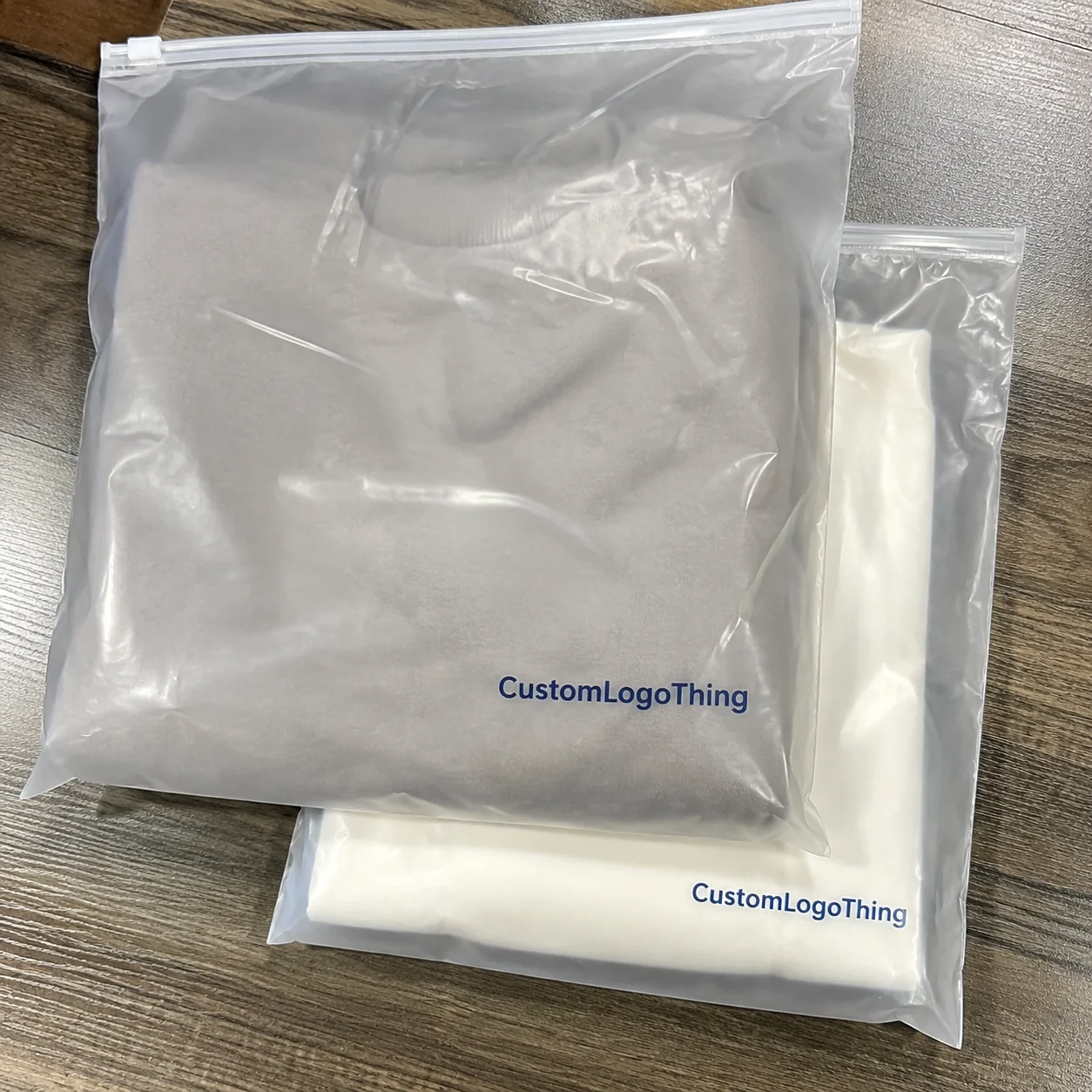
Soap Brand Window Cartons Cost: Get a Fast Quote starts with a detail that surprises a lot of first-time buyers: the soap bar itself is rarely the expensive part. Soap brand window cartons cost rises because of board grade, die-cut complexity, window material, print coverage, and the number of hands and machines touching the job before it ships. I have seen a "simple" carton jump in price after one small change to the window shape. No drama, just factory math.
From a procurement angle, a window carton has three jobs that keep tripping over each other. It has to protect the bar, show enough of the product to build trust, and carry the brand on shelf. If one of those jobs slips, the whole package starts acting like a compromise. A carton that hides too much soap can feel generic. A carton that looks premium but folds badly becomes a warehouse nuisance. The strong version does all three without making the budget wince.
The strange part is how often soap Brand Window Cartons cost moves on specs that look tiny in a mockup. Shift the opening a few millimeters, ask for heavier paperboard, or add soft-touch lamination and the quote can change more than a whole artwork refresh. That is not a sales trick. That is how converting lines, tooling, and waste actually work. Packaging never stays polite for long.
Soap Brand Window Cartons Cost: Why the Price Jumps Fast
Two soap brands can send nearly identical dimensions and still get very different pricing. I see that all the time. One asks for a clean white carton with a small die-cut opening, standard SBS board, and one-pass print. Another wants a larger clear window, thicker paperboard, matte lamination, foil on the logo, and a custom insert so the bar sits perfectly in the opening. The footprint may match. Soap brand window cartons cost does not.
Why the gap? It usually comes down to the number of manufacturing steps, the amount of setup waste, and how much precision the structure demands during assembly. A small change in window shape can mean a different cutting tool, tighter alignment, slower folding, and more inspection. None of that looks dramatic on a spec sheet. All of it shows up on the invoice.
A clear window often surprises buyers because it can be more complex than a plain printed carton. The opening has to cut cleanly, the film has to sit flat, and the glue cannot haze or bleed. If the cutout sits too close to a fold, the board weakens. If the panel is too soft, the carton loses its shape. Once that happens, production slows and soap brand window cartons cost climbs.
The soap bar itself adds another layer. Handmade bars rarely behave like machine-made products. Edges vary. Corners round differently. Weight shifts from batch to batch. A tight carton can work on one run and pinch the next. Extra tolerance, a different tuck style, or a slightly adjusted window placement often solves the problem. Those changes protect the product and keep the shelf presentation from looking awkward.
I once reviewed a launch where the brand team wanted the window centered around a carved logo on the soap. Lovely idea. The trouble was that one scent variant was a bit smaller and the bar tilted during pack-out. The fix was not expensive, but it did involve changing the insert and moving the opening upward. That tiny change saved the launch from looking, frankly, kinda sloppy.
Packaging buyers usually spend money in the same three places:
- Choosing a custom structure when a standard tuck carton would do the job.
- Adding premium finishes before the carton has proven itself in retail.
- Submitting incomplete dimensions, then paying for revisions and a second proof round.
Good packaging decisions treat the carton as both a sales tool and a production item. If the brand needs premium positioning, the carton should support that. If the launch is a straightforward retail test, the build should stay efficient. Soap brand window cartons cost ought to follow the real job, not a wish list that looks elegant in a meeting and painful in the factory.
Practical rule: once the window, board, and finish choices drift away from standard production, expect the quote to rise. That is not a penalty. It is the machine being honest.
For brands still deciding where to land, compare two versions side by side. One is the economical working spec. The other is the upgraded shelf version. That comparison makes the tradeoff visible very quickly. It also shows which part of the box is doing brand work and which part is just adding noise.
Soap Brand Window Cartons Cost Breakdown: Product Details That Matter
If you want a useful estimate for soap brand window cartons cost, the carton has to be broken into parts. Otherwise the quote is guesswork with a logo on it. The real drivers are paperboard grade, window material, glue style, folding style, print coverage, and finish. Each one affects material use and press time, and both matter.
Paperboard grade is usually the first decision. For soap cartons, common choices run from 300gsm to 400gsm SBS or C1S artboard, depending on the rigidity you want. Thicker board creates a firmer feel and stronger shelf presence, yet it also raises material cost and makes folding slightly less forgiving. Premium soap lines often justify that. Value-focused bars usually do not. Paying for extra thickness on a basic product can inflate soap brand window cartons cost without changing the buying decision on shelf.
Window material comes next. PET film is the usual choice because it is clear, durable, and familiar to merchandisers. A no-window carton is cheaper, of course, but it does not show off the soap the same way. Bigger windows cost more because they use more film and need more careful mounting. Some cartons use a decorative cutout. Others expose a wide portion of the bar. The opening size changes how the whole structure has to be engineered.
Glue style matters more than many buyers expect. A simple glued window panel is easier than a more complex attachment with multiple points. Tight edge alignment can slow the line. Slower assembly raises labor cost and hurts yield. Yield is one of the quietest drivers in packaging pricing. A job that looks straightforward on a screen can waste material if the shape or fold sequence is awkward.
Folding style changes the numbers too. Straight tuck end cartons usually run more efficiently than specialty closures. Auto-lock bottoms help certain products, but soap bars often do not need that structure unless the pack is unusually heavy or the brand wants a more elevated opening experience. If the soap is light and the carton mainly serves display needs, a well-built tuck carton is often enough.
Finish is where quotes can climb quickly. Gloss aqueous tends to be more economical than soft-touch lamination. Matte reads clean and works well for natural or artisanal brands. Foil stamping and embossing create more shelf appeal, yet they add tooling, setup, and extra handling. If luxury cues are part of the brand strategy, those upgrades can earn their place. If the design already performs through typography and restrained color, the extras may only push soap brand window cartons cost higher without adding much sales lift.
Here is a simple comparison of common pack styles:
| Packaging Style | Typical Cost Level | Best Use | Tradeoff |
|---|---|---|---|
| Plain tuck carton | Lowest | Value soap, high-volume retail | Less product visibility |
| Soap window carton | Moderate | Brands that want display appeal and product preview | Extra materials and setup raise soap brand window cartons cost |
| Printed sleeve | Low to moderate | Simple branding over a primary pack | Less protection and less shelf structure |
| Rigid carton | Highest | Gift sets and luxury launches | Strong presentation, but usually too expensive for everyday soap |
The real question is not whether a window carton costs more than a sleeve. The useful question is whether the extra shelf value earns back the unit cost. For plenty of soap brands, the answer is yes, but only when the design stays disciplined. A clear window, decent board, and sensible finish choices go a long way. The carton does not need to shout. It needs to sell the soap and survive fulfillment.
Compliance brings another detail into play: label space. Soap cartons often need ingredient text, barcodes, brand claims, and recycling language. Crowd the front panel and the design gets harder to read. That can mean a larger carton or a tighter layout. Either choice affects the die line and, by extension, soap brand window cartons cost.
If you want to see how presentation affects product packaging in practice, our Case Studies page is a useful place to compare real production outcomes against the spec sheet. It is one thing to say a finish looks premium. It is another thing to see what actually moved on shelf.
Specifications That Change Soap Brand Window Cartons Cost
There are a few specs that matter every time a soap carton is quoted. Miss one and the estimate drifts. Standardize them and you keep soap brand window cartons cost under control while making reorders easier.
1. Stock thickness. Most soap cartons sit in the 300gsm-400gsm range, but not every bar needs the same rigidity. A heavier formula, a larger bar, or a carton that travels long distances may justify thicker board. A small artisanal bar in local retail may not. Overbuilding feels safe, yet it can create unnecessary cost and reduce folding efficiency.
2. Window shape and size. A round window, oval cutout, or custom silhouette can look great. It can also add die complexity. Straight shapes usually run more efficiently. Larger windows demand more exact placement and more attention to the carton walls. Put the opening too close to a fold and distortion follows. That kind of issue quietly increases soap brand window cartons cost.
3. Print sides. One-sided print costs less than full inside-out coverage. Full bleed artwork can look polished, but it uses more ink, calls for more careful setup, and can show scuffs more easily during handling. Dark artwork or dense color coverage can be striking, yet it usually increases unit cost. If the goal is strong visual branding, put energy into the panels that matter most and keep the rest efficient.
4. Special finishes. Foil, embossing, debossing, soft-touch, spot UV, and laminate upgrades all add cost. Use them for a reason. A soft-touch surface can support a luxury positioning. Foil can lift a logo and improve recognition. If the box already does the job through structure and color, the extra effects may simply inflate soap brand window cartons cost without improving sell-through.
5. Inserts and support pieces. Some soap bars need an insert or cradle to sit properly in the window opening. That can be cardboard, molded pulp, or a folded support tab. If the bar shifts, the presentation looks careless. If the insert is too elaborate, it becomes another cost center. The simplest support that keeps the bar centered and safe is usually the right answer.
6. Labeling and compliance space. Retail soap usually needs a barcode, ingredients, business details, and enough blank space to keep the front design readable. If the artwork tries to cram too much onto one side, the carton can grow larger or require more complex planning. Either way, soap brand window cartons cost rises a bit.
Here is a practical way to think about standardization across a soap line:
- Keep the same carton width and depth wherever possible.
- Change only the artwork and scent-specific copy for each SKU.
- Use one window position across the range so tooling stays consistent.
- Choose one board grade for the full line unless a premium tier truly needs more rigidity.
That kind of consistency strengthens brand recognition, simplifies reorders, and lowers the chance of a quoting mistake. If you are launching three or four soap scents, the savings from a shared structural spec can be more useful than a flashy carton on one SKU. From an operations standpoint, simplicity is not boring. It is profitable.
For brands that care about sustainability claims, ask for paper from a certified source. FSC certification is one common signal to look for, and the standards are documented clearly at fsc.org. That does not make the carton cheaper by default, but it can help with consumer trust and retail approval. If the packaging story includes recycled content or responsible sourcing, the spec should support that honestly instead of implying more than the carton can prove.
Soap Brand Window Cartons Cost, Pricing, MOQ, and Quote Tiers
Now for the number everyone asks for first and usually should not trust first: price. Soap brand window cartons cost depends heavily on quantity, yet setup work matters just as much. MOQ is where many buyers get caught off guard. A lower order quantity can absolutely be possible, but the per-unit number usually rises because setup and press time are spread across fewer cartons.
For a practical planning range, modest custom soap window cartons often land in these rough bands:
- 500-1,000 units: roughly $0.75-$1.80 per carton, depending on size, board, and finish.
- 2,000-5,000 units: roughly $0.32-$0.78 per carton.
- 10,000+ units: roughly $0.16-$0.42 per carton for simpler specs, with premium builds higher.
Those are planning ranges, not promises. A carton with heavy coverage, specialty finish, or a large PET window can land above the top end. A simpler run with standard board and a clean layout can land below it at scale. The point is to keep fantasy pricing out of the room. Soap brand window cartons cost should be discussed in tiers, not as a single magical number.
A proper quote should spell out what is included. If it does not, you are comparing mismatched numbers and probably paying for the wrong thing. Look for these line items:
- Dieline and structural spec
- Board grade and thickness
- Window material and size
- Print method and finish details
- Proofing or sample charges
- Freight or shipping terms
- Lead time and revision allowance
Those details matter because hidden add-ons often decide the real soap brand window cartons cost. A quote that looks lower at first glance can become the expensive option once tooling, sampling, and freight are added. Buyers who focus only on the unit price often discover the missing pieces after the invoice lands.
Here is the tradeoff across quantity tiers in a more useful format:
| Order Tier | Typical MOQ Behavior | Unit Cost Pattern | Buyer Takeaway |
|---|---|---|---|
| Low run | 500-1,000 pcs | Highest unit cost | Good for launch testing, but soap brand window cartons cost is less efficient |
| Mid run | 2,000-5,000 pcs | Balanced unit cost | Often the best mix of flexibility and value |
| High run | 10,000+ pcs | Lowest unit cost | Best for stable SKUs and repeat sales |
MOQ also shifts with structure. A standard straight tuck carton is easier to run than a complex box with a shaped window and special insert. That means the MOQ can be lower on a simple job and higher on a custom one. If a supplier will not explain why, treat that as a warning sign. A useful quote should make the connection between structure and soap brand window cartons cost plain.
For brands shipping cartons in master cases and worried about transit damage, it pays to ask whether the pack has been considered for shipping stress. The ISTA testing framework is widely used for distribution-related packaging checks. Not every soap carton needs formal testing, yet the standards are helpful when a launch will move through rough handling, e-commerce fulfillment, or retail distribution with long lanes. That kind of thinking protects the budget later, because a damaged pack is not a cheap pack.
If your buyer team wants a sharper comparison, request two quotes: one with the standard finish and one with the upgrades you are considering. The gap in soap brand window cartons cost usually becomes obvious in one glance. It is much easier to decide when the numbers sit side by side instead of buried inside a vague "premium option" line.
Process, Timeline, and Production Steps for Window Cartons
A clean production process keeps soap brand window cartons cost predictable. A messy one turns small changes into budget leaks. The workflow should be simple: gather specs, confirm the dieline, review artwork, approve the proof, produce the cartons, then ship. Easy on paper. Not always easy in practice.
Step one is the brief. You need carton dimensions, soap weight, board preference, window style, print coverage, finish, and quantity. Leave out any of those and the quote rests on guesses. I would rather see a pause than a fast number built on loose assumptions. Loose assumptions are where rework starts.
Step two is dieline confirmation. This is where the structural shape gets locked. If the window needs to move, the folds need to shift, or the tuck closure has to change, this is the moment to do it. After artwork is built, changes cost more. That is one reason soap brand window cartons cost often rises after the first proof. The spec changed, not the market.
Step three is artwork review. A lot of delays happen here. Brand teams catch missing claims, legal edits, barcode placement issues, or color fixes after the artwork has already been laid out. That adds time. If the launch date is tight, approvals need to stay focused. Cleaner files mean fewer revisions.
Step four is proof approval or sampling. For standard cartons, a digital proof may be enough to check copy and panel placement. For a new window structure, a physical sample is often worth the extra time. It shows how the window aligns, whether the bar sits correctly, and whether the board feels like the brand promised. If the carton is supposed to support a premium unboxing experience, skipping the sample is usually a mistake.
Step five is production. This is where lead time varies most. A standard soap window carton with simple print can move in roughly 12-18 business days after proof approval, depending on factory schedule and quantity. More customized jobs often take 18-30 business days, especially when special finish, inserts, or a complex window are involved. Rush schedules may be available, but rush work usually pushes soap brand window cartons cost higher.
Step six is shipping and pack-out. Even a good carton needs to survive the trip. If the cartons go into outer cases and then through a warehouse, ask about stacking, humidity, and case configuration. Paperboard likes to behave like it is sturdier than it is. It is not steel. It can curl, scuff, or crush when pack-out is careless.
Delays usually come from three places:
- Unclear dimensions that force a dieline redo.
- Artwork revisions that keep changing the layout.
- Late decisions on finish, window shape, or board grade.
Here is the blunt version: every extra revision adds time, and time affects soap brand window cartons cost. If a project is on a hard launch calendar, keep the team focused on the choices that matter most. Brands often spend days debating a finish that a shopper will notice for three seconds. That is a poor use of energy.
For launch planning, it helps to decide early whether the carton is a short-run market test or a long-term packaging system. Short-run test packs can justify a higher unit cost because they are proving demand. Long-term SKUs should be built for consistency, repeatability, and reorder efficiency. Different business goals. Different pricing logic.
If you want to see how packaging decisions translate into finished work, the project examples in our Case Studies section show the difference between a spec that looked good in theory and one that held up in production. That is usually where the most useful lessons live.
Why Choose Us for Soap Brand Window Cartons
The best reason to choose a supplier for soap brand window cartons cost is not hype. It is clarity. A good partner should give you a quote you can actually use, not a vague estimate dressed up as strategy. That means the dimensions are clean, the finish is explained, the MOQ is real, and the production details match what the factory can actually deliver.
At Custom Logo Things, the practical value sits in the details that keep projects moving. Window alignment matters. Board consistency matters. Print accuracy matters. Those are the factors that affect shelf appeal and brand consistency far more than a polished sales pitch. A carton that looks good in a render but misfolds in production is not a win. It is a refund waiting to happen.
We also pay attention to the kinds of soap lines buyers actually launch: handmade bars, bath collections, gift sets, seasonal scents, and value packs for retail shelves. Those categories do not all need the same structure. An artisanal bar may benefit from a clear window and a warm tactile finish. A mass retail bar may need the cheapest viable spec that still supports brand recognition and protects the product. A luxury set may justify foil, heavier board, and tighter presentation control.
That range matters because customer perception changes quickly in this category. Soap is a simple product. Packaging creates the first impression. If the box feels flimsy, the brand feels flimsy. If the print looks sloppy, the line reads careless. If the cartons stay consistent across SKUs, the line looks organized and intentional. Soap brand window cartons cost should reflect that reality instead of fighting it.
We also keep quoting grounded. If a spec can be simplified without hurting the launch, we say so. If a premium finish will lift shelf presence enough to justify the spend, we say that too. Nobody needs a fairy tale about packaging. They need numbers, options, and a straight answer.
That approach helps brands compare suppliers too. Ask for the exact board grade, the exact window treatment, the exact lead time, and the exact freight assumptions. If one quote leaves those out, it is not cheaper. It is simply less complete. In procurement, incomplete quotes are a fast way to waste time.
If you need proof that structure and finish can change the retail outcome, browse our Case Studies again and look at how the same product can read completely differently once the packaging spec is tightened up. That is the gap between a box that fills space and a box that helps sell product.
For brands serious about environmental claims, it also helps to understand how recycled content, certifications, and shipping behavior affect the overall package story. The EPA has useful packaging and waste reduction guidance at epa.gov. A carton does not need to be perfect, but it should not contradict the brand story either.
Next Steps to Compare Soap Brand Window Cartons Cost
If you want an accurate quote, send the basics upfront: carton dimensions, soap size, quantity, board preference, window shape, print sides, finish, and whether you need samples. That alone tightens soap brand window cartons cost far more than a long back-and-forth built on guesses. Clear inputs save money. Vague inputs buy chaos.
Then compare at least two versions. One should be the budget-minded build. The other should be the shelf-upgrade version. That side-by-side view makes the tradeoffs obvious. You will see exactly what a thicker board, a larger window, or a better finish adds to the unit cost. Sometimes the premium version earns its keep. Sometimes it is just expensive decoration.
For launches where fit or window shape really matters, ask for a sample or prototype before full production. A physical sample is not wasted time if it prevents a bad run. Catching a problem in proof is far cheaper than discovering it after 5,000 cartons are printed. That is not theory. That is everyday packaging math.
Use this quick checklist before you request pricing:
- Exact dimensions of the carton and soap bar
- Target quantity and any expected reorder volume
- Window style, size, and placement
- Board thickness and finish preference
- Artwork file status and approval timeline
- Shipping destination and deadline
That checklist keeps soap brand window cartons cost predictable and helps the quote come back in a form you can compare. It also lowers the chance that the team will approve one spec and receive something slightly different because the brief was loose.
My practical advice is simple: do not chase the cheapest number unless the carton has little or no role in the brand story. For most soap brands, the carton is part of the product experience. It shapes visual branding, unboxing, and the way the line feels on shelf. If the packaging is doing real work, judge the quote on value, not just the bottom line.
Send the specs, confirm the MOQ, review the proof carefully, and lock the build once the details are right. That is how you keep soap brand window cartons cost under control without turning the project into a headache. Clean input. Clean quote. Clean production. Funny how often that still counts as good service.
What affects soap brand window cartons cost the most?
The biggest cost drivers are carton size, paperboard grade, window size, print coverage, and finishing choices. Higher quantities usually lower the unit cost because setup is spread across more boxes. That is the basic math behind soap brand window cartons cost, and it does not get much friendlier than that.
What MOQ should I expect for custom soap brand window cartons?
MOQ depends on the structure and print method, but smaller custom runs usually cost more per unit. Ask for tiered pricing so you can see how the unit price changes at different quantities. That makes soap brand window cartons cost easier to compare and helps you decide whether the launch should be a test run or a full production order.
Do window cutouts make soap cartons more expensive?
Yes, window cartons usually cost more than closed cartons because they add materials, cutting steps, and assembly complexity. The exact impact depends on window size, shape, and whether a clear film is needed. If the cutout is small and simple, the increase is modest. If it is large or decorative, soap brand window cartons cost climbs faster.
How long does it take to produce soap brand window cartons?
Timeline depends on proof approval, spec complexity, and order size. Standard builds move faster; custom windows, special finishes, and revision cycles add time. A clean brief and fast artwork approval can shave days off the schedule. A messy file can do the opposite and push soap brand window cartons cost higher through rush charges or extra revisions.
What should I send to get an accurate quote?
Send dimensions, quantity, board preference, print details, window style, and whether you need samples. If you want a clean comparison, ask for pricing with and without upgrades so you can see the cost difference clearly. That is the fastest way to get a useful answer on soap brand window cartons cost without wasting time on back-and-forth guesses.
Final thought: the strongest soap packaging fits the product, fits the brand, and fits the budget. Get those three aligned, and soap brand window cartons cost stops feeling like a headache and starts looking like a sensible business decision. The smartest move is usually the one that keeps the carton honest, the bar visible, and the price in range.