Soap Brand Paper Shopping Bags Cost: Get a Fast Quote
Soap brand Paper Shopping Bags cost is usually decided by structure and order size long before anyone argues over artwork. That surprises a lot of buyers. A neat logo helps, sure, but the real price is shaped by bag dimensions, paper weight, handle style, finish, and whether the carrier has to survive a retail counter, a delivery box, and the customer’s first glance all at once.
From a packaging buyer’s point of view, the bag is doing three jobs simultaneously: carrying weight, protecting the product, and acting like moving shelf space. If it misses even one of those jobs, the cost shows up later as damaged goods, weak perception, or an underwhelming unboxing moment. That is why soap brand paper shopping bags cost should be judged against real use, not a low per-piece number stripped of context.
Think about three ordinary orders. A single wrapped bar for a farmers market. A two- or three-bar gift set for boutique retail. A seasonal bundle with tissue, a postcard, and a small add-on bottle. Those are different packaging problems, and they should not produce the same quote. The right bag supports brand identity, protects margin, and keeps recognition alive every time it leaves the shop.
Soap Brand Paper Shopping Bags Cost: The Retail Reality
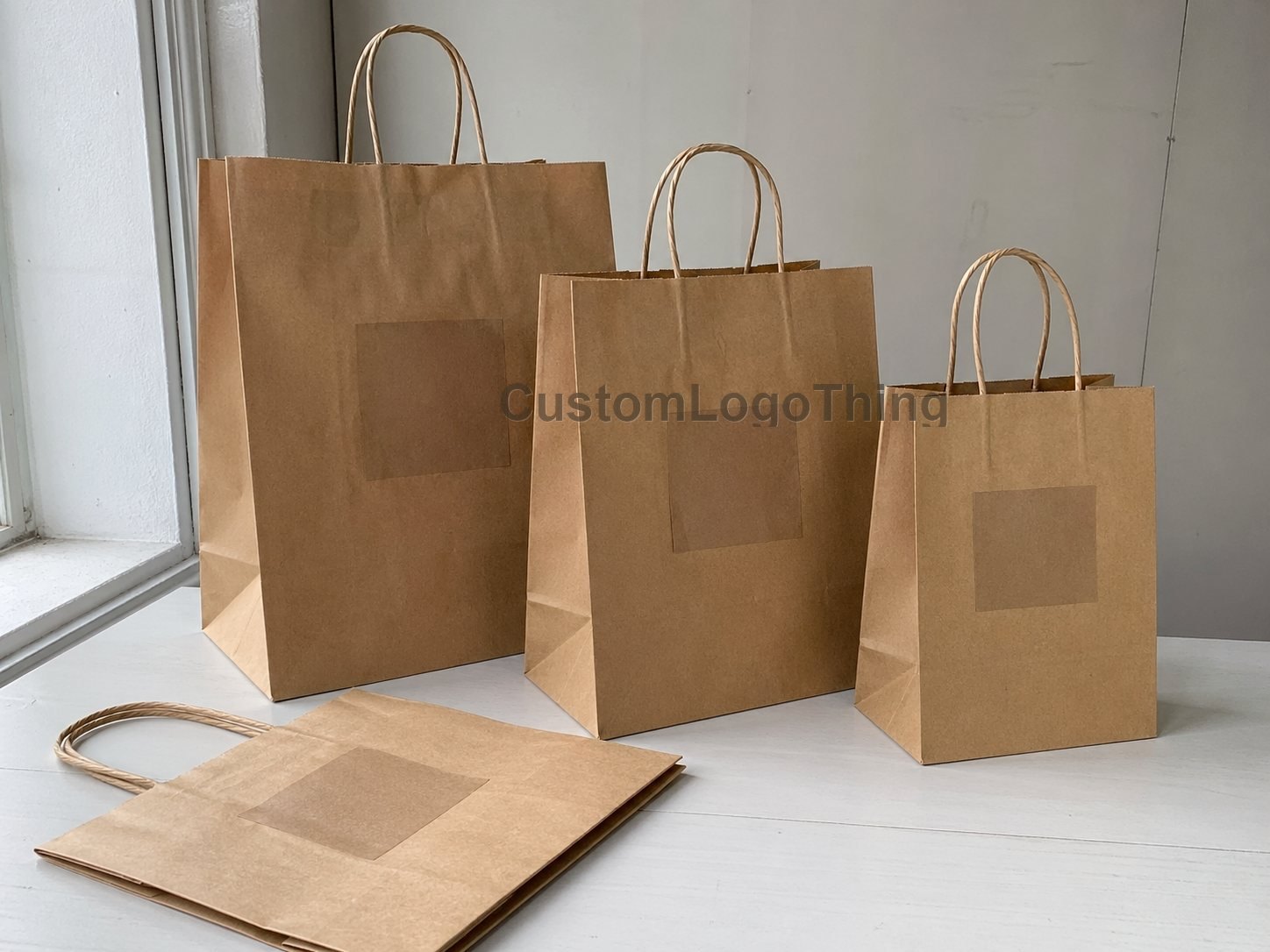
Many buyers learn this after the first order: soap brand paper shopping bags cost is rarely driven by logo printing alone. A one-color print can be affordable, while a stronger base, better handle attachment, and a more exact size often move the price much more. In practice, structure usually outweighs artwork.
A soap bag has to be useful before it can be attractive. If the handle tears, the bottom sags, or the product shifts inside the carrier, the brand pays for it in ways that never appear on the first quote. That matters because soap often carries a healthy margin, yet retail margin disappears fast when returns, crushed corners, and poor first impressions start stacking up.
There is a branding angle here that gets underestimated. The bag keeps moving after the sale. It leaves the store, rides through town, lands in a customer’s home, and sometimes shows up in social feeds. That makes it part of visual branding, not just transport. Good paper carriers can reinforce brand consistency in a way plain tissue never will.
For a single wrapped bar, a light kraft carrier may be enough. For a gift set, the bag needs a wider opening, stronger board, and usually a more dependable handle. For a multi-pack, structure becomes the story. The quote rises because the bag has to work harder. That is not markup; that is physics.
- Single bar: smaller size, lighter paper, lower unit cost, modest carry weight.
- Gift set: wider gusset, stronger base, better handle, more premium finish.
- Multi-pack: reinforced construction, tighter tolerances, and a higher focus on transit performance.
Soap brand paper shopping bags cost should also be measured against damage prevention. A slightly stronger bag can reduce dropped purchases, crushed product boxes, and the impression that a brand cut corners. When the bag feels premium and survives the trip home, it does more than carry soap. It protects revenue.
For brands comparing retail packaging options, the smarter question is not “What is the lowest price?” It is “What structure gives me the lowest total landed cost after freight, handling, and product protection?” That is a more honest way to look at soap brand paper shopping bags cost, because the cheapest quote can become the most expensive outcome.
Product Details That Shape Soap Brand Paper Shopping Bags
The main bag styles soap brands order most often are simple on paper, yet each one carries a different cost profile and retail use case. Bag style is one of the first things that affects soap brand paper shopping bags cost, because every handle and structural change adds material or labor somewhere in the build.
Flat-handle bags are the budget-conscious choice. They fit market stalls, community events, and lighter soap packs. They do the job, but they do not always deliver the premium feel boutique retail expects. Twisted-handle bags sit higher on appearance and strength, and they are common for everyday retail because they are familiar, sturdy, and easy to stack.
Rope-handle bags lean into premium positioning. They cost more because the handle assembly is more involved and the presentation is richer. For gift sets, holiday bundles, and soap lines that sell on shelf appeal, that extra spend can make sense. No-handle retail carrier bags can work for in-store handoff or inner-pack applications, but they are not right for every point of sale.
Paper selection changes both the look and the bill. Kraft usually leads on value and fits handmade soaps, botanical brands, and earthy visual identities. White kraft feels cleaner and brighter, which can help a label built around strong typography or color accents. Art paper and laminated stock create a more polished retail finish, but they also raise soap brand paper shopping bags cost because the materials and finishing are more intensive.
Recycled stock has become common, especially for brands that want a clearer sustainability story. The tradeoff is surface variation. Recycled paper can feel less uniform in tone and texture. That is not a flaw if the brand welcomes the character. It becomes a problem only when the brand expects coated-board performance while paying recycled-kraft pricing.
Customization matters most at the points where the bag meets real use:
- Bottom gusset: adds stability for boxed soap sets and keeps the bag from collapsing.
- Side gusset: improves volume and helps the bag fit bundled products without distortion.
- Reinforced mouth: improves carrying strength and helps prevent handle pullout.
- Insert board: useful when the bag has to support multiple bars or heavier add-ons.
The best bag is not the most decorated one. It is the one that fits the soap package without dead space, crushing, or wasted material. A bag that is too large can look empty and cheap. A bag that is too tight creates wrinkles and stress points. Either mistake can distort customer perception before the customer even sees the product.
That is why the design brief matters. The paper shopping bag should support the soap package, not fight it. A brand that gets that right usually sees better shelf behavior, fewer complaints, and a cleaner unboxing experience once the customer gets home.
Specifications That Keep Soap Packaging Retail-Ready
Before anyone asks for pricing, the core specs need to be locked. That sounds basic, but it is where many quotes go off track. If the length, width, gusset depth, handle style, paper thickness, and print coverage are not clear, soap brand paper shopping bags cost will swing from vendor to vendor and never settle into a meaningful comparison.
The first spec is size. A soap bag should fit the finished pack-out, not just the naked bar. If the soap is wrapped in paper, boxed, sleeved, or paired with tissue and a card, those dimensions matter. The second spec is weight capacity. Handmade soaps can be deceptively dense, and a gift set can grow heavy enough to need a reinforced base or a thicker board insert.
For everyday retail bags, many buyers start around 100-157 gsm kraft paper, depending on size and handle style. Heavier bundles may require thicker stock or laminated construction. If the bag is carrying several bars, a bottle, or a gift assortment, it is worth checking whether the design has been thought through with transit stress in mind. For supply chains that care about durability, it is reasonable to ask whether testing follows ISTA-style distribution thinking or whether the pack has been evaluated against standards such as ISTA or related distribution test methods.
Buyer reality: the bag is not decoration. It is a load-bearing part of the retail package, and load-bearing parts should be specified with the same care as print.
Functional upgrades can justify their cost when the brand plans repeat retail use:
- Reinforced handles: reduce pullout risk and support heavier soap sets.
- Thicker bases: help the bag sit flat at checkout and in transit.
- Moisture resistance: useful when the bags may face humid storage or damp retail counters.
- Scuff-resistant finishes: protect white bags, dark inks, and detailed logos from abrasion.
Print decisions affect both image and cost. A one-color logo on kraft can feel understated and premium if the typography is strong. Full-bleed artwork, multiple spot colors, inside printing, or detailed registration pushes soap brand paper shopping bags cost upward, but sometimes that rise is justified because the bag becomes part of the product story rather than a generic carrier.
Barcode placement is another detail worth getting right. If the bag is used at retail checkout, the code should be easy to scan and not interfere with the brand mark. The same is true for campaign language and seasonal messaging. The best bag communicates quickly. It does not force the customer to work for the information.
Sustainability claims should be checked before quoting. If the brand wants recycled content, FSC-style sourcing, or recyclable construction, the supplier should be able to state exactly what is being used and what is not. For buyers comparing claims across vendors, the FSC system is a useful reference point, and the EPA Sustainable Materials Management resources can help frame the wider environmental conversation without turning the quote into a marketing guessing game.
Soap Brand Paper Shopping Bags Cost, Pricing, and MOQ
Now to the number everyone really wants. Soap brand paper shopping bags cost is built from several layers: raw material, printing setup, handle assembly, finishing, packaging, freight, and sometimes tooling or plate charges. That stack explains why two bags that look similar on screen can land at very different prices in a quote.
MOQ changes the math immediately. A short run carries more setup cost per bag because the factory still has to prepare paper, print, cut, fold, glue, and pack the order. Larger runs spread those fixed costs and usually reduce unit cost. That is why a buyer asking for 500 bags and a buyer asking for 5,000 bags are not shopping in the same price bracket, even if the artwork is identical.
Blank bags are the cheapest path, but they can also feel generic. A printed bag usually lifts brand recognition and improves the unboxing experience, which may justify the extra spend. The trick is knowing where the money goes. If the artwork is simple, a branded kraft bag can often deliver a strong retail look without pushing soap brand paper shopping bags cost into luxury territory.
Here is a practical comparison of common options. The figures below are typical factory ranges for retail-sized soap carriers and vary by size, country of origin, paper spec, freight, and print coverage. They are directional, not a promise, and any supplier worth trusting should say the same thing out loud instead of pretending every order behaves the same.
| Bag Option | Typical MOQ | Typical Unit Price | Best Use Case | Main Cost Drivers |
|---|---|---|---|---|
| Blank kraft flat-handle bag | 500-1,000 pcs | $0.18-$0.32 | Markets, basic retail handoff | Paper weight, size, handle glue |
| Printed twisted-handle kraft bag | 1,000-3,000 pcs | $0.24-$0.48 | Everyday soap retail, boutique shelves | Print colors, size, reinforcement |
| Premium rope-handle art paper bag | 500-2,000 pcs | $0.78-$1.60 | Gift sets, seasonal launches, premium lines | Lamination, handle type, finishing |
| Recycled reinforced carrier bag | 1,000-5,000 pcs | $0.26-$0.55 | Eco-led brands, heavier bundles | Board inserts, reinforcement, recycled stock |
That table makes one thing obvious: the same soap brand paper shopping bags cost can shift sharply depending on paper grade and handle style. A rope handle can add more than a simple logo ever will. A reinforced base can raise the number a little, but it may also reduce breakage and protect the sale. That is why buyers should not compare quotes by unit price alone.
Special finishes matter too. Soft-touch lamination, spot UV, hot foil, embossed logos, and interior printing all improve shelf impact, but they also create setup complexity. If a supplier gives you an unusually low price on a premium finish, ask what is missing. Sometimes the missing piece is reinforcement. Sometimes it is freight. Sometimes it is quality control. The quote should be read line by line, not admired from a distance.
Ask for line-item pricing whenever possible. A clean quote should separate material, print, handle, finishing, packing, and shipping. That lets a buyer compare soap brand paper shopping bags cost across vendors on the same spec, which is the only fair comparison. A lump-sum quote hides too much.
Here is the simplest buying rule: if the bag is meant to protect margin, the quote should show how it protects margin. If the bag is meant to build brand identity, the quote should show which visual and structural choices support that job. Otherwise, soap brand paper shopping bags cost becomes a vague number instead of a purchasing tool.
Process, Timeline, and Lead Time From Quote to Delivery
A fast quote starts with complete information. That is not a sales line; it is how production actually works. Once the supplier has dimensions, quantity, paper choice, handle style, and artwork details, soap brand paper shopping bags cost can usually be quoted much more accurately, sometimes the same day or within one business day.
The production path is usually predictable: inquiry, spec review, artwork check, proof approval, sampling if needed, manufacturing, inspection, packing, and shipment. Each step can add time if something is missing. A missing dieline can stall the proof. A blurry logo file can stall print setup. A special finish can stall sourcing. If the brief is clean, the schedule tends to move cleanly too.
Typical timelines depend on complexity. A standard retail paper bag order can often move from proof approval to production in about 12-20 business days. Sampling may take 5-7 business days, depending on the structure and finish. Freight then adds its own clock, with air shipping moving much faster than ocean freight but at a higher cost. That freight piece should always be considered part of soap brand paper shopping bags cost, not an afterthought.
Rush orders are possible in some cases, but they bring tradeoffs. A faster schedule can reduce finish options, tighten artwork windows, and raise the price. The real accelerator is buyer readiness. When the dimension sheet, logo files, and quantity are ready, the supplier can spend time solving problems instead of chasing information. That is the part people forget, and it is kinda the difference between a smooth order and a frustrating one.
Here are the delays most buyers underestimate:
- Artwork revisions: even small text changes can restart proof cycles.
- Missing sizes: product dimensions are not the same as package dimensions.
- Special sourcing: custom paper tones and finishes can add lead time.
- Approval lag: a day lost on proof review can become a week lost in the schedule.
Lead time matters for another reason. Soap brands often launch seasonally. A holiday run, spring scent collection, or limited-edition set has a narrow selling window. If the packaging shows up late, the missed opportunity can cost more than the packaging itself. That is why planning soap brand paper shopping bags cost and timeline together is smarter than treating them as separate conversations.
If the order sits inside a broader retail refresh, it helps to review the manufacturer’s past work and process standards. Our Case Studies page is a useful place to see how different bag structures and print choices solve different retail problems. If you are ready to move, the fastest next step is usually a short specification brief and a proof review, not a long back-and-forth about vague ideas.
Quality checks should not be skipped for speed. A bag that arrives with misregistered print, weak glue, or uneven folds costs more than the days saved. Honest production partners protect the order by checking those details before shipment. That discipline is one reason soap brand paper shopping bags cost is best treated as a controlled process, not a gamble.
Why Choose Us for Custom Soap Packaging
Soap brands do not need hype. They need accurate quoting, clear specs, and packaging that behaves the way it was promised to behave. That is the standard we try to keep at Custom Logo Things. When the brief is clear, the quote should be clear too, and soap brand paper shopping bags cost should not shift after approval unless the spec changes.
What matters most for a soap line is consistency. The bag should cut cleanly, print cleanly, and hold its shape across reorder cycles. That is especially important for small and scaling brands that cannot afford packaging drift from one batch to the next. Brand consistency is not a theory; it is what customers notice when they reorder and the experience feels familiar.
We also see a common buyer mistake: trying to save too hard on the carrier and ending up with a packaging piece that weakens the product story. A good soap bag should support margin, not crush it. That can mean choosing a simpler paper with a smarter finish, or a stronger bag with fewer print colors. The right answer depends on the brand’s position, but the point is the same: control soap brand paper shopping bags cost without making the package look thin or forgettable.
Most useful supplier behavior: explain the tradeoff, show the spec, and quote the real landed number before the order starts.
Support matters too when a brand has seasonal changes. A winter gift set may need a larger gusset. A spring launch may need a brighter tone or a different handle. A supplier who can adapt without turning every change into a new project saves time and preserves brand identity. That kind of practical flexibility is what keeps reorders manageable.
If you want to compare examples first, our Case Studies page shows how packaging choices affect presentation, handling, and buyer response. If you are ready to Request a Quote, use the contact form on our contact page so the team can check dimensions, artwork, and shipping details before pricing.
The strongest packaging partners do one thing consistently: they make the quote match the order. That is the difference between a packaging vendor and a real production partner. For soap makers that sell on feel, presentation, and repeat purchase, that difference is not minor. It shapes soap brand paper shopping bags cost, yes, but it also shapes how the brand shows up in the market.
Next Steps: Build an Accurate Quote Brief
If you want a quote that is actually useful, send the five inputs that matter most. That is the fastest way to keep soap brand paper shopping bags cost honest and comparable across vendors.
- Bag size: finished dimensions, not just product dimensions.
- Quantity: exact MOQ target and any reorder expectation.
- Paper stock: kraft, white kraft, recycled, art paper, or laminated stock.
- Handle style: flat, twisted, rope, or no-handle carrier.
- Print requirements: color count, inside print, coating, foil, embossing, or scuff resistance.
Send product photos if you have them. Better yet, send the soap pack-out dimensions and the total carry weight. A wrapped bar is not the same as a boxed duo. A gift set with tissue and a card is not the same as a plain pouch. The more the supplier can see, the more precisely soap brand paper shopping bags cost can be tied to the actual retail use.
Ask every vendor to show sample, proof, and shipping details separately. That makes comparison possible. It also exposes hidden costs before they turn into surprises. If one supplier is lower on unit price but higher on freight, or if another supplier is cheaper because the handle is thinner, the difference becomes visible right away.
A simple action plan works best: confirm specs, review the proof, approve a sample if needed, then schedule production and freight. That sequence protects time and keeps the order under control. It also reduces the risk of rework, which is the easiest way to turn a good quote into a bad purchase.
Soap packaging should be predictable. The best packaging buys do not feel dramatic; they feel controlled. When the brief is tight, soap brand paper shopping bags cost becomes a number you can budget against instead of a moving target you have to chase.
FAQ
What affects soap brand paper shopping bags cost the most?
Bag size and paper weight usually move pricing first because they change material usage. Handle style and reinforcement add labor and assembly steps, especially on heavier packs. Print coverage, color count, and special finishes can add setup charges and raise unit cost. If you are comparing quotes, ask for the same spec on every line so the numbers are real comparisons, not apples-to-oranges estimates.
How does MOQ change soap brand paper shopping bags cost per unit?
Lower MOQs spread setup costs across fewer bags, so the unit price rises. Higher MOQs usually reduce the per-bag price because production and print setup are diluted. The best comparison is total landed cost, not just the quoted factory price. Freight, packaging, and handling can shift the final number more than buyers expect, especially on small runs.
Which paper bag style is best for handmade soap brands?
Twisted-handle kraft bags work well for everyday retail and markets because they are sturdy and familiar. Rope-handle or reinforced bags suit premium gift sets and heavier bundles where presentation matters more. If the soap is light and the budget is tight, a simpler bag with strong branding can be enough. The right answer depends on weight, retail channel, and how premium the customer should feel the product is.
How long is the lead time for custom soap brand paper shopping bags?
Lead time depends on artwork approval, stock availability, and order quantity. Standard jobs move faster when the dieline, logo files, and quantity are ready up front. Rush options may be possible, but they usually cost more and limit finish choices. Sampling can add several business days, and freight should always be factored into the delivery window.
What should I send for an accurate quote on soap brand paper shopping bags?
Send finished bag dimensions, target quantity, and the soap pack weight or contents. Include paper preference, handle style, print colors, and any coating or reinforcement request. If possible, send a sample photo or reference bag so the supplier can match the retail look. The more specific the brief, the more predictable soap brand paper shopping bags cost becomes, and the less likely the order is to change after approval.
If you want the quote to be fast, accurate, and easy to compare, send the bag dimensions, quantity, paper choice, handle style, and print requirements together. That is the cleanest way to pin down soap brand paper shopping bags cost without wasting time on revisions, and it is the surest path to a retail package that supports the brand instead of fighting it.


