A tea carton can look refined on a screen and still fall apart the moment someone inserts a pouch, stacks a case, or pulls it from a retail shelf under bright lights. That is why Tea Brand Window Cartons sample approval is never a formality. It is the point where fit, stiffness, window placement, and print reality stop being assumptions and start being facts.
Many expensive problems do not start with bad artwork. They start with a window that sits 3 mm too low, a tuck flap that resists closure, or a board grade that feels fine in a mockup and then behaves like weak cereal packaging once it is folded. I have seen a carton look perfect on the bench and still act kinda stubborn once a real tea pouch went in. A careful tea Brand Window Cartons sample approval process protects brand identity, brand consistency, and the unboxing experience before the job moves into plates, tooling, and a full production run. That is the real value: reduce risk before the expensive part begins.
Tea Brand Window Cartons Sample Approval: What Usually Surprises Buyers
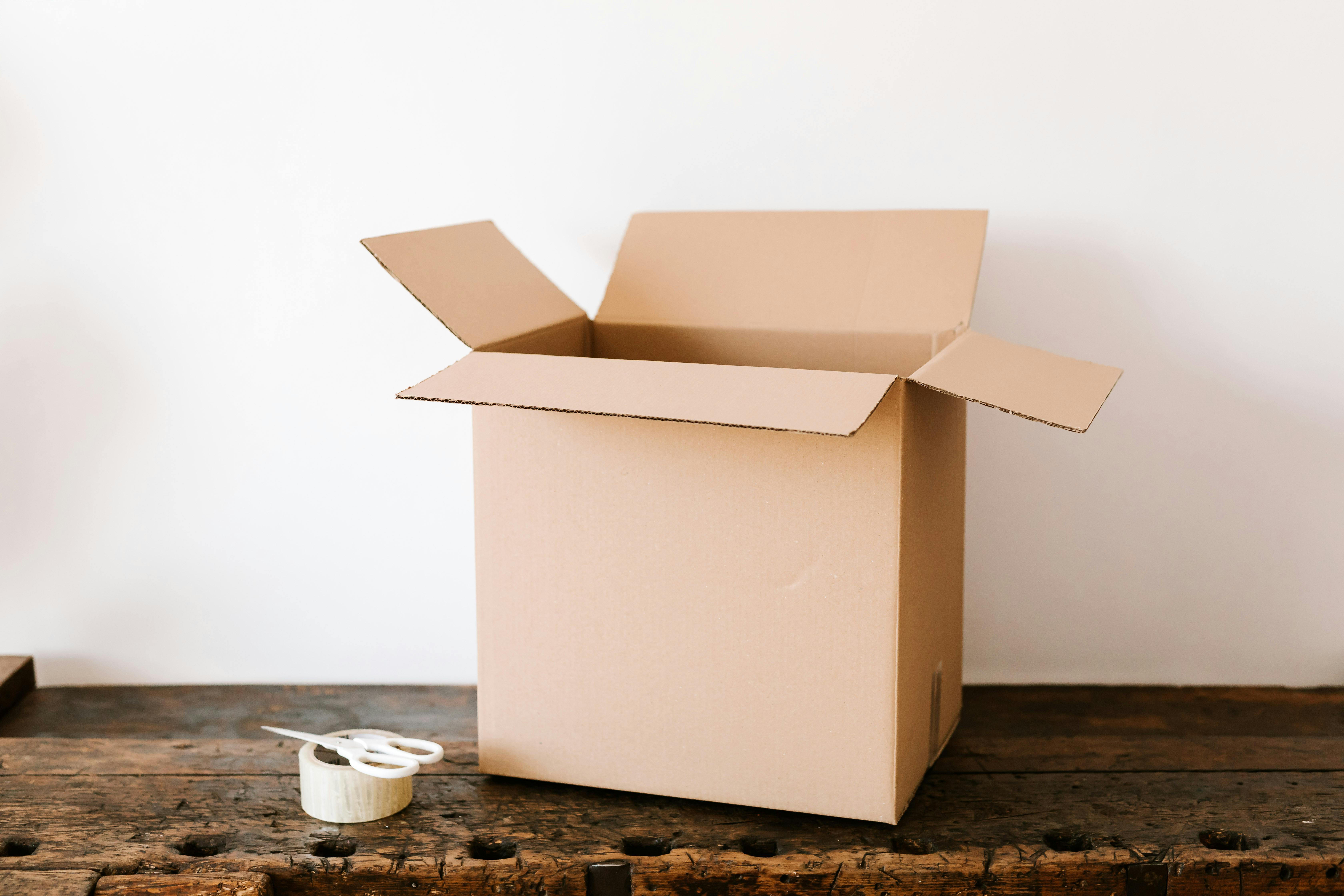
The first surprise is almost always physical. Buyers often expect tea brand window cartons sample approval to focus on color, logo placement, and whether the foil looks polished. Those elements matter, but the larger failures usually sit in the structure. A carton can look sharp on a proof and still pinch the pouch, reveal a window that is slightly off-center, or collapse at the side seam after it is stacked for shipping.
Each carton has three jobs: protect the tea, sell the tea, and survive handling. If it only manages one of those, it is not ready. The window has to frame the product in a way that supports visual branding and brand recognition. If the cutout exposes a wrinkled pouch or a crooked fill line, customer perception drops quickly. Retail buyers notice it. Consumers notice it too. They may not say, “The die line is off by 2 mm,” but they will feel that the brand looks cheap.
The second surprise is how much trouble begins with something tiny. A 1 mm shift in the window die can throw off the entire front panel. A board that is 20 gsm lighter than expected can make a flap spring open. A glue flap that is too narrow can pass on a sample and still fail once humidity changes. That is why tea brand window cartons sample approval should never be treated like a ceremonial sign-off. It is a risk control step, plain and simple.
Another common misunderstanding is that digital artwork tells the whole story. Screens do not show structure. They do not show how the carton behaves when the tea pouch is inserted, rotated, or pressed into a master case. They do not show whether window film catches light in a way that hides product shape. They certainly do not show whether a self-lock bottom will slow the packer down on a busy line.
I tell buyers to separate three questions during tea brand window cartons sample approval: Does it look right? Does it fit right? Does it survive use? If any one of those answers is no, the job is not done.
A sample that looks polished while empty is only half the story. Once the tea pack goes in, the truth shows up fast.
For brands that care about shelf appeal, the window itself is strategic. It adds transparency, which can make the product feel both natural and premium. That same transparency also exposes flaws. That tradeoff is built into the design. A window carton can lift brand perception when everything aligns, and it can weaken it when the pouch is crooked or the print drifts across the crease. That is why tea brand window cartons sample approval needs the real product, not just the carton shell.
If you want a broader view of how structural problems surface across carton work, our Case Studies page is useful. The pattern repeats often: the first draft looks fine, the hand sample catches the issue, and the buyer suddenly sees why structural approval matters more than a pretty mockup.
Tea Brand Window Cartons Sample Approval: Process and Timeline
The approval flow is usually straightforward when nobody tries to hurry it. A disciplined tea brand window cartons sample approval process moves through five stages: dieline review, artwork proof, blank sample, decorated sample, and final sign-off. Each stage answers a different question. Skip one, and you are guessing instead of approving.
1. Dieline review. This is where carton size, tuck orientation, window placement, and glue flap dimensions are checked against the tea pack dimensions. If the pack is 80 x 50 x 180 mm, the box should not be drawn around a vague “about that size” estimate. The dieline is the structure, so this is the place to catch problems before they become costly.
2. Artwork proof. This stage confirms print layout, copy, barcode placement, ingredient panel space, and any regulatory text. A proof can tell you whether the logo is centered and the claims are readable. It cannot tell you whether the carton feels stiff enough in the hand. That is the classic trap in tea brand window cartons sample approval: people mistake the proof for the sample. It is not the same thing.
3. Blank sample. This is the first physical check of shape and fold behavior. Here, you are looking at board thickness, panel memory, tuck fit, and whether the carton locks properly. If the glue flap puffs, the side seam telegraphs, or the bottom refuses to sit flat, the sample has done its job by revealing a structural issue early.
4. Decorated sample. This is the real test. The carton carries the printed art, finishes, window film, and any special treatment such as soft-touch lamination, matte varnish, embossing, or foil. Once the decoration is on, you can judge brand consistency and shelf presence. At this point, tea brand window cartons sample approval becomes a brand exercise as much as a packaging one.
5. Final sign-off. This should happen only after the approved sample is matched against the final dieline and artwork files. If the supplier changes the board grade, shifts the window, or swaps the adhesive without telling you, the signed record is your protection. Keep the records. Always.
Timeline-wise, simple proofing can happen in 24-48 hours if the files are clean. A blank physical sample often takes 3-5 business days to build. A decorated sample usually adds another 5-10 business days, depending on finish complexity and whether the window needs a custom die. Add shipping time if the sample is crossing borders. That can easily add 3-7 business days each way. So a realistic tea brand window cartons sample approval cycle is often 10-20 business days, and longer if revisions stack up.
Where do delays usually happen? Three places: late artwork changes, missing legal text, and waiting for a physical sample to travel. The first is self-inflicted. The second is avoidable. The third is just logistics, which means you should plan around it instead of acting surprised when a sample does not teleport across customs. If a buyer wants speed, the smart move is to freeze the brief early and keep the approval owner aligned. That keeps tea brand window cartons sample approval from becoming a moving target.
For buyers comparing packaging standards, the transport side matters too. If the carton will ship in cases and face vibration or drops, it helps to understand basic transit testing references like the ones used by the International Safe Transit Association. That does not mean every tea carton needs a full lab program. It means the sample should be checked against the actual risk, not wishful thinking.
When brands use FSC-certified board, the supplier should also confirm the paper source clearly. That is not a decorative detail. It affects sourcing claims, customer trust, and sometimes retailer acceptance. Tea brand window cartons sample approval should include that paper trail too.
What Makes a Window Carton Approval Worthy
A carton is approval-worthy when it passes three tests at once: visual, structural, and compliance. Miss one, and the approval is incomplete. That is the blunt truth behind tea brand window cartons sample approval. A pretty carton that fails the packer is a bad carton. A strong carton with a misplaced window is also a bad carton. A compliant carton with muddy print and poor finishing is still not ready.
On the visual side, check the window alignment first. Is the cutout centered on the face panel? Does it frame the tea pouch the way the brand intended? Does the product show clearly without exposing seams, wrinkles, or a cloudy patch of film? The best window designs let the product support the brand identity instead of competing with it. That balance matters because the window is often the first thing a shopper notices.
Color accuracy comes next. Tea brands often use earthy tones, soft neutrals, or botanical accents. Those are easy to get wrong if the proofing device is off or the stock absorbs ink differently than expected. If the carton uses a kraft look, the print will behave differently from a bright white SBS board. A good tea brand window cartons sample approval compares the sample against the approved color target, not a memory of what felt right in a meeting.
Then there is finish consistency. Soft-touch lamination should feel even, not patchy. Matte varnish should not streak. Foil should stay crisp at the edges, especially near the window where the shape already pulls attention. If the finish looks uneven on the sample, the full run will not correct itself later.
Structural checks are just as important. Measure the board thickness. Common folding carton stock for tea packaging often sits around 250-350 gsm, though the exact range depends on size, fill weight, and whether the brand wants a premium hand feel. If the carton is tall or the tea pouch is heavy, the board needs enough stiffness to stay upright on shelf and in transit. In a tea brand window cartons sample approval, that stiffness is something you feel the moment you hold the box.
Tuck strength matters too. A top tuck that is too loose will pop during handling. A bottom tuck that is too tight can slow down packing and frustrate operations. Glue flap behavior matters as well. If the flap lifts, peels, or telegraphs through the print, the job needs another pass. I have seen buyers approve a decorated sample because the front looked beautiful, then regret it later because the side seam was ugly enough to weaken the whole shelf presentation. Not a great trade.
Compliance checks are where a lot of brands get careless. Barcode placement needs enough quiet space around it. Ingredient panels need real room, not “we can squeeze it in.” If the tea has caffeine warnings, origin claims, or recycling notes, those must be placed cleanly and legibly. Regional labeling rules vary, so the approval owner should compare the copy against the sales region before saying yes. A tea brand window cartons sample approval should include that review, or the carton may be visually approved and legally inconvenient.
One more point: the empty carton is not the real use case. The filled carton is. Insert the actual tea pouch, inner pouch, or sachet bundle during review. Check how it sits. Check whether the window shows the right portion of the product. Check whether the carton closes cleanly after a fill. That is the difference between theoretical approval and practical approval. And practical approval wins.
If you want a simple rule, use this: a worthwhile tea brand window cartons sample approval should answer, in writing, “Does the final carton look right, fit right, and hold up right with the real tea product inside?” Anything less leaves room for an expensive argument later.
Tea Brand Window Cartons Sample Approval Cost and Pricing Factors
Price is where many buyers get caught off guard, because they assume a sample is cheap compared with production. Sometimes that is true. Sometimes it is not. Tea brand window cartons sample approval can cost very little when the carton is simple, but the cost rises quickly when the structure is custom, the window is unusual, or the finish list starts reading like a wish list.
The main cost drivers are straightforward. New dielines require setup time. Custom window shapes need dies. PET or acetate window film adds material and application labor. Premium board grades, such as higher-opacity SBS or specialty kraft, raise material cost. Soft-touch lamination, embossing, foil, spot UV, and interior print all add steps. If the sample is hand-assembled rather than machine-finished, labor goes up again. None of that is mysterious. Packaging has never been free just because somebody called it sample work.
For a rough planning range, a basic structural sample for a tea carton might sit around $50-$150, depending on complexity and vendor setup. A decorated sample with custom window work and premium finishing can run $150-$400 or more. If the project needs multiple revisions, those charges can stack fast. That is why tea brand window cartons sample approval should be planned as a small project budget, not treated as pocket change.
Unit price in production is a separate discussion. A sample that looks affordable can still cause a costly production mistake if it hides a structural flaw. I would rather see a buyer spend an extra $75 on one more round of approval than save that amount and approve a carton that needs rework on 5,000 units. That math is not complicated.
MOQ changes the equation too. Low-volume tea brands often pay more per unit because setup costs are spread across fewer cartons. A run of 1,000 cartons with a window and premium finish will rarely price like a run of 10,000. That does not mean the brand is overpaying. It means setup, die cutting, and assembly do not care about hope. For tea brand window cartons sample approval, the cost conversation should always include how close the sample is to the final production method.
| Sample Type | Typical Cost Range | What It Proves | What It Misses |
|---|---|---|---|
| Flat proof | $0-$30 | Copy, layout, barcode placement | Fit, stiffness, window behavior |
| Blank structural sample | $50-$150 | Dieline, fold quality, tuck fit | Print quality, finish, shelf look |
| Decorated sample | $150-$400+ | Color, branding, finish, window look | Full-run consistency, machine speed |
| Pre-production sample | $200-$500+ | Closest match to final run | High-volume line behavior, freight abuse |
Sample fees are sometimes credited back against the final order. Sometimes they are not. Ask before you approve anything. That question is boring, but so is paying twice. If the supplier credits sample cost only after a certain MOQ, write that down. If the sample fee is non-refundable, get it clear in advance. Tea brand window cartons sample approval should not turn into a surprise invoice chase.
Hidden price traps show up in three places. First, too many revisions. Every new dieline or artwork revision adds time and cost. Second, rushed turnaround. If a supplier has to push the line or pay for express shipping, somebody pays for that urgency. Third, low-volume runs with premium finishing. A tiny batch with foil, embossing, and a window can look glamorous on a quote and still become the most expensive carton per unit in the room. That is not the supplier being dramatic. It is basic production math.
There is also a tradeoff between sample cost and brand value. If the carton is the front line of brand recognition, the sample is worth more than its invoice. A clean approval improves visual branding, protects customer perception, and reduces rework. Those are not soft benefits. They show up in fewer complaints, fewer delayed launches, and fewer awkward explanations to a retailer who expected the packaging to be finished already.
When buyers compare offers, they should ask for a breakdown of sample cost, plate or die cost, decoration cost, and whether any of those can be reused in later runs. That conversation makes tea brand window cartons sample approval more transparent and helps avoid “cheap sample, expensive lesson” territory.
Step-by-Step Approval Checklist for Tea Brands
If you want a practical way to handle tea brand window cartons sample approval, start with a tight brief. Do not send a vague size guess and hope the supplier reads your mind. Give the exact carton dimensions, tea pack dimensions, board grade target, finish preference, window style, and whether the box needs to hold a pouch, sachets, or a rigid inner pack. The cleaner the brief, the fewer revisions later.
Next, confirm the dieline. Review it against the actual pack dimensions and the packing method. If the carton will be hand-filled, leave enough working tolerance for operators. If it will be machine-packed, ask whether the fold direction and glue position work with the line. A sample can only be approved properly when the structure matches the real use case.
Then inspect the sample in hand, not on a phone photo. A PDF can hide a lot. A picture can hide even more. Hold the carton, open it, close it, insert the tea pack, remove it, and repeat the cycle several times. This is the point where weak glue, poor tuck behavior, and window misalignment reveal themselves. During tea brand window cartons sample approval, a 10-minute hand test can save days of avoidable rework.
- Check the front panel against the artwork and confirm the window is centered and cleanly cut.
- Verify that barcodes, ingredient text, and any legal copy have enough space and legibility.
- Insert the real tea product and confirm fit, closure, and shelf-facing appearance.
- Shake the carton lightly and check whether the pack shifts inside the box.
- Stack several filled cartons and see whether the structure sags or bows.
- Record every issue with a photo, panel reference, and exact correction note.
That last item matters more than people expect. The note should say what is wrong, where it is wrong, and how you want it corrected. “Looks off” is not actionable. “Window is 4 mm too low on front panel; raise it to align with pouch logo” is actionable. Precision keeps tea brand window cartons sample approval moving instead of turning into back-and-forth noise.
Approval should only happen after the brand, packaging, and compliance owners agree. If operations says the carton works, design says the color is right, and compliance says the claims are legal, then you are close. If one person says yes and two people are “not sure,” that is not approval. That is hesitation with better branding.
Once the issues are corrected, request the revised sample or written confirmation that the exact change was made. Then compare the final sample against the signed dieline, artwork file, board spec, and finish spec. The purpose of tea brand window cartons sample approval is not just to like the carton. It is to lock the job.
Finally, send a written sign-off that names the exact version. Include carton size, board, finish, window spec, artwork revision, and any agreed exceptions. Keep that record with the purchase order. If there is a dispute later, this is the paper trail that prevents guesswork. I know, paperwork is thrilling in the same way a lint roller is thrilling. Still useful.
For brands evaluating process discipline, it also helps to review real packaging examples. Our Case Studies page shows how small sample issues often become large production issues if nobody catches them early.
Common Mistakes That Delay Tea Carton Sign-Off
The biggest mistake is approving from a screen. A PDF proof is not enough when the question is fit, structure, or window behavior. Yet people do it all the time because it feels faster. Then the sample arrives and the buyer discovers the carton is a little too tight, the window is slightly wrong, or the glue seam shows more than expected. That is not a sample problem. That is a process problem in tea brand window cartons sample approval.
Another classic mistake is checking the print and forgetting the product. Buyers sometimes stare at the logo, the foil, and the claims panel while the actual tea pouch sits untouched on the desk. That is backwards. The window exists to present the product. If the pouch looks crooked, too dark, too loose, or too empty through the opening, the carton fails on the shelf even if the artwork is beautiful.
Version-control errors are also common. A supplier may send an updated dieline, a buyer may approve an older artwork file by accident, or a sales team may forward an old comment thread that nobody has cleaned up. Suddenly the carton is built from three different instructions. That is how confusion becomes a delay. A careful tea brand window cartons sample approval process should always compare the sample against one locked reference set, not a pile of loose files.
Skipping tolerance checks is another expensive mistake. Folds, tuck flaps, and glue lines all have acceptable ranges. If those tolerances are not checked, a carton may pass with a single sample and then misbehave across a full run. This matters more on window cartons because the cutout reduces structural material on the front panel. Less material means less forgiveness. If you ignore that, the carton reminds you later. Usually by being annoying.
Another issue is approving based on excitement rather than requirements. A shiny finish can distract people from bad structure. Pretty is not a spec. Neither is “we can make it work.” Those phrases belong in a sales pitch, not in tea brand window cartons sample approval. Use measurable checks: millimeters, gsm, coating type, fold count, and pack fit.
Delayed approvals often come from missing legal copy too. If the ingredient list changes, if the tea claims need a regional tweak, or if the barcode needs repositioning, the sample can get stuck in another round. That is especially common for brands selling across different markets with different labeling rules. The fix is simple: get compliance involved before the sample is built, not after the client notices a problem.
Shipping damage can also distort the review. A sample that looked fine at the supplier may arrive with a crushed corner or scuffed window film. If that happens, ask for photos of the sample before shipment and compare them with the received piece. That is how you separate sample damage from production defects. In a proper tea brand window cartons sample approval trail, that difference matters.
If you want one practical rule, use this: if a defect would repeat across the full order, it is not a minor defect. It is a rejection or a revision. Approving “just this once” is how brands end up buying 10,000 reminders that they rushed the job.
Next Steps After Approval: Lock the Job and Reduce Rework
Once the sample is approved, do not let the project drift back into ambiguity. Archive the approved sample photos, the signed dieline, the artwork file, the material spec, and the approval notes in one place. If the supplier uses a production sheet, ask for that too. This creates a clean record for procurement, operations, and anyone who has to revisit the order later. A disciplined tea brand window cartons sample approval file is cheap insurance.
Then send a final written approval that identifies the exact version. State the carton dimensions, board type, finish, window style, and artwork revision. If there were small accepted exceptions, list them explicitly. Do not rely on memory. Memory is not a quality-control system.
Before the full order is released, confirm three more details: lead time, packing method, and quality checkpoints. If the supplier says production takes 12-15 business days after proof approval, write that down. If shipping takes another 4-7 business days, build it into launch timing. If the cartons need inner polybags, master cases, or pallet patterns, settle that before the run starts. That is how tea brand window cartons sample approval turns into a reliable production plan instead of a launch-day headache.
For premium tea brands, this is also where consistency matters most. A carton that represents a specific flavor line or seasonal range needs to match the rest of the system. The same window position, finish family, and color logic should repeat unless there is a deliberate reason to change it. That is how brand consistency supports customer perception over time. People may not consciously notice the continuity, but they feel it.
If the carton is part of a broader range, keep one master reference for all SKUs. The name, flavor color, window shape, and key layout should stay aligned unless a new structure is approved. That makes future orders faster and reduces the chance of a hidden mismatch. It also helps when sales asks for a reprint and expects the box to match the last one exactly. A good tea brand window cartons sample approval record makes that possible.
Finally, attach the approval record to the purchase order. That step sounds dull because it is. It is also the step that protects the brand when someone later claims the brief was “flexible.” If the approved sample, the spec sheet, and the PO all say the same thing, there is far less room for confusion. That is the real payoff from tea brand window cartons sample approval: fewer surprises, fewer disputes, and a cleaner path to production.
If you are buying tea cartons now, freeze the artwork, name one approval owner, confirm the exact board and window spec, and keep the tea brand window cartons sample approval record attached to the PO. That is how you protect the launch, protect the brand identity, and avoid paying for a mistake twice.
What should I check during tea brand window cartons sample approval?
Check window placement, print accuracy, tuck fit, board strength, and finish quality on the actual carton. Then test it with the real tea pack, not an empty shell. The best tea brand window cartons sample approval reviews compare the sample against the signed dieline and final artwork panel by panel.
How long does tea brand window cartons sample approval usually take?
Flat proof checks can happen the same day or within 24-48 hours. Physical samples usually take several business days, and revisions add more time. Shipping delays, border handling, and window-tool changes can stretch the schedule further. A realistic tea brand window cartons sample approval timeline often lands in the 10-20 business day range once all steps are included.
Who should approve a tea carton sample before production?
The final approver should include packaging, brand, and compliance decision-makers. Operations or fulfillment should also verify that the carton works in packing and shipping. One person should own the final call so the supplier does not receive conflicting instructions. That keeps tea brand window cartons sample approval clean and accountable.
What if the sample looks right but the final run is different?
Stop and compare the approved sample, the final dieline, and the production spec immediately. Differences usually come from material substitutions, tooling changes, or unapproved artwork edits. Keep a written approval trail so the supplier can correct the issue without guessing. That trail is the backbone of tea brand window cartons sample approval when something goes sideways.
Can I approve a tea brand window carton with minor defects?
Only if the defect is documented, measurable, and acceptable for the brand. Do not ignore issues that affect shelf appeal, window visibility, or pack fit. If the defect could repeat across the full run, it is not minor anymore. In that case, tea brand window cartons sample approval should pause until the issue is fixed or formally accepted in writing.


