Soap Maker Rigid Boxes Supplier for Custom Retail Orders
A soap maker rigid boxes supplier is often brought in for a reason that surprises newer brands: soap does not usually need a fortress, but it does need packaging that feels deliberate, giftable, and worthy of the price printed on the shelf tag. The box is carrying more than product protection. It is setting the tone before the customer even touches the bar.
For Custom Logo Things, that distinction matters because soap sits in a crowded category where texture, structure, and presentation do a lot of the selling. A soap maker rigid boxes supplier can turn a handmade bar into something that feels closer to a keepsake than a basic consumable, while still keeping the packaging practical enough for real packing lines and real budgets. That balance is where rigid packaging earns its keep.
Why Soap Makers Choose Rigid Boxes for Shelf Impact
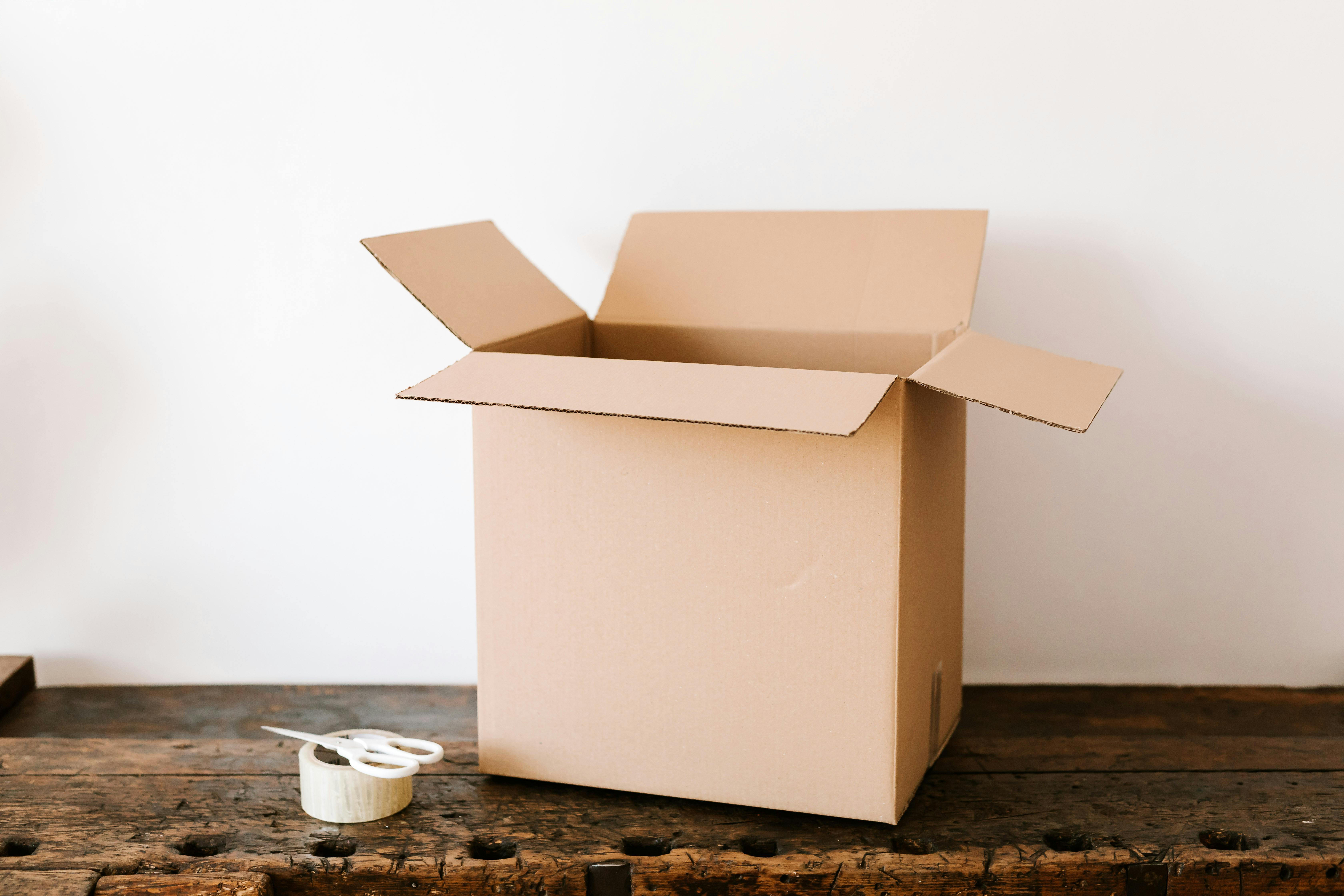
A soap maker rigid boxes supplier is usually chosen less for heavy protection and more for perceived value. That might sound like a marketing phrase, but it shows up physically the moment a shopper lifts the box. Rigid packaging, often built from grayboard or chipboard around 1.5 mm to 3 mm thick, has a denser feel than a folding carton. It stays square, resists light crushing, and signals that the brand is serious about the product inside.
The difference is obvious in hand. A folding carton can be printed beautifully and still feel ordinary because it flexes. A rigid box holds its shape, opens with a little ceremony, and gives the customer a slower reveal. That pause matters. It turns the package into part of the product experience instead of a simple shell around it.
Handmade bars, seasonal gift sets, limited collections, and premium bundles are the most common candidates for rigid packaging. A soap maker rigid boxes supplier understands that soap is not always sold as a commodity. Sometimes it is a host gift, sometimes a spa item, and sometimes a small luxury that leans on ingredients, fragrance, and presentation to justify its shelf price. The box has to support that story instead of fighting it.
Retail buyers notice structure too. Clean corners, stable stacking, and repeatable proportions make a shelf look organized. I have seen otherwise strong soap lines lose visual weight simply because the packaging looked flimsy next to neighboring products. A soap maker rigid boxes supplier can help a smaller brand appear more established, which matters during line reviews and in crowded fixture sets where every inch of order counts.
If you are comparing packaging formats, the broader Custom Packaging Products range is a useful place to see where rigid construction fits beside lighter cartons or sleeves. A good soap maker rigid boxes supplier should not push rigid boxes onto every SKU. The smarter move is to reserve them for products where presentation, margin, or gifting value genuinely benefits from the upgrade.
Practical rule: if the packaging needs to help sell the soap before the scent is opened, rigid construction is already doing real work.
How a Soap Maker Rigid Boxes Supplier Builds the Box
A soap maker rigid boxes supplier usually starts with structure, not artwork. That order matters because the structure decides how the soap fits, how the box opens, where the seams land, and how much room is left for wrap, sleeves, or inserts. The core is typically chipboard or grayboard, then the outside is wrapped with printed paper, specialty stock, or laminated material. The outer layer carries the brand; the inner board gives the box its shape. If the board thickness is wrong, the whole package feels off even when the print is beautiful.
Common structures include two-piece lift-off lid boxes, Magnetic Closure Boxes, drawer styles, and book-style formats. A soap maker rigid boxes supplier may recommend a simple two-piece box for a single bar or a small gift set because it is elegant, efficient, and easier to pack. Magnetic closures create a more premium impression, though they usually cost more because of hidden magnets, tighter assembly, and more hand labor. Drawer styles work well for sets because the sliding motion adds a bit of ceremony. That motion is part of the appeal, especially for gifting, even if it is not the most budget-friendly option.
Finishes do a lot of branding work. Matte lamination gives a quiet, modern look. Soft-touch coating feels velvety, though it can show handling marks if the box is picked up repeatedly at retail. Foil stamping adds a metallic accent without taking over the design. Embossing and debossing are useful when the brand wants a tactile logo or a pattern that echoes the texture of handcrafted soap. Spot UV can emphasize a mark or detail, but it should be used carefully because too much shine can drift away from a natural or botanical product story. A soap maker rigid boxes supplier should be able to explain how each finish wears in actual store conditions, not just how it looks on a sample table.
Inserts matter more than many buyers expect. Soap bars move, especially when they are wrapped in paper, shrink film, or a belly band rather than a tight carton. A custom insert keeps the bar centered and stops it from rattling around inside the box. Foam is sometimes used, but paperboard inserts or molded paper trays usually feel more aligned with soap brands that lean natural or ingredient-focused. If the supplier can offer FSC paper or FSC-certified material options, that can be a useful trust signal for buyers who care about sourcing. The FSC standard is explained well on FSC if you want to see what the certification actually covers.
Sizing needs real attention. A soap bar measured at 3.5 x 2.5 x 1.1 inches does not mean the box should be built to those exact inside dimensions. A soap maker rigid boxes supplier has to account for wrapper thickness, insertion tolerance, closure clearance, and the little bit of breathing room that keeps the product from rubbing the inside wall. If the box is too tight, packing slows and corners can crush. If it is too loose, the package feels careless. That balance is what separates a custom-fit box from one that merely fits on paper.
- Lift-off lid: clean, familiar, and cost-conscious for single bars and simple sets.
- Magnetic closure: premium feel, good for gifting, but usually higher unit cost.
- Drawer style: refined unboxing, helpful for sets and paired products.
- Two-piece setup: stable, versatile, and often the easiest rigid format to spec for soap.
Cost, Pricing, and MOQ for Soap Maker Rigid Boxes Supplier Quotes
Price is usually the first thing people ask about, but a soap maker rigid boxes supplier should be judged on value, not just the headline number. The main cost drivers are board thickness, box style, print coverage, special finishes, insert design, and whether the build needs custom tooling or hand assembly. A plain two-piece rigid box with a simple printed wrap will generally cost less than a magnetic box with foil, embossing, and a custom tray. That sounds obvious until quotes are compared line by line, because one supplier may include proofing, setup, and packing while another lists those items separately.
MOQ changes the math in a very direct way. With rigid packaging, setup and assembly get spread across the run, so a small order almost always carries a higher unit price. A soap maker rigid boxes supplier might quote a shorter run at a noticeably higher per-unit cost because the same approvals, material staging, and finishing work still have to happen. That is not necessarily a sign of overpricing. It is simply the labor load being carried by fewer boxes. For retail orders, unit pricing usually improves once the project moves from a trial run into a fuller production quantity.
| Rigid box style | Best use for soap | Typical features | Approx. unit cost at 3,000-5,000 pcs |
|---|---|---|---|
| Two-piece lift-off lid | Single bars, core retail SKUs, giftable everyday lines | Simple structure, easy stacking, moderate print area | $0.85-$1.40 |
| Drawer style | Premium bars, paired bars, curated gift sets | Slide action, insert support, stronger unboxing effect | $1.35-$2.40 |
| Magnetic closure | High-end retail, seasonal launches, special editions | Hidden magnet, tighter assembly, premium feel | $1.90-$3.20 |
| Book-style rigid box | Story-led collections, sampler kits, boxed sets | Hinged opening, display-friendly front panel | $1.75-$3.10 |
Those ranges are directional, not fixed quotes. A soap maker rigid boxes supplier will price differently depending on paper choice, freight distance, sampling needs, and how much manual wrapping the project needs. A textured paper with heavy ink coverage can cost more than a plain matte stock. A box with a custom insert and a foil logo can cost more than a box with a flat printed wrap. If quantities fall below 1,000 pieces, unit cost can rise quickly because the press setup, die work, and assembly time are still there.
Comparing quotes fairly means checking what is actually included. Does the soap maker rigid boxes supplier include sampling, proofing, internal trays, and protective outer cartons for shipment? Are freight and duties separate? Is the decoration a true foil stamp or only metallic ink? Is the insert glued in or loose-packed? Small wording differences can change the real cost quite a bit. I also tell buyers to ask how the boxes are packed for transit, because a lower price that arrives with crushed corners is not lower in any meaningful sense.
The cheapest quote is not always the best value. In practice, the bargain option may use thinner board, weaker adhesive, or a finish that scuffs too easily under retail handling. A soap maker rigid boxes supplier should be able to explain where the cost sits: material, labor, decoration, packing, and shipping. If the quote reads like a single mystery number, ask for a cleaner breakdown. Straightforward quoting is one of the strongest signs that the supplier understands custom retail work and is not guessing at your project.
For buyers who want a broader look at formats and materials, the custom rigid box options page can help you compare what changes the price and what only changes the appearance. That kind of comparison makes supplier quotes easier to read and a lot easier to defend internally.
Process and Lead Time for Soap Maker Rigid Boxes Supplier Orders
The ordering process is usually straightforward, but a soap maker rigid boxes supplier still needs complete information before the first sample is made. The process normally starts with product dimensions, target quantity, structure choice, and artwork files. After that, the supplier recommends a dieline or a structural sample, then moves into material selection, print proofing, and production approval. That sequence keeps the job from drifting. If structure is handled too late, the artwork may need to change. If art is approved too early, the fit can still be wrong. A disciplined process saves time and waste.
- Measure the soap, wrapper, belly band, or sleeve carefully.
- Choose the box structure that fits the retail price point.
- Review a dieline or plain sample before artwork is finalized.
- Approve paper, finish, and insert details.
- Check the printed proof for color, logo placement, and copy.
- Move into production once the sample is signed off.
Lead time should be separated into sampling time and production time, because they are not the same. A soap maker rigid boxes supplier may need about 5 to 10 business days for a structural sample and another 12 to 20 business days for production after approval, depending on the job size and finishes. Jobs with foil, embossing, specialty paper, or magnetic closures can take longer because the setup steps are more involved. If artwork changes late in the process, add more time. That is not a mistake so much as a normal result of changing a package that depends on exact alignment.
One place where delays often appear is the measurement stage. If dimensions are vague, the supplier may build a sample that is close but not quite right, which leads to another correction cycle. A soap maker rigid boxes supplier can work much faster when the brand sends product samples instead of approximate numbers. Another common delay is waiting on a specific paper stock or a decorative detail such as a ribbon pull. In custom packaging, the time cost of specialty materials is often hidden until the first order, so it is smart to ask whether the chosen stock is a warehouse item or a special order.
Shipping and testing deserve a place in the timeline too. If the boxes are going into a retail rollout, it helps to check transit performance using drop and compression expectations similar to those published by the International Safe Transit Association. A soap maker rigid boxes supplier does not need to turn every soap box into a shipping carton, but the pack-out should still be honest about how the package behaves inside a master case and on the way to the shelf. If corners scuff in transit, the shelf appeal is gone before the shopper ever sees it.
For a first order, I usually recommend a little extra buffer. Rigid packaging takes more coordination than a folding carton, and that does not mean it is difficult. It just means there are more moving parts. If a launch date matters, give the soap maker rigid boxes supplier enough room to handle proofing, corrections, and transit without rushing the final step. A two-week cushion can save a lot of stress, especially for seasonal soap sets where the calendar is not forgiving.
Common Mistakes When Choosing Rigid Boxes for Soap
One of the biggest mistakes is measuring only the soap bar and forgetting everything around it. A soap maker rigid boxes supplier needs the full picture: wrapper thickness, insert clearance, closure space, and even the way the packer will place the product into the box on the line. A bar that measures neatly on paper can still be too tight once it is wrapped in film or a textured paper sleeve. That is why the best quotes come from real samples or exact measurements with packaging included. Without that, the box can arrive too loose, too tight, or oddly oversized.
Another common mistake is overdesign. It is tempting to add foil, embossing, soft-touch coating, a magnetic closure, and a special insert all at once. A soap maker rigid boxes supplier will usually warn you that those details can pile up quickly and create a box that looks busy instead of refined. Soap packaging often benefits from restraint. One strong finish, one well-placed logo treatment, and one thoughtful structure can do more for sales than a crowded bundle of effects. The best retail packages usually feel intentional, not overloaded.
Skipping sample approval is another expensive shortcut. I understand the pressure to move fast, but rigid packaging is one area where a sample catches mistakes that a PDF never will. The wrong lid depth, a shifted logo, a misread color, or a corner that opens too loosely all become obvious the moment the physical sample is assembled. A soap maker rigid boxes supplier can correct those issues early if the sample process is given enough respect. If not, the full run becomes the place where the lesson is learned, and that lesson is never cheap.
Shipping realities are easy to ignore because rigid boxes look so polished on the shelf. The problem is that a beautiful box can still arrive with corner damage, friction marks, or crushed panels if the outer carton plan is weak. That is where pack-out design matters. Rigid packaging should usually be nested tightly in master cartons, separated from rough movement, and protected against rubbing. A soap maker rigid boxes supplier can advise on carton pack count and inner spacing, but the buyer still has to think about how the boxes move through warehousing and transit. Shelf appeal starts earlier than most people think.
Callout: If the box cannot survive packing, shipping, and repeated opening without losing its shape, it is not really premium packaging yet. It is only expensive packaging.
Another oversight is choosing a finish that does not match the soap’s price point or story. A rustic oatmeal bar with minimal ingredients may look strange in a high-gloss, high-foil box. A botanical spa bar may look better in a soft matte wrap with a quiet embossed mark. A soap maker rigid boxes supplier should help you make those connections. The box should feel like it belongs to the product, not like it was borrowed from a different category.
Expert Tips for Better Fit, Finish, and Unboxing
Design around the customer experience first. That sounds obvious, but it is where many soap projects improve the fastest. A soap maker rigid boxes supplier can build almost any reasonable structure, so the real question is what the buyer should feel in the first three seconds. Does the lid lift to reveal a centered bar? Does the drawer slide open to show a printed interior? Does the soap sit on a tray that keeps it from shifting? Those little moments shape the memory of the product.
I usually advise brands to choose one or two premium details instead of stacking every option available. Foil plus embossing can be a strong pairing when used with discipline. A matte wrap with a subtle blind deboss can also feel elegant. Soft-touch lamination feels rich in the hand, but it should be tested because it can scuff faster than a harder matte finish on highly handled retail items. A soap maker rigid boxes supplier should be able to show you how each finish wears, not just how it photographs. Packaging that looks beautiful under studio lights and wears badly in store is not really premium.
Real-world testing matters. Handle the box the way a shopper will. Put it in a shipping carton. Open and close it several times. Stack it next to other SKUs. Set it on a damp counter if the soap is sold in bath and body environments. Ask whether the corners still look clean after use. A soap maker rigid boxes supplier can help with materials and structure, but the brand has to test the full experience. That is especially true for gift sets, where the customer may reopen the box several times before giving it away.
Consistency across product lines also pays off. One soap collection may need a simple lift-off lid, while a seasonal collection may deserve a drawer style, but the visual language should still feel connected. The same logo placement, the same paper texture, or the same foil tone can tie the line together without making every SKU identical. That matters for brands with multiple fragrance families. A soap maker rigid boxes supplier can build a family of packages that look related on shelf while still giving each scent its own personality.
From a production point of view, the best rigid boxes are usually the ones that respect line speed. If the box is too fiddly to pack, labor cost rises. If it is easy to open, easy to fill, and easy to close without damaging the finish, the pack-out stays efficient. That is where practical packaging thinking really shows up. A soap maker rigid boxes supplier is not just making a pretty shell. The supplier is helping the brand keep the packaging attractive without making operations harder than they need to be.
For brands comparing styles, the strongest starting point is often a simpler structure paired with a refined finish. A smart soap maker rigid boxes supplier will often recommend that path because it keeps the package focused. One strong paper, one clear logo treatment, and one good insert can outperform a box that tries to do everything at once. The best unboxing moments usually feel calm, not crowded.
Next Steps Before Requesting Samples or a Quote
Before you contact a soap maker rigid boxes supplier, gather the basics in one place. Exact product dimensions come first, and they should include the soap bar plus any wrapper, sleeve, or belly band. Then note the order quantity, the target finish, the insert requirement, and the shipping destination. Those details let the supplier build a quote that reflects reality instead of guessing. When the information is complete, the first estimate is usually much more useful, and the back-and-forth shrinks a lot.
- Dimensions: length, width, and depth of the finished soap pack.
- Quantity: pilot run, seasonal order, or full retail rollout.
- Finish: matte, soft-touch, foil, embossing, or a textured paper.
- Insert: none, paperboard tray, molded insert, or custom cradle.
- Artwork: logo files, color references, and text copy.
- Shipping: destination, delivery window, and whether cartons need special handling.
Ask for two kinds of samples if the job matters. A structural sample tells you whether the dimensions, closure, and insert actually work. A printed sample shows the color, finish, and logo treatment. A soap maker rigid boxes supplier may send both in stages, and that is a good sign. It means the job is being checked in the right order. If the artwork or finish is a major selling point, do not skip the printed sample, even if it adds a little time. That short delay can prevent a full run from missing the brand standard.
It also helps to compare two or three options with the same specification sheet. If each supplier is quoting the same dimensions, the same quantity, and the same finish, the price difference becomes much easier to read. Then you can see whether one soap maker rigid boxes supplier is offering better board quality, more accurate wrapping, or more complete freight terms. That is a fair comparison. Different assumptions do not help anyone. Consistent specs do.
From there, the conversation becomes much clearer. You are no longer asking for packaging in the abstract. You are asking for a box that fits a product, supports a brand, and holds up under retail handling. If you are ready to move that way, start with the measurements, the artwork, the finish, and the order size, then contact a soap maker rigid boxes supplier with enough detail to quote the job properly. That is usually the fastest route to a useful sample, a realistic price, and a box that makes the soap look like it deserves the shelf.
If you want to compare other Custom Packaging Products before locking in a rigid format, that is a smart move too. A soap maker rigid boxes supplier should be part of the brand planning process, not just the final purchase order. The clearer the product story, the easier it is to build packaging that supports it.
Frequently Asked Questions
What should I send a soap maker rigid boxes supplier for an accurate quote?
Send the finished soap dimensions with the wrapper or sleeve included, not just the bare bar size. Add your order quantity, preferred finish, insert needs, and whether the box is for retail display, gifting, or mixed use. If you already have logo files or brand colors, include those too, because artwork details can affect print and decoration costs more than many buyers expect.
Are rigid boxes strong enough for handmade soap products?
Yes, rigid boxes are strong enough for handmade soap when the board thickness and insert are matched to the product size. They work especially well for premium bars, gift sets, and collections that need a stronger shelf presence. For shipping, the rigid box should still be packed inside a master carton so corners, edges, and decorative finishes stay clean.
What MOQ is common for a custom soap rigid box order?
MOQ depends on the structure, the finish, and whether the design needs custom tooling or extra hand assembly. Simple two-piece builds with standard materials usually support lower minimums than magnetic or drawer styles. Ask the soap maker rigid boxes supplier for tiered pricing so you can see how unit cost changes as quantity increases.
How long does production usually take after approval?
Sampling and production are usually quoted separately, so ask for both timelines up front. Simple rigid boxes with standard paper and minimal decoration are typically faster than jobs with foil, embossing, or custom inserts. A good supplier should also tell you where the schedule can move faster and where approvals may extend the lead time.
Should I choose a rigid box or a sleeve for soap packaging?
Choose a rigid box when presentation, gifting, or perceived value matters more than the lowest possible packaging cost. Choose a sleeve when you want a lighter, lower-cost option for multipacks or simpler retail presentation. If the soap is a premium item, a rigid box with a fitted insert often gives the best balance of protection, shelf impact, and customer experience.
The cleanest next move is simple: measure the finished soap pack, pick one structure, request a structural sample before print approval, and compare quotes using the same specification sheet. That gives you a real read on fit, cost, finish, and lead time, which is exactly what a soap maker rigid boxes supplier needs in order to build packaging that does its job without wasting money or slowing the launch.


