Soap Ribbed Winter Beanies Bulk Order Planning for Buyers looks simple until the spec hits pricing. Rib knit changes stretch, logo behavior, and how a soft soap shade reads under different yarn blends. The fastest path to a clean quote is to define audience, decoration method, quantity, and delivery timing before asking for numbers. If you also need broader apparel support, the Wholesale Programs page is a useful place to start.
For procurement teams, the best beanie programs are the ones with few surprises: neutral color, clear construction, one quote basis, and no extra back-and-forth after sample review.
Soap ribbed winter beanies bulk order planning starts with the knit
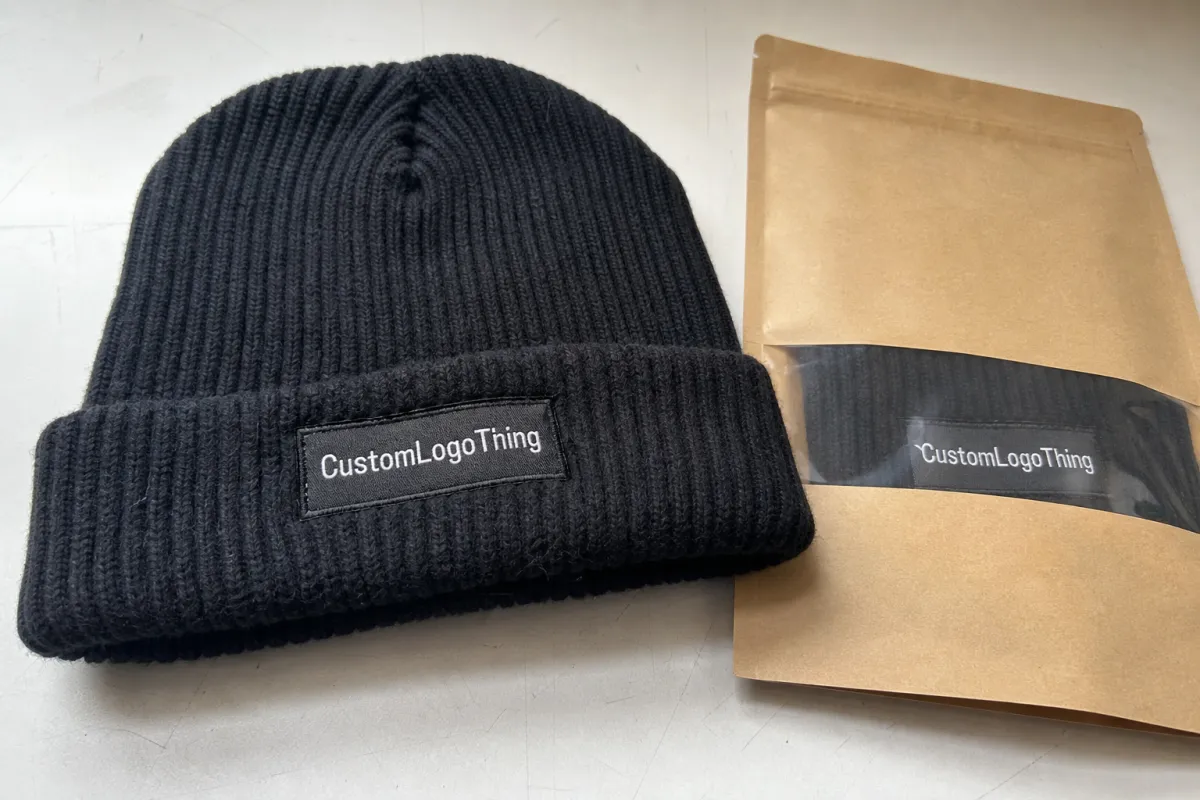
Ribbed knit changes the buying equation because the surface is not flat. The ribs create depth, which masks small dimensional variation but also changes how color and decoration present. A 1x1 rib and a 2x2 rib do not read the same, and the same soap tone can feel warmer, cooler, smoother, or more matte depending on the yarn blend.
Soap is a practical neutral when one SKU has to serve multiple uses. It works for retail assortments, staff uniforms, and promotion programs without looking overly seasonal. It also sits comfortably beside black, navy, or forest green, which makes it easier to keep in stock across different campaigns.
Rib depth also affects perceived value. A dense rib with a heavier yarn usually looks more substantial in hand, while a looser knit can feel casual even if the yarn quality is fine. Buyers should decide whether the goal is retail presentation, uniform use, or simple utility, because that choice changes the preferred gauge, yarn weight, and finish.
What changes the quote fastest is not the color name. It is the decision frame. Define the user, the decoration method, and the target quantity first so the vendor prices the same build every time.
The fastest quote is usually the one that arrives with a complete spec sheet, not the one that starts with "can you price a beanie?"
Soap color matching, logo placement, and decoration choices
Soap sounds neutral, but color matching on ribbed knit is rarely exact across materials. Acrylic, acrylic-wool blends, and recycled yarns reflect light differently, so a swatch or lab dip is better than a screen image. On a tighter rib, soap can look cleaner and more polished; on a looser knit, it may appear softer and slightly muted.
Decoration choice shapes both the look and the quote. Embroidery is common because it holds up well and works at lower quantities, but ribbing can distort small text. Woven labels stay crisp on a cuff and are often the cleanest option for subtle branding. Patches add dimension and hide weak artwork details, though they add cost and sometimes stiffness. Heat-applied graphics are better for lower-stretch zones than for highly stretched rib areas.
Placement matters just as much. Cuff-center branding is the most visible and often the easiest to approve. Offset artwork reads quieter and more premium. A small side mark or seam label works well for corporate or utility programs where the beanie should feel functional rather than promotional.
The tradeoff is visibility versus tolerance. Larger artwork is easier to read on ribbed fabric, but it raises stitch count and can increase cost. Small text, thin outlines, and tight letter spacing are more likely to distort, so ask for a placement mockup before production if the logo has detail.
Decoration also affects minimums. A simple one-color embroidery run may be available at lower quantities, while a Custom Woven Label, patch, or mixed decoration plan can push the MOQ up because of separate setup and sourcing. Compare decoration options on the same base spec before making a decision.
| Decoration option | Typical MOQ pressure | Indicative unit cost impact | Best fit |
|---|---|---|---|
| One-color embroidery on cuff | Lowest | Moderate | Promotions, staff wear, fast-moving programs |
| Woven label on cuff or seam | Low to moderate | Low to moderate | Retail-friendly branding with a clean finish |
| Patch with stitched edge | Moderate | Moderate to higher | Premium presentation, stronger brand presence |
| Heat-applied graphic | Variable | Low setup, but more risk on stretch areas | Simple art on lower-stretch zones |
For brands that need the beanie to feel part of a larger kit, a small woven label plus FSC-certified paper hang tag can create a more controlled presentation. If that is the direction, the information on FSC is worth reviewing before packaging is approved. A supplier should be able to quote packaging separately so it does not get buried inside garment pricing.
Construction specs that must be locked before quoting
A quote is only useful if the buyer has locked the right construction details. The minimum spec should include yarn composition, rib depth, cuff height, crown construction, and fit range. A one-size beanie with enough stretch for most adults behaves differently from a graded size program, and the vendor needs to know which one is being quoted.
Gauge and fabric weight matter more than a photo. A denser knit often feels warmer and more premium, but it can also cost more in material and machine time. A lighter knit may price better, yet it can lose shape faster and feel less substantial in hand. Treat gauge the same way you would carton board caliper or film thickness: it affects performance, not just appearance.
There are hidden inputs too. Ask whether the supplier is pricing for shrinkage tolerance, care label wording, a pre-production sample, or a stock blank. Those items seem minor until a project slips because the first sample was only visual rather than production-accurate.
A simple spec sheet removes most back-and-forth. Include:
- approved color reference or swatch reference for soap
- vector artwork with clear size and placement notes
- yarn blend and knit structure
- cuff height and overall beanie length
- packaging instructions, including fold style and carton count
- target delivery date and receiving constraints
If the order is part of a larger branded merchandise plan, keep the format consistent with your other categories. That makes comparison easier across Wholesale Programs and keeps procurement records cleaner for reorder cycles.
Pricing, MOQ, and unit-cost levers to model early
Beanie pricing is built from several layers, and each layer reacts to order size. Yarn quality, stitch count, decoration complexity, packaging format, and freight all show up in the final unit cost. A buyer who only compares the headline number can miss the fact that one quote includes packed, labeled, freight-ready goods while another is for bare product.
As a working range, a stock-color ribbed beanie with straightforward embroidery might land around $1.35-$2.25 per unit at 5,000 pieces, while a lower-volume run of 500-1,000 pieces can sit closer to $2.10-$3.80 per unit before freight, depending on stitch count and yarn choice. Add a custom woven label, a patch, or special presentation packaging, and the number moves quickly.
MOQ often changes for reasons that look small from the buyer side. A custom color may add a yarn minimum. A second decoration step can require separate setup. Individual polybags or retail folding can add another line item. If the run includes multiple sizes, the MOQ can rise again because the production line is no longer making one standardized piece.
Pricing breakpoints are real. A 1,000-piece order may look expensive next to 5,000 pieces, but overbuying can create inventory drag if the season changes or the campaign shifts. The useful comparison is lowest landed cost versus lowest risk of leftover stock.
The cleanest way to quote is to force every supplier to price the same terms:
- same base beanie spec
- same artwork file and placement
- same packaging format
- same delivery window
- same treatment of overruns and underruns
That last point matters because a quote that tolerates a broad overrun can look cheaper than it really is if the buyer can only receive what the budget allows. Match the terms first, then compare the numbers.
Production process and timeline from approval to shipment
The production path is straightforward, but every step can stall the order if the buyer is not ready. It begins with artwork confirmation, moves to sample approval, then yarn sourcing, knitting, finishing, decoration, packing, and final inspection. The delay points are usually color sign-off, logo revisions, and packaging changes after production has started.
For timing, a simple stock-based decoration run may move faster than a fully custom knit build, but the buyer still needs to factor in sampling and freight. As a practical planning range, many custom beanie programs land at roughly 12-15 business days after sample approval for simpler builds, while more complex runs can take longer once yarn sourcing and finishing are included. Peak season stretches that further.
Transit deserves its own buffer. If the shipment must arrive before a merchandising date, trade show, or store launch, build in receiving time, not just transit time. If your 3PL or retailer expects the shipment to hold up under distribution handling, align carton specs with an ISTA-style transit profile. The ISTA resource is useful for framing those expectations without guesswork.
The full timeline includes quote review, proofing, sample approval, production, inspection, export paperwork, and final delivery. If any one of those is compressed, the order starts to feel rushed. Plan backward from the receiving date, not the ship date.
Quality control, packing, and distribution details buyers miss
Quality control on ribbed beanies should focus on the details that affect the first impression: seam strength, stretch recovery, color consistency, logo registration, and finishing quality across the run. One clean sample is not enough. Buyers need to know whether the production lot stays stable after dozens or hundreds of pieces.
Packing choices change warehouse handling more than many teams expect. Individual polybags protect the goods and simplify retail presentation, but they also add material and labor. Fold style matters if the beanies are going to hang, shelf-stack, or ship into kitted orders. Master carton counts affect how easily receiving teams can count, store, and distribute the shipment.
Distribution planning matters at the landed-cost level. If the order has to be split by region, store, or campaign, that should be written into the quote before production starts. The same is true for duties, customs paperwork, and any special markups required by the destination market. Cheap unit cost is not the same as low landed cost.
There is also a sustainability angle that is practical, not decorative. If you are using paper inserts, hang tags, or retail sleeves, ask whether those items can be printed on FSC-certified stock and whether the carton plan uses the smallest safe pack size. Less wasted void space can improve freight efficiency.
Good buyers also ask whether the order ships as one lot or splits to mirror end use. A single warehouse receiving dock is simpler, while a multi-site rollout needs clearer carton labeling, stronger count discipline, and tighter proof approval.
Final checklist to send before you request quotes
Before sending the first inquiry, lock the inputs that drive price and lead time. The request should include quantity, target delivery date, artwork files, soap color reference, decoration method, and preferred packing spec. If any of those are still open, say so clearly so the supplier knows which assumptions to use.
Also confirm what the price includes. Does it cover sampling, freight, duties, and overruns or underruns? Does the quote assume individual polybags, folded presentation, or loose bulk packing? Those details change the real landed cost more than buyers sometimes expect.
For most procurement teams, the right order of operations is simple:
- lock the spec
- compare unit cost on identical terms
- verify the timeline against the launch date
- approve the sample on the actual knit structure
If you want a fast next step, the FAQ covers common sampling and ordering questions, and a complete brief will make the project feel like a procurement process instead of a guessing exercise.
How do I start soap ribbed winter beanie bulk planning if I only have a logo?
Send the logo in vector format if possible, plus a rough quantity target and preferred color. Ask the supplier to recommend the safest decoration method for ribbed knit, then review a sample before full production. If the artwork is simple, request a placement mockup first so the quote reflects the final build.
What MOQ should I expect for ribbed winter beanies in a soap color?
MOQ depends on whether the color is stock or custom, and whether decoration adds extra setup steps. A neutral soap shade often works well in mixed programs, but custom labels, patches, or special packaging can raise the minimum. Ask for tiered pricing at several quantities so you can see where the best unit cost starts.
Does ribbing affect embroidery on winter beanies?
Yes. Ribbing changes how the fabric stretches under the needle, so small text or very thin lines may distort. A stabilizer, larger artwork, or a woven label can produce a cleaner result on the cuff or front panel. Always approve a sample on the actual knit structure, not just on a flat art proof.
How long does bulk order planning take from quote to delivery?
Timing depends on sample approval, yarn sourcing, decoration complexity, and whether the order is in season. Simple stock-based runs can move faster than fully custom specs, but packing and freight still need to be included. Build in extra time for revisions and transit so the shipment reaches the receiving team before the launch date.
What should be included in a soap ribbed beanie quote request?
Include quantity, logo artwork, target color, decoration method, packaging format, and delivery deadline. State whether you want the quote to include sampling, freight, duties, and any special labeling or carton requirements. A complete request produces cleaner comparisons and reduces back-and-forth before approval.