On embroidered knit beanies, the decoration often drives the final price more than the blank cap itself. A low-cost beanie can become a much higher finished unit once stitch count, placement, and proofing are added. That is why vitamin Embroidered Beanies Bulk Order Planning should focus on specs, not just the base product.
The fastest orders are the ones with a clean brief. A good file, a clear placement note, and a realistic in-hands date save revision cycles before production starts. With soft goods, small ambiguities turn into delays, and delays usually cost more than the decoration itself.
Vitamin embroidered beanies bulk order planning: what buyers usually miss first
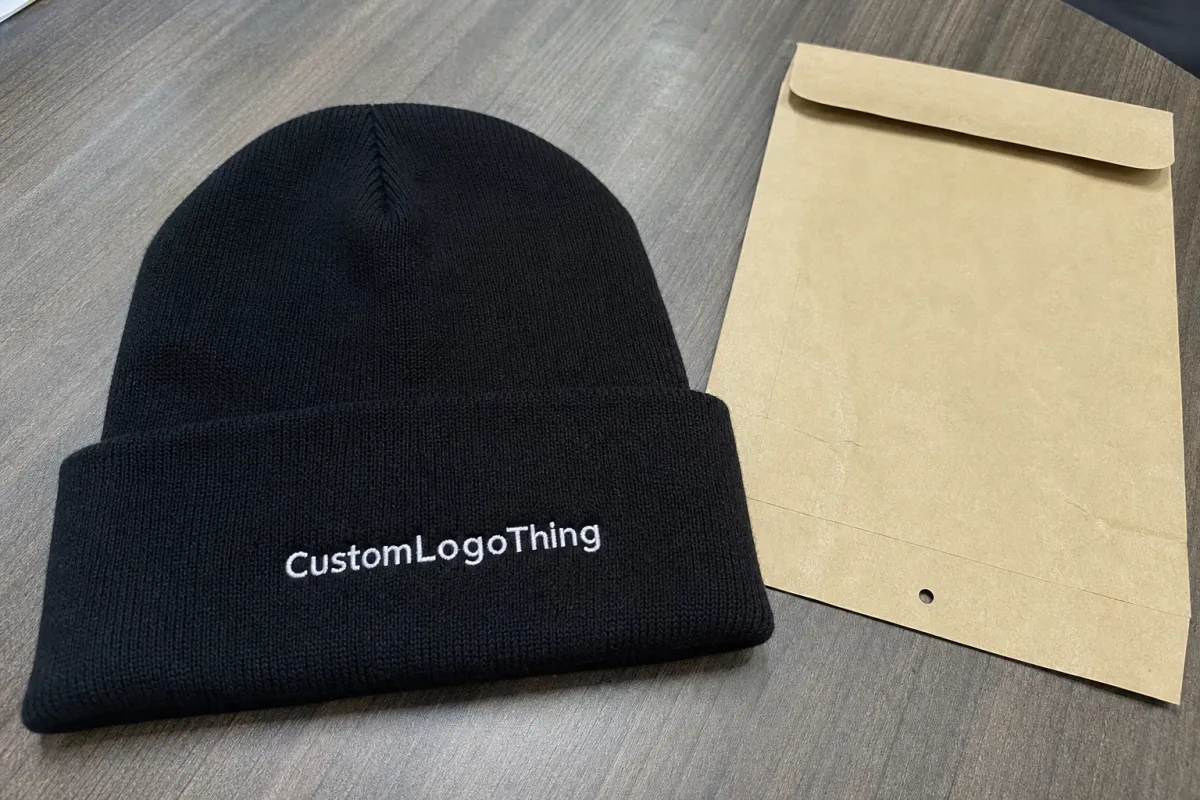
The first miss is usually the decoration spec, not the beanie style. Buyers compare blank prices and then expect the same number to hold after embroidery, but digitizing, stitch time, and setup can change the finished cost quickly. That is normal, but it needs to be priced in early.
The second miss is timing. Quotes slow down when the supplier has to ask about quantity, placement, cuff versus slouchy construction, or thread color count. A complete brief gets a faster answer and reduces the chance of a proof round that changes the schedule later.
- Quantity: share a target and a backup number near MOQ.
- Artwork: send the cleanest file available, ideally vector.
- Placement: confirm the decoration zone and finished size.
- Timing: give the in-hands date, not just the order date.
For reorders, repeatable specs matter more than memory. Keep the approved file, the exact placement, and the final thread choices together so the next run matches the first one. That is the easiest way to avoid “close enough” reprints that are not actually close enough.
Beanie styles, fabric weights, and decoration zones that fit your logo
Cuffed beanies are usually the safest choice because the cuff gives embroidery a stable surface and a strong visual anchor. Slouchy beanies look more relaxed but move more on the head, which can make the logo appear lower or smaller than it did on the mockup. Pom beanies can work well for seasonal programs, though the crown detail leaves less room for complex art.
Fabric choice changes the final look as much as style does. Standard acrylic is the most common option because it is affordable and consistent under the needle. Acrylic blends can feel softer, while heavier fisherman-style knits look premium but can distort if the stitch count gets too dense. The same logo can look clean on one knit and compressed on another.
Decoration zone matters just as much as the blank. Front cuff embroidery gives the clearest brand read. Side-panel placement can look elevated, but the usable area is smaller. Patches are useful when the art is too detailed for direct stitching or when the buyer wants a firmer, more structured finish.
Use the comparison below as a planning tool, not a promise. Final appearance depends on yarn thickness, stitch density, and how much the design has to bend around the fabric.
| Beanie style | Best use case | Decoration fit | Planning note |
|---|---|---|---|
| Cuffed | Team giveaways, promos, resale | Strong for front embroidery | Best when the logo needs clear visibility |
| Slouchy | Lifestyle merch, relaxed branding | Good for smaller marks or patches | Expect more visual movement on the head |
| Pom | Seasonal retail, fanwear | Works best with simple logos | Keep the design away from the crown detail |
| Fisherman knit | Premium retail or cold-weather bundles | Best with controlled placement | Heavier knit can shift under dense stitching |
For event merch or employee issue, choose the style that matches both the audience and the production method. A logo that looks balanced on a flat screen can shrink or warp once it is stitched into knit. The safest option is the one that stays legible after production, not the one that only looks good in mockup form.
Artwork specs, stitch count, and color limits before you request a proof
Vector files are the best starting point for embroidery. AI, EPS, and PDF files usually digitize faster because the edges are defined, which helps the logo hold shape on textured knit. A PNG or JPG can still work, but expect cleanup before the proof is ready.
Stitch count is one of the biggest hidden drivers in vitamin Embroidered Beanies Bulk Order Planning. A simple one-color mark may stay compact, while small lettering, borders, or fill details can multiply machine time. More stitches mean more time on the machine, and that usually means a higher price.
Color count matters too. One thread color is usually the cleanest and cheapest route. Two to four colors are still manageable. After that, the design often needs simplification because embroidery does not handle gradients, hairline outlines, or tiny text the way print does.
- Best file types: AI, EPS, PDF.
- Fallback: high-resolution PNG or JPG.
- Common thread range: 1 to 4 colors for the cleanest result.
- Watch-outs: tiny text, thin outlines, gradients, and detailed seals.
Before approving a proof, check placement, thread colors, and the actual size of any text. Ask for the production size, not just the artwork size shown on screen. A logo that looks fine at 3 inches wide can become hard to read at 1.5 inches once it is stitched into knit.
Digitizing and setup fees are worth budgeting separately. Typical digitizing can land around $25 to $75 per logo, and setup for a single embroidery location might fall around $20 to $60. The exact number varies by supplier and complexity, but these charges explain why small orders feel expensive.
Cost, pricing, MOQ, and quote factors that change your per-piece number
Pricing is built from several layers: blank cost, digitizing, embroidery setup, labor, packing, and freight. Buyers often focus on the beanie itself and forget the rest, but setup and stitch time can become the larger share once the design gets detailed.
MOQ changes the math quickly. Many suppliers set a floor around 48 to 100 pieces, then improve pricing at 144, 250, or 500-plus units. Fixed costs spread better at higher quantity, so a small pilot run always carries more overhead per piece than a larger reorder.
| Order tier | Typical unit range | How setup affects the price | Best fit |
|---|---|---|---|
| 50-99 pieces | $7.25-$11.50 | High impact | Small teams, pilots, test runs |
| 100-249 pieces | $5.90-$9.25 | Moderate impact | Events, launches, short merch drops |
| 250-500 pieces | $4.80-$7.80 | Better spread | Retail programs, staff issue, recurring orders |
| 500+ pieces | $4.10-$6.90 | Lowest per-piece burden | Reorders, seasonal inventory, wholesale |
Several quote factors can move the number without warning. Rush service, multiple logo locations, mixed beanie colors, special packaging, and pack-by-size instructions all add labor. Individual polybags, barcode stickers, folding rules, or retail-ready inserts also change the packout cost.
Freight matters more than many buyers expect. A low production quote can become less attractive once the cartons need expedited shipping or long-distance transit. If the order must arrive by a fixed date, ask for a landed estimate early so shipping does not surprise the budget later.
If you need a broader view of volume programs, our Wholesale Programs page is a useful starting point, and the FAQ covers common production questions that affect pricing and proof timing.
Production process, timeline, and lead-time checkpoints from proof to ship date
A typical order moves through quote, artwork review, digital proof, sample approval if needed, production, quality check, packing, and shipment. The sequence is straightforward; the variable is approval speed. If artwork sits for three days, the whole schedule slides.
For most bulk beanie embroidery runs, 12 to 15 business days from proof approval is realistic when stock is available and the design is simple. Complex embroidery, seasonal congestion, or pre-production sampling can stretch the timeline to three or four weeks. Freight adds its own clock after that.
The best buyers lock three checkpoints early: final quantity, final decoration spec, and final ship-to address. Those are the details that affect billing, schedule, and carton routing. If any of them change after production starts, the order may need to be rechecked or partially redone.
"The cleanest schedule is the one with the fewest late decisions. Every delayed approval behaves like a hidden surcharge."
Shipping quality is not just about getting the beanies out the door. It is about matching carton count to the PO, confirming labels, and packing the order for the transit lane. If the order includes paper inserts or hangtags, FSC-certified paper is a sensible request when sustainability documentation matters.
That is basic risk control. A beanie order may be soft goods, but the shipment still needs disciplined pack planning so the buyer receives the right count, in the right condition, on the right date.
Quality control, reorder support, and why repeat buyers stay with one factory
Repeat buyers care more about consistency than novelty. They want the same stitch quality, placement, and thread tone from one run to the next. That sounds simple until you account for knit variation, thread lot changes, and small setup drift.
vitamin embroidered Beanies Bulk Order Planning becomes more valuable on reorders because the original file, approved placement, and production notes can be reused. That shortens proof time and lowers the chance of a mismatch between the first and second run.
Good communication matters as much as machine quality. Buyers want a quick proof turnaround, a clear warning if the art is too detailed, and written confirmation when simplification is recommended. They also want production notes that show what changed and what stayed the same.
- Check placement: confirm the logo sits in the same zone each time.
- Check color: verify thread against the last approved run, not just a chart.
- Check count: make sure the shipped quantity matches the PO.
- Check packing: confirm whether pieces are folded, bagged, or carton-packed by size.
Quality control should happen at more than one point. A good factory checks the artwork before digitizing, inspects the first embroidered sample, and reviews the finished goods before packing. That layered approach catches problems early, when they are still fixable.
There is also a practical reason to stay with one supplier. Once a factory knows the file, thread choices, and packaging instructions, the order becomes easier to rerun on a staggered schedule. That helps brands that release inventory in drops or replenish event stock in waves.
Final order steps: sample approval, count confirmation, and delivery planning
The final step should be treated as a gate, not a formality. Confirm the quantity, select the style and color, approve the artwork, and set the target in-hands date. If you need a sample or pre-production proof, request it before the run starts, not after machine time has already been scheduled.
To get a faster and more accurate quote, send four things: the logo file, the estimated quantity, the destination ZIP or postal code, and any packaging preferences. If the order needs individual polybags, folded cartons, or retail-ready inserts, include that too.
For buyers comparing options across multiple runs, this is where the order shifts from design to procurement. The job is no longer just about hats; it is about repeatability, schedule control, and a clean handoff from mockup to warehouse receipt.
Do not approve a quote until the blank style, embroidery size, thread count, and delivery window are written down. If the supplier can repeat the spec back to you in plain language, you are close. If they cannot, the order is not ready yet.
The strongest orders are the ones that leave as little room as possible for interpretation. Clear specs, realistic lead times, and a proof that matches the production plan are what keep embroidered beanie orders predictable instead of expensive.
How many pieces should I plan for in a vitamin embroidered beanies bulk order?
Use the supplier MOQ as your base, then add 5-10 percent if you want spare inventory, replacement stock, or some flexibility for late additions. For launches and events, that extra cushion also helps cover samples and a small number of damaged pieces without forcing a second rush order.
What affects the price of embroidered vitamin beanies the most?
Logo size and stitch count usually have the biggest impact after the blank beanie choice. Rush timing, extra logo locations, mixed colors, special packing, and unusually small text can push the price up quickly, so those details should be settled before the quote is finalized.
How long does a bulk beanie embroidery order usually take?
A simple run can often move from proof approval to production completion in about 12 to 15 business days when stock is ready. Add time for digitizing, sample approval, seasonal congestion, and transit, especially if your in-hands date is tied to a launch or event.
Can I approve a sample before full production starts?
Yes. Requesting a sample or pre-production proof is a smart step when color accuracy, stitch density, or logo placement matters. Use that sample to check how the embroidery sits on the cuff, whether the thread color reads correctly, and whether the logo size still looks balanced once stitched.
What file format works best for a vitamin beanies embroidery quote?
Vector files such as AI, EPS, or PDF usually give the cleanest digitizing results. If you only have a PNG or JPG, send the highest-resolution version available and expect an artwork cleanup step before the proof is approved.

