Stationery Shop Drawstring Bags Cost: Order Smarter
Stationery shop drawstring bags cost looks simple until the quote starts asking real questions. Size, fabric weight, cord type, print method, packing style, freight, and sample charges all sit under that one tidy number, and the total can change fast once the details are fixed. I have watched more than one buyer feel good about a low unit price, only to see the final landed cost climb once the bags were packed, boxed, and shipped. That is usually the moment the budget gets a little tighter than planned.
For stationery shops, the bag is not just a carrier. It is part of the first impression for a notebook set, the pouch that helps a seasonal gift feel finished, and the quiet piece of packaging that can make a modest bundle look more considered. That is why stationery shop drawstring bags cost deserves a closer read than a casual packaging line item. The good news is that the pricing logic is not mysterious. It is mostly production math, and once that math is visible, the buying decision gets a lot clearer.
What follows is a practical breakdown of the details that move price, where buyers tend to get tripped up, and how to ask for a quote that actually helps you compare options instead of guessing. If you are sourcing for a retail display, a gift-with-purchase program, or a bundled launch, the right spec can save money without making the bag feel cheap. And yes, you can keep the presentation clean without overpaying for features that never pull their weight.
Stationery Shop Drawstring Bags Cost: What Buyers Miss First
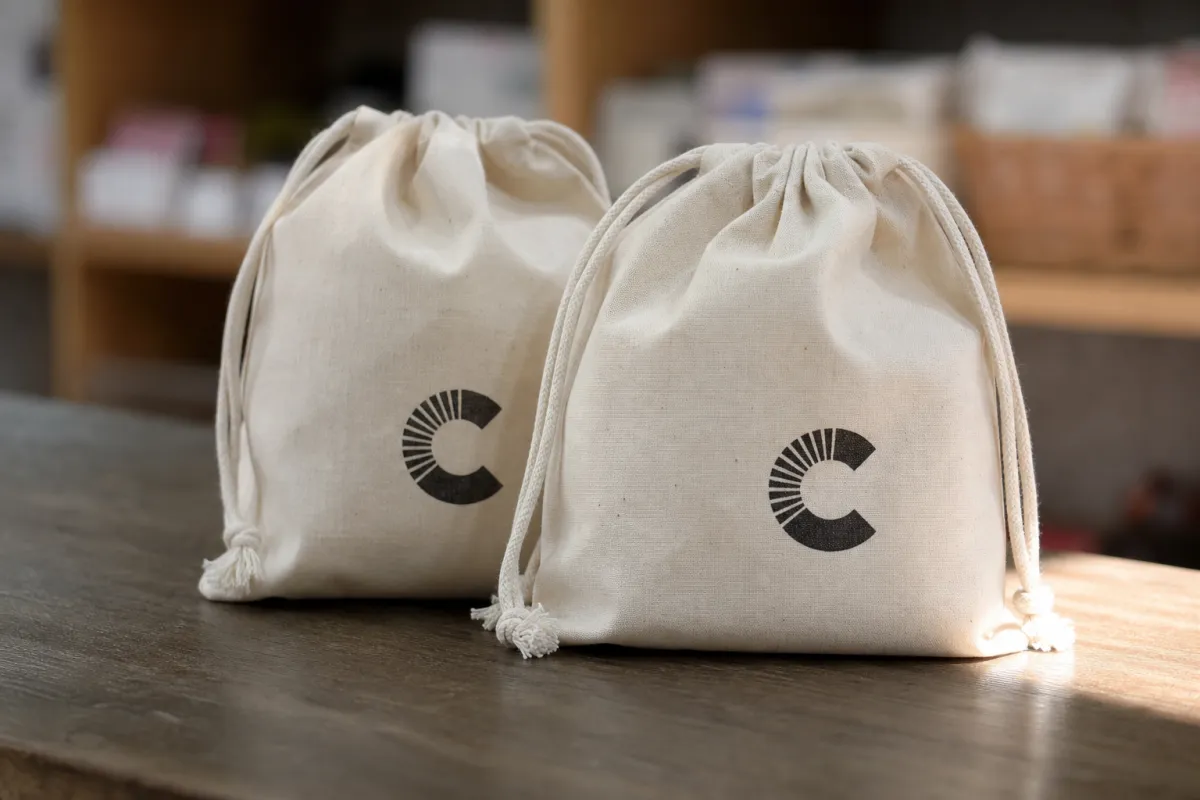
The first mistake is chasing the lowest number without asking what sits inside it. Stationery shop drawstring bags cost can look excellent on paper, then shift once setup fees, proofing, packing, and freight are added. That is how a quote that seemed disciplined turns into a surprise invoice, which is never a fun call to make. Bags priced too tightly also tend to feel too tightly made, which defeats the point if the bag is supposed to lift the perceived value of journals, pens, sketchbooks, or a gift set.
In practice, stationery shops usually buy these bags for three different jobs. One is gift-with-purchase packaging, where the bag needs to feel generous while staying low enough in cost to protect margin. Another is seasonal launches and campaign displays, where the bag has to fit the tone of the rest of the product story. The third is event kits, where the bag has to hold mixed stationery items without splitting at the seam or arriving creased enough to make the whole kit feel rushed.
Stationery shop drawstring bags cost also rises when size is chosen casually. Oversized bags waste fabric and freight volume. Undersized bags make the contents look squeezed in, which is awkward when the products are premium pens, boxed notes, or hardback journals. The right size is often the most profitable size because it reduces waste while improving shelf presentation. That is not design magic. It is just better fit.
Buy the bag around the kit, not the fantasy version of it. Stationery shop drawstring bags cost gets ugly fast when the contents are still moving around.
Freight, carton count, destination, and packing method matter just as much as the factory price. A low production quote can still end up as the most expensive choice if the shipment is packed poorly or sent by the wrong route. Good quoting separates product cost, sample cost, and landed cost with enough clarity that the buyer can compare apples to apples. If a supplier cannot do that cleanly, I would treat the quote as incomplete, not cheap.
There is also a retail reality here that people sometimes miss: the bag has to suit the selling environment. A counter display bag needs to look neat and stack well. A mail-out insert needs to hold its shape without adding dead weight. A reusable pouch for premium stationery should feel substantial in the hand. Those use cases sound similar from a distance, but they are not priced the same, and pretending they are is how budgets get bent out of shape.
Stationery Shop Drawstring Bags Cost: Product Details That Matter
Material is the starting point for stationery shop drawstring bags cost. Cotton, canvas, non-woven polypropylene, polyester, and recycled blends all sit in different price bands, and each one suits a different retail job. Cotton gives a softer, more natural look. Canvas adds structure and usually reads as more premium. Non-woven material keeps cost down for lightweight promotional packaging. Polyester holds its shape well and often works for brighter branding. Recycled blends support a stronger sustainability story, although the exact cost depends on supply, weight, and market timing.
For stationery shops, the material should match the thing it is carrying. A slim cotton bag works well for pen and notebook bundles. A heavier canvas bag makes more sense for journals, hardback notebooks, and curated gift sets with a bit of weight to them. A light non-woven bag is often enough for a launch event or a short-run giveaway where volume matters more than luxury. That is the real tension behind stationery shop Drawstring Bags Cost: pay for what the bag needs to do, not for features that sit there looking fancy and doing nothing.
Print method has the same kind of impact. Screen print is usually the cleanest route when the artwork is simple and the color count stays low, which helps keep stationery shop drawstring bags cost under control. Heat transfer handles more detail and gradients, though the setup and production steps usually push the price upward. Embroidery adds texture and a more elevated finish, but it almost always increases both lead time and unit cost. For a boutique stationery shop that reorders the same style across multiple seasons, consistency matters more than novelty. A logo that repeats cleanly is usually worth more than a one-off treatment that looks impressive only on the sample.
Here is the part that buyers often underprice: construction. Stitch density, seam reinforcement, cord finish, top hem, and edge binding all show up in the feel of the finished bag. A bag can be technically usable and still feel flimsy the moment a customer picks it up. That matters in stationery because the products inside are often chosen for design, texture, and presentation. If the outer bag feels careless, the whole bundle loses some of its charm.
To keep expectations honest, the ranges below are practical buying ranges, not universal quotes. They move with region, order size, season, and print complexity. Still, they are a useful starting point when you are comparing stationery shop drawstring bags cost across material choices.
| Material | Typical MOQ | Typical cost per piece | Best use | Main tradeoff |
|---|---|---|---|---|
| Non-woven polypropylene | 500-1,000 | $0.18-$0.40 | Giveaways, event packs, low-cost promotions | Less premium feel |
| Polyester | 500-1,000 | $0.25-$0.55 | Printed retail kits, brighter branding | Can feel less natural than cotton |
| Cotton | 300-1,000 | $0.40-$0.95 | Stationery bundles, gift sets, boutique retail | Higher cost than basic synthetics |
| Canvas | 300-1,000 | $0.70-$1.60 | Premium journals, curated gifting, higher perceived value | More expensive and heavier in freight |
| Recycled blend | 500-2,000 | $0.45-$1.10 | Eco-focused branding, modern retail programs | Availability can vary |
Closure details are not decoration. They change the hand feel, the durability, and the way the bag presents on the shelf, which means they affect stationery shop drawstring bags cost too. Standard cord, waxed cord, cotton rope, and polyester drawcords all price differently. Reinforced corners, metal eyelets, inside binding, and stronger stitching increase labor, but they also raise perceived value. If the bag will be handled daily in-store or reused often, those upgrades are usually worth the extra spend. If the bag is only going into a one-time promo pack, they may not be.
Finishing sits in a quieter layer of the quote, yet it still changes how the product reads. A clean hem, color-matched cord, accurate print placement, and neat packing all help the bag feel intentional. Stationery shop drawstring bags cost is not only a factory line item. It is also the difference between a kit that feels curated and one that looks assembled at the last minute. Customers pick up on that instantly, even if they never say it out loud.
If you want a reliable reference point for material claims and transit handling, it helps to check industry sources like ISTA for transport testing and FSC for fiber sourcing documentation. A degree in packaging is not required to buy well, but knowing what those labels actually mean saves a lot of awkward guesswork later on.
Specifications to Lock Before You Request a Quote
Stationery shop drawstring bags cost comes back more cleanly when the spec is locked before pricing begins. A vague request produces a vague quote, and then everyone spends time guessing whether the bag is meant for a pen set, a notebook bundle, or a larger retail kit with room to spare. A proper brief should include dimensions, fabric weight, color, print area, print colors, cord type, and packing method. Those details sound basic because they are basic, yet they are also the details most often skipped.
The minimum spec should include the finished size, material, fabric weight in gsm, number of print colors, print placement, cord style, and whether the bags need individual polybags, bulk cartons, or a custom insert. Stationery shop drawstring bags cost changes quickly when any one of those inputs shifts. A 20 x 25 cm cotton bag will not price like a 30 x 40 cm canvas bag with full-front artwork and matching cord, even if the logo is the same. The production steps are different, the material use is different, and the labor is different.
Be direct about the job the bag needs to do. Is it a light giveaway, a premium retail pack, or a reusable pouch that carries brand value on its own? That use case shapes the material range, the finishing, and the acceptable cost per piece. For a simple giveaway, a lighter fabric and one-color logo may be enough. For a premium notebook bundle, a heavier fabric, stronger stitching, and a cleaner finish usually justify a higher stationery shop drawstring bags cost because the bag becomes part of the product value rather than a plain carrier.
One thing I always tell buyers is to decide on “acceptable substitutions” before asking for pricing. If the exact cord color is unavailable, is a near match fine? If the preferred fabric weight is short, is the next weight up acceptable or not? Those questions sound small, but they can save a round of revisions later. They also keep the quote honest, which matters more than sounding flexible on paper and then getting frustrated after the fact.
What a clean quote brief should include
- Exact bag size, with finished dimensions, not a rough estimate
- Material and weight, such as 4 oz cotton, 6 oz cotton, or 8 oz canvas
- Print method, number of colors, and print location
- Cord style, closure preference, and any reinforcement
- MOQ target and acceptable alternate quantity
- Delivery address, target timeline, and shipment terms
That brief structure saves money because it reduces the back-and-forth that inflates a project before production even begins. It also makes stationery shop drawstring bags cost much easier to compare across suppliers. One factory may include packing, another may not. One quote may list artwork setup charges separately, while another folds them into the unit price. A loose brief turns the comparison into guesswork dressed up as purchasing.
There is a practical reason to be specific beyond price comparison. Different specs trigger different production steps. A one-color logo on one side is straightforward. Full-area artwork, inside labeling, custom tags, or stitched-on branding elements all add time and sometimes tooling fees. Even if the supplier uses a different label for the charge, the setup effort still appears somewhere. Usually it shows up in the quote after the buyer has already started planning around the lower number.
Stationery shop drawstring bags cost gets easier to control once the spec becomes a buying tool rather than a wish list. A tight brief does not just produce faster answers. It produces better answers, and better answers are usually the ones that keep the order on budget.
Stationery Shop Drawstring Bags Cost: Pricing, MOQ, and Unit Cost
This is the part where most buyers either save real money or end up paying for mistakes twice. Stationery shop drawstring bags cost is tied to MOQ because setup and labor are spread across the run. Lower quantities usually mean a higher cost per piece. Higher quantities often bring the unit price down enough to improve margin, even if the total order value climbs. That is not a pricing trick. It is simply how production economics behave.
The better question is not, “What is the cheapest quote?” It is, “What quantity gives me the best landed cost without crowding my inventory?” A bag that prices at $0.72 at 1,000 pieces might fall to $0.48 at 3,000 pieces. If a shop only moves 600 units before the artwork changes, that lower unit price is not real savings. Stationery shop drawstring bags cost has to fit the sales rhythm, not the most optimistic forecast in the room.
Bulk pricing usually improves when the spec gets simpler in three places: fabric, print complexity, and finish. One-color print on a standard cotton bag will almost always price better than multi-color artwork on a heavier canvas bag with a custom cord and internal labeling. Sample cost is separate. Setup charges are separate. Freight is separate. Special packing is separate too. If you are comparing suppliers, ask for each line item clearly. A quote that hides the pieces is not cheaper. It is incomplete.
For buyers working on a seasonal calendar, the best order size is usually the one that balances cost against sell-through, not the one that makes the per-piece number look impressive in a spreadsheet. A fast-moving gift bundle can justify a larger run. A limited-edition notebook set usually cannot. That difference is where practical sourcing experience matters, because a bargain that sits in storage for nine months is not really a bargain.
| Order Level | Typical Unit Cost Behavior | Typical Setup / Tooling Fees | Buyer Takeaway |
|---|---|---|---|
| Sample run | Highest cost per piece | $25-$100 depending on artwork and materials | Worth paying to avoid a bad bulk decision |
| 500-1,000 pcs | Moderate to high | Often visible in the quote | Good for test launches and limited seasonal packs |
| 2,000-5,000 pcs | Usually better bulk pricing | Spread across more units | Often the sweet spot for stationery shops with steady demand |
| 10,000+ pcs | Lowest cost per piece | Usually diluted heavily | Best only if sell-through is predictable |
The table shows the real tradeoff. Stationery shop drawstring bags cost gets better as quantity rises, but inventory risk rises with it. A shop that runs frequent promotions may benefit from medium MOQ orders split across a few designs. A larger retailer may prefer a single larger run because the unit cost drops enough to justify storage. There is no universal answer. There is only the math that fits the sales pattern and the shelf space available.
Total landed cost is the number that deserves attention, not the factory price by itself. If one quote is $0.06 lower per piece but shipping is higher, the apparent savings evaporate. Add packing, cartons, customs duties if relevant, and delivery charges before comparing suppliers. Stationery shop drawstring bags cost can look bargain-level until the freight invoice lands, and then the real cost becomes obvious in one unhelpful glance.
From a retail buying angle, a slightly higher MOQ can still be the smarter move if it lowers the unit cost enough to create room for margin. If the bag is bundled with a planner at checkout, even a ten-cent reduction matters across a season. If the bag is a premium branded insert, a higher material cost may still be acceptable because it supports the price of the full set. That is where stationery shop drawstring bags cost shifts from a purchase number into a margin decision.
Process, Timeline, and Production Steps
Stationery shop drawstring bags cost is only part of the buying picture. Timeline matters just as much, because the right bag delivered late becomes a problem rather than an asset. A standard order usually runs through inquiry, quote review, artwork checking, sample approval, production, quality control, packing, and shipment. If any one of those steps is handled carelessly, the schedule slips. Most delays come from a weak brief or a proof that keeps changing, not from a factory waking up and deciding to make life difficult.
Simple printed bags move faster than embroidered or heavily customized builds. A one-color cotton bag with standard cord and straightforward pack-out can often be turned around in 12-18 business days after proof approval, depending on quantity and factory queue. Add embroidery, special lining, or custom inserts, and the schedule can stretch to 20-30 business days or more. Stationery shop drawstring bags cost and lead time tend to rise together, which is why buyers do better when they work backward from the sale date instead of forward from the quote date.
Most delays happen on the buyer side. Missing artwork, unclear Pantone references, slow sample feedback, and last-minute changes to the packing method are the usual culprits. A tighter schedule comes from approving one clean proof, confirming print colors early, and deciding packing details before production starts. That kind of discipline can shave days off a run. Sometimes more. It is not glamorous work, but it is the kind that keeps a launch from drifting.
I have seen simple projects lose a full week because nobody could agree on whether the logo should sit 8 mm higher or 10 mm higher on the front panel. That kind of thing sounds minor until production is waiting on an answer. So yes, a little decisiveness goes a long way here. The smoother the approval path, the less likely the quote grows legs and starts adding costs you never planned for.
Plan backward from the sale date. Stationery shop drawstring bags cost is easy to underestimate; a late bag is impossible to ignore.
Quality control is not a luxury on a product like this. It is the part that keeps a stationery kit from arriving with crooked prints, weak seams, or loose cords. Ask for clear inspection steps, especially if the bags will sit next to premium paper goods or gift sets. A bag with poor stitching can spoil the whole presentation. If the item will move through distribution, standards such as ISTA test methods are worth understanding because transit damage can cost more than the bag itself.
Packing method affects both cost and timing. Bulk-packed bags are usually cheaper and faster. Individual polybags, branded bands, or custom cartons add labor and materials. If the bags are going straight into retail bundles, bulk packing may be enough. If they need to be shelf-ready, the extra cost should be included at the start. Stationery shop drawstring bags cost gets distorted when the packing requirement appears only after production is underway.
The best buyers treat the timeline like a working calendar, not a hope. They set approval deadlines, leave space for a sample round if needed, and keep reprint options in mind. That keeps stationery shop drawstring bags cost predictable, which is exactly what matters before a seasonal launch or a store event.
Why Choose Us for Stationery Shop Orders
For stationery retail buyers, consistency matters more than polished sales language. A good supplier is not the one with the flashiest promise. It is the one that keeps color, sizing, and delivery stable enough that reorders do not become a fresh project each time. Stationery shop drawstring bags cost should be steady enough that you can reorder without rebuilding the quote from zero. That saves time, and time is still money even when no one wants to say it out loud.
Reorders are where packaging suppliers often get careless. They assume the second run is identical to the first, then miss a small change in artwork or packing and send the buyer back into correction mode. A better process keeps the spec record clean, confirms revisions quickly, and protects the original intent. For stationery shops, that means seasonal packs, gift bundles, and promotional kits can stay consistent without turning into a new puzzle every time the calendar changes.
Quality control matters because these bags usually sit inside a premium experience. If the print is off-center or the cord feels flimsy, the customer notices. If the bag holds shape, closes well, and looks clean beside notebooks or journals, the bundle feels more valuable. That is how stationery shop drawstring bags cost supports margin instead of draining it. The bag becomes part of the sale story instead of an afterthought that has to be explained away.
Stationery buyers also need options without unnecessary noise. Some runs need a low-cost giveaway. Some need a sturdier retail bag. Some need a middle choice with better fabric and a simple logo. A practical quoting process should give the buyer a lower-cost version and a premium version. That makes the decision more concrete, and it makes stationery shop drawstring bags cost easier to align with the margin target instead of hoping the first number happens to fit.
There is a sourcing side too. If a buyer wants recycled fibers or certified materials, ask for the documentation and check it. FSC certification matters when the paper or fiber source is part of the brand story. Not every order needs it. When it does matter, pretending it is optional usually ends badly. Honest buying tends to work better than optimistic buying, especially when the product will carry a brand name into the store.
A dependable supplier should give straight answers, clean line items, a proof that matches the brief, and a production path that does not require detective work. That is how stationery shop drawstring bags cost stays manageable while the final bag still looks like it belongs in a proper retail display. And if the supplier starts dodging simple questions about packing or lead time, that is a pretty clear sign to slow down and ask for a better breakdown before you place the order.
What to Send Next for a Fast, Accurate Quote
If you want a quick answer on stationery shop drawstring bags cost, send a proper brief. Not a half-sentence. Not “need bags, please quote.” Give the supplier something usable. Include the target quantity, bag size, material preference, logo file, number of colors, and the delivery window. If the bag needs a premium feel, say so. If it is a low-cost giveaway for a test run, say that too. A clean brief saves time for everyone involved.
Whenever possible, send a reference image or an existing sample bag. Visual direction cuts the back-and-forth quickly because “premium” means different things to different buyers. To one person it means cotton and a soft print. To another it means canvas, embroidery, and a heavier cord. Stationery shop drawstring bags cost is easier to quote correctly when the buyer shows the target look instead of asking the supplier to guess it. Guessing is where most avoidable mistakes begin.
Ask for two quote paths if the project can support it: one lower-cost version and one upgraded version. That is a practical way to compare margin impact without restarting the whole process. You can see how a change in material weight, print method, or cord style affects the final number. It also makes the premium-versus-basic decision easier to justify. In packaging, the better-looking option is sometimes the better business decision. Sometimes it is only prettier, and the numbers will tell you which is which.
Before approval, confirm artwork, packing method, shipping terms, and reorder expectations. If the bag will be used across multiple launches, say that now. If you expect to reorder the same format with seasonal artwork changes, build that into the brief. Stationery shop drawstring bags cost stays more predictable when the production plan is set once and reused with care. Changing everything every time is expensive, and most of the time it is not necessary.
One final point deserves a straight answer: do not treat quote collection like shopping for apples. The cheapest number is not the best number if it hides setup charges, sample fees, freight, or a flimsy build. A clean brief gets clean pricing. Clean pricing gets better decisions. Better decisions keep stationery shop drawstring bags cost aligned with the margin you actually want.
Stationery shop drawstring bags cost is easiest to manage when the spec comes first and the quote comes second. The practical next step is simple: lock the bag size, material, print method, and delivery window before asking for pricing, because that is what gives you a quote you can trust and compare.
What affects stationery shop drawstring bags cost the most?
Material choice is usually the biggest driver, followed by print method and bag size. MOQ matters because setup and labor are spread across fewer or more units. Freight, packaging, and special finishing can add more than buyers expect, so stationery shop drawstring bags cost should always be checked as a total landed number, not just a factory line.
What is the minimum order for custom drawstring bags?
MOQ depends on fabric, print method, and bag construction. Simpler printed bags usually allow lower entry quantities than embroidered or highly customized versions. Ask for two MOQ options if you want a test run and a larger reprint path, especially if you are comparing stationery shop drawstring bags cost across different materials.
How long does production usually take for stationery shop drawstring bags?
Simple orders move faster than complex custom builds. Artwork approval and sample sign-off affect the schedule more than most buyers realize. Confirm lead time before you finalize launch or campaign dates, because stationery shop drawstring bags cost means little if the bags arrive after the promotion ends.
Can I lower stationery shop drawstring bags cost without hurting quality?
Yes, by simplifying print colors, choosing a more efficient fabric, or adjusting the bag size. Higher MOQ can reduce unit cost without changing the product itself. Avoid cutting corners on stitching or closure hardware if the bag needs a premium feel; a small saving that ruins the presentation is not a saving.
Do samples cost extra before bulk order?
Usually yes, especially for custom artwork or special materials. Sample cost is often a useful insurance policy against expensive bulk mistakes. Ask whether sample fees can be credited back on production orders, and keep that in mind when you compare stationery shop drawstring bags cost from different suppliers.

