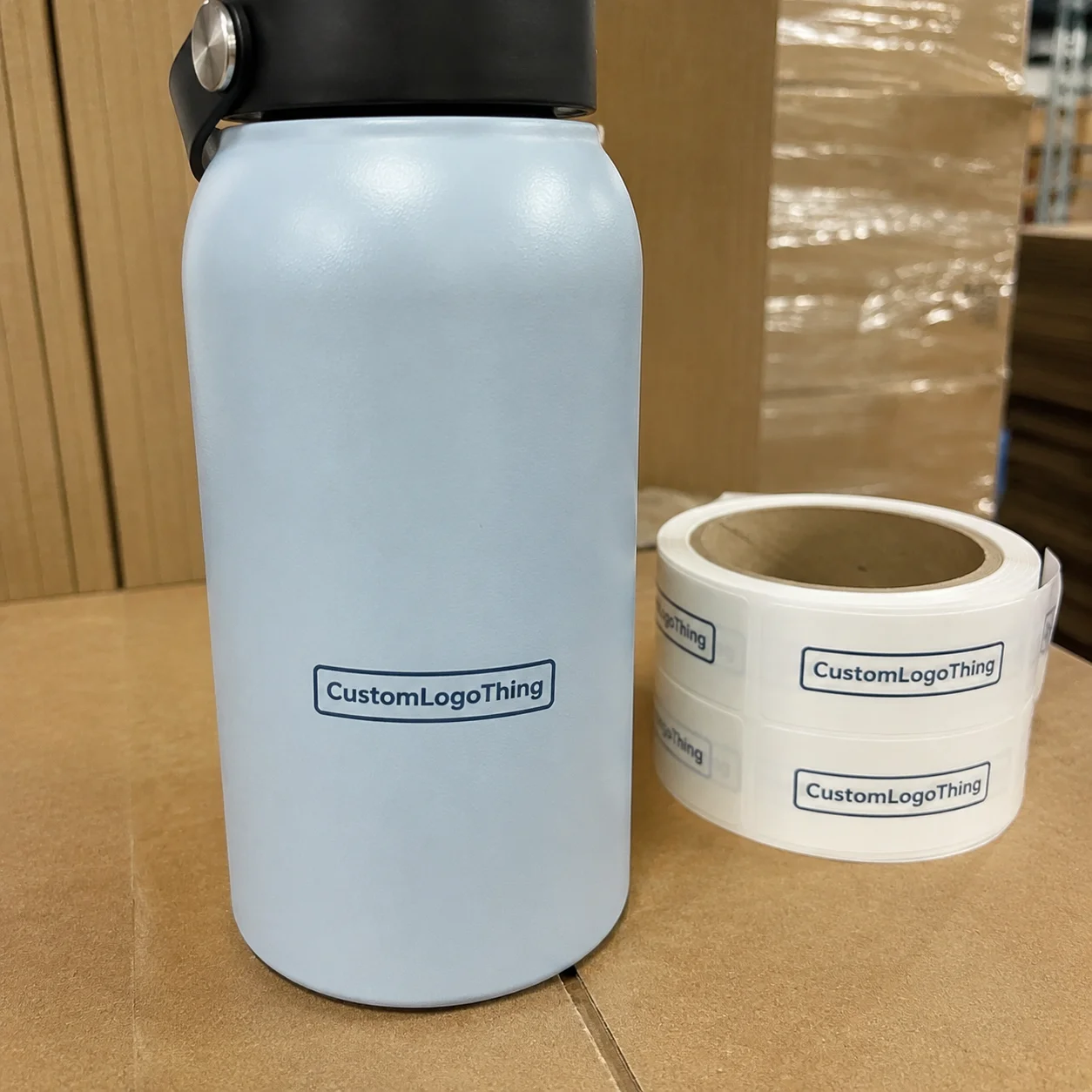
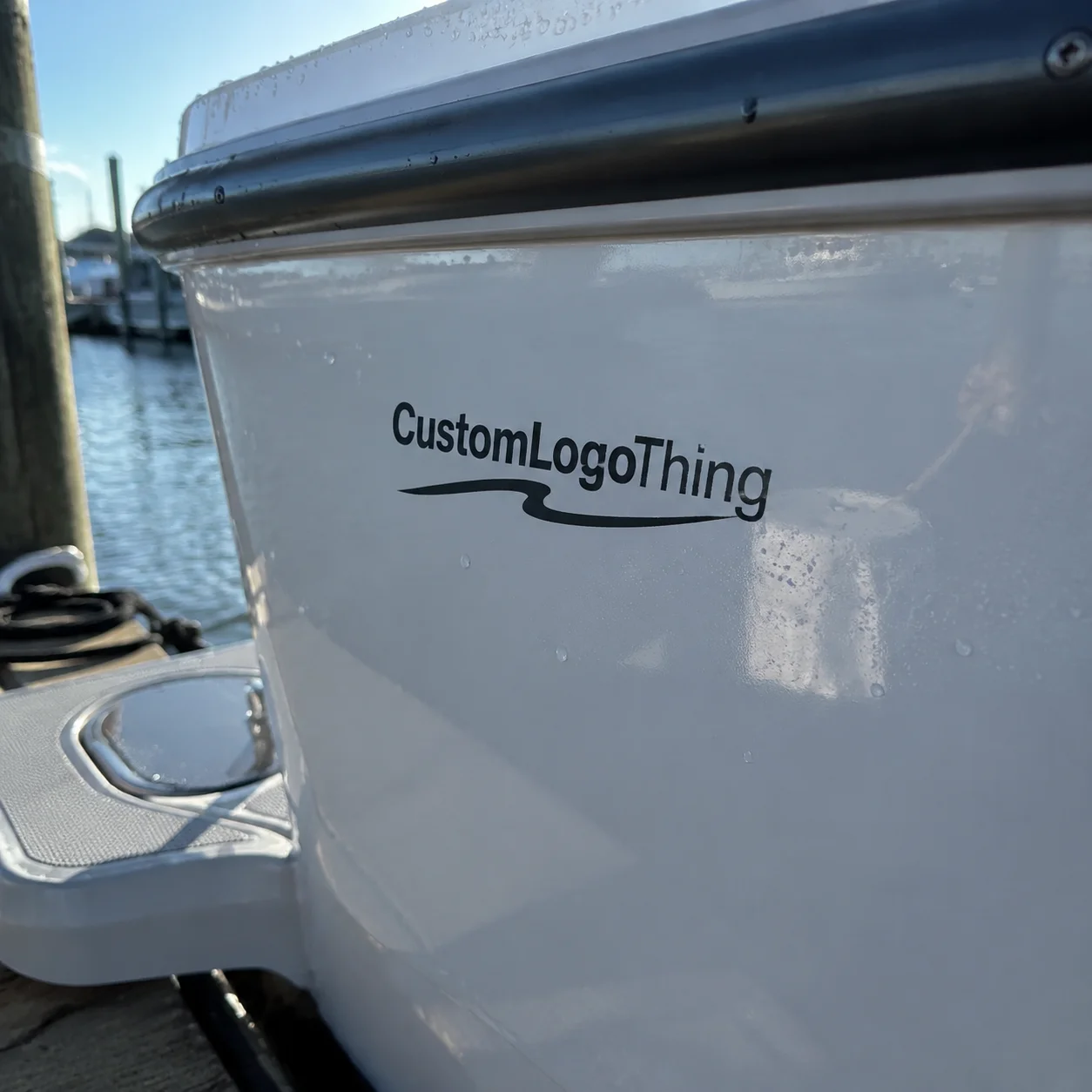
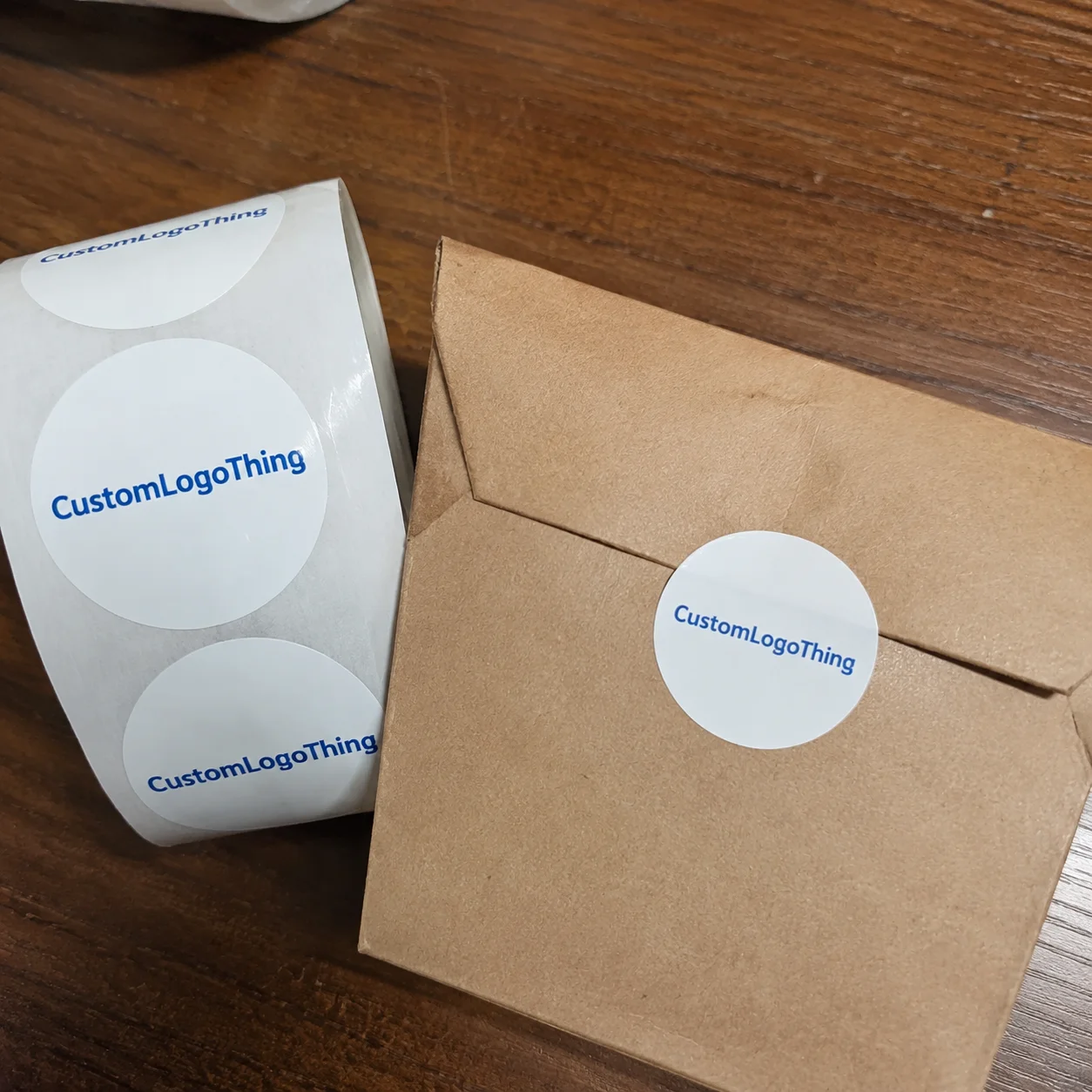
A sticker can be the smallest item in a packaging project and still carry the largest first-impression risk. Buyers may spend days comparing box structures, pouch films, bottle shapes, or insert cards, then approve stickers custom printed in minutes because they look simple.
That shortcut gets expensive. A sticker has to work as product ID, brand cue, seal, barcode carrier, batch label, and sometimes a legal panel. If it curls on a jar shoulder, scuffs in transit, wrinkles on a pouch, fades in sunlight, or falls off during refrigerated shipping, the customer does not think about adhesive chemistry. They see a packaging failure.
What stickers custom printed really mean for buyers
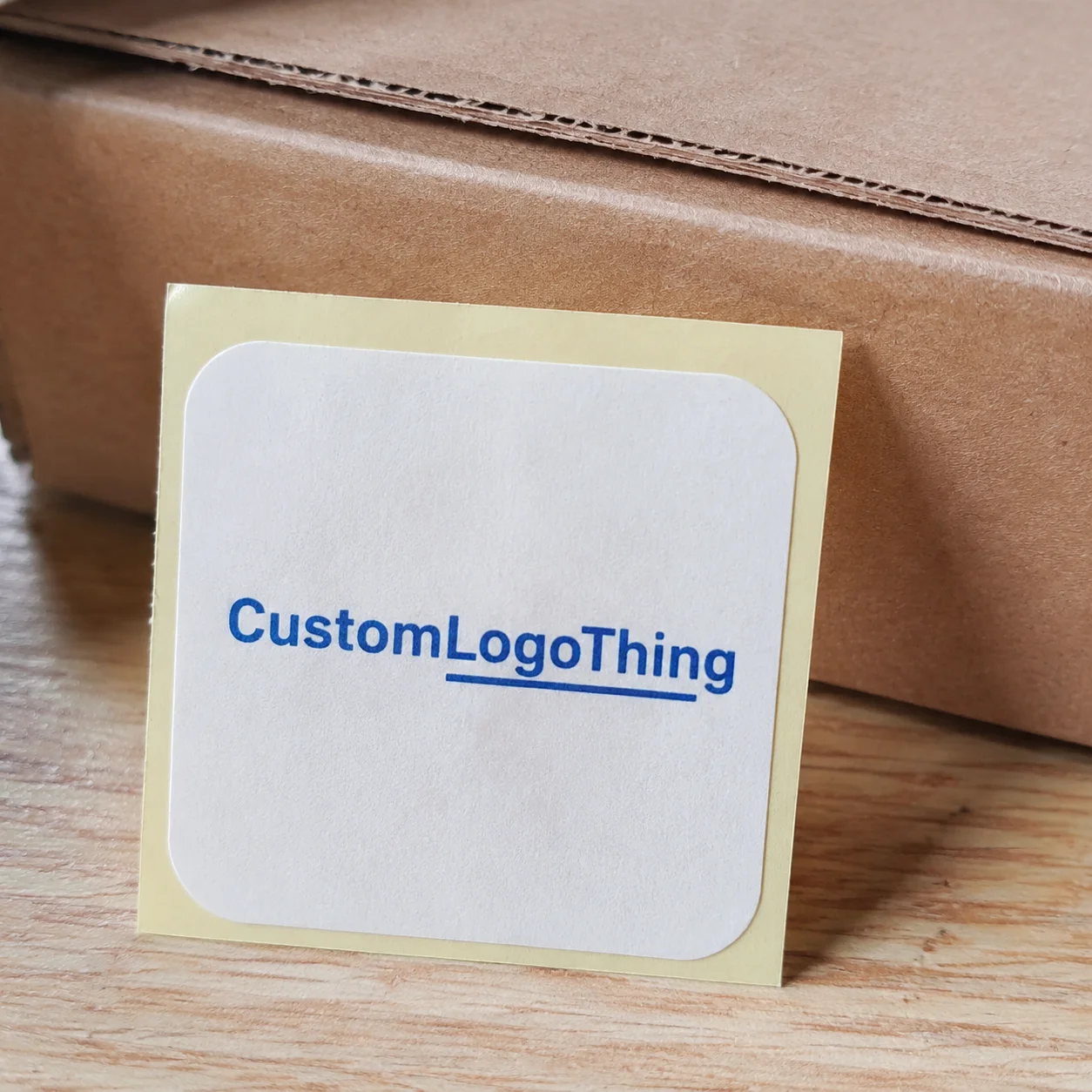
For buyers, stickers custom printed are adhesive pieces made to match a specific artwork file, size, shape, substrate, finish, adhesive, and application environment. That last factor controls more outcomes than most artwork briefs admit. A round logo seal on a kraft mailer is not doing the same job as a freezer-grade label on a sauce jar, even if both are two inches wide and printed in full color.
The word “sticker” hides several product categories. Decorative stickers are often used as branded inserts, laptop decals, event handouts, subscription box extras, or loyalty gifts. Product labels carry names, claims, ingredients, barcodes, QR codes, net contents, warnings, batch spaces, or SKU data. Sealing stickers close tissue, sleeves, mailers, belly bands, cartons, and retail wrap. Promotional decals may need outdoor durability. Packaging closure stickers need enough tack to survive handling but may also need to open cleanly.
Print quality is only part of the result. The construction also has to survive moisture, rubbing, vibration, shelf handling, refrigeration, oils from hands, and the speed of real packing work. A boutique run of 500 pieces and a fulfillment program of 50,000 pieces create different problems. Small runs often reveal artwork or sizing errors. Larger runs expose application speed, roll orientation, adhesive consistency, and operator fatigue.
A sticker sits between design and operations. It has to look good in a product photo, apply cleanly at a bench, scan correctly at retail, and stay attached after a parcel takes a hit. That is a lot of responsibility for a component that may cost less than a quarter.
Packaging buyer’s rule: judge a sticker by the surface, handling, and lifespan first. Then judge the artwork.
The strongest sticker decisions start with use conditions, not decoration. Where will it be applied? By hand or machine? To paper, glass, plastic, metal, or a textured surface? Will it face condensation, abrasion, cold storage, sunlight, oils, or regulatory checks? Those answers narrow the field faster than a mood board ever will.
How custom sticker printing works from file to finished roll
A typical custom sticker job moves through artwork setup, proofing, material selection, printing, finishing, cutting, quality checks, packing, and shipping. The path sounds linear. Real projects often loop back once or twice because the file is missing bleed, the cut line is unclear, the size changes after a mockup, or the buyer realizes the label must fit equipment rather than just packaging.
Format is the first operational decision. Roll stickers suit machine application and fast hand application, especially for jars, bottles, cartons, pouches, clamshells, and boxes labeled in sequence. Rolls may require a specific core size, outside roll diameter, label gap, and unwind direction. Sheet stickers work for retail counters, event teams, sample kits, office packing tables, and low-volume assembly. Individually cut stickers feel polished as giveaways and inserts, but the extra cutting, stacking, counting, and packaging raise labor cost.
Digital printing is common for short and mid-size runs, detailed full-color artwork, variable designs, and faster setup. It is useful when a brand needs 10 SKUs at 500 pieces each instead of one design at 5,000 pieces. Flexographic printing usually becomes more competitive for higher-volume label runs because press speed, repeatability, and unit economics improve after setup. Flexo can be efficient and consistent, but plates, makeready time, and minimums often make it a poor fit for very small orders.
Cutting shapes the finished experience. Die cutting uses tooling or digital equipment to cut repeated shapes such as circles, rectangles, ovals, bursts, badges, and custom outlines. Kiss cutting cuts through the face stock while leaving the backing liner intact, which makes peeling easier on rolls and sheets. Contour cutting follows the edge of a mascot, logo, illustration, or script mark. Intricate contours can look impressive on screen but behave badly in production if they include tight inside corners, thin bridges, tiny points, or narrow extensions that tear during peeling.
Finishes do more than change shine. Gloss makes color look brighter and can help photography feel crisp. Matte reduces glare and often suits Premium Retail Packaging, muted palettes, and natural products. Soft-touch lamination adds a velvety surface, though it can show fingerprints and oils. UV coating adds surface protection and shine. Lamination improves abrasion resistance, especially for labels that rub against other units during shipping. Foil, spot varnish, and textured effects can add retail impact, but they introduce more setup steps and should earn their cost.
For stickers custom printed well, the finished piece is a system: adhesive, face stock, ink, finish, liner, cut quality, roll direction, and application method. One premium feature will not compensate for the wrong combination.
Material, adhesive, and finish choices that change performance
Paper stickers are the practical workhorse. They are economical, print cleanly, and suit dry indoor uses such as bakery boxes, shipping inserts, candle dust covers, jar lids, thank-you seals, sample packaging, and short-life promotions. A standard paper label can be the right choice when the package will not face condensation, oils, outdoor exposure, or rough abrasion.
Film materials are used when durability matters. Vinyl is flexible and common for decals, outdoor uses, and curved surfaces. BOPP, or biaxially oriented polypropylene, is popular for food, beverage, bath, beauty, and flexible containers because it resists water and oils better than paper. Polyester is more dimensionally stable and often chosen for industrial, equipment, warning, or long-life labels. Performance still depends on grade, coating, ink system, adhesive, and finish.
Adhesive is not a single decision. Permanent adhesive is designed to stay down and may tear paperboard fibers if removed. Removable adhesive peels away more cleanly for promotions, temporary labels, reusable containers, and retail price changes. Repositionable adhesive gives the applicator a short correction window. Freezer-grade adhesive is formulated for cold storage and low-temperature handling. High-tack adhesive helps with rough, textured, or low-energy surfaces. Low-tack adhesive suits temporary uses. Tamper-evident adhesive may leave residue, break apart, or reveal a void pattern after removal.
The application surface can overrule the artwork. Glass is smooth but can collect condensation. Kraft paper looks tactile but can be fibrous, dusty, and inconsistent. Polyethylene and polypropylene containers can be difficult because they are low-surface-energy plastics. Metal may be slick. Coated boxes often accept labels well, while textured mailers may need stronger tack. Curved containers create edge lift if the label is too stiff, too wide, or wrapped across a compound curve.
Finish selection should follow the use case. Matte is common for premium packaging because it softens reflection and pairs well with restrained color palettes. Gloss helps saturated artwork and photography. Lamination is worth considering for labels that will rub against other products, hands, cartons, or packing materials. UV coating adds a protective layer, but it is not the same as a waterproof construction. A paper label with UV coating can still fail if water reaches the edges or the adhesive is not designed for moisture.
Material testing is underused. A beautiful label can fail when applied to cold glass, oily plastic, dusty corrugated board, recycled paper fibers, or a damp bottle leaving a filling line. If the sticker faces moisture, refrigeration, rough parcel transit, outdoor exposure, or a long retail shelf life, ask for material recommendations or samples before approving the full order.
Application temperature also matters. Many pressure-sensitive adhesives need a minimum application temperature and then time to build bond strength. A label applied in a cold warehouse and shipped immediately may behave differently from the same label applied in a controlled packing room and left overnight. That detail rarely appears in design briefs, but it often explains edge lift.
Cost and pricing factors behind a custom sticker quote
Sticker pricing is usually driven by quantity, size, material, print method, ink coverage, shape complexity, finish, adhesive type, delivery format, and shipping. A simple 2-inch paper circle on rolls has a different cost structure from a laminated waterproof contour decal supplied individually cut with back slits.
Unit cost drops as quantity rises because setup, proofing, press preparation, material waste, cutting setup, and packing labor are spread across more pieces. A run of 250 labels can feel expensive per unit because it still needs file review, proofing, setup, printing, cutting, and packing. At 5,000 pieces, those fixed steps are diluted.
As a planning range, small digitally printed paper labels may land around $0.08-$0.25 each at several thousand units, depending on size and coverage. Durable film labels with lamination often sit closer to $0.15-$0.45 each in moderate quantities. Individually cut specialty decals with foil, specialty adhesive, back slits, or complex contours can move higher. These are planning figures, not universal quotes. Substrate, adhesive, finishing, freight, waste allowance, and rush work can change the number quickly.
| Sticker option | Common use | Typical cost impact | Buyer watchout |
|---|---|---|---|
| Paper roll label | Dry boxes, jars, inserts, seals | Lower cost at volume | Poor fit for moisture or heavy abrasion |
| BOPP film label | Food, beverage, beauty, bath products | Moderate premium over paper | Needs correct adhesive for container surface |
| Individually cut decal | Giveaways, inserts, event promos | Higher labor and finishing cost | Can be slower to pack and count |
| Foil or spot UV sticker | Premium retail packaging and launches | Higher setup and finishing cost | Best reserved for designs with clear sales value |
Shape affects price more than buyers expect. Standard circles, squares, rectangles, and ovals are efficient. A custom outline, intricate contour, narrow bridge, tiny point, or tight corner can increase waste and slow cutting. Some shapes are technically possible but miserable for the person peeling and applying them 2,000 times.
Rolls, sheets, and singles also price differently. Rolls are efficient for label application and packing. Sheets are convenient for small teams and mixed-use programs. Singles feel more substantial as inserts but require extra handling. Convenience usually carries a labor cost, even when the sticker itself is small.
Minimum order quantity is not always arbitrary. Presses, materials, laminates, dies, and finishing stations have minimum efficient runs. A supplier may be able to produce 100 pieces, but the per-piece price can look odd because the setup work is similar to a larger job. To get a faster and more accurate quote for stickers custom printed, send size, quantity, artwork, material preference, application surface, expected environment, finish, shape, delivery format, and deadline in one request.
Process, timeline, and turnaround: what happens after you order
After the quote is accepted, the usual path is artwork review, digital proof, buyer approval, production scheduling, printing, finishing, quality control, packing, and shipping. Simple jobs move quickly after approval. More complex orders need extra time for material sourcing, custom dies, foil, lamination, color checks, barcode review, or multiple SKUs.
Proof approval is often the buyer-controlled step that most affects lead time. A proof checks layout, cut line, bleed, size, text placement, and general color position. It does not guarantee that your monitor color will match printed color. Screens emit light; ink sits on a material. Warm white paper, clear BOPP, metallic stock, or matte laminate can all shift the result.
For common digital sticker runs, production may take about 5-10 business days after proof approval. Larger label runs, specialty finishes, custom die work, or multi-SKU orders may need 10-20 business days or more. Freight adds another variable. Two-day transit does not rescue a schedule if proof approval took six days and the launch date never moved.
Build buffer time for trade shows, product drops, seasonal packaging, influencer kits, retail resets, subscription boxes, and compliance-driven packaging changes. A missed label date can stall finished goods even when every other component is ready. The sticker may be inexpensive compared with the product, but it can still become the gatekeeper.
Rush production can be realistic for standard materials, simple shapes, and clean print-ready files. It becomes risky when the order needs special stock, lamination, foil, strict color matching, variable data, or a nonstandard adhesive. If the order affects a retail deadline, ask for timeline milestones: proof date, approval cutoff, production window, ship date, and estimated delivery. A single vague ship date hides too many bottlenecks.
Quality control should be more than a glance at the top sheet. Practical checks include confirming size, cut registration, liner condition, roll direction, print clarity, color tolerance, adhesion sample, barcode or QR scan, count, and packaging protection. For roll labels, crushed cores and telescoped rolls can create trouble during application. For sheets, poor kiss-cut depth can make labels hard to peel. For singles, inconsistent trimming can make a premium insert look cheap.
For broader packaging planning, align labels with cartons, mailers, and inserts early. If you are building a launch kit or refreshing retail packaging, review the full set of Custom Packaging Products before locking sticker dimensions. A label that looks balanced alone can feel undersized beside a box, sleeve, pouch, or hang tag.
Common sticker ordering mistakes that create expensive reprints
The most common mistake is choosing material based only on appearance. A matte paper label may look perfect on a design proof but fail on a refrigerated bottle. A glossy film decal may be durable but feel wrong on a natural kraft subscription box. Performance should set the shortlist before aesthetics make the final pick.
Artwork errors come next. Missing bleed can leave hairline white edges after cutting. Low-resolution images print soft. Thin lines can disappear. Tiny type can fill in, especially on textured stocks or absorbent paper. Fonts should be outlined or packaged. Cut paths should be named and separated from the artwork, usually as a spot color or clearly marked vector line. If color is critical, say so before production rather than after delivery.
Size guessing creates more waste than people admit. A 3-inch label on a flat screen may look balanced; on a small jar, it may wrinkle near the shoulder. On a stand-up pouch, it may cross a gusset or seal area. On a mailer, it may land where the surface flexes. Print a paper mockup at final size, cut it out, and tape it to the actual package. It is crude. It works.
Adhesive failures often come from application conditions. Dust, oils, moisture, cold surfaces, and textured packaging all reduce contact. Many pressure-sensitive labels need firm pressure and a clean surface to build bond. Some adhesives also need dwell time before reaching final strength. Applying labels in a cold warehouse and shipping them immediately can produce different results than applying them in a controlled packing room.
Copy and compliance mistakes are painful because the print may look beautiful and still be unusable. Barcode size, quiet zones, QR code scannability, ingredient readability, warning statements, net contents, lot code space, and SKU versioning all need checking. For transit-related packaging decisions, standards from groups such as ISTA can help buyers think beyond appearance and consider distribution stress.
Over-ordering can waste money when ingredients, prices, addresses, certifications, QR destinations, or compliance language change. Under-ordering can trigger repeat setup costs and rush freight. A practical middle ground is to order around realistic demand windows, then reserve larger runs for stable designs. If sustainability claims are involved, be precise with materials and sourcing language; organizations such as FSC publish standards buyers can reference for responsible paper sourcing.
Use a simple preflight checklist before approving stickers custom printed: print a mockup, test placement, confirm dimensions, check every SKU, scan codes, review the proof at full size, verify the surface, and confirm the application environment. Ten minutes here can prevent a four-figure reprint.
Next steps before you send artwork to a printer
Start by defining the job in plain terms. Is the sticker supposed to identify a product, seal a package, promote a campaign, carry a barcode, decorate an insert, provide tamper evidence, or survive outdoor use? Then measure the surface. Not the approximate panel. The actual flat or curved area where the sticker will sit, including seams, ridges, folds, closures, and label-free zones.
Choose the application format early. Rolls are best for repeated labeling and machine use. Sheets are convenient for lower-volume hand application. Individually cut pieces are better for giveaways and branded insert packs. If rolls are used with equipment, specify core size, roll outer diameter limits, gap, label orientation, and unwind direction. A beautiful roll is not useful if it feeds the wrong way.
Create a small spec sheet before requesting quotes. Include size, shape, material, adhesive, finish, quantity range, number of designs, roll or sheet format, core size if needed, application surface, use environment, and deadline. Add notes such as “applied to refrigerated glass,” “used on textured kraft mailer,” “must scan at retail POS,” or “applied by hand at a packing bench.” Those details help a printer recommend the right construction instead of guessing from artwork alone.
Test one printed-size mockup on the actual package before final production. Curved containers, small labels, and flexible pouches deserve extra attention. If the sticker crosses a curve, seam, shoulder, or gusset, expect trouble unless the material is flexible enough and the adhesive is appropriate. For higher-risk uses, ask for material samples, a printed proof, or a short production sample. Samples add time, but they reduce uncertainty.
Compare quotes by total landed value, not unit price alone. Setup, dies, finishing, freight, rush fees, overrun policy, color expectations, packing method, and reprint risk all matter. A lower unit price can become expensive if the label fails, arrives late, or requires hand trimming. For adjacent items such as swing tags, bottle labels, and branded seals, reviewing Custom Labels & Tags can also help keep package branding consistent across the full customer touchpoint.
Send clean vector artwork when possible: AI, EPS, or print-ready PDF with outlined fonts, embedded or linked high-resolution images, clear bleed, and a defined cut path. Add color notes, barcode requirements, QR destinations, compliance needs, and SKU names in one organized package. The fewer assumptions a printer has to make, the fewer surprises you will meet after production.
Stickers custom printed work best when the buyer treats them as engineered packaging components, not last-minute decoration. That mindset protects the look, the timeline, the budget, and the customer’s first impression.
FAQ
What are stickers custom printed usually used for?
They are used for product labels, box seals, Jar and Bottle labels, shipping inserts, promotional giveaways, retail packaging, QR code labels, tamper cues, and branded unboxing details. The best use depends on the surface, handling conditions, expected lifespan, and whether the sticker needs to inform, decorate, seal, or promote.
How much do custom printed stickers cost?
Cost depends on size, quantity, material, adhesive, finish, shape, print method, and whether the stickers are supplied on rolls, sheets, or individually cut. Small paper labels may cost only a few cents each at volume, while laminated film labels, foil effects, specialty adhesives, and complex cuts can raise the quote quickly.
What file type is best for ordering printed custom stickers?
Vector files such as AI, EPS, or print-ready PDF are usually best because they keep logos, type, and cut lines sharp at production size. High-resolution PNG or TIFF files may work for image-based designs, but screenshots, copied web graphics, and low-resolution files often print poorly.
How long does it take to produce custom sticker labels?
Turnaround depends on proof approval, quantity, material availability, finishing, die cutting, quality checks, and shipping method. Simple digital sticker orders may take about 5-10 business days after approval, while specialty materials, foil, lamination, custom dies, or large multi-SKU jobs need more lead time.
Are waterproof custom stickers worth it?
Waterproof or water-resistant stickers are worth it when labels face condensation, refrigeration, outdoor use, bathroom products, beverage packaging, or frequent handling. For dry indoor boxes or short-term promotions, a paper sticker may be more cost-effective than a film-based waterproof option.