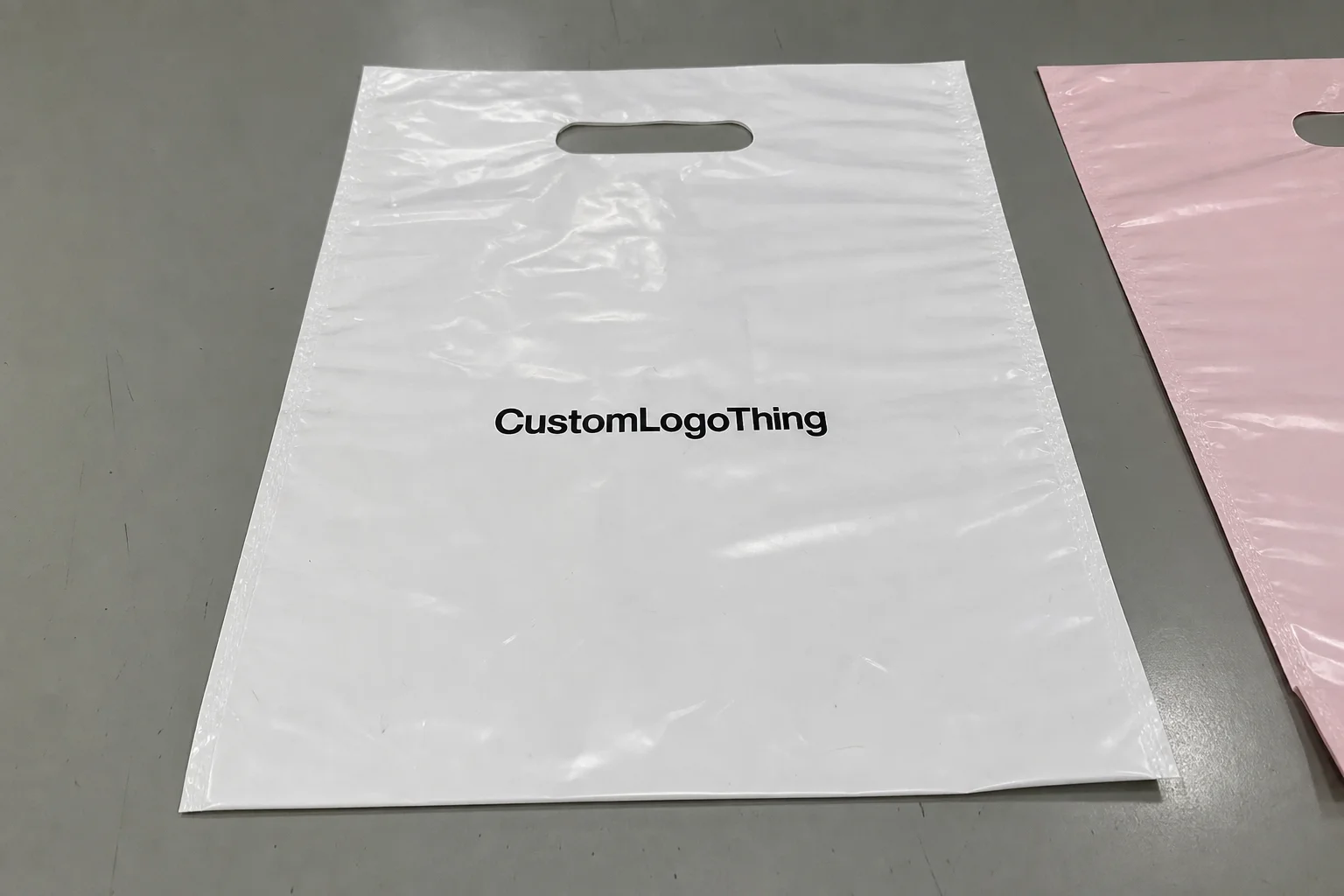
Subscription box teams usually lose money on small misses: a zipper that drags, frost that hides the logo, or a gusset that steals usable space. That is why the subscription boxes frosted zipper plastic bags Sample Approval Checklist matters. It keeps buyer, designer, and supplier aligned before anyone commits to a full run.
If you are sourcing for beauty kits, apparel drops, or seasonal boxes, the risk is not usually a dramatic failure. It is two frosted bags that look the same in a photo and behave differently on the packing table. The approval checklist is there to confirm the bag fits, closes cleanly, and survives real handling before production starts.
If your team has not locked the format yet, browse Custom Packaging Products before you approve a sample that belongs to the wrong size class. That mistake is common, and it usually shows up after the schedule and budget have already been set.
Subscription Box Frosted Bag Approval Basics
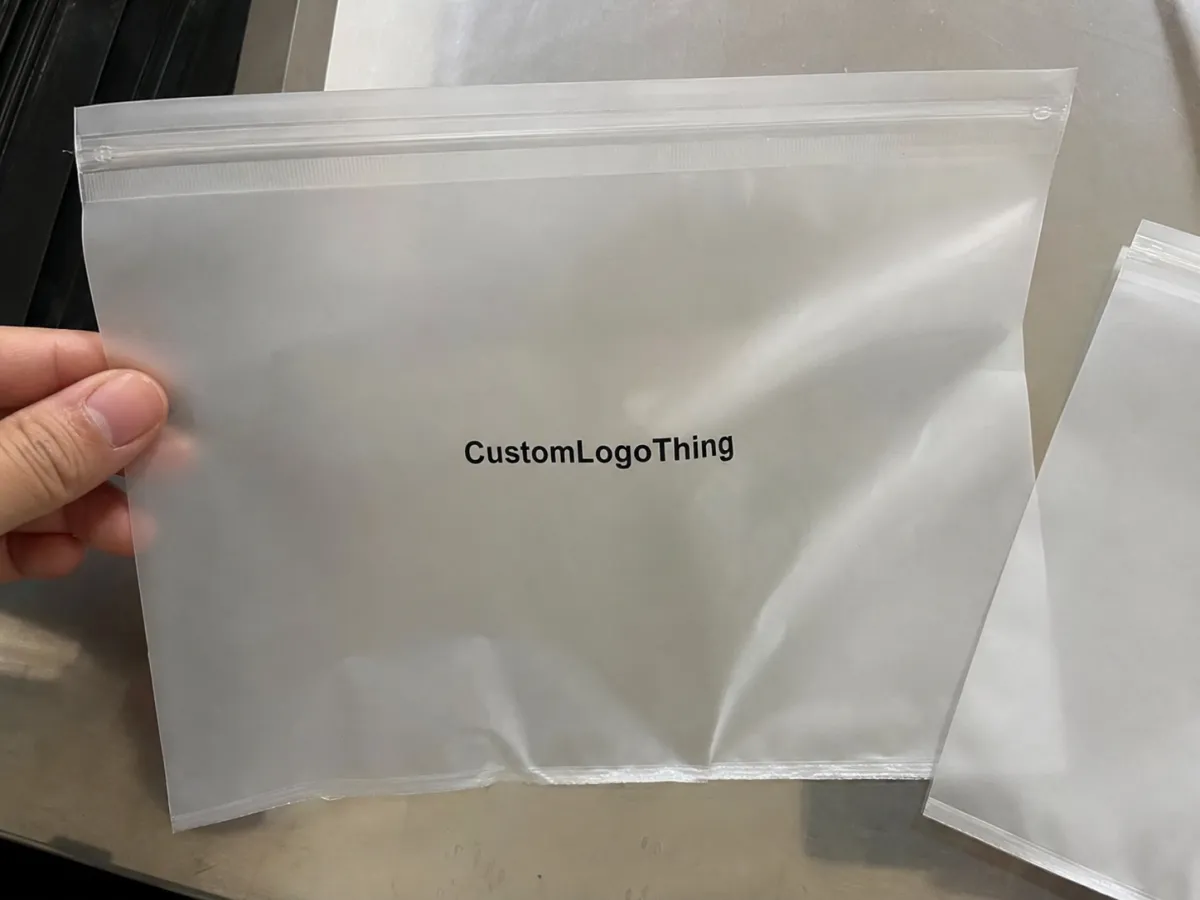
Bag samples fail for reasons that do not show up in a static photo. A frosted zipper pouch can look crisp online and still fail because the zipper snags, the side gusset collapses, or the haze level softens the logo too much. The point of sample approval is to catch those problems before they become production defects.
Approval should be written, not implied. The buyer signs off on size, film weight, finish, closure feel, and print placement before production starts. If those items are not defined, the supplier will fill in the blanks based on prior jobs, not your actual requirements.
For subscription boxes, the bag has three jobs: protect the contents, look intentional in the unboxing, and pack efficiently without slowing the line. A bag that is 3 mm too narrow or a zipper that takes an extra second to close seems minor until that delay is multiplied across thousands of kits.
"If the sample packs slower than the line, it is not a good sample. It is a future complaint."
For mixed kits, the bag also has to work with inserts, labels, and filler. Frosted film can mute color, so a logo that looked bold in a proof may turn soft once it sits behind translucent plastic. The approval checklist should use the actual contents, not a random test piece from the desk drawer.
How Sample Approval Works From Spec Sheet to Sign-Off
The sample process starts with a written spec sheet, not a sales image or a casual email saying "looks about right." The spec should cover dimensions, film thickness, zipper style, frost finish, print method, color references, and whether the sample is blank, decorated, or production-like.
Once the sample arrives, compare it against the master criteria line by line. Measure width, height, and gusset depth with a ruler or caliper. Check whether the zipper closes with a consistent snap instead of a vague drag. If the bag is printed, inspect logo placement against the seam and top seal. Small shifts are easy to overlook until the bag is packed and photographed.
Then test the real contents. Use the actual subscription items in the actual packing order. A filler pack can hide issues. Real products change tension, zipper feel, and how the sides sit once sealed. If the bag is supposed to hold a serum bottle, folded tee, and card insert, use those items.
Approval should end with a dated sign-off and a retained master sample. Keep one labeled sample in-house and one with the supplier if possible. That gives both sides a reference when a reorder is questioned later.
One person should own the final yes. Too many approvers create delay; too few create surprises. The approval owner can gather input from operations, design, and purchasing, but the release should not become a group vote after the sample has already passed all technical checks.
Cost, MOQ, and Quote Variables for Sample Approval
Price is where the checklist saves real money. Sample pricing is often separate from production, and the fee may or may not be credited back once the order is placed. Ask up front. A $60 sample that gets credited is very different from a $60 sample that disappears into the budget and never returns value.
MOQ usually shifts with size, thickness, zipper style, print colors, and whether the bag is plain or custom printed. In practice, custom Frosted Zipper Bags often start around 3,000-10,000 pieces, while plain bags can sometimes go lower. Typical landed unit pricing might land around $0.12-$0.28 for plain bags at higher volumes and $0.18-$0.55 for custom printed versions, depending on coverage, tooling, and material choice. Those are buying ranges, not promises.
| Option | Typical Sample Fee | Typical MOQ | Best For | Watch-Out |
|---|---|---|---|---|
| Plain unprinted sample | $25-$75 | 3,000-5,000 | Fit, zipper feel, pack-out tests | Does not prove print placement |
| Printed pre-production sample | $50-$150 | 5,000-10,000 | Branding, color match, final approval | Longer lead time and higher revision cost |
| Final production proof | Often waived or credited | Matches order quantity | Final release before full run | Usually not meant for redesigns |
Shipping and revision rounds can cost more than the sample itself. One extra courier run, one revised proof, and one additional week on the calendar can damage the budget faster than the material fee. If the launch date is fixed, ask for quote breaks at 2-3 volume levels before approval.
If the frosted zipper bag is only one part of the kit, the Custom Packaging Products catalog helps you compare inserts, mailers, and secondary packaging too. Comparing the full set is often the fastest way to avoid a bag that looks right but costs too much or packs too slowly.
Specs That Decide Whether the Bag Passes
Specs decide whether the sample passes. Start with critical dimensions: width, height, side gusset, bottom gusset, and usable fill volume after the zipper is closed. A bag can match the named size and still underperform if the gusset steals space from a bulky item or the top seal sits too low for branding.
Next is the film. Ask what the frost target is, how the supplier measures haze or translucency, and whether the pouch is stiff enough to stand during packing. Some teams want a softer hand feel; others want a firmer pouch that opens cleanly under gloves or on a fast line. There is no universal best choice.
Zipper performance is where weak samples usually reveal themselves. Check opening force, closing sound, and whether the bag re-closes cleanly after repeated use. If the zipper needs two hands and a lot of effort, it will annoy the pack team and the customer. Also check seal strength at the top and along the side seams.
Print and branding details matter just as much. Verify color match, logo placement, bleed, and opacity through the frosted film. A white logo can look strong on screen and dull on translucent plastic. That is usually a material-choice issue, not a press error.
Match the bag to the product load. Sharp edges need more puncture resistance. Liquids need better seal reliability. Powders need tighter closure control. Heavy inserts may need thicker film or a different gusset layout. If the kit will ship through rough distribution, ask whether the bag survives realistic drop, vibration, or compression conditions. The ISTA standards library is a useful reference for that kind of thinking.
Step-by-Step Approval Checklist for Buyers
A simple checklist reduces back-and-forth. Start by locking the target pack-out item list, including product size, weight, fragility, and anything that can scratch, leak, or shift. If the bag is not being tested against the actual contents, the rest of the process is weak.
- Request the sample with one written spec sheet. One spec, one owner, one version number.
- Inspect the bag under good lighting. Look for haze, scuffs, print smears, zipper alignment, and seam consistency.
- Pack the actual subscription contents. Check fit, closure speed, and whether the bag opens and closes cleanly after a few cycles.
- Record pass/fail notes with photos and measurements. Write down tolerances instead of relying on vague comments.
- Send written approval only after the supplier confirms the revision code. No code, no release.
Keep operations, design, and purchasing aligned. A sample can be visually approved by design and still fail ops because it packs too slowly or feels flimsy in the line crew's hands. The checklist should end with one company decision, not three separate versions of "approved."
For recurring kits, use a short internal approval form with fields for supplier name, revision number, approved size, film thickness, zipper type, print method, and approved date. It is dull, but it prevents avoidable confusion later.
Process and Lead Time: From Sample to Production
Lead time is where the approval checklist pays off in calendar math. A simple sample often takes 3-7 business days, but custom printing, special film, or a busy factory can stretch that longer. If the factory needs to source a specific zipper profile or match a color on frosted film, add time. If the sample needs a revision, add more time.
Production usually does not start until approval is in writing. Once you sign off, the factory may schedule material sourcing, printing, sealing, packing, and outbound freight around that date. A late approval can push the whole launch, especially when there is limited line time or booked freight.
Ask for the full production sequence before you commit. Material procurement, color matching, setup if needed, in-line sealing, inspection, and carton packing all affect the calendar. If your launch has a hard ship date, build in buffer time for sample review, supplier correction, and transit.
Also confirm whether the sample is being treated as a proof, a pre-production sample, or a true golden sample. Those terms are not interchangeable. If the supplier uses a different film batch or zipper supplier, note that on the approval record. Most reorder disputes start with missing notes, not bad intent.
For packaging terminology and material context, the Packaging School and industry resources at packaging.org can help. The EPA's packaging and waste pages at epa.gov are also useful when teams are checking recyclability or source-reduction claims. Neither replaces supplier testing.
Common Mistakes That Delay Approval
Most delays come from the same avoidable errors. First, approving from a render or product photo instead of the physical sample. A render cannot tell you whether the zipper drags or whether the film clouds the logo.
Second, testing one empty bag and calling it done. Empty bags behave one way; packed bags behave another. Weight changes how the zipper closes, how the gusset folds, and how much stress sits on the seams.
Third, ignoring color tolerance on frosted film. A design that reads well on white paper may look softer, grayer, or more muted once it sits on translucent plastic. If brand contrast matters, ask for a printed sample on the actual film.
Fourth, failing to confirm the exact factory, machine, and material batch. A sample made on one line and production made on another can differ enough to create headaches. Keep the revision log clean and traceable.
Finally, do not bury revision notes in a long email chain. Use one document, one approval owner, and one clear version history. That way, if the bag is wrong later, everyone can see what changed and when.
Expert Tips and Next Steps Before Final Sign-Off
Keep one retained sample tagged with date, supplier, and revision code. Put it where the team can find it quickly when a reorder question comes up. A labeled sample can settle a dispute in minutes.
Write down tolerances in plain language. Not "looks close enough," but actual pass/fail rules for size, print placement, zipper pull force, opacity, and seam alignment. If a team cannot describe the tolerance, it usually does not have one.
The approval email should name the exact bag spec, quantity, finish, and revision number being released. Do not leave room for "the sample we liked" or "the bag from last Friday." Suppliers need a clean release, and the internal team needs an audit trail.
Use one internal sign-off sheet for ops, design, and purchasing so all three teams approve the same version. Include the pack-out product list, supplier sample code, date received, date approved, and any agreed tolerances. The checklist works best when it is boring and repeatable.
If the bag is part of a broader packaging upgrade, compare it with other formats before locking the order. Sometimes a frosted zipper pouch is exactly right. Sometimes a different closure, thickness, or package style saves labor and looks better in the box.
What should I check first on a subscription box frosted zipper bag sample?
Check the dimensions and zipper action first. Those are the easiest items to miss and the hardest to fix later. Then test the bag with the actual subscription products, not an empty bag or a random filler pack, and compare the sample against the written spec sheet instead of the sales photo.
How long does frosted zipper plastic bag sample approval usually take?
Most simple samples land in 3-7 business days, but custom printing or special materials can stretch that out. Any revision round adds shipping time plus another approval cycle, so one small change can turn into a week or more. Build extra time into the calendar if the ship date is fixed.
What drives the quote for custom frosted zipper bags?
Size, thickness, zipper style, print colors, and MOQ usually have the biggest impact on price. Sample fees and freight can change the real landed cost more than buyers expect. Ask for pricing at multiple volume levels before you approve the sample so you know what the production order will really cost.
Can I approve a bag if the sample looks right but feels different?
Yes, but you should not. Feel affects sealing, pack speed, and how well the bag closes after repeat use. Check zipper pull force, stiffness, and closure consistency under real load. If the tactile feel does not match your baseline, request a revised sample instead of hoping it gets better later.
What should be in the final approval email for subscription box bags?
Include the exact bag spec, revision number, and order quantity so there is no confusion about what gets made. Attach date-stamped photos or reference the retained sample that was approved. State clearly that production can start only on that version, and keep the checklist attached or saved with the release file.