Buyer Fit Snapshot
| Best fit | Subscription Brand Rigid Boxes Wholesale projects where brand print, material claims, artwork control, MOQ, and repeat-order consistency need to be specified before quoting. |
|---|---|
| Quote inputs | Share finished size, material target, print colors, finish, packing count, annual reorder estimate, ship-to region, and any compliance wording. |
| Proofing check | Approve dieline scale, logo placement, barcode or warning zones, color tolerance, closure strength, and carton packing before bulk production. |
| Main risk | Vague material claims, crowded artwork, missing packing details, or unclear freight terms can make a low unit price expensive after revisions. |
Fast answer: Subscription Brand Rigid Boxes Wholesale: Board, Finish, Dieline, and Unit Cost should be specified like a repeatable production item. The safest quote records material, print method, finish, artwork proof, packing count, and reorder notes in one written spec.
Production checks before approval
Compare the actual filled-product size with the drawing, then confirm tolerance on folds, seals, hang holes, label areas, and retail display edges. Reserve space for logos, QR codes, warning copy, and material claims before decorative graphics fill the panel.
Quote comparison points
Review material grade, print process, finish, sampling route, tooling charges, carton quantity, and freight assumptions side by side. A quote is only useful when the supplier can repeat the same color, closure quality, and packing count on the next order.
Subscription Brand Rigid Boxes Wholesale: A Practical Buying Guide
If you sell recurring kits, the box is not decoration. It carries the product, it signals the level of the brand, and it often stands between a clean delivery and a costly return. That is why subscription brand rigid boxes wholesale deserves a real buying process instead of a rushed art file and a hopeful email. The difference shows up in damage rates, packing labor, and the way the unboxing experience holds together from one shipment to the next.
Most subscription brands do not lose money because the box itself costs a little more. They lose money because cheap packaging creates avoidable failures: crushed corners, loose inserts, scuffed wraps, rework at fulfillment, and customers who decide the whole operation feels careless. That is a customer perception problem as much as a packaging problem. A solid wholesale spec addresses both.
For a recurring kit, the right wholesale spec balances protection, print quality, and repeatability. Fancy is nice. Consistent is what protects margin.
Why subscription brand rigid boxes wholesale reduces shipping headaches
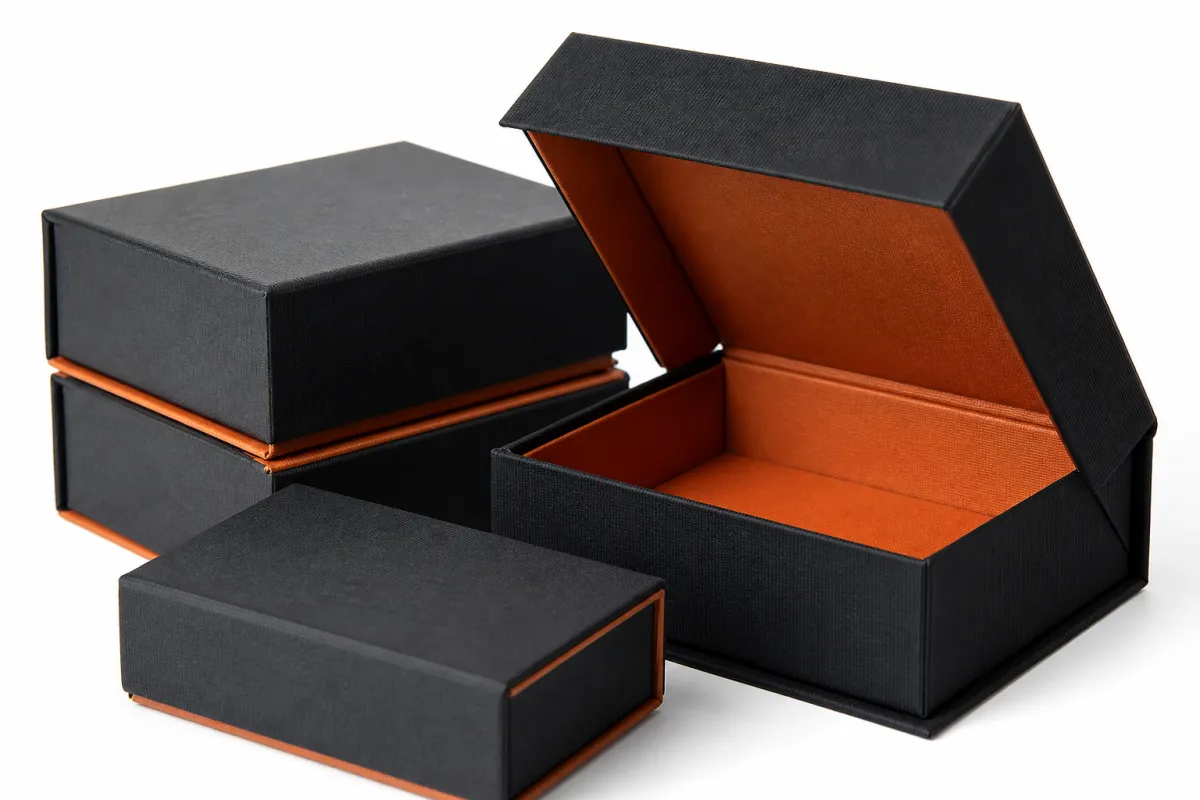
Subscription programs run on repetition. Same size. Same insert. Same packing motion. Same delivery expectation. That pattern is exactly why subscription brand rigid boxes wholesale makes sense for recurring shipments: once the spec is set, the whole fulfillment chain gets easier to manage. A rigid structure holds its shape better than a flimsy folding carton, and that matters when the box moves through pickers, tape machines, carrier sorters, truck compression, and a doorstep drop. Every touchpoint adds risk, and the risks pile up fast.
The box price is rarely the real problem. The real cost sits in damage claims, repacking labor, and inconsistent brand presentation. A box can arrive technically usable and still leave the customer with a poor impression if the lid shifts or a corner collapses in transit. I have seen teams spend weeks debating print finishes while the actual loss came from a lid that fit too loosely by a hair. That kind of detail sounds small until it starts showing up in customer emails. Premium subscriptions need packaging that protects the product and supports brand identity in the same build.
Subscription brand rigid boxes wholesale also helps with replenishment planning. A recurring program is not a one-time estimate; it is a pattern that rises and falls with renewals, seasonal spikes, and retention offers. Wholesale buying lets you hold stable specs, stable print colors, and stable insert dimensions across reorders. That stability matters more than people admit. Buyers often chase a slightly cheaper quote, then spend months cleaning up the operational mess caused by a spec that changed halfway through the program.
For premium kits, the difference between rigid and folding is not subtle. Rigid boxes use thicker grayboard and wrapped paper, usually around 1.5 mm to 2.5 mm board thickness depending on the size and load. That structure gives better corner integrity and better shelf presence. If the box also needs to double as a keepsake container, rigid construction is the right call. If the product is lightweight and low-value, a folding carton may be enough. The shipment should decide, not a generic packaging rule.
A box that looks premium but crushes in transit is not premium. It is expensive cardboard with better marketing.
For subscription brands, the packaging has to work as part of shipping performance. It should reduce breakage, hold the product neatly in place, and present the brand cleanly every month. That is the practical value of subscription brand rigid boxes wholesale: fewer surprises, less waste, and a customer experience that stays predictable.
From an operations point of view, repeatable packaging also supports more accurate forecasting. Fulfillment teams can pre-build packing stations, use the same carton inserts, and train staff on one packing motion instead of three. Small savings per unit matter a lot when you are shipping thousands of identical kits. Nobody feels that in one order. Everyone feels it across a quarter.
Product details: what subscription brands should order
Before you quote subscription brand rigid boxes wholesale, decide what the box actually needs to do. A rigid box is not one product. It is a family of structures with different uses, and picking the wrong one is how brands end up paying for features they do not need. The right choice depends on product weight, fragility, opening style, and how much of the packaging becomes part of the display or storage experience.
Box styles that fit recurring kits
Lift-off lid boxes are common for beauty, wellness, and curated gift sets. They are easy to open, easy to stack, and simple to decorate. Two-piece rigid boxes are similar, but the lid and base proportions can be adjusted for a tighter fit. Magnetic closure boxes feel premium and hold shut well, which is useful for keepsake items, accessories, and high-end starter kits. Drawer-style boxes create a more deliberate reveal, but they need careful tolerance control so the sleeve slides smoothly without feeling loose. Mailer-style rigid hybrids are useful when the product needs more protection during shipping and the brand still wants a structured reveal.
That choice affects more than appearance. A magnetic closure box can improve visual branding, but it also adds cost and usually more assembly time. A drawer box gives a strong unboxing experience, but if the inner tray shifts, the product looks cheap even if the outside is beautiful. For subscription brand rigid boxes wholesale, the best style is the one your fulfillment team can pack consistently without babysitting each unit. If the line has to slow down for every box, the packaging is fighting the business.
Interior formats that stop movement
Inside the box, you can use foam inserts, EVA inserts, molded pulp, paperboard compartments, tissue wrap, or custom die-cut holders. Foam and EVA work well for fragile products, but they are not always the most sustainable answer. Molded pulp is useful for eco-forward programs and some heavier items, though it may need more design testing to keep the presentation sharp. Paperboard inserts sit in the middle for lightweight skincare, apparel accessories, and multi-item kits.
For subscription brand rigid boxes wholesale, inserts matter because they control both movement and perception. Loose movement creates scuffs, broken seals, and a cheap-feeling package. A fitted insert does the opposite: it makes the contents look intentional and organized. If your kit contains two or more components, do not guess on the insert. Measure the actual product and confirm the fit before production gets the green light. Guessing is how a box that looked perfect in the mockup becomes a headache on the packing table.
Finishes that earn their keep
Common finishing choices include soft-touch lamination, matte lamination, gloss lamination, foil stamping, spot UV, embossing, debossing, and Printed Belly Bands. Soft-touch feels premium, but it can show marks if the boxes are handled a lot during packing. Gloss improves color pop, while matte often reads more restrained and expensive. Foil and embossing help with brand recognition, but only if they support the design instead of covering it up.
Decoration should support the product, not hide weak structure. A high-end finish on a poorly built box still looks wrong. Buyers using subscription brand rigid boxes wholesale should think about how the box is opened, stacked, shipped, and stored after opening. If the box is meant to live on a shelf, a sturdier wrap and cleaner print alignment are worth paying for.
Many subscription brands also need the outside of the box to survive contact with carriers and fulfillment shelves. That means scuff resistance matters. A matte wrapped box with no lamination may look great in a studio and terrible after a few conveyor belts. In practice, the finish decision is part branding, part transit control. The cleanest-looking sample is not always the right production choice.
Subscription brand rigid boxes wholesale specifications that matter in transit
Quoting subscription brand rigid boxes wholesale without the right specs is just guessing with nicer language. The manufacturer needs the internal dimensions, board thickness, wrap paper choice, insert depth, closure type, and ship-ready pack-out details. If those inputs are vague, the quote will be vague too. Then production starts, and the revision cycle begins. Nobody enjoys that.
Specs that should be locked before quoting
Internal dimensions come first. A box can look fine on paper and still fail in real life if the product shifts by a few millimeters. That is enough to create scuffed surfaces, pinched lids, or an insert that does not sit flush. For subscription brand rigid boxes wholesale, millimeter-level sizing matters because recurring programs punish inconsistency. The first run may work, but if the next batch is slightly loose, customer complaints rise fast.
Next, define the board and wrap. Grayboard in the 1.5 mm to 2.5 mm range is common for rigid packaging, but the right thickness depends on product weight and box size. Larger boxes often need thicker board to avoid warping. Wrap paper can range from standard printed art paper to specialty textured stock. A laminated wrap is usually safer for scuff resistance if you need a cleaner premium look. Uncoated specialty paper may suit a more tactile finish, but it needs more care in transit.
Closure type matters too. Lift-off lids are easy and reliable. Magnetic closures feel more premium, but they add magnets, alignment sensitivity, and more assembly time. Drawer styles need consistent sleeve tension. Every closure style changes how the packaging behaves in the pack line, and subscription brand rigid boxes wholesale is only a good deal if the structure fits your actual workflow.
Transit performance details that buyers ignore
In transit, the box has to resist compression, corner crush, and scuffing. Ask whether the structure can pass a compression check and whether the outer wrap resists rub marks during truck handling. If your product is fragile, ask for shipping validation that mirrors the carton journey. An authority site like the International Safe Transit Association testing standards is a useful benchmark for packaging validation, especially when you are comparing suppliers who all claim their box is “shipping-ready.” Claims are cheap. Test results are better.
If your brand uses paper sourced with environmental documentation, ask for FSC chain-of-custody options. The Forest Stewardship Council helps clarify what certification does and does not cover. That matters for customer trust, especially in wellness, beauty, and premium gifting, where buyers often ask what the packaging is made from.
Also ask whether the box should survive a second life as a storage container. Some subscription brands want customers to keep the box. If that is the goal, crease quality, lid fit, and surface durability matter more. If the box is disposable, the spec can prioritize cost and shipping strength over long-term display value.
For subscription brand rigid boxes wholesale, the real goal is sameness. Consistent dielines. Consistent print alignment. Consistent insert fit. Monthly subscribers notice drift faster than most teams expect. A package that changes slightly every cycle weakens brand consistency, even if the product inside is perfect.
One more practical detail: confirm overrun and underrun tolerances before you approve the order. If your launch depends on exact counts, do not assume the factory will guess the same way you do. Ask for the acceptable range in writing. That tiny line in the spec sheet saves a lot of arguing later.
| Box style | Best use | Typical MOQ | Rough unit cost at 1,000 pcs | Rough unit cost at 5,000 pcs |
|---|---|---|---|---|
| Lift-off lid rigid box | Beauty sets, wellness kits, gift subscriptions | 500-1,000 | $1.20-$2.10 | $0.72-$1.25 |
| Magnetic closure box | Premium launches, keepsake packaging, accessories | 1,000-2,000 | $1.80-$3.50 | $1.10-$2.20 |
| Drawer-style rigid box | Curated unboxing, multi-item presentation | 1,000-2,000 | $1.60-$3.00 | $0.95-$1.75 |
| Rigid mailer hybrid | Higher protection with a premium look | 500-1,500 | $1.35-$2.60 | $0.85-$1.55 |
These ranges move with size, print coverage, insert type, and freight. Still, they are a better starting point than vague talk about “affordable premium packaging.” That phrase helps nobody, and it usually hides a bad comparison.
Subscription brand rigid boxes wholesale pricing, MOQ, and unit cost
Subscription brand rigid boxes wholesale pricing comes down to a handful of factors: box size, board thickness, wrap paper, print method, insert complexity, and whether you are using standard tooling or a custom structure. The biggest mistake buyers make is comparing quotes line by line without checking whether the quotes are actually for the same box. They are not always the same, and the cheaper one often hides less protection, weaker materials, or a stripped-down finish.
What really changes the quote
Size comes first. A large box uses more board, more wrap, and more labor. Simple geometry is cheaper. Odd angles, deep lids, hidden magnets, and complicated inserts cost more because they take longer to build. For subscription brand rigid boxes wholesale, print coverage also changes the number. Full exterior print costs more than a single-color wrap or a simple belly band. Foil stamping, embossing, and spot UV each add setup steps, and setup steps add cost. That is normal, not a scandal.
Insert complexity is another big driver. A basic paperboard insert is cheaper than EVA foam or a multi-compartment tray. If the kit contains fragile items, custom inserts are usually worth the spend. If not, you may be paying for visual drama that does not improve shipping performance. I see this often: brands want the box to feel premium, then pack a light, simple product in a highly engineered structure that eats margin for no real benefit. The presentation looks good on a render and gets expensive in real life.
Freight matters too. Factory price is only part of the landed cost. You also need to account for shipping, customs if applicable, storage, split deliveries, and reorders. A low factory quote can become expensive after freight and handling. That is why a proper subscription brand rigid boxes wholesale comparison should be based on landed cost, not the number printed on the first line of the quote.
How MOQ changes the math
Lower MOQs usually mean higher unit cost because setup work gets spread across fewer boxes. Larger recurring orders usually bring the unit price down and give you more room for premium finishes. That said, do not buy more than your forecast can absorb just because the per-unit number looks nice. Inventory sitting in a warehouse is not a victory. It is cash with dust on it.
For many buyers, a practical path is to start with a standard structure, then add branding through print, foil, or a belly band. That keeps subscription brand rigid boxes wholesale manageable at launch and leaves room for upgrades in the next reorder. If you go fully custom on the first run, you may discover too late that your preferred structure is expensive to assemble or too slow to replenish.
One more hidden cost: proofing and revision time. Every new artwork round adds delay. Every structure change can force a new sample. If your team changes the specs three times, the factory is not the problem. The project is. A clean brief saves more money than most people expect.
For a cleaner buying process, compare these items side by side before you approve:
- Structure: two-piece, magnetic, drawer, or rigid mailer hybrid
- Insert: none, paperboard, molded pulp, EVA, or foam
- Finish: matte, gloss, soft-touch, foil, spot UV, embossing
- Shipping plan: air, sea, mixed freight, or domestic replenishment
- Reorder plan: one-time launch or recurring monthly supply
If a supplier cannot quote those details clearly, that is a red flag. subscription brand rigid boxes wholesale works best when the supplier understands recurring production, not just one-off sample making.
Process, timeline, and production steps for wholesale orders
Good packaging projects move in a predictable sequence. Bad ones bounce around. For subscription brand rigid boxes wholesale, the standard workflow should look like this: inquiry, spec review, structural sampling, artwork proofing, pre-production confirmation, production, quality inspection, and shipment. Each step exists because skipping it usually costs more later.
The standard workflow
Start with a clean brief. Product dimensions, box style, insert type, print coverage, quantity, and delivery target. If the product has odd shapes or multiple pieces, include photos and a simple layout drawing. That saves a lot of back-and-forth. Once the quote is aligned, request a structure sample if the box is new or if the product is fragile. Sampling catches fit issues before mass production, which is exactly where they should be caught.
Artwork proofing comes next. Send final files in the correct format, with bleed and safe zones set properly. If the print uses brand color standards, define them early. Color drift can hurt brand identity, especially across monthly shipments where the same customer sees the box again and again. For subscription brand rigid boxes wholesale, repeatability matters more than clever design tweaks that look good only once.
After the proof is approved, the factory should confirm the spec sheet one more time before production. That last check sounds boring. It is. It also saves money. Confirm dimensions, finish, insert details, packing quantities, and carton labeling. If your fulfillment center has special receiving rules, share them now, not after the freight arrives.
Where projects usually slow down
Most delays come from three places: changing the dieline late, waiting on artwork, or approving a sample that does not match the original brief. None of these are mysterious. They are project discipline problems. The fastest subscription brand rigid boxes wholesale order is usually the one with the fewest revisions and the cleanest inputs.
Typical lead times vary with complexity, but a straightforward custom rigid box often runs around 12 to 20 business days after proof approval, with more time needed for complex decoration, special inserts, or busy production periods. Shipping adds its own clock. Air freight can shorten delivery, but it raises landed cost. Sea freight lowers transport cost, but you need more planning. That is the tradeoff. No packaging supplier can make both math and geography disappear.
For seasonal subscriptions, build in a buffer. If your next cycle depends on a packaging arrival date, plan the order early enough to absorb one round of corrections. Missing the fulfillment window because the lid finish got approved late is a self-inflicted wound.
Use standards when they fit your risk profile. If the product is sensitive to transit damage, ask for validation against shipping tests aligned with ISTA shipping test methods. That is a much better conversation than arguing over whether a box “feels sturdy” in the hand.
And yes, subscription brand rigid boxes wholesale projects can move quickly when everyone does their part. The myth is that speed comes from pressure. Usually it comes from clarity.
Why choose us for subscription packaging that ships clean
Subscription brand rigid boxes wholesale is not just about getting cartons from point A to point B. It is about getting the right structure, the right print, and the right fit for a recurring program that cannot afford loose packaging decisions every month. That is where a packaging partner matters. A box seller gives you a price. A packaging partner helps reduce rework, protects the product, and keeps repeat orders consistent.
What reliable support looks like
A good supplier should help you refine the structure before production, not after complaints. That means checking board thickness, insert depth, paper wrap choice, and how the box will be packed at fulfillment. It also means thinking about color control and production consistency across reorders. If the first run is great and the second run drifts, the customer sees the difference immediately. subscription brand rigid boxes wholesale only works if the packaging looks and feels the same from batch to batch.
Quality checkpoints matter. Material inspection should happen before assembly. Color control should happen during printing. Insert fit checks should happen before full run approval. Carton compression checks should happen before shipment. Final packaging audits should confirm that counts, labels, and outer cartons match the order. None of that is glamorous. It is just how you avoid expensive mistakes.
If the sample is pretty but the production run is sloppy, the sample was decoration. Not a solution.
We also look at how packaging affects the packing line. A structure that takes too long to assemble may look elegant and still fail in real operations. Subscription brands ship on schedules. Your box has to support that schedule without forcing the fulfillment team to fight it. That is why the most useful advice is often unsexy: simplify where you can, strengthen where you must, and lock the spec early.
For buyers who want to compare options or build a broader packaging program, our Case Studies page shows how different structures perform in real use, and our Wholesale Programs page explains how recurring orders can be planned around volume and replenishment. If you need other formats beyond rigid packaging, our Custom Packaging Products catalog is a practical place to start.
That is the value of working with a team that understands recurring shipments. You are not rebuilding the project every month. You are protecting the spec and keeping the operation steady. For subscription brand rigid boxes wholesale, that steady hand is worth more than a flashy promise.
Next steps before you order subscription brand rigid boxes wholesale
Before you request quotes, gather the basics: product dimensions, preferred box style, insert needs, print coverage, estimated volume, and delivery timing. If the product is fragile or premium, ask for a sample or prototype before you approve full production. That one step can save a lot of money. subscription brand rigid boxes wholesale orders are much easier to control when the first physical sample proves the fit.
Do not compare only the unit price. Compare landed cost, lead time, reorder flexibility, and how much revision work each supplier expects from you. A cheap quote that needs three rounds of corrections is not cheap. It is just delayed expense. Good buyers look at the whole picture: production, shipping, storage, and how well the box supports the unboxing experience without making fulfillment miserable.
Lock the spec sheet. Approve the proof. Build a replenishment schedule that matches your subscription calendar. Then keep the structure stable unless there is a real reason to change it. That is how you protect brand consistency and avoid stockouts that wreck the next cycle. If you are planning a recurring program, order before the calendar gets crowded. Waiting until the launch window is too close is how brands end up paying more for less.
For a premium recurring kit, subscription brand rigid boxes wholesale is not optional overhead. It is the packaging system that keeps the product protected, the branding consistent, and the delivery experience clean. Get the spec right once, and your next reorder gets a lot easier. Get it wrong, and you will be cleaning up the same problem every month.
What is the usual MOQ for subscription brand rigid boxes wholesale?
MOQ depends on size, structure, and decoration, but Custom Rigid Boxes usually start higher than folding cartons because each unit takes more labor and setup. Standard sizes and simpler finishes can lower the MOQ, while special inserts, foil, or embossing often push it up. If you want a lower starting volume, ask for a standard structure first and reserve heavier customization for the next reorder. That is usually the smarter move for subscription brand rigid boxes wholesale.
How long does production take for subscription brand rigid boxes wholesale orders?
Timeline usually depends on sample approval, artwork readiness, and decoration complexity, not just factory speed. Straightforward projects move faster when dielines are approved early and the final spec does not keep changing. If you need a launch date, build in time for sampling, freight, and one round of corrections. That planning is part of doing subscription brand rigid boxes wholesale the practical way.
Which box style is best for shipping subscription products?
Use a rigid structure when the product is premium, fragile, or meant to create a strong unboxing experience. Choose inserts when the product can shift inside the box, because movement causes damage and makes the package look cheap. For high-touch monthly programs, pick a structure that balances protection with easy packing at fulfillment. That is the core decision behind subscription brand rigid boxes wholesale.
What details should I send for a wholesale quote?
Send product dimensions, box style, insert type, print coverage, quantity, and target delivery window. Include artwork files if they are ready, but do not wait on final design before asking for a pricing range. The more exact the specs, the less guesswork in the quote and the fewer painful revisions later. That is especially true for subscription brand rigid boxes wholesale projects.
Can subscription brand rigid boxes wholesale orders include custom inserts?
Yes, and for many subscription kits, inserts are the difference between a premium shipment and a loose mess in a fancy shell. Insert choices affect both cost and protection, so match the material to the product weight and fragility. Ask for a fit check before mass production if the box holds multiple components or oddly shaped items. For subscription brand rigid boxes wholesale, the insert is often doing more work than the outside graphics.


