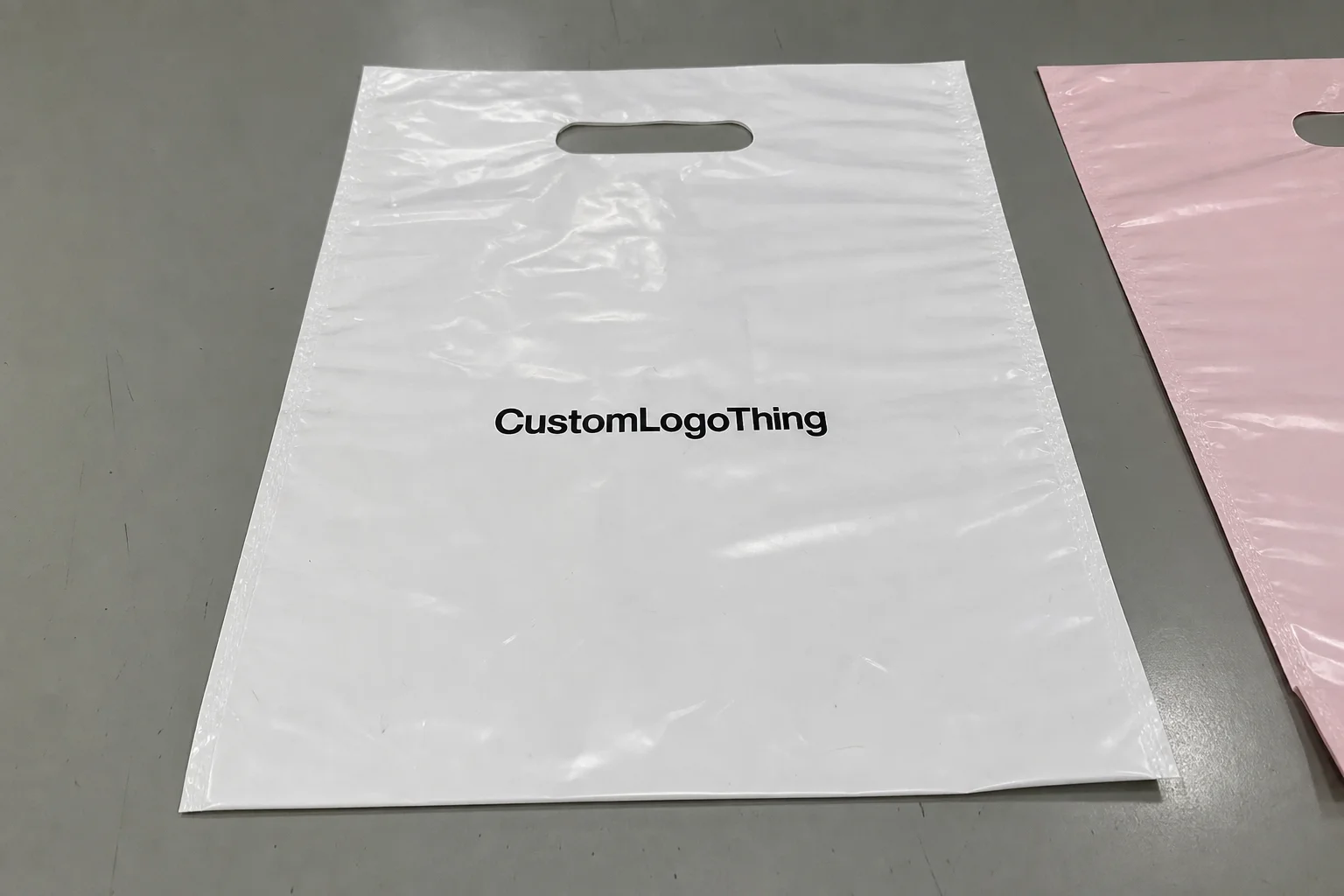
Subscription embroidered Beanies Sample Checklist decisions go wrong when a sample looks good flat but changes once it stretches, folds, or sits under real lighting. Beanies hide problems until they are worn, which is why the sample has to prove more than appearance.
That matters even more in subscription programs, where one approval has to hold up across repeat orders, seasonal color changes, and reorders months later. The subscription embroidered beanies sample checklist for buyers should confirm what must match exactly, what can vary within tolerance, and who owns the final signoff.
If a beanie only looks right while lying flat, it is not approved yet. Stretch, wear, and light reveal the real version.
For buyers, the review should focus on four areas: fabric and knit gauge, embroidery and placement, fit and cuff shape, and presentation details such as labels, folding, and polybagging. Missing any of those can create production issues later. In 2026, buyers are also paying more attention to sustainability claims, recycled yarn verification, and packout consistency because those details affect both customer perception and reorder speed.
What a subscription embroidered beanies sample checklist should cover
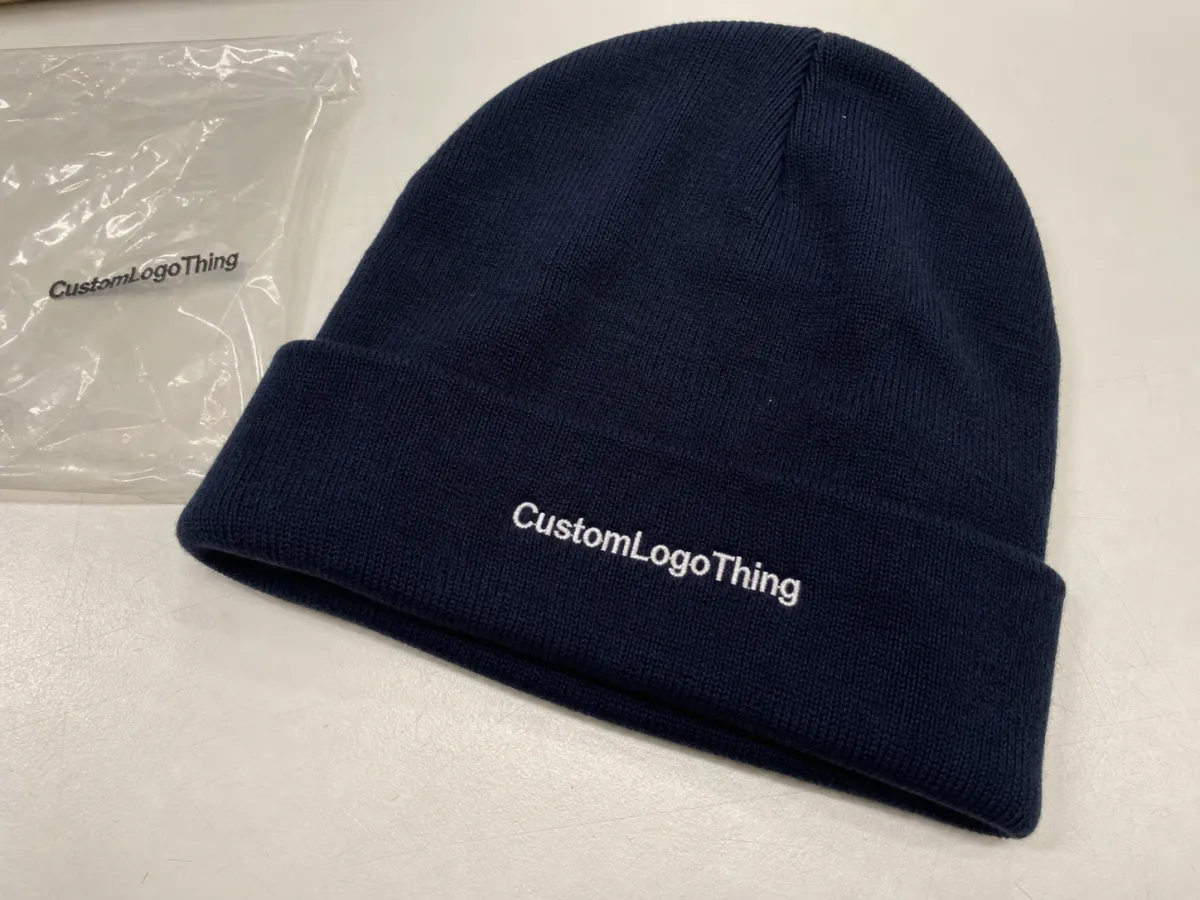
Start with the body of the beanie. Check whether the knit feels soft or scratchy, whether the cuff holds shape, and whether the yarn weight suits the intended use. A clean-looking sample can still feel cheap if the hand feel is off.
Then judge the decoration against the way the beanie will actually be worn. On a cuffed style, logo placement should be measured from the fold, center line, and edge distance rather than estimated by eye. If the mark sits too low, it gets swallowed by the cuff; too high, and it looks detached.
Repeatability is the real test. The first sample only proves one setup worked once. To make the result reproducible, the supplier needs a stable knit body, a controlled digitized file, a defined thread system, and a documented folding method. Change any of those and the finished look can drift.
Before approval, define the rules in writing:
- Must-match items: yarn blend, knit structure, logo size, thread color, and label placement.
- Tolerance items: slight hand-feel variation, small shade drift, and minor stitch settle after wear.
- Approval owner: one person or a small group signs off so the decision stays consistent.
A practical checklist also asks whether the sample reflects the final route to market. Retail-ready beanies may need a different fold, label position, or insert card than a bare production sample. Subscription boxes may need packaging that survives handling better than a shelf display would. If you already use a structured sourcing workflow, it helps to pair this review with the custom headwear sample checklist for buyers so fabric, decoration, and packout are assessed with the same criteria.
How knit construction and embroidery details show up in the sample
The knit construction affects both appearance and performance. A looser 7-gauge body behaves differently from a finer 9-gauge or 12-gauge knit, especially after embroidery is added. Softer yarns feel better in hand but may distort more around dense stitching; firmer knits hold shape better but can feel less forgiving.
Yarn composition matters too. Acrylic is common because it is cost-effective and consistent. Wool and wool blends add warmth and a more natural feel, but they usually increase price and can pill more easily if the fiber mix is not balanced. Recycled yarns are a solid option when sourcing requirements matter, though minor shade variation should be checked across lots. In 2026, more buyers are asking for recycled content claims backed by supplier documentation rather than a simple marketing line.
Embroidery density is another common failure point. Dense logos can pucker soft knits, while sparse logos can look thin or unstable once the hat stretches. Digitizing controls stitch direction, underlay, and pull compensation, so it directly affects readability. Fine text and narrow strokes are especially vulnerable and may need simplification.
Placement should always be measured from fixed points. On a cuffed beanie, confirm the distance from the bottom edge of the cuff, the top of the fold, and the center line of the front panel. A logo that is off by 5 to 8 mm can look crooked once worn, especially on a visible branded item.
Check the inside as well. Backing and reinforcement affect comfort more than many buyers expect. A low-profile stabilizer can prevent tunneling without making the interior rough. If the sample includes a hidden patch or brushed backing, confirm it lies flat and does not create pressure points.
Color should be reviewed under more than one light source. Compare the sample in daylight and under indoor light around 4000K to catch thread drift, yarn variation, and contrast issues. A navy that looks rich in a warehouse can read almost black under retail lighting.
For programs that move through packaging and shipping, ask how the sample will be packed. If the finished product is traveling in cartons or mailers, the outer package should fit that route, and it is reasonable to ask whether the shipment has been tested against an ISTA distribution profile. If the brand uses paper hangtags or insert cards, FSC-certified stock can make sense when documented sourcing matters.
From my own sample reviews, the biggest misses are rarely dramatic defects. They are small issues like a logo sitting a few millimeters low, a cuff that relaxes too much after handling, or thread that shifts under warm light. Catching those early usually saves a full rework cycle.
Cost, MOQ, and quote drivers for custom beanie programs
Pricing needs to be broken into pieces or the quote hides too much. A sample may include a sample fee, digitizing charge, embroidery or sewing cost, and shipping. Production pricing usually depends on order size, yarn selection, stitch count, embroidery coverage, label choice, and packaging style.
For planning, custom embroidered beanies often land somewhere around $3.50-$8.20 per unit at moderate volume in 2026. Premium yarns, heavier knit construction, shrink-to-fit finishing, or retail-ready presentation can push above that range. Sample fees often sit near $45-$180, depending on how much setup and finishing is involved. Faster domestic sampling can cost more upfront, but it often shortens approval time for subscription launches.
| Option | Typical sample cost | What it usually includes | Best use |
|---|---|---|---|
| Blank knit sample | $45-$75 | Body construction, yarn hand feel, cuff shape | Early fit and fabric review |
| Standard embroidered sample | $75-$135 | Digitized logo, thread matching, placement check | Most subscription programs |
| Retail-ready sample | $100-$180 | Labeling, folding, polybagging, insert card, final packout | Subscription boxes and shelf-ready retail |
The main quote drivers are usually predictable:
- Stitch count: more stitches take more time and increase thread use.
- Logo size: larger marks need more thread and more careful placement.
- Thread-color count: extra colors mean extra setup and more room for mismatch.
- Labels and trims: woven labels, patches, hangtags, and insert cards all add cost.
- Premium yarns: softer acrylic blends, wool mixes, or recycled fibers change price and hand feel.
- MOQ: lower minimums usually raise unit price, especially for special trims or custom dye lots.
- Fulfillment format: subscription-ready polybagging, carton labeling, and kitting can add labor.
Ask whether the sample fee is credited back against production or billed separately, and whether revision samples trigger new digitizing charges. Those details matter because subscription programs depend on predictable replenishment. If you are comparing options across item types, the custom apparel sample checklist for buyers is a helpful reference for separating unit cost from setup cost.
Process and turnaround from artwork approval to landed sample
The cleanest process starts with a complete spec sheet and clean vector artwork. Before the supplier touches the sample, send the logo in an editable format, add Pantone references if thread matching matters, define placement measurements, and note the intended cuff style.
A typical sequence runs through art review, digitizing, knit or sew-out, sample finishing, and shipment. Depending on complexity, turnaround often lands in the 10-18 business day range before freight. Thread matching, yarn sourcing, and revision rounds can extend that quickly. For 2026 launches, many brands are also asking for a digital mockup before physical sampling so internal teams can approve direction faster.
A few simple steps shorten the loop without lowering standards:
- Send artwork in clean vector form, not as a screenshot.
- Mark placement in millimeters or inches, not “roughly centered.”
- Share the exact approval contact so the sample does not sit in inbox limbo.
- Provide a daylight reference photo if color accuracy matters.
- Say whether the sample should match retail-ready packout or a bare production version.
Internal review time matters as much as factory time. Give merchandising, design, and operations a fixed review window, then consolidate comments before sending them back. One clean response is better than three separate messages that disagree with one another.
Keep the sample-to-production handoff aligned. If the approved sample used a specific knit body, thread system, label position, and folding method, production should not quietly change those parts. Store the approved sample photos, the spec sheet, and the final notes together so the next reorder uses the same benchmark.
Step-by-step review flow for approving a sample without rework
Review the sample in three passes. First, inspect it flat and check color, shape, stitch quality, and label placement. Second, put it on a head or fit form so the cuff and logo can be judged under stretch. Third, compare it side by side with the reference sample or tech pack and confirm measurements against the written spec.
Measure the pieces that matter. Cuff depth, crown height, and logo placement should be recorded to the nearest 1/8 in. or about 3 mm. If the style is cuffed, measure both the relaxed and worn states. That tells you whether the logo stays centered after the knit opens up.
Get all comments into one place. Design may care about logo balance, merchandising may care about shelf appeal, and operations may care about how the product folds into a subscription carton. The factory should receive one consolidated note set instead of scattered emails.
Plain decision language helps:
- Approve: the sample is ready for production exactly as built.
- Approve with notes: the sample is acceptable, but a small controlled change is needed.
- Revise: the sample misses a core requirement and should be corrected before release.
One clean revision note beats five vague ones. If the comment names the problem, location, and amount of correction, the next sample usually comes back much closer to target.
Once the decision is made, attach the checklist to the order file. The approved sample, revision history, and signoff should live together so future replenishment is faster and less subjective.
Common sample mistakes that cause production surprises
The biggest mistake is approving from a flat lay alone. Knitwear changes character once it is stretched, folded, and worn. A logo can sit perfectly on a table and still drift off center on a head.
Another common miss is judging thread color under bad light. Warehouse fluorescents can make a red appear deeper, a navy look nearly black, or a gray seem cleaner than it really is. Check embroidery in daylight and under indoor light. If the shade works in both conditions, the approval is stronger.
Buyers also assume one good sample guarantees a clean production run. It does not. Repeatability has to be managed with the same knit body, digitized file, thread system, label placement, and packout method. If the supplier swaps one of those pieces without saying so, the final run may drift.
Packaging gets skipped more often than it should. For a subscription box, the unboxing sequence matters almost as much as the beanie itself. Check whether the fold is consistent, whether the polybag closes cleanly, whether the insert card stays flat, and whether the barcode or SKU label lands in the right spot.
The last mistake is vague feedback. “Make it pop” is not useful. “Increase the logo width by 4 mm, move it 6 mm higher on the cuff, and match the thread to Pantone 186 C more closely” gives the factory something it can use.
One more 2026 issue to watch is overpromising performance claims. If the supplier mentions recycled content, anti-pilling yarn, or low-impact packaging, ask for the exact spec or certificate before you build that into the approval file. That keeps the subscription embroidered beanies sample checklist for buyers grounded in facts instead of sales language.
Expert tips and next steps before you green-light the order
Lock the spec in writing before production is released. Include yarn blend, knit gauge, cuff depth, logo dimensions, stitch style, tolerance range, label details, and packout format. A sample without a written benchmark is just a good-looking object.
Keep one approved sample as the master reference, and store photos of it in both daylight and indoor light. That gives the team something reliable to compare against when a reorder shows up later.
If the factory makes a late change after approval, ask for a pre-production photo or handoff proof before the bulk run starts. Small changes can be valid, but they should never appear silently.
Before the order is released, confirm three practical points:
- The next reorder trigger, so the supply team knows when to replenish.
- The seasonal forecast, so inventory does not lag behind demand.
- The final signoff owner, so approval does not drift across too many hands.
That is what makes a subscription embroidered Beanies Sample Checklist useful. It protects fit, quality, repeatability, and the unboxing experience subscribers actually notice.
For teams building a wider headwear line, the hotel woven label beanies sample checklist for buyers can help standardize how you review labels, placement, and packaging across multiple programs.
What should a subscription embroidered beanies sample checklist include?
Cover fabric, knit gauge, cuff shape, embroidery placement, thread color, backing, labels, and packaging. Add pass/fail notes for fit, color accuracy, and repeatability so the sample is judged against a real standard.
How many samples do I need before approving a beanie subscription order?
Most programs need one initial sample and one revision sample if the first sew-out misses placement or color. If the construction changes, expect another sample round so fit and decoration can be checked again.
What drives pricing on embroidered beanie samples and production?
Stitch count, logo size, thread-color count, and digitizing complexity have the biggest impact on price. MOQ, labels, packaging style, yarn quality, and shipping also move the total cost.
How long does the sample turnaround usually take?
Turnaround depends on art readiness, digitizing, material availability, and shipping method. Clean vector artwork with clear placement notes usually shortens lead time the most.
What if the sample fits well but the embroidery looks wrong?
Treat fit and decoration as separate issues so the factory can correct the digitizing or placement without changing the whole beanie. Mark the problem with photos, measurements, and daylight color comparisons instead of vague comments.