Subscription premium cuffed beanies material guide: the unboxing test
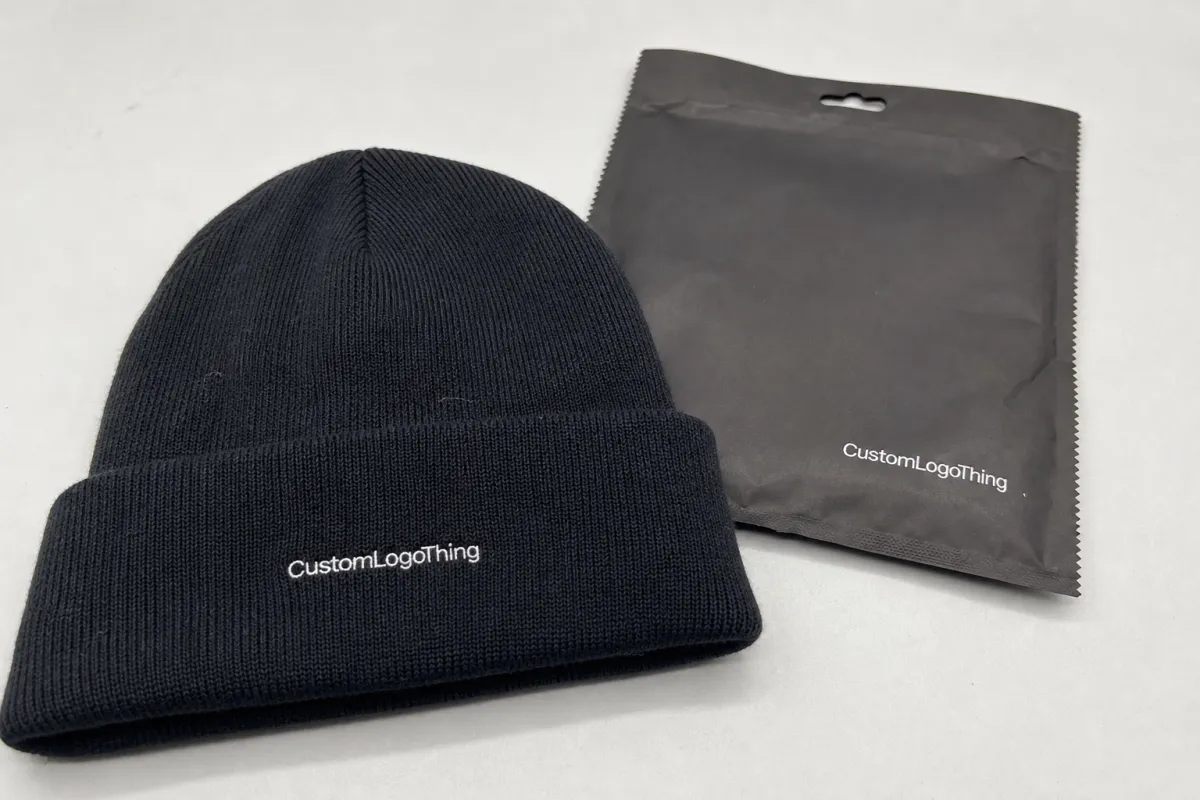
The fastest way to judge a beanie is to hold it up, but the more useful test is what happens after it is unpacked, folded, stretched, and worn. In a subscription box, a premium cuffed beanie has to look full on arrival, feel comfortable on first contact, and keep its shape after repeated handling. A fabric that photographs well can still read as thin, saggy, or overly stiff once it is in use.
That is why this guide starts with behavior, not branding. The yarn needs enough body to hold the cuff, enough softness to feel good at the forehead, and enough recovery to spring back after folding. The knit should be even enough for embroidery or labels to sit flat instead of pulling the fabric out of shape.
Consistency matters as much as handfeel. Subscription buyers compare month to month, and a cuff that stands cleanly in one shipment but collapses in the next makes the whole program feel less considered. The material spec is doing more than filling space in a carton; it is setting the standard for the entire series.
How cuffed construction changes fit, warmth, and branding
A cuff is structural, not decorative. Folding the lower section adds a double layer over the forehead and ears, which increases warmth and gives the hat a cleaner visual balance. That extra structure works only if the fabric supports it. Too soft, and the cuff waves. Too dense, and the fold feels heavy or tight.
Rib structure matters here. A tighter 1x1 or 2x2 rib usually holds its edge better and resists bagging, while a looser knit may feel relaxed at first but lose definition sooner. That can be fine for a low-cost promo piece, but it is less suitable for a subscription product that needs to look deliberate after several wears.
The cuff is also the best branding zone. Embroidery, woven patches, and labels sit more cleanly on a stable folded section than on the crown. If the decoration is too large for the fabric weight, the cuff can buckle; if it sits too close to the fold, it may distort when the customer adjusts the hat. Material and decoration should be chosen together, not separately.
A quick check helps: fold the cuff, stretch it lightly, and release it. If the edge opens unevenly or the front panel twists, the knit is probably too soft for premium work. That does not make it unusable, but it does place the style in a lower tier with different expectations.
Material factors to compare before you place an order
Fiber content is only the starting point. Yarn twist, knit gauge, stitch density, finishing, and blocking all affect the final result. A dense-looking beanie can still feel cheap if the loops are weak. A lighter-looking one can feel premium if the yarn has enough resilience and the surface is clean.
Acrylic remains common because it is consistent, color stable, and usually the easiest to price at scale. Good acrylic can feel soft and look clean, but lower-grade yarn can pill sooner and read flatter under light than buyers expect.
Wool changes the feel immediately. It brings more warmth and a more natural hand, which often reads as more elevated before anyone checks the label. The tradeoff is maintenance: pure wool can itch at the forehead seam, and low-quality yarn can pill quickly if the twist is weak. Merino improves comfort, but it also raises cost and usually needs stricter care instructions.
Blends often work best for subscription programs. A wool-acrylic blend can balance warmth, softness, and color control better than either fiber alone. It is not automatically premium, though. The yarn quality still has to be good, the gauge has to suit the cuff, and the finish has to protect the structure.
QC should be practical. Ask for stretch recovery after a short hold, inspect the cuff after repeated folding, and review the sample under daylight instead of only studio lighting. If the beanie will be handled by fulfillment teams, packed with inserts, and opened by customers who may wear it immediately, real-world handling matters more than a polished sample card.
“Premium is less about luxury language and more about how the cuff behaves after the fifth adjustment.”
Common fiber choices at a glance
| Option | Typical feel | Best use | Approx. unit price at 500 pcs | Notes |
|---|---|---|---|---|
| 100% acrylic | Soft, light, consistent | Value-led subscription programs | $3.20-$4.80 | Good color control; lower grades can pill faster and feel flatter in hand |
| Wool-acrylic blend | Warmer, fuller, more natural | Mid-tier premium boxes | $4.80-$7.50 | Often the strongest balance of warmth, comfort, and repeatable production |
| Wool-forward blend or merino blend | Luxurious, warm, refined | High-end retail or VIP drops | $8.50-$13.00+ | Higher cost, but the handfeel and presentation can justify it if the brief supports it |
Decoration changes the material choice more than many buyers expect. Dense embroidery can pull a light knit out of shape, and a thick woven patch can make a soft cuff buckle. If the logo is large, the front panel needs enough stability to stay flat. If the branding is subtle, the knit can be softer, but the cuff still has to hold its line.
Gauge and stitch density also deserve attention. Many Premium Cuffed Beanies sit in a middle range that looks refined without feeling fragile. Too open, and the beanie loses body. Too tight, and it becomes heavy, slow to recover, and less comfortable around the forehead. The best samples usually show a stable edge, even spacing, and a surface that does not telegraph seam or tension changes.
Packaging belongs in the material brief too. A beanie wrapped in kraft paper, paired with an FSC-certified carton, or packed with recycled inserts feels more deliberate than one dropped into a loose polybag. That presentation is not cosmetic; it sets expectations before the customer touches the fabric. For programs with multi-unit cartons or compressed transit, the ISTA guidance can help if shipping durability is part of the decision.
Cost, pricing, and MOQ tradeoffs for premium beanies
Beanie pricing is driven by fiber blend, yarn quality, knit complexity, decoration method, packaging, and order size. A stock acrylic beanie with a single woven label is a very different cost structure from a custom-dyed wool blend with embroidery, hangtags, and retail-ready folding. Each choice affects machine time, finishing labor, and waste.
MOQ changes the picture quickly. At lower quantities, setup costs for knitting, labeling, finishing, and packing are spread across fewer units, so the unit price rises. A 250-piece order can feel expensive next to a 2,500-piece order even when the material spec is identical. The labor behind approval, sorting, and packing does not shrink at the same rate.
Some costs sit between quote and production. Sampling may be separate. Lab dips or yarn matching can add time. Custom labels, sewn-in care tags, and special packaging inserts often have their own charges. Those line items are normal in serious production, but they can distort a budget if the buyer is comparing only the base knit price.
Pricing lens by program tier
| Program tier | Material direction | Decoration style | Typical MOQ | Budget outlook |
|---|---|---|---|---|
| Value-led | Stock acrylic | Small woven label or simple embroidery | 250-500 pcs | Best for broad distribution; keep the finish straightforward |
| Mid-tier premium | Wool-acrylic blend | Embroidery, woven patch, or dual branding | 300-1,000 pcs | Often the strongest balance for subscription boxes |
| Premium retail | Wool-forward or merino blend | Refined embroidery, custom trim, premium packaging | 500-2,500 pcs | Higher ticket, stronger handfeel, more polished reveal |
As a practical reference point, a custom premium cuffed beanie made from stock acrylic with basic branding might sit around $3.20-$4.80 per unit at 500 pieces. A wool-acrylic blend more often lands in the $4.80-$7.50 range. Once the program moves into wool-forward or merino content, plus custom trims or more involved finishing, $8.50-$13.00+ is a reasonable starting band. The exact number depends on volume, labor, and how many finishing steps sit outside the knit itself.
If you add recycled-content packaging, FSC paper elements, or other sustainability requirements, expect a modest premium. That cost is easier to defend when the product and the box tell the same story. A premium knit inside low-quality packaging creates friction, while a mid-priced knit inside thoughtful packaging often reads more expensive than it is.
Process and lead time: from spec sheet to shipment
The fastest projects usually follow the same path: brief, yarn selection, sample development, fit and decoration review, approval, bulk production, finishing, and final packing. If any of those steps rely on assumption, the schedule lengthens. A supplier can knit almost anything; delays usually come from unclear measurements, vague artwork, or packaging details that were left for later.
Sampling and bulk production do not move at the same speed. A first sample often takes 7-14 business days, depending on stock yarn availability, stitch testing, and how quickly the buyer turns comments. Bulk production commonly lands in the 15-30 business day range after approval. Custom dye work, special labels, or complex packaging can extend that window.
A useful brief includes target measurements, preferred blend, cuff height, logo scale, decoration file, care instructions, packaging needs, and the required in-hand date for the first units. If the beanie ships inside a subscription box, also note carton size, insert dimensions, and whether the product is folded flat or presented retail-style. Those details reduce the chance that the knit looks good on its own but awkward once it is packed.
Transit deserves attention too. Beanies are soft, but they still arrive crushed if they are thrown into oversized corrugated cartons without support. If the goods will move through several handling points, ask how they are boxed and whether the outer shipper has enough compression resistance for the route. For programs with a recycling goal, align carton size and packing method with material efficiency as well as visual presentation.
Common material mistakes that make beanies feel less premium
The most common mistake is choosing softness and ignoring recovery. A plush yarn can feel excellent in hand, then relax too much after a few wears. In a subscription program, that is a bad trade because the customer sees the product repeatedly and compares each shipment against the last one.
Another mistake is decoration that overwhelms the knit. Oversized embroidery can stiffen the cuff and create visible puckering. Heavy patches can sit awkwardly on stretch zones. A clean logo still looks wrong if the fabric underneath is too thin or the placement falls too close to a fold line.
Climate matters as well. A wool-forward beanie can be perfect for a cold-weather retail drop and feel too warm for a broad subscription audience. A light acrylic style may be comfortable across more regions but can fail to feel substantial enough for a premium box. There is no single best fiber blend; the right one depends on season, geography, and customer expectation.
Finally, skip neither wear testing nor wash testing. Pilling, shrinkage, cuff roll, and seam distortion show up after handling, not just after production. A simple test cycle of wear, fold, and wash tells you more than a perfectly lit sample photo. If the beanie cannot hold shape after a few real uses, the material spec needs another pass.
That is the part people often miss: the sample is not the product, it is only the first proof. A strong subscription Premium Cuffed Beanies material guide should help catch weak recovery, unstable cuff structure, and poor decoration compatibility before the order is locked.
Next steps: build a quote-ready beanie brief
Start with three anchors: the feel you want, the look you want, and the highest landed price you can support at your expected volume. Those limits narrow the choices quickly. If the goal is a soft, elevated box insert, the material spec should support that feeling. If the goal is broader distribution with tighter cost control, the blend and finish should be chosen for repeatability, not for a one-off sample that only looks good in a photo.
A strong brief does not need a long narrative. It needs enough detail to keep the quote honest. Include blend, cuff height, fit target, decoration method, packaging, and delivery window. If the product will ship with kraft paper wraps, a printed sleeve, or FSC-certified cartons, list that too so the quote reflects the full package rather than only the knit.
- Ask for a sample that shows knit structure, cuff shape, and handfeel together.
- Request a decorated swatch if logo scale or stitch density matters.
- Confirm the MOQ before comparing unit pricing.
- Check care labeling so the customer knows how to wash and store the beanie.
- Lock the carton plan so shipping and unboxing stay aligned.
For subscription programs, a small pilot run or approved sample batch usually reveals more than a spreadsheet ever will. It lets you check stretch recovery, cuff stability, logo placement, and the way the beanie sits in the box once it is packed. It also gives the team a chance to review the product in photos and in hand, which matters because the retail story and the fulfillment reality are not always the same.
What material blend works best for subscription premium cuffed beanies?
A wool-acrylic blend often gives the best balance of warmth, softness, and cost for subscription runs. Increase wool if the program is meant to feel more natural and winter-focused; increase acrylic if color consistency and price control matter more. Before approving bulk production, check stretch recovery and pilling on the actual knit, not just on the yarn spec.
How does the cuff affect sizing in premium cuffed beanies?
The cuff changes how deep the beanie sits on the head, so sizing should account for body length as well as folded cuff height. A tighter rib generally holds its shape better, while a looser rib can feel softer but may relax more after wear. Fit should be tested on several head sizes so the cuff does not pinch, flare, or roll.
What drives the price of custom subscription beanies the most?
Fiber blend, knit complexity, and decoration method usually have the largest effect on unit cost. MOQ matters because setup and finishing costs are spread across the order. Sampling, labels, hangtags, and packaging can also add meaningful cost if they are not included in the first quote.
How long do sampling and production usually take for cuffed beanies?
Sampling often takes 7-14 business days, though custom yarn or complex decoration can stretch that longer. Bulk production commonly runs 15-30 business days after approval. Projects move fastest when fit, artwork, and packaging are locked before sampling is approved.
How should I choose decoration for premium cuffed beanies?
Choose decoration that respects stretch, such as embroidery, woven labels, or carefully sized patches. Keep the logo proportional to the cuff so the material does not distort or buckle. Ask for a decorated sample before bulk production so placement, density, and comfort can be checked in hand.


