Jewelry Slider Lock Bags Bulk Order Planning for Buyers
For packaging teams, jewelry slider lock bags Bulk Order Planning is rarely about picking a pretty pouch. It is a production decision. A closure that drags, a film that scratches easily, or a size that is just slightly off can slow packing, raise returns, and make an otherwise tidy program expensive in ways the quote never shows.
The logic is practical. A bag that costs a few cents less can still be the higher-cost option if it takes extra hands-on time to close, inspect, or replace. Across a 5,000-piece run, even 10 seconds of added rework per unit turns into hours of labor. At 10,000 pieces, the difference starts to look less like packaging and more like process waste.
That is why buyers comparing Custom Logo Things options usually get better results when they start with fit, closure reliability, and presentation consistency rather than with vague claims about “premium” packaging. For jewelry brands, wholesalers, and fulfillment teams, the most valuable bag is the one that protects the product, supports the line, and does not create arguments at receiving.
Why These Bags Save Time in Real Operations
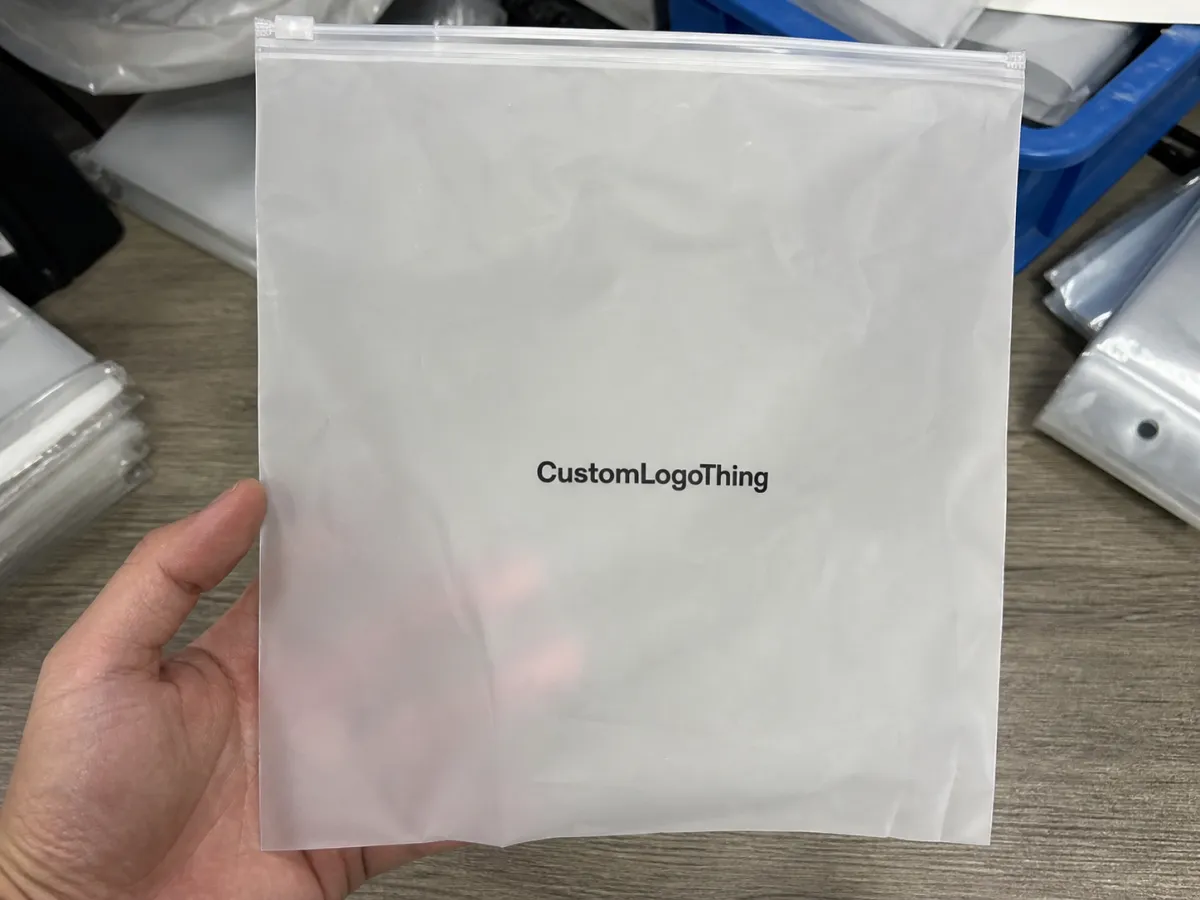
Jewelry Slider Lock Bags bulk order planning matters because the bag affects multiple cost centers at once. It influences packing speed, product visibility, damage rates, shelf appearance, and the amount of labor needed to fix preventable errors. A closure that opens too loosely or a panel that turns cloudy after handling can create more work than the packaging saves.
That hidden cost is easy to miss when buyers compare unit price only. A cheaper bag may look like a clean win on paper, but if staff must reopen it, relabel it, or sort out scuffed pieces before shipment, the labor bill grows fast. Even a modest increase in handling time compounds across bulk orders. Five seconds does not sound dramatic until it is multiplied by thousands of units and several shifts.
These bags are most useful where speed and presentation need to coexist: boutiques, subscription kits, e-commerce fulfillment, trade-show packs, and jewelry lines that want a neat, repeatable look for rings, earrings, necklaces, bracelets, and small set pieces. The best results usually come from bags that are simple enough to run quickly but consistent enough to hold their shape and clarity after repeated handling.
There is also a resale and display angle. Jewelry buyers often judge quality by what they can see immediately. A clean, transparent bag can make plated metals, stone colors, and fine clasps read better than a more decorative package that adds glare or visual noise. In that sense, the bag is not just a container. It is a small piece of merchandising.
“A packaging choice can look cheaper on the invoice and still cost more in labor, rejects, and presentation problems. Bulk planning is where that difference becomes visible.”
That is why experienced buyers treat slider lock bags as a throughput tool first and a branding surface second. If it helps the line move and keeps the item looking sharp, it earns its place. If it adds friction, it usually fails the real test.
What to Check in the Material, Closure, and Finish
The closure comes first. A slider should feel consistent on both opening and reclosing, without snagging, skipping, or feeling loose in the track. In bulk use, consistency matters more than a perfect feel on one sample. Staff can tolerate a slightly stiff closure if it works the same way every time. They cannot tolerate a bag that behaves differently from unit to unit.
For most jewelry applications, the film is usually a polyethylene-based structure, though the exact blend and gauge vary by supplier. Thickness matters because jewelry bags are not carrying heavy loads, but they do need enough body to resist creasing, puncture, and distortion. Many buyers compare options in the 2.5 to 4 mil range for general jewelry use, then move thicker when the piece is heavier, the bag is larger, or the pack will be handled often during distribution.
Clarity and finish change how the product reads. Standard clear film works for straightforward storage and shipping. Frosted and matte finishes can soften glare, hide fingerprints, and create a more controlled look under mixed lighting. Anti-fog films can be useful in environments where temperature changes cause condensation, though they are not a cure-all. If a bag will be photographed before shipment, the finish should be tested under the same lights the team actually uses, because some surfaces look cleaner in daylight than they do under LED.
Size is another place where small mistakes create disproportionate problems. Rings typically need a compact footprint so the item does not drift around and look untidy. Necklaces need extra room for chain length and a fold that does not kink the links. Earrings often fit best when the front panel stays simple and the pair remains centered. Bracelets and mixed sets usually need wider dimensions and a sturdier feel because the contents move more during packing and transit.
Optional features should earn their place. Hang holes help with display but are unnecessary for most warehouse use. A write-on panel can support batch codes or price notes, especially for teams that sort by SKU or collection. Printed branding can lift perceived value if the artwork is restrained and the ink coverage is not so heavy that it dulls the film. Tamper-evident details matter for some fulfillment programs. Beyond that, extra complexity can raise cost without making the bag more useful.
For buyers who want a technical frame of reference, shipment handling standards from ISTA test methods and broader industry guidance from Packaging Industry resources can help shape the questions to ask. Those references will not specify the right bag size, but they make it easier to judge whether the packaging can survive the conditions it will face.
Bulk Order Planning Checklist for Jewelry Teams
The most efficient jewelry slider lock bags Bulk Order Planning starts before the quote request. Buyers get better pricing and fewer revision cycles when the spec sheet is already clear. That means exact dimensions, film thickness, closure style, print requirements, finish, and the intended use case. A bag meant for storage is not always the same bag you want for display or direct-to-consumer shipping.
Begin with the product, not the packaging. Measure the jewelry itself, then include any insert card, tag, foam backing, or protective wrap. A ring on a backing card may need a different footprint than the same ring loose in a pouch. A layered bracelet set can require more width and a slightly thicker film so the panel does not bow under pressure.
- Dimensions: confirm width, height, and usable opening in inches or millimeters.
- Film gauge: match thickness to handling frequency and product weight, often around 2.5-4 mil for many jewelry packs.
- Closure: verify slider action, track alignment, and how the bag reopens after repeated use.
- Print: define one-color logo, full-color branding, or no print before requesting pricing.
- Finish: choose clear, frosted, or matte early so samples match the final appearance.
- Packing format: specify inner pack count, carton count, and label placement rules.
Requesting a sample is not enough if the sample is judged on a desk with no product inside. Put the actual jewelry in the bag, close it, reopen it, and inspect how it behaves under the conditions it will face in packing. Check whether the closure remains easy after several cycles, whether the film smudges quickly, and whether the item still looks centered and presentable. A bag can pass a cosmetic test and still fail in the hands of a production team.
Receiving details belong in the planning stage too. Carton counts, pallet needs, warehouse labels, and destination instructions influence how quickly a bulk order gets absorbed into stock. These are small administrative choices, but they often decide whether the shipment moves straight into inventory or stalls in a receiving queue because the cartons were packed in a way the warehouse was not expecting.
One useful habit is to write the order as though someone else will reorder it next quarter. That means locking the exact spec, saving the approved sample reference, and documenting the packaging format. Reorders go badly when the original decision was made from memory rather than from a record.
What Drives Price, MOQ, and Landed Cost
Price is shaped by more than bag size. The main drivers are film gauge, closure hardware, print coverage, special finishes, and whether the run uses stock material or a custom-built spec. A clear unprinted bag may sit in a very different cost band from a frosted, logo-printed version with a matte panel and custom carton pack.
MOQ follows the same pattern. Stock-ready bags usually allow lower minimums because the material and process are already established. Printing adds setup time, proofing, and inspection steps, which usually raises the minimum. Custom dimensions or unusual finishes push it again because the supplier may need tooling adjustments or a reserved production slot. The larger the deviation from stock, the more the order behaves like a project rather than a restock.
For planning, buyers should ask for tiered pricing and a landed-cost estimate. Unit price matters, but only when freight, cartons, and duty assumptions are visible. A quote that excludes transport can make a budget look safe until the goods are ready to move. That is a common surprise in bulk packaging: the factory price is attractive, then shipping turns the final number into something less friendly.
| Option | Typical MOQ | Typical Unit Price | Best Fit | Tradeoff |
|---|---|---|---|---|
| Stock clear slider bags | 3,000-5,000 units | $0.05-$0.10 | Fast replenishment and simple storage needs | Limited branding and fewer finish options |
| Frosted or matte bags | 5,000-10,000 units | $0.08-$0.16 | Retail display, photography, and premium presentation | Slightly higher cost and longer approval cycle |
| Custom printed bags | 10,000+ units | $0.12-$0.30 | Brand programs and repeat SKUs | More setup time and stricter artwork control |
Those numbers are planning ranges, not guarantees. A 2 x 3 inch bag and a 4 x 6 inch bag are not priced the same way, and a heavy print layout can move the cost quickly. The better approach is to forecast demand honestly. If a design will stay in circulation for several cycles, a slightly larger buy can lower unit cost, reduce stockouts, and make replenishment easier. A small savings on the first order can disappear if the line has to stop waiting for the next shipment.
Buyers sometimes focus too heavily on the opening quote and not enough on repeatability. The cheapest first order is not always the cheapest program. Stable specs, predictable lead times, and fewer revisions usually matter more than shaving a fraction of a cent off a one-time purchase.
How the Sample-to-Shipment Process Actually Runs
The workflow is simple on paper: inquiry, spec confirmation, sample or proof review, revision if needed, production release, quality check, packing, and shipment. The speed of the whole process depends less on optimism than on how complete the buyer’s information is at the start. If the size, finish, and artwork count are already known, the order usually moves with fewer pauses.
Lead time is shaped by three things more than anything else: artwork approval speed, order quantity, and whether the supplier is using stock material or new production. A repeat order with no design changes can move faster than a first-time custom run. A new size or finish usually adds time because the supplier has to confirm material behavior, print alignment, and closure performance before full production starts.
Stock orders can move relatively quickly when inventory is already available. Custom work takes longer, and not just because of the press or film process. Proofing alone can take days, and one revision can add more. Freight then comes on top of production. Buyers should compare real delivery dates, not just factory estimates. A production completion date without shipping time is not a usable date for a launch calendar.
That matters for seasonal promotions, trade shows, and brand relaunches. Missing the needed arrival window by a few days can make the packaging functionally useless for the event it was meant to support. Packaging is one of those categories where lateness is binary: if it arrives after the campaign starts, it missed the point.
For teams ordering through Custom Logo Things, the safest approach is to confirm final artwork, carton details, and receiving requirements before release. That reduces the chance of a mismatch at the warehouse and keeps the order from looping back through corrections.
QC Signals That Separate Reliable Suppliers From Risks
One sample is not proof of a good run. A reliable supplier has to show repeatability across the order. The closure feel should stay consistent from unit to unit. The film should maintain clarity. The dimensions should not drift enough to affect packing speed or presentation. In bulk packaging, variation is often the real problem, not outright failure.
Quality control should be visible, not implied. Buyers should ask how defect thresholds are handled, how seal and track alignment are checked, and what happens to damaged units. Some suppliers use AQL-style inspection. Others follow an internal QC process with documented checks at material intake, in-process sampling, and final packing. Either system can work if it is explained clearly and followed consistently.
Version control matters too. A reorder should match the approved spec, not a slightly revised version with different thickness, film finish, or printed placement. If a supplier changes anything, it should be flagged before production starts. That may sound basic, but it prevents the most frustrating kind of packaging problem: the shipment that looks almost right and behaves differently on the line.
Responsiveness is part of QC in a broader sense. Clear answers usually mean fewer surprises. If the supplier can explain whether a tighter size will affect closure function, whether a heavier print area will change the finish, or whether the current timeline can absorb a revision, that is a better sign than generic reassurance. Buyers do not need enthusiasm; they need accurate tradeoffs.
Good suppliers also admit limits. Sometimes the requested finish raises MOQ. Sometimes the logo requires more setup than expected. Sometimes the right answer is a simpler build that protects margin and keeps the launch on schedule. That kind of honesty is more useful than polished sales language, especially when a packaging decision has to survive a budget review.
Final Sizing and Reorder Decisions
Final decisions should come from the actual SKU mix, target quantity, packing method, and launch date. Those four inputs make jewelry slider lock bags Bulk Order Planning much more accurate than rough guesses built from last season’s spend. A brand with three different jewelry categories may need three different bag sizes, not one universal option forced onto everything.
Recheck the sample against the approved specification before placing the purchase order. Confirm the closure, clarity, fit, and handling speed with live pieces. If the bag passes with the actual product instead of a placeholder, the approval is worth trusting. If it only looks right in a photo, it probably needs more testing.
Before release, confirm carton pack, pallet needs, shipping destination, and receiving requirements. Small errors here can create dock delays and stock issues that are far more annoying than they are expensive. Keep the approved spec sheet, artwork file, and reorder trigger point together in one place so the next purchase is easier to repeat. Reorders are where discipline pays off.
That is the practical side of the process. Buyers who treat packaging as a controlled spec rather than a one-off purchase usually get cleaner throughput, steadier presentation, and fewer unpleasant surprises when the next cycle begins.
How do I choose the right size for a bulk order of jewelry slider lock bags?
Measure the jewelry plus any insert, tag, or backing card, then leave enough room for closure without leaving so much empty space that the item shifts around. A sample with the real product is the most reliable way to check fit and appearance before a bulk commitment.
What affects MOQ and pricing for jewelry slider lock bags in bulk?
Size, thickness, print complexity, finish, and whether the bag is stock or custom are the biggest drivers. Shipping method, carton configuration, and destination also affect landed cost, so ask for the full picture instead of only the unit price.
How long does jewelry slider lock bags bulk ordering usually take?
Stock items can move quickly, while custom dimensions or printed versions add proofing and production time. Lead time also depends on how fast artwork is approved and whether the shipment needs special packing or freight arrangements.
Can slider lock bags handle rings, necklaces, and bracelet sets?
Yes, if the size and thickness match the product and the closure stays secure during handling. Different jewelry types usually need different dimensions, so one universal bag rarely performs best across every SKU.
What should I request before placing a large jewelry packaging order?
Ask for a sample, a written spec sheet, carton pack details, and a confirmed timeline. Also request reorder guidance so the next purchase can follow the same approved standard without rework. If your team wants a quick internal reference, the FAQ page can help align the basics before quotes go out.
For teams that want the order to stay under control, the formula is steady: define the spec, test the sample, confirm the schedule, and lock the reorder record. That is how jewelry slider lock bags bulk order planning stays efficient from the first quote to the next replenishment cycle.

