Supplement Brand Shopping Bags Material Guide for Buyers
The supplement brand shopping bags material guide starts with a simple truth that gets missed more often than it should: the bag is usually the first physical touchpoint a customer has with your brand and one of the last things they see before they leave, so the material can either support the premium feel or flatten it in a matter of seconds. I have watched solid launches get dragged down by bags that creased on the first carry, scuffed under a glossy logo, or split at the handle because someone pushed for the lowest unit price and called it smart buying. That is not smart buying. That is a complaint waiting to happen.
Supplement Brand Shopping Bags Material Guide: Why It Matters
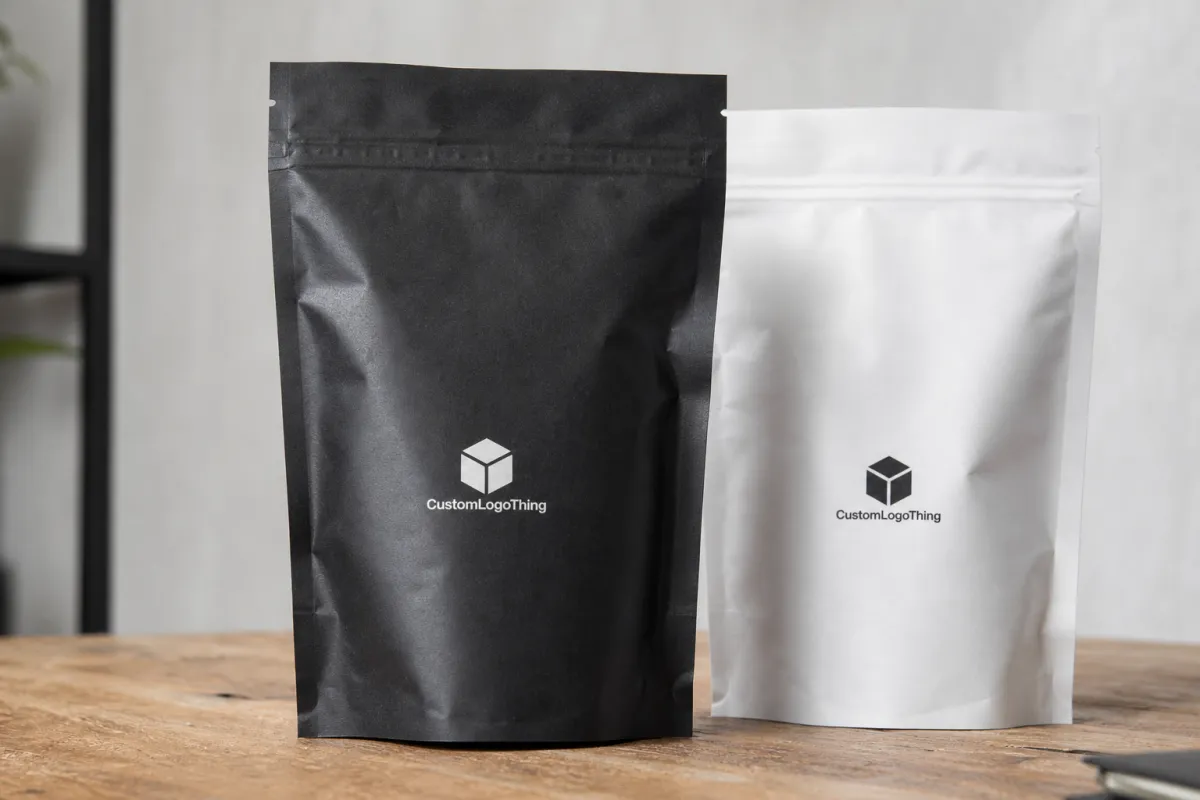
For a supplement brand, the bag is more than a carrier. It is a moving piece of brand identity, and the material sets the tone before the customer reads a single label. The supplement brand shopping bags material guide matters because that handoff can signal premium, reliable, and science-backed, or it can quietly suggest generic private label. People notice texture, stiffness, handle comfort, and whether the bag keeps its shape. They may never ask for the paper weight, but they absolutely register the difference.
Think about a retail bundle with two tubs, a sachet pack, and an insert card. Put that inside thin stock and the corners punch through, the gusset sags, and the handles stretch like they were never meant to carry the load. Put the same bundle in a better-built bag and the purchase feels intentional from the start. That is the difference between packaging that supports the sale and packaging that cheapens it.
Buyers usually need to compare five things: base material, board weight or thickness, coating or lamination, reinforcement, and handle type. The bag also has to match the way it will be carried, stacked, and stored. A bag used at an expo booth does not need the same build as one leaving a retail counter with a dense bottle order inside. The supplement brand shopping bags material guide only works if it reflects real use, not a polished sample scenario that will never happen on the floor.
From a packaging buyer's point of view, this is a business decision first and a print decision second. The material has to hold product weight, support the finish, and stay aligned with sustainability claims. If the label promises recycled materials, FSC certified paper, or biodegradable packaging, the bag should not contradict that story with a plastic-heavy build or a flimsy structure. Nobody buys a premium bag hoping it fails on the sidewalk.
A shopping bag is basically a silent employee. If it looks tired, the brand looks tired.
That is why the supplement brand shopping bags material guide should start with function, then move to surface, then to cost. I know that order is less exciting than picking foil and spot UV first, but the bag has to survive the weight before it can admire itself in the mirror.
How Shopping Bag Materials Work for Supplement Brands
The easiest way to read material choices is this: kraft paper gives you a natural, straightforward look; coated paper gives you sharper print and cleaner solids; laminated paper improves moisture and scuff resistance; specialty stocks push the bag toward gift-style or luxury retail territory. In a supplement brand shopping bags material guide, none of those options is automatically right. Each one solves one problem and creates another.
Kraft paper is often the practical choice for earthy wellness positioning, muted branding, and lighter retail loads. It can look honest and sturdy, especially with simple black or one-color print. The catch is surface texture. Rougher kraft can soften fine lines, mute metallic inks, and reduce the punch of small typography. If your logo depends on crisp edges and dense color fields, kraft can become a little too natural for its own good.
Coated paper suits brands that want clean graphics, deep blacks, and a polished retail presence. A smoother surface lets logos print with more definition, which matters if the supplement line uses clinical layouts, high-contrast type, or color-coded product families. A 210gsm to 250gsm coated paper bag can feel far more expensive than the unit price suggests.
Laminated paper helps when the bag needs extra resistance against fingerprints, light moisture, and shelf scuffing. That matters at events, gyms, and busy checkout counters. The downside is that lamination can complicate sustainability messaging and may reduce recyclability, depending on the construction. If the brand story leans hard into recycled materials or post-consumer content, ask whether the film layer actually helps or simply adds shine.
Specialty stocks, rigid inserts, and heavy board structures are usually reserved for premium gift sets, VIP kits, and launch bundles. They can create a strong unboxing experience, but they also raise cost and freight weight quickly. A good supplement brand shopping bags material guide has to be honest about that. Fancy is fine. Heavy and overbuilt for a simple vitamin promo is just expensive theater.
Handle and reinforcement choices matter just as much as the paper. Flat paper handles are economical, but they do not always feel premium. Paper twist handles can sit in the middle nicely. Cotton rope or PP rope handles look more upscale and usually feel stronger in hand, especially for denser bottles. Bottom boards, side gussets, and handle patches can rescue a decent bag structure, but they cannot save a weak stock that was never right for the load.
If the bags ship flat in cartons, check the shipping spec too. Flat-packed bags need decent carton protection, and the outer boxes should handle transit abuse. For that part of the supply chain, it helps to think about corrugated cardboard cartons and transit testing, especially if the bags are part of a larger launch shipment. Organizations like the ISTA publish useful transit testing frameworks that help buyers think beyond appearance and into actual handling performance.
Supplement Brand Shopping Bags Material Guide: Key Factors to Compare
If you are buying for a supplement line, load weight comes first. A bag carrying a single lightweight carton can survive on a modest stock. A bag carrying jars, tubs, shaker bottles, and insert packs needs a much stronger build. The supplement brand shopping bags material guide only works when you match the bag to the heaviest realistic load, not the polite average version of the order.
The decision chain I would use is straightforward: start with weight, then move to durability, then print quality, then sustainability, then cost. Reverse that order and you end up selecting a pretty bag that fails in actual use. That mistake usually comes from judging a mockup instead of handling the bag with real product inside.
Moisture resistance matters more than many buyers expect. Supplement brands sell through gyms, health stores, event venues, and warm climates. Bags get set on damp counters. They get carried in rain. They get stuffed into cars. A bag that absorbs humidity and softens quickly creates a cheap feel even when the print is excellent. Laminated paper or a coated surface can help, but that choice brings a cost and sustainability tradeoff along with it.
Print quality is where some materials separate fast. Smoother paper tends to hold rich solids, small text, and gradients better. Rough recycled stocks can be beautiful, but they may soften fine detail and make a clean logo look fuzzy around the edges. The supplement brand shopping bags material guide needs room for that reality. Not every recycled material prints the same way, and "eco" does not automatically mean "good for graphics."
Sustainability claims deserve the same discipline. If the bag uses recycled materials, ask how much is post-consumer waste versus pre-consumer waste, and whether the build is actually recyclable after lamination or heavy coating. If the bag is advertised as FSC certified, ask for documentation from the supplier. The FSC website explains the standard clearly enough to separate real certification from vague green language. That matters because supplement customers can spot a stretch claim faster than a sample table can run out of cups.
Brand positioning changes the decision too. A clinical, science-forward brand often benefits from a tighter, cleaner finish with stronger print contrast. A wellness brand with earthy textures may look better in kraft paper with minimal ink coverage and a more tactile feel. Both can be right. The wrong choice is the bag that fights the product personality.
Storage also matters, and it gets ignored far too often. If inventory sits flat for weeks, the material should not curl badly or press marks into the printed face. A slightly thicker board can keep the bag square, which improves the in-store presentation and the unboxing experience once the customer gets it home.
For a lot of brands, the best answer is not one material forever. It is a tiered system. Use a simpler kraft bag for walk-in retail and a more polished coated or laminated version for launch bundles, influencer kits, and VIP events. That kind of split keeps the supplement brand shopping bags material guide practical instead of rigid.
Cost, Pricing, and MOQ for Supplement Brand Shopping Bags
Material choice drives price more than most buyers expect. In a supplement brand shopping bags material guide, the main cost drivers are stock type, thickness, coating, handle style, print colors, reinforcement, and any special finishes like foil or embossing. A plain bag can look simple on paper and still become expensive once you add a custom handle, heavy board, and a finish that needs extra setup.
Here is the practical range I would give a buyer ordering around 5,000 pieces. Plain kraft bags often land around $0.18-$0.28 per unit depending on size and print coverage. Coated paper bags usually run around $0.24-$0.42 per unit. Laminated bags and premium specialty builds can push into $0.38-$0.75 per unit, and custom rigid or gift-style constructions can go higher. Those ranges are not fixed. They move with volume, handle choice, and whether the artwork is one color or full coverage.
MOQ changes the math fast. A smaller order can carry a noticeably higher per-unit price even if the material looks basic, because setup, labor, and waste are spread across fewer bags. If a supplier quotes a low MOQ but the unit price looks strangely high, the math is usually hiding in the production setup. That is not a scam by default. It is how short runs work.
The other trap is hidden cost. Buyers forget about sample charges, plate or setup fees, extra color runs, freight, carton packing, and any reinforcement needed for shipping flat bags safely. A supplement brand shopping bags material guide that only quotes the bag itself is leaving money out of the picture. The real number is landed cost, not factory sticker price.
| Material Option | Typical Feel | Best Fit | Approx. Unit Cost at 5,000 | Main Tradeoff |
|---|---|---|---|---|
| Plain kraft paper | Natural, matte, understated | Lighter retail bags, earthy brands, simple print | $0.18-$0.28 | Less print crispness, can show wear faster |
| Recycled kraft paper | Textured, eco-forward | Brands leaning into recycled materials and lower-impact messaging | $0.20-$0.32 | Surface variation can soften fine detail |
| Coated paper | Smooth, clean, polished | Clinical branding, sharp logos, higher retail value | $0.24-$0.42 | Less tactile, can feel more retail than natural |
| Laminated paper | Glossy or soft-touch, scuff resistant | Events, premium bundles, moisture-sensitive environments | $0.38-$0.75 | Higher cost, sustainability messaging can get complicated |
| Specialty rigid build | Structured, gift-style, upscale | VIP kits, launch sets, high-margin offerings | $0.65-$1.50+ | Freight weight and cost rise quickly |
That table is not a quote. It is a reality check. A bag spec that saves three cents can cost you more later if it tears, wrinkles, or makes the product look underpriced. I have seen brands spend extra on bottle labels and then hand those bottles to customers in a bag that looks like it survived a bad Tuesday. The math should include damage, returns, and presentation, not just the invoice.
If you want a useful comparison, compare two or three material builds side by side, not one bag against a fantasy budget. Ask the supplier to quote the same size, the same print count, and the same handle type. Then change one variable at a time. That is how you actually learn what the upgrade costs.
For examples of how material choice changes the final presentation, browse the Case Studies. You will usually see the same pattern: the stronger bag looks more expensive, but it also protects the brand better during retail handling and customer carryout.
Process and Lead Time: From Spec to Shipment
The workflow for custom bags is straightforward on paper and messy in real life. A proper supplement brand shopping bags material guide should walk through the steps: product brief, size confirmation, material recommendation, quote, sampling, design proof, production, quality check, and shipping. Skip one of those steps and the order usually comes back to bite you.
The first delay usually comes from vague specs. If the buyer does not know the actual bag dimensions, handle preference, or load weight, the quote becomes a guess. Then the sample arrives and the bag feels wrong. Then the buyer changes the handle. Then the buyer changes the finish. Then the timeline slips. It is a classic chain reaction, and nobody is surprised except the person who caused it.
Sampling time depends on the material and the finish. Simple paper samples can take a few days to a week. Printed pre-production samples often take one to two weeks. Full production plus freight varies much more widely, but a clean, standard run is usually faster than a bag with lamination, reinforcement, or unusually complex artwork. The supplement brand shopping bags material guide is also a timeline guide, because the more custom the material stack, the more moving parts there are.
As a rough planning range, many Buyers Should Expect about 12-15 business days after proof approval for standard production, then additional freight time depending on location and shipping method. Faster turnarounds are possible, but they usually mean fewer custom details, a simpler build, and quicker approval on the buyer side. If the artwork sat unapproved for a week, that is not a supplier problem. That is calendar math.
Quality control should never be an afterthought. The supplier should check dimensions, print alignment, handle attachment, and carton packing before shipment. If the order is going into retail launch or event use, ask whether the bags were packed in a way that reduces corner crush and surface rub. For especially sensitive shipments, it is smart to ask about transit testing concepts like ISTA methods or carton protection standards. Packaging buyers who want a broader reference point can also look at industry material and shipping discussions from Packaging.org.
Planning early avoids the classic panic order. Every packaging buyer has seen it: the product launches, the bags arrive late, and the brand ends up handing out stock in plain carry bags or, worse, nothing at all. The supplement brand shopping bags material guide is really a reminder that packaging lead time belongs in the launch plan, not in the pile of tasks assigned to future-you.
Common Mistakes That Make Supplement Bags Look Cheap
The fastest way to make a premium supplement line look budget is to choose a thin stock just to hit a target unit price. Thin bags show dents, folds, and handle strain the moment they are used. The supplement brand shopping bags material guide should make one thing clear: a weak bag does not stay neutral. It actively damages the brand impression.
Another mistake is oversized artwork on underbuilt material. Heavy ink coverage, large dark blocks, or glossy finishes can crack, smear, or exaggerate wrinkles if the stock is too soft. The print file may look perfect on a screen, but the finished bag is a physical object with seams, folds, and stress points. That is where shortcuts reveal themselves.
Bag depth and handle placement matter too. Supplement products are often bottle-shaped or bundled in awkward combinations. If the gusset is too shallow, the bag bulges. If the handle is too close to the fold, the load pulls unevenly. If the base is too narrow, the bag tips over the second it is set down. A good supplement brand shopping bags material guide always ties material to structure, because structure is what customers actually feel in the hand.
Do not trust a material description without testing it with the real product weight inside. Paper names and board numbers are helpful, but they are not a substitute for a filled sample. A bag that looks fine empty can behave very differently once you add dense jars or multiple SKUs. That is especially true if you are comparing kraft paper, recycled materials, and coated stock side by side.
The brand trust issue is real. Customers notice when packaging feels flimsy, even if they cannot explain why. They may just say the bag felt cheap or did not hold up. That feedback sticks. It does not matter how polished the supplement label is if the carry bag collapses before the customer reaches the car.
If your brand leans into sustainability, another mistake is overclaiming. Not every bag with recycled content is a clean sustainability win, and not every paper bag is automatically biodegradable packaging in the way marketers mean it. Coatings, inks, handles, and laminations change the story. The smart move is to ask for proof, then write only what you can support.
For teams that want packaging examples with more context, the Case Studies page is useful because it shows how real bag specs behave across different product lines. That is a lot more useful than staring at a flat swatch and hoping it reveals everything.
Expert Tips and Next Steps for Better Buying
If you want a clean decision, request a sample set in the exact material, not just a paper swatch. A swatch tells you surface feel. It does not tell you how the bag behaves when a customer carries two tubs and an insert card out of the store. The supplement brand shopping bags material guide only becomes useful when the sample is real enough to test.
Test the bag with the heaviest actual product mix, including the largest bottle, thickest jar, or fullest bundle you expect to sell. Do not test with a pretty sample pack that weighs half as much as the final order. If the bag survives the worst-case load cleanly, the normal order will usually be fine. If it fails there, stop pretending the material is okay.
Compare total landed cost, not just unit price. A slightly pricier bag can still be the smarter buy if it reduces damage, lowers freight surprises, or cuts rework. If a cheaper bag needs more cartons, more padding, or more replacements, the supposed savings disappear fast. Packaging buyers love a low number until that low number starts producing expensive problems.
Ask for proof on sustainability claims. If the bag is marketed as FSC certified, ask for the certification details. If it uses recycled materials, ask for the content percentage. If the brand wants to mention post-consumer waste, get clarity on what that means in the actual build. The difference between honest sustainability and vague marketing is usually paperwork, not poetry.
Also ask whether the material choice supports the intended unboxing experience. Some brands want natural and grounded. Others want polished and premium. Neither is wrong, but the bag should match the promise. A wellness brand with a science-heavy product line can still use kraft paper if the structure is strong and the print is clean. A higher-end product can still use coated paper if the finish supports the visual system instead of competing with it.
My practical buying advice is simple. Confirm the load weight. Narrow the choice to two materials. Quote each with and without finishes. Test the samples with real product inside. Then approve production only after the bag holds up in hand, on the counter, and in transit. That is how a supplement brand shopping bags material guide turns into a decision you can defend instead of a guess you hope will work out.
If you want more real-world packaging context before placing an order, skim the Case Studies again and compare how structure, surface, and print finish change the final result. The best material choice is rarely the flashiest one. It is the one that fits the product, the brand identity, and the actual way customers carry it home.
In short, the right supplement brand shopping bags material guide choice protects the product, supports the brand story, and keeps your launch from looking undercooked. That is a plain sentence, and it is also exactly how good packaging works.
What is the best material for supplement brand shopping bags if my products are heavy?
Choose a thicker kraft or coated paper with reinforced handles and a stronger base if the bag will carry jars, tubs, or multi-item bundles. Ask the supplier to test the bag with your heaviest actual product, not an estimated weight. If the load is consistently heavy, prioritize structure over fancy finishes.
Are kraft paper bags strong enough for supplement brands?
Yes, if the paper weight, handle attachment, and gusset size match the product load. Kraft works well for lighter retail orders and natural-looking branding, but it can feel underbuilt if the bag carries dense items. For heavier kits, reinforce the bottom and handles or move up to a stronger stock.
How do I keep supplement brand shopping bags material costs under control?
Simplify the build: fewer print colors, standard sizes, and fewer special finishes usually keep pricing down. Compare quotes at the same spec, because material thickness and handle style can change unit cost fast. Order enough volume to avoid paying a steep small-run premium if your launch timeline allows it.
What lead time should I expect for custom shopping bags?
Sampling often takes several days to a couple of weeks depending on the material and artwork complexity. Production is usually faster on standard materials and slower on laminated, reinforced, or highly customized bags. Build in extra time for artwork approval, sample review, and freight.
Does recycled material hurt print quality on supplement shopping bags?
It can, depending on the paper surface and how much detail the design needs. Some recycled stocks print beautifully, but rougher textures can soften fine lines and reduce color depth. Always request a printed sample before approving a recycled material for a polished retail look.
Practical Takeaway
If you need one clean way to move forward, use this order: confirm the heaviest product load, choose two material options that can actually support it, request full samples rather than swatches, and test those samples in hand before approving print. That process cuts through the noise, keeps the supplement brand shopping bags material guide grounded in real use, and gives you a bag that looks right, carries right, and does not embarrass the product on the way out the door.


