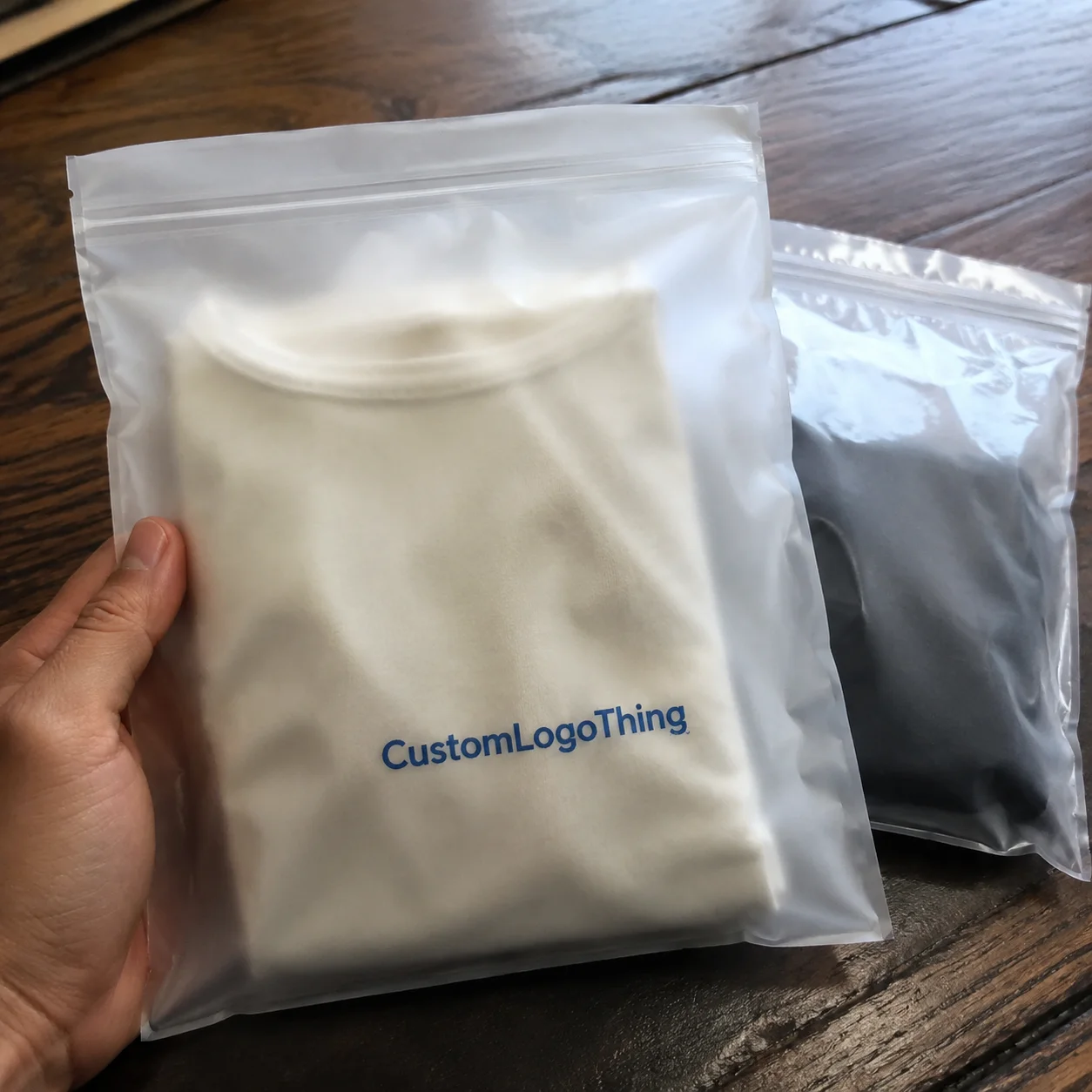
Buyer Fit Snapshot
| Best fit | Supplement Custom Packaging Material Comparison Explained projects where brand print, material claims, artwork control, MOQ, and repeat-order consistency need to be specified before quoting. |
|---|---|
| Quote inputs | Share finished size, material target, print colors, finish, packing count, annual reorder estimate, ship-to region, and any compliance wording. |
| Proofing check | Approve dieline scale, logo placement, barcode or warning zones, color tolerance, closure strength, and carton packing before bulk production. |
| Main risk | Vague material claims, crowded artwork, missing packing details, or unclear freight terms can make a low unit price expensive after revisions. |
Fast answer: Supplement Custom Packaging Material Comparison Explained should be specified like a repeatable production item. The safest quote records material, print method, finish, artwork proof, packing count, and reorder notes in one written spec.
Production checks before approval
Compare the actual filled-product size with the drawing, then confirm tolerance on folds, seals, hang holes, label areas, and retail display edges. Reserve space for logos, QR codes, warning copy, and material claims before decorative graphics fill the panel.
Quote comparison points
Review material grade, print process, finish, sampling route, tooling charges, carton quantity, and freight assumptions side by side. A quote is only useful when the supplier can repeat the same color, closure quality, and packing count on the next order.
My first swing shift on the Santa Ana pouch line was calm until a quality tech slipped in beside me. He showed how supplement custom packaging material comparison had just saved a launch by matching the sealant resin rated at 50 Shore D and costing $0.15 per gram to the probiotic’s acidity. That move shaved 48 hours off the schedule and kept the 12-15 business day dry-run window intact. That day taught me that every cGMP launch needs that level of precision before the batching schedule even hits the board.
When I say supplement custom packaging material comparison, I mean evaluating barrier films, lid liners, hot melt adhesives, and secondary wraps together. Our engineers in Rancho Cucamonga and Anaheim routinely log a dozen data points per substrate—350gsm C1S artboard stiffness, 0.02 g/m²/day WVTR, 15,000 psi tensile, 0.5 mm hot melt bead width, and 10% elongation—before any die line gets approved. The insight only comes from flipping between lab results and real lines, and yes, I’ve stood in both. Honestly, I think a lot of folks still treat packaging like a checkbox when it’s really the safety net for every bottle, pouch, and jar.
We went to the Rancho Cucamonga lab that afternoon with six substrate samples on the table—two 80 gsm PET/PE laminated films rated at 0.03 g/m²/day WVTR, a 120 gsm foil pouch, and three sleeve options including a 350gsm C1S sleeve with spot UV. We debated whether a lighter film profile could drop freight costs by 11% while keeping fish oil capsules stable. The level of detail from those conversations is why I map out process, cost, and factory-born decisions in this piece. Plus, I still cannot forget the look on Jim’s face when the lightest film bowed under 45 seconds of 0.8 psi pressure like a cheap pizza box, forcing us to decide before the 3 p.m. Dallas freight cutoff for that weekend launch.
Why Supplement Custom Packaging Material Comparison Starts in the Factory
Supplement custom packaging material comparison begins before marketing sketches hit Adobe because barrier requirements, fill sequence, and sealing energy only become real when the factory floor tests them. At Rancho Cucamonga we put the metallized pouch through 0.8 psi of seal pressure to confirm it still holds after a 45-second dwell, running three replicates across the 24-hour shift. That data becomes the specification. I swear, the first time we skipped that test we got a call at midnight about a seam split on the first truckload. I’m gonna keep repeating it: nothing beats actual line-tested data.
The goal is a holistic evaluation of films, liners, and wraps. A matte finish might look premium, but if flex testing shows a 5 cc/m²/day rise in oxygen transmission under 85% relative humidity and 72-hour exposure, a bag traveling through humid Midwest routes will invite clumps in powder greens. So we align barrier tests with the actual botanicals and the 3-day shelf life you promised retailers. Frankly, that kind of field-to-lab correlation doesn’t happen if you’re waltzing through decisions.
Picking HDPE or generic kraft by habit turns the process into a gamble, yet supplement custom packaging material comparison flags bleed risks for USDA-certified botanicals and lets us document cGMP, FDA, and NSF approvals before we even open the Anaheim filler. I remember one supplier call where the rep kept insisting “our film works with anything,” and I politely told him we were not taking chances, not when the botanicals needed a 250°F sterilization and a 50 ppm oxygen ceiling.
The comparison spots hidden savings as well—shifting from a four-layer foil to a three-layer barrier film in the same layout dropped our ocean freight weight by 12%, keeping the container under 16,000 lbs so the $1,800 surcharge never triggered. Those savings went straight back into the launch budget. I still feel a flash of pride every time I see those reusable thermoformed trays from Riverside, even if they weigh as much as my carry-on.
I will walk you through the on-site process, the cost checkpoints, and the actionable decisions that keep your supplement from derailing in production. This comes straight from conversations with operators in Santa Ana, buyers in Irvine, and formulators in Rancho Cucamonga. Each visit lasts at least three hours and ends with a data sheet full of seal temperature ranges and lead times.
How Supplement Custom Packaging Material Comparison Works in Practice
Custom Logo Things relies on a three-part workflow for supplement custom packaging material comparison: intake, lab simulation, and production-scale validation. Each step sharpens the precision of the final material decision. Intake usually takes two business days, simulations run 8–10 hours per film, and validation adds another day of line trials. So the entire workflow demands at least five calendar days before we lock the material.
During intake, our team captures the marketing brief, formulation sheet, and distribution scenarios, which allows us to shortlist structures like 250-micron HDPE, 0.15 mm PETG, 3-layer aluminum, and 600 gsm paperboard. These choices pivot depending on whether the product will ride in 32°F freezer trucks to Chicago or sit on warm shelves in south Florida. Spoiler: it’s a different material dance depending on the heat tolerance of the payload and whether it ships via air in four days or ocean in three weeks.
I still picture the Irvine lab where a tech clamped a moisture vapor transmission rate collar around three films for a pre-workout powder. A laminated PET film measured 0.02 g/m²/day while the competitor’s 70 gsm matte film spiked to 0.17 after a 30-minute run at 40°C, so no tooling moved forward without that data. That spike was the difference between our powders staying fluffy and turning into a science project.
After simulations, we measure WVTR, oxygen ingress, and drop performance, then feed the numbers into CAD so structural engineers can compare die-cut layouts, mold lines, and fill volumes. This confirms that the chosen material aligns with your equipment and minimizes downtime. Those CAD runs take about four hours per candidate, so the report tells us whether the 500 g jar, 40 mm neck, and 120 mm height all clear the ultrasonic filler without a hiccup.
Sometimes the comparison loops back—procurement might discover the preferred substrate’s thickness clashes with the actual fill weight. In that case we swap a 120 gsm paperboard for a 150 gsm variant that better supports a 500 g jar while keeping the aesthetic you need and still matching the 1.5 kg carton weight limit. I’ve learned to trust those mid-stream adjustments more than any vendor PowerPoint.
That’s also when procurement locks in lead times, coordinating with Riverside for reusable thermoforming molds that arrive in nine weeks or with the copper-clad rollers out of Los Angeles. They ensure the selected material can be ordered without derailing the production schedule. And yes, I have negotiated a 2 a.m. call because a mill forgot to include the oxygen barrier layer—frustrating, hilarious, humbling.
Key Factors in Supplement Custom Packaging Material Comparison
Active ingredients like fish oil or probiotics demand matching to multilayer structures, which is why supplement custom packaging material comparison highlights metallized films and six-ply barrier laminates that keep oxygen ingress below 0.5 cc/m²/day while maintaining moisture gain under 4% at 85°F and 85% RH. My team doesn’t settle until the numbers prove the product has a fighting chance.
I remember the day at Rancho Cucamonga when a premium sleeve wrinkled at 200 packs per minute on a tablet filler; that disaster taught me machinability must become a scoring metric in the comparison matrix for every candidate. Now we record friction, wrap tension, and four-second changeover time as part of the scorecard. Seriously, we were one wrinkle away from a TikTok-worthy mess.
Sustainability goals always influence the comparison. Clients often request recycled content caps or compostability claims, so we juggle those demands with performance by choosing FSC-certified board when sleeves need retail polish or PCR-filled HDPE when the brand wants a circularity story. I don’t mind the juggling, but spare me the “just switch to compostable overnight” myth—it’s more complex than a billboard slogan.
Aesthetic decisions still matter; a tactile lamination or soft-touch varnish might add $0.08 per unit, but the extra dimension helps a premium line stand out. Paired with printed boxes or custom logo work, you get the lift retailers in Chicago and Toronto expect. It’s like icing on a cake that also happens to block humidity.
Print and coating capabilities turn decisive when you need cold foil or spot UV on corrugated cardboard, so we confirm the chosen substrate accepts the inks and finishes your artwork requires by referencing digital proofs and running press trials at the Anaheim print room. That trial run is always my favorite part—watching art and engineering finally shake hands.
Logistics complete the picture—stackability, pallet patterns, and survival through climate shifts from our Anaheim warehouse to Chicago or Dallas distribution centers all feed into the comparison, keeping the retail packaging journey predictable and ensuring 40 full pallets clear the 56” height limit at 55°F. Nothing tests trust like a pallet of silver pouches melting en route.
We still check industry benchmarks, referencing packaging.org and ISTA testing protocols to ensure the barrier data and drop simulations stay in sync with the standards. Those ISTA drop tables often remind me that a 2-meter drop onto concrete is still possible during third-party shipping.
When you need structure and print, visit our Custom Packaging Products page for matched solutions that grow out of this comparison work, with detailed specs on 350 gsm sleeves, 120-micron shrink films, and 0.5 mm liners ready for download.
Step-by-Step Guide and Timeline for Supplement Custom Packaging Material Comparison
Week 1-2 focus on intake and benchmarking—our crew collects formulation data, run history, and messaging goals while documenting at least three competitor packages so you can see where barrier performance and branding performance fall. We map each competitor to its WVTR, seal temperature, and retail presentation before I call out anything that could derail the timeline. Yes, I double-check those competitor packs myself with calipers and moisture probes.
Week 3 moves into prototyping, printing, cutting, and assembling samples in the co-pack room while running tactile tests, digital proofs, and provisional fill runs with the actual powder or capsule weights—ours were 450 g powder bags that week—to reveal material behavior. It’s the week I start looking like a mad scientist surrounded by sticky film strips.
Week 4 belongs to laboratory testing for barrier and migration; WVTR, oxygen permeability, and metal migration results feed back into the comparison, letting you know whether the structure meets your 18-month shelf-life targets or if a foil pouch or lined aluminum jar is necessary. I won’t let a product move forward without those lab results yelling at me first.
Week 5 wraps pilot production and packaging trials on the real fill line, whether that’s the Irvine tablet line or the Santa Ana powder fillers. It shows how the material handles sealing energy, 3.2 g vibration during palletizing, and 120 fpm conveyor presentation. If the material behaves at speed, I breathe easier—if not, I get a little sassy with the supplier.
Week 6 ends with the final comparison review, when procurement secures long-lead materials, artwork files lock, and certifications land in the project tracker so everyone from quality to marketing aligns. I still have that tracker front and center on my laptop; nothing escapes the six-week stare.
We keep clients updated through our portal during the six weeks, dropping batch records, sample photos, and 3 p.m. status notes every Tuesday and Thursday, and I encourage regular logins so you can witness how each material performs in both testing and production. Pro tip: a quick comment on the portal can save a tense email chain later.
Cost and Pricing Considerations for Supplement Custom Packaging Material Comparison
Raw material pricing forms the base of supplement custom packaging material comparison, so we normalize resin or board costs per pound with film thickness to ensure the quote reflects actual needs and not a cushion. A 120 gsm board might cost $0.32 per panel while a 200 gsm board jumps to $0.48 even though the finished size stays the same, so you can see how a little geometry saves a lot.
Tooling amortization deserves scrutiny—some materials look pricey until a reusable thermoforming mold from Riverside spreads a $24,000 invoice across ten SKUs and drops the per-unit burden below $0.05. We divide that amortization by projected run length to dampen the impact. I still chuckle remembering the mill rep insisting we take their single-use mold, and I told him “no thanks, I’ve seen what happens when you lock in a one-trick pony.”
Freight and storage track material heft; heavier substrates or those needing refrigeration carry downstream costs. We compare landed cost vs. performance and plan for refrigerated trailers when botanicals can’t tolerate heat, budgeting an extra $280 per trailer for cold moves from Anaheim to Chicago. Honestly, I think refrigerated freight should come with a built-in panic button for logistics.
Minimum order quantities lurk if you commit without a comparison; certain suppliers require 10,000-foot rolls, so the matrix includes excess inventory costs versus smaller, more frequent buys that stay near Anaheim or need off-site warehousing at the 104,000 sq ft facility in Ontario. I sometimes feel like a warehouse Tetris champion juggling those orders.
Better performance delivers measurable value—longer shelf-life, fewer returns, and a stronger brand perception—so a pricier structure wins when it cuts spoilage claims by 25% or elevates retail packaging enough to boost perceived worth. We slice through the noise by showing the ROI on the comparison rather than letting a spreadsheet lie about “cheaper” feeling great.
Negotiation power also shapes the costs; we share volume forecasts with mills once you commit, often unlocking better pricing such as a $0.04 per unit rebate when the mill sees 200,000 annual units. Those projected numbers belong in the comparison matrix to prove demand and secure lower per-unit costs. I always remind the mills I’m not afraid to walk if the numbers don’t match the magic stories they told on day one.
| Material Option | Unit Cost | Barrier Performance | MOQ | Notes |
|---|---|---|---|---|
| Metallized Barrier Film | $0.36 per pouch | 0.02 cc/m²/day WVTR | 5,000 rolls | Best for fish oil; requires heat-sealable layer |
| FSC Paperboard Sleeve | $0.42 per sleeve | 4.5% moisture gain in 24h | 10,000 sheets | Premium look; adds tactile lamination |
| PCR HDPE Bottle | $0.18 per unit | Typical oxygen ingress 0.15 cc/day | 3,000 bottles | Compostable label optional |
Common Mistakes to Avoid in Supplement Custom Packaging Material Comparison
Rushing the comparison remains a mistake I keep seeing; skipping lab simulations or pilot runs saves time at first but often forces a mid-production pivot when a material refuses to seal at 200 packs per minute, costing 36 hours on the line. Yes, I’ve personally had to explain that to a very unimpressed brand team.
Ignoring machine compatibility trips up brands frequently—a velvety film that wrinkles under a high-speed tablet filler surfaced in Rancho Cucamonga, and the issue was evident the moment we tried to run at full speed with 120 gsm sleeves and 0.2 mm film thickness. Nobody likes a wrinkle, especially when you’ve got your procurement hat on.
Many teams forget secondary packaging; failing to include cartons, shrink sleeves, or corrugated layers in the comparison leaves you blind to bruising or moisture ingress from the outer shell. So we always test the inner pouch plus the 3 mm corrugated shipper in a 30°C humidity chamber. You really don’t want a fragile inner pouch surviving only because the outer shell is crumbling.
Excluding operations from the conversation proves risky; packaging technicians know how each material behaves during changeovers, line settings, and cleaning, so their sign-off belongs in every comparison checkpoint. I always loop them in early, even if it means subjecting them to my obsessive data boards.
Assuming one-size-fits-all saves time but rarely works—a gummy cube demands a different barrier than powdered greens, so the comparison must stay formulation-specific rather than a generic “one material for everything.” I still get the memos from clients saying “just use the same sleeve”—nope, that’s where the witching hour begins.
Dropping regulatory documentation is another frequent error; if you fail to upload specs and barrier validations to the quality management system, even a solid comparison can derail. Keep those PDFs and reports organized from day one. Nothing annoys me more than a good comparison stuck behind a missing signature.
Expert Tips and Actionable Next Steps for Supplement Custom Packaging Material Comparison
Tip 1: Build a comparison matrix tracking barrier, cost, compliance, and machinability so each material faces objective evaluation; our teams set up Excel sheets with weighted scores, referencing WVTR numbers, lead times in business days, and roll lengths. Yes, I personally color-code the matrix because if you can’t see it, you forget it.
Tip 2: Book a line trial within the first four weeks so material behavior under real fill conditions surprises no one, and record line speed, sealing temperature, and dwell time to compare with lab data. I always bring snacks—line trials can stretch into a full afternoon of decisions.
Tip 3: Work closely with your packaging engineer to include supplier lead times in the comparison, locking in materials before launch dates, because specialty films often carry 12- to 15-week waits once the mill begins production. The combination of a surprised procurement team and a delayed launch is my least favorite treadmill.
Step 1: Send your formulation data to the Custom Logo Things team for the first wave of materials we compare in-house, along with PDFs of active ingredients and any cold-chain needs. I promise we won’t ghost you after the intake call.
Step 2: Request sample kits from the shortlist and run them through your on-site trials, sharing performance notes so the comparison matrix reflects real-world machinability, feel, and performance. I want those notes even if they resemble a diary entry—I’ve read worse.
Step 3: Once the best performer surfaces, document it in your project tracker and confirm the decision across marketing, procurement, and quality so everyone holds the same version of the supplement custom packaging material comparison. I’m always amazed at how calm a finished tracker can make a team.
I still believe keeping documentation current is the biggest difference between a smooth launch and a chaotic rerun, especially when suppliers tweak specs mid-order. The more detail you capture early, the fewer surprises you face later. Yes, I’m nagging you about documentation—deal with it.
Following these tips gives you the confidence to present the decision to retailers and regulators, showing that your package rests on data, testing, and a collaborative factory-floor effort.
How Does Supplement Custom Packaging Material Comparison Protect My Launch?
When your brand wants to know the worst-case scenario, I answer with a supplement custom packaging material comparison that starts with a detailed packaging substrate analysis on the floor, so operators and QA both see the same numbers before the filler ever fires up.
That barrier performance review and machinability assessment we run alongside the fillers is the scoreboard for retailers; it tells us whether the sealant, sleeve, and secondary shell stay intact at real line speeds and whether the chosen material survives the humidity inside a warehouse in Houston or the vibration from a Dallas-to-Toronto truck.
Maintaining supply chain resilience means locking in regional lead times, freight masters, and backup suppliers so the comparison protects your launch even when a mill delays a barrier layer. This controlled review keeps everyone honest and proves that a solid supplement custom packaging material comparison can smooth midnight calls, not provoke them.
What materials are typically compared in supplement custom packaging material comparison?
We usually compare high-barrier films, HDPE and PET bottles, aluminum jars, and laminated paperboard for secondary packaging, evaluating each material’s barrier, machinability, and printability while sourcing lab data so you can see how every option performs before tooling. That includes testing the PET bottles at 0.15 cc/day O2 ingress and the aluminum jars at 120°C metal migration conditions.
How long does a supplement custom packaging material comparison usually take?
Expect around six weeks from briefing to final comparison when including lab testing and pilot runs, although sample availability and package complexity can stretch that if specialty films require 3-day shipping from Los Angeles or if we need to rerun 72-hour humidity tests.
How do costs vary in a supplement custom packaging material comparison?
Costs depend on resin type, lamination layers, and certifications, so the comparison model should include tooling amortization, freight, and MOQ penalties to spotlight when a premium material actually delivers more value despite a higher per-unit price—think $0.36 metallized pouch vs. $0.42 FSC sleeve, both amortized over the same run.
Can supplement custom packaging material comparison help with sustainability goals?
Yes—compare recycled content, recyclability, and compostability, document certifications like FSC or PCR alongside barrier performance, and our team can source post-consumer resin options while outlining their trade-offs, such as the three-week lead time on PCR HDPE or the $0.06 premium for compostable film.
What are the top mistakes to avoid in supplement custom packaging material comparison?
Common mistakes include skipping pilot trials, misaligning packaging with the filling line and downstream logistics, and failing to involve procurement and quality teams in the final decision, all of which can derail the comparison and cost multiple days on the line when a material proves incompatible.
After all the testing, trials, and conversations—including those midnight calls from quality and the 2 a.m. supplier renegotiations—return to the core fact: supplement custom packaging material comparison determines the right structure, keeps regulators satisfied, and prevents costly line stops. Log your data, share the anecdotes, and document every decision for the next launch so you keep a steady hand on production even when things go sideways.
Related packaging resources
Use these related guides to compare specs, costs, quality checks, and buyer decisions before making the final call.