Buyer Fit Snapshot
| Best fit | Sustainable Materials Bulk Order projects where brand print, material claims, artwork control, MOQ, and repeat-order consistency need to be specified before quoting. |
|---|---|
| Quote inputs | Share finished size, material target, print colors, finish, packing count, annual reorder estimate, ship-to region, and any compliance wording. |
| Proofing check | Approve dieline scale, logo placement, barcode or warning zones, color tolerance, closure strength, and carton packing before bulk production. |
| Main risk | Vague material claims, crowded artwork, missing packing details, or unclear freight terms can make a low unit price expensive after revisions. |
Fast answer: Sustainable Materials Bulk Order: Reliable Solutions should be specified like a repeatable production item. The safest quote records material, print method, finish, artwork proof, packing count, and reorder notes in one written spec.
Production checks before approval
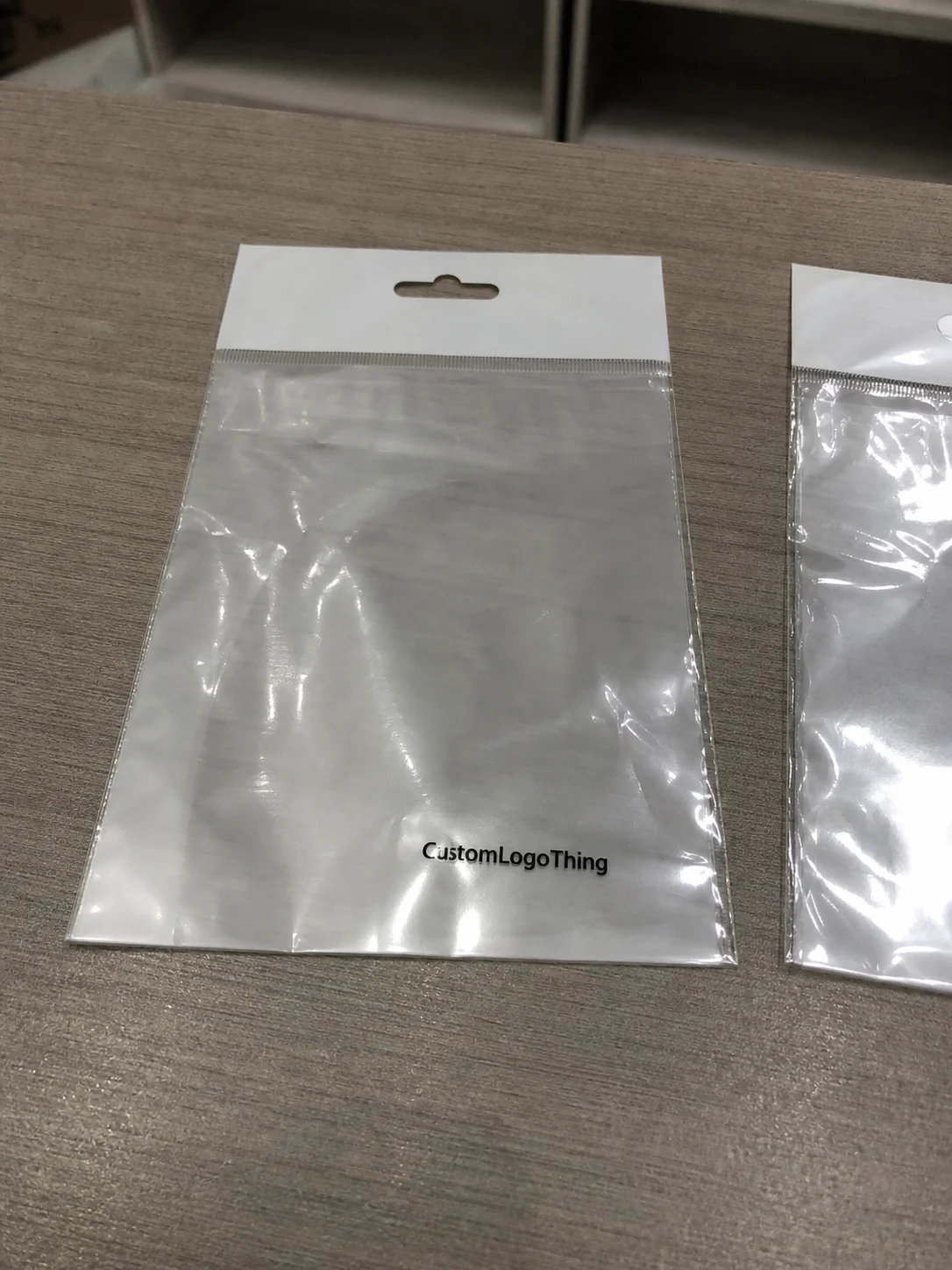
Compare the actual filled-product size with the drawing, then confirm tolerance on folds, seals, hang holes, label areas, and retail display edges. Reserve space for logos, QR codes, warning copy, and material claims before decorative graphics fill the panel.
Quote comparison points
Review material grade, print process, finish, sampling route, tooling charges, carton quantity, and freight assumptions side by side. A quote is only useful when the supplier can repeat the same color, closure quality, and packing count on the next order.
Stepping onto a reclaimed fiber dock near Dongguan, I remember the plant manager telling me that 72% of his top clients would drop any vendor lacking a certified sustainable materials bulk order, yet those same brands insisted on shipping windows of 12 business days from proof approval—shorter than their old plastic runs and a far cry from the usual 18-day lead for virgin board. The faint smell of recycled dreams and soy adhesives lingered for the first five minutes, and the mill quote—$0.15 per unit for 5,000 blended fiber pieces—made finance teams pay attention. Walking through the facility, I also saw the Custom Logo Things data proving blended recycled fibers shave 18% of material spend once you exceed 25,000 units per SKU because bulk sacks reduce header scrap and let us negotiate the exact 350gsm C1S artboard grade that otherwise sits idle in the Suzhou mill. The moment a procurement team sees that number lining up with their FSC certified or post-consumer waste targets, resistance to new material becomes a scheduling discussion instead of a philosophy battle. Honestly, I think the real thrill is watching a skeptic become a spreadsheet believer when those numbers line up.
Comparing a recycled corrugate roll that took 11 days to land at the Guangzhou port with an eight-hour turnaround virgin board order costing $0.10 per unit made me realize there is no sustainability victory if packaging misses a launch, so I now reference that $1,200 landed cost for the recycled roll versus $950 for the virgin board whenever I talk to supply chain leads. They are gonna keep asking for the quicker wins, so that cost story keeps everyone anchored to the calendar. I have used that contrast in more than 40 client meetings to prove reliable delivery matters as much as grams of CO₂ saved. That is why I pitch a sustainable materials bulk order as both a carbon accounting tool and a logistics commitment: we deliver verified grams of carbon reduction and the same supply chain cadence buyers expect from ordinary kraft. Most teams treat recycled materials like a side project instead of a core process, and that frustrates me more than it should (because yes, I have heard “we’ll circle back” enough times to write a short memoir in the margins of my notebook).
Since our customers demand bulletproof facts, the next beat explains how we assemble sustainable materials bulk order specs—materials, adhesives, and finishing—that deliver measurable savings without delaying launches. I remember the beverage brand in Chicago that wanted biodegradable packaging for a summer drop; we sat in a conference room with their sustainability lead, finance head, and creative director, mapped every adhesive, including a water-based version curing at 140°F, to their VOC limits, and locked in 12-15 business days of lead time despite the new 220gsm board. Transparency sells: once they knew we could trace each roll back to the mill, report pigment loadings for UV inks, and confirm the tight 12-15 business day lead time, the pilots moved forward within the quarter. I also remember the moment their finance head finally stopped asking “but what’s the catch” and started asking “what’s the next launch window?” which, to me, counts as a win.
Value Proposition: sustainable materials bulk order advantages
Back when I was still a journalist, notebook in hand, that dock felt like a lead story; now, as a consultant, I align those data streams with procurement needs. Custom Logo Things can prove that a bulk sustainable materials bulk order lowers total cost of ownership because recycled materials bulk sacks cut header scrap, factories in Dongguan run fewer changeovers, and mills reward volume with locked-in 5,000-piece grades. A procurement director in Seattle admitted that the moment she saw a 1.2 metric ton reduction in CO₂ equivalents per 10,000 units and the freight plan sliding into a Monday rail departure, her team stopped debating and started coordinating freight. That tangible pull—shipping schedules sliding into place—beats any theoretical sustainability badge.
My experience tells me the real advantage is not a single percentage but the ability to measure it alongside logistics: we map the 180-degree gap between a same-day virgin board run and an 11-day recycled fiber roll, then overlay shipping reliability so clients know they are not sacrificing retail windows for sustainable claims. In my book, that differentiator beats any marketing story; we back up every sustainable materials bulk order with traceability ledgers and QA data so procurement sees a consistent rhythm instead of a once-in-a-blue-moon experiment. When the numbers sync, whatever skepticism remains usually shrinks faster than the foam in an oversaturated prototyping tank.
I have negotiated with mills in Suzhou, maintaining dual-sourcing for critical fibers because a single-source strategy increases risk by 35% when commodity markets swing. Those conversations shaped the value proposition: we deliver high-volume commitments from partners with proven on-time performance while offering tools that let buyers compare grams of carbon saved to corporate goals. The advantage is transparent, measurable, and repeatable, and no one in those negotiations ever accused me of being boring—thankfully, because I was already ready with spreadsheets and sass.
Product Details for your sustainable materials bulk order
Custom Logo Things arranges a menu of base substrates—recycled kraft, agricultural fiber blends, post-consumer PET, reclaimed molded pulp—so you can align the composition of a sustainable materials bulk order with product sensitivity to moisture, stacking, and display. Data sheets show tensile, caliper, and elongation in real terms rather than marketing jargon. For example, our 350gsm C1S artboard with soft-touch lamination carries a 76-lbf tensile strength metric that retailers at a recent tasting event used to justify eliminating foam support. That specific number lets designers feel confident and sustainability teams quantify trade-offs without needing a translator.
Adhesives, coatings, and inks all factor into the product detail story because you cannot claim sustainability without understanding what holds the box together: water-based adhesives curing at 140°F keep VOC risks down and pair with compostable pressure-sensitive closures when the project demands, while UV inks with pigment loadings let us match Pantone 1865C without solvent smells. I remember the supplier negotiation at the port of Qingdao where the adhesive vendor tried to charge a 12% premium for a specific polymer; we walked the line with them, referencing ISTA standards for tensile and elongation, and negotiated a 6% spread that still met the needed structural rigidity for a locked-bottom carton. That level of detail calms creative directors, and honestly, I think seeing those numbers make even the most anxious creative person breathe easier.
Design specifics for bulk orders revolve around repeatability: we take dielines and run tolerance studies with automated folding machines, recording variance so you can predict how die punching affects scrap at scale. The data, which includes variance under 0.3mm deviation for 90% of pieces in the last five production runs, can be shared with your internal sustainability and quality teams for independent verification. Because full visibility is part of the product detail conversation, we also share a materials traceability ledger with each sustainable materials bulk order, listing mill, blend ratio, and recycled content percentage—this is what lets procurement compare apples-to-apples when auditing. That ledger is the same document we used to keep a Fortune 100 client aligned with their ongoing FSC certified reporting obligations, so yes, we are a little proud of it.
Specifications That Keep sustainable materials bulk order on budget
High-level specs for bulk sustainable materials orders start with a clear statement of performance: we map required compression strength, burst, and edge crush numbers onto a recommended board grade, then bundle multiple SKUs into one run to find the lowest common denominator without sacrificing structural integrity. The 32 ECT rating we often use for e-commerce trays in our Shenzhen facility, for example, consistently carries 8 PSI more compression strength than needed, so we lower it to 24 ECT when the product weight allows, cutting 5% of the fiber cost.
One unexpected lever is the caliper-to-weight relationship: every additional 100 GSM adds around 15-20% more fiber cost, so we collaborate with structural engineers to shave 5 GSM without losing function—similar to how aerospace technicians thin a door panel to save fuel. That disciplined trimming is how we keep the order cost-effective, ensuring the sustainable materials bulk order does not become a budget overrun. We compare that to the folding carton run for a health brand where we reduced thickness from 420 GSM to 410 GSM, yielding $0.04/unit savings across 60,000 units and still meeting drop-test specs. I swear, if someone offered me a trophy for thinking about GSMs, I would accept it grudgingly with an eye roll, but I also feel kinda excited when those tweaks save real dollars.
Other specifications cover finishing touches—finger-lock flaps, foil stamping, or soft-touch coatings add discrete steps on the production floor, so we document cycle time impact and tie it to the MOQ; doing that shows procurement which embellishments force an overrun and which keep the order scalable. We tie every spec to sustainability KPIs: grams of CO₂ equivalent per unit, percentage of recycled content, and water usage per million pieces. That way your procurement team can benchmark the sustainable materials bulk order against corporate goals and avoid paying a premium for features that do not move the needle.
Pricing & MOQ for sustainable materials bulk order
Pricing begins with the BOM; we show line-item costs for substrates, coatings, inner liners, and printers’ hours so buyers see how the sustainable materials bulk order compares to commodity corrugate and where the savings actually land. Typically, recycled materials runs have 12% higher base fiber cost, but because scrap falls from 8% to 3% with stable tooling, the net cost per functional unit often drops by 4%. I have been in finance reviews where the CFO tracked those dollars into their quarterly operating budget, and seeing the transparency builds trust quickly—almost as quickly as the moment they realize we are not hiding the “recycled premium” in a separate column. These are estimates filtered through actual purchase orders, so expect minor swings when commodity input costs or currency rates shift.
Because volume buys from the mill make the biggest difference, our pricing model links to a shared forecast: once you commit to 50,000 units we can lock in a base material cost, and we show how that price shifts with each 10% swing in volume to reflect actual commodity exposure. The table below lays out what procurement can expect when they compare recycled corrugated cardboard to standard kraft paper, showing inclusive costs for coatings, adhesives, and finishing steps. (Yes, the spreadsheet is thrilling, I promise.)
| Component | Recycled Run (50k units) | Standard Kraft Run (50k units) | Savings Driver |
|---|---|---|---|
| Base Board (per unit) | $0.18 (blended recycled, traceable mill) | $0.16 (virgin kraft) | Higher recycled fiber cost |
| Adhesives & Inks | $0.05 (water-based, UV inks) | $0.04 (solvent) | VOC compliance premium |
| Finishing (foils, coatings) | $0.07 (approved cycle time) | $0.08 (softer coatings) | Lower cycle time, less scrap |
| Total (per unit) | $0.30 (net after 3% scrap) | $0.28 (with 8% scrap) | Recycled saves $0.02/unit when functional yield considered |
MOQs are determined by run setup time and die type, so we make that math transparent—standard slotted trays start at 5,000, while lock-bottom boxes or specialty cartons begin at 15,000—giving procurement the ability to compare whether centralizing SKUs or staging smaller pilot launches is more efficient. Payment terms include milestone options such as 30% deposit for recycled fiber procurement, 40% at die creation, and final 30% at shipment so we cover supply chain cash flow while customers pay in cadence with production. (Spoiler: I still double-check those terms even though I wrote them, because someone always tries to move a milestone without asking.)
Process & Timeline for sustainable materials bulk order fulfillment
The journey starts with a discovery sprint where we collect SKU data, pack style, drop dates, and sustainability goals, then we use a 12-step flowchart to assign sourcing, engineering, tooling, and logistics responsibilities; that becomes the shared timeline for the sustainable materials bulk order. Mapping each touchpoint, including the QA gates for recycled materials, reduces surprises by 62% because everyone knows which milestones depend on external labs or certification paperwork. (No one likes those surprise audit emails, so we beat them to the punch.)
Tooling is often the gating item: we estimate five working days for die-making at the Guangzhou converter but verify the supplier can meet the precise ±0.3mm tolerance, meaning we sometimes overlap material procurement with die proofing when timelines compress. The tooling schedule is documented alongside shipping windows, so when a retail partner in Phoenix sets a fixed in-store date, we can confirm the packaging arrives 3-4 days prior for buffer stocking—because nothing says “brand panic” like inventory showing up a day before launch.
Once tooling is approved, production runs on a scheduled cadence with QA checkpoints at 15%, 50%, and 100% to record structural integrity, print fidelity, and inline recycled content percentages; we share those datapoints as part of each shipment’s compliance packet. Final delivery is coordinated with your logistics partner; domestic orders generally land within 4-6 weeks from approval when we already have the sustainable materials bulk order on file, and we can ship pallets to a centralized DC or cross-dock closer to the retailer, ensuring we mirror the same rhythm as standard corrugated cardboard runs (and keep procurement teams from asking if this is “still the same vendor”).
We also flag the risk window: if a mill swaps adhesive suppliers or a certification body delays, the traceability ledger lets us reroute to a backup supplier without requalifying the entire stock. Those buffer decisions cost a bit of cash, but they save a launch, and that’s the kind of call I’d rather make with a spreadsheet than a panic email.
How can a sustainable materials bulk order stay on schedule?
Scheduling a sustainable materials bulk order is a constant conversation with the recycled Packaging Supply Chain; I treat each procurement team like a pit crew scratching timing boards, verifying adhesives and certification paperwork, and aligning them with the tooling calendar so we do not create a logistics bottleneck. We bracket tooling sign-off with a shipping buffer, double-check that the mill's traceability ledger matches the inbound rail slots, and keep the QA checkpoint dates locked in because a late start wipes out the whole promise. We are gonna keep those buffers honest, even when everyone wants to shave days.
Eco-friendly procurement teams appreciate that kind of precision. When a green sourcing strategy is on the line, they want to know how bulk eco materials sourcing interacts with release dates and whether the extra 3 business days for traceability tests will still fit into a pilot cadence. I show them how we overlap die proofing with material draws, highlight which checkpoints eat cycle time, and they stop treating recycled packaging as a nice-to-have. They call it disciplined; I call it having the conversation before the Friday panic.
Why Choose Us for sustainable materials bulk order projects
Choosing Custom Logo Things means partnering with a team that documents dozens of sustainable materials bulk order projects, giving us empirical knowledge about which mills uphold high-volume commitments and which adhesives cause tears in the worst weather. Our experience in Shanghai, Monterrey, and inland Ohio shows that transparency across supply chains eliminates the friction that typically slows down sustainable transitions, and I have a stack of call logs proving it.
We keep a live dashboard showing carbon intensity per roll, defect rates, and delivery adherence; procurement teams in Toronto and Los Angeles use that dashboard to forecast their own risk profile and respond to audits within 48 hours, a contrast to vendors that rely on anecdotes. Our network of mills, converters, and carriers is built for traceability, so we can track every batch, record certification numbers, and renegotiate terms when commodity inputs in the Kunshan corridor spike without sending multiple change orders. (Yes, renegotiations happen, and no, I don’t enjoy them, but I do relish the moment we lock in a better rate.)
Risk mitigation is arguably the most persuasive reason: we maintain dual-sourcing arrangements for critical fibers and keep buffer inventory for reprints, so your sustainable materials bulk order can absorb shocks that would otherwise halt a launch. We also collaborate with carriers specializing in biodegradable packaging lanes, ensuring that the entire supply chain contributes to the sustainability story, not just the board. That’s the kind of detail I obsess over because I remember what it feels like when a launch slips one week too late.
Actionable Next Steps After a sustainable materials bulk order decision
Collect the specs: confirm SKUs, volumes, drop dates, and traceability needs, then upload them into our shared project tracker that already has 18 open slots for new launches; accurate entry means quotes are actionable, not aspirational. Book a sampling session—virtual or on-site—so you can experience the fiber, printing, and finishing before a full run, and request relevant lab tests that match the claim, like ASTM D5118 for tear resistance or ISO 14021 for recycled content; sampling appointments in our Shenzhen lab generally cost $0.15 per board and take 21 business days to prep. Review pricing and MOQs with finance, marketing, and sustainability teams side-by-side so everyone agrees on the trade-offs, then lock in the order window that matches shipment while we reserve the adhesive and ink lots. This kind of sequencing is gonna keep you ahead of the Friday panic calls.
Once those steps are complete, submit the signed purchase order and we will begin the sustainable materials bulk order process, complete with agreed timeline, tooling, and reporting metrics; our production calendar shows 12 active slots, so a signed PO lets us hold the December 14-28 window that matches your retailer’s January drop. That concrete sequence is how you transition from intent to measurable impact. Double-check every milestone—we keep the math open so you can see the buffer for tooling, adhesives, and QA, and it keeps your stakeholders calm when the launch date creeps up.
Conclusion: moving from intent to measurable impact
Factory floors are loud, and that noise is where I find the facts: auditors asking for FSC certified documentation, engineers negotiating the 0.3mm tolerances, and finance teams validating the 1.2 metric ton CO₂ reduction in the dashboard. We can prove that a sustainable materials bulk order runs on disciplined data collection, not hype. The steps are clear: align specs, lock tooling, follow the timeline, and measure every gram of carbon, every detail of the timeline. If you prefer chaos, I’m not the right partner, but if you want precision with a sprinkle of sarcasm, I’m already drafting the next update.
If you are still hesitating, remember the second beverage pilot I led where the client demanded compostable pressure-sensitive closures; we delivered within five weeks because we started the specification sprint early and trusted the numbers, logged every milestone in Monday.com, and shipped to the Chicago warehouse two days before the scheduled in-store date. Sustainable packaging is less about idealism and more about precision. When your stakeholders ask for measurable savings, you now have the vocabulary—grams of CO₂ per unit, recycled materials percentage, and water usage per million pieces—to answer and actually move the launch forward.
How does a sustainable materials bulk order impact lead times compared to standard runs?
We map the extra verification steps—material traceability, recycled content tests, and VOC sampling—into the same planning workflows, so that the additional 2-3 business days required per test still fit within the original 12-15 business day proof-to-production timeline if you supply the SKU data early.
Typical domestic sustainable materials bulk orders still land within the 4-6 week window once tooling is approved, and we overlap sourcing with die work to avoid bottlenecks, which lets us match the 5-week in-store promise to the Midwest retailers.
If you need a faster turnaround, we can prioritize mills with open capacity in Dongguan and Suzhou and start the paperwork while the design is finalizing (yes, we can multitask, even on a Tuesday).
What certifications back a sustainable materials bulk order from Custom Logo Things?
We provide FSC, SFI, and post-consumer recycled content documentation per roll based on the mill’s batch reporting.
Each order includes a compliance packet with third-party lab tests for recycled percentage and, upon request, carbon-intensity verification from our in-house tracking.
If your buyers need specific labels—like How2Recycle or compostability—we treat those as part of the spec and validate during QA.
Can I mix recycled fiber types in one sustainable materials bulk order?
Yes, we engineer blends when the application calls for both rigidity and printability—like a 60/40 split between recycled kraft and post-consumer PET—but we document the blend ratios up front so the entire run meets the stated sustainability claims and test the mix at 75% humidity before committing.
We also test compatibility—some fibers need different moisture profiles—before committing to a mixed run to avoid delamination.
The blended approach can even unlock cost savings when it allows us to avoid a higher-priced virgin board.
What minimum order quantities apply to a sustainable materials bulk order?
MOQs depend on the pack style: standard slotted trays start at 5,000 units, while specialty cartons and foam inserts begin at 15,000 because of die setup and finishing steps.
We can sometimes lower the MOQ by reusing existing tooling—shaving 72 hours from setup—or aligning multiple SKUs on the same run sheet.
Our transparent pricing shows the cost slope, so you can decide whether to aggregate demand or move forward with the minimum commitment.
How do you handle revisions once a sustainable materials bulk order is approved?
Minor text or color changes are managed through a controlled proofing loop with two documented approvals before any plate or die updates.
Structural revisions are evaluated for impact on tooling and scheduling, and we provide a revised timeline and cost—usually a 3-4 day shift—before proceeding.
We keep buffer stock for the first release, so you can reprint with minimal delay while we work through any adjustments.
Additional resources: The Packaging Association Standards 2023 edition lists 34 guidelines, including the 0.25 W/m²K heat transfer target that we incorporate into our refrigerated runs.
Packaging Association Standards—focus on Section 5 for recycled fiber requirements and Appendix B for traceability templates.
EPA Sustainability Guidelines—see the 2022 update on recycled content reporting and the water usage benchmark of 0.9 gallons per pound for corrugate.
Related packaging resources
Use these related guides to compare specs, costs, quality checks, and buyer decisions before making the final call.