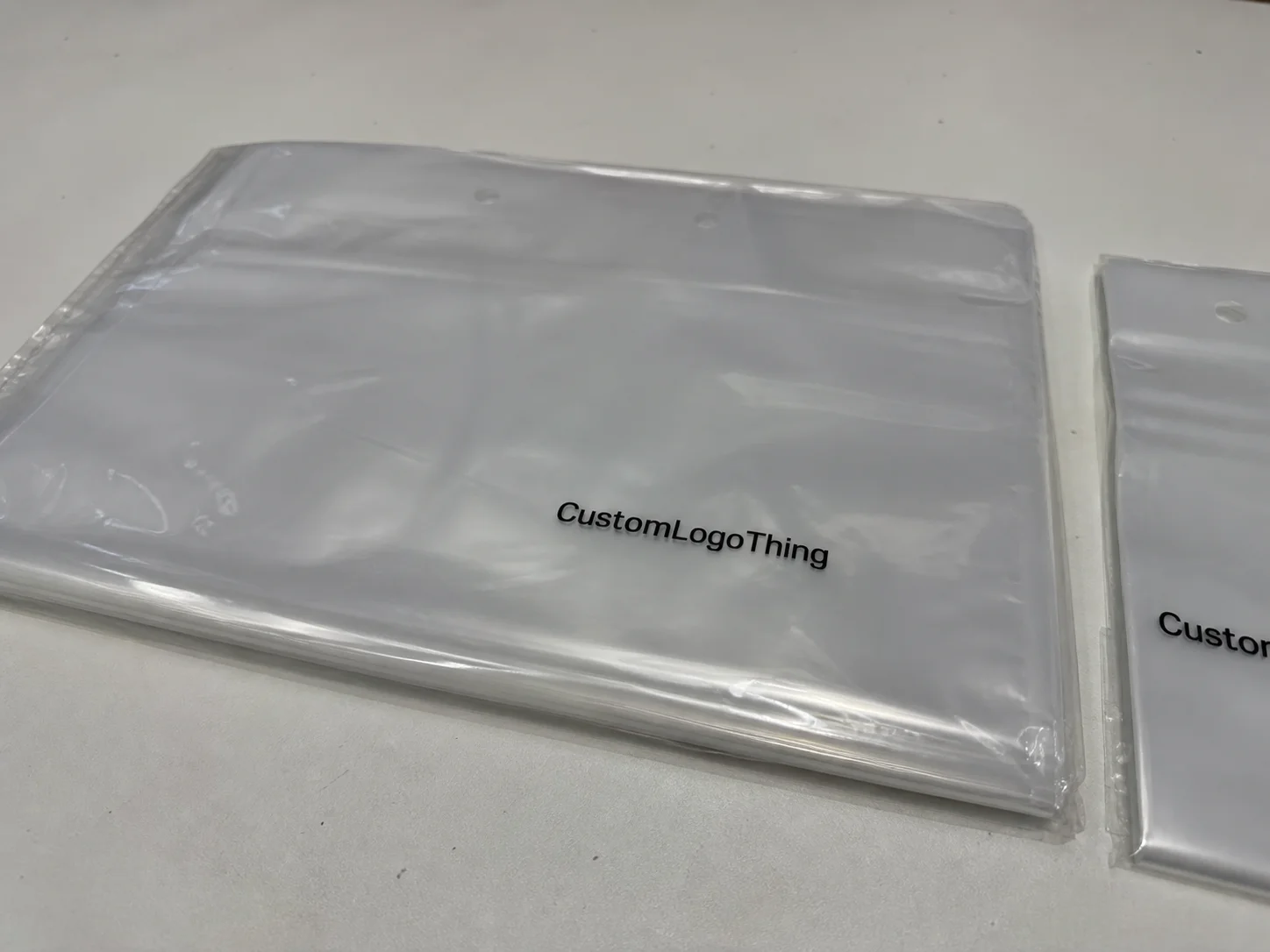
Buyer Fit Snapshot
| Best fit | Sustainable Padded Mailers Supplier projects where brand print, material claims, artwork control, MOQ, and repeat-order consistency need to be specified before quoting. |
|---|---|
| Quote inputs | Share finished size, material target, print colors, finish, packing count, annual reorder estimate, ship-to region, and any compliance wording. |
| Proofing check | Approve dieline scale, logo placement, barcode or warning zones, color tolerance, closure strength, and carton packing before bulk production. |
| Main risk | Vague material claims, crowded artwork, missing packing details, or unclear freight terms can make a low unit price expensive after revisions. |
Fast answer: Sustainable Padded Mailers Supplier: Film, Print, MOQ, and Carton Packing should be specified like a repeatable production item. The safest quote records material, print method, finish, artwork proof, packing count, and reorder notes in one written spec.
Production checks before approval
Compare the actual filled-product size with the drawing, then confirm tolerance on folds, seals, hang holes, label areas, and retail display edges. Reserve space for logos, QR codes, warning copy, and material claims before decorative graphics fill the panel.
Quote comparison points
Review material grade, print process, finish, sampling route, tooling charges, carton quantity, and freight assumptions side by side. A quote is only useful when the supplier can repeat the same color, closure quality, and packing count on the next order.
A sustainable padded mailers supplier can look straightforward on a spec sheet, and then the real details start showing up in the samples. A recycled logo on the front does not mean much if the mailer still hides a plastic liner, a mixed-layer build, or a coating that makes recovery harder than the packaging copy suggests. Brands need shipping protection that does not feel like a compromise, and a dependable sustainable padded mailers supplier should help you hold that line without pushing you into fragile, overpriced, or impractical packaging. The best option protects the product, keeps unit cost under control, and gives the customer a clearer end-of-life path.
From a buyer’s seat, the assignment sounds simple and gets annoying fast. You need cushioning that fits the product, a package that looks deliberate, and a material structure that actually supports the sustainability claim printed on the sleeve. I have opened enough samples over the years to know how often the words and the build drift apart. A strong sustainable padded mailers supplier understands that the real question is not whether the mailer sounds eco-friendly in a catalog blurb. The real question is whether it survives transit, fits the product without waste, and gives the customer a plain way to dispose of it. That standard is worth insisting on.
Sustainable Padded Mailers Supplier: What It Really Means
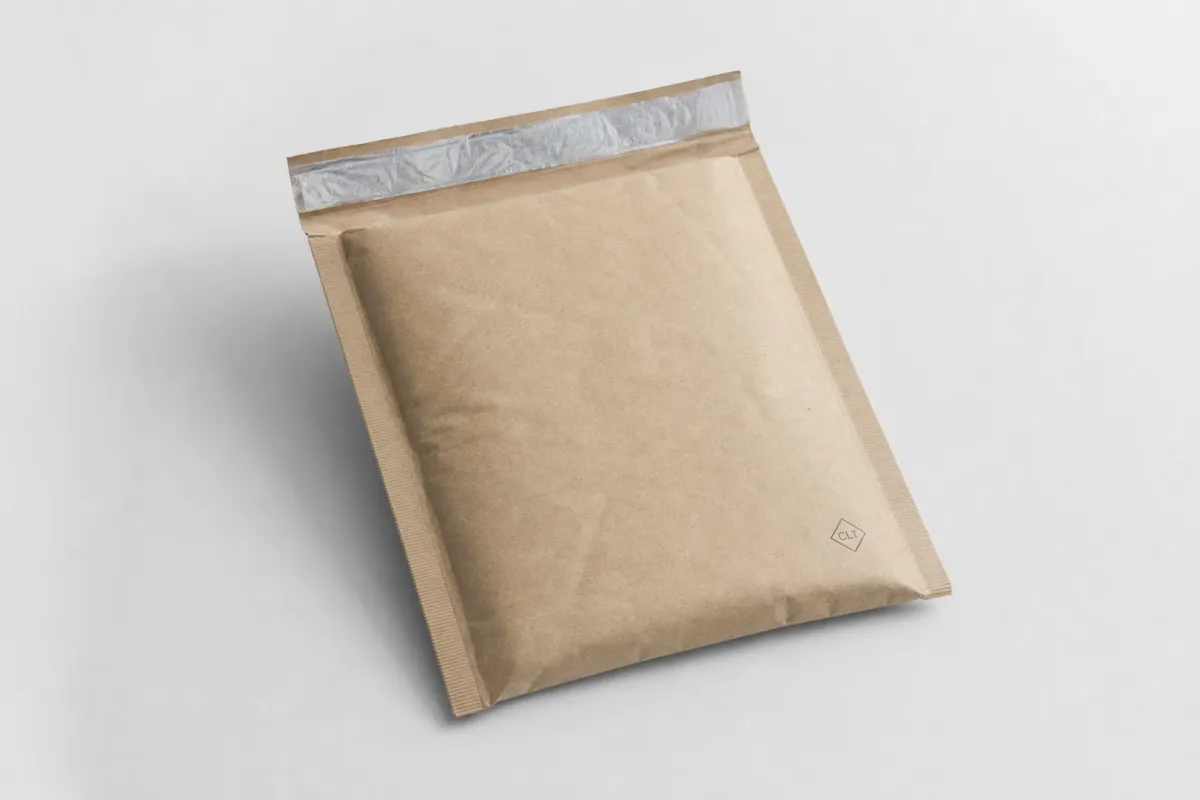
A genuine sustainable padded mailers supplier does more than place a recycled badge on a product page and call it done. They source lower-impact materials, explain the build in plain language, and help you choose a structure that matches the shipment instead of dressing up a weak spec with marketing language. That means asking what the outer layer is made from, what fills the padding space, whether adhesives or coatings interfere with recycling, and whether the final mailer is truly recyclable or compostable in the regions where your customers live. That last point matters more than most sales decks admit. A claim that only works in a presentation, and not in the local waste stream, is not much of a claim.
The awkward part is that many so-called eco mailers are simply mixed-material builds with a cleaner label. Paper outside, plastic inside, heavy coating in the middle. Sometimes the seam is too thin to survive a conveyor corner, and the package tears before it reaches the recipient. I have seen that happen on otherwise polished projects, and it always costs more than the initial savings. A better sustainable padded mailers supplier will tell you exactly what tradeoff sits inside each option. Recycled kraft, paper-based padding, compostable films, and hybrid constructions all solve different problems, and each one comes with its own limits around moisture resistance, puncture resistance, and recovery after use. None of them are magic. The right choice depends on the product, the shipping lane, and what your customers are likely to do with the mailer once they open it.
The business case is more practical than poetic. Brands want less landfill waste, but they also want fewer damaged shipments, fewer replacements, and fewer messages from customers saying the item arrived dented. A sustainable padded mailers supplier should help you lower total waste, not just reduce the number of grams in the spec. Sometimes that means a lighter mailer with a better fit. Sometimes it means a slightly stronger build that cuts down on returns and avoids sending the same item twice. That second path often proves more sustainable, even if the upfront line item looks less attractive.
There is also the brand side of the equation. Customers notice whether the package feels intentional. A mailer that opens cleanly, holds up during transit, and uses understandable materials creates a better impression than a generic “we care” sticker slapped onto a shipment. If you are building a broader shipping system, the right Custom Packaging Products can help align mailers, inserts, and cartons without turning the outbound experience into a mismatched patchwork. And for lighter items that do not need padding at all, a separate Custom Poly Mailers option may fit part of the catalog more naturally.
A cheap mailer gets expensive the moment it creates a return.
That is the core tradeoff. Sustainability is not only a material choice; it is a shipping outcome. If the package fails, the waste grows. A trustworthy sustainable padded mailers supplier will talk about that plainly instead of pretending every product deserves the same construction.
How a Sustainable Padded Mailers Supplier Works
The sourcing process begins with the material stack, and this is where a lot of buyers get caught by fuzzy wording. A capable sustainable padded mailers supplier will spell out the build clearly: recycled kraft, paper fiber padding, molded paper cushioning, compostable liner choices, or a hybrid structure that combines paper and film. Each one carries a different footprint and a different failure mode. Recycled kraft often balances price and recovery fairly well. Paper-based padding keeps the package closer to a single-material stream. Compostable film can make sense, but only if the full build and the disposal environment support that claim. Mixed layers are the tricky ones; they can add strength, yet they often complicate recycling at the back end.
Production usually follows a predictable path once the brief is specific. The sustainable padded mailers supplier should receive the size, product weight, closure style, print coverage, and intended ship method before sampling begins. Then the flow moves through sample creation, artwork adjustments, print setup, manufacturing, finishing, packing, and shipment. Leave any of those steps vague and delays tend to appear later. Buyers often blame the factory for being “slow,” though the actual issue is usually unclear specs, last-minute artwork changes, or the expectation that a custom build should behave like a stock item. Packaging is kind of unforgiving that way.
Customization affects far more than the logo. Mailer dimensions, flap style, adhesive choice, internal padding density, and exterior coating all shape the final result. A thoughtful sustainable padded mailers supplier will talk through those decisions in concrete terms. A 6 x 9 inch mailer for accessories does not behave like a 10 x 13 inch mailer for apparel. Add too much room and you create extra waste. Make the fit too tight and you stress the seams. Sustainable design should not live as a slogan; it should be a fit decision grounded in the product itself.
Quality control is the part buyers rarely see but always pay for when it fails. Reputable suppliers test seal strength, batch consistency, print alignment, and resistance to puncture or compression. For shipping validation, many brands look at procedures from ISTA or broader lab protocols such as ASTM-style drop and transit checks. That does not mean every order gets full certification testing. It does mean a competent sustainable padded mailers supplier should be able to discuss real shipping performance instead of hiding behind a sample that only looks good under office lighting.
In plain terms, clear specs reduce surprises. That is true for a sustainable padded mailers supplier, and it is true for packaging work in general. The supply chain rewards clarity. It does not reward vague optimism.
Process and Timeline: From Quote to Delivery
The quote stage is where buyers can save themselves a fair amount of pain. A serious sustainable padded mailers supplier needs size, quantity, print colors, destination, packing format, and any compliance requirements before the numbers mean anything. Ask for “a price on eco mailers” and the reply will be too loose to compare. Ask for 8 x 10 inch recycled kraft padded mailers, one-color print, 10,000 units, palletized for West Coast delivery, and the conversation becomes useful. Specific input produces specific output. Packaging can be blunt that way.
Sampling usually takes one of two routes. Stock samples can move quickly, sometimes in just a few days. Custom samples take longer because artwork, material matching, and construction checks all need to line up. A sustainable padded mailers supplier may need one round of print-file revision, another around seam width, and another around padding thickness before the sample is ready. That can add a week or two without anything going wrong. It is simply part of the process.
Lead time depends on the build. Stock sustainable mailers may ship in 7-14 business days after approval if inventory is already available. Custom printed or highly specialized builds often sit in the 15-25 business day range before freight even enters the picture. Add shipping and the calendar stretches further. Sea freight can push delivery out by several weeks. Air freight moves faster and costs more. Customs clearance, warehouse receiving, and appointment scheduling can shift the arrival date just as much as the factory schedule. A reliable sustainable padded mailers supplier should give you milestone dates, not one vague promise tied to a single delivery day.
That milestone view helps because it gives you control over the order. Artwork approval, sample sign-off, production start, shipment booking, and receiving can each live on their own timeline. If the vendor gives only one final ETA, every small slip becomes a surprise. If the supplier maps the process, you can schedule launches and replenishment around real checkpoints. That matters for seasonal brands, subscription boxes, and e-commerce teams that do not have room for “we’ll see how it goes.”
One practical move: ask the sustainable padded mailers supplier for the slowest realistic path, not the fastest optimistic one. That is not pessimism. It is inventory planning. A cautious estimate beats a heroic estimate every time.
Cost, Pricing, and MOQ for Sustainable Mailers
Pricing depends on more variables than many buyers expect. A sustainable padded mailers supplier will usually price by material type, mailer size, padding thickness, print coverage, finishing, and order volume. Recycled kraft with simple one-color branding usually sits friendlier on budget than a premium compostable build with custom internal cushioning and full-bleed print. Larger sizes cost more because they consume more material and often need stronger construction. More print coverage adds setup and can complicate production. None of that is mysterious; it is just manufacturing.
MOQ changes the math too. Lower minimums help smaller brands and launches, but they almost always come with a higher per-unit price. A sustainable padded mailers supplier may offer 1,000-unit stock orders, 3,000 to 5,000 units for simpler custom work, and 10,000 or more for stronger pricing on fully custom runs. Those numbers are not universal, but they are common enough to shape expectations. If a supplier promises tiny MOQs at bulk pricing, ask what gets trimmed. Usually the compromise lands in Cost, Lead Time, or construction flexibility. Sometimes all three move at once.
Hidden costs deserve attention. Tooling, plates, sample fees, freight, import duties, and rush charges can turn a good-looking factory quote into a mediocre landed cost. A smart buyer compares the landed cost per usable mailer, not just the unit price. That is where a sustainable padded mailers supplier earns trust. A transparent quote lets you compare on equal footing. A vague one leaves you comparing a real number against a headline designed to sound appealing.
| Mailer Type | Typical MOQ | Estimated Unit Price | Best Fit | Tradeoff |
|---|---|---|---|---|
| Stock recycled kraft padded mailer | 1,000-3,000 | $0.22-$0.40 | Fast-moving ecommerce orders | Less customization |
| Custom printed recycled kraft mailer | 3,000-10,000 | $0.32-$0.58 | Branded shipments with moderate volume | Higher setup cost |
| Paper-heavy hybrid mailer | 5,000-15,000 | $0.38-$0.70 | Stronger cushioning and better shelf appeal | More material, higher price |
| Premium compostable construction | 10,000+ | $0.45-$0.90 | Brands with strict material goals | Higher cost and narrower use case |
Those ranges are a buying frame, not a quote. A strong sustainable padded mailers supplier will help you understand why one option costs more and whether that difference pays off through lower damage rates, lighter freight, or a better customer experience.
If you are still comparing a broader packaging system, the sustainable padded mailers supplier conversation should sit beside your other shipping formats rather than replacing them. A package mix that uses mailers for small items, cartons for fragile products, and standardized inserts for protection often costs less overall than forcing one mailer type to handle every SKU.
Key Factors to Compare in a Sustainable Padded Mailers Supplier
This is the part where buyers should slow down and read the specs instead of skimming the headline. A sustainable padded mailers supplier can sound polished and still miss the practical details. Start with material integrity. Ask what the mailer is made of, how much recycled content it contains, and whether the outer layer and the padding are built to work together. A mailer that advertises recycled content but uses a weak adhesive or a thin seam can fail faster than a conventional option. Sustainability does not rescue poor construction.
End-of-life claims deserve a careful look. “Recyclable,” “compostable,” and “biodegradable” are not interchangeable terms. They depend on the build and on the local disposal system. A paper-based mailer is often easier to explain to customers than a mixed-material build, but even that depends on coatings, tapes, and inks. A good sustainable padded mailers supplier should be able to tell you what the mailer is made of, what disposal guidance applies, and what claim is safe to print on the pack. If the answer feels vague, treat it as a warning sign rather than a feature.
Performance matters just as much. The mailer needs to resist puncture, tearing, moisture, and compression during real shipping conditions. A buyer who skips that step usually becomes the buyer paying for reships later. Many brands test against transit-style methods and also look at references such as EPA recycling guidance for disposal language and FSC-certified fiber sourcing through FSC when chain-of-custody matters. Those references do not replace sample testing, but they do help keep the claims honest.
Print quality belongs in the comparison too. Sustainable packaging still has to look intentional. Blurry logos, poor registration, and washed-out ink make the brand look careless. The right sustainable padded mailers supplier keeps the branding clean without making the structure more complicated than it needs to be. Packaging is often the first physical touchpoint a customer sees. It should feel considered, not like a compromise that escaped procurement.
Ask for documentation. Certifications, material declarations, testing data, and sample photos carry far more weight than a polished slide deck. If a sustainable padded mailers supplier cannot support the claim with paperwork, then the claim is decoration.
Compare these points before you sign:
- Actual material stack and recycled content
- Recyclability or compostability claim support
- Seal strength and transit performance
- Print quality and brand fit
- Documentation and certification access
Step-by-Step Guide to Choosing the Right Supplier
Start with the shipment, not the supplier. Define product size, fragility, monthly volume, brand presentation, and sustainability goals before you compare vendors. A sustainable padded mailers supplier cannot offer a meaningful recommendation if the item being shipped is still fuzzy. A jewelry brand and a supplement brand are not shopping for the same mailer, even if both say they want “eco-friendly packaging.” One is protecting a small rigid object. The other may be sending lightweight items that need a cleaner unboxing moment. Different use cases, different specs.
Build a shortlist and send every supplier the same brief. That sounds obvious, yet people still send different information to each vendor and then wonder why the quotes do not line up. The brief should include dimensions, print colors, quantity, target delivery country, and any sustainability requirement that actually matters. If you want FSC fiber, say so. If you need a specific fit, spell out the product dimensions and the acceptable overhang. A competent sustainable padded mailers supplier will answer with a structured quote instead of a guess.
Order samples and test them with real products. Not with your fingers. Not by glancing at them on a desk. Pack the item, shake it, stack it, drop it from a realistic height, and inspect the corners and seal. If the product is sensitive to heat or moisture, test those conditions too. A mailer that survives a tidy office test may still fail in summer freight or rough parcel handling. That is why sample testing matters more than a polished sales sample. The best sustainable padded mailers supplier should welcome that test rather than sidestep it.
Then review the whole deal, not only the price. Compare unit cost, MOQ, Lead Time, sample quality, communication speed, and room for repeat orders. A supplier that replies quickly in the first round but disappears during reorder season is not a sound long-term fit. You want a sustainable padded mailers supplier that can keep pace with your ordering pattern, not just win one project and move on.
Before the final decision, verify landed cost, sample results, and backup capacity. A single source can work if it is dependable, but many brands are safer with a contingency plan. That is not paranoia. It is supply chain reality.
- Define your shipping requirements clearly.
- Request the same quote inputs from every supplier.
- Test samples with real products and real handling.
- Compare landed cost, not only factory price.
- Choose the sustainable padded mailers supplier that balances proof, price, and repeatability.
Common Mistakes When Hiring a Sustainable Padded Mailers Supplier
The first mistake is obvious and still common: chasing the lowest quote and ignoring performance. One damaged shipment can erase the savings from a cheap unit price. A sustainable padded mailers supplier should help you avoid that trap by talking about total cost, not just headline cost. If the mailer fails, you pay again for the replacement, the handling, and the customer goodwill you just burned. That is not a savings strategy. That is simply postponing the bill.
The second mistake is trusting green claims without proof. If the supplier cannot explain the material layers, the recycled content, the certification status, or the disposal guidance, then the claim is mostly marketing noise. A real sustainable padded mailers supplier should be able to point to something tangible: a material spec, a test result, a certificate, or at least a clear construction breakdown. If the answer feels slippery, it probably is.
The third mistake is choosing the wrong size. Oversized mailers waste material, look sloppy, and can raise freight cost if dimensional weight climbs. Undersized mailers create stress points and raise the odds of tear-through. A thoughtful sustainable padded mailers supplier will help you tune the size to the product instead of pushing one generic format for everything. That advice is worth listening to because packaging waste often starts with bad fit rather than bad intent.
The fourth mistake is skipping real-world testing. Heat, humidity, rough handling, and compression are not rare edge cases. They are normal shipping conditions. A mailer that looks sturdy on a desk can still fail once it moves through a busy network. The right sustainable padded mailers supplier should understand that, and you should too.
The fifth mistake is forgetting the customer experience. A sustainable mailer still needs to open cleanly, protect the item, and feel like a deliberate brand choice. If it sheds fibers everywhere, arrives dented, or uses confusing disposal language, the sustainability story gets muddy fast. Packaging should reduce friction, not turn into a lecture for the person opening the package.
Most of those mistakes come from rushing. The buying team wants a quick win, the launch date is close, and someone says “just pick the green one.” That usually ends in a boring but costly lesson. A stronger sustainable padded mailers supplier conversation prevents that.
Expert Tips and Next Steps
My first recommendation is a supplier scorecard. Keep it simple: material, price, MOQ, lead time, and proof of sustainability claims. A sustainable padded mailers supplier should score well across all five, not just one. If a vendor is cheap but vague, the weakness becomes obvious. If a vendor is transparent but too expensive, that shows up too. A tidy comparison beats memory every time, and memory is terrible at holding packaging details after three vendor calls.
Second, request at least three samples and run them through a basic transit simulation. Pack the product. Shake it. Drop it. Check the seal, the corners, and the compression points. If the mailer is paper-heavy, watch how it behaves around moisture and abrasion. If it is a hybrid build, inspect any seam where layers meet. A good sustainable padded mailers supplier should not mind that level of testing. If anything, they should appreciate that you are checking before the order instead of after the damage claims start coming in.
Third, keep one primary supplier and one backup sustainable padded mailers supplier if your order volume matters. Freight delays happen. Material shortages happen. Customs timing shifts happen. The brands that keep shipping smoothly are the ones that plan for friction instead of pretending it never shows up. Backup capacity is not wasteful; it is insurance against an avoidable interruption.
Fourth, set your reorder trigger from actual usage, not panic. Teams often reorder too late, then pay for rush freight or accept a material downgrade they would never have chosen under normal conditions. Track weekly usage and build in a cushion for seasonal spikes. Your sustainable padded mailers supplier should know your forecast window so production and freight can line up with real demand.
If you are widening your packaging system, use the mailer choice as one part of a broader format strategy. Some SKUs belong in custom cartons, some in lighter mailers, and some in standardized shipping formats that reduce waste through fit rather than slogan. That is where packaging feels sensible instead of theatrical.
The practical move is plain: compare three quotes, request samples, verify landed cost, and pick the sustainable padded mailers supplier that balances protection, proof, and price. Anything less is a gamble with your shipping budget.
What should I ask a sustainable padded mailers supplier before ordering?
Ask for the exact material breakdown, recycled content, and whether the mailer is mono-material or layered. Confirm MOQ, unit price, sample Cost, Lead Time, and freight method before you compare offers. Request documentation for any recycling, compostability, or certification claims so you are not buying a story. A good sustainable padded mailers supplier should answer these questions directly.
Are sustainable padded mailers actually recyclable?
Sometimes, but only if the construction matches local recycling rules and does not include incompatible layers or coatings. Paper-based mailers are often easier to recycle than mixed-material builds, though regional rules still control the result. Give customers clear disposal guidance instead of assuming they will guess correctly. Your sustainable padded mailers supplier should help you keep that message accurate.
How do I compare quotes from different sustainable padded mailers suppliers?
Match the same size, material, print spec, quantity, and delivery terms before comparing numbers. Look at landed cost, not just the factory price, because freight, duties, and sample fees can change the real total. Judge the quote alongside sample quality and lead time; the lowest number often becomes the most expensive one later. That is usually where a strong sustainable padded mailers supplier stands out.
What MOQ should I expect for custom sustainable padded mailers?
MOQ depends on material type, printing method, and whether the mailer is stocked or made to order. Lower MOQs usually raise the per-unit cost, so the tradeoff is flexibility versus price. If you are launching a new product, start with a smaller run or a stock option before committing to a large custom order. That approach keeps your sustainable padded mailers supplier review grounded in real usage.
How long does a sustainable padded mailers order usually take?
Stock mailers can move quickly, while custom printed or specially constructed mailers need more time to produce. Sample approval, artwork revisions, production, and freight all shape the final timeline. Ask for milestone dates instead of one vague estimate so you can plan launches and replenishment properly. A dependable sustainable padded mailers supplier will give you a schedule you can actually use.
If you want fewer returns, cleaner claims, and packaging that does not feel like a guilt trip in paper form, choose the sustainable padded mailers supplier that can prove the material, support the timeline, and hold the price you can defend. Before you place the order, lock the material spec, test one sample against your actual product, and compare landed cost with a backup option in hand. That is the practical path forward, and it is the one that usually saves money later.