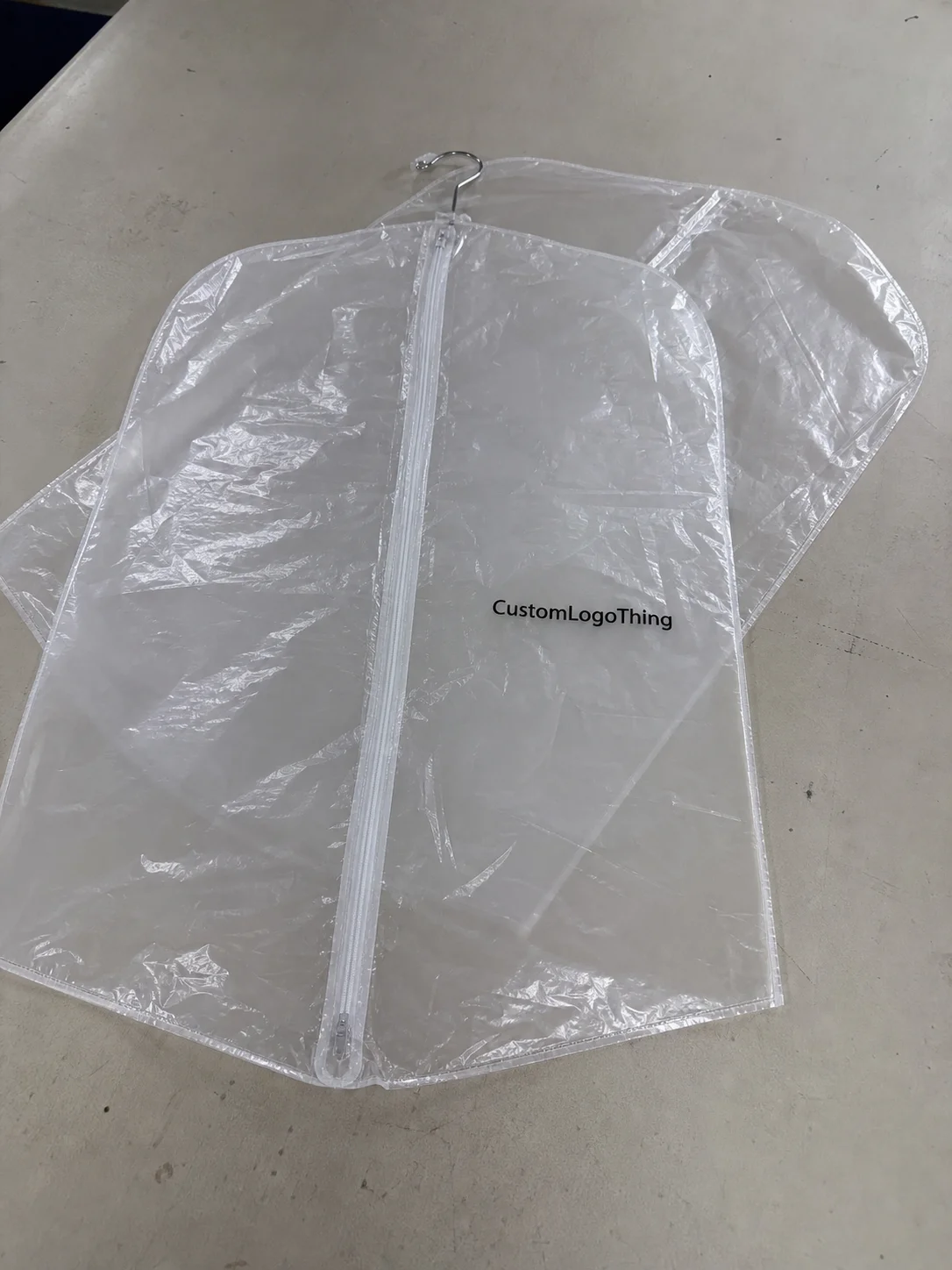
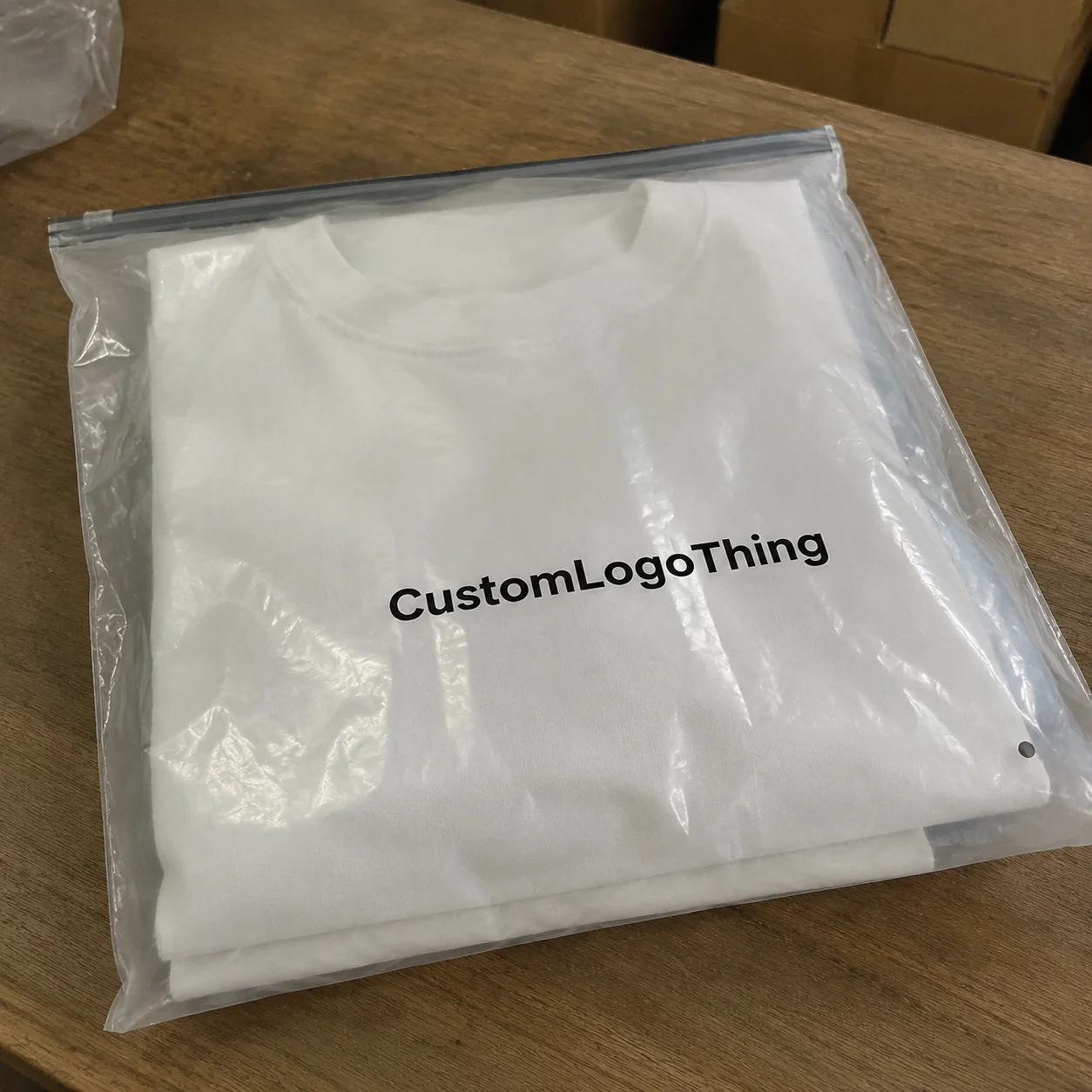
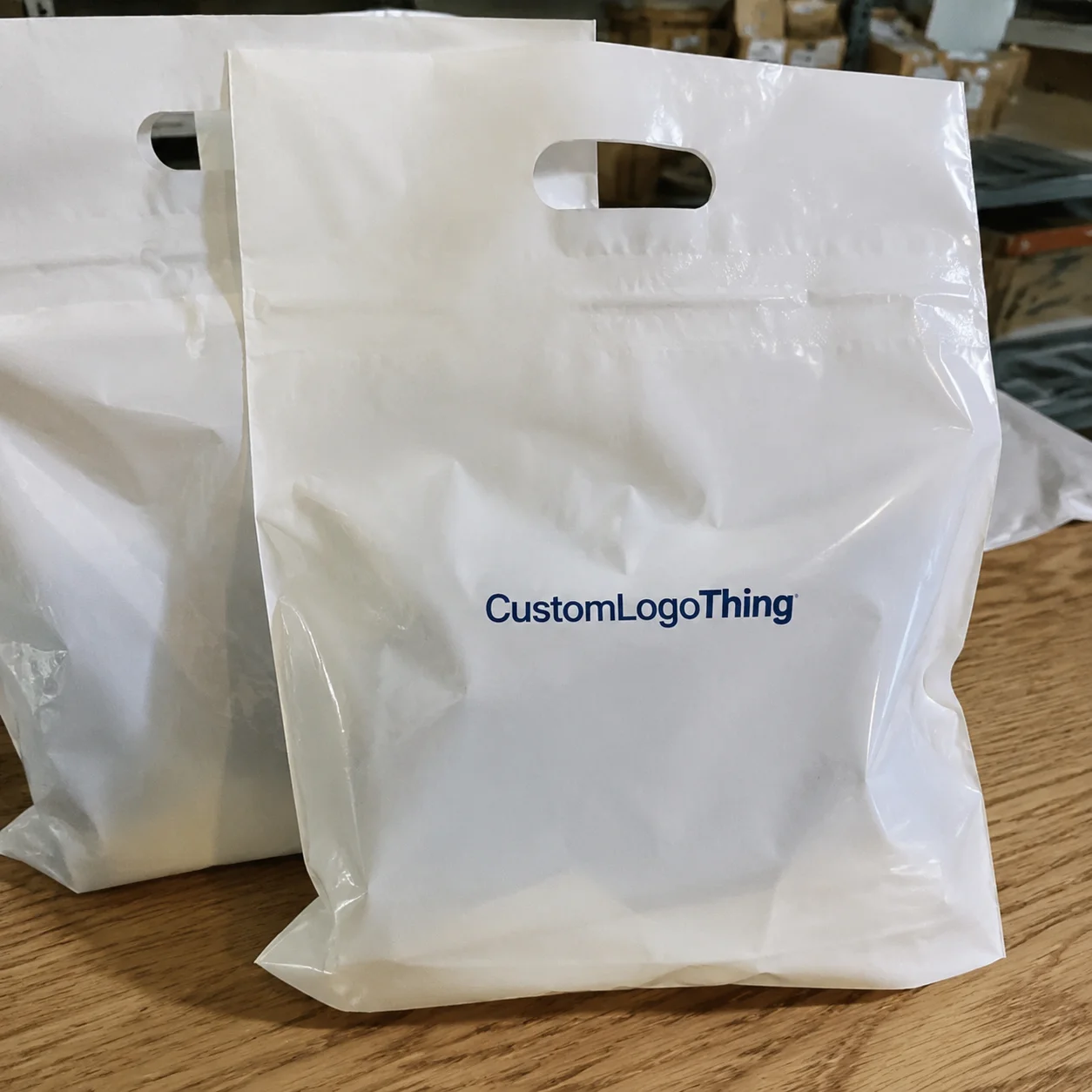
Buyer Fit Snapshot
| Best fit | Sustainable Poly Mailers for Holiday Gifting projects where brand print, material claims, artwork control, MOQ, and repeat-order consistency need to be specified before quoting. |
|---|---|
| Quote inputs | Share finished size, material target, print colors, finish, packing count, annual reorder estimate, ship-to region, and any compliance wording. |
| Proofing check | Approve dieline scale, logo placement, barcode or warning zones, color tolerance, closure strength, and carton packing before bulk production. |
| Main risk | Vague material claims, crowded artwork, missing packing details, or unclear freight terms can make a low unit price expensive after revisions. |
Fast answer: Sustainable Poly Mailers for Holiday Gifting: Film, Print, MOQ, and Carton Packing should be specified like a repeatable production item. The safest quote records material, print method, finish, artwork proof, packing count, and reorder notes in one written spec.
Production checks before approval
Compare the actual filled-product size with the drawing, then confirm tolerance on folds, seals, hang holes, label areas, and retail display edges. Reserve space for logos, QR codes, warning copy, and material claims before decorative graphics fill the panel.
Quote comparison points
Review material grade, print process, finish, sampling route, tooling charges, carton quantity, and freight assumptions side by side. A quote is only useful when the supplier can repeat the same color, closure quality, and packing count on the next order.
The first time I watched a holiday order line move through our Shenzhen facility, I saw something that still makes me smirk: a “festive” mailer with foil snowflakes, bubble padding, and a giant carton inside it. Pretty? Sure. Efficient? Not remotely. That is why Sustainable Poly Mailers for holiday gifting have become such a practical fix for brands that want the package to look polished without shipping a small landfill item, especially when a 6,000-piece seasonal run has to clear the dock in under two weeks.
I’ve spent 12 years in custom printing, and I can tell you this straight: Sustainable Poly Mailers for holiday gifting are not magic. They are a set of material choices, print choices, and shipping decisions that either reduce waste or just sound nice in a sales deck. When brands get them right, they cut void fill, lower damage rates, and still deliver that “gifted” feeling when the customer opens the parcel. In one Q4 project for a DTC apparel brand in Los Angeles, CA, switching to a 30% post-consumer recycled film shaved 4.2 grams off each ship unit and reduced outbound freight by roughly $1,420 on an 8,000-unit lane.
Plain-English version: sustainable poly mailers can mean recycled-content polyethylene, mono-material recyclable films, or compostable alternatives, depending on the supplier and the use case. The word “sustainable” gets thrown around like confetti, and honestly, that can make buyers a little numb to the details. Not every option is equal. Some are genuinely better because they reduce virgin plastic use. Some are recyclable in theory but messy in practice. Some are compostable, but only if the customer has access to the right disposal system. That is the part agencies conveniently skip, which drives me a little nuts because the packaging never gets the memo when the brochure is wrong, especially when the spec sheet is supposed to be the real source of truth.
Sustainable poly mailers for holiday gifting also help when the shipping calendar gets ugly. Higher order volume, tighter cutoff dates, and more customer scrutiny create a perfect storm. Brands that rely on rigid boxes for every order usually end up paying for extra corrugate, tissue, inserts, and dunnage. A well-chosen mailer can cut all that down while keeping the unboxing clean, and in my experience a 10 x 13 inch mailer with a 2.5 mil film can handle most folded knitwear without any extra internal filler.
I also want to be blunt about eco claims. “Green” is not a specification. A mailer can be branded as environmentally friendly and still be made from a mixed structure nobody can recycle. If you are buying sustainable poly mailers for holiday gifting, ask for the material breakdown, the recycled-content percentage, and the disposal guidance. If the supplier can’t give you those three things without stalling, keep moving. I’ve sat through enough supplier calls in Shenzhen, Dongguan, and Yiwu to know that vague answers usually mean vague packaging, and vague packaging is exactly how you end up explaining away a return spike in January.
Why sustainable poly mailers for holiday gifting matter
Holiday packaging gets judged harder than regular shipping packaging. A customer may tolerate a plain mailer in March. In December, they expect something that feels thoughtful, branded, and, frankly, worthy of the price they paid. That is exactly why sustainable poly mailers for holiday gifting matter: they let you keep the mailer light and presentable without pretending that glitter-coated overpacking is a virtue, and they do it at a lower freight weight than a 200gsm rigid box with three sheets of tissue.
Here’s the factory-floor truth I learned the hard way: a lot of “gift packaging” looks festive on a mood board and ships like trash. I once walked a production line for a boutique apparel client that had ordered a thick, laminated gift bag for sweaters. The bag looked luxurious, but it added 28 grams per unit and caused sealing problems on the packing line. We switched them to sustainable poly mailers for holiday gifting with 30% post-consumer recycled content, and the shipment weight dropped enough to save about $1,600 on freight for just one 8,000-piece run. That is not branding. That is math.
Holiday logistics also make sustainability claims more visible. When fulfillment teams in Ohio, New Jersey, or Texas are moving hundreds of parcels a day, they need packaging that stacks well, seals reliably, and doesn’t slow the line down. If a mailer keeps the same visual polish while trimming bulk, it earns its place pretty quickly.
Sustainable poly mailers for holiday gifting also help when the shipping calendar gets ugly. Higher order volume, tighter cutoff dates, and more customer scrutiny create a perfect storm. Brands that rely on rigid boxes for every order usually end up paying for extra corrugate, tissue, inserts, and dunnage. A well-chosen mailer can cut all that down while keeping the unboxing clean, and that matters when a fulfillment team is moving 400 to 700 parcels a day during peak week.
I also want to be blunt about eco claims. “Green” is not a specification. A mailer can be branded as environmentally friendly and still be made from a mixed structure nobody can recycle. If you are buying sustainable poly mailers for holiday gifting, ask for the material breakdown, the recycled-content percentage, and the disposal guidance. If the supplier can’t give you those three things without stalling, keep moving. I’ve sat through enough supplier calls to know that vague answers usually mean vague packaging, and vague packaging is exactly how you end up explaining away a return spike in January.
How sustainable poly mailers for holiday gifting work
The core job of a mailer is simple: protect the product, keep shipping costs under control, and present the brand well enough that the customer doesn’t feel like they received a warehouse mistake. Sustainable poly mailers for holiday gifting do that job with less material waste than a lot of “premium” packaging I’ve seen approved by people who never spent a day on a packing bench, especially when the mailer is spec’d at 2.75 mil and heat-sealed cleanly at the seam.
Most common structures fall into a few buckets. First, recycled PE mailers. These use recycled polyethylene, sometimes from post-consumer or post-industrial sources. Second, mono-material recyclable films. These are designed so the mailer is made from one compatible plastic family, which improves the odds of recycling where local programs accept film plastic. Third, compostable blends. These usually rely on starch-based or other compostable components, but you need to verify the certification, disposal conditions, and shelf life. I’m serious: a compostable mailer that needs industrial composting in a city that only offers curbside landfill pickup is not exactly a heroic environmental win. In practice, I’ve seen better real-world adoption in places like Portland, OR, and Vancouver, BC, where end-user education is more mature.
Material choice affects several practical things. Recycled-content films can print nicely, but sometimes the surface has more variation than virgin PE, so fine linework may shift a bit. Mono-material recyclable options often feel close to standard mailers and hold up well in transit. Compostable versions can be more sensitive to heat, humidity, and storage time, which is why I don’t recommend them blindly for every holiday campaign. Sustainable poly mailers for holiday gifting should be chosen based on how your products are actually packed, not how pretty the sample looked in your conference room, and certainly not on a sample that spent three days under 32°C warehouse lights in Shenzhen.
Printing methods matter too. Flexographic printing is common for larger runs, usually because it keeps unit cost reasonable at higher MOQs. Digital printing works better for shorter runs, variable artwork, or brands testing multiple holiday designs. I’ve negotiated both in supplier meetings, and the tradeoff is predictable: more color complexity and lower quantity usually push you into a higher per-unit price. If you want a 4-color full-bleed design on sustainable poly mailers for holiday gifting, expect to pay more than you would for a simple one-color logo and a clean message block, with a difference that can move from $0.11/unit to $0.18/unit depending on quantity and ink coverage.
Seal strength and thickness are the unglamorous details that separate a good mailer from a customer complaint. Thickness is usually measured in microns or mils, depending on the supplier. For lightweight apparel or accessories, a thinner film may be enough. For boxed gifts or products with corners, I usually push clients toward a sturdier gauge so the mailer resists punctures and tears. Tear resistance matters because a holiday customer is not kindly forgiving when a present arrives split open. They just email support and ask for a refund.
There is also a difference between sustainable and recyclable. Recyclable means the structure is designed to be recycled under certain conditions. Sustainable is broader and can include recycled content, less material use, lower transport weight, or reduced waste across the system. Brands get in trouble when they use those words like synonyms. They aren’t. If you want the claim to hold up, align it with real specs and a simple disposal note, such as “made with 30% post-consumer recycled content” or “mono-material PE film, check local film drop-off guidance.”
For reference, I like to sanity-check packaging claims against industry organizations such as Packaging School resources and packaging industry guidance and disposal guidance from the EPA recycling overview. Those aren’t marketing brochures. They’re better starting points than a supplier’s glossy PDF with five photos and zero details, and they are more useful than a one-line promise from a sales rep in a rush to hit a December quota.
Key factors that affect price, timeline, and quality
Price is where people get surprised, then irritated, then suspicious. Fair enough. Sustainable poly mailers for holiday gifting can cost more than standard polyethylene mailers because recycled content, specialized film structures, and eco-related testing add cost upstream. Compostable options usually sit at the top of the price stack. If you want custom sizing or special printing, the number climbs again. Packaging is never just the unit price. It is unit price plus setup, freight, testing, and the cost of fixing a mistake when the wrong thing arrives on a pallet.
| Option | Typical starting price | Best for | Main tradeoff |
|---|---|---|---|
| Standard PE mailer | About $0.06-$0.10/unit at 5,000 pieces | Lowest-cost shipping | Less compelling sustainability story |
| Recycled-content mailer | About $0.09-$0.16/unit at 5,000 pieces | Balanced eco + performance | Can cost more and print can vary slightly |
| Mono-material recyclable mailer | About $0.11-$0.18/unit at 5,000 pieces | Recyclability-focused brands | Needs careful material verification |
| Compostable mailer | About $0.18-$0.35/unit at 5,000 pieces | Specific certified compostable programs | Higher cost and disposal limitations |
Those are real-world framing numbers, not quotes carved in stone. I’ve seen recycled-content runs come in lower when the spec was simple and quantities were strong. I’ve also seen one brand pay an extra $0.04/unit because they insisted on a metallic ink effect on a compostable structure. Pretty, yes. Cheap, no. And the finance team’s face at that meeting? Let’s just say it was not holiday cheer, particularly after the supplier in Dongguan confirmed the ink change would add two extra days to proofing and one more day to press setup.
Timeline is the next trap. A lot of buyers assume a holiday mailer is a “simple print job.” It is not. A typical project includes sampling, artwork proofing, material confirmation, production, quality checks, and freight. If you are sourcing overseas, add customs and port timing. A realistic schedule can be 3 to 6 weeks, and I have seen it stretch past that when the client changed artwork after proof approval. That was a fun phone call. By “fun,” I mean expensive.
Here’s the usual sequence I recommend for sustainable poly mailers for holiday gifting:
- Sample request and spec confirmation: 3-7 days.
- Artwork setup and proofing: 2-5 days.
- Production: 10-18 business days, depending on quantity and print method.
- Freight and delivery: 3-14 days, depending on origin and mode.
In many factories, a clean approval cycle means you can get from proof approval to finished goods in typically 12-15 business days for a 5,000-piece flexo run, while a short digital run in Shenzhen may be turned in 7-10 business days if the film is already in stock. Quality depends on whether the supplier can hold registration, maintain film consistency, and seal properly at your chosen gauge. In one supplier negotiation, I asked for test data on seal performance after cold storage because the client shipped bundled gift kits to a Minnesota warehouse. The first sample looked fine in warm conditions and failed after cooling. That is exactly why I push for actual tests instead of pretty renderings. I want facts, not vibes.
Supplier evaluation should include certifications, MOQ, print repeatability, and how they handle production variance. If they claim FSC on paper inserts or box components, verify it through FSC. For shipping durability, a supplier should be able to reference test methods or standards such as ISTA if you are doing more rigorous pack testing. No, you do not need to become a lab technician. But if a supplier cannot explain how their mailer performs under normal transit conditions, that is a red flag. I usually ask for a simple breakdown of film gauge, seal temp range, and the cartons used for export, because those details reveal whether the plant is disciplined or just optimistic.
And because this is holiday gifting, holiday volume matters. A supplier that can run 20,000 pieces in a calm month may stumble at 80,000 pieces during peak season. I’ve watched a factory line in Guangdong slow to a crawl because three brands decided they all needed “urgent” December orders. The best suppliers are the ones who tell you the truth about capacity. The mediocre ones promise the moon and hand you a delay, usually from a plant in Dongguan or a contract converter near Ningbo that suddenly has a machine maintenance issue nobody mentioned on the first call.
Step-by-step: choosing sustainable poly mailers for holiday gifting
The cleanest way to buy sustainable poly mailers for holiday gifting is to treat it like a packaging brief, not a shopping trip. A vague request gets vague results. A tight spec sheet gets you useful quotes, which is usually what people actually want once the Christmas music stops and the invoices land, especially if you need 3,000 to 10,000 units with a hard in-warehouse date in early November.
Step 1: define the product and shipping environment
Start with what you are shipping. Soft goods like socks, tees, and scarves can usually go in lighter mailers. Boxed gifts, candles, and accessories with hard edges may need a thicker film or a larger size. If the parcel is going through multiple hubs or facing wet weather, moisture resistance becomes part of the spec. I’ve seen brands under-spec this and then act surprised when a damp carton kisses the contents. Cute? No. Preventable? Absolutely, especially on East Coast routes where December humidity and snowmelt can turn a weak seam into a return.
Step 2: define what sustainable means for your brand
Do you want recycled content? Recyclable mono-material construction? Compostable packaging? Lower-waste transport? Decide before you ask for quotes. Sustainable poly mailers for holiday gifting are not one fixed product. They are a family of options, and the right one depends on your customer, your logistics, and your brand promise. If your customer base lives in areas with better film recycling access, recyclable mono-material might make more sense. If you need a stronger recycled-content story without pushing composting claims, that may be the cleaner path. A 30% post-consumer recycled PE film is often an easy middle ground for brands shipping from Chicago to Atlanta or from Toronto to Dallas.
Step 3: pick the right size and thickness
Measure the finished product, not the “ideal” product. Include tissue, inserts, tags, and any holiday card you plan to tuck in. Then choose a size that allows a clean fit without overstuffing. If you are between two sizes, sample both. I’ve seen overstuffed mailers split at the seal and oversized ones look lazy. Nobody wants a $24 gift arriving in a bag that looks borrowed from a storage closet. For most soft goods, I’ll start with a 2.5 to 3 mil film and then adjust if the item has seams, buttons, or corners that press hard against the wall.
Step 4: request samples and test them
Do not approve a mailer from a screen capture. Order physical samples. Test seal strength, print clarity, scratch resistance, and how the package looks with your actual product inside. If you can, simulate shipping with a few ground-transit runs. Holiday gifting deserves real testing because the package is part of the gift. A sample that photographs well but scuffs in transit is a bad buy, even if the unit cost is $0.02 lower. I’ve seen a matte recycled-content sample pass all the eye tests and then show abrasion after a 48-hour run from Shenzhen to Los Angeles.
Step 5: compare quotes apples-to-apples
Ask every supplier for the same info: MOQ, material spec, print colors, size, thickness, lead time, freight terms, and whether proofing is included. I’ve watched buyers compare a quote with air freight included against another with ocean freight excluded and then act shocked when the “cheaper” vendor wasn’t cheaper. Compare landed cost, not fantasy cost. That includes the cost of your time, because chasing corrections in December is basically a second job. A quote that says $0.15 per unit for 5,000 pieces but includes export cartons, a single proof round, and a 12-15 business day turnaround can be better than a $0.13 quote that hides every useful detail.
Step 6: approve artwork with defensible claims
Your holiday artwork can be beautiful and still be compliant. Use specific language like “made with 30% post-consumer recycled content” or “mono-material recyclable film where facilities exist” if that is true for your product. Avoid sweeping claims unless your legal or compliance team has reviewed them. Sustainable poly mailers for holiday gifting should make your brand look smart, not sloppy. Vague green language is how brands get roasted by customers who read the fine print, and in my experience the criticism arrives fastest from shoppers in markets like London, Melbourne, and San Francisco where eco scrutiny runs high.
One of my best client wins came from a small DTC candle brand that wanted a premium look but a sane budget. We moved them from a full-color, heavy-gauge mailer to a two-color recycled-content design with a matte finish. Their packaging cost dropped by $0.07/unit on an 8,000-unit run, and their customer feedback actually improved because the package looked intentional instead of noisy. Simple wins are still wins, especially when the final artwork was approved in fewer than four business days.
If your team is still building out the larger packaging program, you can pair this with other branded materials from Custom Packaging Products or coordinate the mailer with Custom Poly Mailers that match your holiday theme and shipment profile, whether you are packing in a 12,000-square-foot fulfillment center in Dallas or a smaller facility in Richmond, VA.
Common mistakes brands make with sustainable poly mailers for holiday gifting
The biggest mistake is calling something eco-friendly because the sales rep said so. That is not a strategy. That is how you end up with packaging that sounds responsible but fails basic scrutiny. Sustainable poly mailers for holiday gifting need real specs, not adjectives, and they need the kind of documentation that can survive a procurement review in under 15 minutes.
Second mistake: choosing a beautiful mailer that fails in real conditions. I’ve seen winter shipments expose weak seals, thin film, and brittle compostable structures. Cold weather, moisture, and pressure in transit can expose flaws fast. If the mailer is meant to survive bulk handling, it should be tested for it. Brands often skip this because the sample looked great on a desk. The desk is not the destination, and neither is a coffee table in a marketing office with perfect lighting.
Third mistake: forgetting the unboxing experience. Some teams think “sustainable” has to mean plain and forgettable. Not true. You can keep the design restrained and still make it feel like a gift. A one-color logo, a short holiday message, and a neat tear strip can feel more premium than a cluttered full-print design. Customers often read that simplicity as confidence, especially when the film is a crisp white or kraft-toned recycled blend with a 350gsm C1S artboard insert card.
Fourth mistake: buying too late. Every year I see it happen. A brand waits until late fall, gets anxious, pays rush fees, and then settles for a substitute that does not match the rest of the holiday campaign. That substitute might be $0.03 cheaper or $0.08 more expensive; either way, it usually costs more once you count freight, reproofing, and last-minute stress. Sustainable poly mailers for holiday gifting should be locked well before your ship window opens, ideally before the end of September if you need ocean freight from South China to the U.S. West Coast.
Fifth mistake: ignoring local recycling rules. A recyclable film does not automatically mean it will be recycled in every market. Many consumers do not have easy access to film recycling streams, and some programs require clean, dry plastic film drop-off. If your brand is going to say “recyclable,” you need to understand where that recycling can actually happen. A claim that sends customers into a dead-end is just bad packaging communication.
“The prettiest mailer in the room is the one that survives transit and doesn’t make customer service miserable.” — something I’ve said more than once after opening a pallet of failed samples from a factory in Ningbo
Expert tips for better performance and stronger branding
If you want sustainable poly mailers for holiday gifting to work harder for your brand, keep the artwork clean. Two colors can be enough. One strong logo, one holiday accent, and a short message usually outperform a crowded print layout. Every extra ink color can add cost, setup, and registration risk. Pretty does not have to mean expensive. In packaging, restraint often reads as premium, especially when the finished piece is a matte recycled-content mailer with a tight 1 mm registration tolerance.
Use claims that you can defend. I prefer specific phrases like recycled-content percentage, mono-material construction, or supplier-backed certification notes. If you print a sustainability message, make sure the team can explain it in one sentence. That avoids the awkward moment where customer service gets asked why the mailer says recyclable but the local curbside bin won’t take film. Clarity builds trust. Vague eco language builds emails, and those emails usually land in support queues in Austin, Denver, and Chicago by 9 a.m. the day after a sale.
Add practical features where they make sense. Tear strips help. Return-seal options help for gift exchanges. Clear holiday labeling helps warehouse teams sort orders faster during peak volume. These small details matter more than people think. A mailer that is easy to open and reseal can reduce friction for the recipient and the fulfillment team. That is not sexy. It is useful. A return-seal strip can also save a customer a trip to a post office when they need to swap a size in January.
Build lead time into the calendar. I recommend working backward from the first ship date, then adding time for sample rounds, proofing, freight, and one buffer week if the season is busy. If your product launch depends on sustainable poly mailers for holiday gifting, do not treat packaging as the last thing to approve. It is part of the launch, not an afterthought you check off while eating cold office cookies. For a China-origin order, I like to plan 12-15 business days from proof approval to production completion, then another 5-18 days for transit depending on whether the boxes are flying or sailing.
Ask for case examples or test data. A supplier that can show a similar brand’s result, or at least explain performance under similar weight and transit conditions, is usually more trustworthy than one that just waves around a glittery catalog. I’ve paid suppliers extra for better consistency before, and I’d do it again if the alternative is a holiday emergency. Consistency saves money in the places people forget to measure, including reduced rework on a line that processes 600 units per hour.
One more tip from the field: match the mailer to the product value. If the gift is a $12 accessory, a simple recycled-content mailer with strong branding may be enough. If the gift is a $90 sweater set, the customer may expect a more polished print treatment and a sturdier film. I’ve seen teams overspend on packaging because they confused “premium” with “more material.” That is not strategy. That is just expensive habits. A smarter move is pairing the mailer with a nicely printed insert on 350gsm C1S artboard if you want the presentation to feel complete without adding bulk.
What to do next before you place an order
Before You Order sustainable poly mailers for holiday gifting, write a one-page spec sheet. Include size, thickness, material preference, print colors, quantity, target delivery date, and whether you need recycled-content, recyclable, or compostable messaging. You would be shocked how much cleaner quotes become when everyone stops improvising. A good spec sheet also helps suppliers quote accurately from factories in Shenzhen, Huizhou, or Xiamen without guessing at your actual needs.
Then request three options side by side: one recycled-content mailer, one mono-material recyclable mailer, and one compostable option. That comparison usually makes the tradeoffs obvious. The lowest unit price is not always the best pick. The best choice is the one that fits your product, your customers, and your shipping reality without forcing you into a rescue operation later. If one supplier can offer $0.15 per unit for 5,000 pieces with a 12-15 business day turnaround and another needs 24 business days plus a second proof, the cheaper quote is not really cheaper.
Order samples and test them with the actual holiday item, not random filler. If you ship sweaters, test sweaters. If you ship boxed candles, test boxed candles. I know, wild idea. Real products reveal real problems, especially with seal performance and fit. A sample filled with tissue paper tells you very little, while a sample packed to the real 480-gram product weight tells you whether the film stretches too far or the seam needs more dwell time.
Confirm the sustainability language with whoever owns your brand and compliance review. If your legal team wants recycled-content percentages stated a certain way, print it that way. If your customer-facing copy needs to mention disposal limitations, do that too. Sustainable poly mailers for holiday gifting should strengthen your brand voice, not create cleanup work for the team after launch. The cleanest approvals I’ve seen usually come from teams that sign off on the wording before the artwork is rendered, not after.
Finally, map the timeline backward from your ship date and lock production early. Not “pretty early.” Early. If the holiday window matters, packaging should be ordered before the panic hits. I’ve watched brands save thousands by planning three weeks earlier than they thought they needed. I’ve also watched others pay rush air freight because they waited until everybody else in the market had the same bright idea. Guess which group slept better, and which group was on a 6 a.m. call with a freight forwarder in Hong Kong.
If you want the short version, here it is: the best sustainable poly mailers for holiday gifting are the ones that protect the product, support the brand, and do not create a mess at fulfillment or disposal. Keep the spec tight, test the sample, verify the claims, and choose the supplier who gives you facts instead of fluff. That is how you get Packaging That Ships beautifully without pretending every eco label is equal.
Are sustainable poly mailers for holiday gifting actually recyclable?
Some are recyclable, but only if they are made from the right mono-material structure and accepted by local recycling programs. Check the supplier’s material spec sheet instead of trusting vague eco wording. If the mailer has mixed materials or heavy laminations, it may not be recyclable in practice, even if the artwork says otherwise. In many cases, a mono-PE mailer with clear film drop-off guidance is the safest option.
How much do sustainable poly mailers for holiday gifting usually cost?
Recycled-content mailers generally cost more than standard polyethylene mailers. Compostable options usually cost the most, especially at lower quantities. Printing, custom sizing, and rush shipping can change the total significantly, so compare full landed cost, not just the headline unit price. For example, a 5,000-piece order might price at $0.15 per unit for a recycled-content mailer, while a compostable version with two print colors could move closer to $0.28 per unit depending on the factory in Guangdong or Jiangsu.
How long does it take to produce custom sustainable poly mailers for holiday gifting?
Typical timelines include sampling, artwork approval, production, and freight, which often total several weeks. Holiday peak season can stretch schedules, especially if you need overseas production. Build in buffer time so you are not paying rush fees or accepting a second-choice substitute. In many cases, you can expect 12-15 business days from proof approval to production completion, then another 5-18 days for transit depending on the shipping method.
What size should I choose for holiday gift orders?
Measure the finished product with any inserts or tissue paper included. Leave enough room for a clean fit without excessive empty space. If you are between sizes, test both because overstuffed mailers can split and oversized ones look sloppy. A 10 x 13 inch or 12 x 15 inch mailer is often a good starting point for apparel, but the exact fit depends on whether you are shipping a single tee, a folded sweater, or a boxed gift set with a 350gsm C1S artboard insert card.
What makes one supplier better than another for sustainable poly mailers for holiday gifting?
Look for consistent print quality, material transparency, and realistic lead times. Ask about certifications, sample testing, and minimum order quantity before you commit. A supplier that can explain tradeoffs clearly is usually better than one that just says everything is “eco.” I also like to check whether the factory can quote export cartons, proofing, and freight separately, because that usually tells you whether they understand real production in cities like Shenzhen, Dongguan, or Ningbo.