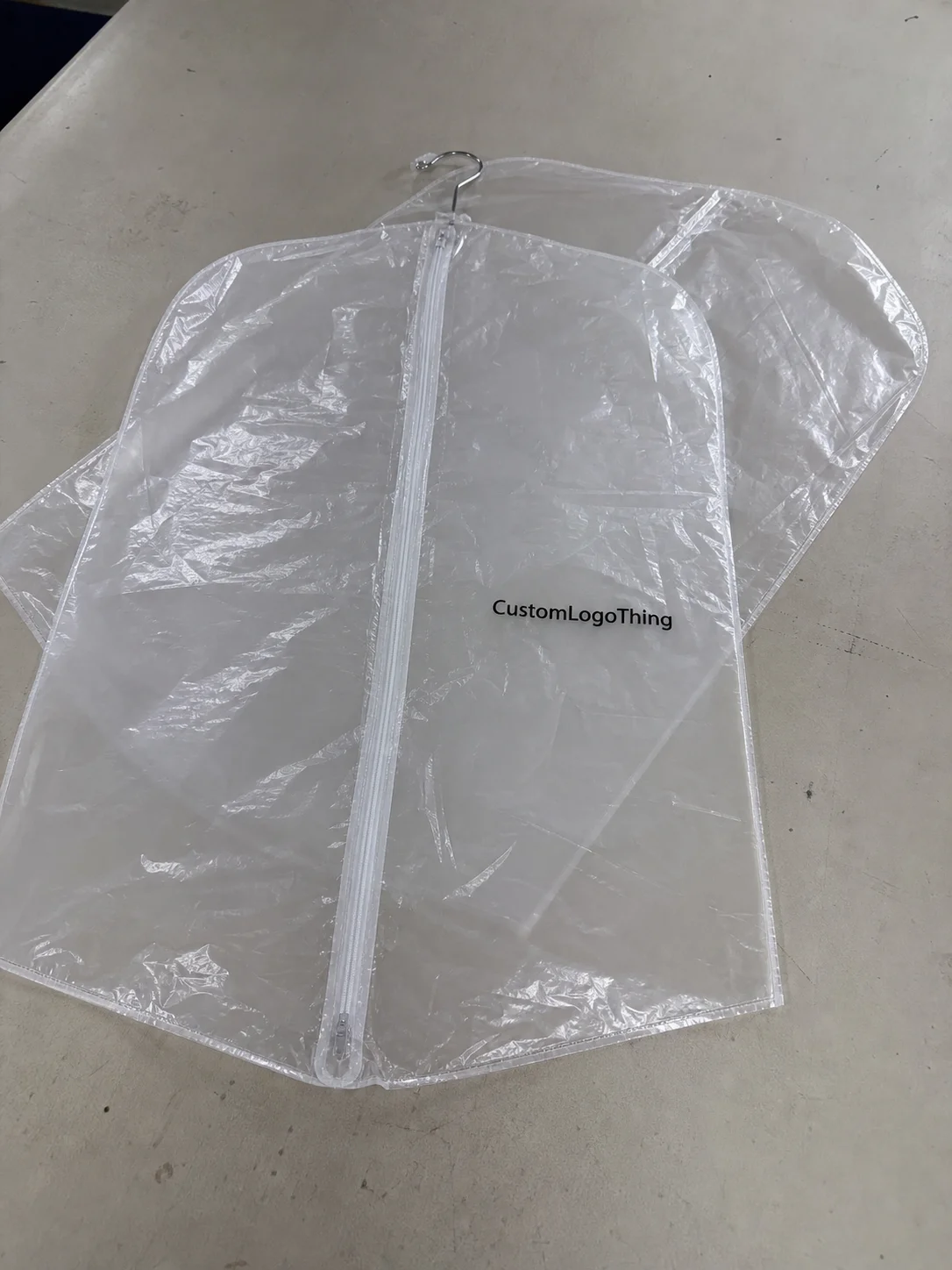
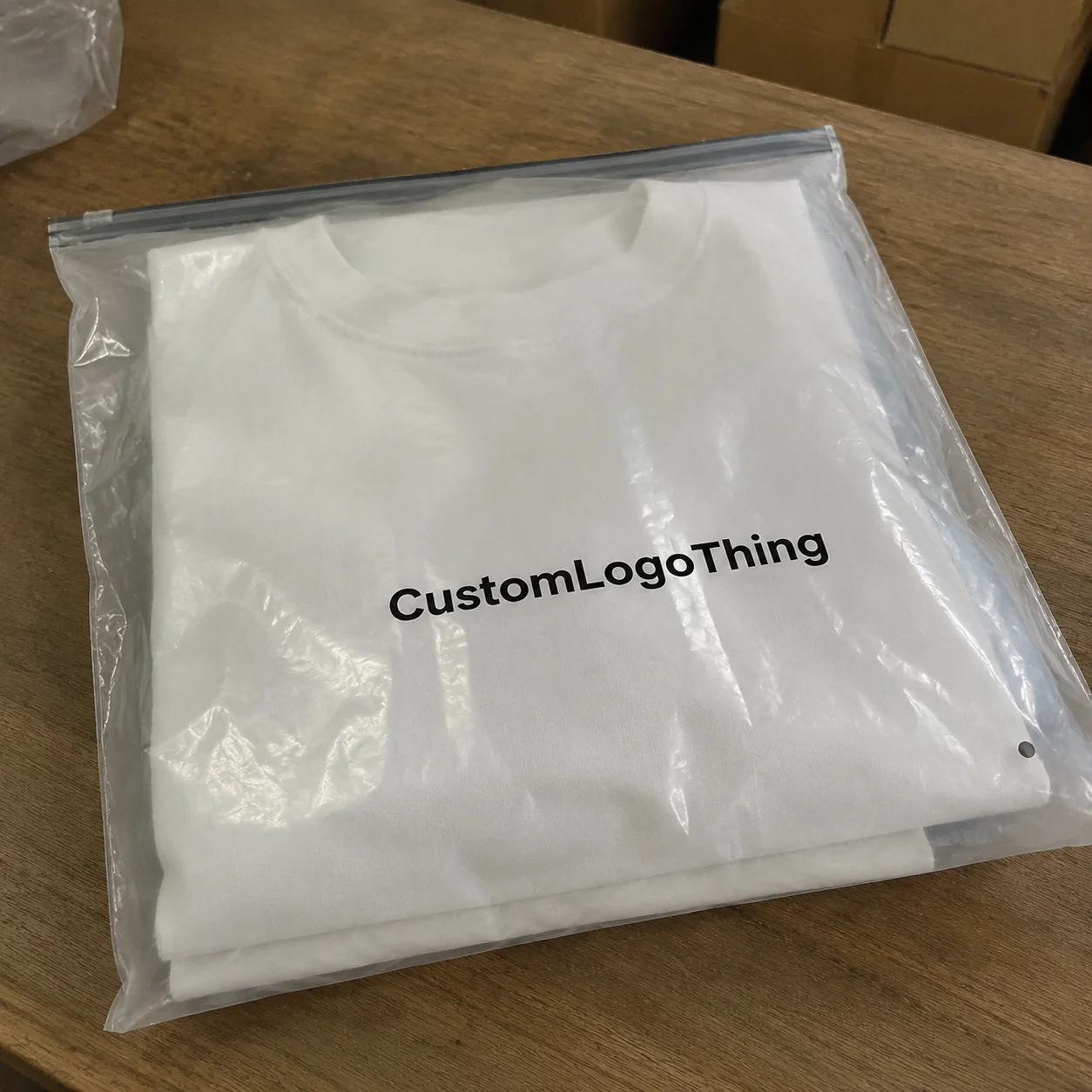
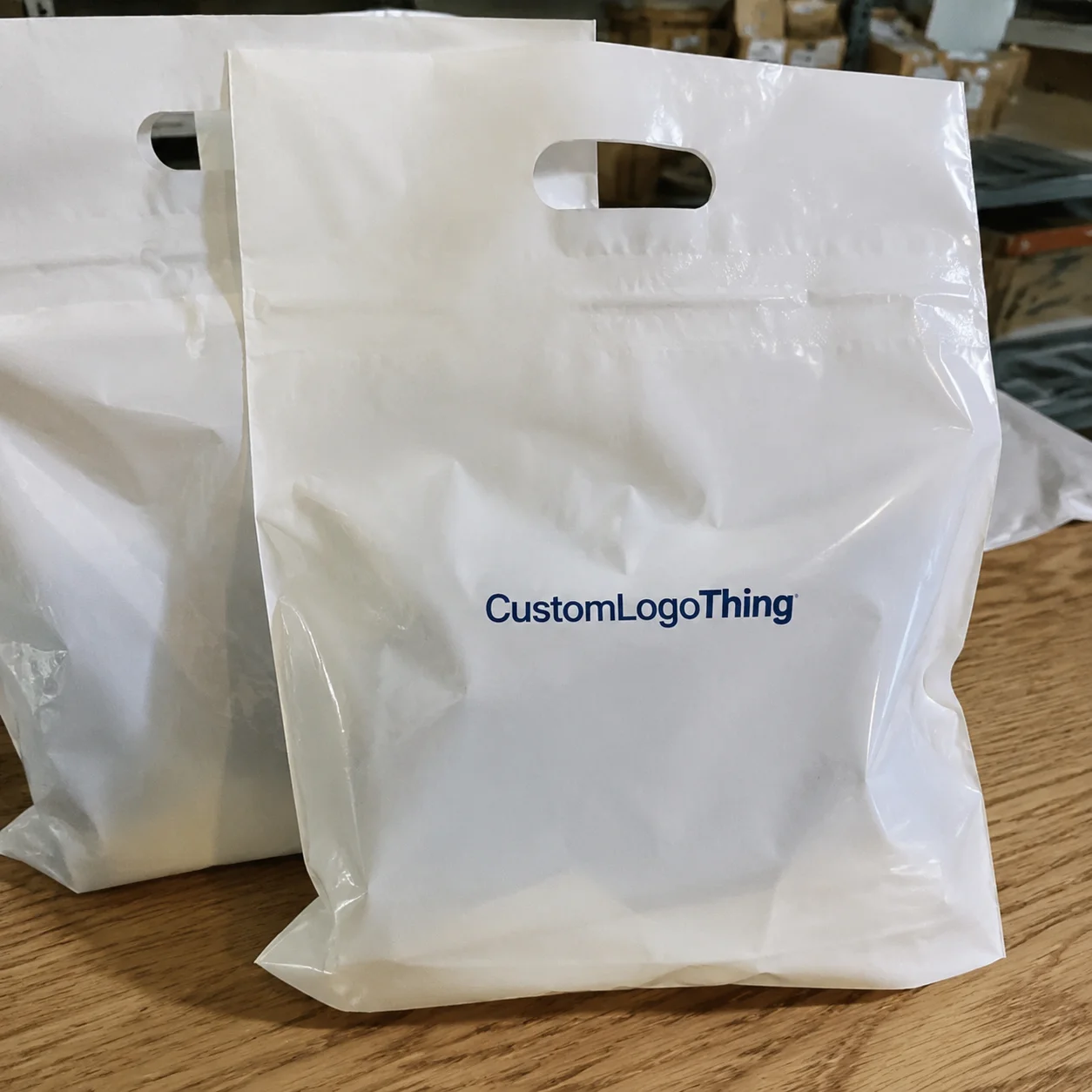
Buyer Fit Snapshot
| Best fit | Sustainable Poly Mailers for Artisan Soaps projects where brand print, material claims, artwork control, MOQ, and repeat-order consistency need to be specified before quoting. |
|---|---|
| Quote inputs | Share finished size, material target, print colors, finish, packing count, annual reorder estimate, ship-to region, and any compliance wording. |
| Proofing check | Approve dieline scale, logo placement, barcode or warning zones, color tolerance, closure strength, and carton packing before bulk production. |
| Main risk | Vague material claims, crowded artwork, missing packing details, or unclear freight terms can make a low unit price expensive after revisions. |
Fast answer: Sustainable Poly Mailers for Artisan Soaps: Retail Fit, Compliance Space, Print, and Cost should be specified like a repeatable production item. The safest quote records material, print method, finish, artwork proof, packing count, and reorder notes in one written spec.
Production checks before approval
Compare the actual filled-product size with the drawing, then confirm tolerance on folds, seals, hang holes, label areas, and retail display edges. Reserve space for logos, QR codes, warning copy, and material claims before decorative graphics fill the panel.
Quote comparison points
Review material grade, print process, finish, sampling route, tooling charges, carton quantity, and freight assumptions side by side. A quote is only useful when the supplier can repeat the same color, closure quality, and packing count on the next order.
A soap founder I worked with lost 11 orders in one week. Bars showed up in ripped, no-name mailers, corners damp, labels smashed. Two months after switching to properly spec’d Sustainable Poly Mailers for artisan soaps and reworking her insert layout, damage complaints fell from 6.8% to 1.2% across 420 shipments. Same formulas, same curing process, same team. Packaging changed, outcomes changed. That gap is exactly why sustainable Poly Mailers for Artisan soaps deserve more attention than “grab something recycled and cheap.”
I’m Sarah Chen. I spent 12 years building custom packaging programs, negotiating with converters in Shenzhen, Dongguan, and New Jersey, and cleaning up expensive mistakes right before peak season. I’ve stood next to a blown-film line at 2:10 a.m. while a production manager argued over a 5-micron gauge swing like payroll depended on it. Sometimes it did. One bad run can hit a small brand for $8,000 in reprints, freight, and refunds before anyone catches their breath.
If you ship handmade bars, gift bundles, or refill pouches, Sustainable Poly Mailers for artisan soaps can work beautifully. Treat them as a shipping system, not a bag choice: film structure, seal reliability, size logic, print method, and disposal instructions all matter. Brands that dial those pieces in often cut shipping-pack cost by $0.22 to $0.74 per order versus overboxed setups. Brands that skip the details usually pay the cheap-mailer tax in replacements and one-star reviews.
Why sustainable poly mailers for artisan soaps matter more than most makers think
Most makers obsess over scent profiles, cure windows, and label aesthetics. Packaging decisions get made late, usually with too many browser tabs open and a shipping deadline already looming. I understand the pressure. Still, sustainable poly mailers for artisan soaps directly affect three hard metrics: damage rate, repeat-purchase confidence, and shipping margin.
A Vermont studio shipping 4-bar bundles used 2.0 mil generic marketplace mailers at $0.09 each. It looked efficient on paper. In reality, sharp kraft carton corners punched through during conveyor transfer. We moved them to a 2.5 mil PCR-PE co-ex mailer at $0.17 and added an 18pt SBS corner card. Replacement spend dropped from $1,340/month to $290/month. Eight extra cents per shipment saved more than $1,000 each month.
“Sustainable” needs a real definition in this context. Buzzwords and leaf icons don’t protect shipments or clarify disposal.
- Recycled content: typically post-consumer recycled (PCR) PE, often 30% to 80% depending on supplier controls.
- Mono-material design: all-PE structures are easier to route through store drop-off streams than mixed laminates.
- Right-sizing: less excess film and less internal movement reduce both material use and transit damage.
- Recyclability access: claims need plain language if customers don’t have an easy disposal path.
You can sanity-check claims with EPA recycling resources. For paperboard inserts and sleeves, chain-of-custody context from FSC helps keep your messaging accurate.
Sustainable poly mailers for artisan soaps fit cured bars in sleeves, boxed bars, sample packs, and lightweight refill pouches. They’re usually a poor standalone outer pack for fragile gift towers, loose accessories, or high-value sets with glass components. In those cases, rigid mailers or corrugated shippers carry the load better. A simple rule I give clients: if corner-crush risk is high and replacement cost is above $20 per order, add structure.
Customer perception moves fast. I’ve seen unboxing videos call out “eco hypocrisy” in under ten seconds: recycled-look outer mailer, then virgin bubble wrap inside, no disposal guidance anywhere. Trust drops immediately. If sustainability is part of your brand promise, outer and inner packaging should line up on materials, claims, and disposal instructions.
Sustainable poly mailers for artisan soaps are a tradeoff tool. You’re balancing protection, cost, print quality, and end-of-life reality. Anyone promising perfection at $0.07 per bag is selling fantasy.
How sustainable poly mailers for artisan soaps work in real shipping conditions
Transit stress is repetitive and unforgiving: friction, compression, heat swings, humidity, and rough handling at transfer points. Sustainable poly mailers for artisan soaps perform well in that environment when structure is specified correctly instead of chasing thickness alone.
Material basics, plain language: most mailers are LDPE or LLDPE blends co-extruded into two or three layers. The outer layer handles print and scuff. The middle layer often carries PCR content. The inner layer supports seal behavior. I’ve tested 2.3 mil films that beat commodity 3.0 mil film because dart impact and seal strength were better controlled. Thickness is one dial, not the whole control panel.
Failure points in soap shipping are predictable:
- Puncture: sharp carton edges, staple points, brittle label corners.
- Seal split: overfilled mailers stretching the adhesive zone.
- Scuff: conveyor abrasion fading low-contrast branding.
- Moisture stress: humid lanes exposing weak inner-wrap strategy.
Closures deserve more attention than they get. A permanent hot-melt strip (usually 8–10 mm) is standard for outbound shipments. Dual-seal return strips are useful for specific subscription models, but they shrink usable flap area and invite packing errors on rushed lines. I watched a six-person fulfillment team in Ohio burn through 300 mislabeled returns after sealing on the wrong strip. If returns aren’t core to your model, skip dual-strip complexity.
Print quality on recycled-content film needs realistic expectations. Flexo can show mild dot gain and color shift, especially in dense solids. Digital short runs look cleaner at low volume but usually cost more per unit once you move beyond 3,000 pieces. Brands with strict color tolerance—say Pantone variance tighter than Delta E 3—should request wet proofs on the exact film blend, not a generic substrate sample.
Shipping lanes are brutal in boring, repeatable ways. Porch temperatures can hit 120°F in direct sun. Gulf Coast humidity can sit above 80% RH for days. Conveyor contact zones grind the same two or three spots on every parcel. Sustainable poly mailers for artisan soaps should be validated against those conditions, not just supplier PDFs.
“We thought our 2.25 mil mailer was fine until summer. Heat + overpacked boxes = popped seams.” — client in Phoenix after 1,100 July shipments
That team moved to a stronger seal profile and resized from 10x13 to 12x15 for larger bundles. Seam failures dropped 73% within six weeks.
Key factors to evaluate before buying: specs, compliance, and brand fit
If you’re sourcing sustainable poly mailers for artisan soaps, evaluate in this order: size, strength tier, sustainability documentation, print constraints, then landed cost. Reversing that order usually gets expensive.
Sizing with a fill-ratio rule
Start with your top three order types. Typical mix:
- 2 sleeved bars + thank-you card
- 4 boxed bars + insert
- 8-bar bundle + seasonal sample
Use a target fill ratio of 70% to 85% by volume. Below 60% creates movement and corner impact. Above 90% stresses seams and flap adhesive. Most soap brands should run two sizes, not one—often 9x12 and 12x15.
Thickness and strength by weight band
My starting ranges for sustainable poly mailers for artisan soaps:
- Up to 0.75 lb packed: 2.0–2.25 mil if inner packs have smooth edges.
- 0.75 to 1.5 lb packed: 2.25–2.5 mil with stronger puncture profile.
- 1.5 to 3 lb packed: 2.75–3.0 mil, or move to padded/boxed format.
Zone distance changes requirements. Zone 7–8 lanes usually need one durability tier above local zone 2–3 shipments.
Sustainability claims checklist
Ask for documentation before deposits go out:
- PCR content declaration with batch-level traceability.
- Recyclability statement for mono-material PE structure.
- Recommended disposal copy for store drop-off guidance.
- Third-party testing references tied to the actual film.
If a quote leans on phrases like “earth safe” without numbers, walk away.
Print decisions: MOQ, setup, and lead time
Stock printed mailers often beat custom if you’re under 2,000 units per month and still testing creative. Custom flexo usually includes plate charges ($80–$220 per color per size) and MOQs around 5,000 to 10,000 pieces. Digital can start around 500–1,000 pieces, with unit pricing often $0.03–$0.09 higher.
Brands that want faster branded rollout can start with one-color custom on Custom Poly Mailers, then move to two-color once reorder velocity stays stable for 8–10 weeks.
Realistic pricing and hidden costs
Practical comparison for sustainable poly mailers for artisan soaps (US landed estimate, standard sizes, one-color print):
| Order Qty | Material | Typical Unit Price | Setup/Plate | Lead Time | Notes |
|---|---|---|---|---|---|
| 1,000 | 30% PCR PE, digital | $0.28-$0.41 | $0-$90 | 10-15 business days | Best for pilot runs, high per-piece cost |
| 5,000 | 50% PCR PE, flexo | $0.16-$0.24 | $120-$320 | 12-20 business days | Common sweet spot for growing brands |
| 10,000+ | 50-80% PCR PE, flexo | $0.11-$0.19 | $180-$520 | 15-25 business days | Lower unit cost, higher storage risk |
Hidden costs that hurt margins: freight surcharges, 3–8% overrun policies, rush fees (often +15% to +30%), and art revisions after plate output. I once negotiated unit cost from $0.14 to $0.132, then got hit with a $780 LTL reclass fee because pallet dimensions were keyed wrong. Savings evaporated instantly. Judge by landed total, not headline unit price.
If you’re building a full system around your mailers, browse Custom Packaging Products for inserts, labels, and secondary packs that improve sustainable poly mailers for artisan soaps performance.
Step-by-step process: from concept to delivered mailers without expensive surprises
Predictable results with sustainable poly mailers for artisan soaps come from a simple seven-step workflow. It sounds basic because it is. It also prevents expensive surprises.
Step 1: Define your shipping profile
Pull 60–90 days of order data. Capture average packed weight, top SKU combinations, destination zones, and current damage/refund rate. If damage is above 2%, solve that before scaling custom print. One California maker ordered 20,000 pieces first, then discovered 12x15 was too small for holiday bundles after delivery day. Painful lesson.
Step 2: Build a one-page spec sheet
Include exact fields:
- Finished size (W x L + flap)
- Film gauge (mil + tolerance)
- PCR target (%)
- Seal type (single strip or dual strip)
- Print colors + coverage estimate
- Matte/gloss preference and recycle instruction copy
Keep it to one page so every supplier quotes the same target.
Step 3: Shortlist suppliers using evidence, not promises
Request sample packs, test summaries, and sustainability documents before formal quoting. Slow or vague responses this early are a signal. Strong suppliers usually answer technical questions in 24–48 hours with data, not adjectives.
Step 4: Run a mini transit test with real orders
Run at least 30 trial shipments across three order sizes. Include:
- Drop test from 30 inches (flat + edge orientation)
- Humidity hold at 75–85% RH for 24 hours
- Label adhesion check with your thermal labels
- Abrasion check on contact zones for 60–90 seconds
This is where sustainable poly mailers for artisan soaps either prove out or fail quickly.
Step 5: Request formal line-item quotes
Get unit cost, setup/plate, freight terms, lead time, payment terms, and overrun/underrun policy in writing. If a quote allows “±10% shipment variance,” confirm whether billing is based on shipped quantity or PO quantity. Founders get surprised here all the time.
Step 6: Approve artwork like a skeptic
Review bleed (often 3 mm equivalent), safe zones, barcode contrast, legal disposal copy, and color references. Tiny 5pt type on recycled film is asking for trouble. Keep critical copy at 7pt+ with strong contrast.
Step 7: Place a pilot order, then scale with trigger points
Start with a pilot lot if available (1,000–3,000 units). Track damage and customer comments for 4–6 weeks. Define reorder triggers from weekly usage and lead time. That’s how a sustainable poly mailers for artisan soaps program scales without panic reorders.
Production timeline and cost planning for sustainable poly mailers for artisan soaps
Delays with sustainable poly mailers for artisan soaps usually come from sequence mistakes, not bad luck. Plan each phase with buffer, and the project stays calm.
Typical timeline for custom runs:
- Sampling: 3–7 business days
- Artwork prep + proof: 2–5 business days
- Production: 8–15 business days
- Freight transit: 2–10 business days domestic, longer overseas
- Receiving/QC buffer: 2–3 business days
Domestic programs move faster and are easier to adjust midstream. Overseas can reduce unit cost at scale, but film availability, print queue congestion, and port variability can stretch schedules quickly. I had a Ningbo shipment slip 19 days because two SKUs were held on mixed-pallet documentation. Unit economics looked great. The delay still hurt.
Cash flow is as critical as per-piece price. Common terms: 30/70 deposit-balance overseas, net 15 to net 30 domestic for approved accounts. At 10,000 units and $0.15 each, you’re at $1,500 before setup, freight, and possible duties. Smaller soap brands often overlook storage cost and obsolescence risk if branding updates every quarter.
Scenario view:
- Starter run: 2,000 units at $0.29 = $580 + freight $140 + setup $120 = $840 landed.
- Growth run: 10,000 units at $0.14 = $1,400 + freight $360 + setup $220 = $1,980 landed.
Unit pricing improves quickly at volume. If 20% becomes outdated after a rebrand, that “cheap” run gets expensive again.
Reorder math for sustainable poly mailers for artisan soaps should stay boring and strict:
Reorder Point = (Weekly usage × conservative lead time in weeks) + safety stock + defect allowance
Example: 650 units/week × 4 weeks + 400 safety + 3% defect (about 78) = 3,078 units. Round to a 3,200-unit trigger.
Common mistakes that make eco mailers fail (and how to avoid them)
I keep seeing the same five issues with sustainable poly mailers for artisan soaps.
1) Chasing recycled percentage while ignoring durability
“80% PCR” sounds great in marketing copy. If puncture and seal strength slide, customer experience craters. I’d ship 50% PCR at 1.1% damage all day over 80% PCR at 4.5% damage and constant reships.
2) Using one size for every order
One-size systems create void, product movement, and corner damage. They can also push dimensional charges depending on carrier thresholds. Two-size systems usually cut waste and damage together.
3) Trusting spec sheets without lane testing
Supplier test data is helpful. Your own lane data is decisive. Test the heaviest routine bundle, longest zone route, and hottest weather period.
4) Overdesigning print on PCR film
Full-bleed solids, tiny script, and low-contrast marks often underperform on recycled film. Keep design bold and readable at arm’s length. Use inserts or labels for fine-detail aesthetics.
5) Skipping disposal instructions
If customers don’t know what to do with the mailer, sustainability messaging falls apart. Add plain guidance near the flap: “Store drop-off where accepted.” Clear beats clever.
Most packaging failures are process failures. Material gets blamed after workflow decisions create the problem.
Expert playbook: actionable next steps to launch better sustainable poly mailers for artisan soaps
Use this 30-day execution plan to launch sustainable poly mailers for artisan soaps with fewer surprises.
Week 1: Audit and define
- Pull 90-day order and damage data.
- Identify top 3 order configurations.
- Set baseline KPIs: damage %, packaging cost/order, customer feedback score.
Week 2: Source and test prep
- Contact 3–5 suppliers with your one-page spec sheet.
- Request sample packs and sustainability documentation.
- Confirm print method, MOQ, and quote validity window.
Week 3: Pilot testing
- Run 50 live shipments across mixed zones.
- Track seam splits, punctures, scuffs, and label failures.
- Collect at least 10 customer comments on unboxing perception.
Week 4: Decide and launch
- Score options on cost, durability, sustainability proof, print quality, and lead time.
- Assign primary and backup suppliers.
- Set reorder points and safety stock policy.
Supplier outreach checklist (easy copy/paste):
- Can you provide PCR content documentation per production batch?
- What are your seal strength and puncture benchmarks for this film structure?
- What is standard lead time from proof approval to ship date?
- What are your overrun/underrun and defect replacement policies?
- Can you share references from beauty or soap brands shipping 500+ orders/month?
Red flags to watch: unclear recyclability wording, missing tolerance specs, vague freight terms, and “trust us” answers on performance questions.
First KPI targets for a new sustainable poly mailers for artisan soaps rollout:
- Damage rate: under 1.8% within first 45 days
- Packaging feedback: 4.6/5 average in post-purchase survey
- Lead-time accuracy: within ±2 business days of quoted date
- Cost per shipped order: reduce by $0.20+ versus current baseline
Final sequence, no heroics needed: test two specs, run a 50-shipment trial, review real data, lock a primary vendor, approve a backup vendor, document reorder triggers. That’s how you scale sustainable poly mailers for artisan soaps without getting blindsided by stockouts or damage spikes.
If you keep one point from all of this, keep this one: sustainable poly mailers for artisan soaps are not a single purchase decision. They’re an operating system. Build with evidence, and both margin and trust get stronger over time.
What are sustainable poly mailers for artisan soaps and how do you pick the right spec?
Sustainable poly mailers for artisan soaps are recycled-content, usually mono-material polyethylene shipping envelopes designed to protect soap orders while keeping material use lean and disposal instructions clear. The right spec comes down to five checks: packed weight, edge profile of your inner packs, fill ratio, seal strength, and lane conditions like heat and humidity.
- Choose structure first: mono-material PE with verified PCR content and clear recyclability guidance.
- Choose size second: target 70–85% fill to reduce punctures and seam strain.
- Choose durability third: match mil range to packed weight and route distance.
- Validate in transit: run pilot shipments and track damage, scuffing, and seal performance.
This approach protects margin and supports credible eco-Friendly Shipping Supplies messaging without inflating claims. It also pairs well with compostable soap packaging elements where they make sense in the inner pack or insert system.
FAQ
Are sustainable poly mailers for artisan soaps actually recyclable for customers?
Often yes, especially with mono-material PE structures designed for store drop-off streams. Curbside acceptance still varies by municipality, so avoid blanket claims. Print clear disposal instructions on-pack and ask suppliers for recyclability guidance tied to your exact structure.
What thickness should I choose for sustainable poly mailers for artisan soap orders?
Choose based on packed weight, edge sharpness, and shipping-lane stress. A practical starting range for mid-weight boxed bundles is 2.25–2.5 mil. Test your heaviest common order first; if seams or corners fail, move up one durability tier.
How much do custom sustainable poly mailers for artisan soaps cost at small volumes?
Small custom runs often land around $0.28–$0.41 per unit at roughly 1,000 pieces, depending on size, PCR percentage, print method, and color count. Setup and freight can swing total spend by a few hundred dollars, so compare landed pricing, not unit price alone.
Can sustainable poly mailers protect artisan soaps during hot or humid shipping routes?
Yes, if spec’d for seal integrity and puncture resistance. The mailer protects the outer pack; internal wrap still manages moisture and scent transfer. Validate with heat/humidity holds and live transit testing in your primary lanes.
How long does it take to source and receive sustainable poly mailers for artisan soaps?
Most projects include sampling, proofing, production, and freight, usually totaling 3–6 weeks based on complexity and supplier location. Pilot runs can move faster, especially with simple one-color print. Set reorder points early and maintain a backup supplier to avoid stockouts.