Buyer Fit Snapshot
| Best fit | Sustainable Subscription Mailers Printed projects where brand print, material claims, artwork control, MOQ, and repeat-order consistency need to be specified before quoting. |
|---|---|
| Quote inputs | Share finished size, material target, print colors, finish, packing count, annual reorder estimate, ship-to region, and any compliance wording. |
| Proofing check | Approve dieline scale, logo placement, barcode or warning zones, color tolerance, closure strength, and carton packing before bulk production. |
| Main risk | Vague material claims, crowded artwork, missing packing details, or unclear freight terms can make a low unit price expensive after revisions. |
Fast answer: Sustainable Subscription Mailers Printed: Film, Print, MOQ, and Carton Packing should be specified like a repeatable production item. The safest quote records material, print method, finish, artwork proof, packing count, and reorder notes in one written spec.
Production checks before approval
Compare the actual filled-product size with the drawing, then confirm tolerance on folds, seals, hang holes, label areas, and retail display edges. Reserve space for logos, QR codes, warning copy, and material claims before decorative graphics fill the panel.
Quote comparison points
Review material grade, print process, finish, sampling route, tooling charges, carton quantity, and freight assumptions side by side. A quote is only useful when the supplier can repeat the same color, closure quality, and packing count on the next order.
Sustainable Subscription Mailers Printed: Smart Packaging That Holds Up in Real Use
Sustainable Subscription Mailers printed can look straightforward from a distance, which is exactly why they get misunderstood so often. A mailer might be made with recycled fiber or a lower-impact film and still miss the mark if the coating, liner, adhesive, or print finish keeps it out of a recovery stream. The real work happens where branding, shipping performance, and end-of-life behavior meet, because the same surface that carries the artwork also has to fold, seal, protect the contents, and still make sense after the package is opened.
For teams sourcing through Custom Logo Things, the useful question is not, "Can we print a mailer?" The better question is whether sustainable subscription mailers printed can protect the product, support the brand story, and still hold up once they leave the warehouse. That means material judgment, fulfillment awareness, and pricing discipline all have to line up at the same time. If those pieces drift apart, the unboxing moment can get expensive in ways nobody notices until damage claims start showing up.
I have seen plenty of packaging programs that looked clean on a mockup and then got chewed up by the actual shipping lane. A package has to do a few jobs at once, kinda like a tiny shipping system. The goal here is to look at the format honestly: what it is, where it works, where it fails, and how to choose sustainable subscription mailers printed without turning the decision into a guessing game.
Sustainable Subscription Mailers Printed: What They Are
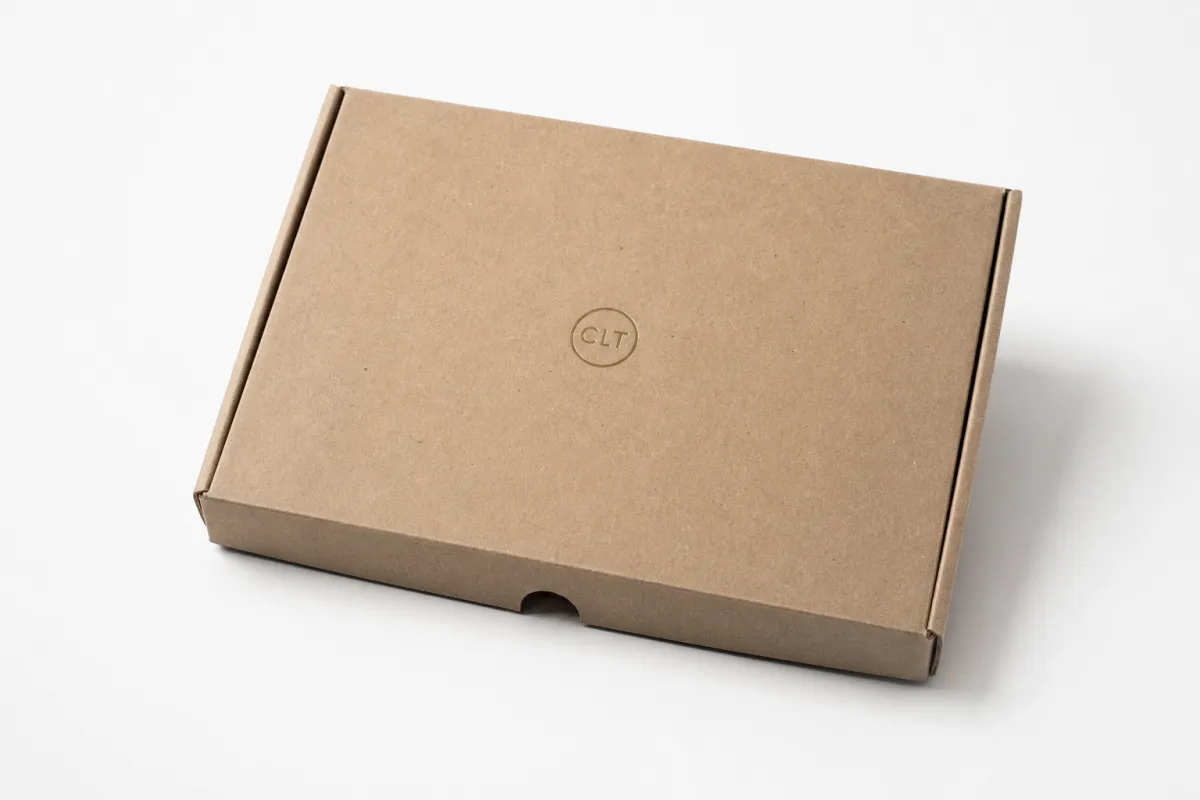
Sustainable subscription mailers printed are Branded Shipping Mailers built for recurring product delivery, usually with an emphasis on recycled content, certified fiber, lower-impact structures, or easier recovery after use. They are not just plain envelopes with a logo slapped on. The print, closure, seam geometry, and base material all affect how the package behaves from the packing table to the doorstep.
That matters because subscription packaging is part of the product experience. A customer opening a monthly apparel drop, a beauty refill, or a wellness kit expects a familiar reveal, and the mailer often becomes the first physical proof that the brand pays attention to detail. Sustainable subscription mailers printed carry that emotional job while also acting like a shipping component. If the structure is too thin, the product arrives damaged. If the finish is too heavy, the package may no longer behave like a responsible pack at all.
The core tradeoff sounds simple and turns out to be tricky. Brands want saturated color, crisp typography, and a premium feel. Every extra layer can affect recyclability, compostability, or reuse. A soft-touch lamination, a foil accent, or a mixed-material liner may look expensive in a render, but those details can complicate recovery later. The mailer needs to earn its visual impact without burying the material logic underneath it.
A mailer can contain recycled fiber and still fail the sustainability test if the print finish, liner, or adhesive blocks recovery.
That is why sustainable subscription mailers printed should be treated as a system, not a surface. The base fiber matters, but so do the inks, glue lines, perforations, and the shape that keeps the package closed without wasting space. If you are comparing options across Custom Packaging Products, the smartest comparison is not only visual. It is structural, operational, and end-of-life.
For brands that want the package to do real work, restraint often wins. A clear color block, a well-placed logo, and a recovery-friendly build usually outperform a mailer that tries to prove sustainability through decoration. Sustainable subscription mailers printed do not need to look austere. They do need to be honest about what the material can and cannot do.
How Sustainable Subscription Mailers Printed Work in Fulfillment
Once artwork is approved, sustainable subscription mailers printed move into the part that decides whether the concept actually works: fulfillment. The format has to open easily for staff, fit the SKU correctly, and survive the mechanical pressure of packing, conveyor movement, and carrier handling. A mailer that looks efficient in a rendering can become slow or fragile once it hits a live pick-and-pack operation.
One part of the chain affects the next. Print placement affects seam placement. Seam placement affects pack-out speed. Pack-out speed affects labor cost and damage risk. That is why sustainable subscription mailers printed should be designed around the actual contents, not a generic envelope standard. Lightweight apparel can usually ride in a thinner paper mailer. Beauty kits with rigid jars, glass droppers, or nested inserts need more crush resistance and better edge protection.
Seals and closures matter too. A pressure-sensitive strip is convenient, but it has to be strong enough for the route and the product weight. A tear strip can improve the customer opening experience, yet it adds another performance question at the seam. If the mailer is replacing an outer box, the structure has to hold up under compression, not just look polished on a shelf.
Sustainable subscription mailers printed are most effective when they are engineered to travel without drama. That means right-sizing the dimensions, choosing print coverage that does not interfere with fold lines, and matching the closure style to the fulfillment method. Manual packing tolerates some variation. Automation does not. In high-volume programs, even a few millimeters of inconsistency can slow the line or create misfeeds.
It helps to think about the package in stages: fill, seal, ship, receive, open. A good design supports all five. For apparel, a paper-based mailer often works well if the item is folded consistently and the seams are reinforced. For supplements, you may need more puncture resistance near the corners. For kits with inserts, the internal friction between components can cause abrasion, which then shows up on print quality. Sustainable subscription mailers printed should be judged on those small failures, not just the headline claims.
For transit validation, many brands use recognized methods such as ISTA test procedures or similar package-distribution simulations. That is not overkill. It is the difference between guessing and knowing. If the mailer fails a drop or vibration sequence with the real fill weight, the problem is structural, not just cosmetic.
Key Materials and Design Factors for Sustainable Subscription Mailers Printed
The material choice usually sets the ceiling for performance. Recycled paper mailers, FSC-certified fiber, compostable films, and mono-material structures all have different strengths. The Sustainable Packaging Coalition at packaging.org has useful educational material on packaging recovery, and that framing is helpful here: the base substrate has to fit the recovery system the customer actually uses, not just the system we wish existed everywhere.
Recycled paper mailers are often the most straightforward option for brands that want strong printability and broad curbside familiarity. They can be a good fit for apparel, soft goods, and flat kits. The downside is moisture sensitivity and limited puncture resistance. If the product is sharp-edged, heavy, or irregularly shaped, the paper may need reinforcement. Sustainable subscription mailers printed on recycled paper usually look clean and premium, but the finish still has to stay recovery-friendly.
FSC-certified fiber mailers can be a strong choice when chain-of-custody claims matter to the brand. FSC status does not automatically make a package recyclable, but it does provide a documented sourcing framework. For brands with retail buyers, procurement teams, or sustainability reporting requirements, that documentation is often part of the decision. Sustainable subscription mailers printed with FSC fiber can support the story if the rest of the structure stays simple.
Compostable films deserve a careful read, not a casual assumption. They may sound ideal, but actual compostability depends on the full structure and the disposal path. A film that is certified under standards such as ASTM D6400 or EN 13432 still needs the right collection and processing system to matter in practice. A compostable layer that goes to landfill does not help much, and a mixed-material laminate can be even harder to manage. Sustainable subscription mailers printed in compostable films can fit some food-adjacent or moisture-sensitive programs, but the brand needs evidence, not hope.
Mono-material structures are attractive because they reduce the sorting burden. If the design can stay inside one primary material family, recovery is usually easier to explain. That does not make the format perfect. It does make the end-of-life conversation cleaner. Sustainable subscription mailers printed in a mono-material system often outperform more complicated builds because they are easier for consumers to understand and easier for facilities to process.
Print and finish decisions are just as important as substrate choice. Water-based inks are often preferred for paper-based formats, while low-migration systems matter more for food or sensitive contents. Varnishes can protect the surface without the recovery complications of a full lamination, but not every varnish is equal. Metallic inks, soft-touch coatings, and heavy laminates can create a premium feel while making the recovery path murkier. That is the tradeoff. Sustainable subscription mailers printed should earn their tactile appeal in ways that do not bury the base material.
Structural details deserve more attention than they usually get. Gusset depth changes capacity and compression behavior. Tear strip placement affects both the opening moment and seam strength. Closure style can determine whether the package can be reused for returns or repurposing. Thickness matters because too little board or film invites damage, while too much adds cost and may push the package beyond the right material class. In many programs, the build details do more to protect the shipment than the artwork ever will.
If you are comparing formats, a branded paper mailer may be right for one SKU and a light film structure may be better for another. The smart move is to match the pack to the product instead of forcing one format across the whole subscription line. For broader options, Custom Poly Mailers can be part of that conversation, especially when a program needs a different balance of weight, moisture resistance, and print coverage.
Sustainable Subscription Mailers Printed: Process, Timeline, and Turnaround
The production process for sustainable subscription mailers printed starts well before the factory stage. It usually begins with a brief: product dimensions, fill weight, shipping environment, print expectations, and any end-of-life claims the brand wants to make. That brief determines the dieline choice, the closure style, the material family, and how much room the design team has for color and texture.
From there, the workflow is usually straightforward, but each step can add time. Artwork setup comes first, followed by proofing, sampling, approval, manufacturing, quality control, and delivery. A simple program with stable artwork might move quickly. A more complex one with special inks, custom cut geometry, or multiple sample rounds will slow down. Sustainable subscription mailers printed are rarely delayed by one huge event; they are delayed by a stack of small revisions.
Typical timelines often look like this: artwork and dieline alignment in a few days, sample or virtual proof review in another few days, production in roughly 10-20 business days for many domestic runs, and freight layered on top. Overseas production can extend the schedule materially, especially if ocean freight and customs timing are involved. For tight launches, that is where brands get burned. They approve a design late, then act surprised when the mailers do not appear on the fulfillment floor in time.
Color matching can also add friction. If the brand is using a signature shade, the proofing cycle may need a second pass to account for substrate absorption or coating behavior. Recycled fibers, especially those with visible flecking or a kraft tone, will not always show color the same way an uncoated white sheet does. Sustainable subscription mailers printed often need a practical color standard, not a perfect one.
The fastest programs lock the spec early. That means confirming dimensions, selecting the material, approving print-ready files, and deciding whether the job needs a special finish before the order is submitted. Every revision after that carries a time penalty. One useful rule of thumb: if the sustainability goal, the structural spec, and the visual system are all settled before quoting, turnaround is much more predictable.
For a launch tied to a subscription reset or seasonal drop, work backward from the ship date, not from the purchase order date. A common mistake is giving the packaging team a late-stage calendar that only leaves room for production, not sampling or transit. Sustainable subscription mailers printed are best scheduled like any other critical supply item: buffer the proofing, buffer the freight, and buffer the unexpected.
Sustainable Subscription Mailers Printed: Cost, Pricing, and MOQ
Pricing for sustainable subscription mailers printed is driven by a handful of factors that stack quickly. Material grade, print method, color count, coating choice, size, order quantity, and any special converting steps all matter. If a buyer only asks for the unit price, the quote can look misleadingly simple. The real number is the landed cost per shipped order, not the headline number on a line sheet.
MOQ, or minimum order quantity, matters because packaging economics are built on setup and scale. A small run can be economical if the design is simple and the pack is standard size. Once the structure becomes custom, the setup cost has to be spread across more units. That is why sustainable subscription mailers printed can feel expensive at 500 units and much more reasonable at 5,000 or 10,000 units. The machinery does not care how good the brand story is.
Here is a realistic comparison for planning purposes. These are broad ranges, not promises, because print coverage, geography, and freight can move the number. Still, they are useful enough to stop teams from shopping blind.
| Option | Typical Use | Indicative Unit Cost at 5,000 | Strengths | Tradeoffs |
|---|---|---|---|---|
| Recycled paper mailer with one- to two-color print | Apparel, flat kits, soft goods | $0.18-$0.32 | Good print clarity, familiar curbside recovery, low visual clutter | Lower moisture resistance, less puncture protection |
| FSC-certified paper mailer with full-color print | Beauty, lifestyle, branded subscriptions | $0.24-$0.42 | Strong documentation, premium look, flexible branding | Can rise in cost with heavier coverage or special finishes |
| Padded paper mailer with recycled content | Fragile inserts, light accessories, mixed SKUs | $0.30-$0.55 | Better protection, fewer damage claims, still paper-based | More material use, slightly higher packing footprint |
| Mono-material film mailer with branded print | Moisture-sensitive goods, return-friendly programs | $0.22-$0.40 | Durability, lighter weight, cleaner recovery story when accepted locally | Recovery depends on local stream and structure details |
The table is only the beginning. Setup fees, plate charges, sample costs, freight, warehousing, and overage allowances all affect the final budget. A cheap ex-factory quote can turn expensive once you add domestic shipping and a rushed reprint. Sustainable subscription mailers printed should be compared on total landed cost per use, not just the vendor’s first number.
There is also a hidden cost in damage. If a cheaper mailer increases returns, customer service tickets, or replacement shipments, the savings disappear fast. A better-performing pack can be the lower-cost option over a full subscription cycle. That is the part many teams miss. Sustainable subscription mailers printed are not just a supply line; they are part of the risk picture.
One more practical point: ask for the spec sheet and the sample together. If the supplier can only talk about the price, the conversation is incomplete. A good quote should make the material, the print method, the finish, the dimension, and the MOQ visible at the same time. That transparency is what helps a buyer compare offers fairly.
Common Mistakes with Sustainable Subscription Mailers Printed
The most common mistake is the fake-green build: a recycled-looking substrate with a coating, liner, or embellishment that makes recovery harder than a simpler alternative. The brand gets the visual signal it wants, but the package no longer behaves like a sustainable solution. Sustainable subscription mailers printed should not rely on the substrate alone to carry the claim. The whole construction has to support it.
Another frequent error is designing for the mockup instead of the shipping lane. A mailer can look excellent on a screen, then scuff, split, or crush during actual transit. That is not a small defect. It is a broken system. The shipping lane includes compression, abrasion, humidity swings, and carrier handling, all of which can expose weak seams or weak finishes. Sustainable subscription mailers printed only matter if they survive those conditions with the product intact.
Vague sustainability language causes its own damage. If a brand says "eco-friendly" without naming the actual substrate, recycled content level, or disposal guidance, buyers start to doubt the entire program. Clear claims are safer. If the mailer is FSC-certified, say so. If it is curbside recyclable in a particular stream, say which one and under what conditions. Sustainable subscription mailers printed should help trust, not dilute it.
Skipping real testing is another costly habit. A package that passes a quick bench check may still fail with a heavier fill, a humid route, or a slightly rougher carrier network. A wise team tests across fill-weight variables, climate conditions, and transit distances before scaling. If the brand is shipping nationally, that matters even more. Sustainable subscription mailers printed need proof under pressure, not just approval in a conference room.
There is also a design mistake that shows up in operations: too much print coverage over critical fold zones. Inks, coatings, and finishes can change how the pack bends or seals. That may sound minor, but once a line is running at volume, any friction at the fold can slow pack-out. In practical terms, the best package is often the one that respects the geometry first and decorates second.
Expert Tips for Better Sustainable Subscription Mailers Printed
Keep the print architecture restrained and intentional. Strong typography, a clear brand block, and generous negative space often feel more premium than a crowded surface. They also leave more room for a package to behave like a package. Sustainable subscription mailers printed can look high-end without becoming overworked.
Test more than one version with real product fills. A flat sample tells you little about how the mailer will handle a glass dropper bottle, a knit garment, or a multi-piece insert set. Try at least two structures if the product mix is variable, then compare damage rate, pack-out time, and customer opening feedback. Sustainable subscription mailers printed should be selected with actual handling data, not just taste.
Design for reuse where the use case makes sense. That could mean a return-friendly closure, a second-life storage format, or a mailer sturdy enough to be repurposed by the customer. Not every subscription package should be reusable, and pretending otherwise can lead to bad design. Still, in the right program, reuse can support both sustainability and brand memory. Sustainable subscription mailers printed are stronger when the customer can imagine a second act.
Tell the material story quickly and clearly on-pack or in supporting messaging. Customers do not need a white paper at the box opening, but they do benefit from short, honest guidance: what the mailer is made from, how to dispose of it, and what part of the build made it that way. That small explanation can turn a package into a brand signal. Sustainable subscription mailers printed work better when their logic is visible.
Finally, use a procurement lens, not just a design lens. Compare unit cost, freight, replacement risk, and the probability of a damaged shipment. Compare the quote to Custom Packaging Products and any alternative structure that might lower waste or labor. Then choose the option that protects the product and the story at the same time. Sustainable subscription mailers printed do not have to be the cheapest line item to be the smartest one.
One useful benchmark: if a package saves a few cents but adds a meaningful chance of damage, it is probably the wrong choice. If a stronger structure lets you remove an outer box, reduce fill, or cut labor time, that higher unit cost may actually be the better economics. Sustainable subscription mailers printed reward teams that think across the full system.
Next Steps for Sustainable Subscription Mailers Printed
Start with the SKU, not the artwork. Product dimensions, fill weight, fulfillment method, and shipping conditions should drive every packaging decision that follows. If those facts are unclear, the rest of the project will wobble. Sustainable subscription mailers printed are easiest to specify when the operational reality is known early.
Then request three things together: samples, a spec sheet, and a quote. That combination gives you the best chance to compare performance, price, and print quality without guessing. A sample alone can be misleading. A quote alone can be worse. Sustainable subscription mailers printed should be reviewed as a complete package of evidence.
Run a pilot before a full rollout. Track damage rate, pack-out time, returns, customer comments, and any issues with print abrasion or seam failure. Even a small batch can reveal whether the structure belongs in the main subscription cycle. That is how teams avoid expensive corrections later. Sustainable subscription mailers printed are easiest to improve before volume begins.
Once the winning structure is chosen, document everything: the board or film spec, the ink system, the closure method, the approved artwork, and the sustainability claim language. Then scale with confidence. That documentation protects the brand if suppliers change or if the packaging line grows more complex. Sustainable subscription mailers printed become much easier to repeat when the specification is clean and complete.
If you are sourcing for Custom Logo Things, the most practical mindset is simple: treat sustainable subscription mailers printed as a business system, not a decoration choice. The right version protects the product, keeps fulfillment efficient, and supports a credible recovery story. The wrong version can do the opposite while still looking polished on day one.
The clearest next move is to map the fill weight, the shipping route, and the recovery stream before you lock the art. Once those three pieces are known, the packaging decision gets a lot less fuzzy. Sustainable subscription mailers printed work best when the structure, the print, and the disposal path are all decided together, not one at a time.
Frequently Asked Questions
Are sustainable subscription mailers printed actually recyclable?
They can be, but recyclability depends on the full construction, not just the base material. Heavy laminations, mixed-material layers, and certain coatings can make recovery harder. Before making any claim, check the specific format against the target recycling stream and the way the mailer is built. Sustainable subscription mailers printed should always be verified as a complete package.
How much do sustainable subscription mailers printed cost per unit?
Unit cost depends on size, material, print coverage, finish, and order quantity. Lower MOQs usually cost more per piece because setup and production overhead are spread across fewer units. For budgeting, ask for landed cost, not just ex-factory price, so freight and add-ons are visible. Sustainable subscription mailers printed often become more economical as volume rises.
What is the typical lead time for sustainable subscription mailers printed?
Lead time usually includes artwork setup, proofing, sample approval, manufacturing, and freight. A straightforward domestic run may move in roughly 12-20 business days after approval, while more complex builds or overseas sourcing can take longer. Locking specs early is the fastest way to reduce delays. Sustainable subscription mailers printed are much easier to schedule when revisions are limited.
Can sustainable subscription mailers printed still look premium?
Yes. Premium impact often comes from smart design, not expensive embellishment. Strong typography, thoughtful color use, and a clean structural layout can feel high-end while staying efficient. In many cases, a restrained package looks more intentional than an overfinished one. Sustainable subscription mailers printed can be elegant without relying on heavy add-ons.
How should I test sustainable subscription mailers printed before a rollout?
Run drop, compression, and transit tests with real product fills. Check for scuffing, seam failure, print abrasion, and customer opening experience. Then pilot a small batch inside the actual fulfillment flow before scaling to a full subscription cycle. Sustainable subscription mailers printed should prove themselves in the same conditions they will face after launch.