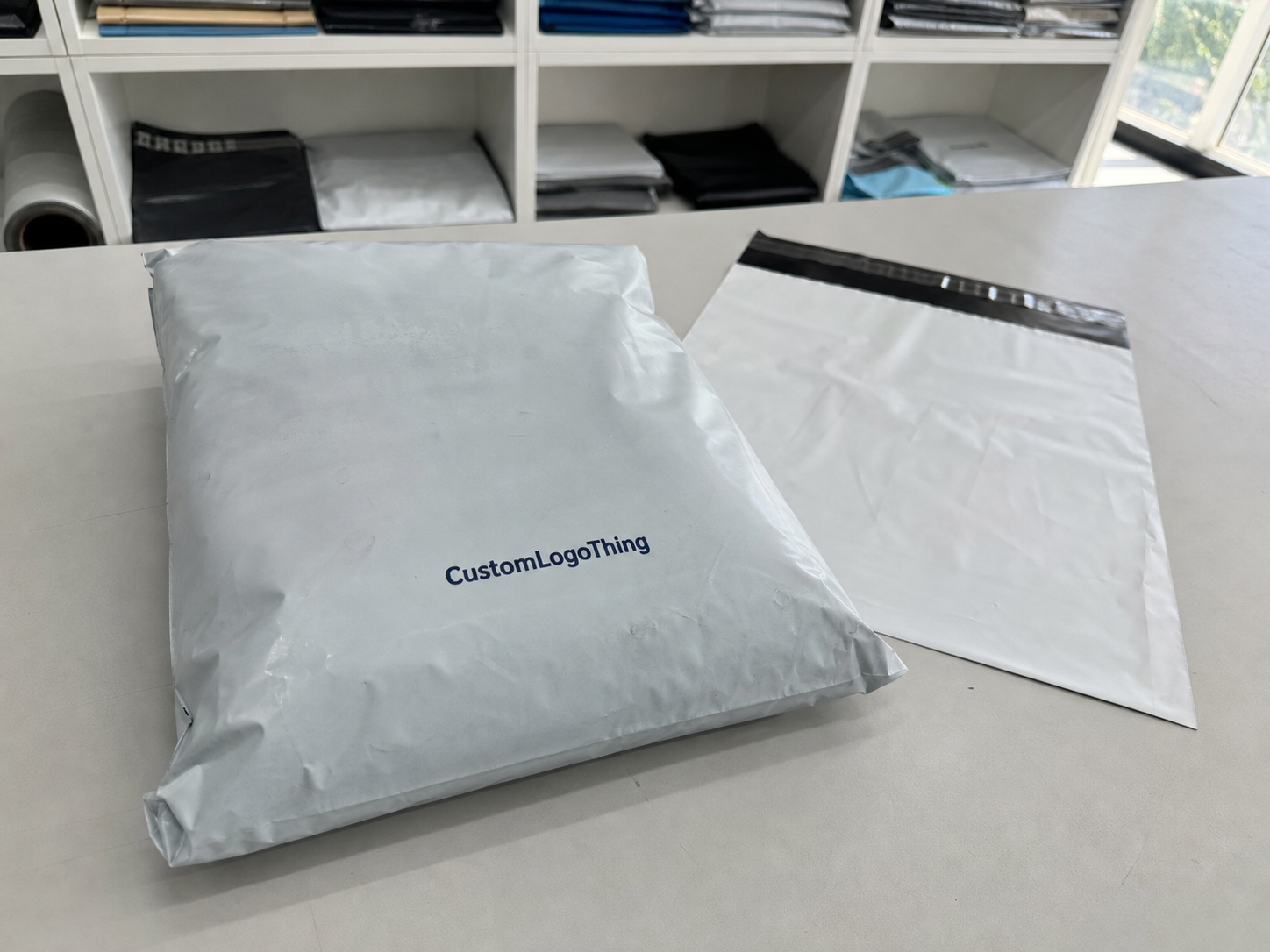
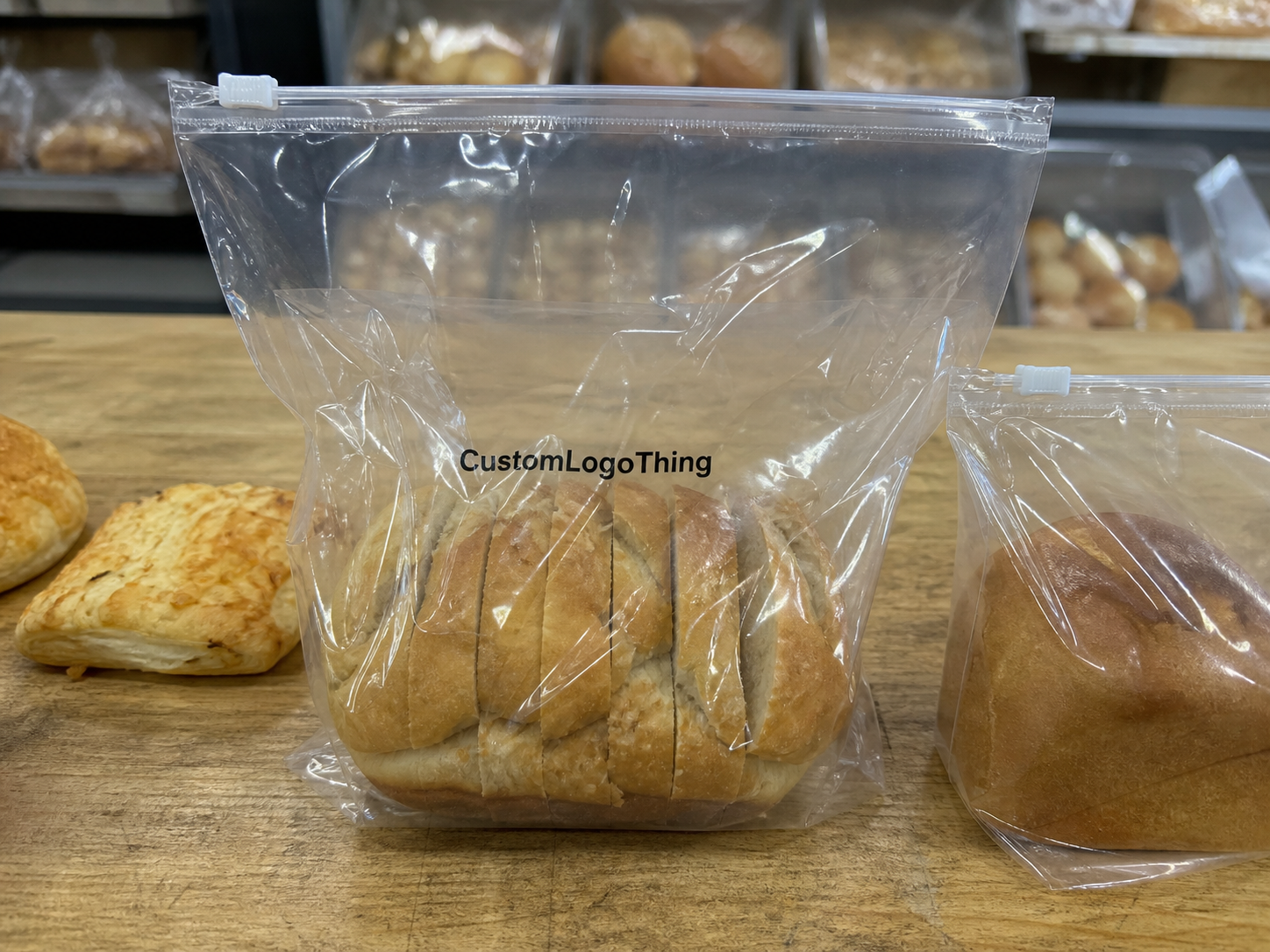
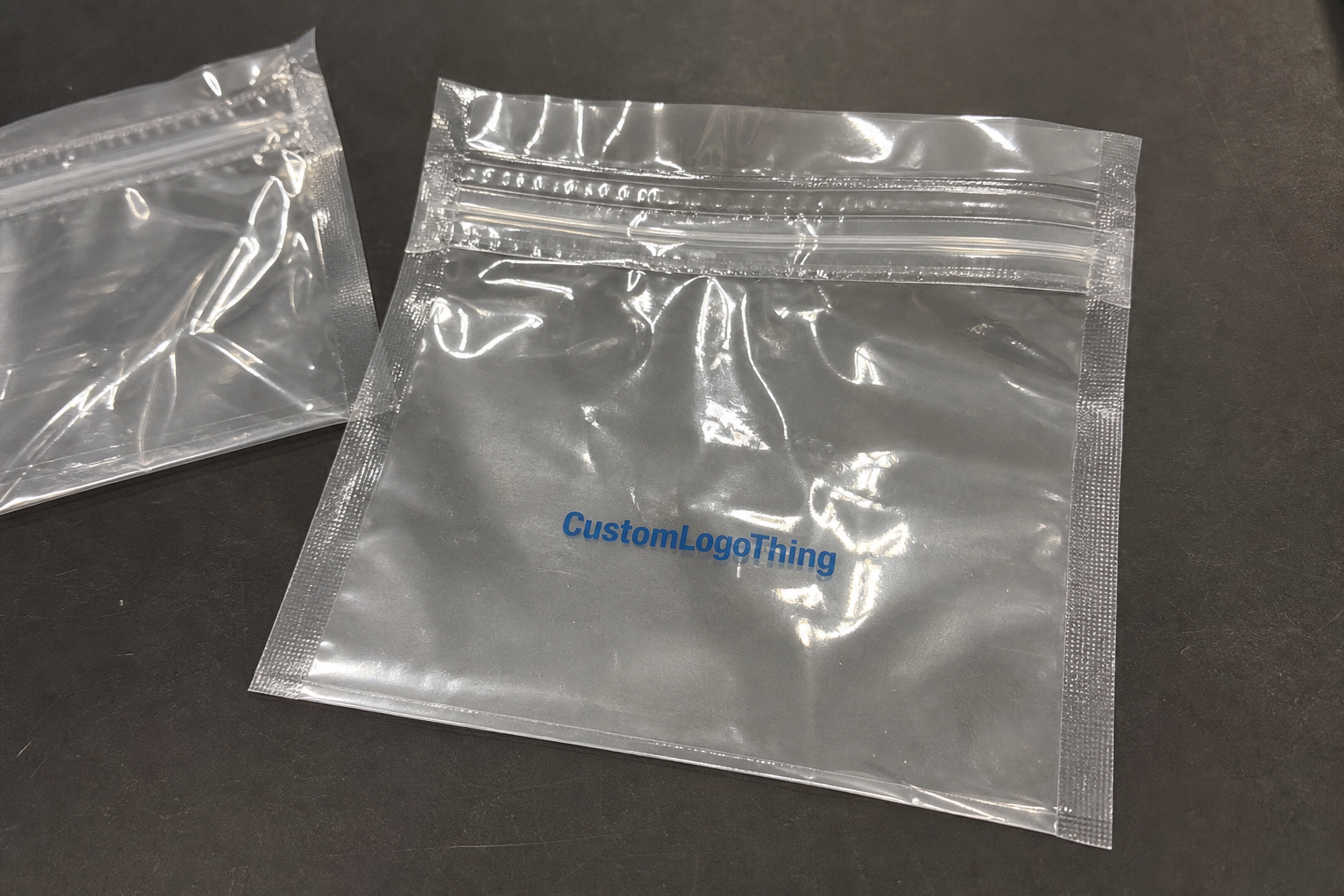
Tamper evident Bags for Gift shops supplier comparison sounds narrow until you are dealing with swapped products, reopened returns, or a bag that looked sealed on the counter and suspiciously unsealed by the time it reached the customer. In gift retail, the packaging has to do three jobs at once: protect the item, signal trust, and keep checkout moving. That combination is harder than it appears from a catalog photo.
The best supplier is not the one with the glossiest sample. It is the one whose bag seals consistently, fits your actual products, and holds up under daily handling without turning staff into quality inspectors. A weak flap or poor print registration can erase the value of a lower unit price very quickly.
Why gift shops need tamper evidence at the point of sale
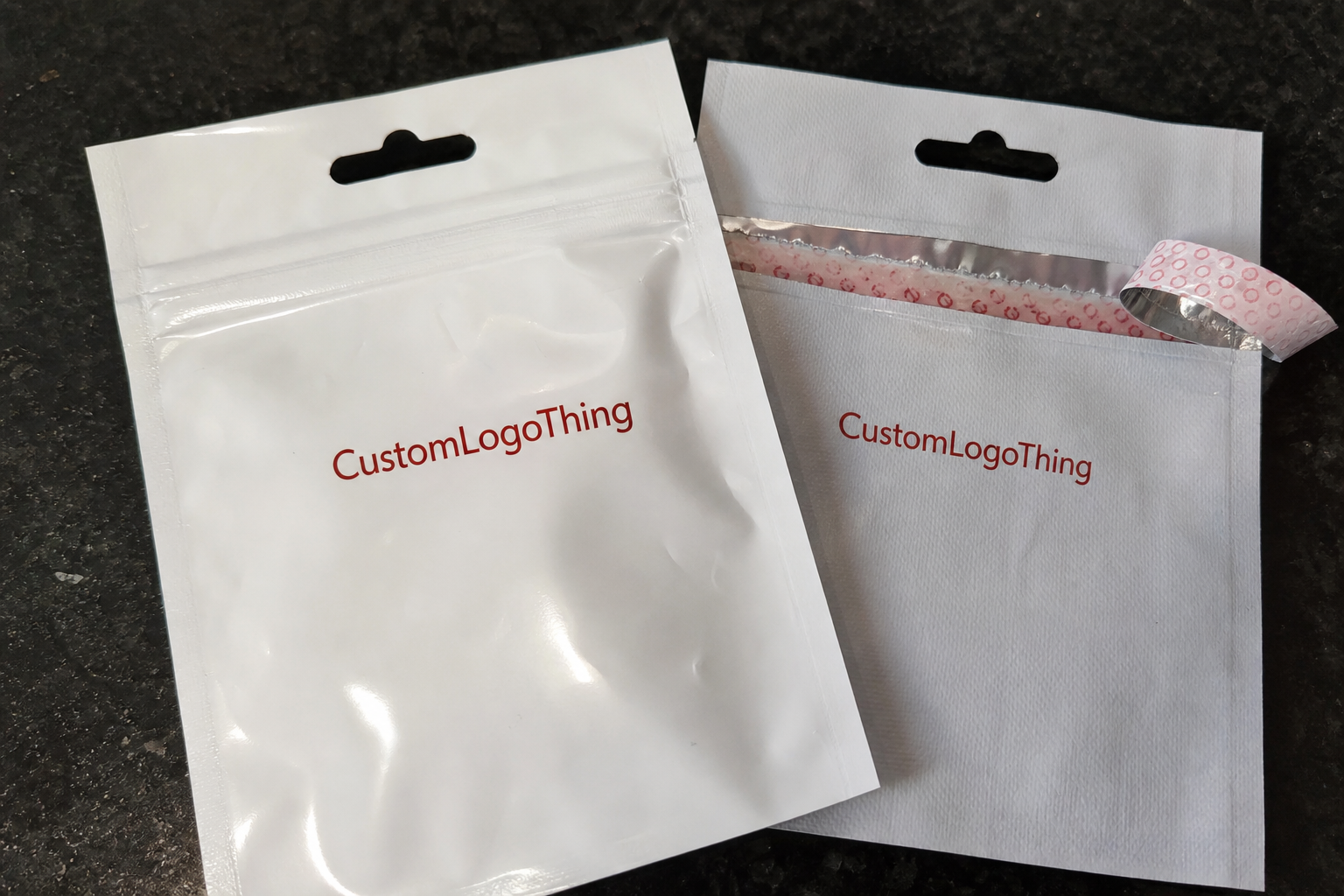
Most packaging problems in gift retail are quiet. A return comes back opened. A set gets swapped. A curbside order is handled by three people before it reaches the customer. By the time the bag is in view, it still looks presentable, which is exactly why the issue matters.
Tamper evidence does not mean the bag is theft-proof. It means interference is visible. If the closure has been lifted, cut, peeled, or resealed, the evidence should be obvious to staff and customers. That is the point. For a gift shop, visible trust matters more than elaborate security theater.
These bags are common for candles, jewelry, gift cards, boxed cosmetics, fragrance, and bundled seasonal products. Those items tend to carry higher expectations for presentation and handling. A plain poly bag can hold the product. It cannot tell the buyer whether the item was touched after packing.
Supplier comparison should start with the use case, not the quote. Before anything else, ask three questions:
- How strong does the tamper evidence need to be for the products you sell?
- How fast do staff need to seal the bag at checkout or during order prep?
- How much should the bag contribute to shelf presentation and brand feel?
Those questions prevent a common mistake: buying a heavy-duty format for a low-risk item, or choosing a lightweight bag that looks neat but fails when filled with a real product. The right spec is almost always narrower than the sales pitch suggests.
For general packaging context, the Institute of Packaging Professionals and ISTA both publish useful material on handling and transit stress. See ISTA and packaging.org for reference material that is more practical than marketing claims.
How tamper evidence actually works in daily retail use
There are several ways a bag can show tampering, and each one fails in a different way. That matters more than many buyers expect. A closure that looks strong on the sample table may become unreliable once it sees dust, humidity, or repeated handling.
Common closure types
- Adhesive closures: fast for checkout, usually the simplest choice for lower-risk items.
- Tear strips: give a clearer opening trail and are harder to disguise after opening.
- Weld lines: create a sealed perimeter and are often used when the whole edge matters.
- Void patterns: leave a visible message if the closure is lifted or peeled back.
- Serialized seals: useful when traceability or dispute control matters.
- Breakaway tabs: make reopening obvious, which helps with returns control.
The distinction between deterrence and evidence is worth keeping straight. Some bags merely look serious. Others make tampering difficult to hide. If a supplier cannot explain which function the bag is built around, that is a warning sign.
A realistic retail flow is simple: staff insert the item, close the seal, hand the bag over, and the customer carries it through ordinary handling. The bag has to survive that trip without splitting at the seam or lifting at the flap. A beautiful sample means little if the adhesive fails after ten minutes in a warm car.
“A good tamper-evident bag does not need drama. It needs to be difficult to defeat and easy to inspect.”
Failure usually starts in predictable places: weak adhesive, overfilled bags, poor seam placement, thin film, or closure design that ignores humidity. If the customer has to study the flap to decide whether the bag was opened, the design is too forgiving.
Practical checks are straightforward. Ask suppliers to show how the bag performs under shake, drop, and corner stress conditions using the same products you actually sell. Full bags matter more than half-empty test pieces. Film behavior changes once the load goes up.
Practical note: if your gift shop sells heavier boxed items or fragile inserts, test the bag fully loaded. A closure that holds a light sample may peel under the real weight of a candle set or stacked gift box.
Key supplier factors beyond the sample bag
A polished sample can hide weak production control. That is where buyers often misread the market. The real comparison begins with material, fit, and repeatability.
Material thickness, clarity, stiffness, and puncture resistance all matter. The bag should look clean at the counter and still protect the product after transport. Too thin and it wrinkles around a premium box. Too stiff and the seal can look bulky or awkward. There is a narrow middle ground, and suppliers who work in this category should be able to explain it in plain terms.
Size is just as important. Gift shops do not sell one shape. You may have boxed candles, folded apparel, fragrance sets, decor items, and multi-item bundles. That means different widths, gusset depths, and height allowances. A supplier offering only one standard size is usually selling convenience, not fit.
Print and labeling deserve attention too. Logo placement, warning text, barcode space, and serial numbering can all improve usability if they are planned correctly. The design should keep the seal area clear and leave enough room for the message to stay visible after closure. If the text gets hidden under the flap, the layout is wrong.
Ask how the closure affects print placement. Some bags reserve a clean top zone for sealing instructions and tamper language. Others do not. That small detail changes how professional the finished bag looks in a customer’s hand.
Batch consistency is where decent suppliers separate from the frustrating ones. You want stable color, tight size tolerances, and repeatable seal strength. A good-looking sample with uneven production is a poor deal because it creates inspection time, rework, and customer-facing inconsistency.
Service also matters. Sample turnaround, artwork support, reorder stability, and QC documentation tell you a lot about how the supplier actually works. If those pieces are messy at the beginning, they usually stay messy after payment.
Tamper evident bags for gift shops supplier comparison: pricing, MOQ, and unit cost
This is where quote sheets become misleading. The headline price rarely shows the real cost. In a proper comparison, the supplier should break out material, customization, tooling or plate fees, freight, duties, and packing.
MOQ is not a side issue. A low minimum usually carries a higher unit price. A large MOQ can leave you with dead inventory and the wrong sizes sitting in storage until the season changes. I would rather pay slightly more per bag than commit to 20,000 units that do not match the products I actually sell.
Ask for multiple price breaks. If a supplier gives only one price point, you are looking at a snapshot, not a decision tool. You need breakpoints around 1,000, 3,000, 5,000, and 10,000 units so you can see where the cost curve changes.
Landed cost is the number that matters. Factory price can look attractive until freight, import charges, carton handling, and local delivery are added. Hidden charges do the same damage: artwork revisions, color changes, rush fees, and sample charges all add up fast.
For buyers building a rough budget, these are realistic ranges for retail packaging of this type:
- Simple stock-format bags: about $0.12-$0.25 per unit at higher volumes, depending on size and closure type.
- Custom printed bags: often $0.18-$0.40 per unit at 3,000-5,000 pieces, depending on print coverage and material.
- Higher-security formats: commonly $0.30-$0.70 per unit when serialized features, stronger film, or specialty closures are added.
Those figures are not universal. They move with film thickness, print count, freight lane, and order volume. Still, they are more useful than vague terms like “competitive” or “affordable,” which can mean almost anything in supplier language.
| Supplier Type | Typical MOQ | Unit Cost Trend | Lead Time | Best Fit |
|---|---|---|---|---|
| Stock reseller | Low | Higher per unit | Fast | Quick replenishment, standard sizes |
| Custom print factory | Medium | Middle range | Moderate | Branded gift shops, repeat orders |
| Security-focused manufacturer | Medium to high | Higher, but steadier quality | Moderate to longer | High-value items, return control |
| Trading company with sourcing support | Flexible | Variable | Variable | Buyers who need spec help and consolidation |
The expensive mistake is buying a cheaper bag that fails on the floor. If the closure peels open, staff lose time. If customers question the seal, trust erodes. If returns get disputed because the packaging cannot show what happened, the savings disappear fast.
Process, timeline, and lead time from inquiry to delivery
The cleanest quote process starts with a real spec sheet. Include exact dimensions, closure type, thickness, artwork, quantity, target delivery date, and the products the bag must carry. If the bag will hold candles or boxed sets, say so. “Gift bag” is not a specification.
Request samples early if the bags will be used for premium items. A paper proof cannot tell you whether the bag feels right in the hand or whether the seal has enough bite. If the material is too slippery or the flap too short, that only appears once someone actually uses the bag.
Proof review should be methodical. Check logo placement, warning text, barcode space, seal area, and any numbering before production begins. A single missed line of copy can create a batch you cannot use without risking embarrassment or rework.
A normal production sequence looks like this:
- Confirm the specification.
- Prepare artwork and layout.
- Make tooling or plates if needed.
- Run production.
- Perform QC checks.
- Pack cartons and ship.
Lead time depends on how much customization is involved. Stock items can move quickly. Custom print adds time for setup and proofing. Ocean freight adds even more time, and it is rarely the factory’s fault when transit becomes the long pole.
Packaging performance is usually judged against handling stress for a reason. ISTA protocols are a useful benchmark if you want a structured way to think about durability and shipping resilience. For broader material and waste context, the EPA has practical reference material on materials management and waste reduction.
Build in a buffer for holiday spikes, store openings, and reorders. If inventory runs short during peak traffic, the cost is not only packaging shortage. It is lost sales and staff time spent improvising.
Common mistakes gift shop buyers make when comparing suppliers
The biggest mistake is comparing by price alone. The lowest quote is often the weakest spec, the smallest print area, or the one packed with hidden costs. Low number, high headache.
Second mistake: trusting size names instead of usable capacity. A bag can look correct on paper and still crush a box or leave too much empty space. If the product rattles around, the presentation suffers. If the bag is too tight, staff will fight it all day.
Third mistake: skipping real-world testing with actual products and actual staff. A sample may look excellent when one careful person seals it at a desk. The same bag may fail during a busy shift when someone is sealing dozens of units under time pressure.
Humidity and temperature deserve more attention than they usually get. Adhesives and film behave differently in stock rooms, delivery vans, and back-of-house areas. If your store is damp or warm, test under those conditions. Otherwise you are only testing the brochure version of the bag.
Another bad habit is accepting the phrase “tamper evident” without asking what creates the evidence. Is it a void message? A tear strip? A one-time seal? If the bag can be lifted and resealed invisibly, it is not doing the job you think it is doing.
Finally, do not ignore storage and packing details. Carton count, pallet size, and shelf footprint matter when back-of-house space is tight. The wrong packing spec can make a good bag inconvenient to receive, stack, and distribute.
Packaging reality: the spec that saves two cents per unit but creates friction every day is not a saving. It is a labor cost hidden inside the packaging line.
Expert tips for choosing a supplier that will not waste your time
Build a three-supplier comparison table using identical specs. Same dimensions. Same thickness. Same print area. Same quantity. If the specs differ, the quotes are not truly comparable and the decision becomes noise.
Ask for a finished sample photo or short video, not just a render. You want to see seal placement, print alignment, and film clarity in a real finished product. Renders are easy to polish. Reality is what ships.
Request at least one quality checkpoint from the supplier. A QC sheet, tolerance note, or basic abuse-test summary is enough to show that a process exists. That matters more than polished sales language.
For seasonal gift shops, reorder stability matters more than squeezing the first order to the last cent. If the supplier cannot hold color, closure strength, and size across repeat runs, you will spend time chasing consistency when you should be selling.
Higher-value orders may justify stronger warning text or serialized numbering. That can help reduce returns disputes and staff tampering concerns. It is not always necessary, but for premium items it can be worth the added unit cost.
If you buy for multiple locations, standardize the spec early. Different stores should not be ordering slightly different bags because someone preferred one sample over another. That creates inventory confusion and makes supplier comparison useless over time.
“The best supplier is not the cheapest one on paper. It is the one that keeps your team moving without extra handholding.”
Next steps: shortlist, test, and lock the spec
Start by shortlisting suppliers that match the actual job. Counter sales need speed. Curbside pickup needs clear evidence. Fragile gifts need stronger material and a better closure. Premium boxed items need presentation as well as security. Those are different buying problems.
Order samples and run a one-week store test with real products, real staff, and normal checkout pressure. Watch where the process slows down. Watch whether the seal is obvious to customers. Watch whether the bag survives the walk from counter to car without looking damaged.
Then choose the spec that balances security, presentation, and landed cost. Do not chase the lowest quote if the bag is going to fail in use. Cheap packaging that creates returns disputes or staff frustration is expensive packaging in disguise.
Lock artwork, quantity, reorder trigger, and delivery timing before seasonal demand compresses your options. Once the spec is stable, buying gets easier and supplier comparison becomes more honest.
That is the practical way to handle Tamper Evident Bags for gift shops supplier comparison: compare fit, seal performance, print quality, MOQ, and total cost, then choose the bag that works in daily retail use instead of the one that only looks good in a sample photo.
What should I ask first in a tamper evident bag supplier comparison for gift shops?
Start with exact dimensions, closure type, thickness, print method, MOQ, lead time, and sample policy. Then ask for pricing at several quantities so you can see the breakpoints instead of one misleading number.
Which tamper evident closure works best for gift shops?
There is no single best option. Adhesive flaps are fast for checkout, while tear strips, numbered seals, and void indicators give stronger evidence. Pick the closure based on product value, return risk, and staff workflow.
How do I compare tamper evident bag pricing without getting fooled?
Compare landed cost, not just factory price. Include tooling, printing, freight, import charges, and packing. Use the same spec sheet for every supplier so the quotes refer to the same bag.
What lead time should I expect for custom tamper evident bags for a gift shop?
Stock bags move fastest. Custom print adds proofing and setup time, and shipping can add more depending on the route. Holiday periods need extra buffer because production queues and freight delays tend to stack up then.
Can I use tamper evident bags for fragile or high-value gifts?
Yes, if the size, film thickness, and closure strength match the product. Test with the actual items you sell, especially candles, glass, jewelry boxes, and bundled gift sets. Real handling exposes weak points quickly.