Clear Zipper Bags for breweries supplier comparison looks like a narrow sourcing task, yet it can shape shelf appeal, product protection, and margin more than many teams expect. Two bags can appear almost identical in a sample photo and then behave very differently once they are filled, chilled, stacked, or opened repeatedly by staff and customers with damp hands. That difference is where good buying decisions pay off.
For breweries, Clear Zipper Bags are used for merch, snack pairings, hop samples, refill items, and retail add-ons where visibility helps sell the product. Visibility alone, though, does not protect anything. Buyers still need to compare seal strength, clarity, print quality, compliance, and reorder cost. Otherwise the lowest quote can become the most expensive bag on the spreadsheet.
Why brewery buyers compare clear zipper bag suppliers first
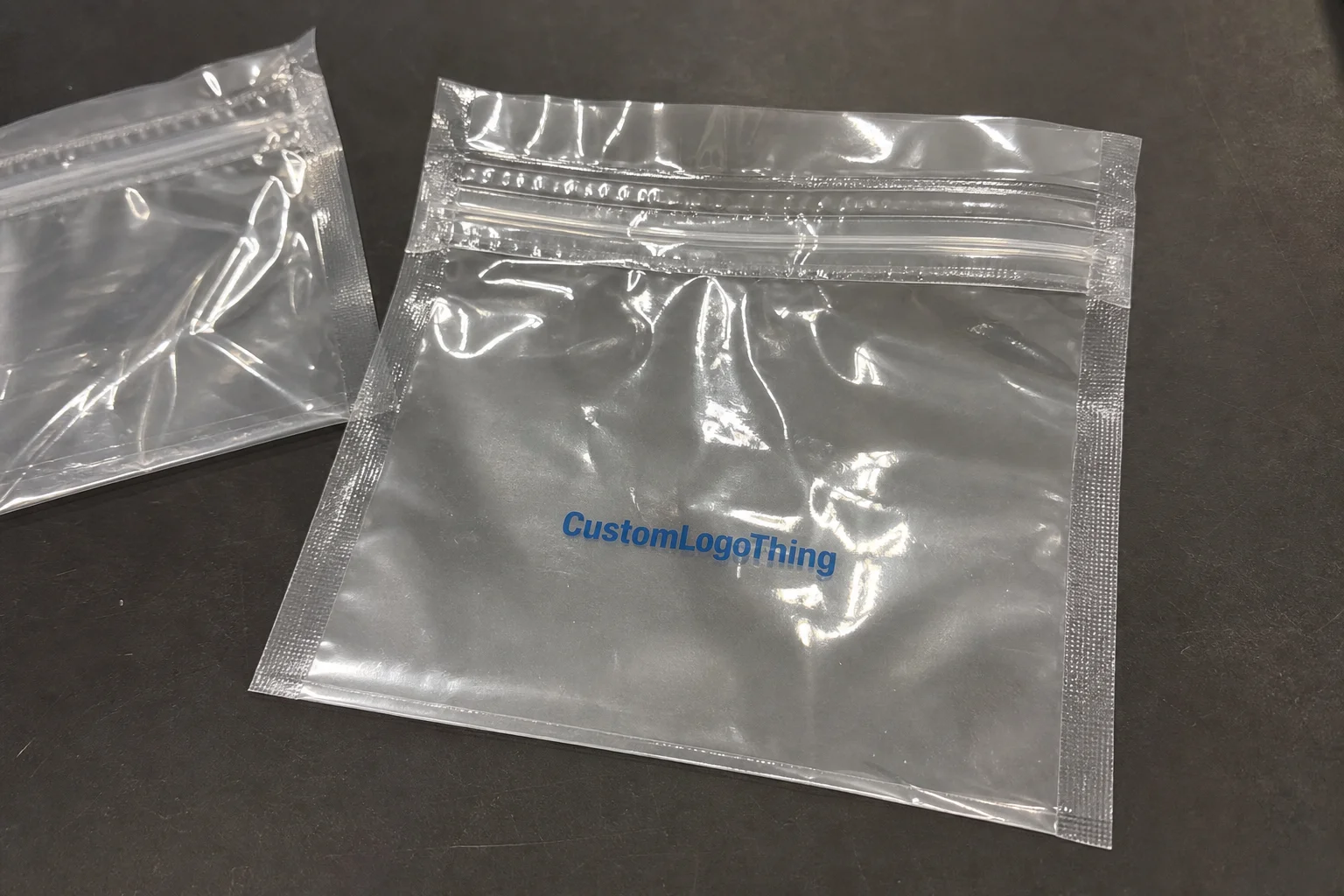
A clear zipper bag looks simple on paper. In practice, the details vary a lot: zipper profile, film thickness, haze, edge sealing, and how the bag holds up after repeated opening. One supplier’s 4 mil pouch may feel crisp and premium, while another’s can arrive cloudy, flimsy, or weak at the seams. Those differences show up quickly in a retail setting.
That matters because packaging is doing several jobs at once. It must present the product, support the brand, and reduce the waste created by leaks, returns, and damaged stock. In taprooms, clear packaging gives shoppers immediate visibility. For ecommerce bundles and subscription add-ons, it helps packing accuracy while keeping the unboxing neat.
There is also a hidden cost problem. A zipper that fails once in twenty uses may not sound serious, but over a production run it creates repacks, customer complaints, and inventory that no longer looks retail-ready. A slightly higher unit price from a more consistent supplier can be cheaper overall after freight, sampling, and failures are included. That is why clear zipper bags for breweries supplier comparison is really a risk review, not just a pricing exercise.
“The lowest quote is often the most expensive one once freight, samples, and the labor of fixing packaging problems are added back in.”
For first-time sourcing, start with the basics: material, closure style, minimum order quantity, production time, and whether the supplier can support food-contact use when required. Those five checks eliminate a lot of weak options immediately.
How clear zipper bags work in brewery packaging
Most clear zipper bags use a straightforward structure: a transparent film body, sealed side and bottom seams, and a zipper track across the opening. Some include a tear notch, hang hole, or euro slot for retail display. Others are plain and meant for storage or shipment. The point is not only clarity; it is control. The buyer wants to show the product and protect it at the same time.
Basic bags are often made from PE, which is flexible and cost-effective for non-oxygen-sensitive items. For more stiffness, stronger clarity, or added protection, suppliers may offer laminated or barrier structures. Those can make sense for moisture-sensitive snack pairings, hop-related sample packs, or premium retail products that should stay crisp under store lighting. The tradeoff is cost, and sometimes recyclability gets more complicated.
Closure type matters more than many brewery teams expect. A single-track zipper is usually fine for lighter retail use. A double-track zipper gives a more secure feel and can improve repeat opening performance. Some bags add tamper-evident features or stronger press-to-close profiles. If customers, not staff, will open the pouch, that tactile response becomes part of the brand experience.
Brewery use cases usually fall into four groups:
- Tasting-room retail for merch, snacks, and small gift bundles.
- Ecommerce shipments where visibility supports packing accuracy.
- Bulk refill or sampling for ingredients, hops, or limited-run promotional items.
- Protective storage for items that need dust, moisture, or odor control.
For consumables, ask whether the bag can handle chilled storage or cold-fill conditions. Not every clear film behaves well at low temperatures. Some materials stiffen, while others stress along the zipper line after cooling. That is not a theoretical issue; it shows up in production and in customer use.
Key specs that separate good suppliers from average ones
If you remember one thing, make it this: ask for actual specs, not marketing language. “Heavy duty” and “premium” can mean almost anything. Thickness in mils or microns tells you much more. For brewery packaging, a useful comparison starts with film gauge, zipper style, clarity, odor resistance, and whether the bag fits the food-contact expectations of the intended use.
Thickness is a major separator. A 2 mil bag may be fine for lightweight inserts or low-risk retail items, while 4–6 mil options usually feel sturdier for repeated handling. For products with more weight, sharper edges, or a tougher shipping route, thickness and seal design need to work together. One number alone does not tell the whole story, but without it, you are guessing.
Clarity deserves close attention too. Some bags are technically clear but become hazy once they are stretched or filled. That can dull shelf appeal, especially under warm taproom lighting or cool LED retail cases. Ask for a haze specification if the supplier has one, or request a sample of the exact material. For many brewery buyers, the visual read-through is the whole point.
Customization is another divider. Suppliers may offer:
- Blank clear bags for label application and flexible inventory use.
- One-color logo printing for simple brand recognition and lower setup cost.
- Full-color decoration for stronger retail impact, though setup is more involved.
- Custom hang holes or sizing to fit display fixtures or bundle formats.
Sustainability claims need a careful read. A downgauged bag uses less material, which can lower cost and resin use. But if the film gets too thin, failures rise and waste follows. Recyclable structures can be attractive, yet not every “recyclable” bag fits local collection systems. The useful question is whether the sustainability signal still holds up in actual use. A bag that survives transport is better than one that only sounds responsible on a sell sheet.
For standards, reference points help. Food-contact questions usually involve supplier declarations and material testing documentation. For shipping durability, ASTM or ISTA methods can help when you want consistency in transit performance. If the bag is part of a larger branded package, printing quality and surface finish should also be checked against your artwork expectations before approval. For environmental claims, the FSC site is useful when paper components or certifications are involved, though that will not apply to every clear plastic pouch.
| Option | Typical spec | Best for | Tradeoff |
|---|---|---|---|
| Standard clear PE zipper bag | 2-3 mil, basic zipper | Light retail items, inserts | Lower barrier and less stiffness |
| Thicker clear zipper bag | 4-6 mil, stronger seal area | Heavier merch, repeated handling | Higher cost, more material use |
| Laminated or barrier pouch | Multi-layer structure, optional print | Moisture-sensitive contents | Cost and recyclability complexity |
| Custom printed zipper bag | Logo print, custom size, exact closure | Brand-forward retail presentation | Setup fees and longer lead time |
Process, timeline, and lead time: from quote to delivery
The supplier process usually begins with an RFQ. You send the size, thickness, intended use, quantity, print requirements, and whether samples are needed. A strong supplier should respond with a spec sheet, pricing, and questions about the application rather than guessing. If the quote is missing details, the order often drifts later.
Most delays come from artwork revisions, unclear sizing, compliance questions, and MOQ mismatches. Those are the usual pressure points. If the bag is tied to a taproom launch or seasonal promotion, even a five-day slip can become a problem when the product is ready and the packaging is not.
In practical terms, domestic sourcing can be faster for repeat orders, often around 7-14 business days after approval, depending on capacity and shipping method. Offshore sourcing usually takes longer, especially when sampling, artwork confirmation, and freight are included. Faster is not always better if your business reorders every few weeks; stable supply and predictable communication can matter more once the full cycle is counted.
Request these documents early:
- Dielines for custom print or exact bag dimensions.
- Spec sheets showing film thickness, zipper type, and size tolerances.
- Material certifications if food-contact or other compliance review is needed.
- Sample photos or actual samples before final approval.
Breweries with busy event calendars should build Packaging Lead Time around peaks. If a festival, distributor meeting, or holiday release is coming up, place packaging orders earlier than feels necessary. A buffer is cheaper than emergency freight.
Cost, pricing, and MOQ: how to compare real supplier quotes
The lowest unit price can be misleading. A quote at $0.12 per bag looks attractive until a $160 plate charge, a $45 sample fee, $220 freight, and a minimum order that exceeds actual need are added. Suddenly the cheaper option costs more per usable unit than the quote that looked higher on paper.
To compare suppliers properly, normalize everything to landed cost. That means reviewing:
- Unit price
- Setup or plate charges
- Sample costs
- Freight and import charges
- Payment terms
- Reorder pricing
MOQ is a strategic variable, not just a hurdle. Smaller breweries often want lower minimums so they can test demand, adjust artwork, or protect cash for brewing operations. Larger MOQs can reduce cost per bag, but only if the packaging will move quickly enough. If a supplier asks for 10,000 pieces and your annual need is 6,000, the inventory cost can erase the savings.
Use this framework during clear zipper bags for breweries supplier comparison:
- Match size, thickness, zipper style, and print method exactly.
- Convert every quote to landed cost per 1,000 pieces.
- Check whether setup, freight, and samples are included.
- Ask what happens on reorder: same plate, new art, or revised pricing?
- Compare payment terms and production priority, not just the sticker price.
For breweries that reorder often, flexibility can be worth a small premium. If one supplier offers 3,000-piece minimums and another insists on 10,000, the smaller MOQ may be the better business choice even if the per-unit price is a little higher. Cash flow matters. So does inventory risk.
Step-by-step supplier comparison checklist for brewery buyers
The cleanest way to compare suppliers is to stop thinking like a shopper and start thinking like a buyer. Define the use case first. Are these Bags for Retail snacks, merch bundles, sample packs, or storage? A bag that works for stickers and T-shirts may be wrong for food or chilled product. Once the use case is fixed, the comparison gets sharper.
Then score every supplier across five areas:
- Material performance — thickness, clarity, seal strength, odor resistance.
- Customization capability — print quality, sizing, closures, hang holes.
- Compliance paperwork — food-contact declarations, test reports, traceability.
- Price structure — unit cost, setup, freight, payment terms.
- Delivery reliability — lead time, communication, sample turnaround, reorder consistency.
Order samples and test them with the actual product. Do not just hold the bag up to the light and approve it. Fill it. Zip it. Handle it with damp hands if that is realistic. Store it cold if that is how it will be used. Check the zipper after repeated openings. If the bag is supposed to feel premium, the customer should feel that in the hand, not just see it in photos.
A simple scorecard works well because it forces discipline. Give each category a 1-to-5 score and weight the areas that matter most. For taproom retail, appearance may carry more weight. For storage or shipping, performance should count more. The best supplier is not the one that wins every category. It is the one that balances function, brand fit, and repeat-order consistency.
“We do not need a perfect bag. We need a bag that arrives on time, protects the product, and looks like it belongs to the brand.”
That is the real standard: not perfection, but predictability.
Common mistakes brewery teams make when sourcing bags
The first mistake is buying on appearance alone. A glossy clear pouch can look strong and still have weak zipper integrity or poor puncture resistance. Once product is inside, the weaknesses show up quickly.
The second mistake is skipping sample tests. Teams approve a photo, place a full order, and then discover the bag is too narrow, too flimsy, or hard to close. That is avoidable, and it usually costs more than the sample budget would have.
The third mistake is underestimating lead time. Packaging gets treated like a simple line item until a launch date starts getting close. Then the ordering team realizes that artwork approval alone may take longer than expected. Build room for revisions.
The fourth mistake is ignoring compliance needs. If a bag touches food, or if it will sit in cold storage, ask for the right documentation. Do not assume a supplier’s “safe” claim is enough. Documentation matters when the product and the brand are both on the line.
The fifth mistake is comparing quotes without freight, artwork, or reorder terms. A low upfront price with expensive shipping or rigid reorders may not help at all. For breweries, sourcing is about continuity. One good quote does not create a good program.
If you want a useful benchmark, ask suppliers whether they can match your exact size, thickness, zipper style, and closure profile with a sample first. If they cannot, move on. That saves time immediately.
Expert tips and next steps for a smarter sourcing decision
Request a sample at the exact thickness and zipper style you plan to buy. Not a close match. Not a generic substitute. The same structure. Otherwise you are testing a different product and calling it due diligence.
Write down your top three non-negotiables before asking for final pricing. For example: clear visibility, food-contact suitability, and a double-track zipper. Then write down one tradeoff you can tolerate, such as a slightly higher MOQ or a longer lead time. That clarity makes supplier conversations much cleaner.
Keep a small reorder buffer. Packaging should not become the bottleneck when a beer release sells faster than expected or a retail bundle takes off. A buffer of one production cycle, or even a few weeks of demand, can prevent emergency buying.
For buyers comparing options, the practical sequence is straightforward:
- Gather specs.
- Request samples.
- Compare landed costs.
- Shortlist two suppliers.
- Run a pilot order before scaling.
That process is not glamorous, but it works. It keeps attention on function, timing, and total cost. If you are building a sourcing program, clear zipper bags for breweries supplier comparison should be treated as a packaging control decision, not a quick purchasing task. Done well, the bag fades into the background, which is exactly what good packaging should do.
For broader packaging standards and transport considerations, the ISTA site is helpful when you want to align packaging performance with transit testing, and the EPA is useful for keeping environmental claims grounded. Those references will not choose a supplier for you, but they will help you ask better questions.
FAQs
What should breweries compare first when reviewing clear zipper bag suppliers?
Start with material thickness, zipper quality, and whether the bag fits food-contact or retail use. Then compare sample quality, MOQ, and landed cost so the quote reflects the real purchase price.
Are clear zipper bags suitable for brewery snacks and merch packaging?
Yes, they work well for visible retail items, tasting-room snacks, and bundled merchandise when the closure and film strength match the product. For moisture-sensitive items, ask for a better barrier structure instead of standard clear film.
How can a brewery check if a supplier’s pricing is actually competitive?
Normalize quotes by comparing unit price, freight, setup fees, and sample costs together. Ask for the same size, thickness, zipper style, and print method from each supplier before judging price.
What lead time should breweries expect for custom clear zipper bags?
Lead time depends on artwork approvals, production volume, and whether the supplier is domestic or offshore. Build extra time for sampling and revisions, especially before seasonal launches or distributor deadlines.
What is the biggest mistake in clear zipper bags for breweries supplier comparison?
The biggest mistake is comparing only appearance or unit price and ignoring seal performance, compliance, and delivery reliability. A sample test and landed-cost review usually prevent the most expensive surprises.


