Buyer Fit Snapshot
| Best fit | Tamper Evident Shipping Envelopes Wholesale for Bulk Orders projects where brand print, material claims, artwork control, MOQ, and repeat-order consistency need to be specified before quoting. |
|---|---|
| Quote inputs | Share finished size, material target, print colors, finish, packing count, annual reorder estimate, ship-to region, and any compliance wording. |
| Proofing check | Approve dieline scale, logo placement, barcode or warning zones, color tolerance, closure strength, and carton packing before bulk production. |
| Main risk | Vague material claims, crowded artwork, missing packing details, or unclear freight terms can make a low unit price expensive after revisions. |
Fast answer: Tamper Evident Shipping Envelopes Wholesale for Bulk Orders should be specified like a repeatable production item. The safest quote records material, print method, finish, artwork proof, packing count, and reorder notes in one written spec.
Production checks before approval
Compare the actual filled-product size with the drawing, then confirm tolerance on folds, seals, hang holes, label areas, and retail display edges. Reserve space for logos, QR codes, warning copy, and material claims before decorative graphics fill the panel.
Quote comparison points
Review material grade, print process, finish, sampling route, tooling charges, carton quantity, and freight assumptions side by side. A quote is only useful when the supplier can repeat the same color, closure quality, and packing count on the next order.
Tamper Evident Shipping Envelopes Wholesale for Bulk Orders
A seal only has to fail once for the cost of a shipment to change character. A customer opens a package and sees the tear, the claims team gets involved, the replacement goes out, and a routine mailer has turned into a small operational problem. That is the practical reason tamper evident shipping envelopes wholesale keeps surfacing in procurement searches. The phrase is not decorative. It points to a packaging choice that protects content integrity, reduces avoidable disputes, and makes interference visible before the issue multiplies.
Buying in bulk matters for more than price. Unit costs usually fall, replenishment becomes easier to forecast, and the packing line is less likely to stall because someone discovered at 4 p.m. that the last carton was already gone. That matters for ecommerce shipping, finance mailers, healthcare inserts, legal papers, and compact parts that need to arrive flat and intact. The best envelope does not draw attention to itself. It closes cleanly, shows damage clearly, and stays out of the way of the operation.
There is also a quieter benefit. In a warehouse or mailroom, consistency removes friction. If the envelope behaves the same way every time, packers do not need to think twice, supervisors do not need to inspect every close, and receiving teams know what evidence of opening should look like. That kind of predictability is easy to underestimate and expensive to recreate later.
Why Tamper Evident Shipping Envelopes Pay Off in Bulk
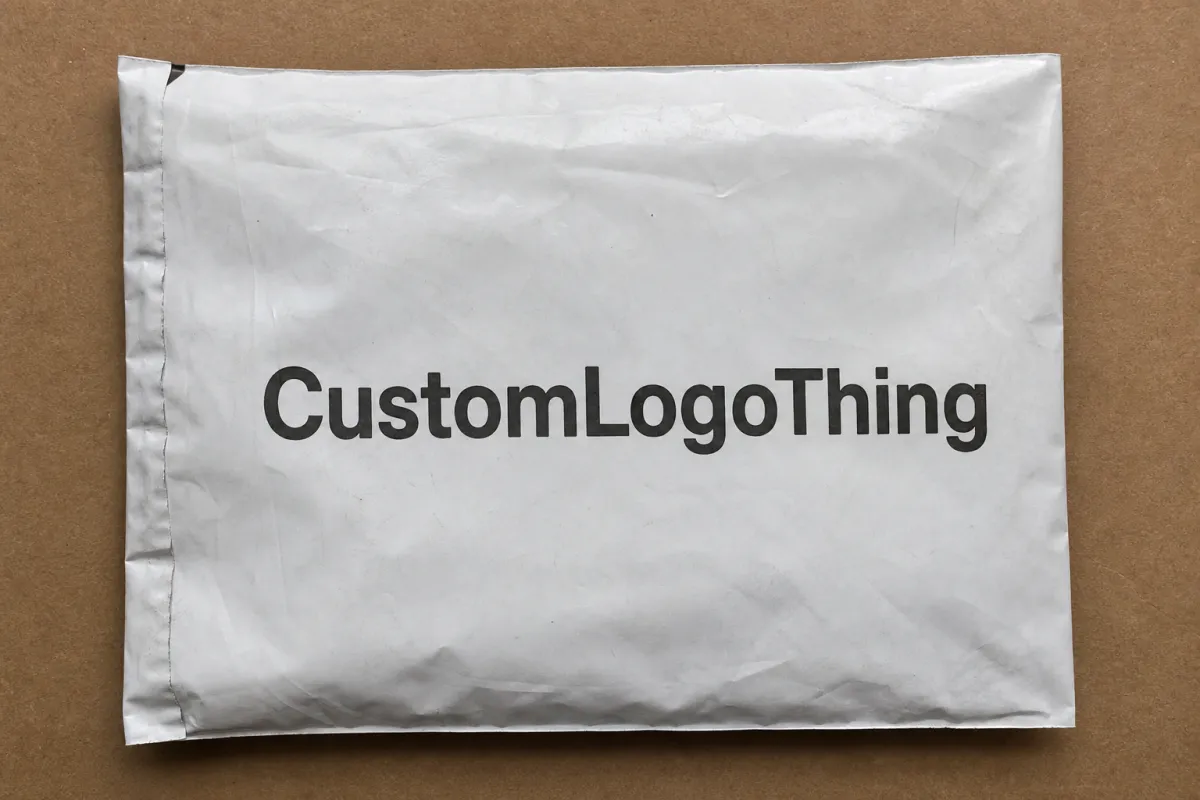
Packaging buyers usually think in risk, not romance. A tamper-evident seal helps preserve chain of custody and makes reopened mail obvious at a glance. That alone can deter casual tampering, expose internal handling mistakes, and stop the old trick of opening something, checking it, and pressing it shut again as if nothing happened. Security in packaging works best when it is visible enough to create hesitation.
The presentation effect matters too, and not in a glossy marketing sense. A clean, secure envelope tells the recipient that the sender paid attention. That message lands hard in categories where trust and privacy sit close together: bank statements, checks, contracts, medical supplies, replacement inserts, and returns with confidential paperwork. A small mailer can still carry a large signal. It says the shipment was handled with care, not luck.
Wholesale buying changes the math in ways that are easy to miss on a single quote. A security-focused envelope may cost a little more than a basic mailer, yet the gap often narrows as quantity rises. At 5,000 pieces and above, a few cents per unit can separate a passable option from one that better protects expensive shipments. Compare that against one reprint, one claim, or one damaged return cycle and the stronger option starts looking ordinary, not premium. That is usually where procurement decisions become clear.
A tamper-evident envelope only works if the closure survives transport and leaves a visible mark when someone interferes with it. Weak adhesive with a security logo on top is not protection; it is theater.
Repeat shippers benefit most. Ecommerce teams moving flat goods, finance departments sending checks or statements, healthcare suppliers handling sensitive inserts, legal teams dealing with confidential papers, and operations groups shipping compact replacement parts all fit the pattern. Flat, sensitive, and expensive to replace usually means this product belongs in the spec discussion. If cushioning is the primary need, the format is wrong and the envelope is being asked to do a box's job.
If the shipment mix is broader, compare envelope options with other Custom Packaging Products or decide whether the job fits better in Custom Poly Mailers. Matching the package to the contents usually costs less than forcing one format to serve every order. That tradeoff is simple, but it is missed often enough to keep packaging buyers busy.
Product Details: Materials, Security Features, and Use Cases
Wholesale buyers usually narrow the field to three construction paths: polyethylene mailers, paper-based envelopes, and laminated or co-extruded security films. Each solves a different problem. Polyethylene keeps weight low, resists moisture, and holds up well in transit. Paper-based versions feel familiar in office workflows and suit branded document shipments. Laminated and multilayer films generally offer better tear resistance and stronger tamper signaling, though they can cost more and feel stiffer in the hand.
Common Constructions
Polyethylene security mailers often sit in the 1.5 to 3 mil range, depending on size and use. Thinner constructions work for documents and low-risk inserts. Thicker walls handle more abuse when mail gets stacked, tossed, or pressed against other cartons. Paper-based envelopes can be a strong fit when presentation matters and the contents stay light. Buyers with sustainability targets should ask whether the paper is FSC-certified and whether the lining or finish affects recyclability. The FSC standard gives a clearer benchmark than vague green language.
Laminated and co-extruded structures show up where tear resistance matters more. They do not make the envelope invincible. They make it harder to split cleanly and easier to inspect after interference. That difference matters in the warehouse, not just on a spec sheet. The right material is the one that matches the shipment profile, not the one with the loudest sales pitch. Light contents do not need overbuilt film. High-risk contents do not deserve bargain material dressed up as security.
A useful comparison is how each material behaves after it leaves the packing table. Poly mailers are flexible and forgiving, but they can show scuffing more quickly. Paper can look polished, yet it may scuff, crease, or absorb moisture depending on the finish. Laminated film usually holds its shape better under pressure. That makes it easier to spot a compromised seal during intake, which is often where failures should be caught.
Security Features Buyers Should Expect
Security details vary, but several patterns repeat. Slit-style features leave visible damage after opening. Permanent adhesives make resealing difficult without evidence. Void messages or hidden patterns appear once the seal lifts. Some envelopes use tear lines or destructible zones that make interference obvious. If a product claims tamper evidence and cannot show it clearly, the claim is weak. A standard mailer with a marketing label is still a standard mailer.
No single feature set fits every job. A finance envelope may need a strong adhesive and a clear void message. A healthcare shipment may need single-use closure and clean handling. A return workflow may need barcode zones, printed instructions, or batch numbers so receiving teams can sort quickly. For higher-risk transit, ask whether the construction has been tested with ISTA methods or similar internal drop and compression checks. That kind of testing tells a better story than a product photo ever will.
Buyers should also ask how the security feature behaves after temperature swings. Adhesives that look fine in a climate-controlled office can soften in summer freight or become less forgiving in cold storage. A seal that survives a desk test is not automatically ready for a loading dock. That is a common mistake, and it costs more than most people expect.
Where These Envelopes Fit Best
The best use cases are straightforward. Contracts and legal documents need privacy and proof of integrity. Checks and payment inserts need controlled handling. Pharmacy items and healthcare samples need clean closure verification. Replacement parts and warranty paperwork benefit from a flat format that avoids extra bulk. Ecommerce returns also work well in an envelope that holds inserts together while showing whether anyone opened the package early.
Size drives performance too. Flat envelopes suit documents and slim products. Gusseted versions handle slightly bulkier items, though they can push up dimensional weight. Document sleeves keep pages flat and visible. Custom printed layouts help when the workflow needs instruction zones, barcode placement, or branding that guides receiving staff. The best shape is usually the one that reduces mistakes, not the one that sounds impressive in a quote.
There is a second-order effect here as well. A more disciplined envelope spec can shorten intake time because staff do not have to guess whether a piece has been tampered with, repackaged, or misrouted. In a busy operation, a few seconds per package is not trivial. Multiplied across thousands of mailings, it becomes real labor.
Specifications That Actually Matter for Wholesale Orders
Spec sheets should answer a basic question: will this envelope protect the contents, survive transit, and fit the workflow without wasting money? If the answer is murky, the order will be murky too. For wholesale buys, start with size, film thickness, closure strength, opacity, tear resistance, and seal type. Those are the details that decide whether the product works on the floor, not just in a catalog.
Size should fit the contents as tightly as practical. A 9 x 12 envelope suits letter-size documents, while 10 x 13 leaves room for folders, inserts, or mixed paperwork. Oversizing raises material cost and can increase dimensional weight. Undersizing strains the seal and makes the package look stuffed, which never helps trust at the receiving dock. If the contents vary, choose the largest item first and build the spec around that.
Film thickness affects durability and handling. A thin envelope may work for low-risk inserts, but thicker walls or multilayer film can reduce puncture risk and improve tamper visibility. Closure strength should be tested against actual movement, not only a desk pull. Heat, cold, dust, and repeated handling expose weak adhesive faster than a sales sheet ever will. Ask what the seal is designed to tolerate and whether it stays permanent after initial closure.
Opacity matters more than many buyers expect. If a shipment carries private paperwork, a translucent wall can undercut the point of the mailer even if the seal performs well. For some categories, you need both tamper evidence and content concealment. A buyer who skips that question may end up with a secure envelope that still reveals too much under bright lighting.
Print details matter if branding or workflow marks are part of the job. Logo placement should stay away from the seal area. Barcode zones need contrast and enough margin for scanners. Batch numbering supports audit trails. Warning text can reinforce privacy or single-use handling. Ink durability matters too, especially on glossy film or coated paper. Bad registration is not a small issue when the receiving team depends on accurate labels to sort order fulfillment on schedule.
| Configuration | Typical Build | Common MOQ | Price Range Per Unit | Best Fit | Main Tradeoff |
|---|---|---|---|---|---|
| Stock security envelope | Basic poly or paper, permanent adhesive, simple security slit | 500-1,000 | $0.12-$0.22 | Fast replacement and routine document mailings | Limited branding and fewer feature choices |
| Upgraded tamper-evident mailer | Thicker film, void indicator, stronger seal, improved tear resistance | 1,000-3,000 | $0.18-$0.38 | Higher-risk shipments and sensitive inserts | More cost, slightly less flexibility |
| Custom printed wholesale run | Custom size, logo, barcode zones, instructions, selected security feature set | 3,000-10,000+ | $0.24-$0.55 | Branded workflows and repeat programs | Higher MOQ and longer lead time |
Not every buyer needs the top row, and not every shipment should pay for the bottom row. That is the decision in plain language. The right spec sits between cost discipline and risk control. Some companies only need a secure envelope with no extras. Others need a stronger feature set because the cost of a claim is higher than the cost of the upgrade. That is not overengineering. It is controlled spending.
If the envelope is part of a wider procurement plan, compare the spec against your internal shipping standards and your other Wholesale Programs categories. Material alignment is easier once than after someone discovers three versions of the same SKU in different cartons. Inventory confusion tends to begin with one vague spec and end with three emergency calls.
Pricing, MOQ, and Quote Factors for Wholesale Buyers
Wholesale pricing follows a pattern. Material type, size, print coverage, adhesive type, security features, and volume all push the number up or down. More resin, more paper, more colors, or a more complex closure means higher cost. Larger quantities usually reduce unit price. That is not clever, just consistent.
MOQ is where surprises show up. Stock items often accept smaller orders, sometimes 500 or 1,000 pieces, because the supplier already has the material and production plan in motion. Custom printed orders usually require a higher floor, often 3,000 to 5,000 pieces or more, especially if the size is unusual, the print coverage is heavy, or the finish needs extra setup. Smaller custom runs can exist, but the unit economics tend to get rough quickly.
Tiered pricing tells a better story than a single quote. Ask for 1,000 pieces, 3,000 pieces, and 5,000 pieces. That comparison reveals the actual cost curve. If the 5,000-piece order costs only a little more than the 3,000-piece option, buying deeper may make sense. If the price jumps sharply, the spec may be too ambitious for current demand. Smart buying depends on seeing the breakpoints before the purchase order goes out.
Ask for landed cost, not only ex-factory pricing. Freight, cartons, palletizing, and destination charges can change the real number fast. For imported transit packaging, ocean freight usually saves money and adds planning time. Air freight cuts the wait and increases the bill. A tight stock level may justify the extra spend. A flexible timeline may not. Cheap unit pricing means little if the shipment misses the launch window.
A clear quote request should include:
- Exact dimensions or the contents to be packed
- Estimated annual volume and first order quantity
- Whether you need stock, custom print, or both
- Print details such as logo, warning text, barcode, or batch numbering
- Destination country or warehouse location
- Target delivery window and any launch date pressure
Leave those fields blank and the supplier has to guess. Guessing is how bad pricing starts. A complete brief produces cleaner numbers and fewer revisions. That saves time for both sides and keeps the quote tied to a real use case instead of a vague request.
There is one more pricing point worth keeping in view: the cheapest envelope is not always the cheapest program. If a weak seal drives rework, or if a poor print layout slows scanning at intake, the hidden labor cost can dwarf the paper savings. Procurement teams usually learn that lesson once. The better path is to price the package, the handling time, and the risk together.
Process and Timeline: From Artwork to Delivery
The buying process should be orderly, not theatrical. A good supplier moves from inquiry to spec confirmation, then quote, artwork review, sample or proof approval, production, inspection, and shipment. Each stage exists because mistakes get expensive if they are ignored. Packaging does not reward optimism. It rewards precision.
Stock orders usually move fastest because they skip custom tooling and most artwork work. If the size and security features already exist, production can begin soon after confirmation. Custom orders take longer because the supplier has to align artwork, print plates or digital files, material choice, and factory scheduling. A straightforward custom run may finish in 12 to 15 business days after proof approval. Complex orders, special finishes, or heavy print coverage can stretch longer. Transit time is a separate clock, even if people keep pretending it is not.
Approvals can slow the entire job. A delayed logo sign-off can hold a run for days. A revision after proofing can move the order into the next production cycle. If the color match, barcode placement, or warning text is wrong, fix it before the run begins. Changing a proof costs far less than changing finished material. That is the difference between a controlled schedule and a scramble.
Quality control should cover seal integrity, print accuracy, count consistency, and packing condition. A solid wholesale order should be checked for adhesive performance, tamper-evident behavior, print alignment, and whether the quantity matches the invoice. For higher-risk programs, buyers can request sample retention, batch identification, or photo evidence before final shipment. That is not extra fuss. It is how repeat orders stay repeatable.
A simple timeline graphic works well in buyer-facing content because it shows where delays usually appear:
- Inquiry and initial spec review
- Quote and quantity break confirmation
- Artwork submission and proofing
- Production and in-line inspection
- Final packing and shipment
- Warehouse receipt and intake check
The last step gets ignored more often than it should. If the receiving team does not confirm count, print quality, and seal behavior on arrival, the first problem may not show up until the product is already in circulation. That is an expensive place to discover a defect.
For teams building a recurring procurement program, the cleanest approach is to standardize the spec, lock the artwork, and keep a reorder threshold before inventory gets thin. That keeps ecommerce shipping from turning into a panic purchase. It also keeps the production calendar from becoming a guessing exercise every quarter.
Why Choose Us for Tamper Evident Shipping Envelopes Wholesale
People do not buy packaging because it is exciting. They buy it because it has to perform without drama. That is where a dependable supplier matters most. A good wholesale partner keeps specs clear, production consistent, and communication direct. No inflated promises. No vague material claims. Just a product that arrives the way it was quoted.
At Custom Logo Things, the value is practical support for both standard and custom packaging runs. Buyers can move from a basic security envelope to branded wholesale mailers without rebuilding the sourcing process from zero. That helps when a team is comparing several shipping materials or managing multiple SKUs across the same warehouse. The point is to cut friction from the purchase, not create another layer of internal review.
Support should include sample guidance, artwork checks, and a realistic conversation about MOQ and lead time. If a buyer needs a fast stock run, that should be stated plainly. If the business needs a custom print format with logo placement and barcode zones, that should be mapped before production starts. Clear details keep the order moving and spare the operations team from avoidable surprises after launch.
Direct manufacturing support also helps with material selection. A buyer may know the contents but not the exact film thickness or closure style that fits best. That is common. The right answer usually comes from matching shipment risk to substrate instead of specifying everything to death. If the order needs stronger transit protection, that can be explained. If the brand only needs clean document protection, the spec can stay lean. Either way, the buyer gets a product built around the use case rather than a generic template.
For teams comparing product lines, it can help to review the broader range of Custom Packaging Products before locking the envelope spec. A document mailer, poly mailer, or small box may be the better fit depending on the contents and shipping method. Good packaging buying is not about defending one category. It is about Choosing the Right format without wasting money.
There is also a quiet benefit in consistency. When the same supplier handles repeat orders, the team does not need to relearn specs every time. That lowers the risk of shifted dimensions, mismatched print, or closure changes that disrupt receiving workflows. Small details create large headaches. Anyone who has traced a bad batch through a fulfillment center understands the cost of inconsistency.
Packaging professionals and procurement teams talk about spec discipline for a reason: packaging documented well is easier to source well. That matters even more for tamper-evident products, where visual proof and functional performance both count. The goal is not to impress anybody. The goal is to get the envelope right the first time. If the document, sample, and production sample all agree, the order usually stays calm.
Next Steps for Ordering the Right Envelope Spec
The next move should be straightforward. Decide what you are shipping, how often you ship it, and how much security the contents actually need. Then gather the basics: size, quantity, branding requirements, destination, and whether you need stock or custom print. Once those five pieces are clear, the quote process moves faster and with less back-and-forth.
Requesting two or three options side by side also helps. One stock option. One upgraded security option. One custom route if branding or workflow control matters. That gives you a direct view of unit cost, MOQ, and Lead time without a long email chain. Buyers who can see the tradeoff clearly usually make better decisions and spend less time cleaning up the result.
The simplest decision path usually looks like this:
- Choose stock if speed and low MOQ matter most
- Choose custom if branding, barcode placement, or workflow control matters
- Choose upgraded security if claims, privacy, or handling risk are expensive
If your shipping program is still changing, keep the spec narrow until the usage pattern is proven. If the product already lives inside a recurring process, then custom features can pay for themselves by reducing confusion and improving order fulfillment speed. Either way, the goal stays the same: protect the shipment, keep the workflow clean, and avoid paying for features you do not need.
The clearest takeaway is also the simplest one. Start with the contents, the handling risk, and the receiving workflow, then ask suppliers for a stock option, an upgraded security option, and a custom option with landed cost included. That comparison usually reveals the right choice faster than a long round of revised quotes. For tamper evident shipping envelopes wholesale orders, the best spec is the one that protects the shipment and still makes sense on the warehouse floor.
Frequently Asked Questions
What is the minimum order for tamper evident shipping envelopes wholesale?
MOQ depends on size, material, and whether the order is stock or custom printed. Standard stock items usually allow lower quantities than custom branded runs. Ask for tiered pricing so you can compare the smallest order against better unit-cost breaks, because the first quote is rarely the smartest one.
Are tamper evident shipping envelopes wholesale options reusable?
Most true tamper-evident envelopes are meant for single use. Reusable closures usually weaken the security message and are not a good fit for sensitive mail. If reuse matters more than evidence of opening, choose a different mailer category and accept the tradeoff.
Which size should I choose for tamper evident shipping envelopes wholesale orders?
Pick a size that matches the flat contents with minimal extra space. Oversized envelopes waste material and shipping cost, while undersized envelopes can stress the seal. If you ship mixed contents, request size guidance based on your tallest or widest item set.
How long does production take for tamper evident shipping envelopes wholesale?
Stock orders move faster because they skip custom print and tooling steps. Custom orders take longer because artwork approval, proofing, and production planning add time. Freight method also affects delivery, so ask for separate production and transit estimates before you lock the schedule.
Can I print my logo on tamper evident shipping envelopes wholesale?
Yes, most wholesale suppliers can print logos, barcodes, instructions, or warning text. Print coverage and color count affect price, MOQ, and lead time. Provide vector artwork and placement notes early so the proof process does not slow the order, and send your size, quantity, and logo needs if you want a clean quote for tamper evident shipping envelopes wholesale.


