Tea Brand Drawstring Bags Sample Approval Made Simple
Tea Brand Drawstring Bags sample approval looks tidy on a production calendar, but in practice it is often the first place where a packaging idea has to prove it can survive real hands, real fabric, and real shipping. A bag can look elegant in a rendering and still feel awkward once the cloth is cut, stitched, filled, and tied shut for the first time. A cord that seems refined in a spec sheet can snag in the channel, close unevenly, or feel too flimsy after a few uses. A logo that reads beautifully on a monitor can blur, shift, or sit too close to a seam once it lands on textured material.
For a tea brand, tea brand drawstring Bags Sample Approval is the moment to catch those issues while they are still cheap to fix. The bag has to support brand identity, protect the tea, and present the product with enough care that the customer feels the difference before opening it. If the pouch feels soft, balanced, and well made, the brand gains trust. If it looks premium on screen but behaves badly in the hand, people notice that too. Packaging rarely gets a second chance to make a first impression, and that part never really changes.
The sample stage also tells you whether the brief was written tightly enough. Size, stitch quality, closure behavior, and fabric weight all become visible at once. Tea brand drawstring Bags Sample Approval is where those details stop being abstract and start being measurable. That is useful, even when the answer is not the one the team wanted. In my experience, this is the point where a project either gets calmer or starts getting expensive.
One more thing: a good sample review is not about being picky for the sake of it. It is about making sure the pouch will do its job every time someone picks it up, closes it, stores it, or opens it again. That is the standard worth holding.
Why Tea Brand Drawstring Bags Sample Approval Matters
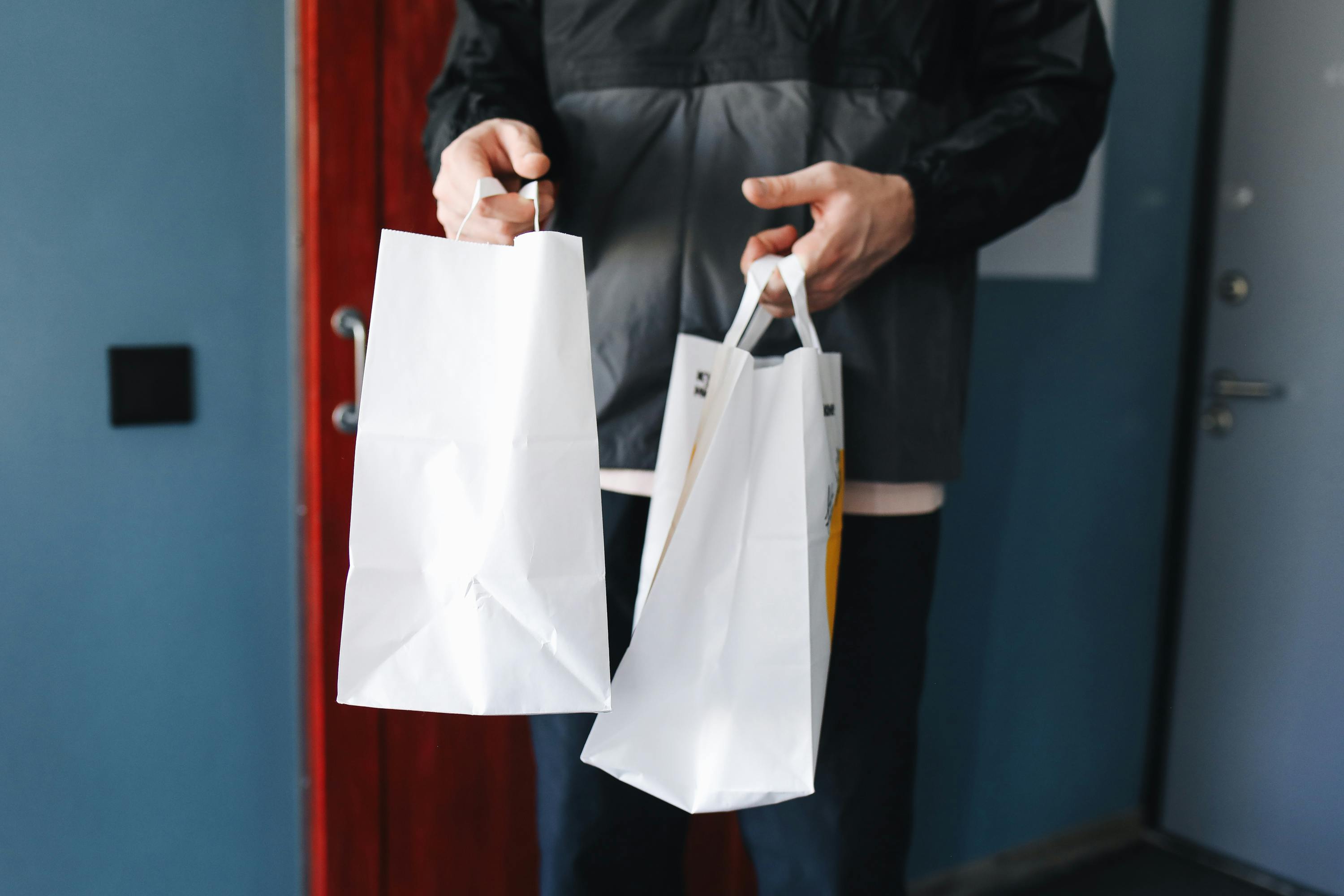
Tea brand drawstring bags sample approval usually reveals small problems, not dramatic ones. The overall idea is rarely the issue. Most teams already know they want a clean pouch, a tasteful logo, and a presentation that feels worthy of the tea inside. The trouble lives in the margin: a bag that feels too light, a seam that pulls crooked, a cord that slides poorly, or a print that lands a little too low and throws off the whole face of the design.
Those details matter because tea packaging carries more than the tea itself. It carries the first emotional read of the product. A pouch that feels thin or unfinished can weaken visual branding before the consumer even lifts the lid or opens the drawstring. A well-made sample, by contrast, reinforces customer perception and helps the brand look settled, deliberate, and worth the shelf price. That effect matters whether the product is sold in a boutique, a subscription box, or a seasonal gift set.
There is also a practical reason tea brand drawstring bags sample approval deserves attention: it is much cheaper to adjust a sample than to repair a production run. A weak stitch pattern, an awkward opening, or an off-center logo can usually be corrected at the sample stage with modest cost and little delay. Once the order is moving, the same mistake starts eating schedule, budget, and patience. Production hides very little for long, and it usually does not hide the things buyers care about most.
The sample is also where the packaging team finds out whether the design holds up next to the rest of the line. A pouch can be technically correct and still look out of place beside tins, refill cartons, or holiday bundles. Tea brand drawstring bags sample approval lets you see that mismatch before the order is frozen, which is far easier than discovering it after the warehouse has already built the first shipment. I have seen polished-looking concepts fall apart simply because the pouch was out of step with the rest of the range.
For teams that want a broader view of how packaging decisions play out after approval, standards and transport guidance from ISTA are useful for handling and distribution questions, while FSC can matter when paper inserts, tags, or fiber-based packaging components are part of the system. Not every tea pouch needs certification talk, but the surrounding materials often do, and those claims should be checked before they get printed.
A beautiful pouch that closes badly is not premium packaging. It is a decorative problem with a shipping label attached.
Tea brand drawstring bags sample approval also helps separate wishful thinking from physical reality. A mockup can hide weak edge finishing, a loose cord channel, or a material that looks rich on screen but lands flat in real light. The physical sample puts those claims on the table and asks them to perform. That is exactly what a good approval process should do.
And if the sample does not perform? Better to hear that now than after a launch announcement is already written.
Tea Brand Drawstring Bags Sample Approval Process and Timeline
The usual tea brand drawstring bags sample approval process begins with a clear brief. That brief should define the bag size, the tea format, the target quantity, the print method, the closure style, and the purpose of the pouch. Retail presentation, subscription packaging, and gift use each push the design in a different direction. A reusable tea storage bag does not behave like a one-time promo pouch, and the approval process should not pretend otherwise.
Once the brief is set, the supplier reviews the artwork and material direction. This is where delays often start. If the logo file is low resolution, the Pantone reference is vague, or the measurement spec leaves room for interpretation, the sample may need clarification before the first stitch is even made. Tea brand drawstring bags sample approval moves slowly when the input is fuzzy, because the factory can only build what it can actually see. If the brief is fuzzy, the sample is gonna be fuzzy too.
Sample production usually follows after the spec is confirmed. A basic sample can sometimes be turned around in a few business days, but custom fabric, embroidery, lining, or a more complex channel construction can stretch the process into one to three weeks before shipping. International freight can add a second waiting period. A sample might be finished quickly and then sit in transit long enough to annoy everyone involved, which is why shipping should be treated as part of the approval timeline rather than a separate footnote.
Tea brand drawstring bags sample approval is often slowed down by internal review rather than factory work. One team member notices a tonal shift, another wants a different cord thickness, and procurement wants to revisit the quote before the first comment thread has even settled. A single consolidated feedback round saves more time than three separate "quick thoughts" ever will. Internal clarity is usually the fastest tool in the room.
The sample type also matters. A sales sample is mainly for communicating the idea. A pre-production sample should reflect the final materials and construction more closely. A final reference sample becomes the standard against which production is measured. Approving the wrong sample type is an easy way to create confusion later, because the team thinks it signed off on one thing while the factory built another.
Here is a practical comparison of the common sample types buyers ask for during tea brand drawstring bags sample approval:
| Sample Type | What It Proves | Typical Cost Range | Typical Timing | Best Use |
|---|---|---|---|---|
| Sales Sample | Overall look, rough size, and concept presentation | $20-$60 plus freight | 3-7 business days | Early internal review |
| Pre-Production Sample | Final materials, closure, print placement, and construction | $35-$120 plus freight | 5-15 business days | Final approval before mass production |
| Reference Sample | The approved standard for future production runs | Often included after approval | Depends on production schedule | Quality control and reorder consistency |
Freight time deserves its own planning window. A sample can be made in a week and still miss the approval meeting because the package is crossing borders, clearing customs, or waiting on a courier delay. Tea brand drawstring bags sample approval is rarely just a manufacturing issue. It is a logistics issue, a scheduling issue, and sometimes a patience issue.
For brands that want more context on how sample choices affect the final result, our Case Studies page shows how design, handling, and production details show up once the packaging is in use. Approval is easier when the team can compare a sample against a finished outcome instead of guessing what the finished outcome will feel like.
Tea Brand Drawstring Bags Sample Approval Cost, MOQ, and Quote Factors
Cost becomes real very quickly during tea brand drawstring bags sample approval. The price depends on bag size, material, print method, drawstring style, lining, labels, and any added detail such as woven tags, embroidery, or interior reinforcement. A plain cotton pouch with a one-color logo lives in a very different budget zone from an embroidered bag with lining and a custom closure finish. That difference is not subtle, even when the first quote tries to make it sound that way.
Small custom runs usually carry a sample charge and a higher unit cost because setup time and labor are spread across fewer pieces. Larger volumes usually reduce the per-unit cost. That is simple math, not a vendor tactic. In tea brand drawstring bags sample approval, buyers sometimes ask for the best price before the size, fabric, and finish are fully locked. That is a little like asking for a shoe quote before anyone knows the shoe size, and it tends to produce a lot of revisions nobody wanted.
Common cost drivers include the following:
- Bag size - larger panels use more material and usually need more stitching time.
- Fabric type - cotton, linen blend, canvas, velvet, and nonwoven options sit in different cost bands.
- Print method - screen print is usually cheaper than embroidery, while embroidery often takes longer to sample.
- Closure detail - thicker cords, double drawstrings, toggles, or metal tips push pricing upward.
- Finish level - lining, label stitching, reinforced edges, and interior hem finish all add labor.
A quote for tea brand drawstring bags sample approval should list the sample fee, the target MOQ unit cost, the production lead time, the freight method, and the revision allowance. If a supplier only gives one number, the quote is probably hiding the rest of the work rather than explaining it. That is not always malicious, but it is still not enough to approve anything responsibly.
MOQ matters because it changes both the economics and the approvals. A 500-piece order can make sense for a local tea launch, but the unit price may be high enough to force a harder internal conversation. A 3,000- or 5,000-piece run often looks better on paper, but only if the design is settled. Paying less per pouch does not help if the order is built around a bag that still needs correction.
Here is a grounded range for custom tea drawstring bag pricing, assuming standard production and no unusual materials. These figures are planning bands, not promises, and they help remove guesswork during tea brand drawstring bags sample approval:
| Configuration | Sample Cost | Typical Unit Cost at 5,000 pcs | Notes |
|---|---|---|---|
| Plain cotton, one-color print | $20-$45 | $0.18-$0.35 | Good for simple retail or refill packs |
| Heavier cotton or linen blend | $30-$65 | $0.28-$0.55 | Better hand feel and more premium shelf presence |
| Embroidery or mixed decoration | $45-$120 | $0.55-$1.20 | Higher labor, slower sampling, stronger brand impact |
| Special finish with lining or label detail | $60-$150+ | $0.75-$1.80+ | Used when the bag must carry a more upscale position |
Those ranges move with market pricing, order size, and artwork complexity. They also move when the team changes direction after the sample has already been cut. Revision fees, remake charges, and rush freight can add up quickly if the approval process keeps shifting the target. Tea brand drawstring bags sample approval works best when the team respects the point at which decisions become costly.
The cheapest quote is not always the best quote. If a supplier leaves out freight, revision limits, or material detail, the number is not really a quote. It is a teaser. In tea brand drawstring bags sample approval, I would rather see a slightly higher price with clear inclusions than a low figure that needs a translator.
For teams comparing several packaging partners, reviewing finished examples on our Case Studies page can make the cost discussion more concrete. Numbers are easier to judge when you can see how the final bag actually came together.
Step-by-Step Tea Brand Drawstring Bags Sample Approval Checklist
Start with the brief. Before tea brand drawstring bags sample approval reaches the supplier, confirm the bag's purpose, the tea format, the target retail price, and whether the pouch is meant for shelf display, gifting, or storage. A bag for loose-leaf refill packs will not behave the same way as one designed to hold a tin or a packet of sachets. That sounds basic because it is basic, and it is still one of the most common places where projects drift.
Check the artwork next. Logo placement, line thickness, text size, spacing, and color accuracy all matter. Texture changes how artwork reads, and a design that looks crisp on a screen may need to be simplified for cloth. Tea brand drawstring bags sample approval should confirm that the logo remains legible at normal viewing distance, not just under a bright desk lamp with a dozen notes around it.
Inspect the build after that. Look closely at seam strength, stitch density, edge finish, and how the drawstring moves through the channel. Open the pouch, close it, and repeat the motion a few times. If the cord grinds, catches, or pulls unevenly, that is not a small cosmetic note. It is a functional problem waiting to appear at scale.
Run a fit test with the actual product inside the bag. Put the tea packaging into the sample and see how it behaves. Does the pouch close neatly over a tin? Does it hold a refill pack without looking overstuffed? Does it stand or hang in a way that feels intentional? Tea brand drawstring bags sample approval should prove the pouch works with the real packout, not a rough approximation of it.
Then consolidate the feedback in one place. One reviewer, one list, one file. If comments are spread across email threads, chat messages, and photos marked up in different ways, the supplier may end up fixing the wrong thing first. Keep the notes plain and direct:
- Confirm the approved dimensions.
- Confirm the approved material and color reference.
- Confirm the approved print position or embroidery placement.
- Confirm the closure behavior and seam standard.
- Mark any acceptable minor variation in writing.
That last point is worth writing twice if needed. Tea brand drawstring bags sample approval should end with a clear approval note that names the exact version being approved. Include the artwork file name, fabric choice, size, color reference, and any tolerance that was accepted. Without that record, the word "approved" becomes loose, and loose words create expensive misunderstandings later.
Packaging performance under handling and shipping is worth a look as well. If your tea packaging needs to survive distribution before it reaches the customer, resources like ISTA can help frame the right transport-testing mindset. A tea pouch does not need to be overbuilt, but it does need to hold up in normal transit and retail handling.
When the sample is right, sign it off with confidence. When it is off, note the revision once, clearly, and in priority order. Tea brand drawstring bags sample approval works better when the team stops trying to be clever and starts being exact.
Common Mistakes in Tea Brand Drawstring Bags Sample Approval
The first mistake is approving color from a screen. Screens are useful, but they are not reliable color references. Tea brand drawstring bags sample approval should lean on a physical sample or, at the very least, a controlled swatch or print standard. Fabric absorbs color differently from coated paper, and a warm beige, deep green, or charcoal black can shift the moment it is stitched into a pouch and seen in daylight.
The second mistake is ignoring the parts the customer actually touches. The drawstring, seam edges, and closure feel matter as much as the printed logo. A bag that looks polished in a photo but feels rough in the hand damages the premium impression quickly. Tea brand drawstring bags sample approval is not only about appearance; it is about the tactile experience the brand leaves behind.
The third mistake is forgetting the final use case. If the bag is too small for the tea tin, the entire design is off. If it is too loose for refill packs, the packaging can feel underfilled and less refined. That mismatch affects brand consistency because the package no longer supports the positioning the team tried to build.
The fourth mistake is sending too many revision requests in one round without ranking them. Functional issues belong ahead of nice-to-have tweaks. If the logo is off-center, the seam is weak, and the cord thickness is wrong, the first pass should fix the issues that affect use and brand clarity. Tea brand drawstring bags sample approval moves faster when the revision list is ordered instead of scattered.
The fifth mistake is internal disagreement that never gets resolved before the supplier hears about it. Marketing may want a softer look, operations may want a tighter fit, and procurement may be watching the unit cost. Those are reasonable views. The problem appears when they all reach the factory at different times with different conclusions. A supplier cannot read minds, and nobody should expect them to. Align internally first, then send one clean response.
For brands that want to compare their approval process against finished work, the examples on our Case Studies page are a useful reference point. You can usually see the difference between a disciplined sample process and a messy one in the final details.
If your tea line includes paper components such as inserts, cards, or tags, sourcing claims should be checked carefully. FSC is worth reviewing for fiber-based material claims and chain-of-custody expectations. Tea brand drawstring bags sample approval may focus on cloth, but the surrounding package often includes paper elements that need their own attention.
Another mistake is calling something "almost approved" and treating it like a real sign-off. It is not. It is a delay with a polite face. If the issue is functional, ask for a revised sample. If the issue is minor and acceptable, write down the exception clearly. Tea brand drawstring bags sample approval should end in clarity, not in a production surprise six weeks later.
Expert Tips for Faster Tea Brand Drawstring Bags Sample Approval
Lock the non-negotiables first. Bag size, fabric choice, closure style, and artwork placement should be fixed before anyone starts debating cosmetic details. Tea brand drawstring bags sample approval moves faster when the fundamentals are settled early. If those points keep changing, every new sample becomes a reset instead of a refinement.
Ask for the correct sample type. Do not request a vague "sample" and hope the supplier guesses the stage you need. If a pre-production version with final materials is the real goal, say that directly. If you only need a visual sales sample for internal discussion, say that too. Tea brand drawstring bags sample approval gets cleaner when the expectation is named at the start.
Use one decision maker or one consolidated feedback file. Not five email threads. Not three people texting separate comments at different hours. One source of truth keeps the process stable and makes later review easier if the project needs an approval record. Tea brand drawstring bags sample approval becomes much easier to manage when nobody has to untangle contradictory notes before responding.
Ask for useful photos. A good image set should show the front, back, interior, seam detail, closure detail, and a scale reference. Photos do not replace the physical sample, but they do help when the buyer needs to prepare internal notes or compare one version against another. Tea brand drawstring bags sample approval benefits from that kind of documentation because the team can spot problems before the package arrives on a desk.
Build time into the schedule. Even a smooth tea brand drawstring bags sample approval process can lose days to freight, a revision pass, or somebody on the approval side going quiet because their calendar is full of meetings that do not answer packaging questions. If the pouch is tied to a seasonal launch, extra time is not wasteful. It is protective.
Approval should support brand recognition over time, not just win one email thread. If the bag is meant to be repeated across orders, consistency matters more than novelty. The approved sample becomes the standard for future runs, so make sure the standard is genuinely worth repeating.
One more practical habit helps a great deal: compare the sample to a finished package example before signing off. Our Case Studies page can help with that because it shows what the approved details look like after full production. Tea brand drawstring bags sample approval is easier when the team can connect the proof to the shelf result.
Specificity also saves time. Record the fabric weight if the supplier shares it. Write down the cord style. Note the print method. Tea brand drawstring bags sample approval does not need to become a paperwork swamp. It only needs to be specific enough that the next person can repeat the result without guessing.
Next Steps After Tea Brand Drawstring Bags Sample Approval
Once tea brand drawstring bags sample approval is complete, confirm the approved version in writing. The note should include the size, material, artwork file name, color reference, and any agreed tolerances. That one record prevents the classic problem where three departments describe the approved sample in three different ways and then try to "improve" it into something nobody asked for.
Ask the supplier to restate the production schedule and shipment method. Approval should trigger a production plan, not an assumption. If the approved sample is the benchmark, the factory should repeat the same dimensions, the same build, and the same finish unless the spec has been formally changed. That is how the launch stays steady and the reorders stay sane.
Archive the approved sample photos, written notes, and final artwork in one folder. Reorders depend on documentation more than memory. Tea brand drawstring bags sample approval gets much easier the second time when the team can pull a single reference instead of digging through old email threads like archivists with deadlines.
If anything is still unresolved, do not pretend it is finished. Approve the confirmed details, flag the open item, and keep that unresolved point out of production until it is settled. Partial approval is fine when it is written clearly. Vague approval is how budgets get chewed up by avoidable corrections.
At the end of the process, tea brand drawstring bags sample approval is the checkpoint that separates a controlled launch from a decorative guess. Treat it as the standard-setting step, and the production run becomes much calmer. Treat it like paperwork, and the packaging usually returns the favor with unnecessary drama.
For brands that want to see how this plays out in finished packaging, our Case Studies page is a practical reference. Tea brand drawstring bags sample approval should lead to a final product that feels intentional, protects the tea, and reinforces the brand instead of quietly fighting it.
The most useful takeaway is simple: approve the sample only after the bag has been checked in the hand, fitted with the real tea pack, and documented in writing with the exact version number or file name. That habit catches the expensive mistakes while they are still cheap, and it keeps production moving with far fewer surprises.
Frequently Asked Questions
How long does tea brand drawstring bags sample approval usually take?
A simple tea brand drawstring bags sample approval cycle can move in a few business days once artwork and specs are locked. If the bag needs custom fabric, embroidery, lining, or a revision round, one to three weeks is a more honest planning range. Freight time matters too, especially when the sample has to cross borders before anyone can sign off.
What should I check before approving a tea brand drawstring bags sample?
Check the size, closure feel, print placement, seam quality, and whether the bag fits the tea packaging you actually plan to sell. Compare the sample against the final artwork file and color reference, not a screen mockup. Tea brand drawstring bags sample approval should also include a real use test: open it, close it, pack it, and see how it presents on a shelf.
Does tea brand drawstring bags sample approval affect pricing?
Yes. Changes after the first sample can trigger remake fees, extra sample charges, or redesign costs. Larger quantities usually reduce the unit price, while low MOQ orders keep it higher. Special finishes, lining, or embroidery can raise both the sample cost and the final production quote, so tea brand drawstring bags sample approval should happen before the spec starts drifting.
Can I approve from photos instead of a physical tea bag sample?
Photos help, but they do not replace touch, fit, and closure testing. Tea brand drawstring bags sample approval based only on images can miss texture issues, color shifts, and how the bag behaves in hand. For premium tea packaging, a physical sample is the safer choice before production.
What if the tea brand drawstring bags sample has one small flaw?
Separate cosmetic flaws from functional flaws. If the issue affects fit, closure, or print readability, ask for a revised sample before approval. If the issue is minor and acceptable, document the exception clearly so tea brand drawstring bags sample approval does not drift into a vague promise that production will somehow figure it out.


