Tea Brand Edge Protectors Cost: Pricing, MOQ & Lead Times
Tea Brand Edge Protectors cost usually looks small on paper until a carton comes back with crushed corners, rubbed print, or a flap that has taken the brunt of transit for everyone else. I have opened enough shipping boxes on warehouse floors to know how fast a premium tea pack can lose its polish once the edges start showing damage. A box can still hold product, sure, but if the corners look tired the brand story takes a hit before a customer ever lifts the lid.
That is why tea brand edge protectors cost belongs in the margin conversation, not in the "nice to have" pile. The math is pretty simple once you step back and look at it. A few cents spent on the right protector can prevent reprints, returns, retailer complaints, and the awkward scramble that happens when a shipment lands looking beat up. Cheap protection that fails is not cheap; it is just delayed expense with better manners.
At Custom Logo Things, I like to start with the structure before we talk price, because the quote only makes sense once the build is clear. If you want tea brand edge protectors cost broken down in a way that actually helps you buy, the things that matter first are board grade, thickness, finish, dimensions, MOQ, and freight. Leave those out and you are basically asking for a guess dressed up as a quote. That is not much use to a buyer trying to protect both the pack and the budget.
Tea Brand Edge Protectors Cost: why the edges matter first
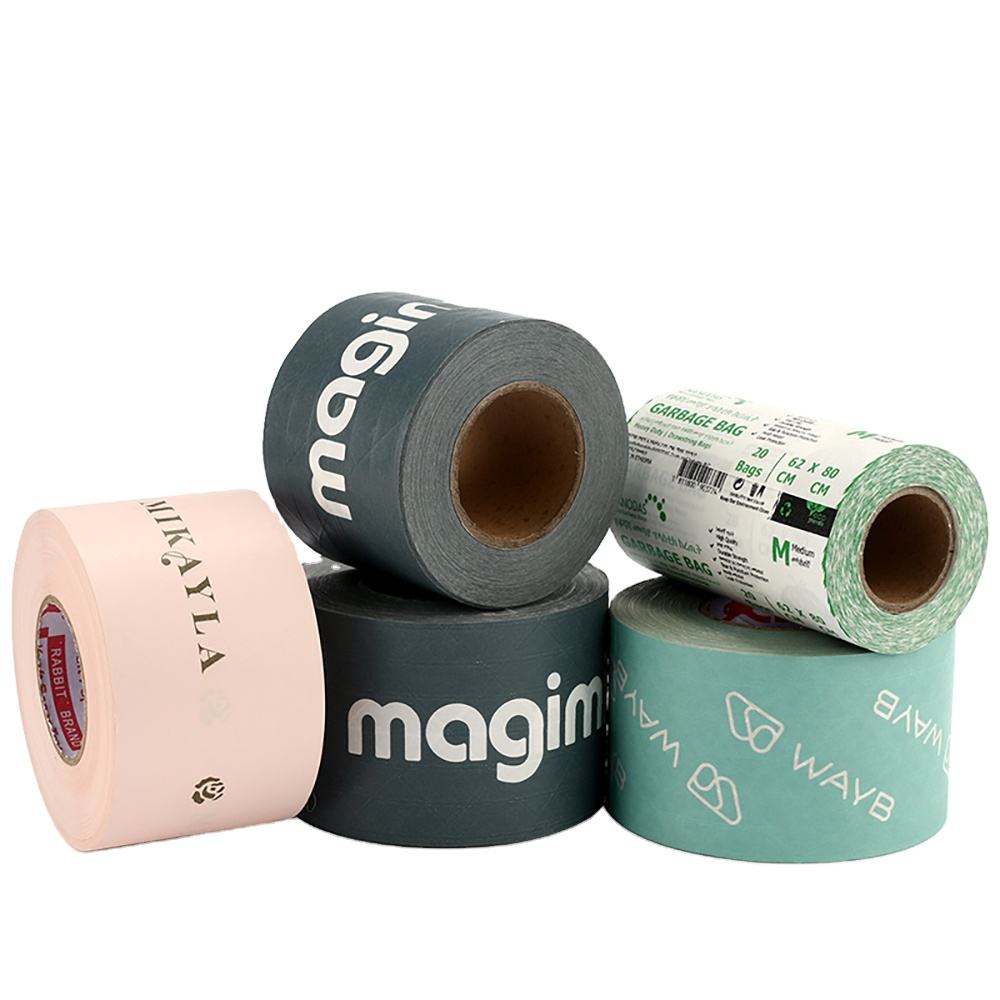
Tea brand edge protectors cost becomes easier to justify once you look at how tea packaging really moves. Cartons get stacked, nested, palletized, shelved, and handed off more times than most people realize. The first damage is rarely dramatic. A corner flattens a little. A crease softens. A shoulder picks up a scuff. Nothing explodes, but the pack stops looking premium, and that quiet decline is what costs money.
Tea is sold on trust as much as flavor. When a customer sees dented edges or rubbed print, the brand feels less careful, even if the tea inside is excellent. Specialty finishes like foil, embossing, soft-touch coating, and textured stock can make a pack look beautiful, but they do not protect it by themselves. If the outer edges are left exposed, the package can look crisp in a rendering and rough in real life.
Tea brand edge protectors cost is also much easier to defend than a replacement run. Reprinting a carton means paper, ink, press time, freight, storage, and the time spent explaining why the original shipment missed the mark. A well-made protector often pays for itself simply by lowering reject rates and reducing the chance that a retailer refuses a delivery on appearance alone. One damaged corner is annoying. A pallet of rough-looking cartons is a real budget problem.
I have seen this play out more than once: a tea brand ships Rigid Gift Boxes in master cases, the cartons pick up minor transit wear, and a retailer rejects part of the delivery because the corners look sloppy on arrival. Nobody wins there. The tea brand edge protectors cost would have been a small fraction of the replacement loss, and the lesson is usually learned the hard way. Better to price the protection before the damage shows up.
Practical rule: if a protector costs pennies and a damaged carton costs dollars, the real question is not whether protection is expensive. The real question is why you would skip it.
Tea brand edge protectors cost should also be weighed against the actual shipping route. A local retail drop does not face the same abuse as a parcel shipment. A subscription box moving by courier is not the same thing as a palletized wholesale case riding a freight lane. The right spec is the one that protects the box through the route it actually travels, not the route that looks neat on a presentation slide.
That difference matters more than people think. A protector that performs well in a controlled storage test can still underperform if the route includes vibration, stacking pressure, and rough handling at a cross-dock. So yes, tea brand edge protectors cost is part of the conversation, but the route is the thing that tells you what kind of protection you really need.
What tea brand edge protectors actually are
Tea brand edge protectors are formed components made from paperboard, kraft board, rigid board, or laminated board that reinforce corners and edges during storage and shipping. They are structural parts, not decoration. Depending on the build, they can sit outside a carton, wrap around a corner, or tuck inside a pack where compression pressure is highest. Their job is straightforward: reduce crush, scuffing, and edge deformation before damage reaches the customer.
In tea packaging, these protectors show up around outer cartons, subscription kits, Retail Display Boxes, wholesale shippers, and gift sets. They are especially useful anywhere the carton board alone is not strong enough to survive stacked freight or repeated handling. Tea brand edge protectors cost less than a rerun, and that is why they belong in both premium builds and more functional shipping systems.
The common formats are easy to compare. L-shaped corner protectors are familiar and usually the most economical. Flat edge strips reinforce straight lines that need help. Wraparound guards cover more of the carton and can look cleaner on higher-end packaging. Custom-fit inserts are the most exact option, built around the carton dimensions so movement stays low. Each format changes tea brand edge protectors cost because each format changes material use, cutting time, and assembly labor.
What they do not do is rescue a carton that was underbuilt from the start. That is a mistake I still see often. An edge protector can help a box survive handling, but it will not magically fix a carton that was specified too lightly. If the outer box is too thin, the board too soft, or the closure weak, the protector only delays failure. Physics is not gonna cut you a break just because the pack looks nice on a mockup.
Tea brand edge protectors can also support the brand if they are designed with care. Plain kraft fits a natural or eco-minded identity. Printed or coated parts can echo the outer carton and strengthen visual consistency. If the protector stays visible during opening, it can add to the unboxing experience instead of interrupting it. That is where the economics get interesting: a practical structural part can still improve perception if it is built with intent.
For brands that care about sustainability claims, the board source and construction matter. FSC-certified paperboard is common when the buyer wants a documented fiber chain. For shipping performance, the box and protector should be tested as a system rather than assumed to work because each piece looks decent on its own. If the carton has to survive parcel abuse, review ISTA test methods at ISTA. If your sourcing policy needs certified fiber, verify options with FSC. Standards do not make a product glamorous, but they do make bad assumptions expensive.
Tea Brand Edge Protectors Cost: materials, thickness, and finish choices
Tea brand edge protectors cost shifts first with material. Recycled kraft is usually the least expensive route, especially for plain protective parts where function matters more than appearance. Coated board lands in the middle because it looks cleaner and accepts print better. Heavy rigid board or laminated constructions raise tea brand edge protectors cost, but they also improve crush resistance and give the pack a more polished feel.
Thickness matters just as much as material. Thinner board is lighter, cheaper, and easier to ship. Thicker board adds strength, but it also increases material use, tooling pressure, and the final unit price. A 350gsm kraft protector and a 1.5mm rigid board protector are not the same purchase, even if both get called edge protectors. They behave differently on the line and in transit, and that difference shows up fast in the quote.
Print and finish drive the number too. A one-color brand mark is usually less expensive than full-coverage print. Spot UV, foil, soft-touch lamination, and heavy ink coverage all push tea brand edge protectors cost upward, sometimes more than buyers expect. If the protector will be visible during opening, a well-printed face can make the pack feel deliberate. If it sits inside the shipper and nobody sees it, paying for a premium finish is usually just burning budget.
Structural complexity is another place where buyers can spend more than they planned. A straight-cut protector is simpler than a multi-fold assembly. A die-cut part with glued tabs costs more than a basic folded strip. A custom fit with tight tolerances takes more setup and leaves less room for error. If the part has to match a rigid tea carton exactly, there is more tooling adjustment and more chance of sample revisions. Every one of those steps changes tea brand edge protectors cost.
Freight is the part people like to forget until the final invoice shows up. Oversized parts, nested protectors, and bulky bundles can make the unit price look low while the landed cost tells a different story. A quote without freight is not a useful quote. It is a number that has not met the truck yet. The buyer still has to receive the goods, store them, and move them into production.
For tea brands, the practical question is not "what is the fanciest protector?" The better question is "what spec protects the box without overbuilding the thing?" A natural kraft protector for a small mailer may be enough. A premium gift set for a retail launch may need heavier board and a cleaner printed face. The right answer depends on the distribution route, the carton strength, and the brand standard. Tea brand edge protectors cost should be tied to those realities, not to mood-board wishful thinking.
Here is the part buyers often miss: a protector that costs a little more but prevents even one replacement shipment can save real money fast. That is why tea brand edge protectors cost is better viewed as measurable insurance than as a decorative line item.
One more practical detail: if the edge protector is visible to the end customer, finish quality matters more than most teams expect. A rough cut edge, a weak fold, or a color mismatch can make the pack feel improvised. The cost difference between "good enough" and "we really thought this through" is often smaller than the damage a sloppy piece can cause to the brand image.
Tea Brand Edge Protectors Cost, MOQ, and unit pricing
Tea brand edge protectors cost usually drops as quantity rises, but never in a neat straight line. Setup, cutting, sample checks, and finishing all get spread across the run. The first 500 pieces may look expensive per unit, while 3,000 or 5,000 pieces can bring the number down sharply. The trick is not chasing the absolute lowest figure. The trick is finding the order size where tea brand edge protectors cost, flexibility, and storage all sit in the same practical range.
MOQ changes the picture right away. Lower MOQ usually means higher unit cost because the fixed setup burden is divided across fewer parts. If you need a one-time trial run, that can be the right move, but it rarely produces the best price. If the protector will serve multiple tea SKUs or repeat seasonal runs, higher quantities usually improve tea brand edge protectors cost in a way that is easy to defend inside the company.
A useful quote should list the same ingredients every time: board grade, thickness, dimensions, print coverage, finish, packing method, overrun allowance, and freight terms. Missing pieces make tea brand edge protectors cost look better than it really is. The extras tend to show up later. A sample fee appears. A die charge appears. Color matching appears. A special packing line item appears. That is not a bargain. It is a delayed invoice with a nicer opening sentence.
Here is a simple comparison buyers can use to judge tea brand edge protectors cost without getting lost in sales talk.
| Option | Typical MOQ | Unit Cost Range | Best Fit | Tradeoff |
|---|---|---|---|---|
| Recycled kraft L-corner protector, plain | 500-1,000 pcs | $0.04-$0.09 each | Budget protection, shipping cartons, simple retail packs | Lowest visual impact, lighter crush resistance |
| Coated board edge strip, one-color print | 1,000-2,000 pcs | $0.07-$0.15 each | Branded tea boxes, subscription kits, cleaner shelf presentation | Higher tea brand edge protectors cost than plain kraft |
| Rigid board wraparound protector, laminated | 1,000-3,000 pcs | $0.12-$0.24 each | Premium gift sets, premium wholesale cartons, better edge defense | Heavier freight and higher setup cost |
| Custom die-cut protector set with glued components | 3,000+ pcs | $0.18-$0.38 each | High-value tea launches, tight-fit systems, display packaging | Best fit, highest tea brand edge protectors cost |
Those numbers are practical quoting ranges, not promises. Final tea brand edge protectors cost depends on artwork, board source, box dimensions, shipping destination, and whether the run needs full production packing or just bulk packed parts. Even so, the table shows the basic reality: simpler specs are cheaper, tighter structures cost more, and the jump between plain protection and premium branded protection is usually wider than buyers expect.
Sample charges are another place where tea brand edge protectors cost can surprise people. Digital proofs are often quick and low-cost. Physical samples can add expense, especially if a cutter or special finish is involved. For a straightforward protector, a sample might land in the $30-$120 range depending on complexity and shipping. If the part is highly custom, the sample can be more than that. Worth it? Usually yes if the carton fit matters and the pack will be seen by customers or retail buyers.
Unit cost also changes with overrun policy and packing method. Some suppliers quote extra quantity to cover production variance. Some bundle parts flat. Some nest them. Some protect each set in a way that improves condition on arrival but adds labor and freight. Tea brand edge protectors cost should be compared on the same basis every time, or the lowest quote will be the one with the most creative omissions.
If you are comparing offers, ask for three tiers at once: 500, 1,000, and 3,000 pieces. That gives you a clear view of the MOQ curve and shows where tea brand edge protectors cost starts to settle. A lot of brands discover that the middle tier is the sweet spot. Not too much inventory. Not too much unit cost. Enough quantity to keep production moving without taking a blind gamble.
One more thing: if a quote looks unusually low, ask what was removed. Maybe the finish changed. Maybe freight is missing. Maybe the overrun is too tight. Maybe the protector is thinner than the sample. Tea brand edge protectors cost is rarely lower because someone felt generous. Usually a spec got trimmed somewhere, and the buyer has not found the missing corner yet.
Process and timeline: from spec sheet to delivery
The cleanest tea brand edge protectors cost comes from a clean brief. The process begins with inquiry, then spec confirmation, then quote, then artwork or dieline check, then sample or proof approval, then production, QC, packing, and shipment. That sequence sounds obvious. In practice, it gets scrambled when a buyer sends half the measurements and expects the factory to fill in the rest. Packaging teams cannot read missing dimensions any better than quotation systems can.
Lead time depends on the build. Straightforward runs move faster. Custom sizes, special finishes, glued assemblies, and revised artwork add time before production even starts. A plain protector can often move through proofing and production faster than a branded laminated version. The schedule is not just a factory schedule. It is a chain of steps that each affect tea brand edge protectors cost and the delivery date.
Typical timing looks like this: digital proofing can happen in 1-2 business days if the files are clean. Physical samples may take 5-10 business days depending on tooling and shipping. Production often runs 10-18 business days after approval for standard custom work. Freight is separate. Domestic transit may take 3-7 business days. Ocean freight can take several weeks. Anyone giving one neat number for all of that is selling optimism, not logistics.
What speeds things up is not pressure. It is information. Send the exact carton dimensions, edge depth, quantity target, print requirements, and destination up front. If the pack has to fit a specific outer shipper, say so. If tea brand edge protectors cost needs to stay under a target range, say that too. Complete information means less back-and-forth, fewer revisions, and fewer surprises in the quote.
Delays usually come from the same dull places: missing dielines, late art approvals, last-minute color changes, unclear shipping instructions, and sample feedback that arrives in fragments. The factory does not need a speech. It needs precise corrections. If the protector is off by a few millimeters, adjust the drawing. If the board feels too soft, change the spec. If the print is too dark, send the corrected file. That is how tea brand edge protectors cost stays under control instead of drifting upward in small, avoidable steps.
A useful buying habit is to separate controllable time from freight time. Proofing and production are controllable. Transit is not. If the tea launch date is fixed, build buffer into the schedule and do not spend it all on artwork debate. That is how brands miss deadlines while pretending the deadline was the problem.
For buyers comparing vendors, ask for a timeline that spells out each phase clearly. If the supplier can show proofing, production, QC, packing, and shipment as separate stages, that is a good sign. It means tea brand edge protectors cost is being discussed in the context of a real process, not a floating estimate with a smile attached. If you want examples of how structured packaging work is handled, see our Case Studies for the kind of practical detail that keeps a project from drifting off course.
I also recommend asking for one plain-language explanation of where the schedule could slip. Not every supplier will do this well, but the good ones usually can. If they can tell you where the risk sits, they understand the job instead of just quoting it.
Why choose us for tea brand edge protectors
Buyers do not need poetry here. They need packaging that fits, protects, and lands on budget. That is the real value behind tea brand edge protectors cost. The right supplier should make the spec easier to compare, not harder. You want dimensional consistency, material clarity, and pricing that separates board, tooling, finish, and freight so the quote can be judged on facts instead of mood.
At Custom Logo Things, the focus stays on practical fit and repeatability. Custom dimensions matter because tea boxes are rarely generic once branding gets serious. Flexible material options matter because some brands want a plain utility part, while others want a protector that supports visual branding and brand consistency inside the pack. Clear communication matters because a buyer should be able to see exactly how tea brand edge protectors cost changes when the spec changes. No mystery. No guesswork. No "good news" email that arrives with three hidden charges tucked into the last line.
That also matters for repeat orders. Once a tea brand locks a box spec, the protector should stay consistent across reorders, seasonal lines, and multi-SKU launches. Consistency reduces re-approval time and helps hold unit cost in place over the long term. It also protects the customer experience, because the tea box that lands this season should not behave differently from the one that landed last season. Brands notice that kind of inconsistency even when nobody says it out loud.
The useful comparison is not price alone. It is price versus performance versus presentation. A slightly higher tea brand edge protectors cost can be the better buy if the board is stronger, the fit is tighter, and the damage rate drops. A cheaper part is not a win if it creates returns, rework, or a weak shelf impression. Packaging buyers know this. Finance teams usually learn it after the first bad shipment.
If you want to see how packaging specifications translate into actual outcomes, browse our Case Studies. The point is not to admire the photos. The point is to see how small decisions change the final box, the handling risk, and the landed cost. That is the part people forget when they are chasing the lowest quote in the room.
I am also a fan of suppliers who tell you what a protector cannot do. That kind of honesty is useful. If the carton is too thin, the answer is not "add more protection and hope." The answer is to fix the structure, then protect the edges the right way. That is how you keep the quote honest and the final pack dependable.
Bottom line: tea brand edge protectors cost should stay low enough to protect margin and high enough to protect the pack. That balance is the actual job.
Next steps: lock in your tea brand edge protectors cost
If you want a fast, accurate quote, gather the exact carton dimensions, edge depth, order quantity, print needs, and shipping destination before you ask. That is the shortest path to a useful answer. Tea brand edge protectors cost gets clearer when the spec is clear. Vague requests invite vague pricing, and vague pricing is how budgets get nicked in places nobody planned for.
Choose the priority first. Do you want the lowest unit cost, the strongest protection, or the cleanest branded look? You can have all three only within reason. Push hard on one, and the others usually move. That is normal. A plain kraft protector will usually beat a fully printed, laminated option on price. A premium wraparound protector will usually beat a plain one on appearance. A tighter fit will usually beat a loose one on protection. Pick the real priority before asking for the quote.
Request at least two tiers. A basic spec and a premium spec are enough to show where tea brand edge protectors cost changes in a meaningful way. If the gap between them is small, you may as well improve the pack. If the gap is large, you can defend the lower spec with confidence. Either way, you get a decision instead of a hunch.
Before approval, confirm sample policy, production lead time, packing method, and freight method. Those four details matter more than most buyers expect. A cheap protector that lands late or arrives crushed is not a win. A slightly higher tea brand edge protectors cost that arrives intact and on schedule usually beats the low quote that looked clever in email. Compare the landed result, not just the unit number.
If you are still sorting through options, use the same logic our best buyers use: compare the spec, compare the MOQ, compare the lead time, and compare the landed cost. Then check whether the protector supports the pack's brand identity and customer perception, or just exists because someone decided to add something extra. That second kind of decision is how budgets get weird in a hurry.
For a clean starting point, send the full brief and ask for a structured quote. If you want examples of how we handle packaging projects across different formats, our Case Studies give you a useful benchmark. The fastest route to an accurate tea brand edge protectors cost estimate is not a generic price request. It is complete information up front.
Once the dimensions, MOQ, and finish are locked, tea brand edge protectors cost becomes much easier to plan around. That is the part buyers actually need: a price that reflects the real job, a lead time that reflects the real schedule, and a protector that keeps the tea box looking like it was meant to arrive that way.
So the practical takeaway is simple: define the route, define the carton, and define the finish before you compare quotes. If you do that, tea brand edge protectors cost stops being a fuzzy number and starts behaving like a proper sourcing decision. That is how you avoid overbuying the part, underbuilding the pack, or paying for features that nobody ever sees.
What drives tea brand edge protectors cost the most?
Material grade and thickness usually drive tea brand edge protectors cost first, followed by size, print coverage, and order quantity. Rush production, custom tooling, and freight can add more than buyers expect if they are not listed in the quote. The lowest spec is not always the best value if it fails in transit and forces replacements.
What is a normal MOQ for tea brand edge protectors?
MOQ depends on construction, but many custom runs start around 500 to 1,000 pieces. Lower quantities are possible, though tea brand edge protectors cost usually climbs because setup is spread over fewer parts. If the brand wants better pricing, ordering in tiers is usually smarter than asking for a one-off small run.
How long does production take after approval?
Simple jobs can move into production quickly after proof approval, while custom specs need more setup time. Plan for proofing, production, QC, packing, and freight as separate steps instead of one flat timeline. The cleanest way to shorten lead time is to send complete specs and approve artwork quickly.
Can I get a sample before placing a full order?
Yes, most buyers can request a sample or proof before committing to a full run. Physical samples may cost extra, while digital proofs are usually faster and cheaper. A sample is worth it when edge fit, board thickness, or print finish matters to the final pack presentation, because tea brand edge protectors cost is easier to justify after you have seen the real part.
How do I compare tea brand edge protectors quotes without getting burned?
Compare the same material, dimensions, finish, quantity, and shipping terms on every quote. Watch for hidden setup fees, overrun assumptions, freight exclusions, and finish upgrades. If one quote is much cheaper, ask what was removed. Usually something was. That is how tea brand edge protectors cost gets misleading.


