Tea Brand Edge Protectors sample approval can sound like a small production checkpoint until the first real sample hits the table and the details start speaking up. A corner that sits 2 mm too high, a fold that opens a bit wider than expected, or a protector that slides under light pressure can change how a carton stacks, how it survives vibration, and how sharp it looks after a warehouse run. Those are not tiny things. They shape how the package reads on shelf and how buyers judge brand consistency.
Tea packaging usually gets most of the attention on the front panel, the typography, and the quiet elegance of the graphics, yet the corners do a lot of the heavy lifting behind the scenes. An edge protector affects the unboxing experience, the way the shipper closes, and the amount of scuffing or compression the tea pack can tolerate before it starts looking tired. That is why tea brand edge protectors sample approval deserves a physical review with real hands, not just a quick look at a PDF and a polite nod.
From a packaging buyer's point of view, this is where design intent meets material behavior. The sample has to prove that the size is right, the board behaves the way the spec says it should, and the print supports the brand identity without drifting in color, alignment, or finish. A premium tea launch raises the stakes even more, because the edge protector influences customer perception the moment someone lifts the pack and feels whether the structure has been thought through with care.
Tea Brand Edge Protectors Sample Approval: What It Is
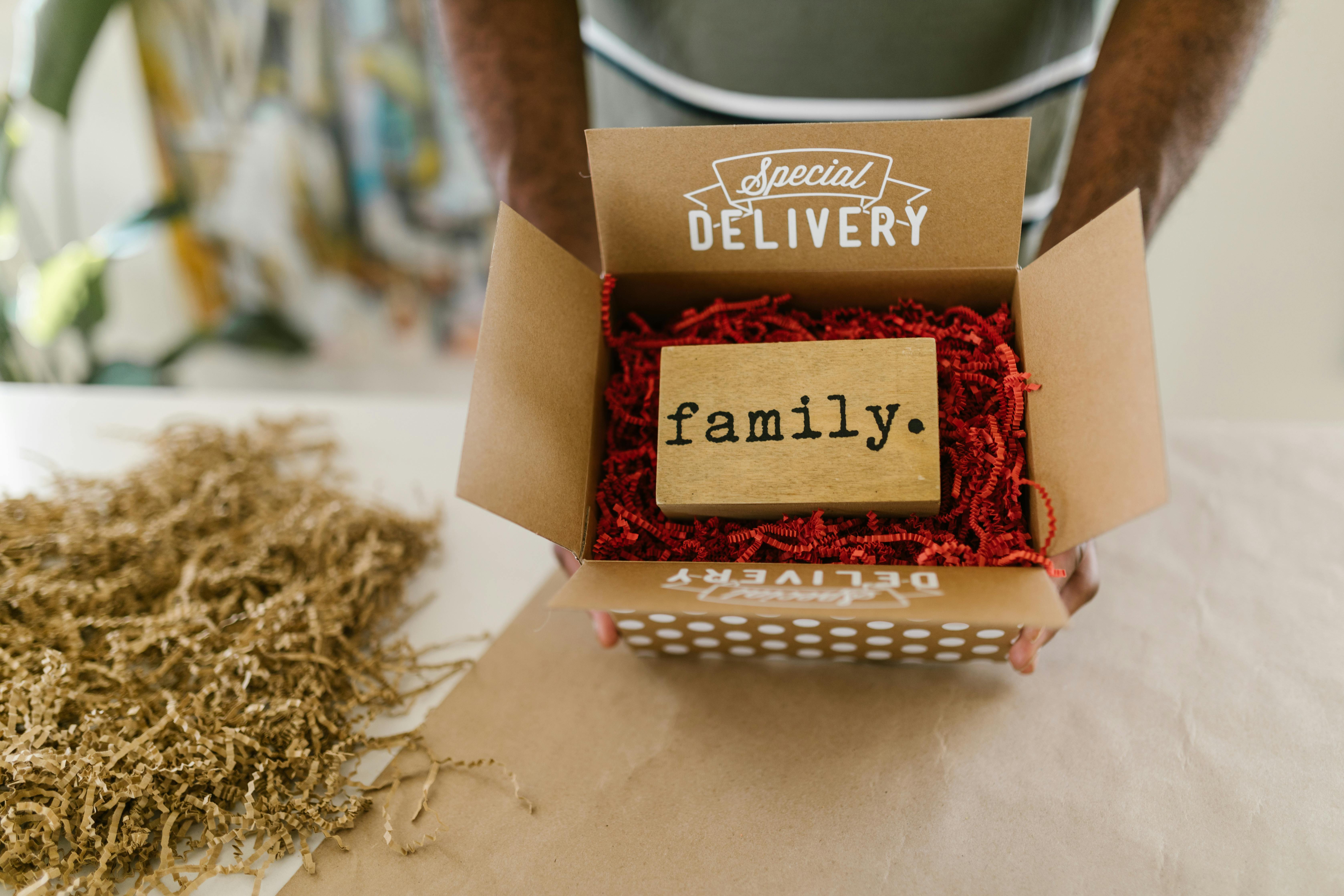
Tea brand edge protectors sample approval is the stage where a brand checks the real, physical sample before giving the green light for production. The phrase is straightforward, yet the decision behind it carries real weight. One sample may confirm the board thickness, another may reveal that a fold line is too tight, and a third may show that the printed edge protector creates an awkward break in the carton artwork. That is the value of the approval step: it catches expensive problems before they move into a full run.
Edge protectors in the tea category usually serve a few practical roles. Some guard carton corners, some stabilize tray edges, and some support insert points where handling pressure tends to land. Tea packaging travels through packing, palletizing, shipping, retail stocking, and consumer opening, so the protector has to hold its shape across each stage without becoming stiff in the wrong places or fragile at the corners. Tea brand edge protectors sample approval is the point where the buyer checks that the protector is not just attractive, but actually doing its job.
Many teams treat sample approval like a formality because the drawing already looks clean on screen. That approach creates avoidable trouble. Paperboard has memory, corrugated material has crush limits, and coating can change fold behavior in ways that only show up once the sample is creased and handled a few times. Tea brand edge protectors sample approval is the moment when those physical limits become visible. If the sample feels loose in the hand, the final package often feels loose in the market too.
A good sample does not just answer, “Does it look right?” It answers, “Will it still look right after stacking, shipping, and a few hurried touches on the retail floor?”
There is also a brand recognition angle here. Tea packaging often leans on calm, refined visual branding, and the corners help carry that impression. A protector that is too large can interrupt the artwork and create visual noise. A protector that is too thin can make the carton feel flimsy even if the print is beautiful. Tea brand edge protectors sample approval is how a brand balances protection, presentation, and the tone it wants customers to feel the first time they hold the pack.
How Tea Brand Edge Protectors Sample Approval Works
The usual path for tea brand edge protectors sample approval starts with a dieline review. The supplier checks dimensions, fold direction, board choice, and any print or finish requests, then builds a prototype or sample set. Depending on the project, the sample pack may include a flat sheet proof, an assembled mockup, a printed prototype, or a small set of material swatches. Each version tells the brand something different about fit, appearance, and handling, and each one deserves its own careful look.
On the brand side, the reviewers usually include packaging, operations, and procurement. If the edge protector stays visible on shelf, marketing or brand management may also join the review, because visual branding and brand consistency matter a great deal in tea. Tea brand edge protectors sample approval should not be limited to one person opening a box and saying it looks fine. Strong approvals happen when each department checks what it knows best: dimensions, production reality, and shelf presentation.
A clear approval note needs to leave no room for guesswork. Teams often use annotated photos, redlines on the sample, email threads, or a signed sample sheet that records exactly what was approved. Tea brand edge protectors sample approval gets messy when the sample changes through several revisions and nobody can tell which version is final. A simple note such as “approved with 1.5 mm board, matte aqueous coating, and closed corner profile” can save hours later and keep production from chasing an unclear standard.
- Step 1: Share measurements, artwork, and expected shipping conditions.
- Step 2: Build the prototype or sample set.
- Step 3: Review fit, print, finish, and assembly by hand.
- Step 4: Mark revisions clearly and send feedback in one round whenever possible.
- Step 5: Confirm the final sample in writing before production starts.
That workflow sounds basic because it is, and it works because it keeps tea brand edge protectors sample approval tied to a physical object rather than just a file on a screen. If the sample is printed, the review also needs to account for ink coverage, coating sheen, and how the color behaves under warehouse lighting versus retail lighting. Small differences matter more than people expect, especially for premium tea where the package is part of the price story and the tactile impression helps justify it.
Key Factors in Tea Brand Edge Protectors Sample Approval
Structural Fit
Fit is the first thing I check in tea brand edge protectors sample approval, because if the geometry is wrong, nothing else really matters. The protector should align with the carton, tray, or shipper without bulging, crushing, or leaving the corners exposed. A difference of even 1 to 2 mm can show up as a loose edge, a hard-to-close lid, or a box that stops stacking neatly. That is not a cosmetic issue; it is a handling issue, and handling is where packaging earns its keep.
For tea packs that use delicate printed cartons, the fit must also protect the graphics. If the protector presses too hard, it can bruise the board and leave a visible line. If it is too loose, warehouse movement can rub the corners raw. Tea brand edge protectors sample approval is really a fit-and-function test first, and a branding test second, because a pack that cannot hold shape will not project the right level of care no matter how polished the artwork looks.
Material, Caliper, and Finish
Material choice shapes everything. A 300-400 gsm SBS or C1S board may be enough for a light retail sleeve, while a more demanding shipper corner may need E-flute, B-flute, or a 1.5 mm to 2.0 mm paperboard structure. Tea brand edge protectors sample approval should confirm not only the thickness, but also how the board behaves at the fold, where cracking can happen on coated surfaces. A soft-touch laminate may feel premium, yet it can change fold performance and slow down assembly if it is too slick or too heavy.
Print checks matter just as much. Tea brands often rely on clean typography, muted colors, and a quiet finish that supports the product story. If the sample shifts in color, the brand identity can feel inconsistent from one SKU to the next. That is why tea brand edge protectors sample approval should include logo placement, barcode legibility if used, coating sheen, and the way the artwork lands across folds. Visual branding is fragile in small details, and the corners are one of those details people notice even when they never say so out loud.
Handling, Transit, and Shelf Behavior
The real test happens after the sample leaves the bench. A good tea brand edge protectors sample approval process asks how the sample behaves under stacking pressure, pallet wrap tension, humidity swings, and repeated hand contact. Tea cartons can travel through cool storage, dry warehouse air, and damp loading docks, and those changes show up in board stiffness. If the edge protector softens too quickly, the shipper may lose structure before it reaches retail.
For teams that want a reference point, many packaging programs map samples to the principles behind ISTA testing and distribution simulation. The test families at ISTA are useful when you want to think about vibration, drop, and compression as a system rather than as isolated events. If your tea packaging also uses fiber-based content claims, the certification guidance at fsc.org can help support sourcing discussions. Tea brand edge protectors sample approval sits upstream of those claims, because the sample needs to prove that the chosen structure can survive real handling while still matching the brand story.
From a customer perception standpoint, this is where the package earns trust. A tea box that opens cleanly, sits straight in the hand, and closes without a fight makes the brand feel careful. That feeling is part of the product value. Tea brand edge protectors sample approval is not only about preventing damage; it is about making sure the packaging communicates the same calm control that the tea itself is meant to suggest.
Tea Brand Edge Protectors Sample Approval Process and Timeline
The process usually begins with specification gathering, and that step is more important than it sounds. Tea brand edge protectors sample approval runs faster when the supplier receives exact dimensions, artwork files, substrate preferences, finish notes, and a clear idea of how the product will ship. If the buyer only sends a rough sketch or a photo of a similar box, the sample often needs a revision round before anyone can trust it.
A realistic timeline depends on complexity. Simple unprinted prototypes may move through tea brand edge protectors sample approval in about 3 to 5 business days after measurements are confirmed. Printed samples often take 7 to 12 business days, especially if color matching or coating needs attention. Specialty finishes, like soft-touch lamination, foil, embossing, or extra die adjustments, can extend the sample stage to 10 to 15 business days or more. That is not delay for delay’s sake; each finish adds a separate physical variable that has to be checked with the sample in hand.
What slows the process most often is not the factory, but the input. Incomplete measurements force a rebuild. Late artwork changes force a reproof. Unclear revision comments force another review cycle. Tea brand edge protectors sample approval stays on schedule when one person owns the final decision and the team agrees on the exact point of sign-off. If three departments are debating the same corner, the timeline will drift and the sample will stop feeling like progress.
One practical habit helps a lot: give the brand team a real review window before production release. A 24 to 48 hour internal approval block is often enough for a small team, while a larger tea program may need several days to gather packaging, operations, and sales input. Tea brand edge protectors sample approval should not be rushed through a meeting slot between unrelated topics. The cost of a careful review is tiny compared with the cost of remaking a full order.
Cost, Pricing, MOQ, and Quote Questions
Pricing for tea brand edge protectors sample approval depends on the structure, the print coverage, and how much setup is required. A simple unprinted sample might cost roughly $35-$80. A printed prototype or assembled mockup can land around $90-$250, depending on size and finishing. A pre-production set with more exact tooling, special coating, or multiple SKU variants can go higher, often $150-$400 or more if the order needs several samples for different cartons. Those numbers are not universal, but they are close enough to frame a budget conversation before the sourcing discussion gets too loose.
MOQ matters because sample approval and production economics are not the same thing. A supplier may be willing to make one or two approval samples at a modest fee, yet the full production run may require a much larger order to justify tooling, press setup, and material purchase. Tea brand edge protectors sample approval can also change the final unit cost if the approved version uses a thicker board, a second insert, or a more expensive finish. A clean sign-off helps keep those changes under control before the purchase order goes out and locks the team into a structure that may not fit the budget.
| Sample Type | Typical Use | What to Inspect | Rough Sample Cost |
|---|---|---|---|
| Flat dieline proof | Early dimension check | Sizes, fold lines, artwork placement | $35-$60 |
| Assembled unprinted prototype | Fit and structure review | Corner closure, stiffness, stacking behavior | $45-$90 |
| Printed prototype | Brand and shelf review | Color, logo placement, coating sheen | $90-$250 |
| Pre-production sample set | Final approval before order release | Exact materials, finish, and assembly method | $150-$400+ |
When you Request a Quote, the fastest path is to send the size, material target, artwork status, order volume, and any test requirements. If your tea line uses several carton sizes, say that early. If you want a physical approval sample and then a separate pre-production set, say that too. Tea brand edge protectors sample approval is easier to price when the supplier knows whether you need one-off evaluation pieces or a repeatable production-ready build. For practical reference, our Case Studies page is useful when you want to see how packaging decisions play out across different product constraints.
It also helps to be frank about launch pressure. If the market date is fixed, the sample should be evaluated against that date, not against an ideal timeline that nobody can actually meet. Tea brand edge protectors sample approval works best when the quote includes the realities: how many rounds are acceptable, whether a color match has to be exact, and whether a small dimensional change is allowed if it saves weeks on the schedule. That kind of clarity protects both cost and trust.
Common Mistakes in Tea Brand Edge Protectors Sample Approval
The biggest mistake is approving from screen images alone. A photo can hide fold depth, stiffness, edge crush, and the tiny misalignments that show up when the sample is held, stacked, or packed. Tea brand edge protectors sample approval should always include a physical sample whenever possible, because a monitor cannot tell you how the board springs back after creasing or how the lamination behaves near a tight corner.
Another common miss is skipping fit checks with the actual carton or shipper. A prototype can look perfect on the bench and still fail once it meets the real package. One tea box might have a slightly thicker board than the spec file says; another might have glue buildup at the seam; another may have minor print shift that changes the inside clearance. Tea brand edge protectors sample approval gets stronger when the sample is tested against the live pack, not only against the drawing, because the live pack reveals the real tolerances in a way the artwork file never can.
Teams also get into trouble when feedback is vague. “Make it better” does not help anyone. Mark the panel, the corner, the measurement, or the finish that needs changing. If the color is too warm, say so. If the fold is resisting, say where. Tea brand edge protectors sample approval becomes much faster when revision notes are specific enough that the sample maker can act without guessing. That saves materials, but it also saves morale and keeps the approval loop from turning into a guessing game.
- Do not approve from a screenshot unless the sample is non-physical by design.
- Do not sign off before checking the actual tea carton and shipper dimensions.
- Do not leave revision notes open-ended or subjective.
- Do not rush a final approval simply because the order feels urgent.
The hidden cost of moving too fast is usually a re-run. One wrong sign-off can trigger a full production correction once the press has started, and that can wipe out any savings from skipping a proper review. Tea brand edge protectors sample approval is meant to reduce risk, not create it. If the sample feels uncertain, stop and ask for another round; that is often the cheaper decision, even if it stretches the calendar by a day or two. I have watched teams try to “save time” this way, and it usually ends up costing them anyway.
Expert Tips and Next Steps for Tea Brand Edge Protectors Sample Approval
The simplest expert habit is to use a one-page checklist. Tea brand edge protectors sample approval gets easier when the checklist covers dimensions, board grade, print quality, assembly method, handling feel, and the person who owns final sign-off. A clear list keeps the review focused, and it stops the conversation from drifting into preference debates that do not change the actual pack performance.
I also recommend comparing the sample against the live tea pack and the real shipping condition, not just the drawing. A beautiful sample on a desk may still behave poorly in a tight carton stack or under pallet wrap tension. Tea brand edge protectors sample approval should reflect what warehouses, retailers, and consumers will actually touch. That is the best way to protect brand consistency and the unboxing experience at the same time, because the package needs to work where it lives, not just where it is approved.
Save the approved sample, the annotated photos, and the final spec file together. That small habit helps production, reorders, and future SKU changes. Tea brand edge protectors sample approval tends to become much smoother on the next run when the team has one clear reference instead of five half-related emails. It also gives the brand a cleaner audit trail if a supplier change or board substitution ever comes up later and the team needs to show what was actually signed off.
My practical next steps are straightforward. Request a physical sample, review it against the checklist, resolve revisions before the purchase order is released, and confirm tea brand edge protectors sample approval in writing. If the pack is part of a wider launch, make sure the approval covers the carton, the shipper, and the presentation goals together. That way the edge protector supports the tea instead of competing with it.
For brands that want to tighten the process, keep the conversation grounded in specs: 300-400 gsm board where the design calls for it, 1.5 mm to 2.0 mm structure when extra protection is needed, 24 to 48 hour internal review windows, and one clear approval owner. Tea brand edge protectors sample approval is a small phrase, but it describes a decision with real budget and brand impact. Done well, it protects product, schedule, and shelf appeal in one step.
And honestly, that is what most tea brands want from tea brand edge protectors sample approval: a package that feels deliberate, travels well, and reinforces the promise on the front panel the moment someone picks it up. If you need one takeaway, make it this: never release production until the physical sample, the live carton, and the final sign-off note all match the same spec.
What should a tea brand check first during edge protectors sample approval?
Start with fit. Tea brand edge protectors sample approval should confirm that the protector matches the carton or shipper dimensions before anyone gets distracted by print, sheen, or finishing. If the edges are not fully protected and the folds do not close cleanly, the sample needs revision.
How many sample rounds are normal for tea brand edge protectors sample approval?
One round can be enough for a simple unprinted structure, but two rounds are common once artwork, coatings, or unusual dimensions are involved. Tea brand edge protectors sample approval usually benefits from that extra pass, because it gives the team time to refine fit or appearance without rushing the final order.
Does sample approval change the final price for tea brand edge protectors?
Yes. If tea brand edge protectors sample approval leads to a different board grade, print method, finish, or size, the production quote can change. A clean approval on the first sample helps control cost by reducing extra setup and revision work.
What usually delays tea brand edge protectors sample approval?
The most common delays come from incomplete measurements, missing artwork, and internal review bottlenecks on the brand side. Late material changes and unclear revision notes also slow tea brand edge protectors sample approval because the sample has to be remade or rechecked.
Can a small tea brand ask for a lower MOQ during sample approval?
Yes, but MOQ depends on the manufacturing method and the material setup needed for the edge protector design. Tea brand edge protectors sample approval goes smoother when the team shares the expected launch volume early, so the supplier can balance approval samples with production economics.


