Tea brand Padded Mailers Quote requests usually show up right when a tea business starts dealing with the real packaging numbers. A loose pouch of tea might be light enough to feel almost weightless, but the moment it goes into a printed carton, a sleeve, a sampler bundle, or a gift set, the shipment stops behaving like a simple product and starts behaving like a parcel that needs planning. That is why a useful tea Brand Padded Mailers quote should reflect how the order is packed, how it ships, and how it needs to look when the customer opens it.
For sample packs, flat sachets, small accessory kits, and subscription inserts, a padded mailer often lands in the sweet spot between protection and postage control. It gives a tea brand a little cushion without forcing the order into a rigid box that might be bigger than it needs to be. The best tea brand Padded Mailers Quote looks at outer dimensions, product fit, print requirements, and carrier cost together, so the final package supports brand identity without adding structure that does not earn its keep.
The details below focus on the things that actually move price and performance: materials, specs, pricing logic, lead time, and the kind of information a supplier needs to quote cleanly. If you need a sizing review or a second opinion on the pack-out, you can always Contact Us for a custom look at the order setup.
Tea Brand Padded Mailers Quote: What Tea Shippers Often Miss
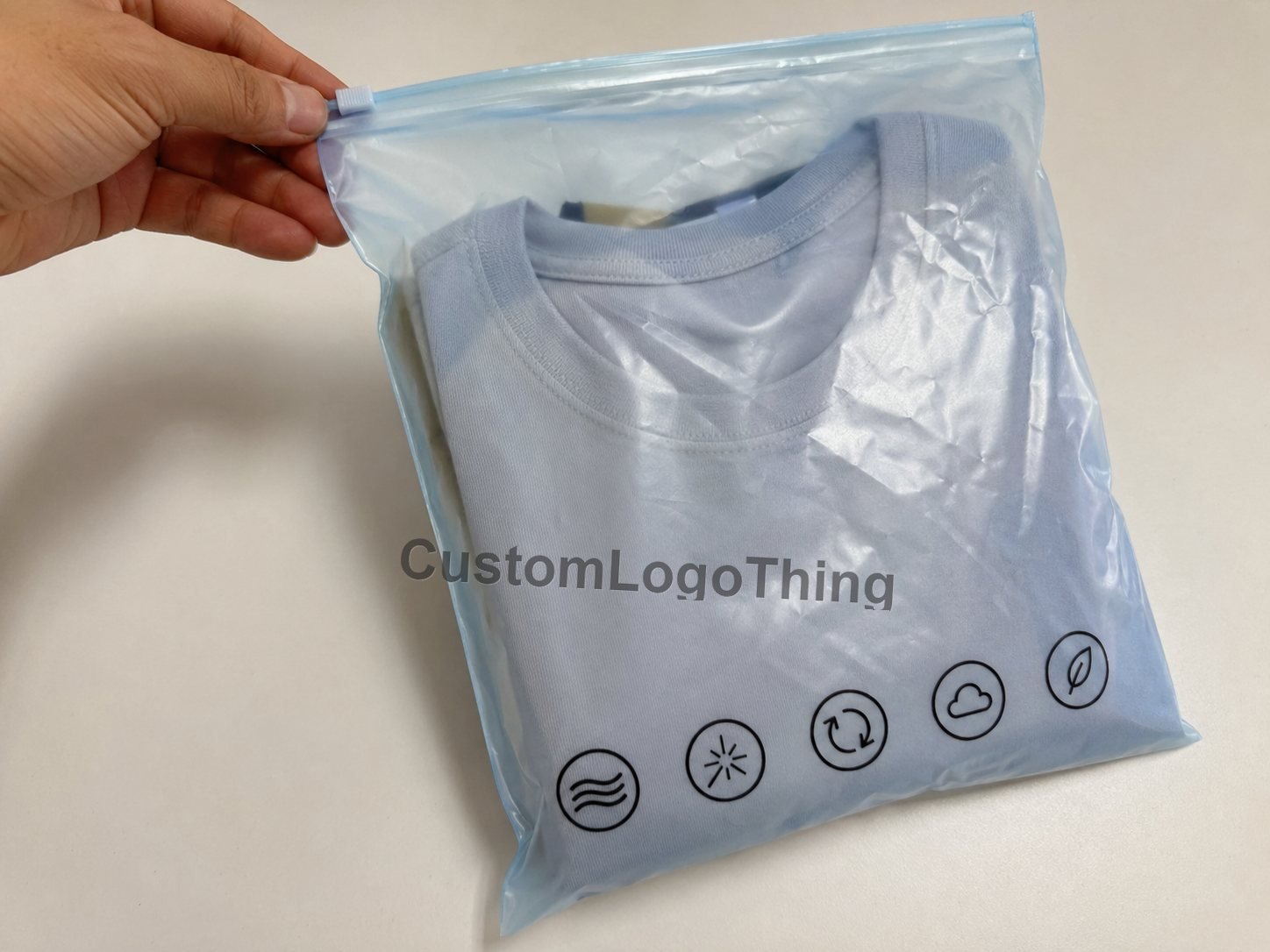
A lot of tea brands begin with product weight and stop there. That is where trouble starts. A 50 g pouch may be feather-light in hand, but once it is placed into a branded carton, paired with a tasting card, or bundled with a spoon or infuser, the parcel grows in size, stiffness, and vulnerability. A solid tea brand Padded Mailers Quote has to be built around the packed item, not the loose tea on its own.
Dimensional weight shows up more often than buyers expect. Carriers price many parcels by footprint, so a mailer that is just a little too large can add cost to every shipment. A mailer that is too tight can crush a printed tea carton, mark the corners, or leave no room for inserts. I have seen more than one team chase down avoidable damage that started with a mailer picked from a quick guess instead of a proper measurement. A useful tea brand Padded Mailers Quote takes inner size, closure overlap, and the finished pack format into account, whether the tea ships in a rigid box, a flexible pouch, or a mixed bundle.
Padded mailers work well because they sit between two extremes. They are not as rigid as a folding carton packed with void fill, and they are not as bare as a plain envelope. For a large share of tea shipments, that middle ground is the practical answer. The product gets cushioning, postage stays more predictable, and the unboxing moment still feels deliberate enough to support repeat orders.
A tea mailer has to protect the product, move through fulfillment without friction, and look considered the moment the customer opens it. If one of those jobs is weak, the cost usually shows up somewhere else.
The outer package also does retail work that often gets missed early on. A tea brand may think only about transit protection, yet the customer sees the outside first. That first impression matters even more for subscription programs and recurring refills. A plain mailer can work for bulk replenishment, while a printed mailer gives the brand a clearer voice on every delivery and helps keep the presentation steady from one shipment to the next.
For that reason, a tea brand padded mailers quote should begin with a few direct questions: How many packs go into one mailer? What is the finished pack thickness? Is there a secondary retail box? Does the brand want a premium exterior, or is simple protection enough? Those answers change the structure, and the structure changes the quote. That is not sales talk. It is just how packaging works.
The buyer’s goal is not to pick the most expensive option. It is to choose the one that keeps damage low, keeps postage steady, and fits the way the tea brand actually ships orders week after week. That is the bar a smart tea brand padded mailers quote should meet.
Tea Brand Padded Mailers Quote: Product Details and Material Choices
Material selection changes almost everything in a tea brand padded mailers quote. The exterior finish affects print quality, the inner layer affects cushioning, and the closure style affects pack-out speed as well as tamper evidence. The right choice depends on whether the tea brand ships loose tea pouches, tea bag cartons, gift sets, or accessory bundles with strainers, infusers, and sample cards.
Kraft bubble mailers are a familiar choice for tea brands that want a natural look with dependable protection. The kraft face prints cleanly in one or two colors, and the bubble layer provides basic shock absorption for cartons and light accessories. Poly bubble mailers fit shipments where moisture resistance and lower weight matter more than paper texture; they usually offer a smoother print surface and easier handling in a busy fulfillment room. Paper padded mailers bring a more premium feel and can support a stronger recycled-paper story, while hybrid constructions combine paper face stock with internal padding for a more polished outer appearance.
Closure details matter more than many teams expect. A peel-and-seal strip can shave time off pack-out, and over a steady subscription operation that time becomes real labor savings. Tear strips improve customer opening and help the unboxing experience feel intentional rather than awkward. Tamper-evident seals make sense for retail sampling programs and direct-to-consumer shipments where the tea brand wants a clear sign that the package stayed closed in transit. If the outer surface is too slick, the mailer may look neat on the bench yet become awkward to handle during fulfillment. That kind of thing sounds small until someone has to pack 800 orders on a Monday morning.
Print choices should stay tied to actual volume and presentation goals. A one-color logo on kraft can look clean and restrained, which suits brands that prefer an earthy presentation. Full-bleed art can create a more distinctive, shelf-like look, yet it adds setup time and increases ink coverage. If the mailer will move through sorting equipment or get stacked against other parcels, abrasion resistance is worth asking about. A logo that rubs off quickly does not help brand consistency.
| Mailers | Best Use | Protection Level | Print Feel | Relative Cost |
|---|---|---|---|---|
| Kraft bubble mailer | Tea sample packs, light cartons, small accessory kits | Medium | Natural, retail-friendly | Low to mid |
| Poly bubble mailer | Moisture-prone routes, high-volume fulfillment, lightweight bundles | Medium | Bright, clean, crisp graphics | Low to mid |
| Paper padded mailer | Premium tea gifts, brand-forward DTC orders, recycled-paper positioning | Medium to high | Soft, tactile, premium | Mid to high |
| Hybrid paper/poly mailer | Orders needing stronger surface durability and a refined look | High | Polished with better scuff resistance | High |
That table does not replace a quote, but it narrows the field before the buying team asks for pricing. A well-prepared tea brand padded mailers quote should make it clear what drives unit cost and what stays fixed. If the brand is comparing a paper build with a bubble build, the difference in weight, feel, and handling can matter just as much as the printed artwork itself.
Brands that already rely on a strong retail carton often do not need the outer mailer to do all the branding work. In those cases, a simpler mailer can be enough, especially if the tea box is carrying the visual load. For brands that want the mailer to carry the message, the outer surface should be treated as part of the product presentation, not as a disposable shipping shell. That point sits at the center of a useful tea brand padded mailers quote.
Specifications That Affect Performance and Protection
The quickest way to compare a tea brand padded mailers quote is to ask for measurable specs. Dimensions, padding, seal width, and material thickness all matter. When those details stay vague, the buyer ends up comparing soft claims like “durable” or “premium,” and those words stop being useful the moment cartons start getting dented in transit.
Start with size. The supplier should confirm the inner size, outer size, and the usable opening after the seal flap is included. For tea packs, a few millimeters can decide whether the product slides in cleanly or catches on the edge. Expansion allowance matters if the mailer holds a carton, a sampler set, or a small insert card. Seal overlap should be confirmed as well, since the package needs to close securely without stretching the closure into stress.
Protection details come next. Bubble thickness, paper basis weight, and puncture resistance are the data points worth requesting. Tea shipments are not usually heavy, yet they still face corner pressure, belt friction, and stacking weight in distribution channels. A mailer that looks fine on a desk may fail after a few hours in a hot warehouse or on a humid sortation route. Moisture resistance matters especially for tea because the product is often packaged in paper, board, or printed films that show scuffs quickly.
Handling details should be listed on the quote request too. Ask about tear strips, peel-and-seal width, and interior slip resistance. If the product pack slides inside the mailer, the outer package may arrive intact while the retail carton inside gets rubbed at the corners. That sort of damage is subtle, yet it affects customer perception and refund rates more than many teams realize. If the tea ships in a rigid box, ask whether the mailer keeps that box from shifting side to side during transit.
Compliance and warehouse handling deserve the same attention. Barcode placement, carton labeling, and storage stack height all affect operations. If the mailer is packed in a fulfillment center, the team needs to know whether the print remains readable after stacking and whether the exterior can take a shipping label without peeling or smudging. A clean quote should also show whether the package fits carrier scan zones without hiding the product branding completely.
Industry standards help anchor those decisions. For transit testing, many buyers refer to ISTA testing guidance to understand how parcel packaging is evaluated under vibration, drop, and compression conditions. For material sourcing, a recycled-paper story only carries weight if the paper comes with credible chain-of-custody documentation such as FSC certification. A strong tea brand padded mailers quote should rest on measurable references like these, not loose marketing language.
One practical way to compare options is to ask for a spec sheet alongside the price. That puts performance and cost in the same view, which is how a packaging buyer usually thinks. The result is a cleaner decision and fewer surprises once production starts. That is exactly what a good tea brand padded mailers quote should deliver.
Tea Brand Padded Mailers Quote: Cost, MOQ, and Unit Pricing
Price in a tea brand padded mailers quote comes from several moving parts, and experienced buyers separate those parts before they compare suppliers. Material type is the first driver. Print coverage is the second. Size, color count, padding thickness, and special finish choices add another layer. Order quantity changes the whole picture because setup costs get spread across more units as the run grows.
For simpler jobs, a tea brand can keep the quote fairly tight. A stock-size kraft bubble mailer with one-color branding and moderate quantity can land in a reasonable unit range, while a fully custom paper-padded mailer with full-bleed graphics and a special closure can move much higher. Exact numbers depend on structure, but the pattern stays steady: the more custom the build, the more the quote reflects setup, print complexity, and material grade. A buyer who understands that pattern can read a tea brand padded mailers quote with a lot more confidence.
MOQ deserves the same careful attention. Lower quantities are often available for simpler constructions, especially when the supplier works from standard dimensions or limited print colors. Higher quantities usually improve unit economics and help the brand keep inventory steadier across replenishment cycles. If a tea brand is testing a seasonal launch, a smaller first run may make sense. If the mailer supports an always-on subscription program, larger volume usually rewards better pricing and fewer reorder headaches.
There are hidden cost items that should stay visible in the comparison. Setup or plate fees, proofing charges, sampling, freight, pallet requirements, and receiving constraints at the fulfillment center can all affect the true landed cost. A quote that looks low on paper may become expensive once shipping and handling are added. Landed cost per shipped order is a better number than unit price alone. In a direct-to-consumer program, the mailer cost is only part of the spend; postage, damage risk, and reorder timing matter too.
Here is the practical way to compare a tea brand padded mailers quote across suppliers:
- Match the same inner and outer dimensions before comparing prices.
- Confirm whether the quote includes one-side or both-side printing.
- Ask if freight is included or billed separately.
- Check whether the MOQ is tied to print color count or structure.
- Compare the total shipped cost, not just the factory price.
That checklist helps because two mailers can look similar while behaving very differently in the warehouse. A slightly stronger closure may reduce returns. A smoother outer finish may improve brand recognition in the unboxing moment. A heavier construction may reduce dents in transit while increasing postage. None of that shows up in a simple price sheet, which is why a thoughtful tea brand padded mailers quote should include enough detail to make the tradeoffs visible.
For tea brands that need to watch cash flow, the safest approach is often to request two or three price structures at once: a lean option, a mid-tier branded option, and a premium presentation option. That gives the buying team a clearer sense of what each step up in finish actually costs. It also makes internal approval easier because the team can see what changes when the spend increases. A well-structured tea brand padded mailers quote should make those choices easy to read.
Production Process, Timeline, and Lead Time Expectations
A realistic tea brand padded mailers quote is tied to an actual production schedule, not a hopeful one. The process usually begins with request review, where the supplier checks dimensions, print needs, and quantity. After that comes specification confirmation, artwork prep, digital proofing, sample approval if the job needs it, production, quality checks, packing, and freight booking. Each step moves quickly when the information is complete, or slowly when the details arrive in pieces.
Artwork quality has a bigger effect on lead time than many buyers expect. A low-resolution logo file, an unclear dieline, or an unfinished decision between one-color and full-color print can stretch the proof stage. A clean file package makes a difference. So does sending the target quantity and delivery location early. If those details are missing, the quote may still be accurate, but the schedule usually grows while the supplier waits for clarification.
Sampling matters too. Some tea brands need a physical sample to confirm fit, especially when the mailer holds a branded box, an insert card, or a bundle with a small accessory. That extra step is sensible, yet it adds time. A brand launching a seasonal blend or preparing a subscription drop should work backward from the ship date and leave room for proof review, sample approval, production, and transit. A good tea brand padded mailers quote should state lead time clearly rather than hiding it in a vague estimate.
There is also a real difference between simple and complex jobs. A stock-size mailer with a single logo may move faster than a fully printed, custom-sized structure. Custom printing, multiple colors, special coatings, and larger quantities all influence the schedule. On the factory side, if the line is busy, a project can wait for its place in the queue even after the specs are approved. That is normal. The point is for the buying team to understand it before the order is placed.
The most efficient orders usually come from brands that send everything up front: dimensions, pack-out photos, target quantity, print files, shipping address, and deadline. That cuts down on back-and-forth and usually shortens the timeline. In many cases, a supplier can respond much faster when the quote request includes the exact tea pack size and the intended use case, such as retail shipper, subscription fulfillment, or sample distribution. That is the kind of detail that makes a tea brand padded mailers quote useful instead of generic.
For planning, it helps to think in stages rather than promises. A fast turnaround is possible on a simple order with complete artwork, while a more involved structure can take longer because there are more decisions to lock in. A buyer who plans with that reality in mind avoids panic later. The result is a steadier launch, a smoother receiving process, and fewer overnight freight charges. That is good packaging management, and it starts with a solid tea brand padded mailers quote.
Why Choose Us for Tea Brand Padded Mailers
Tea brands usually do not need a packaging partner to oversell the spec. They need someone who can look at the product, the shipping method, and the expected order volume, then recommend a mailer that fits all three. That is the value of working with a team that understands how a tea brand padded mailers quote should be built. The job is not to push the biggest mailer or the loudest print. The job is to match the package to the way the tea actually moves through the business.
At Custom Logo Things, that means keeping the quoting process straightforward. We focus on clear spec confirmation, sensible material options, and honest communication about what the chosen construction can do. If a tea brand only needs a simple branded mailer for lightweight sample packs, that should be easy to identify. If the order needs a more refined finish to support a premium release, that should be priced and explained plainly. A useful tea brand padded mailers quote should never feel like guesswork.
There is also a brand presentation side that matters. Tea is often bought for taste, ritual, and gifting, which means the outer package can shape the customer’s expectations before the box is even opened. That is where consistent print color, clean closure lines, and a tidy material finish help reinforce brand consistency. A mailer that looks right on the outside makes the product feel more considered inside, and that carries real weight in customer perception.
Our work is strongest when the buyer needs practical advice rather than marketing noise. Sometimes a tea brand is better served by a durable poly build, especially if moisture or handling conditions are rough. Other times a paper-padded mailer supports the brand story better and still gives enough protection for cartonized tea. If the product mix changes from month to month, we can also help compare the tradeoff between a premium mailer and a lighter option such as Custom Poly Mailers. That kind of comparison keeps the decision grounded in usage, not guesswork.
For teams that want broader packaging support, the same planning style applies across Custom Packaging Products. The goal is to keep the tea box, insert, outer mailer, and shipping method working together rather than pulling in different directions. That is how a brand avoids mixed signals in the box and mixed results in the warehouse.
If you are building a new launch, checking your current damage rate, or trying to trim postage without giving up presentation, a tea brand padded mailers quote can be the right first step. A good quote does more than list a price. It helps the tea brand make a cleaner decision about structure, printing, and order economics.
For proof of how packaging choices affect repeat orders and presentation, our Case Studies page shows how different package structures support different shipping profiles. The lesson stays consistent: the right mailer is usually the one that protects the product, fits the operation, and supports the brand without adding unnecessary cost. That is the standard we bring to every tea brand padded mailers quote.
Next Steps to Get a Tea Brand Padded Mailers Quote
The cleanest way to request a tea brand padded mailers quote is to send complete information the first time. Include the tea pack dimensions, product weight, expected quantity, preferred material, print needs, shipping destination, and any deadline tied to launch or replenishment. If the order includes inserts, sample cards, or more than one tea format, mention that too. The more exact the pack-out, the more accurate the quote.
If the brand is comparing options, ask for a sample or spec sheet before approval. That is especially useful when the decision sits between a paper padded mailer and a bubble-style option. A physical sample can show whether the pack slides, whether the seal closes with enough overlap, and whether there is too much empty space inside. Empty space is not just a cosmetic issue; it can raise damage risk and make the package feel less deliberate.
Review the quote in layers. Start with unit price, then look at setup cost, freight assumptions, MOQ, and Lead Time together. That gives a more honest picture than price alone. A lower unit price may be offset by higher freight or a larger minimum order. A slightly higher quote may actually be the better business choice if it lowers damage or improves the look of the package on arrival.
There is no need to overcomplicate the process. A packaging buyer who sends the facts and asks for the right comparisons usually gets a better answer faster. The core question stays simple: what mailer protects the tea, fits the fulfillment process, and supports the brand image at a cost the business can live with? That is what a strong tea brand padded mailers quote should resolve.
If you are ready to move forward, send the specs and ask for a recommendation built around your shipping pattern. A detailed tea brand padded mailers quote will save time, reduce revisions, and help you choose the structure that fits the order as it really ships, not as it looks on a spec sheet.
What should I include in a tea brand padded mailers quote request?
Include the tea pack dimensions, weight, quantity, print colors, and whether the mailer must fit one item, a sampler set, or a bundle with inserts. Share the shipping destination and target carrier if you have one, because dimensional weight and service level can change the recommended size. Attach artwork or a simple logo file when possible so the supplier can confirm print feasibility before pricing. A complete request usually produces a more useful tea brand padded mailers quote.
Are padded mailers better than boxes for tea shipments?
Padded mailers are usually better for light, flat, and already-cartoned tea products where the main goal is scratch and crush protection rather than rigid structural support. Boxes make more sense for fragile glassware, heavy gift sets, or loose components that need more internal separation and stacking strength. The right choice depends on how the tea is packed and how the order ships, not just on product value. That is why a tea brand padded mailers quote should be paired with the actual pack-out.
What MOQ is typical for custom tea brand padded mailers?
MOQ varies by material, print method, and mailer size, but lower quantities are often available for simpler jobs and higher quantities usually improve unit pricing. If the design uses multiple colors or a fully custom structure, the minimum will usually be higher than for a stock-size mailer with one-color branding. Ask for MOQ by configuration so you can compare options without guessing at the real entry quantity. That makes the tea brand padded mailers quote easier to judge fairly.
How long does production usually take after a tea brand padded mailers quote is approved?
Lead time depends on proof approval, sampling needs, quantity, and print complexity, so a clean spec sheet often shortens the schedule. Simple jobs move faster than custom-printed or fully bespoke mailers, especially if the buyer needs artwork revisions or fit confirmation. Build extra time into launch plans if the order must arrive before a promotion, seasonal release, or subscription send date. A realistic tea brand padded mailers quote should include production timing as part of the decision.
Can tea brand padded mailers be printed with branding on both sides?
Yes, depending on the material and print method, branding can often be placed on one side or both sides for a more polished presentation. Double-sided printing may affect cost, ink coverage, and minimum order quantity, so it should be priced as a separate spec. If the mailer is used for fulfillment, confirm which side faces out in packing so the artwork is visible in the unboxing moment. That helps the final tea brand padded mailers quote line up with the brand presentation goals.

