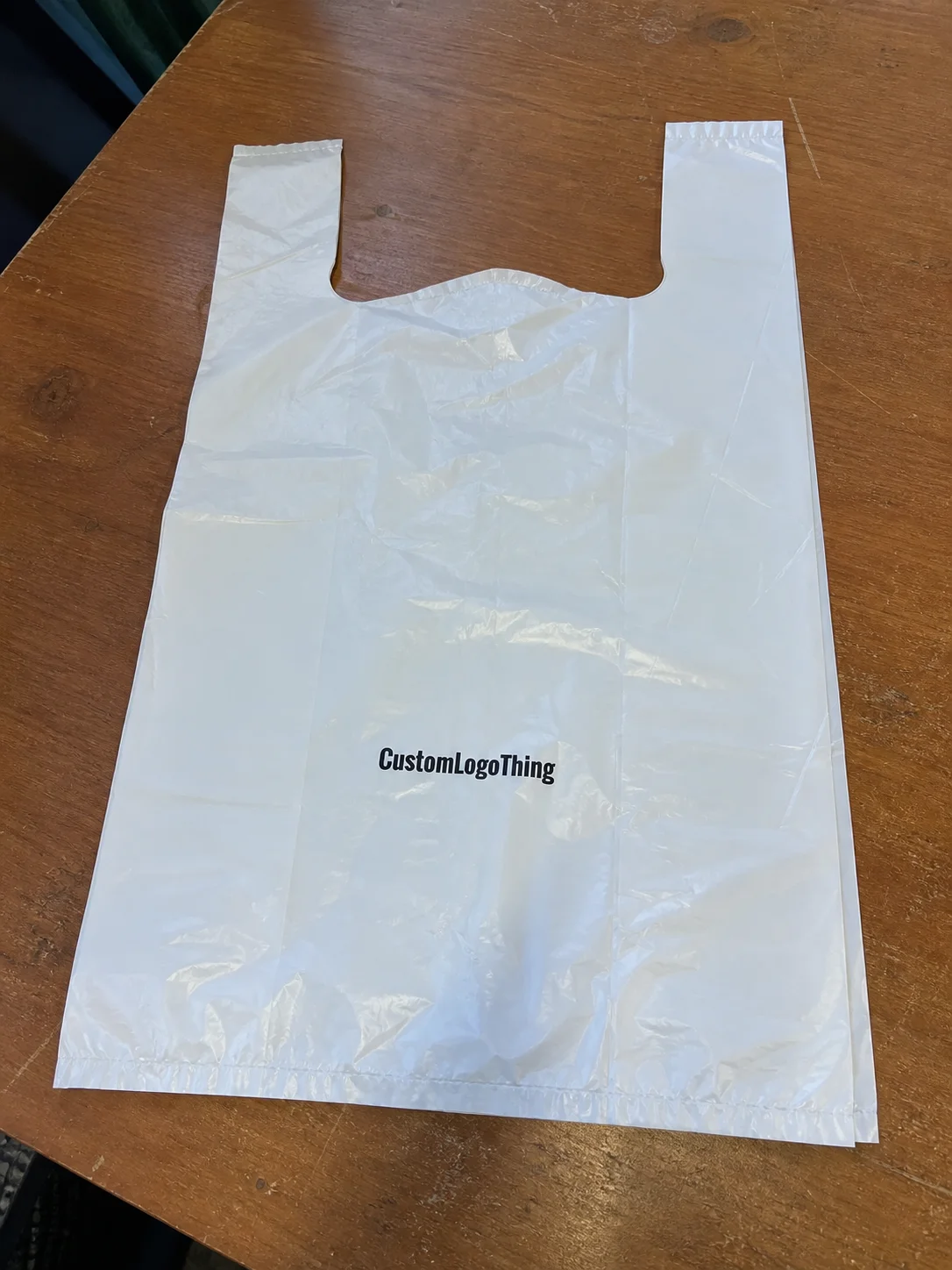
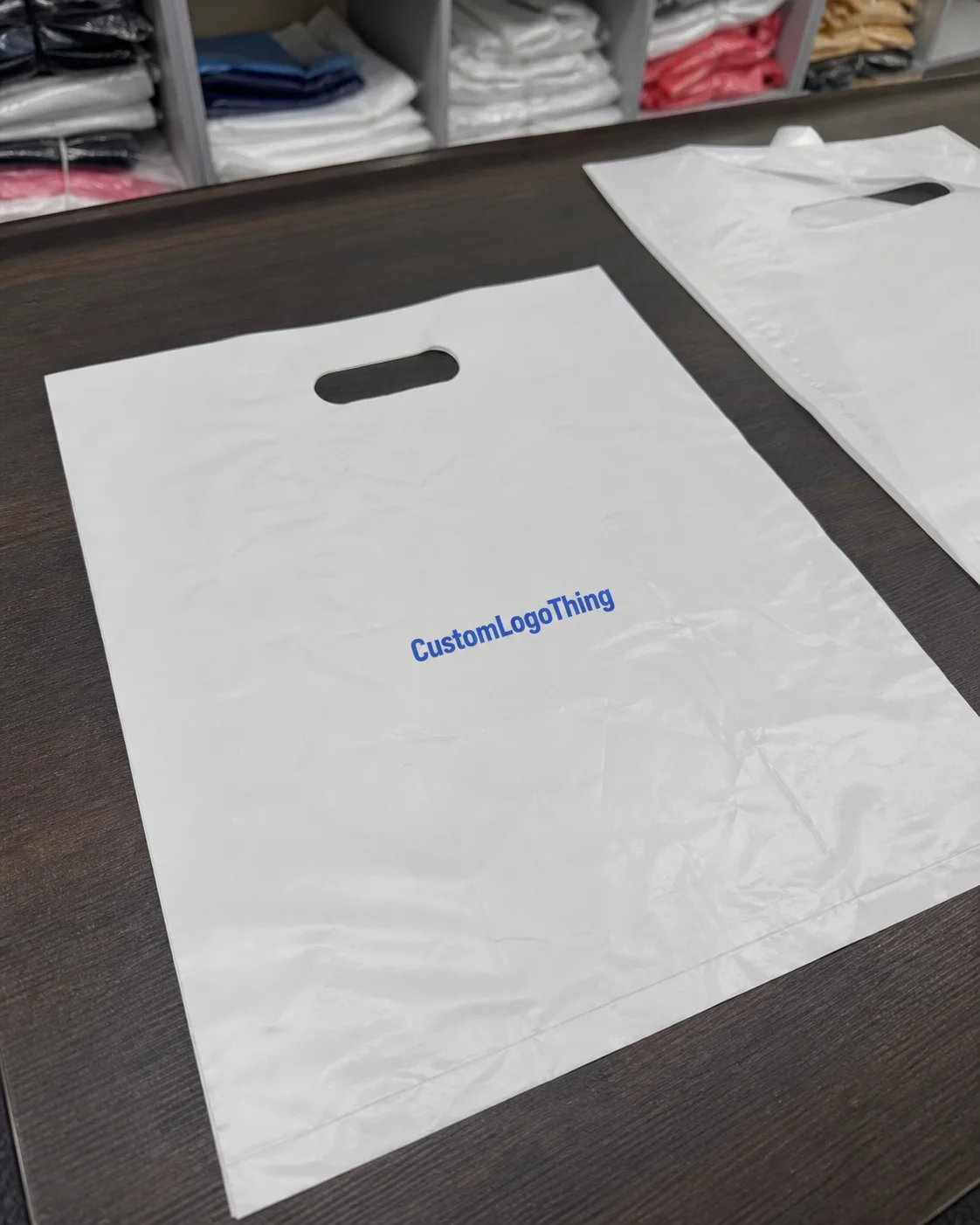
Buyer Fit Snapshot
| Best fit | Boutique Retailers' Branded Padded Mailers Quote Checklist projects where brand print, material claims, artwork control, MOQ, and repeat-order consistency need to be specified before quoting. |
|---|---|
| Quote inputs | Share finished size, material target, print colors, finish, packing count, annual reorder estimate, ship-to region, and any compliance wording. |
| Proofing check | Approve dieline scale, logo placement, barcode or warning zones, color tolerance, closure strength, and carton packing before bulk production. |
| Main risk | Vague material claims, crowded artwork, missing packing details, or unclear freight terms can make a low unit price expensive after revisions. |
Fast answer: Boutique Retailers' Branded Padded Mailers Quote Checklist should be specified like a repeatable production item. The safest quote records material, print method, finish, Artwork Proof, Packing Count, and reorder notes in one written spec.
Production checks before approval
Compare the actual filled-product size with the drawing, then confirm tolerance on folds, seals, hang holes, label areas, and retail display edges. Reserve space for logos, QR codes, warning copy, and material claims before decorative graphics fill the panel.
Quote comparison points
Review material grade, print process, finish, sampling route, tooling charges, carton quantity, and freight assumptions side by side. A quote is only useful when the supplier can repeat the same color, closure quality, and packing count on the next order.
Branded Padded Mailers for Boutique Retailers Supplier Quote Checklist
If you searched for Branded Padded Mailers for boutique retailers supplier quote checklist, you probably do not want a fluffy packaging theory piece. You want a clean way to compare suppliers without getting trapped in vague pricing, fuzzy specs, and “close enough” samples. Fair. Packaging mistakes are expensive, and the cheap kind are usually the ones that look fine until the boxes start landing in returns.
For boutique retailers, the outer mailer is not background noise. It is the first visible part of the order. The customer sees it before the garment, the candle, the necklace, or the stationery set. That is a tiny moment with a lot of weight on it.
A branded padded mailer can make a small order feel deliberate and polished without forcing a retailer into rigid cartons, extra storage, and higher dimensional weight. That matters for apparel, small leather goods, candles, jewelry, books, and gift items that need light protection and a better presentation than a plain shipping bag. Suppliers do not always quote those jobs the same way, though. One quotes a stock shell with one-color print. Another folds in custom sizing, recycled content, freight, and plates. A third forgets half the costs until the second round. A standardized checklist keeps the comparison honest.
Think of the brief as a filter. It should strip away the sales talk and show the real landed cost, the real lead time, and the real production risk. If three vendors are quoting from different assumptions, the lowest number is basically decorative.
“A good quote is not the cheapest one. It is the one that tells you exactly what is included, what is missing, and what happens if you reorder.”
Branded Padded Mailers for Boutique Retailers: First Impressions
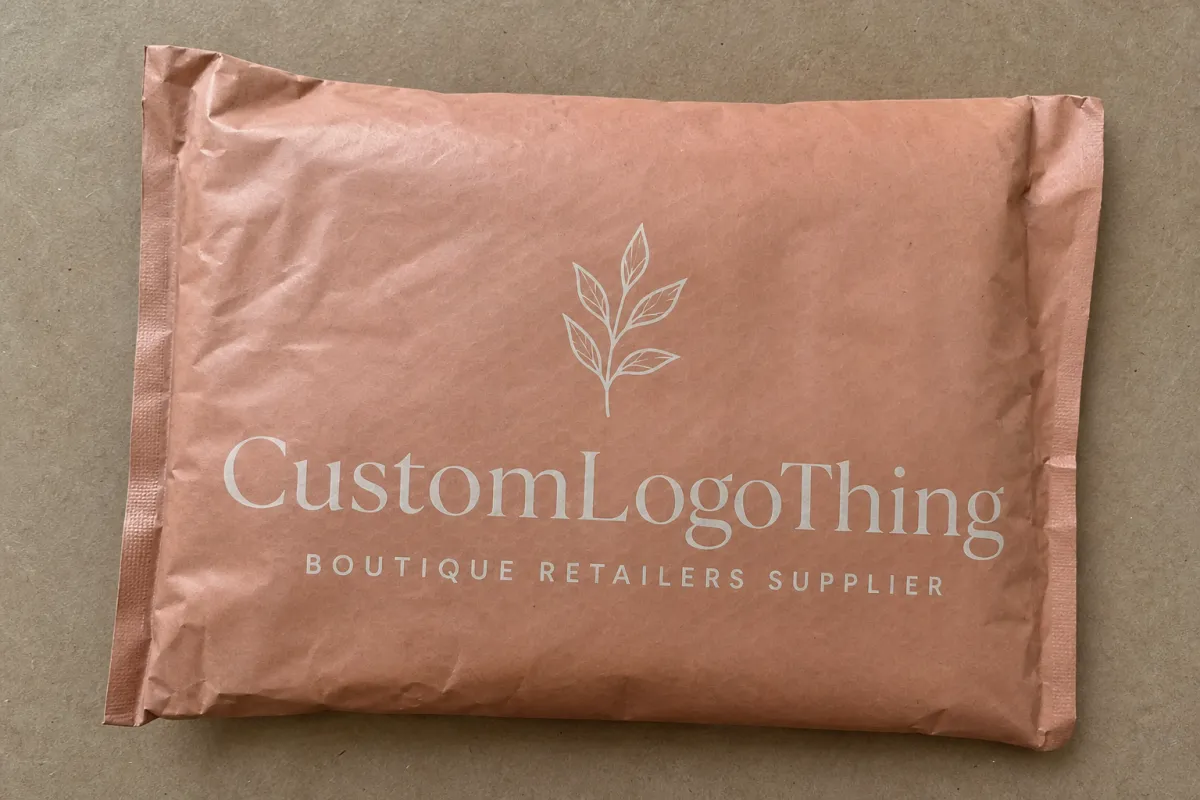
Branded Padded Mailers for boutique retailers work because they show up early in the customer journey. The shopper may have already paid, but the package still has a job to do. It should signal care, not haste. A flimsy mailer tells a very specific story, and it is not a flattering one.
A well-made mailer does two things at once. It protects the product and presents the brand. Miss one of those jobs and the whole thing feels off. A folded blouse arriving in a scuffed, weak envelope does not feel premium, no matter how nice the tag is. A sturdy, clean-printed mailer says the brand noticed the details. Customers notice that too, even if they do not say it out loud.
For boutique retailers, a padded mailer is often the smarter choice than a box. Boxes cost more to make, ship, and store. They also add dimensional weight, which carriers love to charge for. A padded mailer gives enough structure for light transit protection while leaving room for brand color, logo placement, seasonal graphics, or a simple repeat pattern that looks sharp on a doorstep and in social posts.
The catch is that “custom padded mailer” can mean wildly different things. One supplier may mean a paper outer with bubble lining. Another may mean a kraft shell with fiber padding. Another may offer a poly exterior with air-cell cushioning. If you do not define the construction, you are not comparing quotes. You are comparing vocabulary.
A DTC apparel brand shipping folded tops has different priorities from a candle maker worried about corner crush or oil staining. Jewelry brands usually want a tighter fit and better presentation. Gift brands may care more about print and finish. The mailer should reflect the product, the shipping route, and the promise the brand is making.
If you are comparing adjacent packaging formats, it helps to review broader options in Custom Packaging Products or compare them with Custom Poly Mailers if moisture resistance matters more than a paper-forward look. For a real-world view of how packaging choices affect brand outcomes, Case Studies can be more useful than a sales pitch.
What to Put on a Supplier Quote Checklist
If you want pricing that means anything, give suppliers the information they need to quote accurately. That sounds obvious. It also gets skipped constantly. Buyers send a logo and a rough size, then wonder why the first round of quotes is useless. A strong branded padded mailers for boutique retailers supplier quote checklist should capture the details that actually move cost, lead time, and print quality.
Start with dimensions. Suppliers need the finished size, not “small,” “medium,” or “whatever fits a shirt.” Include the internal usable space if the product is tight. A folded knit top and a jewelry pouch do not travel the same way. If the product needs gussets or a slightly larger opening to accommodate an insert card, say so. A 6 x 9 inch mailer behaves very differently from a 7.5 x 10.5 inch mailer once product thickness enters the picture.
Quantity tiers belong in the brief too. A single order number hides the economics. Ask for pricing at 500, 1,000, 2,500, and 5,000 units if those levels fit your scale. Smaller retailers may get more useful signals from 250-unit and 750-unit pricing if storage space or cash flow is tight. Those breakpoints show where setup costs flatten and where the unit price actually starts to move.
Artwork details deserve the same care. Send vector files whenever possible, plus Pantone references or CMYK build specs. State whether the design is one-color, two-color, full-coverage, or pattern-based. If the mailer prints on one side only, say that plainly. If the flap, back panel, or closure strip needs print, list each surface separately. Hidden print areas are a classic source of quote errors, and they show up late. That is a bad time to discover them.
Logistics need to be part of the conversation too. Ask for separate line items for samples, tooling or plates, freight, duties if relevant, and any palletizing or carton fees. A quote that bundles everything together makes review harder. A quote that breaks the charges out makes supplier comparison easier and exposes where the margin really sits. Mystery math is not your friend.
Use a checklist like this before requesting pricing:
- Finished size and any minimum internal clearance needed for product fit.
- Material type, such as kraft paper, poly exterior, or recycled-content construction.
- Padding style, including bubble, fiber, or paper-based cushioning.
- Print coverage, one side or multiple sides, with artwork placements labeled.
- Color specification, Pantone, CMYK, or approved brand palette.
- Closure style, self-seal strip, peel-and-seal, or other closure.
- Target quantity, plus second and third tier pricing requests.
- Shipping destination, since freight and duties can shift the landed cost.
- Required documents, such as FSC paperwork or recycled-content declarations.
- Target launch date, so lead time can be measured against a real deadline.
It also helps to say what the packaging is not supposed to do. If the mailer only needs to survive parcel transit, say that. If it also needs to look good on a retail shelf or in a display bin, say that too. If you need a matte finish because glossy mailers show scuffs too easily, include that note in the brief. Specificity cuts down on back-and-forth. It usually saves a revision round as well.
Standardizing the request across every supplier makes the comparison easier. Then compare the answers line by line. The moment one vendor responds in a different structure, you can see whether the difference is only presentation or a real scope change. That is how you compare three to five suppliers without playing detective.
For sustainability claims, the brief needs the same discipline. If you want recycled materials or FSC-certified paper, ask for the exact documentation. The FSC label matters only if the supplier can show certification chain details, and recycled-content claims should be backed by written material specs. The EPA’s packaging and recycling guidance at epa.gov is useful too when you need to check whether the claims match actual end-of-life conditions.
Materials, Construction, and Print Specifications
Construction drives both appearance and performance. For boutique retail, paper-based padded mailers are common because they feel cleaner on-brand and usually photograph better than plain utility mailers. Paper-based does not mean identical performance, though. The outer stock, inner padding, seal strength, and finish all shape the experience. Miss one and the spec starts to wobble.
A kraft outer with a paper or fiber cushion is often a strong fit for apparel, stationery, small gifts, and soft accessories. A poly exterior with cushioning can be more practical for moisture exposure, return shipping, or longer parcel routes. Bubble-lined versions still work for lightweight items that need more impact resistance, even if many buyers now prefer paper-forward structures for brand feel and end-of-life options. The right choice depends on the product, the route, and the claim the brand wants to make.
Thickness matters, but not by itself. A thicker mailer can feel stronger, yet if the seal fails or the corners split during handling, the spec is weak where it counts. Ask suppliers about seal integrity, tear resistance, puncture behavior, and edge durability. Damage claims cost far more than a slightly better material grade. A 1% to 2% transit failure rate can wipe out the savings from a cheaper unit price faster than most buyers expect.
For a typical boutique-run mailer, the spec often lands in a few familiar ranges: a 140gsm to 180gsm kraft outer, 60gsm to 90gsm inner liner, and either a 3mm bubble layer or a 2mm to 4mm paper fiber pad. Self-seal strips usually run about 25mm to 35mm wide. If you are adding an insert card or thank-you card, 350gsm C1S artboard is common for the insert itself, not the mailer shell. That is the kind of detail that keeps a quote from drifting into fantasy.
Print consistency matters just as much as color. A logo that matches the proof but drifts in production creates a quality issue customers can spot immediately. If your brand relies on a specific shade, ask for Pantone matching or a defined CMYK tolerance. If the artwork covers most of the mailer, discuss ink coverage so the supplier can explain whether full coverage affects drying time, scuff resistance, or minimum order quantity.
Finish choice changes perception. Matte finishes read calmer and more premium in many boutique categories. Gloss can pop in photos, but it can also show scratches or handling marks more easily. Soft-touch or specialty coatings can elevate the feel, though they usually raise costs and can push the order into a higher MOQ. On a retail packaging budget, those tradeoffs deserve a direct conversation, not a vague “premium upgrade” label.
Some of the most useful technical questions are simple:
- How much weight can the mailer support without seam failure?
- Does the closure stay secure after temperature changes in transit?
- Will the print scuff against other parcels in bulk shipment?
- Is the padding layer uniform from edge to edge, or thinner near the fold?
- Can the structure pass basic parcel handling expectations aligned with standard transit testing such as ISTA methods?
That last point matters because packaging performance is not just visual. Even simple retail mailers are often tested against vibration, drop, and compression conditions that mimic actual shipping abuse. You do not need a formal lab program for every run, but a supplier who can talk about transit behavior in concrete terms is usually a better fit than one who only talks about appearance. For general packaging standards and industry context, the Packaging Machinery Manufacturers Institute and ISTA resources can help you build better internal spec language.
Sustainability claims need a clean paper trail. Recycled content, recyclable construction, and fiber sourcing all sound good, but they do not mean the same thing. Recycled content describes input materials. Recyclable describes whether local systems can actually process the item. FSC describes forest management and chain-of-custody controls. Those are separate facts, and buyers should ask suppliers to separate them too.
For boutique retailers, the practical question is rarely “What is the greenest option?” It is usually “What material lets me keep the brand feel I want, protect the product, and support a claim I can defend?” That is the test that matters. It also tends to produce better packaging decisions because it forces the conversation into reality instead of marketing gloss.
Pricing, MOQ, and Quote Checklist
Price per unit is only part of the story. Plenty of quote sheets show a tempting printed rate, then bury setup fees, sample charges, freight, or plate costs a few lines down. By the time everything is included, the real landed cost can be 15% to 35% higher than the first number the buyer noticed. That is why a branded padded mailers for boutique retailers supplier quote checklist should force every supplier to quote the same cost buckets.
A useful comparison format looks like this:
| Supplier Quote Element | What It Usually Covers | What To Confirm |
|---|---|---|
| Unit price | Printed mailer cost per piece | Includes one side or both sides, and what print coverage is assumed |
| Setup or tooling | Plates, die setup, or press preparation | One-time charge or repeat-order charge |
| Sampling | Physical sample or pre-production proof | Is freight included, and is the sample credited on order placement |
| Freight | Transport to your warehouse or 3PL | Mode, transit time, and whether the rate is door-to-door |
| Duties and taxes | Import charges where applicable | Whether the supplier or buyer is responsible |
| Packaging for shipment | Palletizing, cartons, protective wrap | How the mailers will arrive and whether damage risk is minimized |
MOQ usually follows setup complexity. Simple one-color printing on stock sizes may allow lower minimums. Custom sizing, full-wrap artwork, specialty finishes, or recycled-content sourcing can raise the floor quickly. A supplier may accept a 500-unit order for a basic mailer and still require 2,500 or 5,000 units for a fully customized build. That does not automatically mean the supplier is being difficult. It usually means the press setup and material purchasing math needs a larger run to make sense.
For planning, use realistic market ranges. A basic custom padded mailer at 5,000 pieces often lands around $0.15-$0.24 per unit depending on size, paper weight, padding type, and print coverage. At 1,000 to 2,500 pieces, the same item may be closer to $0.22-$0.38 per unit. Add full-coverage print, a heavier outer stock, or specialty finish and the number can move into the $0.30-$0.60 range quickly. Freight is extra. Sometimes very extra.
Buyers should compare landed cost per mailer, not just FOB price. FOB only tells you the product cost at the origin point. It does not tell you what the order will actually cost after freight and other charges. If one quote is $0.22 per unit and another is $0.19, the cheaper quote may still cost more once shipping and setup are added. On a 2,500-unit order, a 3-cent unit difference becomes $75 right away. Freight and sample charges can change the result again.
Tiered pricing helps expose those breakpoints. Ask for 500, 1,000, 2,500, and 5,000 units if those levels fit expected demand. If the brand is seasonal, add a second set of tiers for the next reorder cycle. That shows whether the cost improves enough to justify a larger commitment. It also helps with cash planning. A quote that only makes sense at 10,000 units is not useful for a business that turns inventory slowly.
MOQ is also a storage question. A boutique retailer with limited backroom space may save on unit cost by buying more, but if cartons sit for months and handling slows packing, the savings can vanish. There is no prize for the lowest unit price if the operating cost rises somewhere else. A better quote helps you balance cash, space, and reorder frequency.
Requesting the same quote structure from every supplier is the easiest way to compare like with like. If one vendor refuses to separate freight from packaging, ask again. If they still will not do it, note that. Lack of clarity is a signal. Not a good one.
Process, Timeline, and Lead Time From Proof to Delivery
Lead time is not one number. It is a chain. The chain starts with the inquiry, moves to quote approval, then artwork review, proofing, production, quality check, and shipment. A quote can look good and still miss a launch if the supplier needs multiple proof cycles or the material is not in stock. For seasonal boutique lines, timing risk matters just as much as price.
For a straightforward order, a realistic timeline often looks like this: one to three business days for quote response, two to five business days for artwork review and proof changes, and often 12 to 15 business days from proof approval to production completion for standard custom runs. Add three to seven business days for domestic freight, depending on destination and carrier service. International freight or custom material sourcing can stretch the schedule further. If the mailer involves more complex print coverage, a nonstandard size, or compliance documents, build in buffer. Tight calendars punish optimism.
Several issues slow projects down more than buyers expect:
- Missing artwork specs - no bleed, low-resolution logo files, or unclear brand color definitions.
- Color matching disputes - the proof looks close, but not close enough for brand standards.
- Late quantity changes - the order shifts after the quote, which forces a new production plan.
- Sample approval delays - the team wants sign-off from multiple stakeholders before production starts.
- Freight planning errors - the packaging is ready, but the shipping booking was not arranged in time.
These delays are avoidable with clear ownership. One person should own the packaging brief, another should approve the proof, and shipping terms should be locked before production begins. That sounds administrative because it is. It also protects the launch. A retailer with a promotional drop cannot discover at the last minute that the mailers will miss the ship date by a week and pretend it is fine.
Build the production calendar into the packaging spec. If the product launch is tied to a holiday, pop-up event, trade show, or influencer push, the mailer should arrive early enough to allow for receiving, counting, and final inspection. A two-week buffer is sensible for domestic runs. For imported orders, a larger margin is usually smarter, especially if ocean freight or limited production slots are part of the plan.
Sample approval is more than a formality. A good sample tells you whether the closure sticks, whether the print layout feels balanced, and whether the padding is enough for the actual product. If your item has corners, clasps, or rigid inserts, test the sample with the real product inside. A mailer can look perfect flat and still fail once packed. That is a very expensive surprise.
From a buying standpoint, the supplier who communicates timing clearly is usually safer than the one who promises speed without detail. Ask for milestone dates. Ask what happens if the proof takes longer to approve. Ask whether the production slot is reserved or still tentative. Those questions do not slow the process. They keep surprises from running the show.
For more packaging context and transit expectations, ISTA guidance at ista.org is worth a look. You do not need to build a laboratory program for every mailer order, but understanding how transit testing works helps you ask better questions and set a more realistic performance threshold.
Why Choose a Supplier Beyond the Lowest Price
The cheapest quote can be expensive in disguise. A supplier that answers slowly, misses a color match, or glosses over spec details may cost more in rework, delays, and customer complaints than a slightly higher-priced vendor with tighter controls. Boutique retailers should evaluate supplier capability, not just the invoice number. Cheap is not the same thing as smart.
Start with response speed. If a supplier takes three days to answer a basic sizing question, that often hints at how they will handle problems later. Then look at sample quality. Does the sample represent the actual production structure, or is it a loose approximation? If the sample is weak, the final order may be weak too. Consistency is not a soft factor. It is part of the operating system.
Capability checks should be concrete. Ask whether the supplier can support custom sizing, multiple print areas, recycled-content documentation, and repeat-order consistency. Ask how they manage color control between runs. Ask whether they keep art files and production specs on file so a reorder six months later matches the original. Boutique brands often need small batches, but they need repeatability just as much as bigger companies do.
It also helps to ask for production photos and defect-handling procedures. A supplier should be able to explain what happens if a batch has print drift, weak seals, or damaged cartons on arrival. You are not hunting for a perfect answer. You are looking for a credible process. If the vendor cannot explain how issues get handled, that is a risk signal. Plain and simple.
There is another reason to go beyond price: the hidden cost of spec mistakes. A supplier who catches a wrong size before production can save a retailer from a full batch of unusable packaging. A supplier who notices that the print area will collide with the fold line can prevent a costly reprint. That kind of intervention is worth more than a few cents shaved off the unit rate.
From a brand standpoint, the supplier is part of the customer experience. The mailer arrives with your logo on it, but the supplier decides whether that logo is crisp, whether the seal works, and whether the packaging survives the route. A low quote does not make up for a poor customer impression. Customers do not hand out points for process excuses.
If you need broader packaging support beyond the mailer itself, the right partner should be able to guide you toward adjacent formats and materials too. That might mean comparing mailers against cartons, inserts, or other flexible packaging options. The best vendor does not just quote. They help you write a better spec.
That is why supplier selection should include a practical checklist:
- Do they ask smart questions before pricing?
- Can they quote clear tiered quantities?
- Do they separate freight, setup, and samples?
- Can they support certification or recycled-content documentation?
- Will they commit to repeat-order consistency?
If most of those answers are yes, you are probably looking at a supplier that can support a boutique retailer’s growth instead of just a one-time order that looks good in a spreadsheet and terrible in real life.
FAQ and Next Steps for Your Supplier Quote
Before you send a request, gather the basics: logo files, size targets, quantity bands, shipping details, finish preferences, and any claim documentation you may need. Then ask every supplier to respond to the same brief. That is the simplest path to a quote you can actually use.
If you want a comparison that holds up, think in this order: sample, price, timeline, and repeatability. One weak link can wreck an otherwise decent order. The best process is boring in the right way. Clear inputs. Clear quotes. Clear approval. Then production.
For boutique retailers, that discipline is often what turns packaging from a cost center into a brand asset. Not because the mailer is flashy. Because it is controlled, consistent, and fit for purpose. Customers feel that kind of detail, even if they never name it out loud.
The practical move is simple: build a one-page brief, send the same version to at least three suppliers, and compare landed cost, proof timing, MOQ, and documentation before you decide. If a quote leaves out freight, setup, or material specs, treat it as incomplete, not cheap. That is usually the part people learn the expensive way.
How many branded padded mailers should a boutique retailer request in the first quote?
Ask for at least three tiers so you can see where unit price changes at realistic reorder levels. Match the first quote to a quantity that fits storage space and cash flow, not just the lowest break point. If you expect seasonal spikes, include a higher tier that shows what the next reorder would cost. A lot of buyers start with 500, 1,000, and 2,500 units, then add 5,000 if volume is steady enough to justify it.
What artwork files do suppliers need for branded padded mailers?
Provide a vector logo file when possible, plus any approved brand colors in Pantone or CMYK values. Include bleed, safe-zone, and text-outlining guidance so the proof stage does not create avoidable delays. If the mailer uses multiple print areas, label each placement clearly in the brief. For insert cards or thank-you cards, 350gsm C1S artboard is a common specification, with matte or satin finish depending on the look you want.
Can branded padded mailers for boutique retailers be made with recycled materials?
Yes, but the supplier should confirm the exact construction, because recycled content does not automatically mean curbside recyclable. Ask for documentation on recycled content percentages and any certifications you need for merchandising claims. Check local recycling guidance before making sustainability statements on the product or website. A paper mailer with recycled fiber content is only useful if the structure still holds up in transit.
How do I compare two supplier quotes when the unit price looks different?
Compare landed cost, not just the printed unit rate, because freight and setup fees can change the real total. Confirm whether samples, tooling, and packaging are included or charged separately. Review lead time, proof rounds, and minimum order requirements so the cheaper quote does not create operational delays. A quote at $0.19 per unit can still cost more than a quote at $0.22 if the first one adds a larger setup fee or a weak freight estimate.
What is the fastest way to get an accurate branded padded mailers supplier quote?
Send one concise brief with dimensions, quantity, artwork files, shipping destination, and any finish requirements. Ask the supplier to separate pricing for samples, production, and freight so the quote is easier to compare. Give one decision-maker authority to approve the proof and avoid repeated revision cycles. Standard quotes usually move faster when the supplier gets finished size, print coverage, material spec, and required delivery date up front.