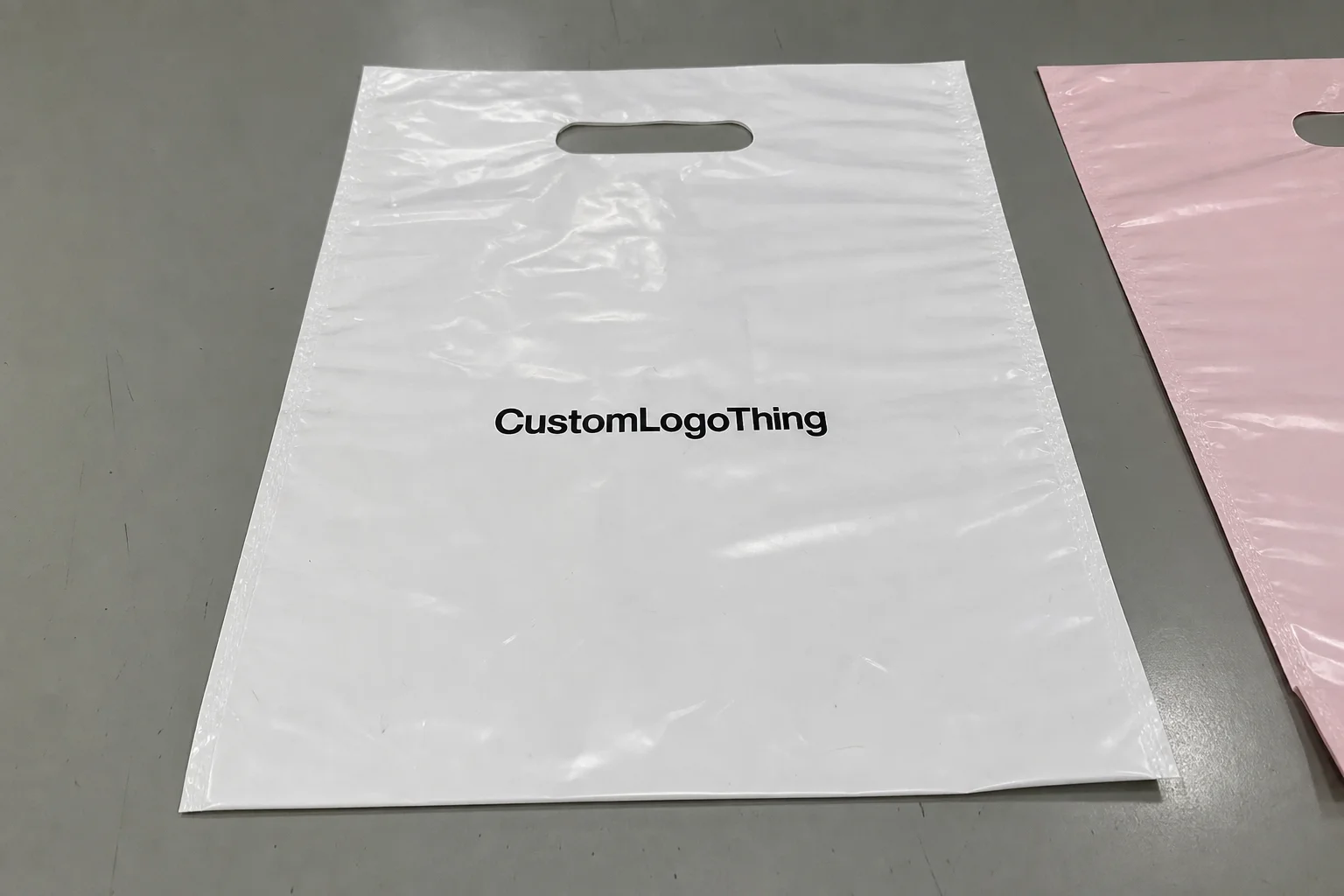
Buyer Fit Snapshot
| Best fit | Branded Padded Mailers Quote Checklist for Candles projects where brand print, material claims, artwork control, MOQ, and repeat-order consistency need to be specified before quoting. |
|---|---|
| Quote inputs | Share finished size, material target, print colors, finish, packing count, annual reorder estimate, ship-to region, and any compliance wording. |
| Proofing check | Approve dieline scale, logo placement, barcode or warning zones, color tolerance, closure strength, and carton packing before bulk production. |
| Main risk | Vague material claims, crowded artwork, missing packing details, or unclear freight terms can make a low unit price expensive after revisions. |
Fast answer: Branded Padded Mailers Quote Checklist for Candles should be specified like a repeatable production item. The safest quote records material, print method, finish, artwork proof, packing count, and reorder notes in one written spec.
Production checks before approval
Compare the actual filled-product size with the drawing, then confirm tolerance on folds, seals, hang holes, label areas, and retail display edges. Reserve space for logos, QR codes, warning copy, and material claims before decorative graphics fill the panel.
Quote comparison points
Review material grade, print process, finish, sampling route, tooling charges, carton quantity, and freight assumptions side by side. A quote is only useful when the supplier can repeat the same color, closure quality, and packing count on the next order.
A candle brand can spend $2.40 on vessel, wax, fragrance, wick, label, and carton, then undercut the whole thing with a $0.19 outer pack that arrives scuffed, split, or forgettable. That is exactly why a branded Padded Mailers for Candle Brands supplier quote checklist matters. It turns fuzzy packaging conversations into hard comparisons on material, print, cushioning, seal strength, MOQ, freight, and delivery risk.
For direct-to-consumer candle sales, the shipping pack is often the first physical touchpoint a customer sees. Not the vessel. Not the label. The shipper. If the outside looks crushed, oily, flimsy, or generic, the customer starts forming an opinion before the box or insert is even opened. That happens fast. So does the damage math. One replacement on a $28 candle order can wipe out margin from several clean shipments once reship freight, labor, replacement product, and customer service time are counted.
There is a practical middle ground between under-protecting the order and packing every parcel like it is headed into a demolition test. Branded Padded Mailers can reduce breakage risk for lighter secondary items, improve the unboxing experience, support stronger brand recall, and make supplier quoting easier once the specification is standardized. They are not a cure-all. They usually fit wax melts, tealights, samplers, wick trimmers, match bottles, refill pouches, folded inserts, and carton-packed small candles far better than loose heavy glass jars.
That distinction gets missed all the time. Plenty of candle buyers lump all outbound packaging into one decision, then act surprised when quote comparisons turn into a mess. In practice, a padded mailer is only one layer in a complete pack system. Your primary package protects product integrity. Your secondary pack groups and presents the order. Your transit pack handles drop, puncture, abrasion, and compression. Ignore that layered thinking and you can buy the wrong format at exactly the wrong cost.
The goal here is straightforward: show how to evaluate material choices, print methods, cushioning types, MOQ structure, freight variables, production timing, and supplier quoting without recycled sales fluff. If you need to align mailers with inserts, labels, or other branded components, reviewing a broader range of Custom Packaging Products early usually saves revision time later.
Why candle brands outgrow generic shipping mailers fast
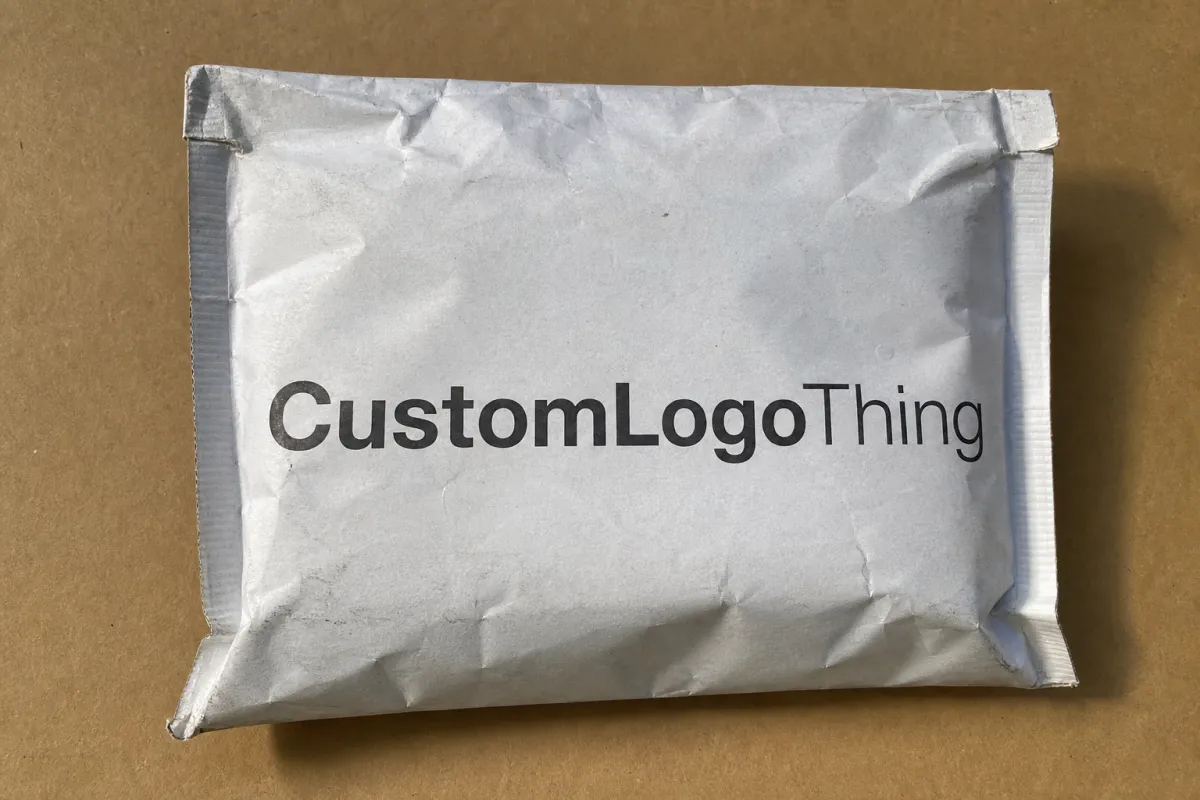
Generic shipping mailers solve one problem. They get parcels out the door. They rarely solve the more expensive problems that show up after a brand starts scaling.
Candle brands hit that wall early because the product mix is awkward. Glass adds weight. Fragrance oils raise the stakes for leakage and odor transfer. Cartons scuff easily. Corners crush. Seasonal gifting pushes customer expectations higher right when parcel networks get less forgiving.
A small brand might begin with plain bubble envelopes or stock poly mailers because order volume is low and cash flow is tight. Fair enough. Plenty of businesses start there. Once volume rises, the hidden costs stop hiding. Return requests climb. Social proof takes a hit when the unboxing feels generic. Packing teams waste time hunting for the least-wrong stock size. Oversized mailers add dead space, which increases movement in transit and makes the package feel cheaper when it lands.
From a packaging buyer's perspective, the warning signs usually show up in familiar ways:
- Damage clusters around corners, lids, or bundled accessories
- Mailers show print rub, punctures, or adhesive failure after temperature swings
- Packing stations need multiple void-fill steps to compensate for poor sizing
- Brand presentation feels disconnected from the inner carton and insert set
- Supplier quotes are impossible to compare because every vendor prices a different structure
The economics are sharper than most teams expect. A branded padded mailer that costs $0.11 more per unit can still be cheaper overall if it trims parcel weight by 0.8 to 1.5 ounces versus a small box-and-fill setup, reduces pack time by 10 to 20 seconds per order, and prevents even a modest return rate. On a 5,000-order run, seconds turn into labor hours. Ounces turn into freight spend. None of that is theoretical if you ship enough volume to feel every inefficiency.
Presentation matters too. Customers do not always separate product quality from shipping quality. Maybe they should. They usually do not. A premium fragrance blend inside a dull, wrinkled, off-size mailer sends mixed signals. A clean branded mailer with sharp print, a reliable seal, and the right dimensions tells a better story before the seal is even broken.
Important: Padded mailers work best as a targeted tool, not a universal shipping answer. They are strong for lighter candle-related SKUs and carton-packed small formats. They are not always the safest choice for loose, heavy, or high-value glass vessels.
That is why standardized quoting matters. Once you define the intended SKU mix, target dimensions, packed weight, and required performance, comparing suppliers gets much easier. A supplier quoting a 70-micron co-ex mailer with 3/16-inch bubble lining is not offering the same pack as one quoting a paper-padded 125gsm outer with a 200gsm cushioning layer. The unit prices may look close. The real-world performance may not.
Branded padded mailers for candle brands: where they fit in the packaging mix
Branded Padded Mailers for Candle Brands are flexible outer shipping packs with built-in cushioning and custom print, used either as the direct-to-consumer shipper or as a branded overpack for lighter candle-related items. Simple definition. Less simple buying decision. A mailer only performs well when it actually matches the product, the parcel profile, and the customer promise.
The easiest way to place padded mailers correctly is to compare them against the formats buyers usually weigh:
| Packaging format | Typical protection level | Weight efficiency | Print/branding surface | Best fit for candle sellers |
|---|---|---|---|---|
| Standard poly mailer | Low | High | Good | Soft goods, printed inserts, non-fragile accessories |
| Bubble-lined mailer | Medium | Good | Moderate | Wick tools, match bottles, sample kits, light carton-packed items |
| Paper-padded mailer | Medium | Moderate | Very good | Natural-brand positioning, wax melts, refill pouches, inserts |
| Rigid mailer | Medium to high | Moderate | Good | Flat kits, folded collateral, fragile but shallow sets |
| Corrugated carton | High | Lower | Excellent | Loose glass jars, multi-candle bundles, heavier shipments |
The best use cases are specific, and that is fine. Padded mailers make a lot of sense for wax melts, mini tins, discovery kits, wick trimmers, match jars with protective sleeves, folded care cards, and boxed small candles where the inner carton already carries part of the protection load. They can also work well for accessory-driven average order values, especially where a brand wants a lighter, softer parcel footprint without moving to a rigid carton.
Where do they struggle? Heavy glass. Loose jars. Multi-unit bundles with high total packed weight. If the product inside needs edge crush resistance and stack strength more than surface cushioning, corrugated usually wins. That is not a knock on padded mailers. It is basic pack matching.
Think in layers. The primary pack protects the candle itself: vessel, lid, label, warning, closure. The secondary pack organizes the saleable unit: inner carton, divider, insert, care card, sampler bundle. The transit layer absorbs drop shock, abrasion, and handling abuse. Buyers who define those layers clearly write better RFQs and get cleaner quotes.
Branding options are broader than many buyers assume. A padded mailer can carry exterior color blocks, repeating logos, full-panel prints, QR codes, social prompts, care instructions, handling notes, return messaging, and a reserved batch-coding area. Some brands pair the mailer with a branded insert and a matching interior carton to build a coordinated system. If that is the direction, it helps to compare mailers alongside Custom Poly Mailers and other e-commerce formats rather than reviewing each pack in isolation.
The most useful prep step is not artwork. It is data. Know your intended SKU mix. Know your average order value. Know the dimensions and weight of the packed products, not just the bare units. A supplier can quote far more accurately when you can say, for example, that 60% of orders are one wax melt clamshell plus insert, 25% are a discovery set with three mini tins, and 15% are accessory-only orders under 0.75 pounds. That sounds boring. It is also what separates usable quotes from guesswork.
Specifications that belong on every supplier quote checklist
Weak RFQs create noisy quotes. If you want an apples-to-apples comparison, every supplier should be pricing the same core structure. That starts with a complete specification list, not a quick email that says, "Need a custom padded mailer, please quote."
Core dimensions and construction
Every quote request should list finished size, usable inner size, flap length, seal type, and side seam construction. Finished size alone is not enough. A mailer listed at 8 x 10 inches may offer a meaningfully smaller usable cavity once padding thickness and seal geometry are factored in.
Build your dimensions around the packed product plus realistic movement allowance, not bare item measurements. A boxed mini candle with a warning label and folded insert can need 0.25 to 0.5 inches more depth than the product sheet suggests. Tight specs create seal strain. Loose specs create rattling, dead space, and freight inefficiency.
Material structure
Ask the supplier to spell out the exact material build. For plastic-based structures, that may mean co-extruded polyethylene layers with a stated gauge, such as 2.5 mil to 3.5 mil outer film plus bubble lining. For paper-based constructions, ask for paper grade, basis weight, padding composition, and whether the structure includes lamination or water-resistant treatment.
Common choices for candle brands include:
- Co-ex plastic padded mailers: lightweight, good puncture resistance, often lower freight weight
- Recycled-content film structures: useful for brands targeting post-consumer recycled content goals, though exact PCR percentages should be documented
- Kraft-look laminated mailers: a natural aesthetic with better moisture resistance than plain paper, but not always curbside recyclable
- Paper-padded alternatives: a strong visual fit for earthy or botanical brands, typically heavier and sometimes bulkier
If sustainability claims matter, ask for documentation instead of broad statements. The EPA guidance on reducing and reusing materials is a reasonable baseline for internal decision-making, while chain-of-custody questions may call for information from FSC if paper sourcing is part of the brand story. Also, be honest internally: a padded mailer can improve freight efficiency and still fall short of a brand's recyclability goals. Those tradeoffs should be documented, not hidden under green marketing language.
Performance details buyers often miss
Costly surprises usually hide here. A good checklist asks about puncture resistance, seal integrity, adhesion under heat, opacity, scuff resistance, and interior marking risk from fragrance oils or residue. Candle shipments can sit in summer linehaul trailers above 120 degrees Fahrenheit. Adhesives that behave nicely in mild conditions do not always hold up the same way during heat spikes.
Side seam strength deserves extra attention. If the order includes a boxed mini candle, metal wick trimmer, and glass match bottle, side loading during transit can stress seams more than the face panel. Ask for test data, or at minimum ask how seam failure is monitored during production. A supplier that answers with specifics is usually easier to trust than one leaning on vague confidence.
Print and finishing
Print costs vary more than many buyers expect. A one-color flexographic repeat logo is a very different job from a full-coverage matte black mailer with fine serif text and interior messaging. Your RFQ should request the print method, number of colors, estimated coverage percentage, PMS matching approach, minimum readable text size, and bleed tolerance. If the supplier offers digital, flexo, or gravure options, ask them to quote the most practical method for your order size rather than defaulting to the fanciest option on the menu.
As a rough rule, flexographic printing tends to suit many mid-volume mailer runs because setup costs are manageable and repeat consistency is usually acceptable for shipping applications. Gravure can deliver excellent print quality on larger runs but often comes with higher tooling commitments. Digital can reduce setup constraints for short runs, though unit costs may remain elevated. There is no universally best method. There is only the one that fits the volume, artwork, and tolerance for setup cost.
Evidence, not promises
Do not accept a quote sheet without support materials. Request:
- Sample photos of similar structures
- Dielines with flap and seal areas marked clearly
- Manufacturing tolerance ranges on size and thickness
- Any available testing data or in-house quality checkpoints
- Carton pack count and outer carton dimensions
The strongest suppliers understand why those details matter. Buyers need comparison inputs, not adjectives. If a converter cannot clearly explain what is being quoted, that is a supplier risk in its own right.
Pricing, MOQ, quote structure, and unit cost drivers
A padded mailer quote is rarely just a mailer quote. It is a stack of material assumptions, production choices, and logistics decisions disguised as a single line item unless you push for detail. Serious buyers ask for the breakdown because that is where the real cost story lives.
Most suppliers build price from the same broad components: raw material, size, gauge or paper weight, cushioning type, print method, number of colors, coverage percentage, plate or cylinder charges, packing configuration, and freight. The problem is that one quote may hide setup inside unit cost while another lists it separately. One may price EXW. Another may imply delivered cost. One may assume stock dimensions. Another may quote a fully custom run. No wonder buyers end up comparing numbers that should never have been compared in the first place.
That is why the lowest unit price can fool you. Suppose Supplier A offers $0.24 each at 20,000 pieces, while Supplier B offers $0.29 each at 5,000 pieces. If your real demand is 6,000 units over six months and warehouse space is expensive, Supplier B may be the smarter buy. Cash flow matters. Storage matters. Obsolescence matters, especially if your artwork changes seasonally or your order profile shifts after a product launch.
Typical MOQ patterns
Custom printed padded mailers often start around 3,000 to 10,000 pieces for simpler stock-size projects, though that varies by print method, region, and material choice. Fully custom sizes with dense multi-color print may push MOQ higher. Digital options can sometimes support smaller trials, but the unit economics may only make sense for testing, influencer kits, or short premium runs.
Ask for at least three tiers. A practical quote grid might include 5,000, 10,000, and 25,000 pieces. That shows where the real cost curve sits. It also reveals whether a supplier becomes competitive only at quantities you may never actually use.
What a complete quote should include
Request these fields every time:
- Unit price by quantity break
- Setup, plate, or cylinder charges
- Sample cost and whether it is refundable after an order is placed
- Finished size and material structure
- Thickness or basis weight details
- Carton pack count and palletization assumptions
- Freight terms, delivery assumptions, and duty status if relevant
- Lead time for sample and lead time for production listed separately
For candle brands, unit cost only means something in relation to order value and damage exposure. A mailer that adds $0.07 per order may look expensive until you compare it with a 1.5% reduction in replacements on a $34 average order value. One damaged shipment can easily cost $12 to $24 once outbound freight, replacement product, packaging, and customer service labor are included. The margin story changes quickly.
There is another angle buyers miss: dimensional weight. If a poorly sized mailer pushes a parcel into a larger rate bracket, the freight penalty can wipe out any savings on packaging itself. Even a half-inch here and there matters on high-volume e-commerce programs, especially during peak periods when carriers tighten pricing and service expectations.
Practical benchmark: For moderate-volume Custom Padded Mailers, buyers often see broad price ranges from roughly $0.18 to $0.55 per unit depending on size, structure, print coverage, and quantity. That spread is normal. It is not useful unless the underlying specs match.
If you are comparing suppliers, build three commercial scenarios: a launch quantity, a steady-state reorder quantity, and a seasonal mixed-SKU quantity. That approach shows whether the supplier looks good only on paper or across your real buying pattern. It also gives procurement and finance a cleaner basis for approval. Numbers are helpful. Decision context is what keeps the numbers honest.
If you want to pressure-test those assumptions against real projects, reviewing relevant Case Studies can help frame how quote structure, material selection, and freight planning affect landed cost over time.
Process, lead time, and production steps from artwork to delivery
Lead time confusion causes more launch problems than print defects. Buyers often treat sampling and production as one block of time. Suppliers usually do not. That gap is how dates get missed, rush freight gets approved, and someone in operations ends up annoyed for very good reasons.
The normal production path looks like this:
- Inquiry and initial specification review
- Dieline confirmation
- Artwork submission and technical check
- Sample stage, if required
- Artwork approval for mass production
- Production scheduling and printing
- Quality inspection
- Packing and dispatch
- Freight transit and final delivery
Sampling lead time is not mass production lead time. A sample might take 5 to 10 business days depending on complexity. Production might take 12 to 20 business days after final approval. Transit could add 2 to 7 days domestically or several weeks for ocean freight. Buyers who compress those windows into one optimistic estimate usually pay for it later, either in delays or in expedited shipping they did not budget for.
Timeline variables for candle brands tend to include custom size approval, print tooling creation, material sourcing, holiday congestion, and the shipping mode chosen after production. If your project uses a specialty finish, exact PMS matching, or coordinated branding across cartons, labels, and mailers, approval cycles often stretch because more teams need to sign off. That is normal. Pretending it will not happen is how schedules slip.
When to request samples and proofs
Ask for a pre-production sample when the structure is new, the dimensions are tight, or the mailer has to coordinate visually with other branded packs. Ask for a press proof or photo approval when color consistency matters, especially if the outer mailer needs to align with inner packaging already on shelf or in social content.
One rule saves a lot of trouble: finalize dimensions only after transit testing with filled products. Empty mockups lie. A mailer can look perfect around an empty carton and fail once the product is packed, weighed, sealed, and dropped. For validation, basic internal testing can include drop checks, seal pull checks, rub evaluation, and a short dwell period after sealing to confirm the closure still holds under normal pack pressure. More formal transit testing may reference standards from ISTA or similar protocols depending on the shipment profile.
What to request from the supplier
Good project management on the supplier side is not some nice extra. It cuts rework. Ask for milestone dates, approval deadlines, backup shipping options, and one clear point of contact for revisions. If you need the mailers in hand for a launch, ask which date is the true no-slip deadline for artwork approval. That date matters more than the broad estimate in the first email.
For many buyers, the cleanest workflow is to prepare one RFQ package containing dimensions, artwork count, order volume tiers, delivery zip code, and target in-hands date. Add packed product photos if the SKU mix is unusual. That gives the supplier enough detail to quote accurately and enough context to flag risks before they become expensive.
Why choose a supplier that understands candle shipping realities
Packaging suppliers reveal their value by the questions they ask. A supplier that understands candle shipping does not start with logo size. They start with vessel weight, order mix, seasonal heat exposure, and whether the mailer is carrying a boxed candle, wax melts, or an accessory bundle. That line of questioning is not academic. It is operational. It determines whether the recommended structure is believable.
A strong converter also understands the value of coordination. Many candle brands do not buy mailers in isolation. They buy inserts, labels, cartons, poly mailers, and promotional pieces that need visual alignment. Working with a partner that can standardize colors, materials, and quote inputs across formats reduces preventable revisions and shortens approval loops.
Quality controls deserve scrutiny. Buyers should ask whether the supplier performs incoming material checks, monitors seal strength during runs, checks print registration, verifies carton counts, and maintains batch traceability. Those systems are not glamorous. They are exactly what procurement teams need when a reorder has to match the previous run and a warehouse needs accurate receiving.
Custom Logo Things is well positioned when a brand wants more than a one-line quote. A consultative manufacturer can help narrow realistic material options, standardize RFQ inputs, and quote multiple constructions side by side so the buyer can weigh protection, cost, and branding without guesswork. That approach is especially useful for brands trying to compare a paper-padded format against a lighter co-ex construction under the same size and print brief.
Service factors reduce risk too. Responsive artwork support, honest tolerances, sample availability, and a willingness to quote several sizes instead of forcing one stock option often matter more than an aggressive first number. The cheapest per-piece quote is not always the lowest-cost buying decision. If it increases damage, creates reorder friction, or causes print inconsistency, you will pay for it somewhere else. That is not cynicism. It is procurement math.
If you want to compare options in a structured way, the fastest route is usually to Contact Us with your packed product dimensions, estimated usage, artwork count, and whether the candle already ships inside a carton. Clear inputs produce cleaner recommendations.
Next steps: use this supplier quote checklist before you order
The buying sequence should be disciplined. Start by defining your SKU mix. Confirm whether the mailer will carry boxed candles, lighter accessories, wax melts, or a combination. Shortlist two to three target sizes based on actual packed products, not assumptions. That step alone improves quote quality dramatically.
Then prepare a clean RFQ package. Include finished dimensions, estimated annual usage, print colors, artwork count, target MOQ, delivery zip code, and required in-hands date. Add packed product weight and a quick note on whether the saleable unit is already inside its own carton. Those details shape both protection and price.
Ask every supplier for the same comparison set:
- Unit price by quantity tier
- Material structure and thickness
- Padding type and seal style
- Sample method and sample timing
- Mass production lead time
- Freight assumptions and carton pack count
- Testing notes or performance guidance
After that, validate in the real world. Pack a pilot order. Check seal performance after 24 hours. Review print rub resistance. Measure parcel weight and external cube. Run a few basic drop checks with actual filled products. If the order mix includes fragrance accessories or match jars, test those too. Those checks are not overkill. They are cheap insurance against expensive revisions.
For most candle brands, the smartest approval path looks like this:
- Send artwork and packed product dimensions
- Request three quote tiers, such as 5,000, 10,000, and 25,000 pieces
- Ask for at least two construction options if the use case is borderline
- Review sample recommendations before approving production
- Lock dimensions only after testing packed items
The broader point is simple. A branded Padded Mailers for Candle Brands supplier quote checklist helps protect margin, presentation, and delivery reliability at the same time. It gives your team a cleaner way to compare suppliers, avoid vague promises, and invest in a mailer that actually fits the product, the freight profile, and the brand.
If you want one actionable takeaway, use the checklist to force every supplier onto the same spec sheet before you compare prices. Same size. Same material structure. Same print scope. Same freight assumption. Same lead-time format. That one discipline does more to prevent bad packaging buys than any clever negotiation tactic.
FAQ
How do I use a branded padded mailers for candle brands supplier quote checklist correctly?
Use the same RFQ data for every supplier so the quotes are truly comparable. That means identical size, material structure, thickness, print coverage, MOQ target, freight terms, and lead time request. Include the packed product weight and state whether the candle ships in its own carton, because that changes both protection needs and mailer size. Ask suppliers to separate setup charges, sample costs, and freight from the unit price so you are not comparing blended numbers that hide the real cost. If a supplier keeps answering with a generic catalog sheet, push back and ask them to quote your exact structure.
Are branded padded mailers suitable for shipping glass candle jars?
Usually only if the jar is already protected inside a strong inner carton and the total packed weight stays within the mailer's practical performance range. For loose or heavy glass vessels, corrugated cartons are typically safer because they handle drop shock, edge crush, and stacking pressure more effectively. Padded mailers are more commonly used for wax melts, tins, accessories, and carton-packed lighter candle products where the inner pack is already doing part of the protective work. If the shipment is fragile enough to make you nervous in a soft-sided pack, that is probably your answer.
What MOQ should I expect for custom branded padded mailers for candle brands?
MOQ depends on whether you are using a stock size or a custom size, the print method, the number of colors, and whether new plates or cylinders are required. Simpler stock-size projects usually start lower than fully custom dimensions with dense print coverage. In many cases, buyers will see entry points around 3,000 to 10,000 pieces, but the smarter move is to ask for multiple quantity tiers so you can weigh cash flow, storage burden, and true unit cost instead of chasing the lowest theoretical price. A low MOQ is only useful if the landed economics still make sense.
Which specifications matter most when comparing branded padded mailer quotes?
The essentials are finished size, usable inner size, film or paper structure, padding type, thickness, seal style, print method, and color matching expectations. Do not skip tolerance ranges, carton pack count, and freight assumptions, because those details affect receiving efficiency and final landed cost. If the package may face heat, pressure, or fragrance exposure, ask directly about seal integrity, scuff resistance, puncture resistance, and how the material behaves in transit. Those answers usually tell you more than the headline price.
How long is the lead time for branded padded mailers for candle brands?
Lead time usually has separate stages for artwork approval, sampling if needed, mass production, and freight transit. Custom size development and new print tooling tend to add more time than repeat orders on an existing spec. A realistic planning window may include 5 to 10 business days for sampling, 12 to 20 business days for production after approval, plus freight transit. The fastest way to avoid delays is to finalize dimensions from packed product testing before artwork approval and confirm the shipping method early. Treating all of that as one neat lead-time number is how schedules get sloppy.