Tea Brand Window Cartons Cost: Order Custom Tea Boxes
Tea has a way of selling the idea of freshness before a customer ever opens the carton, and that is exactly why tea brand window cartons cost deserves a careful look. A clear panel changes the first impression fast. It lets shoppers see leaf shape, tea bag count, color, or a gift-ready arrangement before they commit, and that small cue can do more for trust than another pass of ink ever will.
For a packaging buyer, tea brand window cartons cost is never just a line on a quote. It sits between shelf appeal, material choice, product protection, and the level of proof a brand wants to give away visually. The cheapest carton is not always the smartest carton. The better one protects the tea, survives freight, and still leaves room for the brand story.
Why it matters: a window affects die cutting, board strength, film choice, and assembly. Those extra steps explain why tea brand window cartons cost can rise quickly, especially on shorter runs or on cartons with custom-shaped openings that need special tooling.
Launching a new tea SKU, building a seasonal gift line, or trying to stand out on a crowded shelf can make the window worth the spend. The practical path is simple enough: define the specs, compare options side by side, and ask for an itemized quote before the order is locked in.
Why Tea Brand Window Cartons Cost More Than Plain Boxes
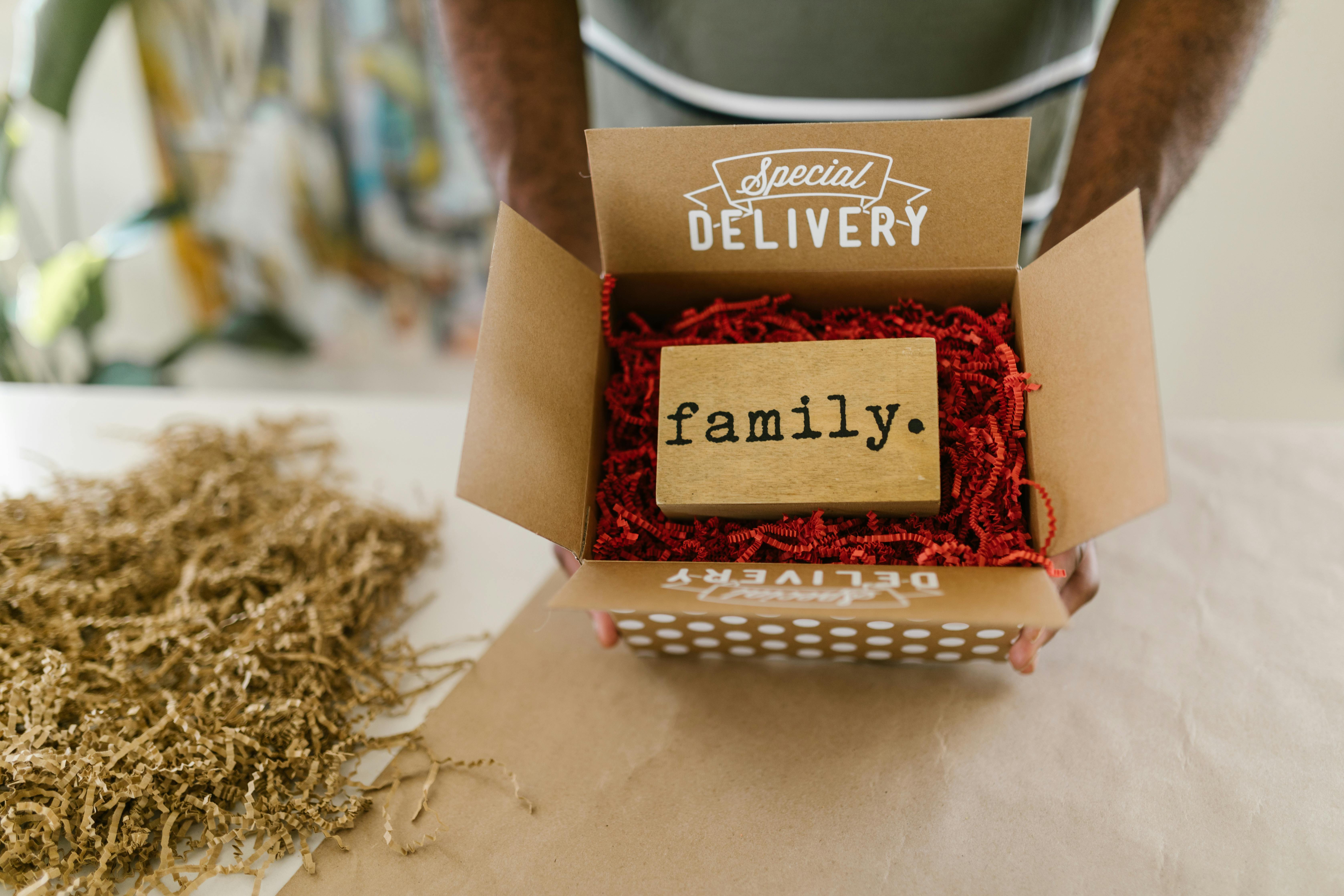
A window changes how a shopper makes a decision, and that is the first reason tea brand window cartons cost more than a solid-front carton. Buyers want proof. They want to see freshness, leaf size, bag count, or the richness of a blend before they pick up the box. Visibility lowers hesitation in a way graphics alone usually cannot.
Plain cartons still have their place. They work well for warehouse storage, private-label programs, and products that rely on a separate inner pouch. Once the tea moves into retail or premium gifting, though, a window can improve shelf appeal and strengthen brand identity by framing the product instead of hiding it behind full coverage artwork.
The added cost comes from the production chain. A standard carton may only need printing, scoring, folding, and gluing. A window carton adds die cutting, film application, and tighter inspection along the way. Those extra steps may look small on a large run, yet they become noticeable on shorter quantities. That is why tea brand window cartons cost should always be quoted with the order size attached.
There is also a retail psychology angle that gets missed more often than it should. A tea box with a window can feel cleaner, fresher, and more open. Whole-leaf black tea looks more refined when the leaf size is visible. Herbal blends feel more botanical when the colors can be seen. Sample packs look organized rather than generic. That is not decoration for decoration's sake. It is shelf-level communication.
Too many tea brands spend money trying to solve every packaging problem with special effects. A simpler carton with one carefully placed window often does more for the shopper than a layered finish stack. In many cases, tea brand window cartons cost less than a heavy foil treatment and does more for conversion because the product becomes part of the presentation.
Window cartons tend to make sense in a few common situations:
- Launch SKUs that need quick retail credibility.
- Gift sets where presentation supports the selling price.
- Crowded shelf environments where the pack must stand out in seconds.
- Loose-leaf teas or whole-leaf blends where the tea itself tells the story.
- Sampler packs that benefit from visible count, color, or assortment.
The design itself can push tea brand window cartons cost higher as well. A large window with rounded corners, a custom leaf silhouette, or a side-panel reveal usually costs more than a basic rectangular cutout. Small changes to the die line can affect tooling, waste, and speed on the converting line. That is why a buyer should treat the window as part of the structure, not an afterthought.
A window is not just a visual detail; it is a selling decision. If the pack does not help the tea move faster, the structure has to earn its place by improving shelf confidence, clarifying the product, or reducing the need for a more expensive finish.
For buyers comparing options, the better question is not, "Can I afford a window?" It is, "What should this window accomplish?" If the answer is visibility, premium positioning, or ingredient credibility, then tea brand window cartons cost becomes easier to justify. If the answer is only style, a plain carton may be the better buy.
For general packaging guidance, the resources at packaging.org help explain carton construction basics, while transit and distribution guidance from the ISTA can help brands avoid packaging that looks polished but fails under shipping pressure.
Product Details: What Tea Brand Window Cartons Include
A tea window carton usually starts with folding carton board, then adds a die-cut opening, a clear film patch, printed graphics, and glued seams. It sounds simple on paper. In production, each piece affects tea brand window cartons cost and the way the carton feels in hand. The board has to hold its shape. The window film has to stay clear. The glue line has to stay tight. The artwork has to align with the opening so the pack feels deliberate instead of patched together.
The most common board choices are SBS, coated kraft, and recycled board. SBS usually gives the cleanest print surface and the sharpest visual branding. Coated kraft supports a more natural look, which often works well for organic or wellness-focused tea lines. Recycled board can help control unit cost, especially when the outer carton is supporting a barrier pouch inside. For premium gift sets, some brands choose heavier stock so the box feels more substantial and carries a stronger unboxing experience. That tactile impression matters more than most spreadsheets admit.
Carton style matters as much as stock. Tuck-end cartons are popular because they are efficient to make and easy to fill. Auto-bottom styles speed up packing on the line. Sleeve-style packs add a reveal effect that can feel premium without moving into rigid-box territory. Display-ready retail formats work well for multipacks or seasonal sets, especially if the tea is sold near checkout or in a promotional display.
Window shape is another cost lever. A small freshness window may show just enough tea to reassure the shopper. A larger showcase window puts more of the product on display, but it can weaken the panel if the structure does not leave enough board around the cutout. Side-panel windows suit narrow cartons or sampler sets. Custom cutouts that echo a tea leaf, teapot, or brand mark can strengthen recognition, though they also tend to increase tea brand window cartons cost because the die is more specialized. A buyer can kinda see the tradeoff right there: more personality usually means more setup.
Functional details are easy to miss when attention stays on artwork:
- Barcode placement has to stay scannable after folding.
- Batch code space should be reserved early rather than squeezed in later.
- Tamper cues may be needed for retail distribution.
- The inner pouch, tray, or sachet count must fit without bulging the carton walls.
- Any sustainability claim should match the board and film actually used.
That last point carries real weight. A tea brand may want a recyclable carton, a paper-forward message, or an FSC-linked sourcing story. The board choice has to support the claim. If the window film is not recyclable in the same stream as the board, that should be stated clearly instead of glossing over it. Buyers notice those details, and so do retailers.
One practical benchmark helps in many projects: when the tea already sits inside a foil pouch or high-barrier sachet, the outer carton can focus more on display and less on moisture protection. That opens the door to lighter board or simpler finishes. In those cases, tea brand window cartons cost can stay controlled while still delivering a premium look.
For sourcing claims, FSC certification is a useful reference point. For transit confidence, ISTA-style thinking matters more than ornament. A box that holds up to shelf handling, carton compression, and freight vibration usually performs better over time than one that looks expensive but crushes easily. Brands that care about consistency should ask for sourcing details and distribution expectations before placing the order.
Specifications That Matter Before You Request a Quote
If a buyer wants a clean estimate, the specs need to be set before the quote goes out. This is where many tea orders drift. Someone sends a polished reference image without the pouch size, the tea count, or the board preference. The result is a wide pricing spread because the vendor has to guess at key inputs, and tea brand window cartons cost becomes harder to pin down.
The first details should be the physical dimensions. Length, width, and depth must reflect the product inside the carton, not the rough size of a competitor's pack. Whether the tea holds 20 bags, 25 bags, or a loose-leaf pouch with an insert changes the internal fit. That fit affects board usage, folding behavior, and the amount of dead space inside the box. Dead space is not only a packing concern; it can make the carton feel less premium.
Window placement should be decided early. A cutout is not something to add casually after the rest of the structure is done. The opening has to show what the shopper needs to see, and it still has to leave enough strength around the panel for the carton to survive handling. A large cutout on a narrow face can weaken the board. A poorly placed window can also hide the best part of the product, which defeats the point.
Print and finish choices also shape tea brand window cartons cost. CMYK printing is usually the most flexible option for full-color artwork. Spot colors help when a brand needs exact tone matching or a signature shade. Gloss coating can make bright packaging pop. Matte finish often feels calmer and more refined. Soft-touch coating adds tactile value, though it raises cost. Foil accents can help a premium tea line stand out, but they work best when used with restraint so the carton does not feel overworked.
Compliance needs to be settled before artwork is finalized. That includes legal copy, country-of-origin text, barcode format, batch code area, and any claims about organic sourcing, recyclable materials, or food-contact compliance. Some markets also require FDA-safe material guidance. If that information is missing, the proof cycle slows down and tea brand window cartons cost can rise through avoidable revisions.
Artwork prep is another place where small errors create delays. The cleanest files are dieline-ready, with fonts outlined and images at proper resolution. A single approval contact should be named before the proof goes out. If three people need to sign off, production usually waits. If one person owns the decision, the order moves faster.
Here is a quote checklist that saves time and keeps the budget grounded:
- Exact product dimensions, including the inner pouch or tray.
- Quantity per box and total run size.
- Preferred board stock and finish.
- Window shape, size, and placement.
- Artwork files and required text.
- Shipping destination and target delivery date.
That list may look basic, but it is the difference between a rough estimate and a usable quote. It also keeps tea brand window cartons cost tied to real production inputs rather than assumptions. Buyers who send complete specs usually get a clearer unit cost, a tighter MOQ discussion, and fewer surprises later.
Brands that want a stronger shelf story should also think about consistency across reorders. The first run is rarely the hard part. The third and fourth run are where consistency gets tested. A tight spec sheet helps repeat orders stay closer in color, fit, and finish. A vague first order turns every reorder into a new conversation.
Tea Brand Window Cartons Cost, Pricing, MOQ, and Unit Cost
Tea brand window cartons cost is shaped by a fairly small group of variables, and once those are clear, the pricing conversation gets much easier. The biggest drivers are board grade, carton size, print coverage, window size, special finishes, and order quantity. In practical terms, bigger boxes use more material, more decoration raises the quote, and lower volumes increase unit cost because setup work gets spread across fewer cartons.
MOQ matters more than many buyers expect. A small run can still be the right choice for a launch, though the per-box price will usually be higher than a larger production run. That does not make a lower MOQ a poor decision. It means the buyer is paying more per unit for flexibility. In tea packaging, that trade can make perfect sense for seasonal products, local releases, or lines that are still finding their market.
A useful way to read tea brand window cartons cost is to ask for at least two material options, two quantity tiers, and one version with a standard window plus one with a larger or custom cutout. That gives a useful spread instead of a single number. It also exposes the places where the cost jumps really happen.
| Option | Typical MOQ | Indicative Unit Cost | Best Fit |
|---|---|---|---|
| Recycled kraft tuck-end with small rectangular window | 1,000-3,000 | $0.30-$0.55 | Eco-leaning tea lines, value sets, inner pouch packs |
| 350gsm SBS carton with CMYK print and PET window | 3,000-5,000 | $0.38-$0.72 | Retail teas needing sharper shelf impact and clean graphics |
| Soft-touch carton with foil detail and custom-shaped window | 5,000+ | $0.65-$1.25 | Premium tea gifts, holiday packs, boutique blends |
| Heavy stock carton with insert, specialty finish, and large display window | 10,000+ | $0.80-$1.60 | High-end gifting, sampler kits, subscription presentation boxes |
Those ranges are directional rather than fixed offers. They show how tea brand window cartons cost usually shifts as structure and finish become more involved. A small window, simple board, and one-pass print are generally the least expensive route. Add foil, embossing, a larger cutout, or unusual assembly, and the quote climbs. The change is not random. It follows time, material, and conversion steps.
Buyers should always ask what the quote includes. A useful quote should spell out unit cost, tooling or plate charges, proof charges if any, sample cost, freight estimate, and whether revision rounds are included. If the vendor gives only one unit number, the quote is incomplete. Tea brand window cartons cost can look attractive on paper and still miss the mark if tooling, shipping, or extra approval cycles sit outside the headline price.
The cheapest carton is not always the least expensive in actual use. A carton that saves two cents per unit but tears during pack-out, crushes in transit, or forces a redesign later has a higher real cost. That is where some buyers get caught. They focus on one number and ignore the full production path. From a procurement view, the right question is not "What is the lowest quote?" It is "What is the best landed value for the run I actually need?"
To keep tea brand window cartons cost under control, buyers can use three simple controls:
- Choose a standard window shape before requesting a custom die.
- Keep print coverage efficient, especially on smaller runs.
- Compare one premium finish against one simpler finish before approving artwork.
Freight also matters. Denser board may feel better, but it adds shipping weight. A large window may save board, but if the pack needs additional protective inserts, the savings can vanish. That is why real quoting has to include both production and delivery. The lowest factory price does not always lead to the lowest final spend.
For a buyer managing several SKUs, a pricing matrix is often the smartest move. Compare tea brand window cartons cost at 1,000, 3,000, and 5,000 pieces. Then compare the same volumes with standard and premium finishes. Those breakpoints usually reveal where unit cost drops enough to justify a larger order, especially if the tea already has stable sell-through and repeat demand.
Process and Timeline: From Proof to Production
The order path is usually straightforward, but every step needs an answer before the next one starts. Inquiry comes first. Then comes spec review, quote, dieline creation or review, artwork submission, proof approval, sampling if needed, production, finishing, and shipment. Tea brand window cartons cost does not fully make sense until the proof is approved and the spec sheet is frozen.
Time starts after approval, not after the first email. That distinction matters. A buyer may feel the order is already moving because the design discussion has started, but production cannot begin until dimensions, print files, and final text are approved. Artwork issues are the most common source of delay, especially when the barcode is missing, the legal line is incomplete, or the finish is still undecided.
A standard window carton project often takes 12-15 business days after final proof approval for production, though that can stretch to 18-25 business days if the order includes specialty finishes, complex die work, or a large run. Shipping time is separate. A buyer who needs a tight launch date should ask for both the estimated ship date and the estimated arrival date. Those are not the same thing.
Buyers can save time by handling three things early. First, send exact dimensions rather than estimates. Second, confirm the print language and any compliance text before proofing begins. Third, choose the finish before requesting samples if possible. Every unknown adds another round of communication. Every round extends the timeline.
There are also production checkpoints that protect quality:
- Color matching keeps the pack consistent across restocks.
- Die-cut accuracy ensures folds, flaps, and windows line up correctly.
- Window alignment keeps the visible product centered and intentional.
- Glue tests reduce the risk of seam failure during filling or shipping.
- Pack-out checks confirm the tea fits the box without distortion.
- Carton compression review helps predict freight and warehouse handling performance.
Rush work exists, but it is not magic. A faster schedule only works if the artwork is clean, materials are available, and the buyer can approve proofs right away. If the design is still changing, rushing the job usually adds stress more than it saves time. That is another reason tea brand window cartons cost should be discussed alongside the calendar. Speed and price often pull in opposite directions.
For brands that sell through retailers, a transit-test mindset is wise. A carton may look beautiful in the mockup and still fail under normal freight vibration. That is why ISTA-based thinking helps even for a simple tea box. The goal is not certification for its own sake. The goal is fewer claims, fewer damaged units, and less margin loss after launch.
If you want to see how structure, print, and retail positioning have played out in real packaging programs, review our Case Studies. They show how different pack choices affect presentation, durability, and cost control across actual product launches.
Tea brand window cartons cost gets easier to manage once the process is disciplined. The more precise the front end, the fewer surprises appear at the end. In packaging, that usually means fewer corrections, fewer remakes, and a cleaner launch.
Why Choose Us for Tea Brand Window Cartons
Custom Logo Things is built for buyers who want a practical packaging partner, not just a catalog of box styles. That matters because tea brand window cartons cost should be discussed before the order is locked, not after someone discovers the structure is expensive to run. Good packaging guidance can save real money by simplifying the build, Choosing the Right board, and keeping the window efficient.
Consistency is one of the main reasons brands return to the same supplier. A tea line that restocks every quarter needs the carton to look the same every time. The print tone should stay within range. The die-cut should stay accurate. The window should sit in the same place. That is brand consistency in very practical terms. It protects the shelf story and supports customer perception over the long run.
We also know tea comes in more than one format. Some brands sell loose-leaf blends. Others use sachets, pyramid bags, or sample assortments. Some need a carton for a single box. Others need a sleeve or a gift presentation pack. The structure changes, and tea brand window cartons cost changes with it. A supplier that understands those differences can recommend a better build instead of forcing every tea product into the same template.
Support matters as much as structure. Buyers usually need three things: a clear quote, responsive prepress help, and honest feedback on what is feasible. If a window is too large for the chosen stock, that should be said early. If a finish pushes the cost beyond the target margin, that should be visible before sampling begins. Straight answers save time and reduce back-and-forth.
There is also a logistics side to this. The best carton is not only the one that looks sharp. It is the one that runs clean through production and holds up in shipping. That balance is where tea brand window cartons cost becomes a business decision rather than a design preference. One extra flourish can be fine. A pack that slows filling, breaks in transit, or forces extra handling is not.
The right tea carton usually has a quiet strength to it: enough structure for retail, enough visibility for trust, and enough discipline in the spec sheet to keep the quote honest.
If you are comparing options now, start with the basics and build from there. Ask for one version with a standard window, one version with a larger reveal, and one version with a finish upgrade. That comparison usually tells the story faster than a long sales pitch. It also shows where tea brand window cartons cost rises and where it stays steady.
For brands that care about sourcing, a paper-based carton supported by FSC-aligned material sourcing can back up the sustainability story. For brands that care about transit, a carton that meets reasonable distribution expectations matters more than a pretty mockup. Those are not competing goals. They are the two sides of a workable package.
For teams comparing vendors, our approach stays practical: clear quotes, feasible specs, repeatable production, and enough flexibility to support launch timing. That is usually what buyers need, even when they do not say it in exactly those words. The pack should look right, fit right, and price right.
Next Steps to Lock In an Accurate Order
The fastest way to get a useful quote is to prepare five essentials before reaching out: product dimensions, target quantity, artwork files, preferred board, and shipping destination. Once those are ready, tea brand window cartons cost becomes much easier to compare because the quote is based on actual production inputs instead of rough assumptions.
Ask for two pricing scenarios at minimum. One should reflect a lower MOQ. The other should show a better unit cost at a larger run. That comparison often reveals the most sensible order size. In packaging, the lowest unit price is not always the best move if it creates inventory pressure. The higher-volume option only works if the tea already has demand.
It also helps to decide whether the carton needs a standard window or a custom cut. A standard shape keeps tooling simpler and can shorten lead time. A custom shape can make the pack more distinctive, but it can also push tea brand window cartons cost upward. The decision should be tied to brand identity and shelf goals, not only the desire to make the box look different.
Before approving any proof, use a short checklist:
- Check spelling, punctuation, and legal copy.
- Confirm barcode placement and size.
- Verify finish details, including matte, gloss, or soft-touch.
- Inspect window alignment against the product position.
- Confirm that the stated quantity and carton dimensions match the spec sheet.
That checklist reduces rework. It also protects tea brand window cartons cost from creeping upward because of avoidable revisions. A weak proof-approval process can cost more than a better board choice ever would.
If you are still comparing options, think in terms of landed value. The right carton should support the unboxing experience, reinforce visual branding, and help the tea earn trust quickly on shelf. A clean window, a solid board choice, and a sensible finish often do more for sales than an overbuilt design that strains the budget.
One more habit pays off over time: keep a record of what worked on the first run. Record the board spec, window size, finishing choice, and the unit cost at each quantity tier. That makes the second order faster and keeps brand consistency intact. It also gives you a real benchmark the next time tea brand window cartons cost needs to be measured against a different SKU.
So the next move stays simple. Choose the quantity, approve the structure, and request an itemized quote that shows exactly how tea brand window cartons cost changes across material, finish, and window options. That is how a tea brand buys with confidence instead of guessing.
What drives tea brand window cartons cost the most?
Board grade and carton size usually lead the list because they affect raw material use and how efficiently the sheet is converted. Window size, shape, and film type add cost through extra die cutting and assembly, especially when the cutout is large or custom-shaped. Print coverage, special finishes, and low order volume can raise tea brand window cartons cost faster than many buyers expect.
What is the MOQ for custom tea brand window cartons?
MOQ depends on the print method, carton structure, and whether the design needs custom tooling. Smaller prototype or digital runs can be possible, but production pricing usually improves once quantities are high enough to spread setup costs. Ask for two or three quantity tiers so you can see where tea brand window cartons cost drops in a meaningful way.
How long does production take after approval?
Artwork and proof approval often take the first few days, especially if dielines or regulatory copy need review. Production usually begins after final sign-off, and the actual run time depends on carton complexity and finishing steps. Shipping time is separate, so ask for both an estimated ship date and delivery date. That gives you a realistic view of tea brand window cartons cost and the timeline together.
Can I keep tea brand window cartons cost down with a custom window?
Yes, if you keep the cutout size reasonable and use a standard shape instead of a highly intricate die line. Using a common board stock and avoiding multiple special finishes also helps control the final quote. A good supplier can suggest a window layout that still shows the tea clearly without adding unnecessary tooling expense, which is often the cleanest way to manage tea brand window cartons cost.
What should I send for an accurate quote on tea brand window cartons?
Send exact product dimensions, quantity per box, target order volume, and whether the tea is bagged or loose-leaf. Include print files or a rough layout, plus any finish, sustainability, or compliance requirements that must be met. Add your deadline and shipping location so the quote reflects both lead time and landed cost. The more complete the brief, the more precise tea brand window cartons cost will be.

