A tea logo can look elegant on a screen and still fall apart on a real cap. The tea Embroidered Baseball Caps material sample guide is meant to catch those failures before production starts, because the problems usually show up in fabric hand, crown shape, stitch tension, or color shift, not in the artwork file. A polished mockup can hide a surprisingly rough product.
That is the part buyers miss most often. A sample is not just proof that a logo can be stitched; it is proof that the cap still feels worth wearing after the embroidery, structure, and trims all land on the same piece. If the cap is for tea staff, event merch, or retail, the difference between "acceptable" and "kept in regular rotation" is often small, measurable, and easy to miss if you are rushing.
What Tea Embroidered Baseball Caps Material Samples Reveal
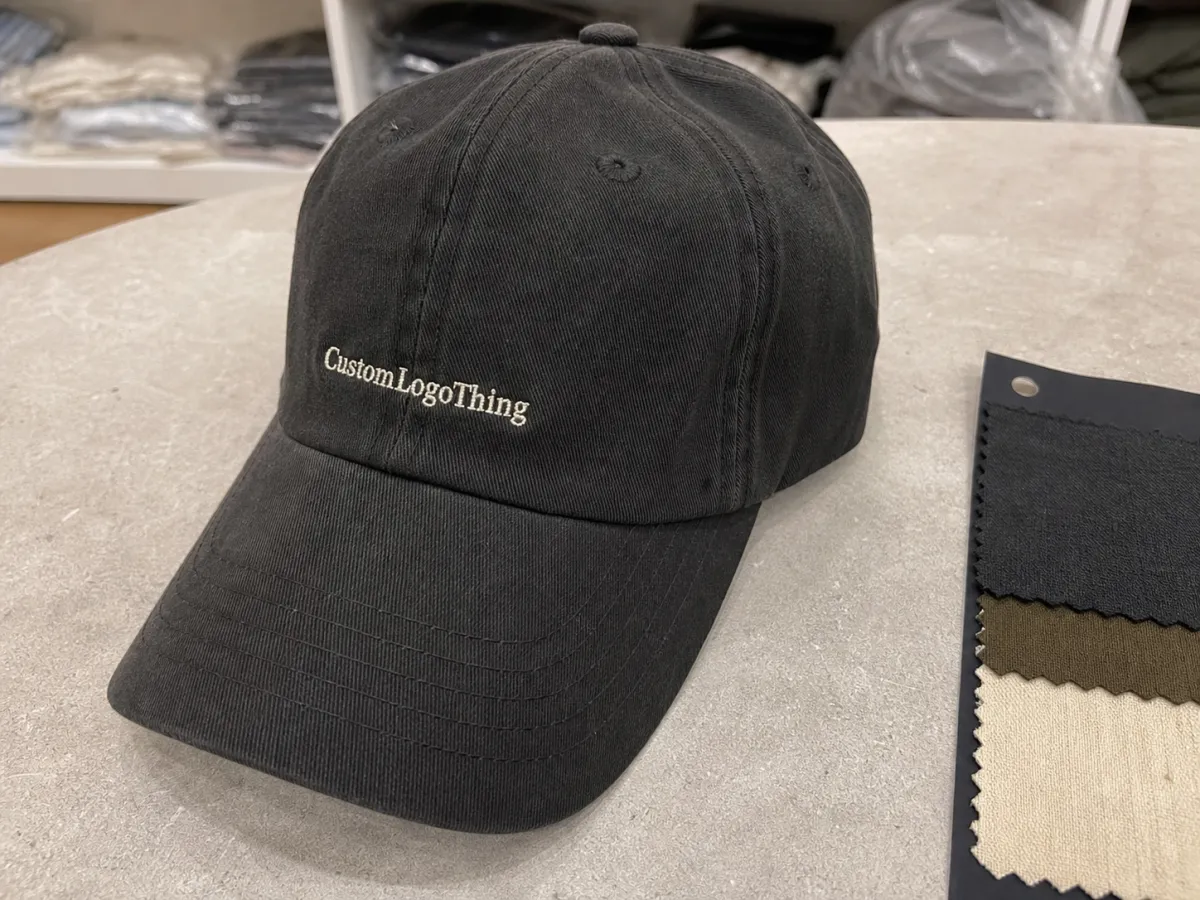
A good cap sample should answer a simple question: does this look and feel like a real retail product, or like a giveaway item that will be tossed into a drawer? For tea brands, that matters more than people admit, because soft color palettes can go muddy fast if the fabric is wrong. Cream thread on a warm tan crown may look refined in a mockup, then read dusty or flat in hand. Green thread can look crisp on one base fabric and dull on another.
The most useful sample review starts with the crown fabric. Is it cotton twill, cotton-poly blend, brushed cotton, canvas, or a washed finish? Each behaves differently once embroidery enters the picture. A structured cotton twill around 250-350 gsm usually gives a clean retail look and holds shape well. Lighter fabrics can work, but they need careful stitch density and a lighter design. If the front panel is too soft, dense embroidery can pull the crown out of shape.
Then look at the visor, sweatband, and inner structure. Cheap caps reveal themselves in these details before the logo does. A visor that bends too easily, a scratchy sweatband, or weak buckram in the front panel all become customer complaints faster than a slightly imperfect stitch. One sample may not tell you everything about long-term wear, but it tells you a lot about whether the factory understood the brief.
If the sample only looks good from three feet away, it is not approved. It is a display piece.
From a buyer's point of view, the sample is a risk check. You are approving aesthetics, yes, but also wearability and repeatability. If the front panel caves in when you pinch it, the embroidery may distort in bulk production. If the sweatband feels rough, customers notice that in minutes, not months. If the closure looks flimsy, it will feel even flimsier after a few adjustments on a real head.
There is also the packaging angle. A cap that looks nice in a loose polybag can arrive flattened or wrinkled if the sample pack is careless. Shape retention matters because baseball caps are dimensional items, not flat goods. A small inner support, a rigid box, or a simple mailer that protects the crown is often worth more than decorative wrapping. For brands using kraft paper, recycled inserts, or FSC certified materials, the sample stage is the right time to check whether the packaging supports the product or quietly works against it.
Set expectations early. A sample can confirm fabric, stitching, color direction, and fit, but it cannot magically prove long-term durability unless you test it. Real wear matters. If the cap is meant for a tea shop team or a retail drop, the sample should tell you whether the material feels calm, balanced, and substantial enough that someone would actually keep wearing it.
How the Sampling Process and Lead Time Usually Work
Good sampling starts with a clean spec sheet. Give the supplier the cap style, crown height, panel count, fabric type, closure, embroidery placement, thread colors, and any label or trim details. Vague input creates vague output. That is not a moral failing. It is just how factories protect themselves from guessing. If you do not specify whether the front should be structured or unstructured, do not expect a precise result.
Most suppliers follow a similar sequence. First they confirm material availability. Then they digitize or review the embroidery file and stitch a test sample. After that, they assemble the full cap and check proportions. If the fabric is custom-dyed or the embroidery is dense, expect one extra confirmation round. Dense embroidery can pull on thin material, and if the factory has to adjust stitch density or backing, a second mockup is common.
Lead time depends on what needs to be made from scratch. Stock-material samples are often ready in 3-7 business days. Custom material, special thread blends, or more complex embroidery usually land in the 7-14 business day range. If revisions are needed, add more time. Shipping is its own delay, and it rarely respects your calendar.
Ask one blunt question: are you getting a pre-production sample, a fit sample, or a material mockup? Those are not interchangeable. A material mockup can show fabric direction and logo placement but may not reflect final trim details. A pre-production sample should be much closer to the bulk order. Mixing those up is one of the fastest ways to approve the wrong thing.
For tea brands that are building a retail line, the sample stage can also expose sourcing limits. Some colors are easy to match in thread but hard to match in fabric. Some closures are available in black and navy but not in the muted green you thought would be simple. Some wash treatments soften the hand but make the color look uneven. Those are not failures; they are production constraints. Better to see them now than on a 2,000-piece order.
If your project includes insert cards, belly bands, or shipping sleeves, think about those at the same time. Simple corrugated cardboard mailers with kraft paper tissue usually protect cap shape better than loose packaging. For brands trying to keep the presentation consistent, recycled paper inserts and low-plastic packing make sense. Just do not let packaging polish distract from a weak cap. Good presentation cannot rescue a bad fit.
Cost, Pricing, and MOQ Drivers for Sample Orders
Sample pricing usually breaks down into setup work, fabric usage, embroidery digitizing, trimming, and shipping. A stock sample is cheaper because the factory is working with existing materials and an established process. A custom sample costs more because someone has to source fabric, confirm thread colors, and sometimes rework the stitch file until the logo sits cleanly on the crown.
For most buyers, a realistic range looks like this: $25-$80 for a simple stock-material sample, and $80-$200+ for custom fabric, extra revisions, or multiple color and thread combinations. If the supplier quotes above that, it is not automatically a red flag. The sample may be carrying the full cost of development that would later be spread across a larger run.
| Sample Type | Typical Cost | Typical Lead Time | What It Proves | Best For |
|---|---|---|---|---|
| Stock-material sample | $25-$80 | 3-7 business days | Basic fit, structure, and embroidery appearance | Simple merch, fast approvals, low-risk orders |
| Custom-material sample | $80-$200+ | 7-14 business days | Fabric feel, color matching, crown behavior, finish | Retail drops, branded uniforms, higher expectations |
| Revised sample | $40-$150+ | Varies | Whether requested changes actually solved the issue | Orders with strict branding or fine-tuned embroidery |
MOQ still matters even if you are only ordering one sample. Higher final quantities usually bring down the per-unit price later, while tiny runs carry more setup burden per cap. That is why a supplier may sound relaxed about a 5,000-piece order and more cautious about a 50-piece custom run. The economics are plain, even if they are annoying.
Ask for a line-item quote. You want to see the sample fee, digitizing fee, shipping, revision charges, and whether any of those costs are credited back if you place the bulk order. Also ask how the sample will ship. If the cap is being packed for transit, a rigid box, a paper sleeve, or a simple recycled mailer may matter more than fancy branding. For shipping performance references, ISTA guidance is useful, especially if the finished order will ship in quantity later.
Pricing also changes with embroidery style. Flat embroidery is usually cheaper than 3D puff, and small script is often harder to approve than a bold emblem because the thread has less room to hide imperfections. If the design uses multiple thread colors, metallic threads, or a dense fill, the sample budget should reflect that reality. A clean-looking sample often costs more than buyers expect because the factory has to solve the problem before it scales.
Step-by-Step: Reviewing the Sample Before You Approve Production
Start with the spec sheet, not the logo. Compare the sample against the approved cap style, crown height, visor curve, closure type, embroidery placement, and thread colors. If the front panel is the wrong shape or the brim is too soft, stop there. A nice-looking logo is not a substitute for the correct product.
Next, handle the fabric. A cap should have a clear hand feel: structured enough to hold shape, but not so stiff that it feels cardboard-like. Look for wrinkling, pilling, or collapse at the side panels. If it is a brushed or washed fabric, check whether the finish looks intentional or simply worn-out. That distinction matters when the goal is a calm, premium tea brand image rather than a casual promotional item.
Now inspect the embroidery. You want clean edges, balanced stitch density, and backing that does not telegraph through the fabric. Heavy embroidery on a thin front panel can cause puckering, especially around curves and small lettering. If your tea-themed logo has fine script or a small leaf detail, zoom in on the sample and check whether the thread fills the shape or just blurs it. Dense thread on a tiny motif is where many otherwise good samples fail.
Color needs its own test. Review the sample in natural daylight, office light, and warm indoor lighting. The same cream thread can look warm, beige, or almost gray depending on the room. If color identity matters, use Pantone targets or written color notes instead of saying something vague like "close enough." Production teams can work with tolerance. They cannot work with mood.
Use ASTM-style thinking even if you are not running formal lab tests. Ask how the fabric behaves under stress, whether the embroidery distorts the crown, and whether the cap survives light wear without losing shape. If the supplier can share a thread card, a swatch, or a close-up of the embroidery back, take it. Those details reveal more than polished product photos ever will.
Fit deserves a real check, not just a glance. Try the sample on different head shapes if possible. A cap that sits beautifully on one person may pinch at the temples on another or ride too high on the forehead. Adjustable closures vary more than buyers think. A metal buckle, plastic snap, and fabric strap all feel different in use, and each one changes the final impression of the product.
Common Mistakes Buyers Make When Judging Cap Samples
The biggest mistake is approving from photos alone. Fabric texture, stitch tension, and color shift are exactly the things that can look fine online and wrong in your hand. A front-facing image hides a lot. Sometimes too much.
Another common miss is forgetting to test the cap on an actual head. A sample can look sharp on a desk and fit badly on a person. The crown may sit too high, the inner band may feel tight, or the closure may rest awkwardly at the back. For retail or staff use, that matters more than a neat presentation photo.
People also skip wear testing. Bend the visor. Wear the cap for an hour. Check whether the front panel creases, the embroidery pulls, or the sweatband feels rough after a bit of use. If the material warps, fades, or puckers during a light test, the sample is doing its job by warning you. Do not ignore the warning because you like the thread color.
Then there is the "close enough" trap. Buyers approve a sample because the embroidery is almost right, or the color is almost right, or the brim is almost right. Almost is not a production standard. It is a future complaint. If the tea brand sits beside packaged product or retail displays, tiny flaws become very visible. A slightly muddy green or a logo that sits a few millimeters too low can make the whole item feel less considered.
One more thing: do not assume the sample is identical to bulk output unless the supplier clearly says so. Hand-finished samples often look cleaner than mass production. Bulk sewing is faster, and speed changes everything. That is not cynicism. That is manufacturing. A good factory will tell you where the risk lies; a careless one will let you discover it after the order is already in motion.
Expert Tips for Better Fabric, Stitching, and Color Decisions
Match fabric to use case. A structured cotton twill cap gives a crisp retail look and handles embroidery well. Polyester blends usually manage moisture better and can be more forgiving for staff wear or outdoor events. Washed cotton feels softer and more relaxed, but it can look less formal and may show variation from piece to piece. If your tea brand leans minimalist and premium, that choice matters.
If the design has dense embroidery, ask for a stitch test on the actual front panel fabric. Thin or stretchy material can buckle under heavy thread coverage. If the logo has tiny text, consider enlarging it slightly before you approve the sample. There is a limit to how much detail thread can carry before it starts looking fuzzy. Thread is not a miracle medium.
Keep a short fail list before you sign off: crooked logo, weak brim, loose threads, color mismatch, fabric that feels cheaper than the brand promise, or a closure that looks flimsy. That list sounds basic because it is. Basic rules save money.
Request swatches and thread cards if the supplier can provide them. Hold the fabric next to your tea packaging, especially if you are using kraft labels, recycled materials, or neutral cartons. The cap and the packaging do not need to match perfectly, but they should live in the same visual family. A bright neon cap inside a soft tea box creates a strange mismatch, and buyers notice even if they cannot explain why.
If you want a more sustainable angle, ask whether the supplier can pack samples with minimal plastic, paper wrap, or post-consumer waste content. Sometimes you can get a neat, low-waste setup without paying much more. Sometimes the supplier will charge extra because the packaging process gets more complex. That is fair. Honest specs matter more than feel-good claims that collapse on arrival. For certified paper and packaging references, FSC is a practical starting point.
Build a small reference library of approved caps. Keep one or two samples that worked well, and note exactly what made them work: fabric code, thread colors, closure type, embroidery size, and any packing details that prevented damage in transit. Once you have a baseline, every new sample becomes easier to judge. The goal is not to inspect every cap from scratch forever. The goal is to make better decisions faster.
Finally, ask what can still move after approval. Some suppliers will still make minor trims or thread substitutions if a material runs short. Others freeze everything once the sample is signed off. Knowing that difference prevents awkward surprises later. A good sample process protects the order; it should not become a guessing game after the fact.
What to Do After the Sample Arrives
Review the sample with the supplier using annotated photos, not vague comments like "looks off" or "can we make it nicer?" Mark what should stay, what should change, and what needs a second sample. Clear feedback saves time. Ambiguous feedback creates extra rounds, and extra rounds are how timelines quietly slip.
Then choose one of three paths: approve, revise, or stop the order. Anything in between usually burns time and gives everyone false comfort. If the sample is good enough, lock the final specs immediately: fabric code, thread colors, logo placement, closure type, quantity, and packing requirements. That document becomes your guardrail when the order moves into bulk production.
Ask for the confirmed lead time and production steps in writing before you send payment. You want the schedule pinned down while the sample is still fresh in everyone’s mind. If there will be bulk packing in corrugated cartons, recycled tissue, or a specific insert card, confirm that now. It is much easier to agree on those details before the factory starts cutting dozens or hundreds of caps.
If you need sample packaging that keeps the cap crown from flattening, ask for a shape-preserving insert or a simple inner support. For shipping, a corrugated mailer with kraft wrap is often enough. If the brand story is sustainability-first, there is room to use recycled materials and biodegradable packaging without making the sample feel cheap. Just do not over-pack the thing. No one needs a cap sample arriving in a box the size of a microwave.
After approval, keep the sample itself. Label it with the date, supplier notes, and version number. That physical reference becomes useful later if the bulk order starts drifting from the approved standard. Even a slight change in thread sheen or front panel stiffness can be obvious once you have the approved sample beside it.
Once the tea Embroidered Baseball Caps material sample guide process is complete and the sample is approved, the next move is straightforward: finalize the quote, confirm the timeline, and preserve the details that made the cap work in the first place. That is how you avoid expensive fixes later, and later is where the real money usually leaks out.
FAQ
What should a tea embroidered baseball caps material sample include?
It should show the actual crown fabric, visor shape, sweatband, closure, and embroidery placement, not just a front-facing logo image. If you also need inside tape, labels, or custom trim, ask for those in the sample too. The best sample answers fit, feel, and finish questions before bulk production starts.
How long does a tea embroidered baseball caps material sample usually take?
A stock-material sample is often ready in 3-7 business days. Custom fabric, special thread colors, or more complex embroidery can push that to 7-14 business days or longer. Revisions and shipping add extra time, so get the full timeline confirmed up front.
How much should I budget for the sample and quote?
Simple sample orders are often around $25-$80, while custom builds or multiple revisions can land around $80-$200+. Keep the sample fee separate from shipping, digitizing, rush charges, and revision costs so the quote is readable. Ask whether any sample fees will be credited back if you place the bulk order.
How do I know if the fabric works with embroidery?
The fabric should hold shape under stitch tension without puckering, warping, or showing through the logo. Heavier or more structured front panels usually handle dense embroidery better than soft or stretchy materials. Always inspect the actual sample, not just a digital mockup.
Should I approve a sample if the color is slightly off?
Only if the difference stays within your agreed tolerance and still looks right in daylight and indoor light. If the cap color or thread tone is central to the brand, request a revision instead of hoping people will not notice. Pantone references or written color targets keep "close enough" from becoming the final standard.
What is the fastest way to spot a weak cap sample?
Check the front panel structure, bend the visor, inspect the embroidery back, and try the cap on a real head. If any of those fail, the sample deserves another round. A weak sample usually reveals itself quickly if you handle it instead of just looking at it.